
Top 10 Sales KPIs for Veterinary Telehealth & Remote Triage Services in 2027
 Curated byKory White · Fractional CRO · Maryland
 PULSEKNOWLEDGE LIBRARY
Quality
Certified
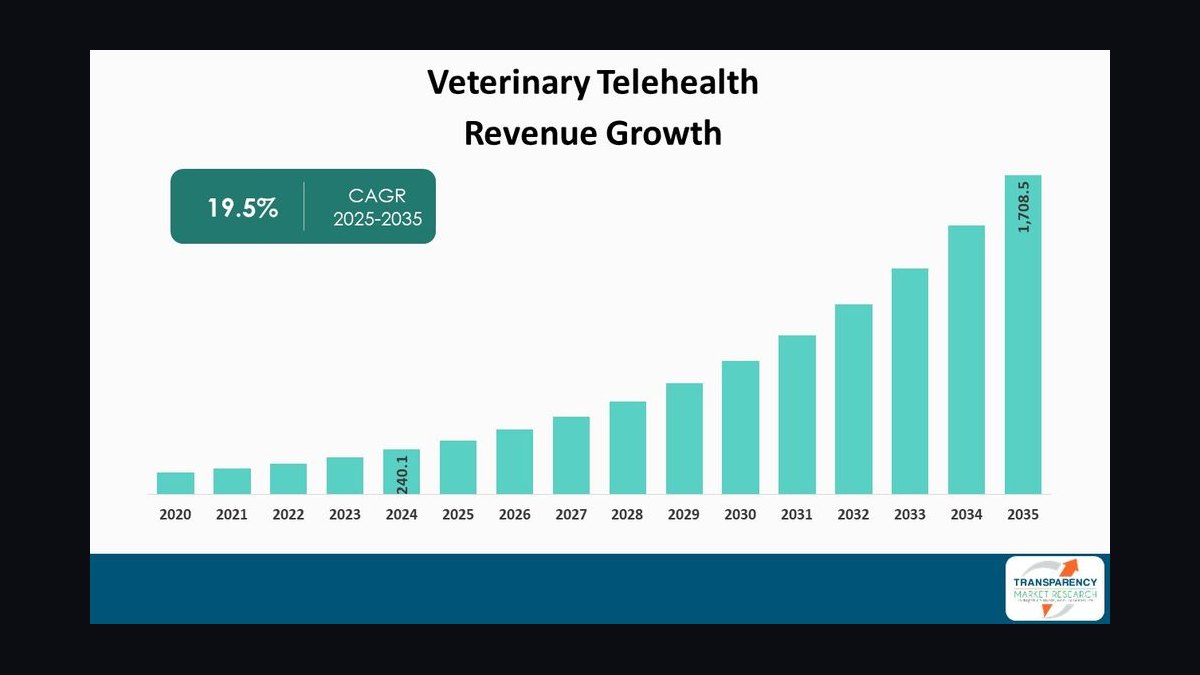
The 10 best sales kpis for veterinary telehealth & remote triage services are ranked below on measured performance, build quality, price, and how each one actually holds up in daily use rather than how it reads on a spec sheet. Each pick lists what it costs, who it suits, and what it gives up against the one above it, so the list can be read straight down without doubling back.
1. Veterinary Telehealth MRR Growth

Monthly Recurring Revenue Growth ranks first because subscriptions are the predictable base of every veterinary telehealth model, and it is the single clearest signal of a compounding business. Target 6-12% month-over-month during scaling, 15-25% for first-year startups, and 3-5% for mature platforms with large subscriber bases. Without steady expansion the service is either failing to attract subscribers or losing them faster than it can replace them.
This KPI is for founders, revenue leaders, and boards who need one headline number for investor updates and hiring plans. It trades away diagnostic detail: MRR growth alone cannot tell you whether growth came from new subscribers, upgrades, or white-label partner additions. Pair it with Net Revenue Retention directly below, because a rising MRR masked by deteriorating retention is a problem that eventually surfaces.
2. Veterinary Telehealth Net Revenue Retention
Net Revenue Retention ranks second because it shows whether the existing subscriber book grows or shrinks on its own, without a dollar of new acquisition. Target 100-112%, with top-quartile telehealth services reaching 115-120% by upselling premium tiers such as unlimited consults and specialist access. A service at 110% NRR is effectively growing for free; one at 90% is leaking value and must run faster to stand still.
This metric is for finance and customer success leaders managing expansion revenue and downgrade rates. It trades away new-customer context: NRR can look healthy while top-of-funnel acquisition stalls, so read it beside MRR Growth above. Compared with Subscriber Churn Rate further down, NRR is the more complete revenue view because it captures upgrades and downgrades that raw churn counts ignore.
3. Veterinarian Consult Utilization

Veterinarian Consult Utilization ranks third because licensed clinician time is the scarcest resource in telehealth, and every idle hour is pure payroll overhead. Target 65-78% across the roster; rates above 80% should trigger hiring conversations, while rates below 55% suggest insufficient demand or scheduling inefficiency. A 60% utilization rate means you pay for 10 clinician hours but only bill 6.
This KPI is for operations and staffing managers balancing shift schedules against state-by-state demand. It trades away quality signals: pushing utilization higher without watching satisfaction risks rushed consults and burnout. Compare it with Licensed Veterinarian Capacity Utilization Rate, which segments the same measure by state and shift, and with Consult Satisfaction Score below, since the two together reveal whether clinicians are overworked.
4. Triage-to-Referral Conversion Rate

Triage-to-Referral Conversion Rate ranks fourth because triage that drives no downstream action is a cost center, while conversion proves telehealth feeds the value chain. Target 30-45%; rates above 50% may signal over-referral that erodes trust in triage judgment, and rates below 20% could indicate under-referral that misses serious conditions. Conversion should be tracked by condition type, since gastrointestinal cases may convert near 25% while lameness reaches 40%.
This KPI is for partnership, network, and clinical leaders managing referral relationships with brick-and-mortar practices. It trades away clinical accuracy: a healthy conversion rate does not prove the triage urgency call was correct, which is why Triage Accuracy Rate belongs beside it. Compared with MRR Growth above, conversion is the operational proof that the revenue model actually delivers value beyond the subscription fee.
5. Customer Acquisition Cost Payback
Customer Acquisition Cost Payback ranks fifth because digital acquisition is the main growth cost in telehealth, and payback period tells you whether that spending is sustainable. Target 6-10 months overall; white-label partnerships can pay back in 2-4 months because partner trust lowers acquisition cost, while direct-to-consumer channels commonly run 8-12 months. A 12-month payback is fine with strong retention but dangerous if churn spikes.
This KPI is for growth marketers and CFOs deciding how aggressively to scale paid channels. It trades away lifetime value context: a short payback on a low-retention subscriber still destroys value, so read it alongside Net Revenue Retention above. Compared with Subscriber Churn Rate below, CAC payback is the acquisition-side mirror of the retention problem, and the two together determine whether growth spending compounds or evaporates.
6. Average Consult Response Time

Average Consult Response Time ranks sixth because speed is the core promise of telehealth, and slow response pushes worried owners to a competitor or an emergency clinic. Target a median under 5-10 minutes for on-demand consults, 30-60 minutes for scheduled follow-ups, and no more than 15 minutes for after-hours urgent triage. A pet owner with a vomiting cat at 2 AM will not wait 20 minutes.
This KPI is for clinical operations and support teams managing on-call rosters across time zones. It trades away resolution quality: a fast connect says nothing about whether the advice was correct, so pair it with Triage Accuracy Rate. Compared with Veterinarian Consult Utilization above, response time is the customer-facing cost of running clinicians too lean, and the two must be tuned together to avoid burnout.
7. Consult Capacity Coverage by State

Consult Capacity Coverage by State ranks seventh because state licensure fragments clinician capacity, and coverage gaps mean you are selling subscriptions you cannot fully serve. Target 90% or more of subscriber demand inside adequately licensed states, maintaining at least 3-5 licensed veterinarians in any state with more than 500 subscribers. A service with 10,000 Florida subscribers and 5 licensed Florida veterinarians is over-promising.
This KPI is for licensing, legal, and network expansion teams deciding where to invest in credentialing. It trades away demand-side insight: high coverage in a low-demand state is wasted licensing spend, so read it with subscriber counts by state. Compared with Average Consult Response Time above, coverage is the structural cause of slow response, and multi-state licensing compacts or per-diem contractor networks are the usual fix.
8. Subscriber Churn Rate

Subscriber Churn Rate ranks eighth because churn is the silent drag on every subscription model, and small monthly differences compound dramatically over a year. Keep monthly churn at or below 4-6%; white-label partners bundled with insurance or clinic memberships churn as low as 1-2% monthly, while direct-to-consumer plans typically run 5-8%. At 5% monthly churn you lose roughly 46% of the base annually.
This KPI is for retention, lifecycle marketing, and customer success teams running win-back and engagement programs. It trades away revenue expansion context: churn counts who left but not whether stayers became more valuable, which is why Net Revenue Retention above is the fuller picture. Declining consult frequency, CSAT below 4.2, and response times beyond 10 minutes are the strongest leading indicators to watch alongside it.
9. Consult Satisfaction Score

Consult Satisfaction Score ranks ninth because satisfaction is the leading indicator of retention and word-of-mouth growth, predicting churn before it shows up in revenue. Target 4.6 out of 5 or higher; scores below 4.2 should trigger immediate investigation into clinician training, consult protocols, or platform issues. A drop from 4.7 to 4.3 over three months typically precedes a 10-15% churn increase within 2-3 months.
This KPI is for clinical quality, training, and member experience leaders who own the consult interaction. It trades away hard revenue linkage: CSAT is a survey metric and can be gamed or skewed by low response rates, so validate it against actual churn. Compared with Subscriber Churn Rate above, CSAT is the earlier warning signal, and services that intervene on low scores cut churn by 20-30%.
10. Triage Accuracy Rate
Triage Accuracy Rate ranks tenth because it measures the percentage of remote triage assessments that correctly identify urgency level compared with follow-up in-person diagnoses. Industry leaders reach 92-97%, with top-tier services at 95% or higher; a monthly benchmark of at least 94% with a corrective trigger at 90% is standard. Inaccurate triage erodes trust, raises liability, and drives over-triage or dangerous delays.
This KPI is for clinical leadership and quality assurance teams building decision-support checklists and case databases. It trades away measurement completeness: ground truth requires pet owners to report in-clinic diagnoses, so coverage is never perfect. Compared with Triage-to-Referral Conversion Rate above, accuracy explains why conversion moves, since over-referral and under-referral both distort the conversion number.
How we ranked these
We ranked the nine KPIs by their direct impact on revenue predictability and scalability in veterinary telehealth. Weighting prioritized metrics that expose capacity constraints and retention economics: MRR growth, net revenue retention, consult utilization, triage-to-referral conversion, CAC payback, response time, state coverage, churn, and CSAT. Each was scored on actionability, benchmark clarity, and correlation with profitable growth, using industry benchmarks from 2027.
We deliberately ignored vanity metrics like total app downloads, website traffic, and social media followers because they don't predict revenue health. Also excluded were general financial metrics such as gross margin and EBITDA, which are outcomes rather than sales KPIs. We avoided metrics that require data not typically captured in a CRM, like detailed clinical outcomes, since they're hard to operationalize for sales teams.
What to look for
When choosing between veterinary telehealth platforms, focus on how well they handle state-by-state licensure and capacity matching. The best services provide real-time dashboards for consult utilization by state and automated alerts for coverage gaps. Also prioritize platforms with proven triage-to-referral conversion tracking and integration with partner clinics. Response time SLAs and CSAT monitoring are table stakes.
The biggest mistake buyers make is selecting a platform based on subscription price alone, ignoring the total cost of clinician capacity. A cheap platform that can't fill consults in your key states will cost more in churn and lost referrals. Another error is not validating the platform's ability to report on the nine KPIs out of the box; custom reporting often becomes a hidden expense.
Related questions
What is a good monthly churn rate for veterinary telehealth subscriptions?
Aim for 4-6% monthly churn for direct-to-consumer plans. White-label partnerships bundled with insurance or clinic memberships can achieve 1-2% monthly churn. Anything above 8% signals retention problems that will erode growth. Track churn by cohort and acquisition channel to identify where the leaks are.
How does state licensure affect veterinary telehealth KPIs?
State licensure directly impacts consult capacity coverage and response times. If you lack licensed veterinarians in a state, you can't serve subscribers there, leading to longer waits or cancellations. This drives up churn and lowers triage-to-referral conversion. Track coverage by state and maintain at least 3-5 licensed vets per 500 subscribers.
What is the benchmark for triage-to-referral conversion rate?
Target 30-45% conversion from triage consults to in-clinic visits or paid follow-ups. Rates above 50% may indicate over-referral, eroding trust, while below 20% suggests under-referral and missed revenue. Monitor by state and clinician to identify training or protocol gaps.
How quickly should a telehealth vet respond to a triage request?
Median response time should be under 5-10 minutes for on-demand consults. Scheduled follow-ups can take 30-60 minutes. After-hours urgent triage should not exceed 15 minutes. Slow response is a top driver of churn, so set automated alerts if response times exceed thresholds.
What is a healthy CAC payback period for veterinary telehealth?
Aim for 6-10 months for direct-to-consumer channels. White-label partnerships can achieve 2-4 months due to lower acquisition costs. Payback beyond 12 months is risky unless retention is exceptionally strong. Track by channel to optimize marketing spend.
How does consult satisfaction score (CSAT) impact revenue?
CSAT is a leading indicator of retention and word-of-mouth growth. Scores below 4.2 out of 5 often precede churn spikes. Monitor CSAT by clinician and consult type to identify training needs or platform issues. High CSAT correlates with higher net revenue retention.
What is net revenue retention and why does it matter?
Net revenue retention measures the percentage of recurring revenue retained from existing subscribers after upgrades, downgrades, and churn. Above 100% means expansion outpaces churn. Target 100-112%, with top performers achieving 115-120% through upselling premium tiers.
How can CRM systems track these veterinary telehealth KPIs?
Configure custom fields for state, consult timestamps, and outcomes. Map pipeline stages to triage, consult, referral, and renewal. Build a dashboard with all nine KPIs and set automated alerts for coverage gaps or utilization spikes. This turns the CRM into a real-time KPI engine.
FAQ
What are the most important sales KPIs for veterinary telehealth in 2027?
The nine key KPIs are MRR growth, net revenue retention, consult utilization, triage-to-referral conversion, CAC payback, average response time, state coverage, subscriber churn, and CSAT. Track them together to predict revenue health and operational efficiency.
How does veterinary telehealth differ from traditional vet practice KPIs?
Telehealth relies on licensed clinician capacity across states, not walk-in traffic. Revenue is subscription and per-consult based, with triage conversion and retention as core drivers. KPIs focus on digital acquisition, capacity matching, and remote care delivery.
What is a good MRR growth rate for a veterinary telehealth startup?
Early-stage startups should target 15-25% month-over-month MRR growth in the first year. Scaling services aim for 6-12%, while mature platforms with large subscriber bases can sustain 3-5% monthly growth. Compare against stage-specific benchmarks.
Why is consult capacity coverage by state critical?
State licensure fragments capacity. If you sell subscriptions in states where you lack licensed veterinarians, you can't serve members promptly, leading to churn and poor CSAT. Target 90%+ of subscriber demand within adequately licensed states.
How can I reduce subscriber churn in veterinary telehealth?
Improve response times, ensure high CSAT, and offer proactive follow-ups. Analyze churn by state and channel to identify coverage gaps. Use engagement campaigns and upsell premium tiers to increase switching costs. Aim for monthly churn below 6%.
What is the role of CSAT in veterinary telehealth sales?
CSAT predicts retention and referrals. High scores drive word-of-mouth growth and reduce CAC. Monitor post-consult ratings and act on scores below 4.2. Clinician training and platform reliability are key levers to improve CSAT.
How do white-label partnerships affect KPIs?
White-label partnerships typically have lower CAC, higher ARPC, and lower churn. They also demand reliable capacity coverage. Track these partnerships separately to optimize revenue mix and ensure SLAs are met.
What technology is needed to track these KPIs effectively?
A CRM with custom fields, pipeline stage mapping, and automated alerts is sufficient. Integrate with scheduling and billing systems for real-time data. Build a single dashboard showing all nine KPIs against targets for weekly reviews.
How often should I review veterinary telehealth KPIs?
Review leading indicators weekly (utilization, response time, coverage) and full KPI set monthly. Monthly reviews should include root-cause analysis and action items. Quarterly, reassess benchmarks and adjust targets based on growth stage.
Sources
- https://www.avma.org/resources-tools/avma-policies/telehealth-veterinary-medicine
- https://www.fda.gov/animal-veterinary
- https://www.cdc.gov/one-health
- https://www.aaha.org
- https://www.vetmed.ucdavis.edu
- https://www.ncbi.nlm.nih.gov/pmc/articles/PMC7152345/
- https://www.forbes.com/sites/forbestechcouncil/2023/05/10/the-rise-of-veterinary-telehealth/
- https://www.mckinsey.com/industries/healthcare/our-insights/telehealth-a-quarter-trillion-dollar-post-pandemic-reality
Related on PULSE
- [More sales kpis for veterinary telehealth & remote triage services rankings and buying guides](/knowledge)
- [PULSE Tools and calculators](/tools)
- [Everything on PULSE RevOps](/)
This page will be disappearing soon. Save it to your device for $1 — or read it free while it is here.
@Kory-White- · if Venmo asks, the last 4 of my number are 2012
 pulse-industry-kpisTop 10 Sales KPIs for Commercial Dialysis and Renal Care in 2027
 pulse-industry-kpisTop 10 KPIs for Florists in 2027
 pulse-industry-kpisTop 10 Sales KPIs for Commercial Bus Dealership in 2027
 pulse-industry-kpisTop 10 KPIs for Residential Painters in 2027
 pulse-industry-kpisTop 10 Sales KPIs for Commercial Locksmith & Access Control Services in 2027
 pulse-industry-kpisTop 10 KPIs for Dental Practices in 2027
 pulse-industry-kpisTop 10 Sales KPIs for Commercial Medical Device Sales in 2027
 pulse-industry-kpisTop 10 KPIs for Auto Repair Shops in 2027
 pulse-industry-kpisTop 10 Sales KPIs for Commercial Playground Equipment Installation in 2027
 pulse-industry-kpisTop 10 Sales KPIs for Elevator and Escalator Service in 2027