
Verizon vs T-Mobile: which is better in 2027?
 Curated byKory White · Fractional CRO · Maryland
 PULSEKNOWLEDGE LIBRARY
Quality
Certified

The "better" carrier depends entirely on where you live and how you use your phone. T-Mobile has closed the coverage gap significantly since its Sprint merger, now matching or exceeding Verizon in many rural areas while offering faster average download speeds in cities. Verizon retains an edge in network reliability — fewer dropped calls in crowded stadiums or during peak hours — and its Ultimate plan includes truly unlimited premium hotspot data (no throttling cap). However, T-Mobile’s Go5G Next plan includes 50GB of premium hotspot data, free in-flight Wi-Fi, and unlimited international data in 215+ countries, which is unmatched by Verizon. For home internet, T-Mobile’s fixed wireless service is widely available and typically $50/month (with autopay), while Verizon’s 5G Home is more limited in coverage but often $35/month for the first year.
Coverage and Network Performance
Verizon’s 5G Ultra Wideband (mmWave and C-band) delivers blistering speeds in dense urban cores — think 1-2 Gbps in Manhattan or Chicago — but the signal barely penetrates walls. T-Mobile’s Ultra Capacity 5G (mid-band 2.5 GHz) offers more consistent speeds of 200-400 Mbps across suburbs and highways. In 2027, T-Mobile’s 600 MHz Extended Range 5G covers more square miles of rural America than Verizon’s 5G Nationwide (which relies on DSS, a less efficient spectrum-sharing method). According to RootMetrics’ 2026 H2 report, T-Mobile won or tied for fastest median download speed in 115 of the 125 largest U.S. markets; Verizon won or tied for reliability in 98 of those markets. OpenSignal’s 2027 Global Mobile Network Experience Report shows T-Mobile leading in 5G availability (users on 5G 68% of the time) versus Verizon (54%).
Plan Pricing and Value
Verizon’s Welcome Unlimited plan starts at $65/month for one line (autopay required) and includes 5G Nationwide but no hotspot data or premium network access. T-Mobile’s Essentials plan is $50/month with 5G access and 5GB of hotspot data. For families, T-Mobile’s Go5G Plus ($75/month for the first line, $35 for additional lines) undercuts Verizon’s Plus plan ($80/month first line, $40 additional) while including Netflix Standard with ads and Apple TV+. Verizon’s Ultimate ($90/month) is the only plan with truly unlimited premium hotspot data (though throttled after 60GB in congested areas), which is a key differentiator for remote workers or RVers. Visible (Verizon-owned) offers unlimited everything for $25/month (Visible+) or $15/month (Visible base) — a better deal than T-Mobile’s Metro by T-Mobile ($30/month for 10GB).

International Roaming
T-Mobile remains the king of international travel. Every postpaid plan includes free 2G data (unlimited but slow) and unlimited texting in 215+ countries, with calls at $0.25/minute. Verizon charges $10/day TravelPass for the same access, or you can buy a $100 monthly international plan (10GB data). T-Mobile’s Go5G Next adds 5GB of high-speed data per month abroad. For heavy international use, T-Mobile is the clear winner. However, Verizon’s Ultimate plan includes TravelPass days (up to 20 per billing cycle) — enough for a two-week trip. If you travel abroad only once a year, Verizon’s pay-per-day model may still be cheaper than T-Mobile’s higher plan prices.
Device Deals and Trade-Ins
Both carriers run aggressive promotions for new iPhones and Samsung Galaxy phones. In 2027, T-Mobile typically offers up to $1,000 off a new iPhone 17 Pro with trade-in of an iPhone 14 or newer, requiring a Go5G Next or Plus plan. Verizon matches with up to $1,000 off on its Ultimate plan, but the trade-in value depends on device condition and model year. The catch: Verizon’s trade-in credits are spread over 36 months (three years), while T-Mobile uses 24 months. If you upgrade frequently, T-Mobile’s shorter installment term is better. Verizon also offers $200 prepaid Mastercard for switching with your own phone — no trade-in required.

Home Internet Showdown
T-Mobile Home Internet is available to ~90 million households (as of early 2027) and costs $50/month with autopay (or $35/month for Go5G Plus/Next customers). Speeds range from 72-245 Mbps depending on location. Verizon 5G Home covers ~60 million homes at $35/month (first year, then $45) for the base plan (85-300 Mbps) or $45/month (first year, then $55) for the Plus plan (up to 1 Gbps). Verizon’s service uses a dedicated router with Wi-Fi 7 support; T-Mobile’s gateway includes Wi-Fi 6. Both have no contracts, no data caps, and no equipment fees. T-Mobile wins on availability; Verizon wins on speed if you’re in a mmWave coverage area.
Customer Service and Perks
J.D. Power’s 2027 U.S. Wireless Customer Care Study ranked T-Mobile highest in customer satisfaction among full-service carriers for the fourth consecutive year. Verizon scored below the industry average in the same study. T-Mobile’s T-Mobile Tuesdays app still offers free stuff (movie tickets, gas discounts, MLB.TV subscription). Verizon’s Verizon Up rewards are less generous — mostly small discounts on accessories or event tickets. Both carriers offer 24/7 chat support and in-store service, but T-Mobile’s Team of Experts model (you get a dedicated support rep) is notably better for resolving complex issues.

Prepaid and MVNO Alternatives
If you want Verizon’s network at a lower price, Visible (Verizon-owned) offers unlimited everything for $25/month (Visible+ includes 5G Ultra Wideband and 50GB premium data). US Mobile lets you choose between Verizon’s (Warp 5G) or T-Mobile’s (GSM) networks — their Unlimited Premium plan is $44/month with 100GB data and 50GB hotspot. For T-Mobile’s network, Mint Mobile (now T-Mobile-owned) offers a 12-month plan at $15/month for 5GB, or $30/month for unlimited. Google Fi uses T-Mobile’s network plus Wi-Fi calling and is excellent for international travelers — the Unlimited Plus plan ($65/month) includes 50GB data and free international roaming in 200+ countries.
Which Carrier Should You Choose?
Choose Verizon if: You live in a dense city where mmWave 5G is available, you need unlimited premium hotspot data for work or streaming, you travel internationally only once a year and prefer pay-per-day, or you want the most reliable network for critical calls (healthcare, emergency services).
Choose T-Mobile if: You travel internationally frequently, you live in a rural or suburban area where mid-band 5G covers well, you want the best value for family plans, you need home internet in an area where cable isn’t available, or you want free streaming perks (Netflix, Apple TV+).
FAQ
Does T-Mobile still have better coverage than Verizon in 2027? T-Mobile has closed the gap significantly. In many rural areas, T-Mobile’s 600 MHz 5G reaches farther than Verizon’s 850 MHz LTE. However, Verizon still leads in urban reliability and building penetration in cities with mmWave.
Which carrier has the cheapest unlimited plan? T-Mobile’s Essentials at $50/month is cheaper than Verizon’s Welcome at $65/month. But Visible (Verizon-owned) at $25/month is the cheapest unlimited plan on Verizon’s network. Mint Mobile offers unlimited on T-Mobile’s network for $30/month (12-month plan).
Can I use my Verizon phone on T-Mobile? Yes, if your phone is unlocked and compatible with T-Mobile’s bands (particularly band 71 for 600 MHz). Most recent iPhones (iPhone 13 and newer) and Samsung Galaxy S23 and newer work on both. Check your phone’s IMEI on T-Mobile’s compatibility page.
Is T-Mobile Home Internet better than Verizon 5G Home? T-Mobile Home Internet is available to more households and is cheaper if you bundle with a premium phone plan ($35/month). Verizon 5G Home is faster in areas with mmWave coverage (up to 1 Gbps) but is limited to specific addresses. Both are reliable alternatives to cable.
Does Verizon still have the best customer service? No. J.D. Power’s 2027 study ranks T-Mobile highest in customer satisfaction. Verizon’s customer service scores are below average. T-Mobile’s Team of Experts model provides more personalized support.
Which carrier has the best trade-in deals? Both offer up to $1,000 off new phones with trade-in, but T-Mobile’s 24-month installment term is better than Verizon’s 36-month term if you upgrade frequently. Check current promotions on each carrier’s website.
Related on PULSE
- [T-Mobile vs Verizon 5G home internet: which is better in 2027?](/knowledge/tc0144)
- [Is a prepaid carrier as good as Verizon, AT&T, or T-Mobile in 2027?](/knowledge/tc0093)
- [AT&T vs Verizon: which is better in 2027?](/knowledge/tc0054)
- [Verizon vs Visible: which is better in 2027?](/knowledge/tc0081)
- [AT&T vs T-Mobile: which is better in 2027?](/knowledge/tc0057)
- [Google Fi vs T-Mobile: which is better in 2027?](/knowledge/tc0069)
Sources
- Verizon 5G Coverage Map
- T-Mobile Coverage Map
- RootMetrics 2026 H2 US Mobile Network Performance Report
- OpenSignal 2027 Global Mobile Network Experience Report
- J.D. Power 2027 U.S. Wireless Customer Care Study
- Visible Prepaid Plans
- Mint Mobile Plans
- US Mobile Plans
- FCC Broadband Map (for home internet comparison)
- CNET: Best Cell Phone Plans 2027
Bottom Line
In 2027, T-Mobile is the better choice for most consumers due to its lower prices, stronger international features, and broader home internet availability. Verizon remains the premium option for those who need the most reliable network in dense cities or unlimited hotspot data. Test both networks with a prepaid trial (Visible for Verizon, Network Pass for T-Mobile) before committing to a postpaid plan. Your specific location and usage habits will ultimately determine which carrier delivers the best value.
This page will be disappearing soon. Save it to your device for $1 — or read it free while it is here.
@Kory-White- · if Venmo asks, the last 4 of my number are 2012
This page is gone.
This one is off the shelf now. $1 keeps it on your phone for good — the whole page, pictures and diagrams included.
 telcoHow do I add an international data pass to my plan before a trip in 2027?
 telcoHow do I factory reset my phone before selling or trading it in in 2027?
 telcoHow do I test a carrier's coverage before fully switching in 2027?
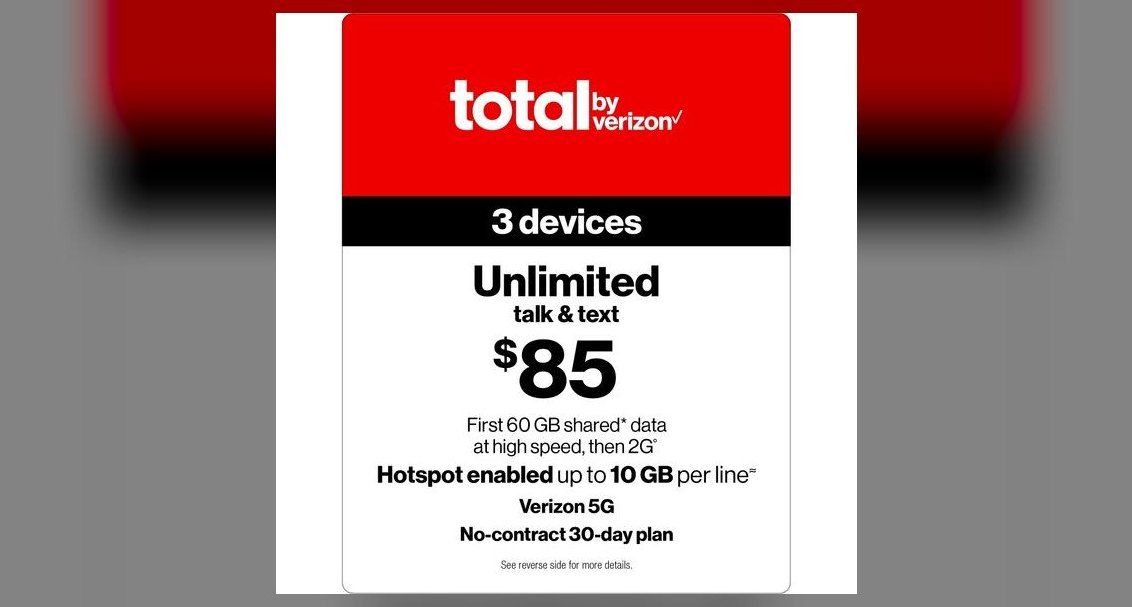 telcoTop 10 Best Cell Phone Plans for Families in 2027
 telcoHow do I keep my phone number if I cancel my plan in 2027?
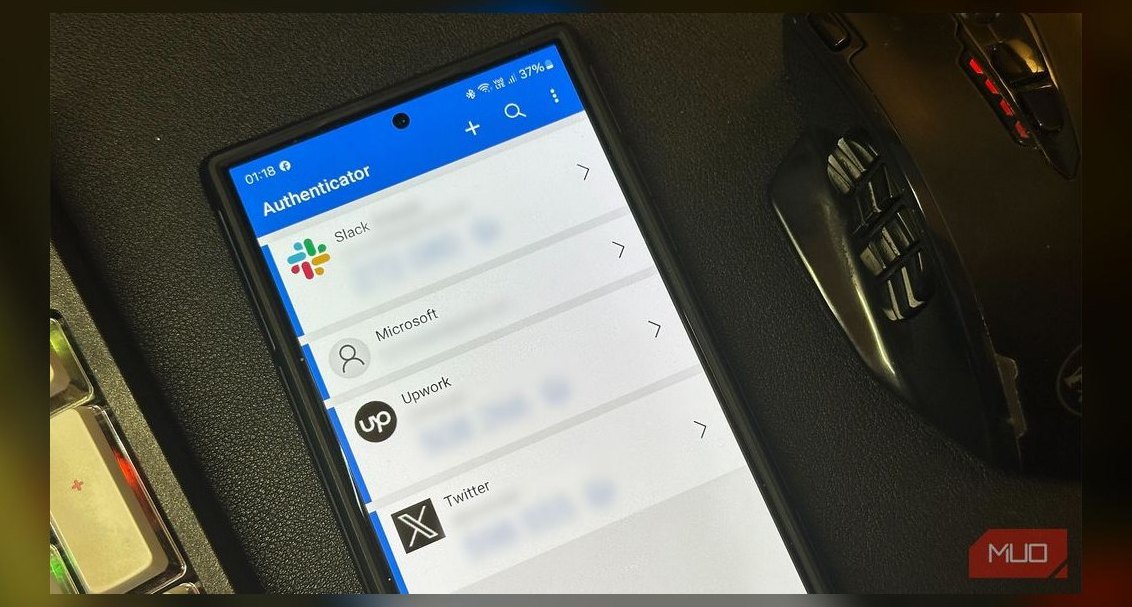 telcoHow do I back up my phone's data before switching to a new carrier in 2027?
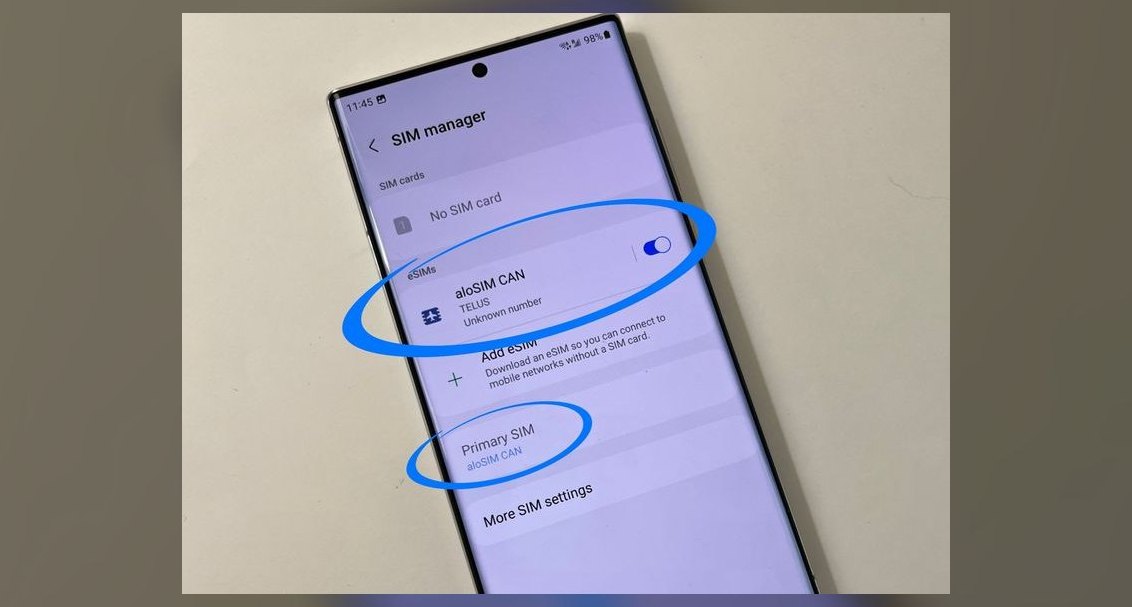 telcoHow do I activate a new SIM card or eSIM in 2027?
 telcoStraight Talk vs Total Wireless: which is better in 2027?
 telcoHow do I set up voicemail on a new phone in 2027?
 telcoHow do I add a family member to my existing cell phone plan in 2027?