

How much mobile data does a family of four actually need in 2027?
 Curated byKory White · Fractional CRO · Maryland
Quality
Certified

There is no single magic number because usage varies wildly by household. A family that streams 4K video on phones, uses mobile hotspots for laptops, and plays online games on cellular data will easily burn through 100 GB per month. A family that primarily uses Wi-Fi at home and only streams music or maps on the go might get by on 15–20 GB total. By 2027, the average U.S. household uses roughly 30–50 GB per line per month, according to industry data from Opensignal and the FCC. For four lines, that translates to 120–200 GB if every line is heavily used, but many families can share a single pool of 60–100 GB by setting data limits on kids' phones and using Wi-Fi for large downloads.
Understanding 2027 Household Data Patterns
By 2027, the average smartphone is capable of streaming 4K HDR video and running augmented reality apps that consume data at 2–3 GB per hour. A single 30-minute commute with video streaming can eat 1.5 GB. If two parents each commute an hour daily and stream video, that’s 60 GB per month just for the adults. Add two children who watch YouTube or TikTok on cellular data for an hour a day (roughly 1 GB per hour each), and the total jumps to 120 GB. A family that also uses a mobile hotspot for a laptop during a weekend road trip or for a remote work day can add another 10–20 GB.
The good news: most carriers now offer truly unlimited plans that don’t throttle video below 480p on standard lines. For example, T-Mobile's Go5G Plus includes 50GB of premium data per line before possible deprioritization, while Verizon's Unlimited Plus offers 50GB of premium data and 30GB of hotspot per line. AT&T's Unlimited Premium includes 50GB of premium data and 30GB of hotspot. These plans cost around $45–$55 per line for four lines with autopay, totaling $180–$220 per month.

However, many families can get by with capped prepaid plans that cost half as much. Mint Mobile offers 15GB per line for $15/month per line (when paid annually), totaling $60 for four lines. US Mobile lets you build a custom shared pool: 20GB shared among four lines costs $72/month, and you can top up at $2/GB. Visible (owned by Verizon) offers unlimited data on one line for $25/month with Visible+, but multi-line discounts are minimal, so four lines cost $100/month. Cricket Wireless (AT&T network) offers a 10GB per line plan for $25/month per line with autopay, totaling $100 for four lines.
How to Choose Between Unlimited and Capped Plans
The key decision point is total household data consumption. If your family uses more than 50 GB per month across all lines, an unlimited plan is safer because overage fees on capped plans can be punishing (e.g., AT&T charges $15 per 1GB overage on some prepaid plans). If you use less than 30 GB, a capped plan saves money. For families in the 30–50 GB range, consider a shared pool plan from US Mobile or Mint Mobile's 15GB per line plan, which gives each line its own cap but allows sharing within the family.

Another factor is hotspot data. If anyone in the family needs to tether a laptop for work or school, check the hotspot allowance. Verizon Unlimited Plus includes 30GB of hotspot per line, while T-Mobile Go5G Plus includes 50GB. Capped prepaid plans often include no hotspot or a very small allowance (e.g., Mint Mobile 15GB plan includes 5GB of hotspot per line). For a family that needs hotspot, a postpaid unlimited plan is usually better.
The Role of Home Internet in Reducing Mobile Data Needs
A family that has reliable home internet (cable, fiber, or 5G fixed wireless) can offload nearly all heavy data tasks to Wi-Fi. If both parents work from home and the kids attend school in person, the mobile data usage might be just 5–10 GB per line per month—mostly for navigation, messaging, and social media while out. In that case, a capped prepaid plan with 5–10 GB per line is plenty. For example, Tello Mobile offers 5GB per line for $14/month, totaling $56 for four lines. Boost Mobile has a 5GB plan for $15/month per line.
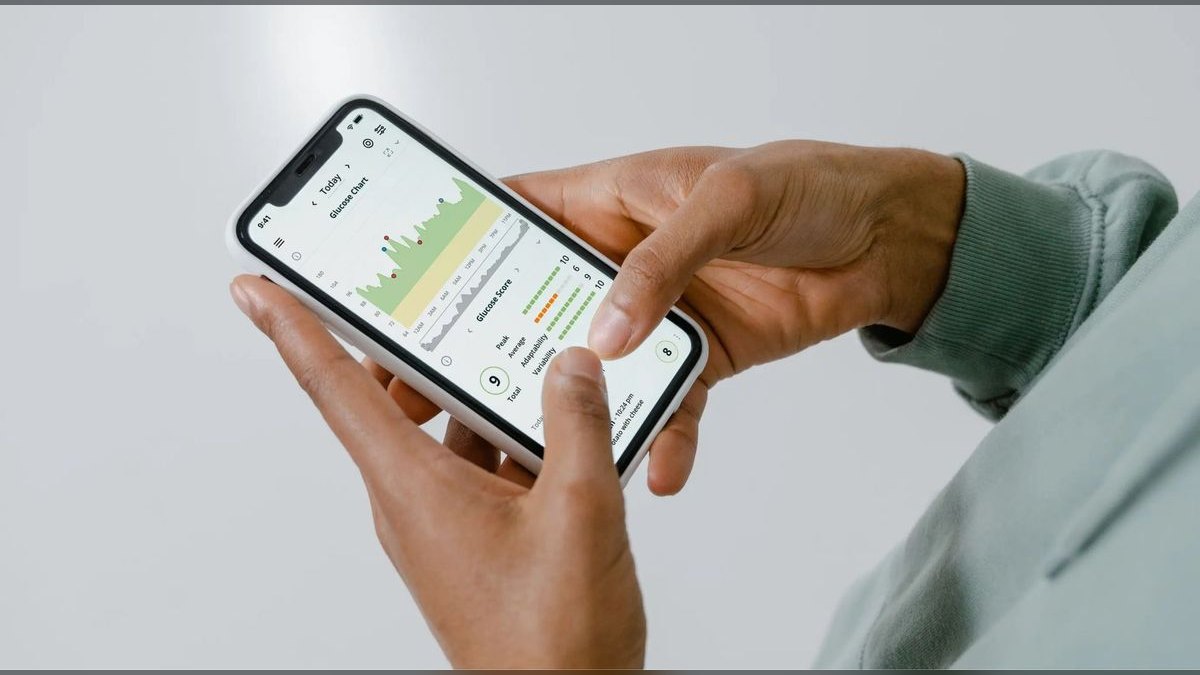
However, if the family does not have home internet and relies entirely on mobile data (a growing trend in some rural areas), then unlimited plans become essential. In 2027, T-Mobile Home Internet and Verizon 5G Home offer fixed wireless internet for $50–$60/month, often with no data caps. If you can get one of these, you can keep your mobile plan small and use the home internet for streaming, gaming, and large downloads.
What About Kids' Phones and Data Limits?
Children aged 10–16 are often the heaviest mobile data users in a family, thanks to TikTok, Instagram Reels, and YouTube Shorts. A 15-minute scroll through short-form video can use 500 MB to 1 GB. If a child watches an hour of these per day on cellular data, that’s 30 GB per month just for one line. Many parents set screen time limits or data caps via carrier apps. Verizon Family and AT&T Secure Family let you set monthly data limits per line and block data after the limit is reached. T-Mobile's Family Controls offers similar features.

For younger children who only need a phone for calls and texts, a basic plan with 1–2 GB of data is sufficient. US Mobile offers a 2GB plan for $10/month per line. Mint Mobile has a 5GB plan for $15/month per line. Google Fi offers a flexible plan where you pay $20 per line for talk/text plus $10 per GB used, which can be good for light users.
How to Test Your Family's Actual Needs
Before committing to a plan, run a 30-day trial of your chosen network. T-Mobile offers a Network Pass that gives you 30 days of unlimited data on their network for free. Visible offers a 15-day free trial. Cricket Wireless has a 7-day money-back guarantee. During the trial, track your usage per line using the carrier’s app or a third-party app like My Data Manager. This will give you a real-world baseline.
Also, check coverage at your specific addresses (home, work, school, and common travel routes). Use OpenSignal or RootMetrics to compare carriers in your ZIP code. A plan that’s cheap is useless if it drops calls in your basement or has no signal at your kid’s school.
What About 5G Home Internet vs. Cable?
If you’re choosing between 5G home internet (T-Mobile, Verizon, Starry) and cable (Xfinity, Spectrum, Cox), the decision affects your mobile data needs. 5G home internet is often unlimited but deprioritized during peak hours, which can slow down streaming. Cable typically has data caps (e.g., Xfinity’s 1.2TB cap) but offers more consistent speeds. If you pick 5G home internet, you can still use mobile data for backup, but you’ll likely use less mobile data because the home connection is always available. If you pick cable with a data cap, you might need to offload some streaming to mobile data if you exceed the cap.

Starlink is an option for rural families, but it costs $120/month and has a 1TB soft cap. It’s not ideal for heavy streaming, so you might rely more on mobile data.
FAQ
Is 100 GB enough for a family of four in 2027? Yes, if the family uses Wi-Fi at home for streaming, gaming, and large downloads. 100 GB shared among four lines is roughly 25 GB per line, which is enough for moderate social media, navigation, music, and occasional video streaming on the go.
What happens if we exceed our data cap on a prepaid plan? Most prepaid carriers either cut off data until the next billing cycle or charge overage fees (e.g., $2/GB on US Mobile, $15/GB on AT&T Prepaid). Some allow you to buy a top-up in the app. Unlimited plans simply slow speeds after the premium data threshold (usually 50GB per line).
Can we mix unlimited and capped plans within the same family? Yes, many carriers allow mixed plans on the same account. For example, Verizon lets you have one line on Unlimited Plus and another on Welcome Unlimited. T-Mobile allows different Essentials and Go5G plans on the same account. This is useful if one parent needs hotspot and the other doesn’t.
Is 5G home internet reliable enough to replace cable for a family of four? It depends on your location. In areas with strong 5G coverage, T-Mobile Home Internet averages 100–200 Mbps, which is fine for 4K streaming on two devices simultaneously. In congested areas, speeds may drop to 20–30 Mbps during peak hours. Check OpenSignal for your ZIP code.
Do kids’ phones really need unlimited data? Rarely. Most kids under 16 can get by with 5–10 GB per month if you set screen time limits and encourage Wi-Fi use at home. A 15GB plan per line is usually enough for a teenager who streams video moderately.
Related on PULSE
- What is the best family cell phone plan for four lines in 2027?
- Are phone trade-in deals actually worth it in 2027?
- How much speed do I need from home internet in 2027?
- Best Family Cell Phone Plans in 2027
- Are family plans really cheaper than individual lines in 2027?
- How do I split a family plan when someone moves out in 2027?
Sources
- Verizon Unlimited Plans
- T-Mobile Go5G Plans
- AT&T Unlimited Plans
- Mint Mobile Plans
- US Mobile Custom Plans
- Visible Plans
- Cricket Wireless Plans
- FCC Broadband Data
- OpenSignal Mobile Network Experience Reports
- RootMetrics Coverage Maps
- T-Mobile Home Internet
- Verizon 5G Home Internet
Bottom Line
A family of four in 2027 should start by auditing their current mobile data usage over three months. If the total is under 30 GB, choose a capped prepaid plan from Mint Mobile, US Mobile, or Tello for $60–$80 per month. If usage is 30–100 GB, consider a shared pool plan from US Mobile or a low-tier unlimited plan from Visible or Cricket for $80–$120 per month. If usage exceeds 100 GB, go with a postpaid unlimited plan from Verizon, T-Mobile, or AT&T for $140–$220 per month. Always check coverage at your specific addresses using OpenSignal or RootMetrics before switching, and take advantage of free trials to confirm speeds. The right plan balances cost, data allowance, and hotspot needs—there’s no one-size-fits-all answer, but these ranges will guide you to the best choice for your family.
This page will be disappearing soon. Save it to your device for $1 — or read it free while it is here.
@Kory-White- · if Venmo asks, the last 4 of my number are 2012
This page is gone.
This one is off the shelf now. $1 keeps it on your phone for good — the whole page, pictures and diagrams included.
 telcoIs an unlimited data plan worth it in 2027?
 telcoBest Cellular and Wireless Carrier in Montgomery in 2027
 telcoIs carrier phone insurance worth it in 2027?
 telcoWhy are taxes and fees so high on my phone bill in 2027?
 telcoUS Mobile vs Mint Mobile: which is better in 2027?
 telcoWhat is the difference between 5G UW, 5G+, and regular 5G in 2027?
 telcoWhat are the most common mistakes in Telco in 2027?
 telcoBest Cellular and Wireless Carrier in Wichita in 2027
 telcoBest Cell Phone Plans for International Travel in 2027
 telcoAre autopay and paperless discounts worth it in 2027?