

Should I finance a new phone or buy it outright in 2027?
 Curated byKory White · Fractional CRO · Maryland
Quality
Certified

The decision comes down to your budget, your tolerance for carrier lock-in, and how often you upgrade. Financing through a carrier like Verizon, AT&T, or T-Mobile typically involves 24 or 36 monthly installments at 0% APR, and you can often get a $800–$1,000 trade-in credit on a high-end phone if you stay on a premium plan. Buying outright means paying the full retail price (e.g., $1,099 for an iPhone 16 Pro or $799 for a Samsung Galaxy S24 FE) at once, which gives you immediate ownership and the ability to switch carriers or sell the phone whenever you want. For budget-conscious users, buying a mid-range phone outright (like a Google Pixel 8a for $499 or a Samsung Galaxy A55 for $449) and pairing it with a $25/month prepaid plan from US Mobile or Cricket can save hundreds over two years compared to financing a flagship on a postpaid plan.
Steps
Compare
Financing: The Carrier Lock-In Trade-Off
Financing a phone through a major carrier like Verizon, AT&T, or T-Mobile in 2027 typically means a 24- or 36-month installment agreement at 0% APR. The big draw is the trade-in promotion: carriers often offer $800–$1,000 off a new flagship when you trade in an eligible device (often any phone in good condition, even older models). For example, in 2024–2025, T-Mobile offered up to $1,000 off the iPhone 16 Pro with trade-in on its Go5G Next plan, and Verizon offered similar credits on its Unlimited Ultimate plan. These promotions require you to stay on a premium unlimited plan that costs $80–$100 per month for a single line.
The catch is carrier lock-in. The phone is locked to that carrier until the installment balance is paid in full. If you want to switch to a cheaper carrier like Visible ($25/month unlimited) or Mint Mobile ($15/month for 5GB), you must pay off the remaining balance first—often hundreds of dollars. Also, if you lose your job or need to cut costs, you cannot easily downgrade your plan without losing the promotional credit. Financing is best for users who are certain they will stay with the same carrier for the full term.

Buying Outright: Freedom and Lower Long-Term Costs
Buying a phone outright in 2027 gives you immediate ownership and unlocked status. You can buy directly from the manufacturer (Apple, Samsung, Google), a retailer like Best Buy or Amazon, or a carrier at full price. The biggest advantage is plan flexibility: you can pair an unlocked phone with any carrier or MVNO. For instance, you could buy a Google Pixel 8a for $499 and use it on US Mobile ($25/month for unlimited data on Verizon or T-Mobile networks) or Cricket Wireless ($30/month for 5GB). Over two years, that's $499 + $600 = $1,099, compared to financing a $1,099 iPhone 16 Pro on Verizon's Unlimited Ultimate plan ($90/month for 24 months = $2,160 total, plus the phone cost if no trade-in).
Buying outright also means you can sell the phone at any time. If you decide to upgrade after 18 months, you can sell your current phone on Swappa or eBay for $300–$500, then use that money toward a new device. You are not tied to a carrier's upgrade schedule or trade-in requirements. Buying outright is best for budget-conscious users, frequent travelers who need unlocked phones for international SIMs, and anyone who wants to switch carriers without penalty.

The Hidden Cost of Premium Plans
One factor often overlooked is the cost of the required plan when financing. Carriers like Verizon, AT&T, and T-Mobile reserve their best trade-in deals for their most expensive unlimited plans. In 2027, these plans typically cost $80–$100 per month for one line. If you finance a phone and get a $1,000 trade-in credit, you might save on the phone but pay $300–$600 more over two years compared to a $25–$45 prepaid plan. For example, Visible ($25/month) and Mint Mobile ($15–$30/month) run on the same networks (Verizon and T-Mobile, respectively) but cost far less. If you buy a phone outright for $500 and use Visible for 24 months, your total cost is $500 + $600 = $1,100. Financing a $1,099 phone on Verizon's Unlimited Ultimate ($90/month) for 24 months costs $1,099 + $2,160 = $3,259—even with a $1,000 trade-in, you still pay $2,259.
Mid-Range and Refurbished Options
You do not need to buy a $1,200 flagship to get a good phone. In 2027, mid-range phones like the Google Pixel 8a ($499), Samsung Galaxy A55 ($449), OnePlus Nord N30 ($299), and Motorola Moto G Stylus ($299) offer excellent cameras, 5G, and long software support. Pairing one with a prepaid plan from Cricket, Metro by T-Mobile, or Boost Mobile can keep your total cost under $700 over two years.
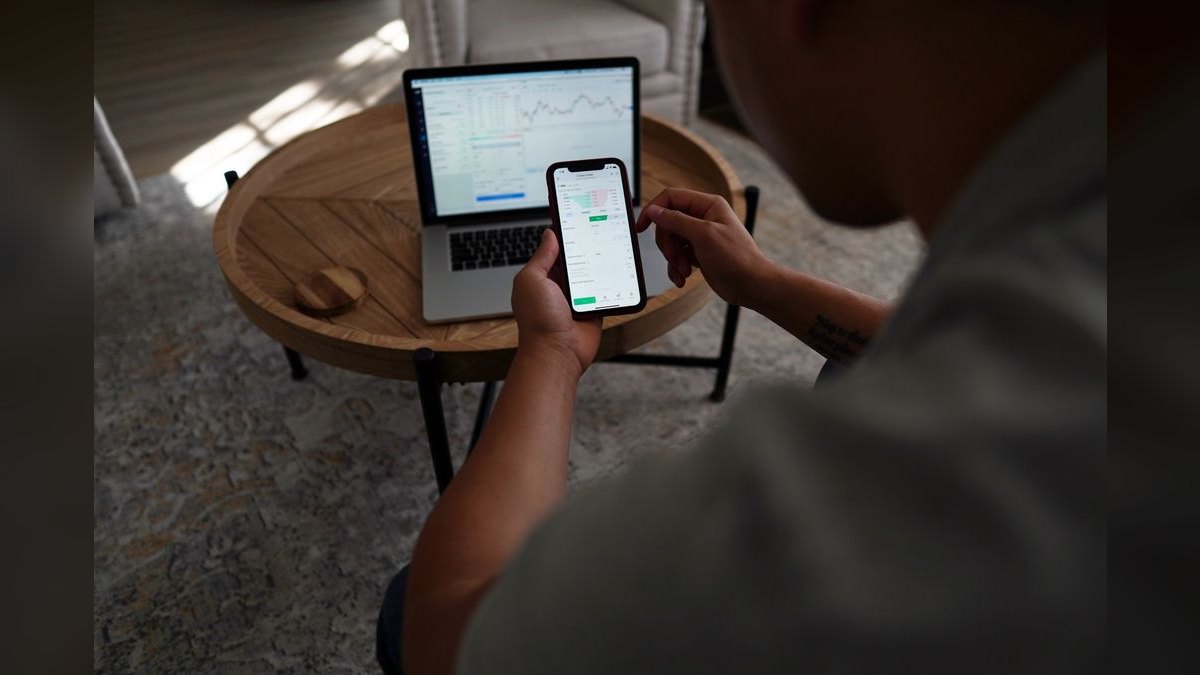
Refurbished flagships are another strong option. A certified refurbished iPhone 15 Pro or Samsung Galaxy S23 Ultra from Apple, Samsung, or a reputable seller like Back Market costs $600–$800—roughly half the price of a new model. These phones are unlocked, have been tested, and come with a warranty. Buying a refurbished phone outright and using it on a low-cost carrier like US Mobile or Google Fi is one of the smartest financial moves in 2027.
Carrier Financing vs. Manufacturer Financing
Financing through a carrier is not your only option. Apple Card Monthly Installments (0% APR, 24 months) allow you to buy an unlocked iPhone directly from Apple without a carrier tie-in. You can use it on any carrier, including prepaid. Samsung Financing (0% APR, 24–36 months) works similarly for Galaxy phones. These options give you the convenience of installments without the carrier lock-in. However, you generally do not get the same trade-in credits as carrier promotions—Apple and Samsung offer $200–$500 trade-in, not $1,000.

When Financing Makes Sense
Financing a phone in 2027 is a good choice if:
- You want a flagship phone (iPhone Pro, Galaxy S Ultra, Pixel Pro) and cannot pay $1,000+ upfront.
- You plan to stay with the same carrier for 2–3 years and use a premium unlimited plan anyway.
- You have a high-value trade-in (e.g., an iPhone 14 Pro or Galaxy S23) that qualifies for the maximum $1,000 credit.
- You value the convenience of a single monthly bill and automatic upgrades every 12–24 months.
When Buying Outright Is Better
Buying outright is the better option if:
- You want to minimize monthly costs by using a prepaid plan ($15–$45/month).
- You switch carriers frequently (e.g., for travel, better coverage, or deals).
- You prefer to keep phones for 3–4 years and avoid upgrade cycles.
- You are comfortable buying a mid-range or refurbished phone that meets your needs.
- You want to avoid debt and own the phone from day one.
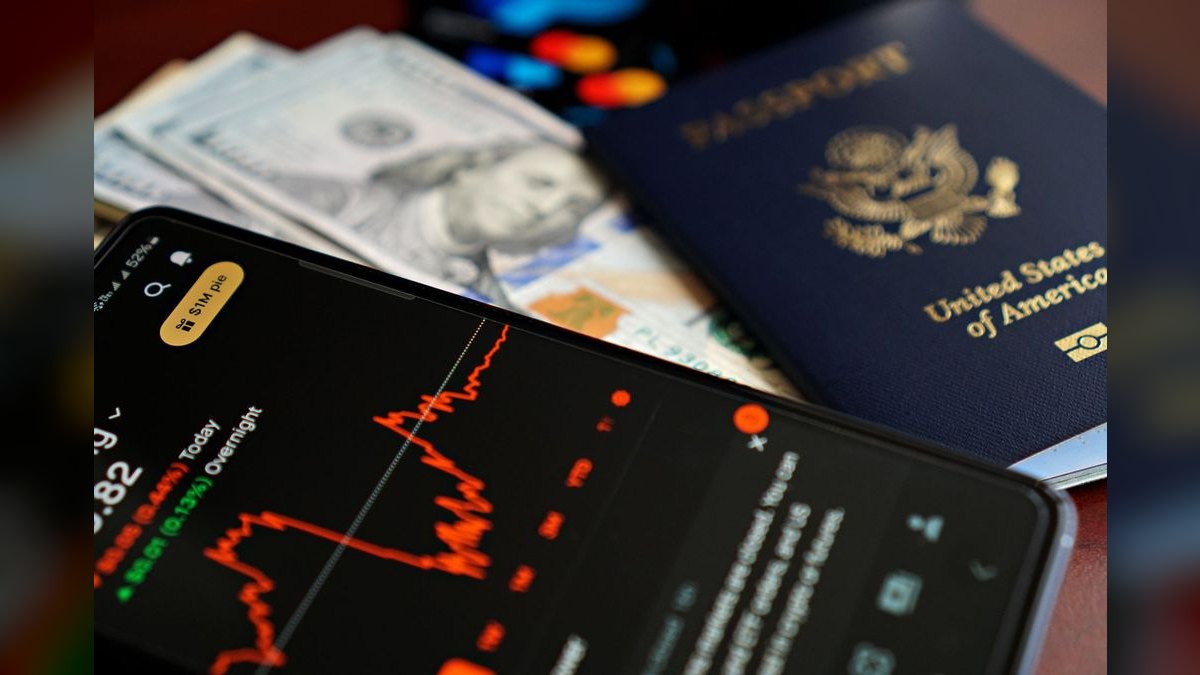
The Impact of 5G and Home Internet Bundles
In 2027, many carriers bundle 5G home internet with mobile plans. For example, Verizon 5G Home and T-Mobile Home Internet offer $25–$50/month for home broadband when paired with a premium mobile plan. If you finance a phone and bundle home internet, you might save $10–$20/month on each service. However, this further locks you into the carrier. Buying a phone outright and using a separate home internet provider (like Xfinity, Spectrum, or Starlink) gives you more flexibility to switch if prices or speeds change.
FAQ
Does financing a phone affect my credit score? Carriers typically run a soft credit check for installment plans. On-time payments can help your credit, but missed payments can hurt it. Prepaid plans and buying outright have no credit check.
Can I switch carriers if I finance a phone? Yes, but you must pay off the remaining balance first. Some carriers allow early upgrade after 12 months if you trade in the phone, but you still need to start a new installment.
Are there any hidden fees with financing? Some carriers charge an activation fee ($30–$40) and may require a down payment if your credit is not excellent. Read the fine print for early termination fees or insurance requirements.
Is it cheaper to buy a phone outright and use prepaid? For most people, yes. Over 24 months, buying a $500 phone and using a $25 prepaid plan costs $1,100, while financing a $1,000 phone with a $90 postpaid plan costs $3,160 (or $2,160 with a $1,000 trade-in). Prepaid saves $1,000–$2,000.
What about Apple or Samsung's own financing? Apple Card Monthly Installments and Samsung Financing offer 0% APR without carrier lock-in. You can use the phone on any carrier, including prepaid. Trade-in values are lower than carrier promotions, but you keep flexibility.
Can I buy a phone outright from a carrier? Yes, most carriers sell phones at full retail price. However, they are often locked to that carrier until you request an unlock (usually after 60 days). Buying from Apple, Samsung, or Best Buy ensures an unlocked device.
Related on PULSE
- How do I check if my phone is compatible with a new carrier in 2027?
- Can I bring my own phone to a new carrier (BYOD) in 2027?
- How do I port my phone number to a new carrier in 2027?
- Best Cellular and Wireless Carrier in New Orleans in 2027
- Best Cellular and Wireless Carrier in New York City in 2027
- Best Cellular and Wireless Carrier in New York in 2027
Sources
- Verizon device payment agreement terms
- AT&T installment plan details
- T-Mobile equipment installment plan
- Apple Card Monthly Installments
- Visible unlimited prepaid plan pricing
- Mint Mobile prepaid plans
- US Mobile prepaid plans
- Cricket Wireless plans
- FCC unlocking rules
- OpenSignal mobile network experience reports
- PCMag guide to buying a phone outright
- CNET best prepaid phone plans 2027
Bottom Line
Financing a new phone in 2027 is a reasonable choice if you want a flagship device, have a valuable trade-in, and plan to stay on a premium postpaid plan for 2–3 years. Buying outright is almost always cheaper in the long run, especially when paired with a prepaid plan from Visible, Mint Mobile, or US Mobile. The key is to calculate your total cost over 24 months (phone + plan) and compare financing with trade-in credits against buying a mid-range or refurbished phone outright. For most consumers, buying outright and using a low-cost carrier saves $500–$1,500 over two years while giving you the freedom to switch carriers, sell your phone, or upgrade on your own schedule.
This page will be disappearing soon. Save it to your device for $1 — or read it free while it is here.
@Kory-White- · if Venmo asks, the last 4 of my number are 2012
This page is gone.
This one is off the shelf now. $1 keeps it on your phone for good — the whole page, pictures and diagrams included.
 telcoStraight Talk vs Total Wireless: which is better in 2027?
 telcoHow does international roaming work and how do I avoid huge bills in 2027?
 telcoHow do I avoid an early termination fee when switching in 2027?
 telcoHow do I get the best Black Friday cell phone deal in 2027?
 telcoHow do I choose between fiber, cable, and 5G home internet in 2027?
 telcoBest Cellular and Wireless Carrier in San Jose in 2027
 telcoHow do I activate a new cell phone for the first time in 2027?
 telcoWhat is the best way to approach Telco in 2027?
 telcoBest Cellular and Wireless Carrier in San Diego in 2027
 telcoWhy is my cell phone data so slow and am I being throttled in 2027?