

How does mobile hotspot and tethering work in 2027?
 Curated byKory White · Fractional CRO · Maryland
Quality
Certified

In 2027, every major U.S. carrier—Verizon, AT&T, T-Mobile, plus MVNOs like Visible, Mint Mobile, Cricket, US Mobile, Boost, Google Fi, and Xfinity Mobile—includes some form of mobile hotspot in their consumer plans. The core technology hasn’t changed: your phone uses its cellular modem to connect to the tower, then creates a local Wi‑Fi network (or USB/Bluetooth tether) for other gadgets. What has changed is the data allowance and speed tiering. Most premium postpaid plans (e.g., T-Mobile Go5G Next, Verizon Unlimited Ultimate) include 50–100 GB of full-speed hotspot data per month, while budget prepaid plans may cap hotspot at 5–10 GB at 4G speeds. A few carriers, like Google Fi and US Mobile, let you add hotspot as a separate add-on for a flat fee. The key rule in 2027: check the plan’s “premium data” and “hotspot” limits before you buy—unlimited almost never means unlimited hotspot.
How Mobile Hotspot Works Under the Hood
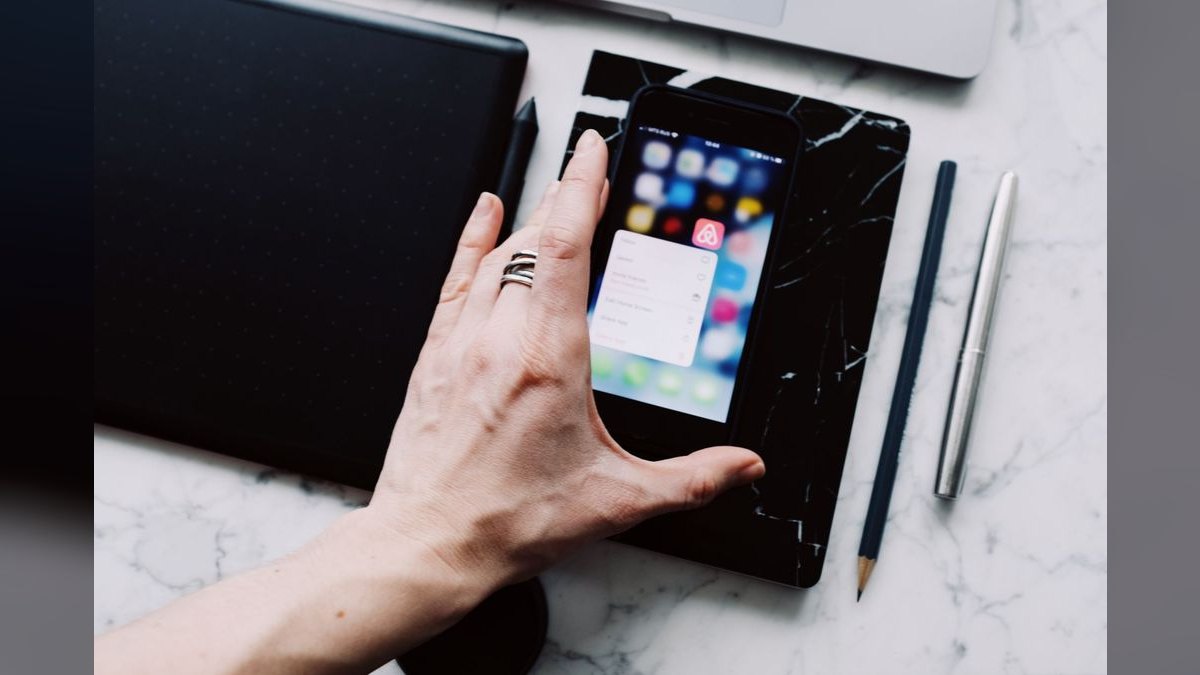
When you enable hotspot, your phone activates a software-based Wi‑Fi access point using the phone’s Wi‑Fi chipset (often a separate Qualcomm or Broadcom radio). The phone’s cellular modem—typically a Snapdragon X75 in 2027 Android flagships or an Apple C2 in the iPhone 17 series—connects to the nearest 5G or 4G LTE tower. Data flows from the tower through the modem, then the phone’s processor routes it to the Wi‑Fi chip, which broadcasts a local network. The phone acts as a Network Address Translation (NAT) gateway, giving each connected device a private IP address (usually 192.168.x.x). This is the same basic architecture as a home router, but inside a smartphone.
The biggest bottleneck is power and heat. Running both the cellular modem and Wi‑Fi radio at full power can drain a 5,000 mAh battery in 3–4 hours. Phones like the Samsung Galaxy S27 Ultra and Google Pixel 11 Pro include dedicated “hotspot mode” power management that reduces the Wi‑Fi transmit power when devices are close. USB tethering bypasses Wi‑Fi entirely—you plug the phone into a laptop via USB-C, and the phone presents itself as a virtual Ethernet adapter. This is more power-efficient and often yields slightly lower latency, but it ties the phone to the computer.
Carrier Hotspot Policies in 2027
Not all hotspot data is equal. Here’s a snapshot of how the major carriers treat hotspot in 2027:
- T-Mobile: The Go5G Next plan includes 100 GB of full-speed 5G hotspot data. After that, speeds drop to 3 Mbps for the rest of the billing cycle. T-Mobile’s “Home Internet” product uses a separate 5G gateway and is not affected by phone hotspot caps.
- Verizon: Unlimited Ultimate gives 50 GB of premium hotspot data (5G UW where available). After the cap, hotspot speeds are throttled to 600 Kbps—enough for email and messaging, but not video streaming.
- AT&T: Unlimited Premium PL includes 60 GB of hotspot data at full 5G speeds. AT&T’s hotspot throttle after the cap is 1.5 Mbps, which is slightly faster than Verizon’s.
- Visible: Visible+ (on Verizon’s network) includes 15 GB of hotspot at 4G LTE speeds. After that, hotspot is capped at 128 Kbps—basically unusable for anything beyond text.
- Mint Mobile: The 12-month unlimited plan includes 10 GB of hotspot at 4G speeds. Mint’s fine print says hotspot data is “deprioritized” after 35 GB of total usage.
- Google Fi: The Simply Unlimited plan includes 5 GB of hotspot data. The Unlimited Plus plan includes 50 GB of hotspot data, but only at 4G speeds—5G hotspot is not supported on Fi.

Key takeaway: If you need hotspot for remote work or streaming, choose a postpaid plan from T-Mobile, Verizon, or AT&T. Prepaid and MVNO plans are fine for occasional tethering but will frustrate heavy users.
5G Home Internet vs. Mobile Hotspot
Many consumers in 2027 are choosing between 5G home internet (e.g., T-Mobile Home Internet, Verizon 5G Home, Starry, or Starlink) and relying on a phone hotspot as a primary connection. Here’s how they compare:

- 5G home internet uses a dedicated fixed wireless access (FWA) gateway that plugs into a wall outlet. It has a stronger antenna, better cooling, and no battery limit. Speeds can reach 300–1,000 Mbps depending on tower proximity. The monthly cost is typically $50–$70 with no data cap.
- Mobile hotspot uses your phone, which is limited by battery, heat, and carrier caps. Even on the best plans, you’re capped at 50–100 GB of full-speed data. Speeds are usually 20–150 Mbps in real-world use.
Verdict: If you live in a city or suburb with good 5G coverage, 5G home internet is a better primary connection than a phone hotspot. Hotspot is best as a backup or for travel. Starlink’s Roam plan (for RVs and remote areas) costs $150/month and offers 50 GB of priority data, then deprioritized—still better than a phone hotspot for rural use.

Security and Privacy When Tethering
Using a mobile hotspot in public places (airports, coffee shops, hotels) introduces security risks. In 2027, most phones support WPA3 encryption for hotspot connections, which is stronger than the older WPA2. However, many users still leave hotspot open or use weak passwords. Here are the practical risks:
- Eavesdropping: If you use a public Wi‑Fi network (not your phone’s hotspot), attackers on the same network can intercept unencrypted traffic. Your phone’s hotspot is safer because only your devices connect.
- Man-in-the-middle: If someone cracks your hotspot password, they can see your traffic. Always use a strong, unique password (at least 12 characters with mixed case and numbers).
- Data leakage: Some apps send data in the background even when the phone is idle. Turn off hotspot when not actively using it to avoid burning through your cap.

Best practice: Use a VPN (like ProtonVPN, Mullvad, or WireGuard) on your laptop when tethering, especially for sensitive tasks like banking or work. Your phone’s hotspot encryption protects against casual snooping, but a VPN adds an extra layer.
How to Choose the Right Plan for Hotspot in 2027
Start by estimating your monthly hotspot data usage. If you only tether occasionally (checking email, browsing the web), 5–15 GB per month from a prepaid plan like Mint Mobile or Visible will suffice. If you stream video or work remotely, aim for 50+ GB from a postpaid plan.

Next, check the speed throttle after the cap. Some carriers drop to 128 Kbps (Visible), which is too slow for video calls. Others drop to 1.5–3 Mbps (T-Mobile, AT&T), which can handle 480p video and voice calls. Verizon’s 600 Kbps throttle is marginal—you can do email but not much else.
Finally, consider network coverage in the places you’ll use hotspot most. T-Mobile’s 5G network is excellent in cities but weaker in rural areas. Verizon’s 5G UW (mmWave) is extremely fast but only available in dense urban pockets. AT&T’s 5G+ (mid-band) offers a good balance. Use OpenSignal or RootMetrics to compare real-world speeds in your ZIP code.

FAQ
Can I use my phone’s hotspot as a replacement for home internet? Yes, but only if you have a plan with a large hotspot allowance (50+ GB) and you live in an area with strong 5G. For most people, a dedicated 5G home internet gateway or cable/fiber is more reliable and cheaper per gigabyte.
Does hotspot use my phone’s data or a separate pool? It uses the same data pool as your phone, but many plans have a separate hotspot cap. For example, T-Mobile Go5G Next gives you unlimited phone data but only 100 GB of hotspot data. Check your plan’s fine print.
Can I hotspot a 5G phone to a 4G-only device? Yes. Hotspot works regardless of the connected device’s generation. Your phone’s 5G connection is shared as Wi‑Fi, which any Wi‑Fi device can use.
Why is my hotspot slow even though I have 5G? Several reasons: you may have hit your hotspot cap and been throttled; the tower may be congested; your phone may be overheating (which reduces performance); or the connected device may be far from the phone. Try moving closer and restarting the hotspot.
Does hotspot drain my phone’s battery faster? Yes, significantly. A typical phone loses 20–30% battery per hour of hotspot use. Keep your phone plugged into a charger while tethering for extended periods.
Can I use hotspot while on a phone call? On most modern phones (iPhone 15 and later, Samsung Galaxy S24 and later), yes—VoLTE and VoNR allow simultaneous voice and data. On older phones, hotspot may pause during calls.
Do all carriers support hotspot on iPhones? Yes, all major carriers and most MVNOs support iPhone hotspot. However, some budget MVNOs (like Tello or Red Pocket) may restrict hotspot on certain plans. Always confirm before buying.
Related on PULSE
- Is a dedicated hotspot device better than phone tethering in 2027?
- What is the best cell phone plan if I work from home in 2027?
- How does international roaming work and how do I avoid huge bills in 2027?
- US Mobile vs Visible: which is better in 2027?
- Is Boost Mobile worth it in 2027?
- Is US Mobile worth it in 2027?
Sources
- T-Mobile Go5G Next plan details
- Verizon Unlimited Ultimate plan
- AT&T Unlimited Premium PL
- Visible+ hotspot policy
- Mint Mobile unlimited plan fine print
- Google Fi Unlimited Plus hotspot
- FCC guide to mobile hotspot
- OpenSignal mobile network experience reports
- RootMetrics carrier coverage maps
- PCMag guide to best mobile hotspot plans
- CNET review of 5G home internet vs. hotspot
Bottom Line
Mobile hotspot in 2027 is a mature feature that works reliably on any modern smartphone, but the plan you choose determines whether it’s a useful backup or a primary connection. For light use, a prepaid plan from Visible, Mint, or US Mobile at $25–$50/month will cover occasional tethering. For heavy use—remote work, streaming, or gaming on the go—a postpaid plan from T-Mobile, Verizon, or AT&T with 50–100 GB of full-speed hotspot is worth the $80–$100/month. Always check the throttle speed after the cap and the network coverage in your area before committing. And remember: a dedicated 5G home internet gateway is almost always better than a phone hotspot for primary home internet.
This page will be disappearing soon. Save it to your device for $1 — or read it free while it is here.
@Kory-White- · if Venmo asks, the last 4 of my number are 2012
This page is gone.
This one is off the shelf now. $1 keeps it on your phone for good — the whole page, pictures and diagrams included.
 telcoBest Cellular and Wireless Carrier in Montgomery in 2027
 telcoWhat is the best two-line cell phone plan in 2027?
 telcoStraight Talk vs Total Wireless: which is better in 2027?
 telcoHow do I add a tablet to my cell phone plan in 2027?
 telcoMint Mobile vs Cricket Wireless: which is better in 2027?
 telcoIs Telco worth it in 2027?
 telcoDo I really get free streaming (Netflix, Apple TV) with my plan in 2027?
 telcoBest Cellular and Wireless Carrier in Florida in 2027
 telcoBest Cellular and Wireless Carrier in San Diego in 2027
 telcoHow much data do I actually need for streaming music in 2027?