
What is the best cell phone plan for kids in 2027?
 Curated byKory White · Fractional CRO · Maryland
 PULSEKNOWLEDGE LIBRARY
Quality
Certified

The best cell phone plan for a kid in 2027 is usually a low-cost prepaid or MVNO line with a hard data cap, unlimited talk and text, and free parental controls — typically $10–$25 per month. Younger children do better on a $10/month smartwatch companion plan; teens do better added to a family plan.
Two paths: a standalone prepaid line versus an added family-plan line
Almost every decision about a kid's phone service collapses into one of two structures, and the rest is detail. The first structure is a standalone prepaid or MVNO line — a separate account, a separate bill, no credit check, no device financing. The second is an added line on the parent's existing postpaid family plan — one bill, one account holder, per-line pricing that drops as you add lines.
The standalone prepaid line is a containment strategy. Its defining feature is the hard data cap: when the bucket is empty, the line either stops passing data or drops to throttled speeds, and no overage charge appears. Mint Mobile (which rides T-Mobile's network), US Mobile (which lets you choose Verizon's or T-Mobile's network), Visible (Verizon-owned), Cricket Wireless (AT&T-owned), and Boost Mobile all sell lines in this shape. Typical single-line pricing runs roughly $10–$30 per month depending on the data allotment. There is no contract, no early termination fee, and — critically for a kid's device — no device installment balance to keep paying if the phone gets lost at a soccer field.
The added family line is an economics strategy. Major carriers price unlimited lines on a sliding scale: the fourth and fifth lines cost dramatically less per line than the first. On the entry-tier unlimited plans from Verizon, AT&T, and T-Mobile, a four-line household commonly lands in the neighborhood of $25–$30 per line per month, sometimes with taxes and fees included on the promotional tiers. If you already have three lines, the marginal cost of adding a kid can be lower than any standalone prepaid line — and you gain one bill, one login, and a first-party parental-control app that ties into the account.
The trade-offs are symmetric. Prepaid gives you cost certainty and disposability but usually means deprioritized data during network congestion, no bundled device subsidy, and parental controls you assemble yourself from Apple Screen Time or Google Family Link. Postpaid gives you multi-line economics, priority data, in-store support, and a first-party control app, but pulls you into a credit check, a device payment agreement that can run 24–36 months, and a monthly add-on fee (commonly around $5–$10) for the parental-control suite. A third path exists and is worth naming: a cellular smartwatch or GPS-only device on a companion plan, typically around $10 per month, which is neither a smartphone nor a flip phone but a narrow, purpose-built communication tool.
Matching the plan to the child, not the price tag
The most common expensive mistake is buying the plan first and reverse-engineering the child's needs to fit it. Run it the other way. Start from three questions — how old is the child, what problem is the phone actually solving, and what is the realistic monthly data footprint — then let the plan fall out of the answers.

Ages roughly 6–10. The problem being solved is almost always "I need to reach my kid and know where they are." That does not require a browser, an app store, or a social feed. A cellular smartwatch handles it: calling and texting restricted to an approved contact list (commonly capped around 20 contacts), GPS location, and an SOS button. Companion plans for these devices sit around $10 per month. Data footprint is effectively zero because there is nothing to consume data with.
Ages roughly 10–13. The problem shifts to coordination — after-school pickup, walking home, group chats with friends. This is where a basic phone or a heavily-restricted smartphone on a small prepaid bucket fits. Realistic data usage for a child in this band, assuming Wi-Fi at home and at school, is often under 2GB per month. Maps, messaging, and occasional music streaming are cheap; the data burn comes from video, and video is exactly what you are trying to meter.

Ages 13+. The phone becomes a school tool, a social tool, and a media device simultaneously. Fighting that with a 2GB cap tends to fail — the child ends up borrowing hotspots or resenting the device. This is where either a mid-size prepaid bucket (10–15GB) or an added unlimited family line makes sense. A teen on Wi-Fi most of the day but streaming on the bus and at practice commonly lands in the 5–15GB range; a teen without reliable home Wi-Fi can exceed that easily.
Coverage is the tiebreaker that overrides all of the above. The best plan on paper is worthless if it has no signal at the school, at the field, or along the walking route home. T-Mobile's mid-band 5G footprint is strongest in metro and suburban areas. Verizon's LTE network historically holds the edge in rural coverage. AT&T sits between the two with broad suburban strength. Because MVNOs ride these same towers, choosing an MVNO is really choosing a host network: Mint runs on T-Mobile, Visible on Verizon, Cricket on AT&T, and US Mobile lets you pick between Verizon and T-Mobile and even move a line between them. Before committing, check real-world performance for your specific ZIP codes using OpenSignal or RootMetrics rather than trusting a carrier's own coverage map, which shows predicted rather than measured signal.
What each option actually costs over a year
Sticker price per month is the wrong unit. Compare total first-year cost, because that is where device financing, activation fees, and control add-ons hide. Below are the cost components to add up for each path, using the general price bands that hold across the market rather than any single promotional rate.
Standalone prepaid line, small bucket (2–5GB). Service runs roughly $10–$15 per month, or $120–$180 for the year. Many MVNOs discount heavily when you prepay 3, 6, or 12 months up front, which is how the advertised low rates are usually achieved — the month-to-month rate is higher. Device cost is separate and paid outright: a budget Android in the $150–$250 range, or a hand-me-down iPhone at $0. Parental controls cost nothing because you use Apple Screen Time or Google Family Link. First-year total for a used device: roughly $120–$180. With a new budget phone: roughly $270–$430.
Standalone prepaid line, mid bucket (10–15GB). Service runs roughly $20–$30 per month, or $240–$360 for the year. Same device math. First-year total with a $250 phone: roughly $490–$610.

Added line on a family unlimited plan. The marginal cost of the additional line on an entry-tier unlimited plan at four or more lines commonly lands around $25–$30 per month, or $300–$360 per year. Add the parental-control suite at roughly $5–$10 per month, which is another $60–$120. Then add device financing: a phone on a 36-month agreement spreads the cost, but that balance survives the phone. If the child breaks or loses a financed device in month 8, you owe the remaining 28 payments regardless. Optional device protection typically runs in the $7–$15 per month range, which on a cheap phone often exceeds the phone's own value over the term — for a $200 device, $10 per month for a year is $120 against a $200 asset, which rarely pencils.
Smartwatch companion line. Device cost is commonly around $100–$150 outright. Service runs about $10 per month, or $120 per year. First-year total: roughly $220–$270, with no browser and no app store to police. That is frequently the cheapest genuinely-useful configuration for a young child, and it is the one that most often gets skipped because parents assume the answer has to be a phone.
Two cost traps deserve specific attention. The first is the promotional-rate cliff: introductory MVNO pricing frequently applies to the first term only, then renews at a higher standard rate. Diary the renewal date the day you activate. The second is the multi-line dependency: a family-plan per-line price quoted at four lines evaporates if a line leaves. If one parent switches jobs and moves to a work phone, the remaining lines can jump by $10–$20 each. Prepaid has no such coupling — each line's price is independent of the others, which is exactly the kind of predictable unit economics you would want on any recurring-revenue line item you are budgeting a year out.

Locking down the device before you hand it over
Setup order matters more than plan choice for the outcome most parents actually care about. A perfectly-chosen plan on an unconfigured phone is worse than a mediocre plan on a locked-down one. Do the configuration before the child ever holds the device, because retrofitting restrictions onto a phone a kid has already been using generates far more conflict than starting restricted and loosening over time.
Step one: create the child account properly. On iOS, add the child to Family Sharing with a child Apple Account rather than signing them into an adult account — child accounts unlock the parental controls and purchase-approval flows. On Android, create the account through Google Family Link, which similarly requires a supervised child account to function. Doing this after the fact usually means wiping and re-setting-up the phone.

Step two: set the platform-level controls. Apple's Screen Time and Google's Family Link are free, carrier-independent, and stronger than most carrier add-ons for content and app control. Configure app-install approval, web content filtering, downtime windows, and per-category app time limits. These persist across carrier changes, which means the work you do here is not wasted if you switch plans later.
Step three: set the data ceiling in two places. Set the cap at the carrier level where the plan supports it — a hard-capped prepaid bucket does this structurally. Then set a device-level data warning and limit in Android settings, or use iOS cellular-data per-app toggles to block the biggest consumers (video and social apps) from using cellular at all while leaving messaging and maps enabled. That per-app toggle is the single highest-leverage setting on an iPhone for a kid: it makes a small data bucket behave like a much larger one because video only plays on Wi-Fi.
Step four: decide the location-sharing arrangement out loud. Both platforms have native location sharing (Find My, Family Link location). Turn it on, and tell the child it is on and why. Covert tracking that gets discovered later costs more trust than it buys safety.

Step five: port the number, not the account. If you are moving an existing number, request the port from the *new* carrier and keep the old line active until the port completes. Cancelling the old line first releases the number and can lose it permanently. You will need the account number and transfer PIN from the outgoing carrier — prepaid carriers now generate these on request in-app.
Step six: pilot for 30 days, then adjust. Watch actual data consumption for a full billing cycle before resizing the plan. Most parents overbuy. If the child ends the month at 1.2GB on a 5GB bucket, drop to the smaller tier at renewal; if they hit the cap on day 18, either move up one tier or fix the Wi-Fi behavior that is causing it. Prepaid plans are month-to-month specifically so this adjustment is free.

Where the restricted-device path beats the plan choice entirely
Sometimes the right answer is not a cheaper plan but a device that cannot do the thing you are worried about. Plan-level and app-level controls are policies; a device without a browser is a constraint. Constraints do not get argued with, disabled, or worked around by a determined twelve-year-old with a friend's help.
Cellular smartwatches are the strongest version of this. They call and text an approved contact list, report location, and stop there. No browser, no app store, no social apps, nothing to install. The practical limitation is battery life measured in days rather than a week, which means a nightly charging habit, and screen size that makes anything beyond short messages impractical. For a child aged roughly 6–10 this is usually a feature rather than a defect.
Basic and minimalist phones occupy the next rung. Flip phones running lightweight operating systems support calls, texts, and a small set of utilities like maps, but have no meaningful app ecosystem. Minimalist phones take the same approach with a modern design and a deliberately short tool list. Both work on any prepaid plan because they are just unlocked handsets. The friction is availability — carriers rarely stock them, so you typically buy the device directly from the manufacturer and bring it to a prepaid line yourself. Verify the device supports the host network's bands before buying; a phone built for one carrier's network can lose service on another even when it technically activates.
A restricted smartphone is the pragmatic middle. A budget Android or an older iPhone, fully configured through Family Link or Screen Time with the app store locked and social apps blocked, gets you most of the constraint with none of the device-availability headache and full compatibility with any plan. The honest trade-off: it is a policy, not a wall, and policies erode. Expect to re-audit the settings every few months.
One practical note on eSIM. Most MVNOs and all major carriers now support eSIM on recent iPhones and Androids, and eSIM activation is typically faster than waiting for a physical SIM. But older hand-me-down devices and most basic phones are physical-SIM-only, so confirm before you order. If the child's device is a hand-me-down that was previously on a postpaid account, verify it is fully paid off and carrier-unlocked before you try to activate it on a new line — a device with an outstanding installment balance often cannot be unlocked, and that discovery on activation day is a bad afternoon.
Related questions
Should a kid's first phone be a smartwatch instead?
For children under about 10, usually yes. A cellular smartwatch on a roughly $10/month companion plan delivers calling to approved contacts and GPS location with no browser and no app store, which removes most of what parents worry about. The trade-off is daily charging and a screen too small for real messaging.
Is unlimited data worth it for a child?
Rarely, for kids under 13. With home and school Wi-Fi, typical monthly cellular use often stays under 2–5GB. A hard-capped bucket costs less and structurally prevents overuse. Unlimited starts making sense for teens who stream regularly away from Wi-Fi or lack reliable home broadband.
Do prepaid plans require a credit check?
No. Prepaid and MVNO lines are paid in advance, so they involve no credit check and no device financing agreement. Postpaid family plans do run a credit check on the account holder — but adding a child's line to an existing account does not check the child's credit.
What happens to the plan if the phone is lost?
On prepaid, you lose only the handset — there is no remaining device balance to pay off. On postpaid with a device installment agreement, the balance survives the phone and you keep paying it. That asymmetry is the strongest single argument for prepaid on a young child's line.
Can parental controls work without paying the carrier?
Yes. Apple Screen Time and Google Family Link are free, built into the operating system, and generally offer stronger app and content control than carrier add-ons. Carrier suites add network-level filtering and location history for roughly $5–$10 per month, which is optional rather than necessary.
FAQ
What is the cheapest workable cell phone plan for a kid? The floor for a usable line is generally around $10 per month, which buys unlimited talk and text plus a small data bucket on a prepaid or MVNO plan, or a companion plan for a cellular smartwatch. Below that price point you are typically looking at talk-and-text-only service or a data allotment too small to run maps reliably. Note that the lowest advertised MVNO rates usually require prepaying several months or a full year up front — the true month-to-month rate is higher, so compare annualized cost rather than the headline number.
Can I put a prepaid plan on an iPhone? Yes. Prepaid carriers and MVNOs support iPhones, including hand-me-down models, and most now support eSIM activation on recent hardware. Two things to verify first: that the specific iPhone is carrier-unlocked, and that any prior device installment balance on it has been paid off. A phone still under a financing agreement generally cannot be unlocked, and that is the most common reason a bring-your-own-device activation fails on the day you try it.
How much data does a kid actually use per month? Less than most parents assume, provided there is Wi-Fi at home and at school. Messaging, maps, and music are individually small; video is what moves the number. A child in the 10–13 range on Wi-Fi most of the day frequently lands under 2GB. A teen streaming on a bus commute and at practice more commonly lands in the 5–15GB range. Run a 30-day pilot before sizing the plan permanently — it is the only reliable way to know.
Is it cheaper to add a kid to my family plan or start a separate line? It depends entirely on how many lines you already have. Major-carrier per-line pricing drops sharply at four or more lines, so if you are already at three, the marginal cost of a fourth can undercut a standalone prepaid line. If you have one or two lines, a separate prepaid line is almost always cheaper. Also weigh the coupling risk: family-plan per-line pricing is contingent on keeping the line count, so losing a line raises the price on all the others.
Which network should I choose for a child's phone? Choose by measured coverage at the specific places the child spends time — home, school, and the route between them — not by national marketing claims. Broadly, T-Mobile's mid-band 5G is strongest in metro and suburban areas, Verizon's LTE holds an edge in rural coverage, and AT&T is broadly strong in suburbs. Since MVNOs ride these same towers, picking an MVNO is really picking a host network. Verify with a crowd-sourced measurement tool like OpenSignal or RootMetrics rather than a predicted-coverage map.
Do carrier parental-control apps do anything the phone can't do itself? Some things. Carrier suites filter at the network level, which catches traffic regardless of which app generates it, and they typically log location history and let you pause the line's data entirely from the parent's phone. What they generally do not do better is app-level control — Apple Screen Time and Google Family Link handle install approval, per-app time limits, and downtime scheduling at least as well, for free, and those settings follow the device if you change carriers. Start free, and add the paid suite only if you find a specific gap.
Sources
- FCC Consumer Guide: Wireless Service Plans
- FCC: Cell Phone Unlocking
- FCC: Wireless Local Number Portability
- FTC Consumer Advice: Protecting Kids Online
- Apple: Use parental controls on your child's iPhone or iPad
- Google Family Link
- OpenSignal Network Coverage Maps
- RootMetrics Network Performance Reports
- Common Sense Media: Parents' Ultimate Guide to Parental Controls
- Consumer Reports: Cell Phone Service Buying Guide
Related on PULSE
- [Best Cell Phone Plans for Kids in 2027](/knowledge/tc0059)
- [Best Phones for Kids in 2027](/knowledge/tc0098)
- [What is the best cell phone plan if I work from home in 2027?](/knowledge/tc0243)
- [What is the best cell phone plan for a college student in 2027?](/knowledge/tc0236)
- [What is the best two-line cell phone plan in 2027?](/knowledge/tc0207)
- [What is the best cell phone plan for seniors in 2027?](/knowledge/tc0171)
This page will be disappearing soon. Save it to your device for $1 — or read it free while it is here.
@Kory-White- · if Venmo asks, the last 4 of my number are 2012
 telcoHow do I get a free or discounted phone when I switch in 2027?
 telcoHow do I troubleshoot a SIM card that is not working in 2027?
 telcoBest Cellular and Wireless Carrier in Georgia in 2027
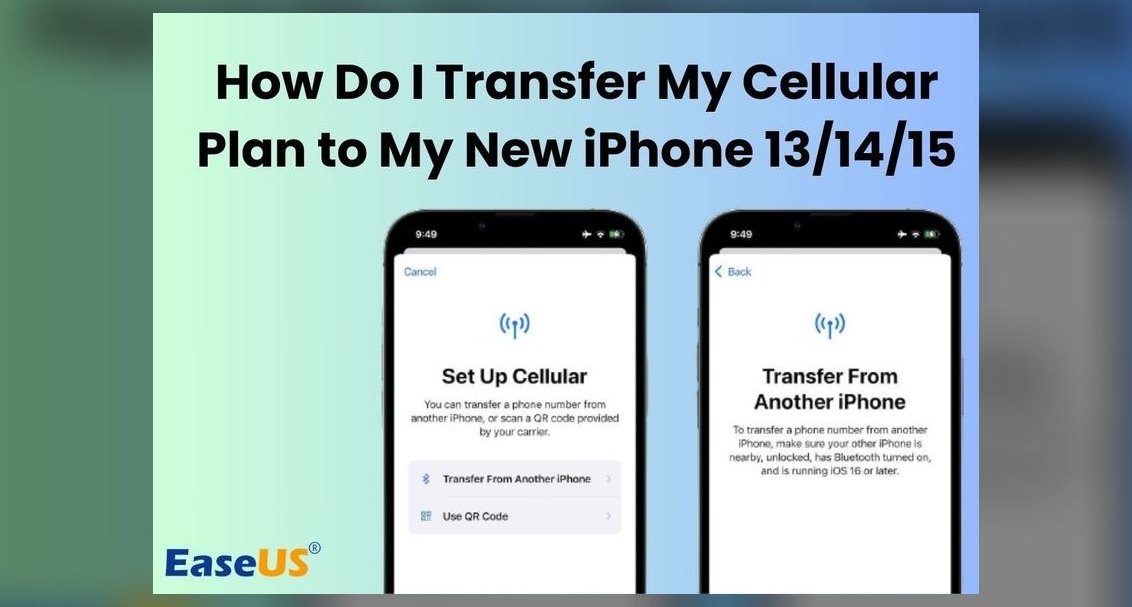 telcoHow do I transfer everything from my old phone to a new one in 2027?
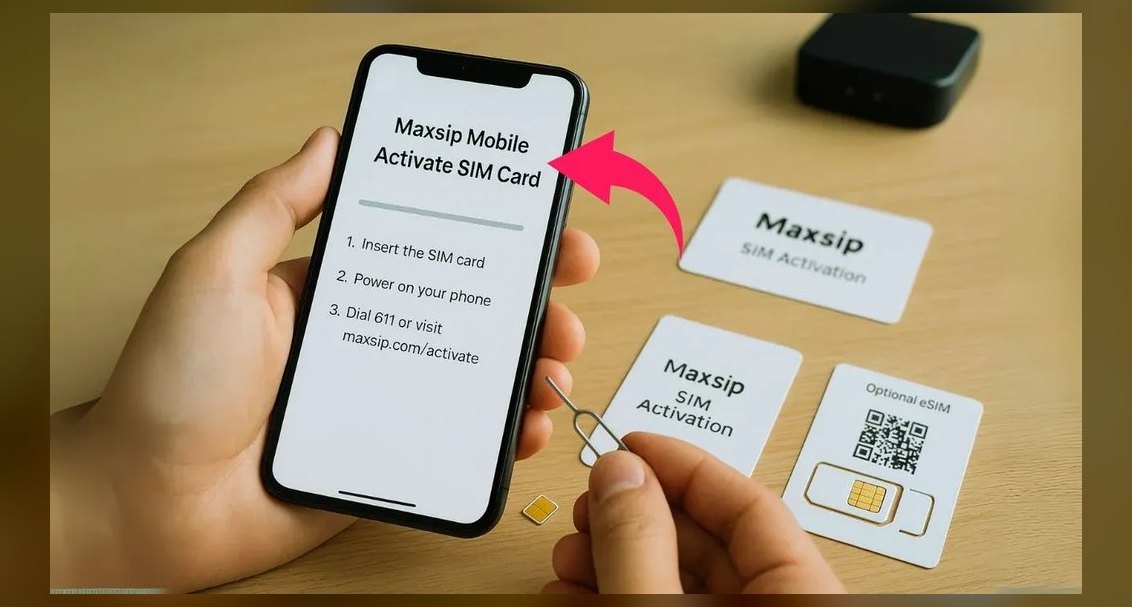 telcoHow do I activate a new SIM card that arrives in the mail in 2027?
 telcoWhat are the steps to port my number to a new carrier in 2027?
 telcoBest Cellular and Wireless Carrier in Baltimore in 2027
 telcoHow do I check if my carrier supports eSIM activation in 2027?
 telcoWhat is the exact order of steps to switch carriers without losing service for even a day in 2027?
 telcoBest Cellular and Wireless Carrier in Massachusetts in 2027