

Verizon vs AT&T for rural coverage in 2027?
 Curated byKory White · Fractional CRO · Maryland
Quality
Certified
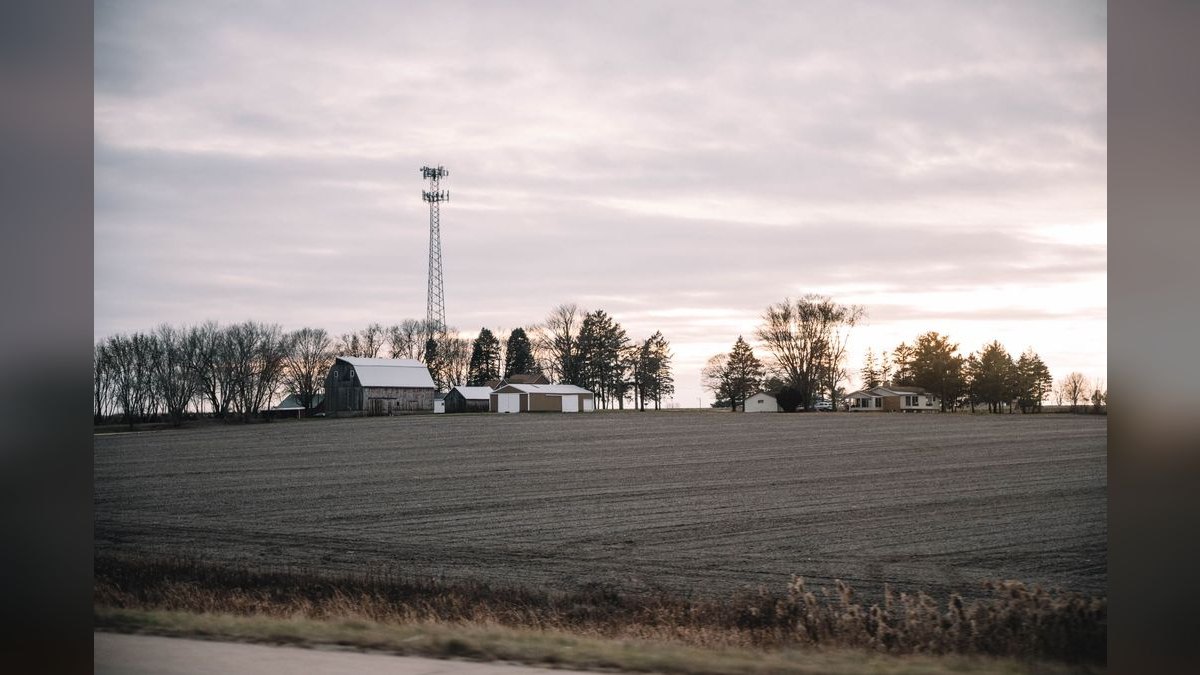
When comparing Verizon vs AT&T for rural coverage in 2027, the answer depends heavily on your specific location, but Verizon still leads in raw geographic reach across the U.S., particularly in the Mountain West, Great Plains, and deep rural areas. AT&T has invested heavily in its FirstNet network (a dedicated public-safety band) and now matches or beats Verizon in many eastern and southern rural regions, including parts of Appalachia and the rural South. Both carriers have expanded their 5G coverage using low-band spectrum (Verizon's 850 MHz and AT&T's 850 MHz/700 MHz), which travels farther and penetrates buildings better than mid-band or mmWave. However, in the most remote areas—like national parks, Alaskan villages, or isolated farmlands—Verizon's legacy CDMA shutdown (completed in 2022) and transition to LTE/5G have left some gaps that AT&T has filled with FirstNet towers. For the consumer, the best choice is to test both networks using a prepaid SIM or a free trial (e.g., Verizon's 30-day trial or AT&T's 14-day trial) before committing to a long-term plan.
Verizon’s Rural Coverage in 2027
Verizon has long been the gold standard for rural coverage, thanks to its massive investment in low-band spectrum (850 MHz) and a dense network of towers in remote areas. In 2027, Verizon’s 5G Nationwide service covers over 300 million people, but its actual reach in rural counties is still broader than AT&T’s in many western states. For example, in Montana, Wyoming, and the Dakotas, Verizon often has signal where AT&T drops to 1 bar or no service. However, Verizon’s rural data speeds can be slow—often under 10 Mbps—because its low-band 5G is shared with LTE and can get congested on busy weekends (e.g., near national parks). Verizon also offers 5G Home Internet in some rural areas, but it’s limited to locations within 5–10 miles of a tower, so it’s not a universal solution. For extreme rural users, Verizon’s LTE Network Extender (a small femtocell) can boost signal indoors if you have broadband internet, but that’s an extra cost.
AT&T’s Rural Coverage in 2027
AT&T has made significant strides in rural coverage since 2020, largely driven by its FirstNet contract with the U.S. government. FirstNet gives AT&T access to a dedicated 700 MHz band (Band 14) that is reserved for emergency services but can be used by consumers when not in use. This spectrum travels far and penetrates buildings well, making AT&T a strong choice in rural areas of the Southeast, Appalachia, and the Midwest. In states like Kentucky, Tennessee, and West Virginia, AT&T often matches or beats Verizon. AT&T’s 5G+ (mid-band) is less widespread in rural areas than Verizon’s C-band, but its low-band 5G is solid. One downside: AT&T’s Fixed Wireless Internet (for rural homes) is capped at 25 Mbps and can be slower than Verizon’s 5G Home Internet in some areas. AT&T also offers a Cricket Wireless prepaid option (on the same network) for budget-conscious rural users.
T-Mobile as a Rural Contender
While the question focuses on Verizon vs AT&T, T-Mobile has become a viable rural option in 2027 thanks to its 600 MHz (Band 71) spectrum, which covers long distances. T-Mobile’s rural coverage has improved dramatically since the Sprint merger, and it now covers over 95% of the U.S. population with 5G. In some rural areas—like parts of Texas, Oklahoma, and the Pacific Northwest—T-Mobile’s speeds are faster than Verizon or AT&T because its mid-band 2.5 GHz spectrum is less congested. However, T-Mobile still has gaps in very remote regions (e.g., the Rocky Mountains, northern Maine) where Verizon’s tower density wins. For rural users who want the cheapest unlimited plan, T-Mobile’s Essentials or Mint Mobile (on T-Mobile’s network) can be a good value, but coverage should be tested first.
MVNOs and Prepaid Options for Rural Users
If you want the Verizon or AT&T network but at a lower price, consider MVNOs (Mobile Virtual Network Operators). For Verizon, Visible offers unlimited talk, text, and data (with deprioritization) for $25–$35 per month, and US Mobile lets you choose between Verizon’s (Warp 5G) or T-Mobile’s (GSM) network. For AT&T, Cricket Wireless has unlimited plans starting at $30–$55, and Boost Mobile (now on AT&T’s network in many areas) offers similar pricing. These MVNOs are ideal for rural users who don’t need premium priority data—just a reliable signal for calls and texts. However, be aware that deprioritization can slow data speeds during peak times, especially on Visible. For voice calls and basic texting, deprioritization is rarely an issue in rural areas.
Home Internet in Rural Areas: Verizon vs AT&T
If you’re choosing a carrier for both mobile and home internet in a rural area, consider the fixed wireless options. Verizon 5G Home Internet is available in about 50 million households (as of 2027), but its rural availability is limited to areas within 5–10 miles of a 5G tower. Speeds range from 50–300 Mbps, but actual performance depends on distance and line-of-sight. AT&T Fixed Wireless is more widely available in rural areas (especially through the FCC’s Rural Digital Opportunity Fund) but is capped at 25 Mbps and can be slower. For true deep rural areas (e.g., farms, ranches, mountains), Starlink (satellite) is often the best option, with speeds of 50–200 Mbps and no data caps (though it costs $120/month plus $599 for equipment). Neither Verizon nor AT&T’s fixed wireless can match Starlink in the most remote locations.
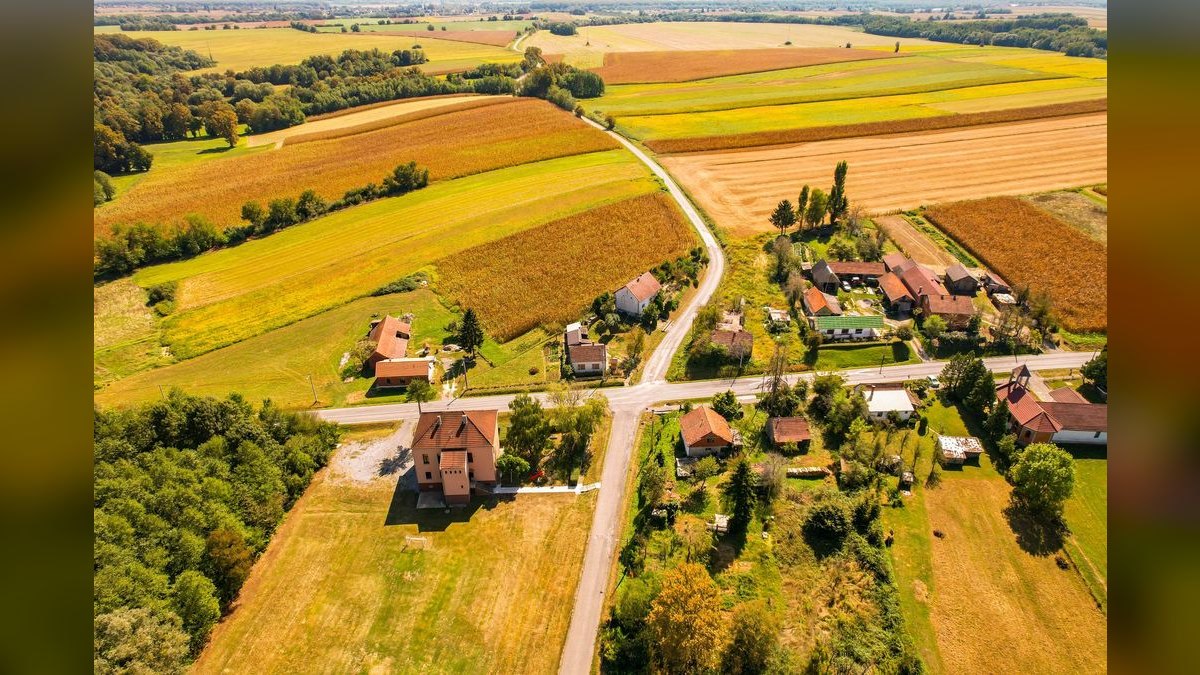
How to Test Rural Coverage Before Switching
The best way to decide between Verizon and AT&T for rural coverage is to test both networks in your specific location. Here’s a step-by-step process:
- Check official coverage maps on Verizon.com and AT&T.com. Zoom in to your exact address and look for "5G" or "LTE" indicators. Be skeptical of large "coverage" blobs—they often represent 1-bar signal.
- Use third-party apps like OpenSignal or RootMetrics to see real-world speed tests from other users in your county. These apps show average download speeds and signal strength.
- Buy a prepaid SIM from Visible (Verizon) and Cricket (AT&T) for $25–$40 each. Activate them on a cheap unlocked phone (e.g., a Moto G Power or Samsung Galaxy A14), and test the signal at your home, in your barn, and along your commute.
- Ask neighbors who live within a mile of you. Rural coverage can vary by hill or valley, so local knowledge is invaluable.
- Consider a free trial from Verizon (30-day trial via eSIM) or AT&T (14-day trial). These trials give you full-speed data without commitment.

Real-World Performance: Speeds and Reliability
In 2027, real-world rural speeds vary widely. On Verizon, low-band 5G typically delivers 10–30 Mbps in rural areas, but can drop to 5 Mbps during peak times (e.g., summer weekends in tourist areas). On AT&T, low-band 5G is similar (10–25 Mbps), but FirstNet priority can boost speeds for emergency calls. T-Mobile’s 600 MHz 5G often hits 20–50 Mbps in rural areas due to less congestion. For streaming video, both carriers support 480p on basic unlimited plans and 720p–1080p on premium plans. For video calls (Zoom, FaceTime), both work well at 5+ Mbps, but Verizon may have an edge in very remote areas where AT&T’s signal drops.
FAQ
Does Verizon still have better rural coverage than AT&T in 2027? Generally yes, but the gap has narrowed. Verizon has a larger total footprint in the West and Midwest, while AT&T is stronger in the East and South. Check your specific area.
Can I use a prepaid carrier like Visible or Cricket for rural coverage? Yes, but be aware of deprioritization. Visible (Verizon) and Cricket (AT&T) use the same towers as postpaid, but your data may be slowed during congestion. For calls and texts, they work fine.
What about T-Mobile for rural coverage? T-Mobile has improved dramatically with 600 MHz spectrum. It’s now a viable option in many rural areas, especially the Plains and Southwest. Test it if Verizon or AT&T are weak.
Is 5G Home Internet from Verizon or AT&T good for rural homes? Only if you live within a few miles of a 5G tower. For deep rural areas, Starlink or a wired ISP (if available) is better. Check availability on Verizon’s and AT&T’s websites.
How do I test rural coverage without switching? Use a prepaid SIM from Visible ($25/month) or Cricket ($30/month) for a month. Or use a free trial eSIM from Verizon (30 days) or AT&T (14 days). No contract required.
Which carrier is best for a farm or ranch? Verizon is often best for large properties in the West due to tower density. AT&T is strong in the East. T-Mobile can be good for flat, open land. Test with a prepaid SIM.
Does 5G matter in rural areas? Yes, but low-band 5G (Verizon’s 850 MHz, AT&T’s 700 MHz, T-Mobile’s 600 MHz) is what matters for range. Mid-band and mmWave are mostly urban/suburban. Low-band 5G improves speeds slightly over LTE but isn’t a breakthrough.
Related on PULSE
- What is the best carrier for rural coverage in 2027?
- Best Carriers for Rural Coverage in 2027
- How do I test a carrier's coverage before fully switching in 2027?
- Best Home Internet for Rural Areas in 2027
- Is 5G home internet a good option for rural areas in 2027?
- AT&T vs Verizon: which is better in 2027?
Sources
- Verizon Coverage Map
- AT&T Coverage Map
- T-Mobile Coverage Map
- OpenSignal: USA Mobile Network Experience Reports
- RootMetrics: US Mobile Network Performance
- FCC Rural Digital Opportunity Fund
- Cricket Wireless Plans
- Visible Wireless Plans
- Starlink Availability
- PCMag: Best Cell Phone Plans for Rural Areas
Bottom Line
For rural coverage in 2027, Verizon is still the safest bet for the widest geographic reach, especially in the western U.S., but AT&T is a close second and often better in the East and South. T-Mobile is a strong third option that shouldn’t be ignored, particularly if you want faster speeds and lower prices. The only way to know for sure is to test both networks in your exact location using a prepaid SIM or free trial. For home internet in deep rural areas, Starlink remains the best alternative if fixed wireless from Verizon or AT&T isn’t available. Don’t rely solely on coverage maps—real-world testing is the only reliable method.
This page will be disappearing soon. Save it to your device for $1 — or read it free while it is here.
@Kory-White- · if Venmo asks, the last 4 of my number are 2012
This page is gone.
This one is off the shelf now. $1 keeps it on your phone for good — the whole page, pictures and diagrams included.
 telcoHow does international roaming work and how do I avoid huge bills in 2027?
 telcoStraight Talk vs Total Wireless: which is better in 2027?
 telcoIs Visible worth it in 2027?
 telcoWhy is my cell phone data so slow and am I being throttled in 2027?
 telcoBest Cellular and Wireless Carrier in San Diego in 2027
 telcoT-Mobile vs Visible: which is better in 2027?
 telcoUS Mobile vs Mint Mobile: which is better in 2027?
 telcoWhat is the best backup option if my home internet goes down in 2027?
 telcoHow do I add a tablet to my cell phone plan in 2027?
 telcoShould I finance a new phone or buy it outright in 2027?