
What is the best cell phone plan for a college student in 2027?
 Curated byKory White · Fractional CRO · Maryland
 PULSEKNOWLEDGE LIBRARY
For most college students in 2027, the best cell phone plan is a prepaid single line from US Mobile, Visible, or Mint Mobile — roughly $25–$30 a month for unlimited data on the Verizon or T-Mobile network. If you can join a family plan with T-Mobile or Verizon, you'll get premium network priority and device financing for close to the same per-line cost. Match the plan to your campus coverage and habits, not a marketing label.
A Freshman's Search for Signal
Picture a college student moving into a dorm three states from home in August 2027. Their parents' family plan doesn't cover them anymore once they're paying their own bills, and their old carrier — whatever it was in high school — may or may not actually work well on this specific campus. This is the moment most students get their phone plan wrong: they either keep paying for a legacy plan out of inertia, or they grab whatever ad they saw on Instagram without checking whether that carrier's signal actually reaches the third floor of a cinderblock dorm.
The right process starts with a question most students skip: which network — not which brand — covers this campus well? Nearly every discount carrier is a reseller riding on top of one of the three physical networks (Verizon, T-Mobile, or AT&T), so the brand name on the SIM card matters less than the underlying tower infrastructure. A student who picks "Visible" because a friend recommended it, without checking that Visible rides Verizon's towers, may end up disappointed if their particular building has weak Verizon signal but strong T-Mobile signal. The fix is cheap and takes five minutes: pull up OpenSignal or RootMetrics for the specific city or ZIP code of the campus before spending a dollar. A plan that looks best on a comparison chart is worthless if it drops calls in the library basement.

The second variable is usage pattern, which shifts dramatically once someone moves onto a campus with free Wi-Fi in every building. A commuter student who spends four hours a day driving and streaming podcasts over cellular data needs a very different plan than a resident student who is inside a Wi-Fi-blanketed building 20 hours a day and only uses cellular data walking between classes. The first student needs real premium, unthrottled data; the second can often get away with a 5GB or even 1GB monthly plan and save $15–$20 a month. Before locking into any 12-month prepaid contract, a student should track their actual cellular data usage (not Wi-Fi usage) for one week using their phone's built-in data monitor, then buy a plan sized to that number plus a buffer, not to what "feels safe."

How Network Priority and MVNO Deprioritization Actually Work
The single most misunderstood mechanic in the entire cell phone plan market is data deprioritization, and it's the reason two plans on the same physical network can perform completely differently during a crowded event like a home football game or the first week of the semester when everyone is on their phone at once. Carriers like Verizon, T-Mobile, and AT&T sell their own postpaid plans first-class treatment on their towers. Resellers — called MVNOs (Mobile Virtual Network Operators) — buy wholesale capacity on those same towers and resell it, but their traffic is typically pushed behind the parent carrier's own paying postpaid customers whenever a tower gets congested.
That's why US Mobile and Visible (both riding Verizon's towers) can offer $25–$30 unlimited plans that Verizon's own postpaid division would never sell that cheap — the tradeoff is that when a stadium, quad, or dining hall gets slammed with simultaneous connections, MVNO customers are the first to feel slowdowns. Mint Mobile and Google Fi work the same way on T-Mobile's network. Boost Mobile blends its own still-expanding network with AT&T and T-Mobile roaming agreements. This is not a flaw unique to one carrier — it's the entire economic model that makes cheap unlimited plans possible at all, and understanding it lets a student correctly interpret an MVNO's marketing when it says "unlimited premium data."

The practical upshot: a plan's "premium data" allowance is really a congestion insurance policy. US Mobile's unlimited premium tier includes 100GB of premium data before it gets treated like a basic MVNO line; its cheaper starter tier gives no throttling until roughly 50GB. T-Mobile Go5G Plus bundles 50GB of premium data plus uncapped video streaming because it's a first-party postpaid plan, not a reseller. A student who only uses their phone in low-density areas — a rural campus, an off-peak schedule — may never notice deprioritization at all and can safely buy the cheapest MVNO line available.
Real Numbers: Prices, Data Caps, and Premium Data Benchmarks
Concrete pricing separates "best" from "cheapest" and from "most expensive for no reason." On the ultra-budget end, Tello runs pay-as-you-go starting near $10/month for 1GB, and Mint Mobile's entry 12-month prepaid tier is about $15/month for 5GB — both viable only for a student who is almost always on campus Wi-Fi and uses their phone for texting, maps, and light browsing between classes.
In the $25–$35 "sweet spot" that fits most residential students, Visible's base plan runs about $25/month for genuinely uncapped data, though video is capped around 480p and speeds can dip during congestion since there's no premium data allowance at that tier; stepping up to Visible+ at roughly $35/month adds around 50GB of premium (non-deprioritized) data plus 5 Mbps unlimited hotspot. Mint Mobile's unlimited 12-month plan runs about $30/month and slows noticeably after roughly 40GB of use in a billing cycle, with about 10GB of hotspot included. US Mobile's unlimited starter tier lands near $27.50/month on an annual commitment, while its unlimited premium tier is closer to $32.50/month with a much larger 100GB premium data bucket and 50GB of hotspot. Boost Mobile's unlimited plan sits around $25/month with roughly 30GB of premium data included.
Moving into full first-party postpaid territory, a single line of T-Mobile Go5G Plus runs about $90/month, Verizon Unlimited Welcome runs about $65/month (with no premium data tier at all — it is always deprioritized), and AT&T Unlimited Starter runs about $65/month with a 480p video cap and deprioritization after roughly 50GB. These single-line postpaid prices only make sense in the context of a family plan, covered below, or for a student who specifically needs device financing.
Home-internet bundles change the math again: if a student's family already pays for Xfinity or Spectrum home internet, adding a mobile line through Xfinity Mobile or Spectrum Mobile can run roughly $30–$45/month for unlimited data on Verizon's towers — often cheaper than a standalone plan, but only available to households already paying for that provider's broadband. Google Fi's Simple/Simply Unlimited tier runs about $50/month with roughly 35GB per line, while its Unlimited Plus tier near $65/month adds meaningful international value, discussed further below.
Trade-offs: Prepaid Independence vs. Family-Plan Savings
The biggest financial decision a student makes isn't which carrier — it's whether to buy a standalone prepaid line or join a family plan. A single postpaid line from T-Mobile, Verizon, or AT&T looks expensive in isolation ($65–$90/month), but every one of those carriers prices family plans on a steep per-line discount curve. T-Mobile Go5G Plus drops from $90/month for one line to roughly $40/month per line once four lines are on the account. Verizon Unlimited Plus drops from about $80/month for one line to roughly $35/month per line at four lines. AT&T Unlimited Premium drops from about $85/month for one line to roughly $37.50/month per line at four lines. At four lines, a student effectively gets postpaid-grade premium data, no video throttling, and 0% APR device financing for close to what a prepaid MVNO line costs alone — provided their family is willing to add them to a shared account and share the billing relationship.

The tradeoff cuts the other way for a student who already owns a paid-off phone and has no family plan to join: prepaid wins decisively. Buying a refurbished iPhone or Galaxy outright for roughly $300–$500 and pairing it with a $15–$30/month prepaid line is typically cheaper over a two-year stretch than financing a new flagship on a standalone postpaid plan, even accounting for the 0% APR. The catch is that prepaid carriers like Mint, Visible, and US Mobile generally do not offer device financing at all — you either bring your own phone or buy one outright at full price through the manufacturer or a retailer. Boost Mobile is a partial exception, running its own financing program on select phones, though at less favorable terms than the major postpaid carriers. Google Fi also sells phones on installments but only while the line stays active on a Fi plan, which is a form of lock-in worth weighing against its international travel advantages.

Common Pitfalls When Picking a College Phone Plan
The most common and costly mistake is trusting the word "unlimited" without reading how a plan handles congestion and video resolution. A student who streams lecture recordings or Netflix daily and picks a plan with no premium data allowance — Verizon Unlimited Welcome is the clearest example — will notice video quality degrade and load times crawl during peak hours on a crowded campus network, even though the plan is technically "unlimited." The fix is to look specifically for language like "premium data," "no video throttling," or an explicit high-speed data allowance (35GB or more is a reasonable floor for a daily streamer) rather than the word "unlimited" alone.
A second pitfall is buying a 12-month prepaid commitment, like Mint Mobile's discounted annual pricing, before verifying campus coverage for that specific network. Because these plans are prepaid up front for a full year to unlock the advertised low monthly rate, a student who discovers in week two that T-Mobile's signal is weak in their specific dorm has locked in months of a plan they can't easily exit without losing the discount. Buying a single month at the standard (higher) rate first, confirming coverage works from the actual dorm room, and then committing to the annual plan avoids this trap entirely.

A third pitfall is ignoring hotspot policy for students who tether a laptop for classwork. Hotspot allowances vary enormously and are frequently capped far below the headline data allowance — some plans throttle tethered data to a few Mbps or cap it at 5–10GB even on an otherwise "unlimited" line. A student who plans to work from a coffee shop or an off-campus apartment without home internet needs to check the specific hotspot cap before assuming their unlimited plan will support a laptop the same way it supports a phone.

A fourth pitfall is overpaying for international roaming a student won't use, or underpaying for a semester abroad they've already planned. Most domestic-focused prepaid plans (Visible, Mint) include no international roaming at all, requiring a separate local SIM or eSIM from a service like Airalo for a trip. But a student who already knows they're studying abroad for a semester is often better off switching temporarily to a plan built for it — Google Fi's Unlimited Plus tier, for instance, includes data in 200+ countries — and switching back to a cheaper domestic plan afterward, rather than paying for global coverage year-round for one semester of use.
Finally, students frequently forget to check for a student discount before signing up. Some postpaid carriers, T-Mobile in particular, offer a modest per-line discount for verified students on qualifying plans — worth asking about in-store or checking the carrier's website before assuming the advertised price is the final price. It's a small amount, but stacked across 8+ semesters, it adds up to real savings for very little effort.
Related questions
Is it cheaper to stay on my parents' family plan or get my own line in college?
Usually staying on a family plan is cheaper per line ($35–$40/month) than any standalone postpaid line, and often comparable to prepaid once you factor in premium data and device financing — the main cost is a shared billing relationship you may want independence from.
Can I switch cell phone carriers without losing my phone number?
Yes. Request a port-out PIN from your current carrier and give it to the new one; porting typically completes in minutes to a few hours, and your old account closes automatically once the transfer finishes.
Do I need a 5G phone to get good speeds on campus?
Not necessarily — LTE is still fast enough for calls, messaging, and most browsing, though 5G matters more if you regularly stream HD video or need low latency for gaming on cellular data rather than Wi-Fi.
What happens when I hit my data cap on a limited prepaid plan?
Most carriers either let you buy a top-up for a few dollars per gigabyte or automatically slow your speed to 2G/3G levels for the rest of the billing cycle — you can generally still use maps and messaging even after the slowdown.
Should I bring my own phone or buy one through the carrier?
Bring your own phone if you already own one and want the lowest possible monthly plan cost; buy through the carrier only if you specifically need financing for a new device and can commit to their postpaid plan and network.
FAQ
Can I keep my current phone number when switching to a prepaid plan? Yes. You request a port-out PIN from your existing provider and give it to the new carrier during signup. The transfer usually completes within minutes to a few hours, and your old line is automatically deactivated once it's done — there's no need to cancel it separately first.
Do college students get any special discounts on cell phone plans? Some do. T-Mobile has offered a modest per-line discount for verified students on select plans, and Verizon has occasionally run student-specific promotions worth checking directly on their site. AT&T does not have a standing student discount program, and the cheapest MVNOs (US Mobile, Visible, Mint) generally skip discounts because their base prices are already low.
What happens if I run out of data on a limited prepaid plan? Most prepaid carriers let you purchase a data top-up for a few dollars per extra gigabyte rather than cutting you off. Some plans instead automatically reduce your speed to 2G or 3G once you hit your allotment, which is usually still enough for texting, maps, and basic browsing until your next billing cycle resets.
Is it better to buy a phone from the carrier or bring my own? If you want a brand-new flagship phone and can't pay the full price upfront, carrier financing through a postpaid plan spreads the cost over 24–36 months at 0% APR. If you can buy a refurbished phone outright for a few hundred dollars, pairing it with a cheap prepaid plan is typically the better deal over a two-year period, and it avoids being tied to one carrier's network.
Can I use a prepaid plan for hotspot/tethering to my laptop? Most prepaid unlimited plans include some hotspot data, but the allowance is often much smaller than the headline data figure — commonly somewhere between 10GB and 50GB, sometimes at reduced speed. Always confirm the specific hotspot cap before assuming a plan will comfortably support daily laptop tethering.
How do I know if a carrier has good coverage on my specific campus? Check crowdsourced coverage tools like OpenSignal or RootMetrics for your campus's city, and look at the FCC's national broadband coverage map for a baseline. Local sources matter too — asking students already on campus, through a subreddit or campus group chat, often surfaces building-specific dead zones that national coverage maps miss entirely.
Sources
- US Mobile official site – plans and pricing
- Visible official site – plans and coverage
- Mint Mobile official site – prepaid plans
- T-Mobile plans overview
- Verizon Unlimited plans comparison
- AT&T Unlimited plans overview
- Google Fi plans and international coverage
- OpenSignal – mobile network experience reports
- RootMetrics – carrier coverage maps and reports
- FCC Broadband Map – coverage data
Related on PULSE
- [What is the best cell phone plan if I work from home in 2027?](/knowledge/tc0243)
- [What is the best two-line cell phone plan in 2027?](/knowledge/tc0207)
- [What is the best cell phone plan for kids in 2027?](/knowledge/tc0174)
- [What is the best cell phone plan for seniors in 2027?](/knowledge/tc0171)
- [What is the best cell phone plan for international travel in 2027?](/knowledge/tc0165)
- [How do I add a tablet to my cell phone plan in 2027?](/knowledge/tc0138)
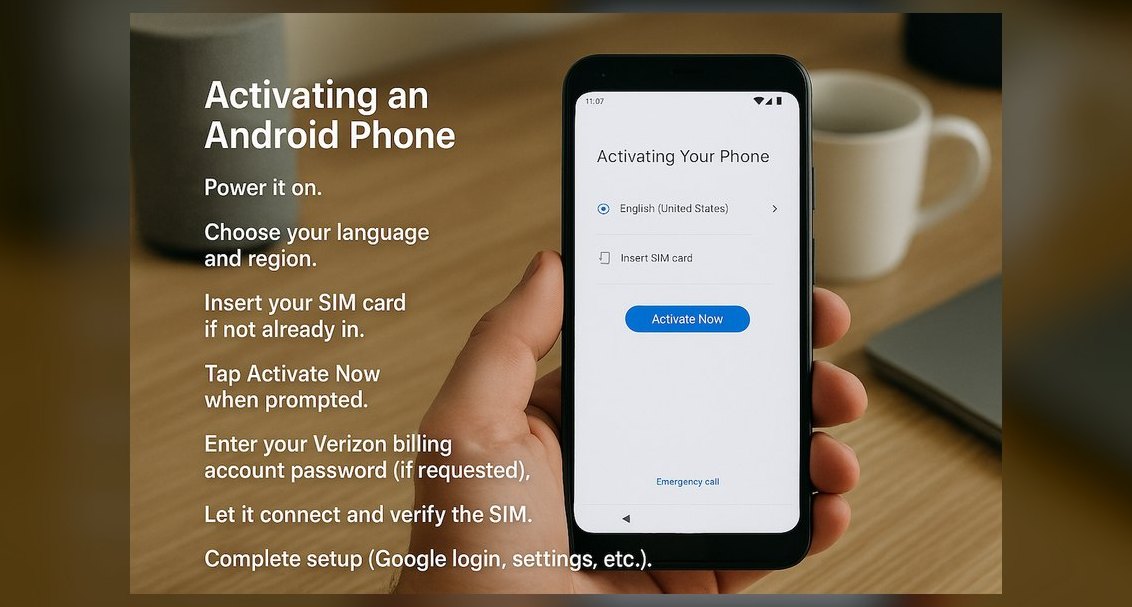 telcoHow do I activate a new phone on my carrier's network in 2027?
 telcoWhat are the steps to trade in my old phone for credit in 2027?
 telcoHow do I transfer my data and apps to a new phone in 2027?
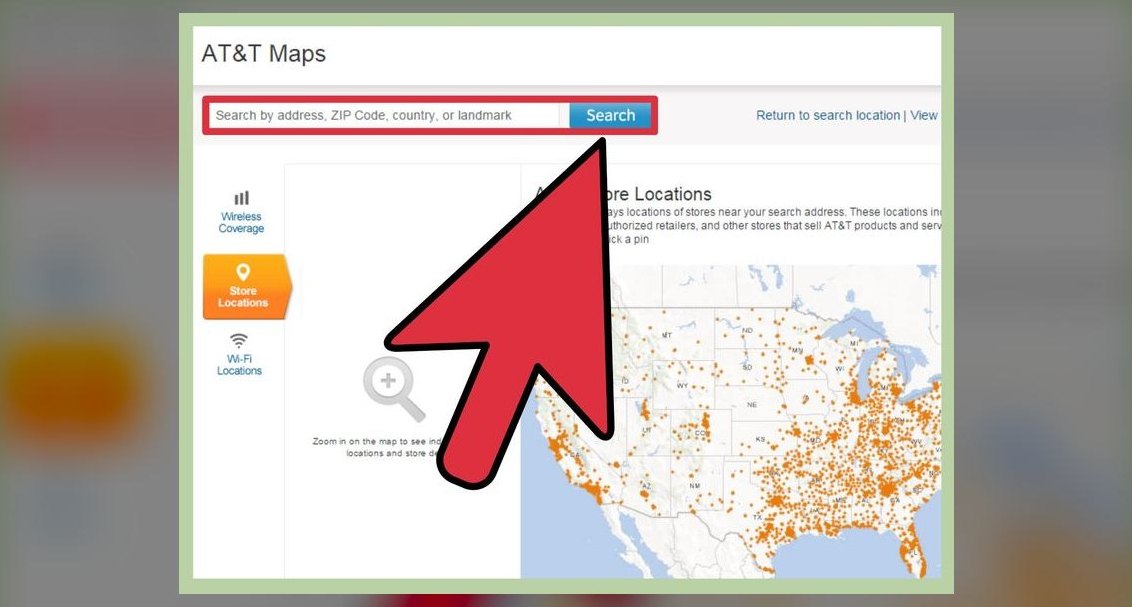 telcoHow do I activate a new cell phone for the first time in 2027?
 telcoHow do I set up a new cell phone after switching carriers in 2027?
 telcoTop 10 ways to reduce your monthly phone bill in 2027
 telcoWhat are the first steps to switching cell phone carriers in 2027?
 telcoBest Cellular and Wireless Carrier in Virginia in 2027
 telcoWhat is the best phone plan for a small business in 2027?
 telcoHow do I get a free or discounted phone when I switch in 2027?