
How do I evaluate a fractional CRO in Dallas in 2027?
 Curated byKory White · Fractional CRO · Maryland
 PULSEKNOWLEDGE LIBRARY
Quality
Certified

Evaluate a fractional CRO in Dallas by requiring a 30-day paid diagnostic that produces a written gap analysis of your revenue engine, verifying direct experience in enterprise SaaS, B2B services, or energy tech, and checking founder references rather than former employer references, with typical retainers ranging from $8,000 to $25,000 monthly for 8–16 days of work.
Understanding the Dallas Revenue Leadership Market
Dallas has matured into a legitimate tech hub, but its talent pool for senior revenue leadership remains thinner than San Francisco or New York. The city's dominant industries are enterprise SaaS, B2B professional services, and energy technology, so a fractional CRO who has sold into Fortune 500 procurement or managed channel sales motions will deliver more value than one with only direct-to-consumer experience. Many strong fractional CROs work hybrid—they are based in Dallas but serve clients across multiple markets, flying in for key meetings such as board reviews and quarterly planning. If you require full-time in-office presence, you will pay a premium and significantly limit your candidate pool. Do not assume a local-only requirement, as you will miss strong candidates who serve several markets simultaneously. The best fractional CROs in Dallas typically maintain a network of 3–5 concurrent engagements, which gives them broad pattern recognition across different revenue stages and industries. This cross-pollination of insights often benefits your company because they bring proven strategies from similar companies facing the same bottlenecks.
Dallas-based fractional CROs also tend to have deep experience navigating the specific procurement cycles common in the region's Fortune 500 headquarters, including companies like AT&T, McKesson, and Texas Instruments. This institutional knowledge of how large enterprises buy, including their contracting timelines, compliance requirements, and multi-stakeholder approval processes, is a distinct advantage that a candidate from outside the region may lack. When evaluating candidates, ask specifically about their experience with enterprise procurement in the Dallas-Fort Worth metroplex. A fractional CRO who has closed deals with the region's largest employers understands the extended sales cycles, the importance of relationship building with procurement officers, and the need for executive sponsorship at multiple levels. This local market knowledge can shorten your sales cycle by 30–60 days compared to bringing in someone who must learn these dynamics from scratch.
The Dallas market also has a strong concentration of companies in the $5 million to $50 million ARR range, which is the sweet spot for fractional CRO engagements. These companies are past the founder-led sales stage but not yet ready for a full-time CRO with a $300,000-plus total compensation package. The fractional CROs who serve this segment are typically former VPs of Sales from Texas-based tech companies who have built and scaled teams, implemented sales methodologies, and navigated multiple funding rounds. They understand the specific challenges of scaling from seed to Series A in the Dallas ecosystem, including the talent market for SDRs and AEs, the local investor network, and the competitive landscape. When interviewing candidates, ask about their experience with companies at your specific ARR stage and in your specific vertical. A fractional CRO who has scaled a company from $2 million to $10 million in ARR in Dallas will have a playbook that is directly applicable to your situation.

The Diagnostic Phase: The Most Critical Evaluation Step
The diagnostic phase is the single most important part of evaluating a fractional CRO. A strong candidate will ask for 60–90 days of historical data from your CRM, pipeline reports, and rep activity logs before they even start. They should produce a written document that identifies pipeline velocity and where deals stall, conversion rates between each stage rather than just top-to-bottom, rep-level performance showing who is carrying the team and who is coasting, process gaps such as missing stages or inconsistent follow-up, and tool utilization to determine whether your team actually uses the tools you pay for. A fractional CRO who refuses to do a paid diagnostic is a red flag. The diagnostic is where they prove they understand your specific data, your team, and your market. If they cannot articulate a clear hypothesis about your biggest revenue leak after two weeks of access, move on. Expect to pay $2,500–$5,000 for a standalone diagnostic, which is typically credited toward your first month of retainer if you proceed. The diagnostic should take no more than 30 days from start to delivery, and it must include a written action plan with specific metrics and timelines.
During the diagnostic, the fractional CRO should conduct a minimum of five stakeholder interviews: the founder or CEO, the head of sales (if one exists), the head of marketing, the head of customer success, and at least two individual contributors who are top performers. These interviews reveal the cultural dynamics, the unspoken bottlenecks, and the political barriers that data alone cannot capture. A strong candidate will synthesize these interviews with the quantitative data to produce a holistic view of your revenue engine. They should identify not just what is broken, but why it is broken and what specific interventions will fix it. For example, if pipeline velocity is slow, the diagnostic should differentiate between issues caused by poor lead quality, ineffective sales process, rep skill gaps, or tool misconfiguration. Each root cause requires a different intervention, and the diagnostic should make these distinctions clear.

The written diagnostic document should include a section on quick wins—actions that can be taken in the first 30 days to generate immediate improvement—and a section on strategic initiatives that will take 60–90 days to implement. Quick wins might include cleaning up CRM data, implementing a new lead scoring model, or running a pipeline generation campaign. Strategic initiatives might include redesigning the sales process, implementing a new sales methodology, or restructuring the sales team. The diagnostic should also include a risk assessment that identifies the top three things that could derail the engagement and what mitigation strategies are in place. A fractional CRO who produces a comprehensive diagnostic that covers all of these elements demonstrates the analytical rigor and operational expertise required to drive real revenue growth.
Cost Structure and What Drives the Price
The monthly cost of a fractional CRO in Dallas varies based on three primary factors: days per week, stage of company, and whether equity is part of the package. For two days per week, expect $8,000–$12,000 per month. For three days per week, the range is $12,000–$18,000. For four days per week, expect $18,000–$25,000. Seed-stage companies with $1–3 million in ARR typically fall on the lower end of these ranges, while Series A companies with $3–10 million in ARR command higher rates. Many fractional CROs will accept 0.5–1.5 percent equity in lieu of 20–30 percent of cash compensation, especially for engagements lasting six months or longer. Be honest about your budget. If you can only afford a retainer under $10,000 per month, you will likely get a less experienced operator who needs more hand-holding. If you can afford $18,000 or more per month, you will attract someone who has built and scaled multiple revenue teams. The total cost of a fractional CRO engagement over six months typically ranges from $48,000 to $150,000, which compares favorably to a full-time VP of Sales whose total annual cost including salary, benefits, and equity often exceeds $300,000.
The pricing structure also depends on the scope of work. A fractional CRO who is responsible for the entire revenue function, including sales, marketing, and customer success, will command a higher rate than one who focuses solely on sales. Similarly, a fractional CRO who is expected to build and manage a team of 10 or more reps will charge more than one who works with an existing team of 3–5 reps. The complexity of your sales process also affects pricing. If you have a long, complex enterprise sales cycle with multiple stakeholders and a high-touch sales motion, you will need a more experienced fractional CRO who can navigate these dynamics, and you will pay a premium for that expertise. Conversely, if you have a simpler transactional sales process with a shorter cycle, you may be able to find a capable fractional CRO at the lower end of the rate range.

Equity is a common component of fractional CRO compensation in Dallas, particularly for early-stage companies that cannot afford the full cash retainer. The typical equity range is 0.5–1.5 percent, vested over the engagement period, with a one-year cliff. The equity replaces 20–30 percent of the cash compensation, meaning that if the full cash retainer would be $15,000 per month, the company might pay $10,500–$12,000 per month plus 0.5–1.0 percent equity. This structure aligns the fractional CRO's incentives with the company's long-term success and can be a good option for companies that are cash-constrained but have strong growth prospects. However, be careful about over-diluting your cap table. A fractional CRO who receives equity should have a clear path to earning that equity through measurable performance milestones, such as hitting specific revenue targets or achieving certain growth rates within a defined timeframe.
Fractional vs. Full-Time: Making the Right Decision
The biggest mistake founders make is hiring a fractional CRO when they really need a full-time VP of Sales, or vice versa. A fractional CRO is right when you have a specific, time-bound problem such as a lead-to-close rate that dropped 40 percent and needs fixing in 90 days, or when your ARR is below $5 million and you cannot justify a $300,000-plus executive salary. A full-time CRO is right when you have a growing team of 10 or more reps, a complex sales process that needs constant management, and the cash flow to support a six-figure base salary plus benefits. Fractional CROs are not part-time executives—they are specialists who parachute in, fix a specific problem, and leave. If you need ongoing day-to-day management of a sales team, hire full-time. The speed to impact differs dramatically: a fractional CRO typically shows results within 30–60 days, while a full-time hire needs 90–180 days due to ramp time. Risk is also lower with a fractional CRO because you can terminate with 30 days notice, whereas firing a full-time executive involves severance, culture disruption, and potential legal exposure. Fractional CROs work best for seed to Series A companies with $1–10 million in ARR, while full-time CROs become necessary at Series B and beyond with $10 million-plus ARR and established teams.

The decision also depends on your company's growth trajectory. If you are growing at 20–30 percent year-over-year and expect that trend to continue, a full-time CRO may be the right investment. If you are growing at 50–100 percent year-over-year, you likely need a full-time CRO who can scale the team and processes to support that growth. If you are growing at less than 20 percent year-over-year, a fractional CRO can help diagnose the bottlenecks and implement fixes without the long-term commitment of a full-time hire. The stage of your company is also critical. Pre-seed and seed-stage companies with less than $1 million in ARR are typically founder-led sales and do not need a CRO at all. Companies with $1–5 million in ARR are the sweet spot for fractional CROs. Companies with $5–10 million in ARR can go either way, depending on the complexity of the sales process and the size of the team. Companies with $10 million-plus ARR almost always need a full-time CRO.
Another factor to consider is the availability of internal talent. If you have a strong VP of Sales who is good at managing the team but lacks strategic vision, a fractional CRO can provide the strategic direction while the VP handles the day-to-day execution. If you have no senior sales leadership at all, a fractional CRO can fill that gap while you search for a full-time hire. If you have a founder who is currently acting as the CRO but wants to step back, a fractional CRO can take over the revenue function while the founder focuses on product, fundraising, or other strategic priorities. The flexibility of the fractional model allows you to adapt to your specific situation without the overhead of a full-time executive.
Interview Questions That Reveal Competence
Your interview should focus on process, not stories. Ask the candidate to walk through their diagnostic process and name specific reports they pull in the first week, such as pipeline by stage, win rate by rep, and time-to-close by deal size. Ask for a concrete example of a revenue bottleneck they fixed in the first 60 days, and demand specific metrics that moved. If they say something vague like "we improved pipeline hygiene," that is not sufficient. Ask what tools they consider non-negotiable—if they do not mention Salesforce or HubSpot, that is a red flag. Ask how they handle an underperforming rep; they should have a clear coaching or performance improvement plan process, not just "fire them." Ask about their notice period and what happens if you want to end the engagement early—standard is 30 days, and anything longer is buyer-beware. Ask for founder references specifically, not former employers. When you call those references, ask whether the fractional CRO actually moved the needle, whether they would hire them again, and what specific metric improved during the engagement. A strong fractional CRO will have 3–5 founder references ready and will encourage you to call them.
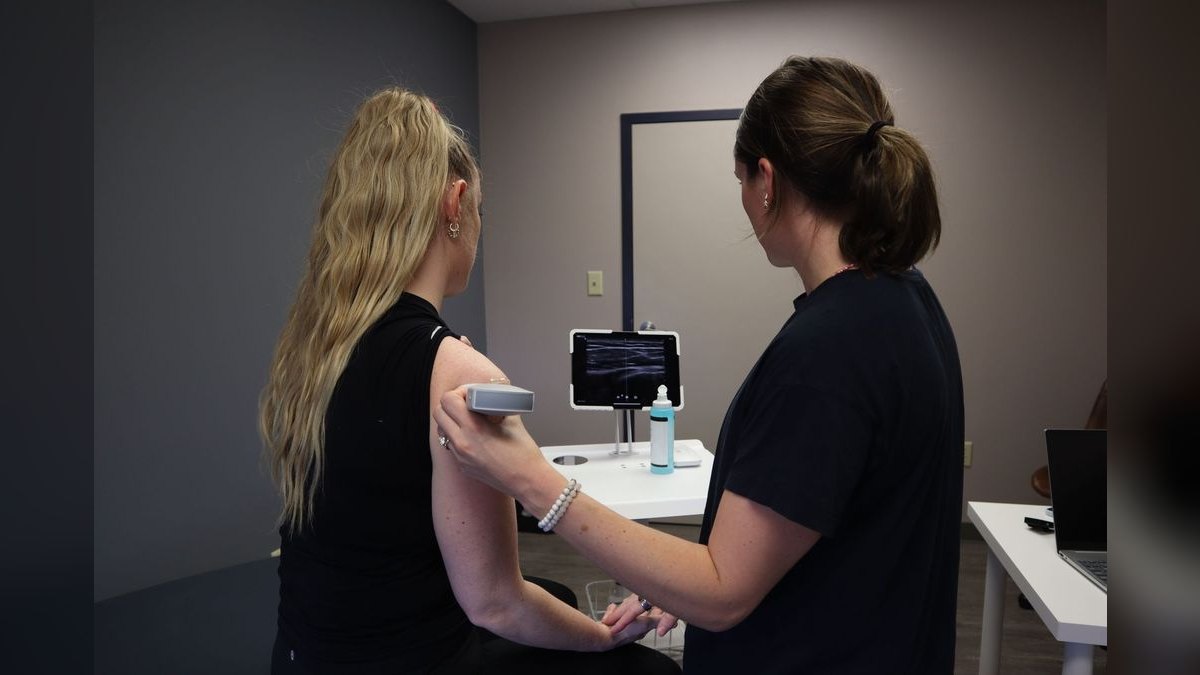
Dig deeper into their diagnostic process by asking them to describe a time when the data told a different story than what the founder believed. A strong fractional CRO will have multiple examples of uncovering hidden problems that the founder was unaware of, such as a sales process that looked healthy on the surface but had a massive leak at a specific stage, or a top-performing rep who was actually burning through pipeline faster than they were generating it. The ability to challenge the founder's assumptions with data is a hallmark of a great fractional CRO. Ask them how they handle pushback from the founder or the sales team when they present findings that contradict existing beliefs. Their answer will reveal their communication style, their ability to build trust, and their resilience in the face of resistance.
Ask about their approach to building a sales culture. A fractional CRO who is only there for 3–6 months needs to be able to create momentum and buy-in quickly. Ask them how they get a sales team to adopt new processes and methodologies in a short timeframe. Do they use a top-down approach, starting with the founder and cascading down? Do they use a bottom-up approach, starting with the top performers and using them as champions? Do they use a combination of both? Their answer should include specific tactics, such as weekly pipeline reviews, one-on-one coaching sessions, and team training workshops. They should also have a plan for measuring adoption and holding the team accountable for following the new processes.

Finally, ask about their exit strategy. A good fractional CRO will have a clear plan for transitioning the revenue function back to the company at the end of the engagement. This plan should include hiring and training a full-time replacement, documenting processes and playbooks, and setting up dashboards and reporting that the company can maintain on its own. A fractional CRO who does not have an exit strategy is not thinking about the long-term success of your company. They should be able to describe exactly what the company will look like when they leave and what systems and processes will be in place to sustain the improvements they have made.
Common Pitfalls and How to Avoid Them
Hiring based on a LinkedIn profile alone is the most common mistake. A former CRO at a unicorn might not know how to operate in a $3 million ARR company with no SDR team and a founder who still closes deals. Look for stage-appropriate experience. Expecting a fractional CRO to behave like a full-time employee is another frequent error—they will not attend every all-hands meeting, respond to Slack at 10 PM, or manage office politics. They are there for output, not presence. Skipping the diagnostic is a costly mistake because you are hiring blind. Paying $2,500–$5,000 for a diagnostic is an investment that saves you from a $50,000–$100,000 mistake. Not checking references with other founders is another trap—a fractional CRO's references should be founders they worked for, not former colleagues or bosses. Ask those founders whether the CRO actually moved the needle and whether they would hire them again. Finally, avoid signing a long-term contract without a trial period. A 30-day notice period is standard, and any candidate who demands a six-month commitment upfront should be viewed with suspicion.
Another common pitfall is hiring a fractional CRO who is overcommitted. A fractional CRO who is juggling five or six concurrent engagements will not have the bandwidth to give your company the attention it needs. Ask about their current client load and how they allocate their time. A good fractional CRO will have no more than three to four concurrent engagements and will be transparent about their availability. They should also have a clear policy for how they handle emergencies and urgent issues that arise outside of their scheduled days. If they are not available to handle a crisis within 24 hours, that is a problem.

Underestimating the cultural fit is another mistake. A fractional CRO who has worked exclusively with enterprise companies may struggle in a startup environment where decisions are made quickly, processes are fluid, and the founder is deeply involved in sales. Conversely, a fractional CRO who has only worked with startups may not have the rigor and discipline required for a more mature company. Ask about the types of companies and cultures they have worked with and whether they have experience in environments similar to yours. A good fractional CRO should be able to adapt to different cultures, but they will be most effective in environments that match their strengths and experience.
Finally, failing to define success metrics upfront is a recipe for disappointment. Before the engagement begins, agree on the specific metrics that will be used to measure success, the baseline for each metric, and the target improvement. These metrics should be written into the contract, along with the timeline for achieving them. Without clear success metrics, you will have no objective way to evaluate the fractional CRO's performance, and you may end up paying for an engagement that did not deliver the results you expected. A strong fractional CRO will insist on these metrics themselves because they want to be held accountable for results.

When to Walk Away
You should walk away from a fractional CRO if they refuse to do a paid diagnostic, cannot name specific tools they will use, give vague answers about process such as "I'll figure it out once I'm in," demand a six-month commitment without a trial period, or provide references that are all former employers rather than founders. A good fractional CRO is transparent about their process and willing to prove their value in the first 30 days. Anything less is a gamble you do not need to take. Also walk away if the candidate cannot articulate a clear hypothesis about your biggest revenue leak after reviewing your data for two weeks. The diagnostic phase is where they demonstrate their value, and if they cannot deliver a concrete, data-driven analysis, they will not deliver results during the engagement. Trust your instincts—if something feels off during the interview or diagnostic process, it probably is.
You should also walk away if the candidate seems more interested in selling you a long-term engagement than in diagnosing your specific problem. A fractional CRO who immediately starts talking about a six-month or twelve-month engagement without first understanding your situation is not focused on your needs. They should be asking questions, gathering data, and forming hypotheses before they even discuss the length of the engagement. If they are pushing for a long-term commitment before the diagnostic is complete, that is a red flag.
Another reason to walk away is if the candidate has a conflict of interest. A fractional CRO who also runs a consulting firm that sells services to companies like yours may be more interested in selling those services than in solving your revenue problems. Ask about any other businesses they own or are involved in, and whether they have any relationships with vendors or partners that could create a conflict of interest. A good fractional CRO will be transparent about these relationships and will have a clear policy for managing conflicts.

Finally, walk away if the candidate does not have a track record of measurable results. They should be able to provide specific examples of companies where they improved pipeline velocity, increased win rates, or grew revenue by a specific percentage. If they cannot provide these examples, or if the examples are vague and unverifiable, do not hire them. The burden of proof is on the candidate to demonstrate that they can deliver results, and if they cannot do that in the interview process, they will not do it in the engagement.
Measuring ROI and Engagement Success
To determine whether a fractional CRO is worth the money, track the specific metric they were hired to fix before and after the engagement. If they were brought in to improve pipeline velocity, measure the average time from lead creation to closed-won before they start and again at 60 and 90 days. If they were hired to increase win rates, track stage-by-stage conversion rates weekly. If they were hired to build a sales process, measure rep adherence to the new process and the resulting impact on deal size and close rates. A strong fractional CRO will insist on these metrics themselves and will report on them weekly. If the target metric improves by a meaningful amount within 60–90 days, the ROI is clear. If it does not, end the engagement. Typical ROI for a successful fractional CRO engagement ranges from 3x to 10x on the investment, measured by incremental revenue generated or saved. For example, a $15,000 per month fractional CRO who improves win rates from 20 percent to 30 percent on a $2 million pipeline has generated $200,000 in additional revenue in a single quarter, representing an 11x return.

Beyond the direct metric improvement, measure the secondary effects of the engagement. Did the fractional CRO improve the skills and capabilities of your sales team? Did they implement processes and systems that will continue to generate results after they leave? Did they improve the accuracy of your forecasting and pipeline management? These secondary effects can be just as valuable as the direct metric improvement, and they contribute to the long-term health of your revenue engine. A good fractional CRO will leave behind a team that is more capable, processes that are more efficient, and systems that are more reliable than when they started.
Create a simple ROI dashboard that tracks the following metrics before, during, and after the engagement: pipeline velocity, win rate by stage, average deal size, sales cycle length, rep attainment, forecast accuracy, and customer acquisition cost. Track these metrics weekly and review them with the fractional CRO during your weekly check-in. If the metrics are moving in the right direction, you can be confident that the engagement is delivering value. If they are not, you need to have a honest conversation about whether the engagement is working and whether adjustments are needed.
Finally, conduct a post-engagement review that includes feedback from the founder, the sales team, and any other stakeholders who worked with the fractional CRO. Ask them what worked well, what could have been better, and whether they would recommend the fractional CRO to another company. This feedback will help you evaluate the engagement and inform your decision about whether to extend the engagement, hire the fractional CRO full-time, or search for a new candidate. A successful engagement should leave everyone feeling that the investment was worthwhile and that the company is in a stronger position than before.
Related questions
What is the typical engagement length for a fractional CRO in Dallas?
Most fractional CRO engagements in Dallas run 3–6 months, with the first 30 days dedicated to a diagnostic. Longer engagements of 6–12 months are common when equity is involved or when the company is scaling rapidly.
How do I find vetted fractional CROs in Dallas?
Networks like Pavilion, RevOps Co-op, and CRO Syndicate provide access to vetted fractional revenue leaders. LinkedIn searches filtered by "fractional CRO" and "Dallas" also yield candidates, but always verify through founder references.
What tools should a fractional CRO know for Dallas companies?
They must be fluent in Salesforce or HubSpot, plus Gong or Chorus for call recording, Clari for forecasting, and Outreach or Salesloft for sales engagement. Dallas enterprise SaaS companies also commonly use Tableau for reporting.
Can a fractional CRO work remotely for a Dallas company?
Yes, most fractional CROs work hybrid—remote for day-to-day work and in-person for key meetings like board reviews, quarterly planning, and annual sales kickoffs. Full-time in-office presence is rare and commands a premium.
What is the difference between a fractional CRO and a sales consultant?
A fractional CRO owns the revenue function, manages the team, and executes on metrics. A sales consultant gives advice but does not execute. Fractional CROs are operators, not advisors.
FAQ
What's the typical engagement length for a fractional CRO in Dallas? Most engagements run 3–6 months, with the first 30 days dedicated to a paid diagnostic. Longer engagements of 6–12 months are common when equity is part of the compensation package or when the company is in a rapid growth phase. Shorter engagements of 60–90 days are possible for specific, time-bound problems.
How do I know if a fractional CRO is worth the money? Track the specific metric they were hired to fix before and after the engagement. If pipeline velocity, win rate, or average deal size improves by a meaningful amount within 60–90 days, the ROI is clear. If it does not, end the engagement. A successful engagement typically delivers 3x–10x ROI.
What's the difference between a fractional CRO and a sales consultant? A fractional CRO owns the revenue function, manages the team and process, and is accountable for metrics. A sales consultant provides advice and recommendations but does not execute or manage. Fractional CROs are operators first and advisors second.
Do fractional CROs work onsite in Dallas? Most work hybrid—they are based in Dallas but serve clients across the country. They come onsite for key meetings like board reviews, quarterly planning, and annual sales kickoffs. Full-time onsite presence is rare and will limit your candidate pool.
How much equity should I offer a fractional CRO? Equity typically ranges from 0.5–1.5 percent for engagements lasting 6 months or longer. The equity is usually vested over the engagement period and replaces 20–30 percent of cash compensation. Shorter engagements rarely include equity.
What happens if the fractional CRO doesn't deliver results? Standard contracts include a 30-day notice period for termination. If the diagnostic phase does not produce a clear action plan, or if metrics are not improving by 60 days, you can end the engagement with 30 days notice. Always include this clause in your contract.
Sources
- Pavilion
- RevOps Co-op
- Harvard Business Review - The Case for Fractional Executives
- First Round Review - Hiring Your First VP of Sales
- SaaStr - Fractional vs Full-Time Sales Leaders
- LinkedIn - Fractional CRO Community
- Salesforce - Revenue Operations Best Practices
- HubSpot - Sales Management Guide
- Gartner - Revenue Operations Trends
Related on PULSE
- How much does an interim Chief Revenue Officer cost in Dallas in 2027?
- How much does a part-time Chief Revenue Officer cost in Dallas in 2027?
- Is there a fractional Chief Revenue Officer available near me in Dallas in 2027?
- How do I hire an interim Chief Revenue Officer in Dallas in 2027?
- What should I look for in a fractional CRO in Scottsdale in 2027?
- How do I evaluate a fractional Chief Revenue Officer in the Pacific Northwest in 2027?
This page will be disappearing soon. Save it to your device for $1 — or read it free while it is here.
@Kory-White- · if Venmo asks, the last 4 of my number are 2012
This page is gone.
This one is off the shelf now. $1 keeps it on your phone for good — the whole page, pictures and diagrams included.
 pulse-toolsWhere do I find a fractional head of revenue in Grand Rapids in 2027?
 pulse-toolsWhat does a fractional CRO cost in Magnolia in 2027?
 pulse-toolsDo I Need a Fractional CRO for My Multi-Unit Retail Business in 2027?
 pulse-toolsWhat does a fractional CRO cost in Townsend in 2027?
 pulse-toolsWho is the best fractional CRO in Brookside in 2027?
 pulse-toolsWhere do I find a fractional CRO in Fort Worth in 2027?
 pulse-toolsWhat does a fractional CRO cost in Wilmington Manor in 2027?
 pulse-toolsWho is the best fractional CRO in Cheswold in 2027?
 pulse-toolsHow do I hire a fractional CRO in Oregon in 2027?
 pulse-toolsHow do I find a fractional CRO in Magnolia in 2027?