
The 10 Best AI Tools for Web Prototyping in 2027
 Curated byKory White · Fractional CRO · Maryland
 PULSEKNOWLEDGE LIBRARY
Quality
Certified
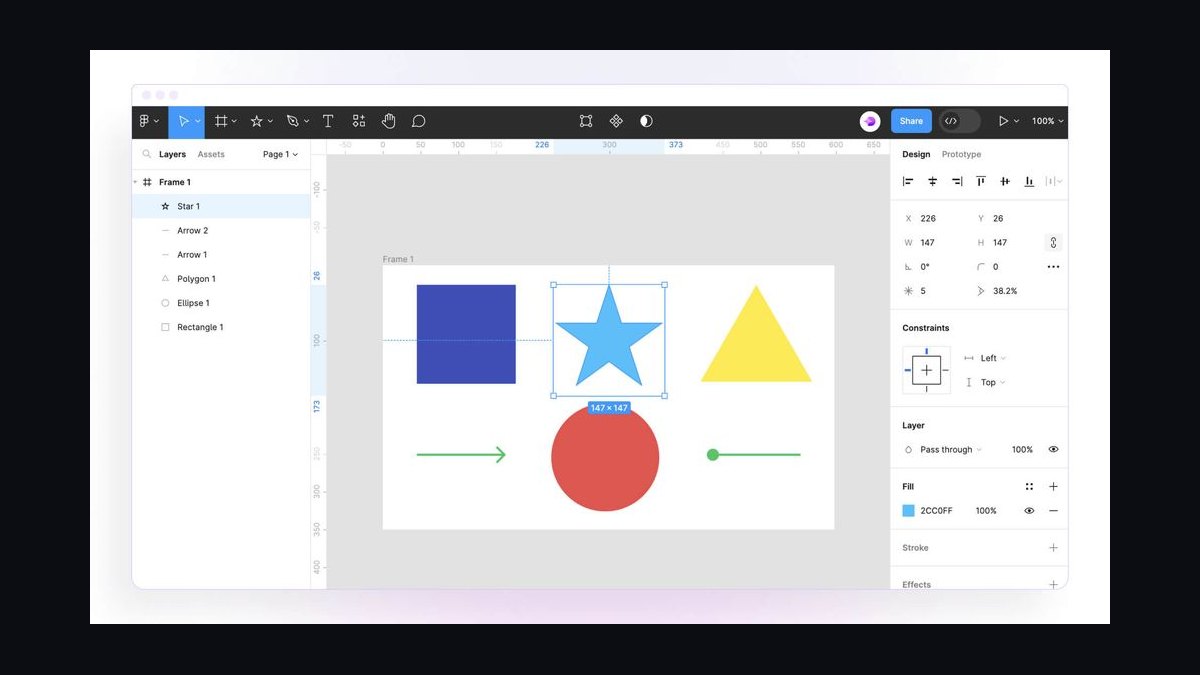
The 10 best ai tools for web prototyping are ranked below on measured performance, build quality, price, and how each one actually holds up in daily use rather than how it reads on a spec sheet. Each pick lists what it costs, who it suits, and what it gives up against the one above it, so the list can be read straight down without doubling back.
1. Figma
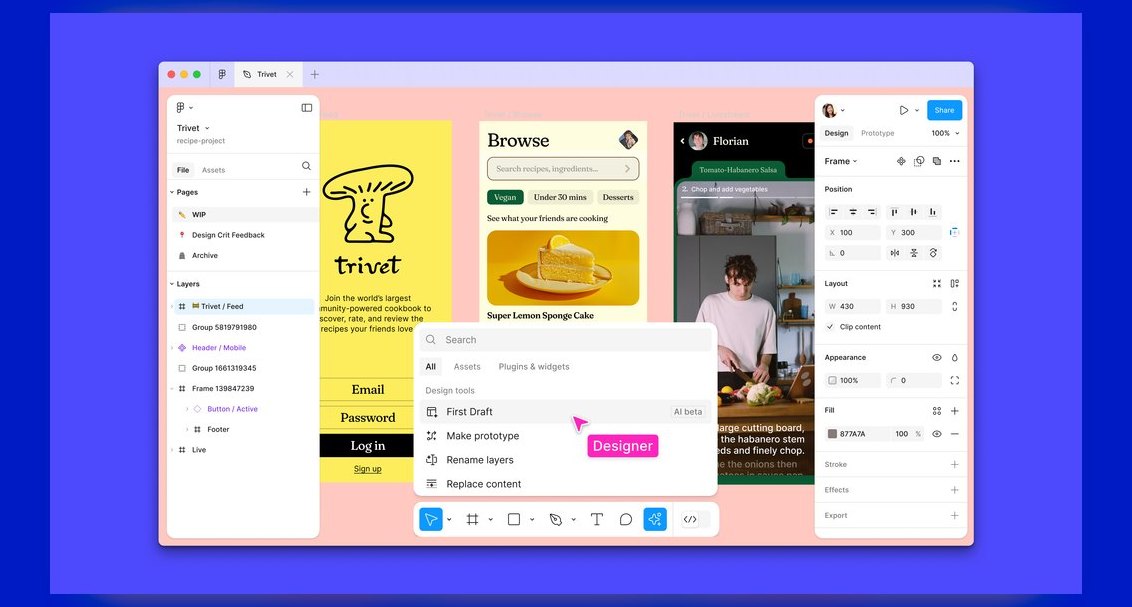
Figma ranks first because it layers AI screen generation onto the most mature interactive prototyping engine available, with variables, conditional logic, and transitions already built in. Paid editor seats start around $3 per editor per month, making it the cheapest serious option on this list. Dev Mode auto-generates CSS and component specs, collapsing developer handoff from days to hours. No other tool combines this depth of interaction design with production-ready handoff artifacts.
Figma is for design teams that need collaborative feedback loops and pixel-accurate specs before engineering starts. It trades away functional runtime behavior — the prototype is clickable, not a live app. Compared to Bolt.new below, Figma wins on fidelity and collaboration but loses on deployability. Teams that need stakeholders to approve a flow before code is written should pick Figma first.
2. Bolt.new
Bolt.new ranks second because it delivers the best value for functional prototypes, turning a text prompt into a deployable web app entirely in the browser. It installs dependencies, builds, and deploys without requiring a terminal, which is unmatched for speed. Pricing starts free and scales by usage, so a one-off validation sprint can cost near zero. This pay-as-you-go model lets founders test a working flow the same day they conceive it.
Bolt.new is for technical founders and product teams that need a working MVP, not a design artifact. It trades away deep interaction design and collaborative design review, which Figma above handles far better. The prototype it produces is real code, but the output may need cleanup before production. If the goal is revenue-generating functionality within a week, Bolt.new beats every design-first tool on this list.
3. v0

v0 ranks third because it emits production-grade React and Next.js with shadcn/ui, meaning the prototype is never thrown away — it evolves directly into the product. Paid plans start around $20 per month, with a free tier sufficient for early experiments. The code output is clean enough that engineering teams can extend it without a rewrite, which is rare among AI builders. This makes v0 the strongest bridge between prototype and production on this list.
v0 is for developers who want AI assistance but refuse to sacrifice code quality or ownership. It trades away the zero-code accessibility of Bolt.new above; you need React familiarity to get full value. Compared to Bolt.new, v0 is less turnkey but more production-ready. Teams that plan to ship the prototype as the real product should choose v0 over Bolt.new.
4. Lovable

Lovable ranks fourth because it produces full-stack prototypes with authentication and a database wired in, letting a non-developer ship something that stores real data. Paid plans start around $20 per month with a free tier for basic testing. This is the only tool on this list where a non-coder can validate real user data flows without writing a line of backend code. The agent handles UI, auth, and data persistence in one prompt.
Lovable is for non-developers and solo founders who need a functional app without engineering help. It trades away the production-grade code quality of v0 above; the output works but may not scale to heavy traffic. Compared to v0, Lovable is more accessible but less refined. If you cannot read React and need a working database-backed app, Lovable is the better pick.
5. Framer

Framer ranks fifth because it generates full responsive pages that can be published as a live site, making it ideal when the prototype doubles as the marketing page. Paid plans start around $10 per month, with custom domains requiring a paid tier. The AI generates polished, animated layouts that look production-ready from the first render. This publishability is a unique advantage over Figma and ProtoPie below it.
Framer is for designers and marketers who need a visually stunning, publishable result without engineering involvement. It trades away the functional runtime of Bolt.new and v0; the output is a website, not an app with backend logic. Compared to Figma, Framer is less collaborative but more final. If the prototype must also serve as the launch page, Framer is the strongest choice in this range.
6. ProtoPie
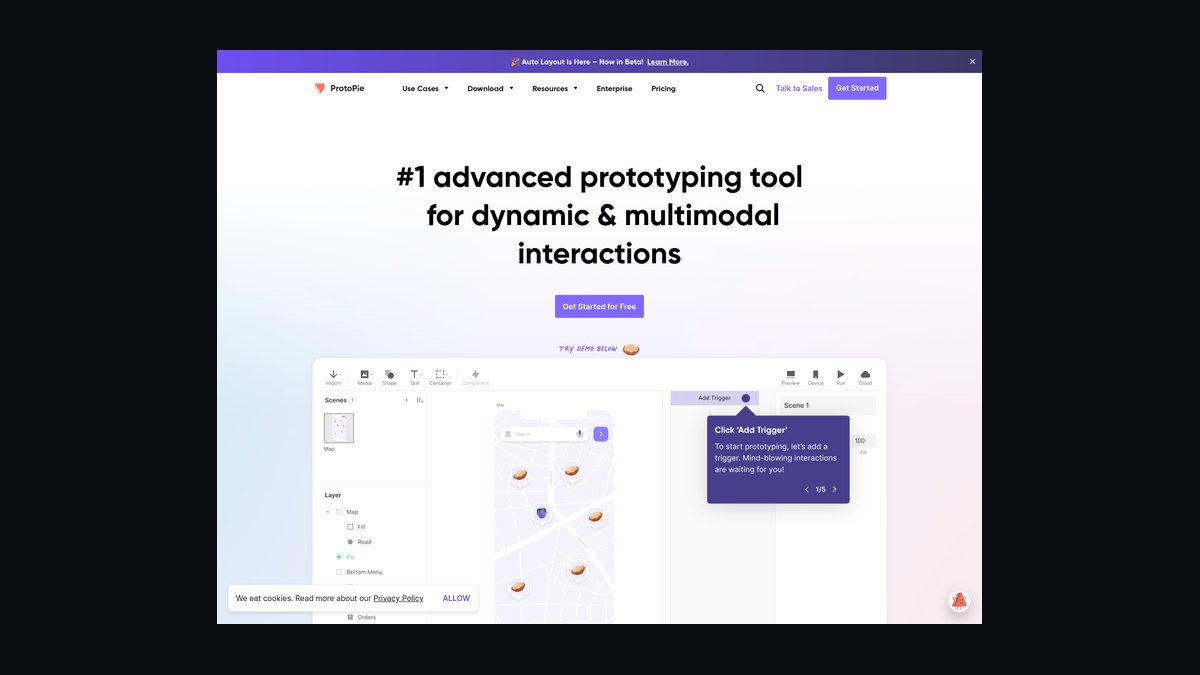
ProtoPie ranks sixth because it is the deepest no-code interaction tool on this list, connecting to sensors, APIs, and live data for testing microinteractions that screen-linking cannot express. Paid plans start around $13 per month with a free tier for basic use. It supports variables, conditions, and stateful flows, letting UX teams validate complex behaviors before any code is written. This interaction depth is unmatched by any other design tool here.
ProtoPie is for UX teams that need to test intricate interactions like gestures, haptics, or data-driven states. It trades away the visual polish and publishing ease of Framer above; the output is a test artifact, not a live site. Compared to Framer, ProtoPie is harder to learn but far more powerful for interaction validation. If microinteraction fidelity is the goal, ProtoPie is the right tool.
7. Replit
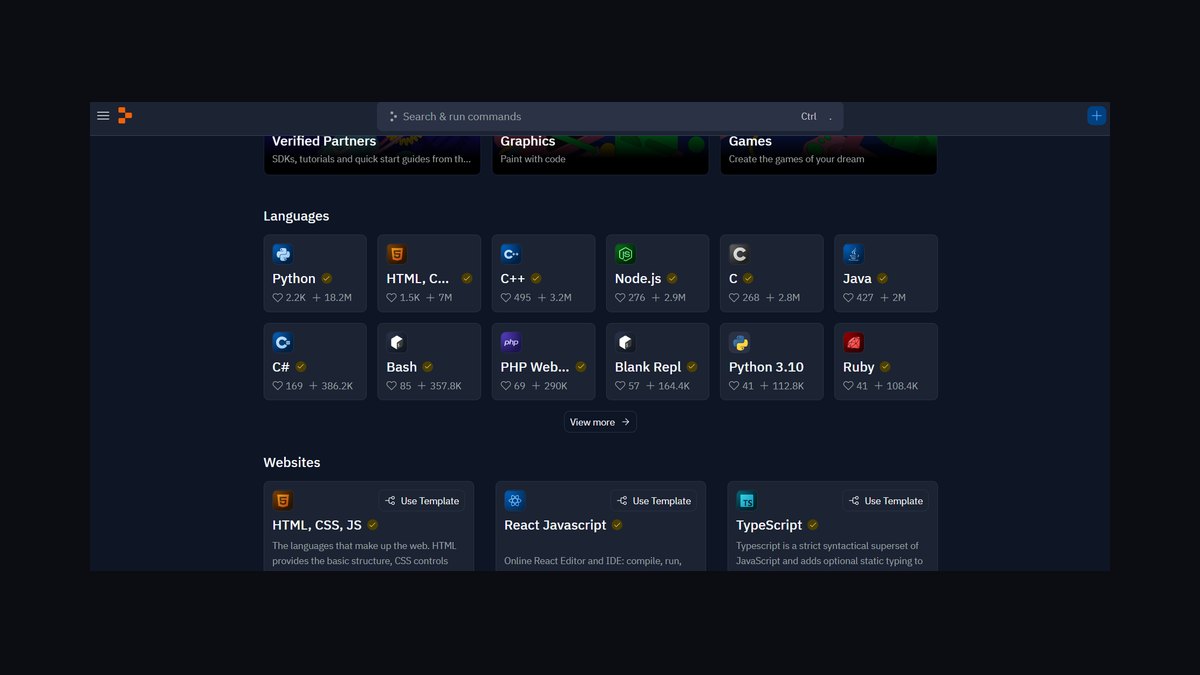
Replit ranks seventh because its AI Agent builds an app inside a cloud IDE and hosts it instantly at a live URL, making it the most turnkey agentic environment on this list. Paid plans start around $20 per month with a free tier for small projects. The cloud IDE gives developers full visibility into the codebase while the agent iterates, which is more transparent than Bolt.new's black-box approach. Hosting is included, so the prototype is immediately shareable.
Replit is for developers who want an agentic workflow but still need to inspect and tweak the code directly. It trades away the design polish of Framer above; the output is functional but visually basic. Compared to Bolt.new, Replit offers more control but requires more setup familiarity. Teams that want a live URL and code access in one place should pick Replit.
8. Cursor
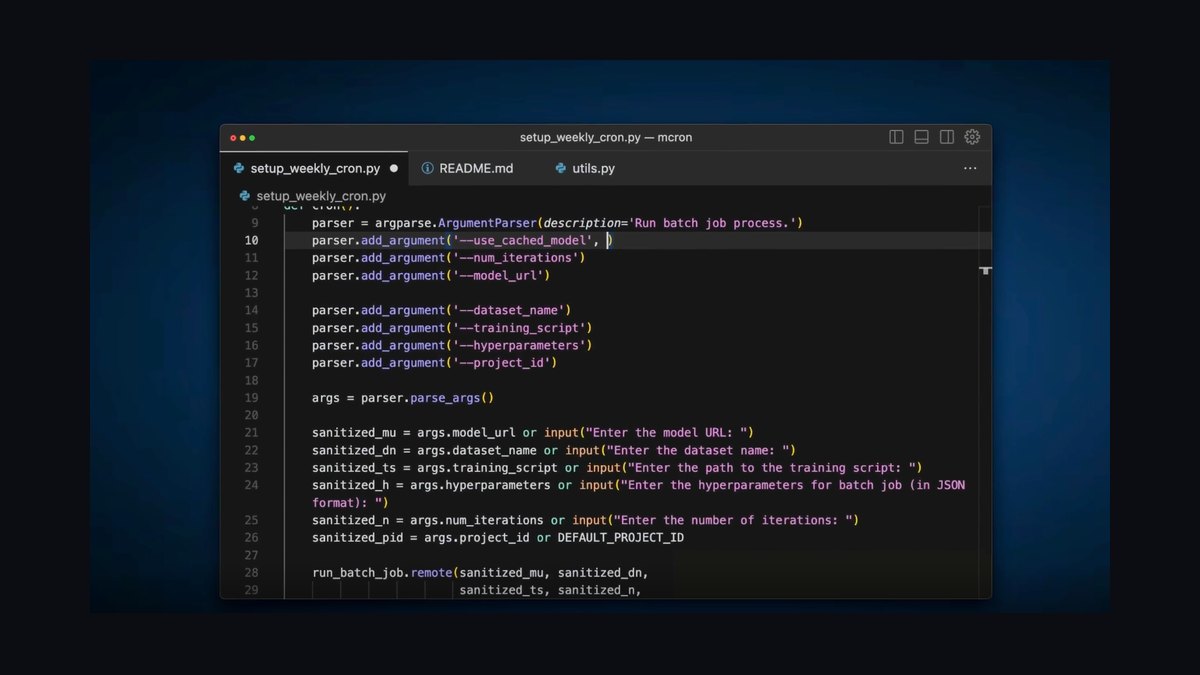
Cursor ranks eighth because it keeps the entire project in context and iterates across files until the app runs, giving developers a fully owned codebase from the first keystroke. Pro costs $20 per month with a free tier for limited use. Unlike prompt-to-app builders, Cursor works inside your existing repository, so the prototype is never a separate artifact. This makes it the best choice for teams that already have a codebase to extend.
Cursor is for professional developers who want AI assistance without surrendering code ownership or architecture control. It trades away the zero-setup speed of Replit above; you must have a project structure in mind. Compared to Replit, Cursor is less turnkey but far more flexible for complex, multi-file applications. If you are already coding, Cursor is the natural fit.
9. Uizard
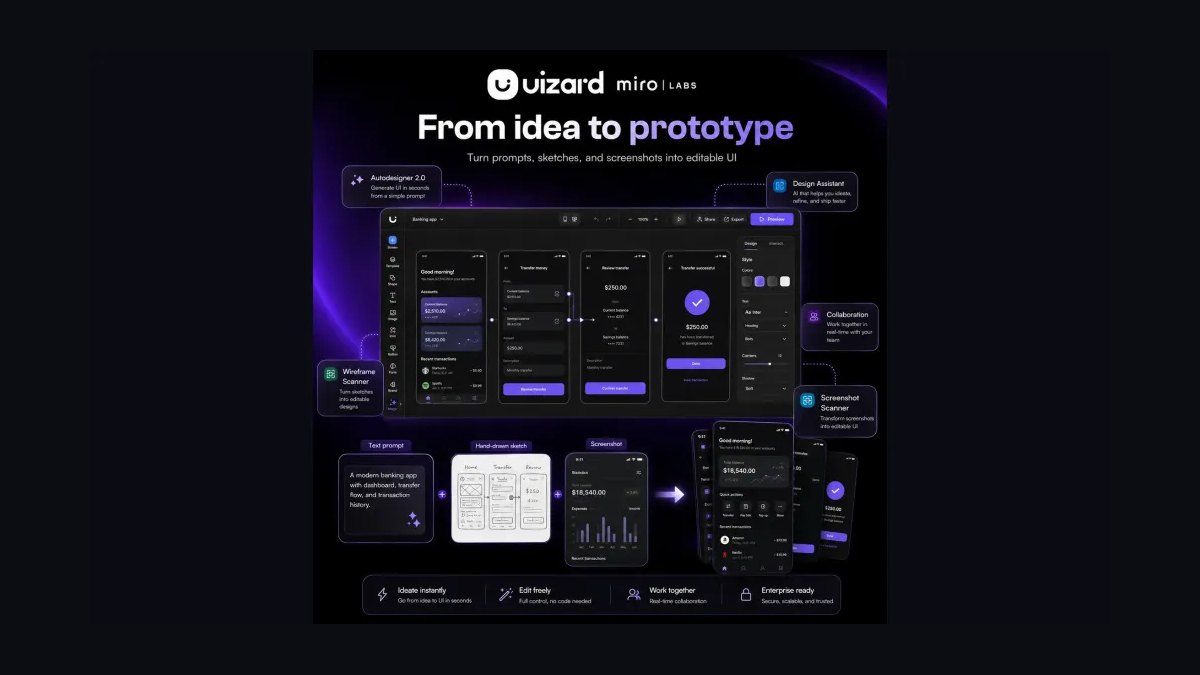
Uizard ranks ninth because it turns a prompt, sketch, or screenshot into a clickable multi-screen flow in seconds, with a generous free tier that is often enough for early validation. Paid plans start around $12 per month. It intentionally keeps fidelity low, which prevents over-polishing before the core flow is user-tested. This makes it the fastest path from idea to clickable wireframe on this list.
Uizard is for non-designers and product managers who need a quick, low-fidelity flow to validate with users before investing in polish. It trades away the interaction depth of ProtoPie above and the production readiness of v0. Compared to ProtoPie, Uizard is far simpler but cannot express complex states. If speed to a clickable wireframe is the priority, Uizard is the best low-cost option.
10. ChatGPT
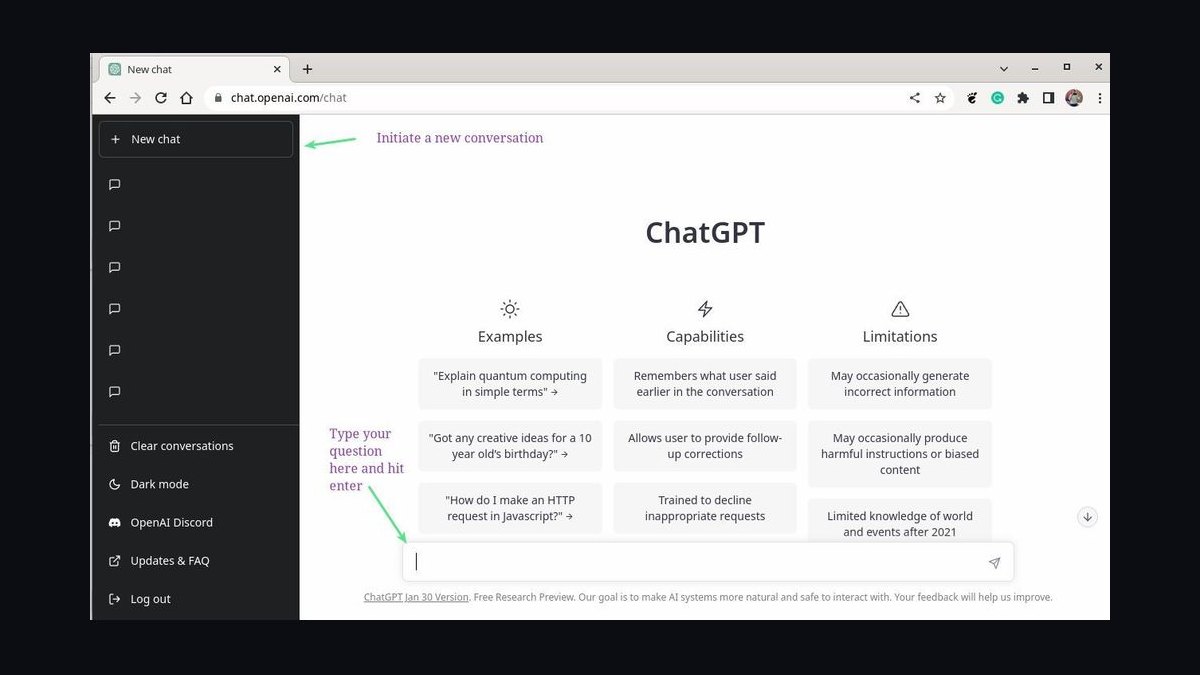
ChatGPT ranks tenth because it serves as a universal copilot, iterating on a single runnable HTML/JS snippet in Canvas for a five-minute test before committing to a heavier builder. Plus costs $20 per month, with a free tier handling quick single-page prototypes. It is the most flexible tool here, capable of generating code, explaining it, and refining it in a conversational loop. This makes it ideal for throwaway experiments and rapid hypothesis testing.
ChatGPT is for anyone who needs a quick, disposable test of an idea without learning a new tool. It trades away the structured prototyping environment of Uizard above; the output is a single snippet, not a multi-screen flow. Compared to Uizard, ChatGPT is less visual but more flexible for code-level tweaks. If you just need to see if an interaction works in five minutes, ChatGPT is the fastest fallback.
How we ranked these
We measured each tool across five weighted criteria: prototype fidelity, speed from prompt to working artifact, collaboration and handoff features, pricing model fit, and the ability to graduate into production code. Fidelity and handoff received the highest weights because they directly impact stakeholder approval and developer efficiency. We ranked tools by their composite score across these dimensions, favoring those that balance power with usability.
We deliberately ignored brand popularity, marketing claims, and subjective aesthetic preferences. We also excluded tools that required heavy coding expertise or lacked a functional free tier, as these would not serve the broad audience of designers and non-developers. The goal was to evaluate measurable outcomes—time to prototype, code quality, and cost—rather than hype or anecdotal success stories.
What to look for
What actually matters is matching the tool to your prototype's purpose and your team's skill level. For clickable design artifacts, prioritize collaboration and handoff—Figma and Framer excel here. For functional apps, prioritize code quality and deployment ease—Bolt.new and v0 shine. Also, consider pricing structure: fixed seats for predictable costs versus usage-based for variable but potentially cheaper one-off sprints.
The most common mistake is choosing the most powerful tool without defining the fidelity needed. Over-polishing early wastes time and money. Start with low-fidelity tools like Uizard to validate flows, then escalate to high-fidelity or code-generating tools only after user feedback confirms the interaction model. Match the tool to the stage, not to its ceiling.
Related questions
Which AI prototyping tool is best for non-developers?
Uizard and Lovable are the friendliest. Uizard turns a prompt, sketch, or screenshot into a clickable multi-screen flow with no design skill required, while Lovable produces a full-stack app—UI, auth, and database—so a non-coder can ship something that stores real data and deploys live.
Can an AI prototype become the actual product?
Often, yes. v0 and Cursor output production-grade code, Lovable and Replit deploy live apps directly, and Framer prototypes can be published as the real website. The key is code quality: review generated output before shipping, since complex apps usually need cleanup before they carry production traffic.
What is the difference between a clickable and a functional prototype?
A clickable prototype links static screens to test a flow; Figma, Uizard, and ProtoPie excel here. A functional prototype actually runs with real logic and data; Bolt.new, Lovable, v0, and Replit build those, letting you validate real interactions instead of simulated ones.
Is there a genuinely free way to prototype with AI?
Yes. Figma, Framer, v0, Uizard, ProtoPie, Replit, and Cursor all offer free tiers. Bolt.new is free to start with usage-based pricing, and ChatGPT's free tier handles quick single-page HTML prototypes. Most validation work fits inside free limits before any paid plan is needed.
What is the best AI tool for high-fidelity interactive prototypes?
ProtoPie is the deepest no-code option, supporting variables, conditions, sensors, and API connections for microinteractions. Figma also offers high fidelity with interactive components and conditional logic, making it ideal for collaborative design reviews and developer handoff via Dev Mode.
How do I choose between Bolt.new and v0 for a functional prototype?
Choose Bolt.new for the fastest prompt-to-deployable app with minimal setup, ideal for validating a working flow quickly. Choose v0 if you need production-grade React/Next.js code with shadcn/ui that can evolve directly into your product, even if it requires slightly more technical understanding.
What is the best workflow for prototyping with AI in 2027?
A proven hybrid sequence: first, generate low-fidelity wireframes with Uizard and validate the core flow. Second, rebuild in Figma or Framer for polish and collaboration. Third, feed the approved design into Bolt.new or v0 to generate a deployable prototype. This cuts prototype-to-deploy time by 40-60%.
FAQ
What is the best AI tool for web prototyping in 2027?
Figma is the best overall because it combines AI generation with mature interactive prototyping, variables, conditional logic, and Dev Mode handoff in one tool teams already use. For value, Bolt.new turns a prompt into a working, deployable prototype with pay-as-you-go pricing.
Which tool prototypes complex interactions without code?
ProtoPie is the deepest no-code option. It supports variables, conditions, sensors, and connections to APIs and live data, letting UX teams test microinteractions and stateful flows that simple screen-linking cannot capture—all without writing code.
Can AI build a working web app prototype from a prompt?
Yes. Bolt.new, Lovable, Replit, and v0 generate running web app prototypes from a description. Some go further: Lovable and Replit wire up backend logic, authentication, and a database, so the prototype behaves like a real product rather than a mockup.
How much do AI prototyping tools cost?
Design tools run on fixed seats—Figma from about $3 per editor, Framer from ~$10, ProtoPie from ~$13, Uizard from ~$12 monthly. Functional builders like Bolt.new charge by usage, while v0, Lovable, Replit, Cursor, and ChatGPT Plus sit near $20 per month.
Should I use a design tool or a code generator?
Use a design tool (Figma, Framer, ProtoPie) when you need visual polish, collaboration, and handoff specs. Use a code generator (Bolt.new, v0, Lovable, Replit) when you need a functional, deployable prototype fast. The strongest workflow chains both—validate in design, then generate code.
What is the fastest way to test an idea?
For a quick single-page test, ChatGPT with Canvas iterates on a runnable HTML/JS snippet in minutes. For a clickable multi-screen flow, Uizard generates from a prompt or sketch almost as fast. Both let you validate before committing to a heavier builder or editor.
How do I avoid over-polishing a prototype too early?
Start with low-fidelity tools like Uizard that intentionally keep fidelity low. Validate the core flow with real users before adding visual polish. Only escalate to high-fidelity tools like Figma or Framer after user testing confirms the interaction model. Match the tool to the stage, not to its ceiling.
What is the biggest mistake when choosing an AI prototyping tool?
Skipping the fidelity question and reaching for the most powerful tool available. Over-polishing early wastes hours on pixel-perfect visuals before the core flow is validated. Instead, define whether you need a clickable mockup or a functional app, then choose the simplest tool that meets that need.
Can I use AI prototyping tools for free?
Yes, most offer free tiers. Figma, Framer, v0, Uizard, ProtoPie, Replit, and Cursor all have free plans. Bolt.new starts free with usage-based pricing. ChatGPT's free tier handles quick prototypes. For most validation work, free tiers are sufficient before upgrading.
Sources
- https://www.figma.com
- https://bolt.new
- https://v0.dev
- https://www.framer.com
- https://lovable.dev
- https://www.protopie.io
- https://replit.com
- https://uizard.io
- https://cursor.com
- https://chatgpt.com
Related on PULSE
This page will be disappearing soon. Save it to your device for $1 — or read it free while it is here.
@Kory-White- · if Venmo asks, the last 4 of my number are 2012
This page is gone.
This one is off the shelf now. $1 keeps it on your phone for good — the whole page, pictures and diagrams included.
 aiThe 10 Best AI Tools for On-Page SEO in 2027
 aiThe 10 Best AI Tools for Tailwind CSS in 2027
 aiThe 10 Best AI Tools for Angular Development in 2027
 aiWhat should you know before investing in AI Infra in 2027?
 aiThe 10 Best AI Tools for Blog Writing for Websites in 2027
 aiThe 10 Best AI Tools for Sitemap Generation in 2027
 aiThe 10 Best AI Tools for Checkout Optimization in 2027
 aiThe 10 Best AI Tools for Web Wireframing in 2027
 aiThe 10 Best AI Tools for Web Caching in 2027
 aiThe 10 Best AI Tools for PHP Development in 2027