
How Do I Phase a Buildout to Spend Less Cash Up Front?
 Curated byKory White · Fractional CRO · Maryland
 PULSEKNOWLEDGE LIBRARY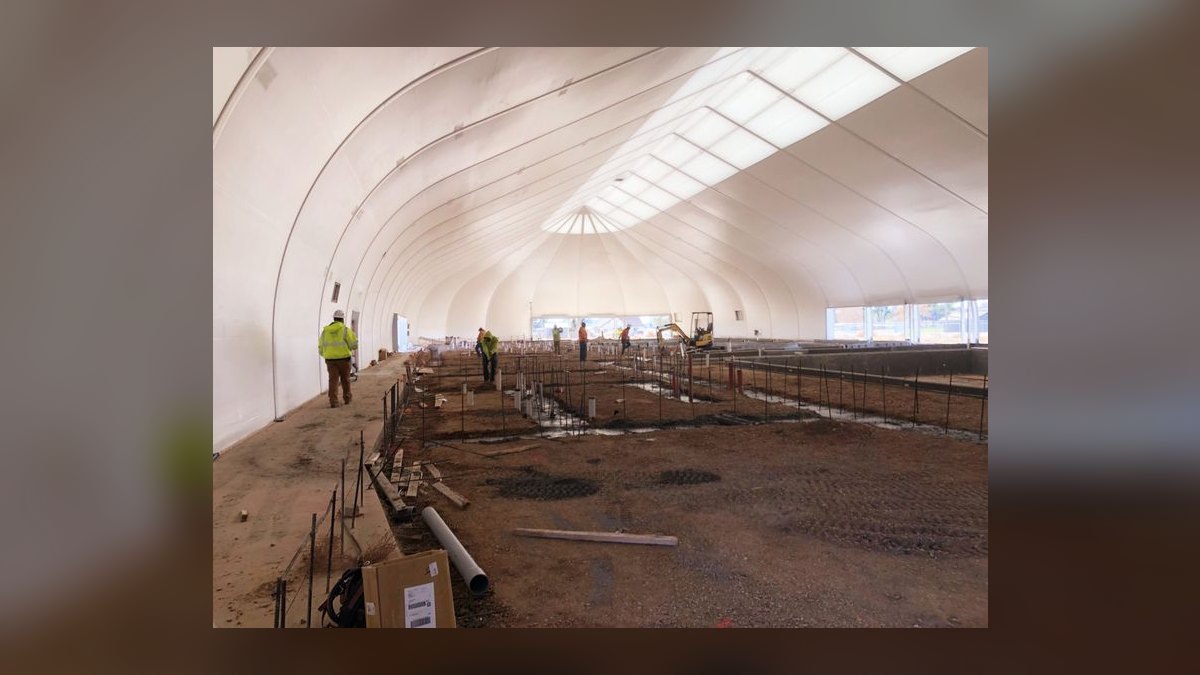
Build only the square footage that earns revenue on day one and defer the rest into a written, pre-priced future phase. Combined with a landlord-funded warm shell, a $40–$80/sq ft TI allowance, and three to six months of rent abatement, phasing can cut your day-one cash outlay by 40–60%.
Phase what earns, defer what waits
The whole discipline of phasing comes down to one split: divide your floor plan into revenue zones and someday zones, then only build the revenue zones now. A revenue zone is anything that bills a customer — treatment rooms, the kitchen line, the retail floor, the first cluster of billable bays or chairs. A someday zone is capacity you don't need yet: expansion seating, the second operatory, the back-office buildout, and the discretionary lobby finishes that impress nobody who's paying you.
The math is stark. A full 6,000 sq ft restaurant or clinic buildout at roughly $180/sq ft runs about $1,080,000. Open 3,500 sq ft first — the kitchen, the front-of-house, the rooms that actually generate a transaction — for roughly $630,000, and you've kept about $450,000 in working capital alive through the brutal first twelve months when most new tenants run out of cash and die. A dental practice that opens four operatories instead of eight spends roughly half the casework and equipment cost up front and adds chairs later from cash flow, not from a loan.

The non-negotiable design requirement is that Phase 1 must operate as a complete, code-compliant unit without Phase 2. Have the architect draw Phase 1 with its own HVAC zone, its own code-required egress, and its own restroom count so it can pass inspection and earn a certificate of occupancy while the rest of the space sits dark. If Phase 1 can't legally open without Phase 2 finishes, you haven't phased anything — you've just delayed your opening and kept paying rent.
Make the landlord pay for the bones
The single biggest cash saver isn't cutting your own scope — it's shifting the base-building work onto the landlord's balance sheet. Four levers matter, and every one of them belongs in the lease, not a handshake.

First, demand a warm shell, not a cold shell. A warm shell means the landlord delivers HVAC distributed, restrooms built, the sprinkler grid installed, electrical run to the panel, and the demising walls done. That's roughly $35–$55/sq ft of work lifted straight off your budget before you spend a dollar. Second, negotiate the maximum tenant-improvement (TI) allowance you can get. In tenant-favorable submarkets, $50–$100/sq ft is achievable on a seven-to-ten-year term, and TI is effectively free buildout money — every dollar of it is a dollar you don't pull from savings. On second-generation space, where less work is needed, the allowance often stretches further.
Third, get free rent during construction. Three to six months of abated rent funds your fit-out directly: on a 5,000 sq ft deal at $40/sq ft, five months of abatement is roughly $83,000 of saved cash. Fourth, push the landlord to fund the long-lead base systems — rooftop HVAC units, the electrical service upgrade, ADA restrooms — because those become the landlord's asset at lease end anyway. You're asking them to pay for something they'll own, which is an easier "yes" than most tenants assume.
The point of stacking these levers is compounding. Phase the square footage and you've roughly halved the scope. Layer a warm shell, a strong TI allowance, and rent abatement on top of the phased scope, and a project that penciled at $1.08M of day-one cash can drop your actual out-of-pocket check to under $350,000. None of these levers is exotic — brokers negotiate all four routinely — but tenants leave them on the table because they treat the lease as a formality instead of the single most important financing document they'll sign.
Amortize the rest, don't capitalize it
Sometimes the work genuinely exceeds what the allowance and warm shell cover. When that happens, the rule is simple: the landlord's balance sheet and a lender's amortization schedule are almost always cheaper than your own working capital, because working capital is the only thing keeping you alive in year one.

Start with landlord-funded TI over the allowance. Many landlords will fund improvements above the base allowance and repay themselves by amortizing that overage into your rent at roughly 7–9% interest. That's still cheaper and far less dilutive than a contractor draw on your line of credit, and it converts a lump-sum cash hit into a predictable monthly line item. Next, lease the equipment instead of buying it. Kitchen packages, dental and medical gear, and POS networks are financeable assets with resale value and a serial number — they belong on a capital lease or equipment loan, not on your operating account. Terms of $0–10% down over 48–60 months are standard, and the asset's own cash flow largely covers the payment.
Vendor and manufacturer programs are the third layer: many equipment makers offer deferred-payment or "no payments for 90 days" terms to win the sale, which hands you free float during your ramp. And if you own or are buying the building, the SBA 504 and 7(a) programs are purpose-built for owner-occupied real estate and heavy equipment at long amortizations. The rule of thumb that governs all of it: cash buys the things that don't move and don't depreciate — the slab, the rough plumbing, the structural shell — while financing covers everything with a serial number. Applied on top of square-footage phasing, that split alone can shave another 20–30% off your day-one check.
The last piece of the amortization play is disciplined draw staging. Structure your contractor draws so you're paying for Phase 1 trades only, never pre-funding Phase 2 materials that sit in a warehouse depreciating and tying up cash. Hold 5–10% retainage against the punch list until Phase 1 is fully signed off, so the general contractor has a live financial incentive to finish clean and on time rather than chase the next job.
Time the permits and the trades
Phasing fails in exactly one predictable way: the permit office or a long-lead item blows your schedule, and you end up paying rent on a dark space you can't open. Sequencing the paperwork and the procurement is therefore just as important as sequencing the drywall.
Pull the Phase 1 permit as a standalone scope. If Phase 1 and Phase 2 share a single permit application, an unresolved Phase 2 design question can freeze your entire opening while plan-check waits for an answer about space you weren't going to build for two years. Separating the permits insulates your revenue date from your expansion decisions. Order the long-lead equipment first, before you've finished framing — rooftop HVAC units and electrical switchgear commonly run 12–20 week lead times, and a unit that ships in week 18 will hold your opening hostage no matter how fast the trades move.
Protect the runway inside the lease, too. Negotiate that rent commencement starts at the later of substantial completion or a fixed outside date, so a landlord-caused delay — a slow warm-shell delivery, a base-building inspection failure — doesn't quietly eat the free-rent period you fought for. And rough in everything during Phase 1 while the walls are already open: run the plumbing, electrical, and HVAC stubs into the dark Phase 2 space now. Re-mobilizing a contractor later and re-cutting finished, occupied space costs far more than the stub-outs do today, and it does it while you're trying to run an open business through the dust.

Write the phase trigger into the lease
The single most expensive mistake tenants make is phasing the construction but forgetting to phase the lease. If you build only 3,500 of your 6,000 sq ft but you're paying base rent and NNN charges on all 6,000 from month one, you've defeated the entire purpose — you're now bleeding carrying costs on dead space you can't use. The fix is a phased rent commencement clause that keeps the unbuilt portion at zero base rent until you deliberately trigger it, either on a fixed date you choose or when a defined revenue milestone hits.
Landlords resist this because they want the whole footprint earning immediately, so you trade for it. The concessions that typically get a phase-trigger clause across the line include a reduced TI allowance on Phase 1 in exchange for the rent holiday on Phase 2, a modest rent bump on the active space — a few dollars per foot — to offset the deferred income, and a drop-dead activation date, often 18–36 months out, so the landlord knows the dark space won't sit idle forever. Offering the landlord a right of first offer to re-lease the unbuilt area if you never activate it can also unlock the deal, because it caps their downside.
Above all, lock the Phase 2 construction price at signing, not at trigger time. Materials and labor inflation will eat your savings alive if "future phase" quietly means "future market rate." A pre-priced phase with a contractor escalation cap — say CPI or 4% annually, whichever is lower — is the difference between a genuine financial plan and a hope. While you're at it, put the rest of the phasing economics in writing: a pre-priced Phase 2 TI commitment at a set $/sq ft, an expansion right with fixed or capped rent on the Phase 2 footage, abatement tied to construction milestones rather than the calendar, and a clause converting any unused TI allowance into free rent so you never leave the landlord's money on the table.
Sequence it so it actually protects you
Phasing only saves money if the phases are ordered correctly, and the instinct — build the cheap, easy stuff first to "get going" — is exactly backwards. The disciplined order is revenue-density first, then proven capacity, then discretionary polish.

Phase 1 is the rooms that bill: the operatories, the chairs, the dining seats, the billable bays. Nothing enters Phase 1 because it looks nice; every element earns its place by generating a transaction. Phase 2 is capacity you've proven you need — and you trigger it on a number, not a calendar. Build it when you're consistently turning away demand: a real waitlist, a booked-out schedule, a wait time long enough that it's costing you reviews and repeat customers. Phase 3 is the discretionary polish: the patio, the second conference room, the expanded lobby. This is precisely where over-eager owners blow their reserves on things customers never actually asked for.
Two guardrails make the sequence survivable. The first, already noted, is to rough in the whole footprint during Phase 1 so future expansion is a finish-out rather than a demolition. The second is to keep a phase-zero cash reserve of three to six months of operating expenses entirely outside the buildout budget. The buildout that opens on schedule but leaves you with no operating runway is the one that closes by month nine — and no amount of clever phasing on the construction side rescues a business that ran out of cash before its revenue ramp caught up. Protect the reserve first; phase everything else around it.

Related questions
Does phasing work for every business?
No. It fits best when part of your space can earn revenue immediately and the rest is genuinely deferrable without hurting operations. If your concept needs the full footprint to function on day one — a large-format venue, say — phasing adds complexity and permit risk without freeing real cash.
How is a warm shell different from a cold shell?
A cold shell is bare bones — often just a slab, exterior walls, and a utility stub. A warm shell adds distributed HVAC, built restrooms, a sprinkler grid, electrical to the panel, and demising walls. That delivered scope, roughly $35–$55/sq ft, comes off your budget instead of your loan.
Should I take my TI allowance as cash or amortized rent?
Amortizing landlord-funded improvements into rent at roughly 7–9% preserves your working capital and is usually less dilutive than a bank draw. Cash-out TI helps only when you have a cheaper use for the money elsewhere. For most first-year tenants, protecting reserves wins.
What happens if I never trigger Phase 2?
If you negotiated it well, not much — the space simply stays dark at zero base rent until your drop-dead activation date. Giving the landlord a right of first offer to re-lease the slack keeps the arrangement palatable to them and removes any pressure to build capacity you don't need.
How much can phasing realistically save?
Savings vary widely by space, scope, and how much you can defer, so treat any single percentage skeptically. Directionally, square-footage phasing can cut day-one cash 40–60%, and financing the equipment and shifting base systems to the landlord can compound that further. Think meaningful reduction, not fixed formula.
FAQ
What does "phasing a buildout" actually mean? It means splitting your construction into stages instead of finishing the entire space at once. You build and pay for only the square footage you need to open and generate revenue, then complete the rest later under a pre-agreed, pre-priced plan. The goal is to keep day-one cash tied to what actually earns.
How much cash can phasing really save up front? It varies widely by space, scope, and how much you can defer, so be skeptical of any one-size-fits-all number. The savings come from not building square footage that sits empty on day one, plus delaying those costs until revenue supports them. Treat it as a meaningful reduction in opening capital rather than a fixed percentage.
Should the future phase be priced now or later? Price it now, in writing, before you sign. If you wait, you lose leverage and expose yourself to higher costs, contractor-availability gaps, and scope disputes later. A pre-priced, pre-scoped future phase with an escalation cap is the difference between a real plan and a vague intention.
Does phasing affect my lease, TI allowance, or NNN terms? It can, which is why the phasing plan belongs inside the lease itself. Tenant-improvement allowances, rent commencement, and how NNN charges apply to unfinished space are all points you can shape in your favor. Don't let a buildout schedule live outside the document that governs your money.
What are the risks of phasing a buildout? The main ones are future-phase costs creeping up, construction disruption to an already-open business, and code or permit issues when you finish later. Phasing also assumes your revenue ramp justifies expanding on schedule, which isn't guaranteed. Lock pricing, document scope, and confirm the deferred work is permittable before you commit.
How do I keep landlord delays from eating my free rent? Tie rent commencement to the later of substantial completion or a fixed outside date, and separate your Phase 1 permit from Phase 2. That way a slow warm-shell delivery or a base-building inspection failure delays the landlord's rent clock, not just your opening.
Sources
- https://www.cbre.com/insights
- https://www.us.jll.com/en/trends-and-insights
- https://www.cushmanwakefield.com/en/united-states/insights
- https://www.naiop.org/research-and-publications/
- https://www.boma.org/
- https://www.irem.org/resources
- https://www.sba.gov/funding-programs/loans/504-loans
- https://www.sba.gov/funding-programs/loans/7a-loans
Related on PULSE
- [How Do I Phase Rent to Match My Ramp-Up Revenue?](/knowledge/bo0083)
- [SBA 504 vs Conventional Loan: How Do I Pay Less to Buy My Building?](/knowledge/bo0036)
- [How Do I Finance a Buildout: TI Loan vs Landlord vs Cash?](/knowledge/bo0185)
- [How Do Change Orders Blow Up a Buildout Budget, and How Do I Cap Them?](/knowledge/bo0040)
- [What Hidden Fees Show Up in Commercial Leases?](/knowledge/bo0019)
- [Should I Take My TI Allowance as Cash or Let the Landlord Amortize It Into Rent?](/knowledge/bo0026)
This page will be disappearing soon. Save it to your device for $1 — or read it free while it is here.
@Kory-White- · if Venmo asks, the last 4 of my number are 2012
 pulse-recentHow do I budget for a landlord-funded buildout without hidden out-of-pocket costs in 2027?
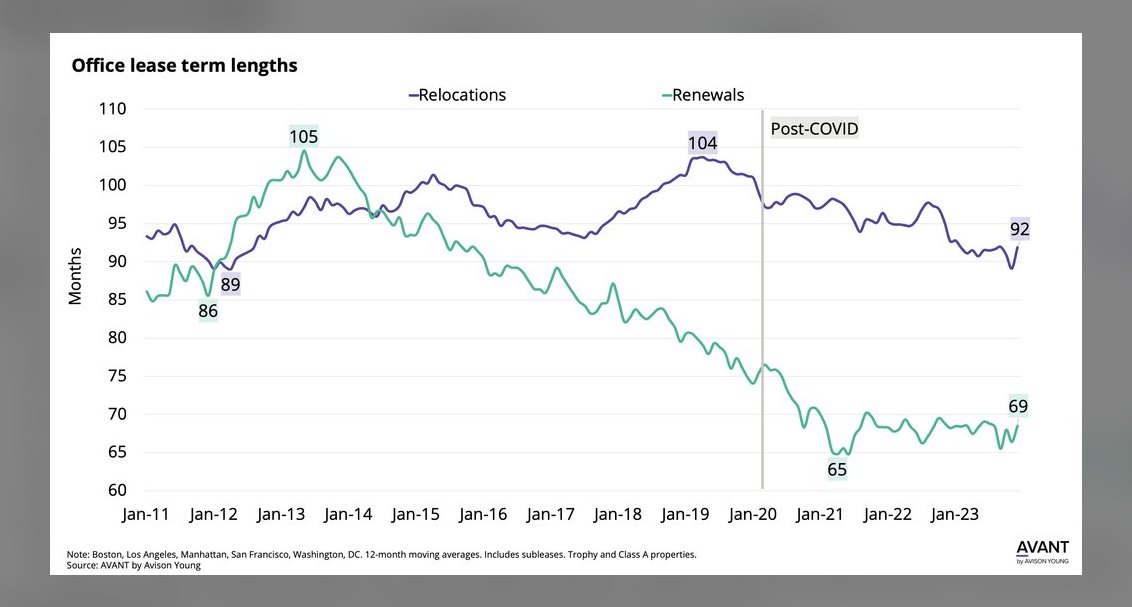 pulse-recentHow much longer does my lease term need to be before a landlord will fund 100% of my buildout instead of a partial allowance in 2027?
 buildoutsWhat Insurance Does My Lease Require and How Do I Not Overpay?
 pulse-recentHow Do I Estimate the Total Landlord Fund I'll Need Before Signing the LOI in 2027?
 pulse-recentHow do I sequence the concrete steps for a buildout so I don't run out of cash in 2027?
 pulse-recentHow Do I Calculate My Real Cost When the Landlord Funds the Buildout in 2027?
 pulse-recentHow do I negotiate a landlord-funded buildout budget when the allowance is fixed in 2027?
 pulse-recentHow much does a ground-up build-to-suit cost per square foot in 2027?
 pulse-recentHow do I calculate the total landlord-funded buildout budget for a 15,000 sq ft office in 2027?
 pulse-recentWhat Percentage of My Total Buildout Budget Will the Landlord Actually Fund Through the TI Allowance in 2027?