
Who Pays for Code-Required Upgrades in a Buildout?
 Curated byKory White · Fractional CRO · Maryland
 PULSEKNOWLEDGE LIBRARY
It depends entirely on your lease language, so control it. Split base-building code upgrades — the landlord's shell obligation — from upgrades your specific use or alterations trigger, which are arguably yours. Force the landlord to deliver a code-compliant shell in writing before your buildout starts, and never accept the generic comply-with-all-laws clause unedited.
Base-building versus tenant-triggered code work
Every fight over who pays for code upgrades collapses to one distinction, and landlords blur it on purpose. Get the distinction sharp and in writing, and most of the cost falls where it belongs.
Base-building (shell) code compliance covers the bones of the building as it exists for any tenant: the structure, the roof, the main electrical service, the core fire and life-safety systems, the elevators, the exterior envelope, and the shared corridors and restrooms. If the city would require the upgrade regardless of who leases the space or what they do with it, that is base-building work — and it belongs to the landlord. A building that lacks sprinklers needed sprinklers before you ever walked in the door; your permit did not create that deficiency, it merely exposed it.

Tenant-triggered code work is the upgrade the city requires *because of what you specifically are building or doing.* Adding a commercial kitchen triggers a Type I hood, a grease interceptor, and fire suppression. Increasing occupant load triggers additional exits or wider doors. Cutting the slab for new under-floor plumbing triggers structural review. Drawing more power than the existing panel supports triggers a service upsize. Those consequences flow directly from your use and your interior improvements, and they are reasonably yours to fund.
The lease should say it in almost exactly those words: the landlord is responsible for code compliance of the base building and shell as delivered, and the tenant is responsible only for code upgrades triggered by the tenant's specific use or alterations. Without that sentence, the generic "tenant shall comply with all laws applicable to the Premises" clause quietly defaults the entire mess onto you — including the sprinkler system the city is forcing on the whole floor. The single sentence carving out base-building deficiencies is the most valuable language in the whole work-letter, and it costs nothing to negotiate before signing.

The upgrades that blow up buildout budgets
These are the line items that turn a tidy tenant-improvement budget into a fire drill at plan check. Any single one of them can exceed your entire improvement allowance, which is precisely why the allocation must be settled in the lease and not discovered by your contractor mid-permit.
Fire sprinkler retrofit. An older building with no sprinkler system can be forced to add one when you pull a tenant-improvement permit, especially where there is any increase in occupant load. Budget roughly $4 to $10 per square foot — on a modest 5,000-square-foot suite that is $20,000 to $50,000, and on a 15,000-square-foot floor it can approach six figures.

Fire alarm and life-safety. Notification appliances, pull stations, horns and strobes, and central-station monitoring commonly run $2 to $5 per square foot when a system has to be added or substantially extended to cover new demising.
Seismic and structural. In California and other high-seismic jurisdictions, certain alterations trigger voluntary-to-mandatory structural upgrades. These are the true budget killers, spanning roughly $20 to well over $80 per square foot depending on the framing system and the scope the city demands.

Electrical service upsizing. If your equipment load exceeds the capacity of the existing panel, you may need a new service, a transformer, or main switchgear. That work typically runs $10,000 to $75,000 or more, and the lead time on utility coordination can be as painful as the cost.
Energy code. Renovations pull in Title 24 in California, or ASHRAE 90.1 and the IECC elsewhere, forcing high-efficiency HVAC, lighting controls, occupancy sensors, and sometimes envelope work. Add roughly $3 to $8 per square foot depending on how much of the mechanical and lighting systems your scope touches.

Accessibility and path of travel. Even a small interior alteration can obligate an accessible route, compliant restrooms, and hardware upgrades along the path of travel from the entry to the improved area. This is often bundled into the same permit review and can quietly rival the sprinkler cost.
The pattern is consistent: the number that wrecks the deal is almost never the work you set out to do. It is the collateral upgrade the code triggers because the building was behind and your permit woke it up. Price these before you commit, not after.
The grandfather trap
Many tenants assume an older building is "grandfathered" and therefore exempt from current code. That belief is only half true, and the wrong half is expensive. A building can lawfully *exist* in its current, older condition indefinitely — but the moment you pull a permit for alterations, the city can require parts of it to be brought up to current code. Sometimes that means only the area you are touching; sometimes it means the whole floor; and under the value-based triggers in the International Existing Building Code, work whose cost exceeds a threshold relative to the building's value can pull the entire structure into full compliance.
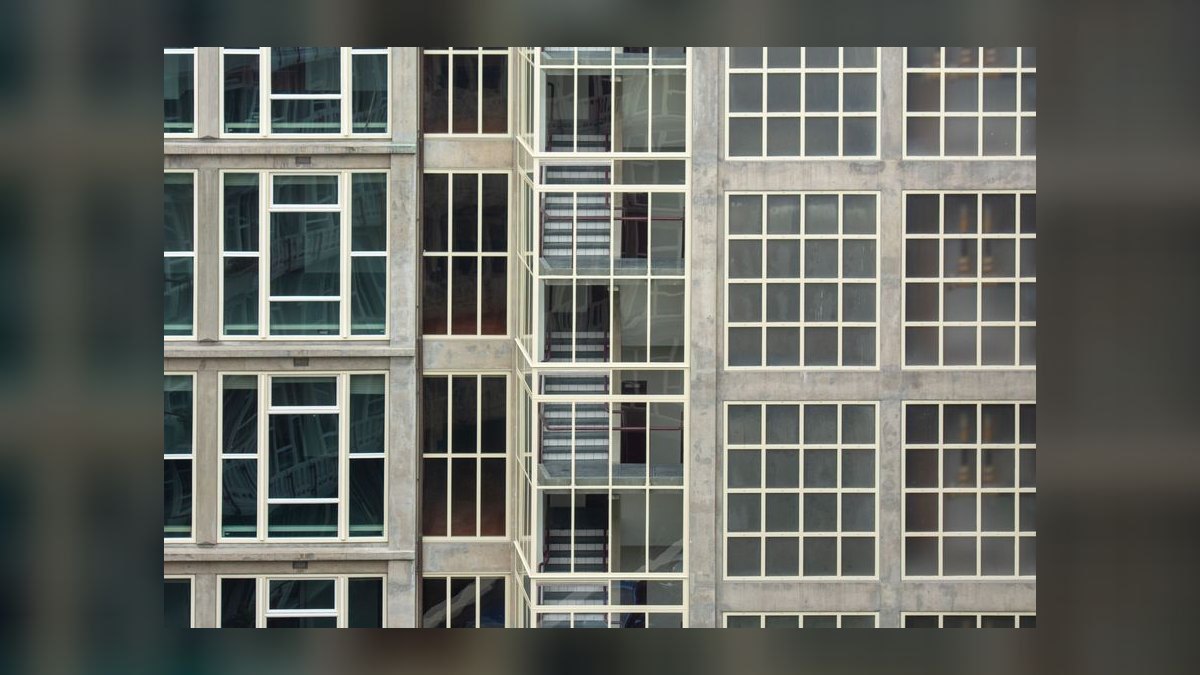
The act of improving the space is exactly what voids the grandfather status. A landlord who reassures you that "it's grandfathered, don't worry" is not protecting you at all — your permit application is the event that reactivates the code, and your lease is the document that decides who pays when it does. Treat any verbal grandfather assurance as a reason to get a written delivery representation, not a reason to relax. Have your architect confirm, before submitting anything to the building department, whether your intended scope crosses a value threshold that would escalate the compliance obligation from your suite to the base building.
Narrowly define the triggering condition
The most expensive drafting mistake tenants make is agreeing to pay for upgrades triggered by their "specific use" without pinning down what that phrase means. Left vague, a landlord will stretch "your use" to cover almost anything — from adding a hand sink in a break room, to retrofitting the building's electrical service because your equipment draws more power than the shell was designed for. The remedy is to define the trigger narrowly and in your favor.

In practice, negotiate that you pay only for upgrades directly caused by your *specific interior improvements*, and not for upgrades the building itself needs to meet current code regardless of your layout. If the building lacks adequate fire-rated corridors and your buildout merely happens to prompt the review that exposes them, that is a base-building deficiency and the landlord's problem. If you are installing a commercial kitchen that genuinely requires a Type I hood and a suppression system that no ordinary tenant would need, that is fairly use-triggered and yours.
A clean way to lock this in is a "code-compliance baseline" clause. It requires the landlord to deliver the space meeting all current building, fire, and accessibility codes as of the lease commencement date. Anything needed to reach that baseline is the landlord's cost. Only upgrades *above* the baseline — required specifically because of your improvements — fall to you. That single mechanism shifts the burden of an older building's deferred maintenance back where it belongs, and it gives your contractor and the plan checker a clear line to reason from instead of an argument to have later.

Building the permit contingency into the deal
Even flawless lease language cannot fully control what a plan checker decides on the day. Cities increasingly require whole-building upgrades when any tenant-improvement permit is pulled, particularly for fire and life safety, accessibility, and energy codes. Industry practice puts a meaningful share of tenant-improvement projects — a rough working figure of 15 to 25 percent in older stock — into unplanned, code-required upgrades discovered during permitting, and the collateral cost frequently lands in the high single digits to low teens per square foot on mid-sized spaces. Treat those as planning ranges to pressure-test your pro forma, not guarantees.
The landlord will argue these surprises are "triggered by your work." Push back on the causation: they are triggered by the building's existing condition and the city's enforcement policy, both of which predate you. Your contractual remedy is a permit-contingency clause stating that if the city requires upgrades beyond those directly caused by your specific improvements, the landlord must either (a) pay for them, (b) grant a rent credit equal to the cost, or (c) allow you to terminate without penalty if the collateral cost exceeds a stated threshold — for example, five dollars per square foot. That clause converts an open-ended risk into a capped, knowable one.

Pair the contingency with real diligence: get a pre-lease code audit from a licensed architect or engineer. For roughly $0.50 to $1.50 per square foot, they will identify the likely code triggers before you sign, which turns unknown risk into a concrete negotiating point. A few thousand dollars of feasibility review routinely beats a $60,000 surprise at plan check, and it gives you the leverage to move the cost onto the landlord while you still have something they want — your signature.
Who ultimately pays, and how leverage decides it
Landlords often claim they "never pay for code upgrades." That is negotiation theater. The cost is always allocated somewhere — the only real question is the mechanism. In competitive markets, landlords frequently absorb base-building code upgrades outright to win a creditworthy tenant. In softer markets they push the cost toward tenants, but often offset it with a larger tenant-improvement allowance, a period of free rent, or amortization of the upgrade into the rent stream rather than a cash outlay from you.

Your leverage rests on three factors. Market conditions: when vacancy is tight, a landlord who wants a signed lease will fund shell compliance; when space is plentiful, you carry more of it. Your creditworthiness: a strong covenant tenant on a long term is worth a landlord's capital contribution, and that contribution can quietly cover code work. The building's age: a newer Class A property likely already meets current systems, so there is little to trigger and little to argue about, whereas a forty-year-old building with outdated fire protection is a genuine liability the landlord should amortize over the building's life rather than dump on a single tenant.
Use those factors deliberately. If sprinklers are a probable trigger and you cannot get the landlord to eat the cost outright, fold the expected number into a bigger improvement allowance so the landlord effectively funds it. If the building is old and the landlord resists a delivery representation, that resistance is itself information — it usually means they already know the shell is behind. The bottom line never changes: never accept a lease that reads "tenant pays all code-required upgrades" without a carve-out for base-building deficiencies, and always secure the landlord's written commitment, before you sign, that the space will be delivered code-compliant for your intended use. That one sentence can be worth tens of thousands of dollars.
Related questions
What is a landlord delivery representation and why does it matter?
It is a lease statement that the landlord delivers the premises and base building in compliance with all applicable codes as of the delivery date, and cures any non-compliance at its own cost. It converts a vague assumption into an enforceable obligation and shifts pre-existing deficiencies off your budget.
Does an "as-is" delivery clause put all code upgrades on the tenant?
Largely, yes. Blanket "as-is, where-is" delivery hands you every latent code defect in the building. Reject it for anything but genuinely turnkey space, or narrow it with a code-compliance baseline so the landlord still owns shell-level deficiencies rather than passing all of them through your permit.
Can code-upgrade costs be amortized into rent instead of paid up front?
Often, yes. When a base-building upgrade is triggered during your buildout, negotiate for the landlord to fund it and amortize the cost into rent over the term, rather than demanding a lump sum from you at permit. This preserves your capital and matches the cost to the building's long life.
How early should I check for code triggers?
Before you sign — ideally before you finalize the letter of intent. A pre-lease code or feasibility review by an architect or engineer at roughly $0.50 to $1.50 per square foot surfaces likely triggers while you still have leverage to negotiate who pays, instead of after the plan checker has already spoken.
Should a lawyer review the code-upgrade language specifically?
Yes. A commercial real estate attorney can spot cost-shifting language buried in the compliance and delivery clauses and negotiate the carve-outs, caps, and contingencies that protect you. The fee is typically a few thousand dollars — far less than a single unexpected code-upgrade bill.
FAQ
Does the landlord always pay for code-required upgrades? No, not automatically. Lease language varies widely — some landlords cover all code upgrades, others pass them to the tenant. The deciding question is whether the upgrade is triggered by your specific buildout or by an existing building deficiency, and whether your lease actually draws that line.
What is the difference between a base-building code upgrade and a tenant-triggered one? A base-building upgrade fixes something the building already violates, such as outdated fire sprinklers or non-compliant corridors. A tenant-triggered upgrade is required only because of your layout or use, such as adding a second exit or a commercial kitchen hood. Landlords typically resist paying for the latter.
Can I negotiate who pays for code upgrades in the lease? Yes, absolutely. Many tenants do not realize these costs are negotiable up front. You can cap your share, exclude base-building deficiencies, require a code-compliance baseline at delivery, or add a permit-contingency clause that shifts unplanned collateral upgrades back to the landlord.
What happens if the lease is silent on code upgrades? You risk paying for everything. Ambiguous leases with only a generic "comply with all laws" clause tend to default the full cost to the tenant, including code-required work driven by the building's pre-existing condition. Always add explicit language stating who pays for what.
Is there a typical cost range for code-required upgrades? Costs vary enormously — from a few thousand dollars for minor electrical work to tens or even hundreds of thousands for sprinkler retrofits, structural, or seismic work. Get a contractor's or code consultant's estimate before signing, because any one item can exceed your whole improvement allowance.
How do I protect myself if the city forces upgrades I did not plan for? Negotiate a permit-contingency clause: if the city requires upgrades beyond those directly caused by your improvements, the landlord must pay, grant a rent credit, or let you terminate without penalty above a cost threshold. Pair it with a pre-lease code audit so the risk is known, not discovered.
Sources
- https://www.iccsafe.org/ — International Code Council; International Building Code and International Existing Building Code alteration and value-based compliance triggers.
- https://www.cbre.com/insights — CBRE; tenant-improvement cost and base-building delivery-condition research.
- https://www.us.jll.com/en/trends-and-insights — JLL; occupier buildout, code-compliance, and delivery-condition advisory.
- https://www.cushmanwakefield.com/en/insights — Cushman & Wakefield; lease structuring and tenant-improvement cost allocation.
- https://www.naiop.org/research-and-publications/ — NAIOP; buildout and delivery-condition research.
- https://www.boma.org/ — BOMA International; building systems, life-safety, and base-building standards.
- https://www.energy.ca.gov/programs-and-topics/programs/building-energy-efficiency-standards — California Energy Commission; Title 24 energy-code compliance for commercial alterations.
- https://www.ada.gov/ — U.S. Department of Justice; ADA accessibility requirements affecting path-of-travel upgrades.
Related on PULSE
- [Who Pays for the Demising Wall Between Tenant Spaces?](/knowledge/bo0158)
- [Who Pays for ADA Compliance in a Commercial Lease?](/knowledge/bo0097)
- [Who Pays for HVAC Repair and Replacement in a Commercial Lease?](/knowledge/bo0023)
- [Should I Use a Tenant-Rep Broker, and Who Pays Them?](/knowledge/bo0029)
This page will be disappearing soon. Save it to your device for $1 — or read it free while it is here.
@Kory-White- · if Venmo asks, the last 4 of my number are 2012
 pulse-recentWhat interest rate do landlords typically charge when they amortize a TI allowance into rent instead of paying it as cash in 2027?
 pulse-recentHow much does a landlord-funded tenant improvement allowance typically cover per square foot in 2027?
 pulse-recentWhat percentage of total buildout costs does a landlord typically fund versus what I pay out of pocket in 2027?
 buildoutsHow Do I Negotiate a Build-to-Suit Lease Rate (Cost x Cap)?
 buildoutsHow Do I Challenge My Property Tax Pass-Through as a Tenant?
 buildoutsDo I Need a Grease Interceptor, and What Does It Cost?
 pulse-recentWhat interest rate should I expect if the landlord amortizes my TI allowance into rent instead of paying it upfront in 2027?
 pulse-recentHow do I sequence the concrete steps of a buildout to avoid out-of-pocket costs in 2027?
 pulse-recentHow much should I budget for a landlord-funded buildout when the allowance still leaves a gap to cover myself in 2027?
 buildoutsHow Do I Negotiate Exclusive-Use and Co-Tenancy Clauses?