


How do I know if my construction allowance actually covers the full buildout scope in 2027?
Quality
Certified

Your construction allowance covers the full buildout only when a detailed, trade-by-trade contractor estimate — not a per-square-foot number — matches or comes under the tenant improvement (TI) figure in your lease. Get a third-party contractor to price the complete scope of work before signing, and make the lease list every excluded item so your out-of-pocket exposure is explicit.
Why per-square-foot numbers mislead tenants
Landlords quote a TI allowance per square foot because it sounds clean and comparable, but that number tells you almost nothing about whether your specific space can actually be built for the money. The real cost to build depends on three variables the per-foot figure hides: existing conditions, use type, and local labor rates.
For a basic office buildout — carpet, paint, drop ceilings, and open-plan workstations — a modest allowance may be tight but workable. For a dentist's office needing chair-side plumbing, lead-lined walls for imaging, and heavy electrical service, that same per-foot allowance might cover only a fraction of the true cost. A restaurant adding grease traps, hood systems, and gas lines, or a wet lab needing fume hoods and specialized ventilation, will blow through a standard office-grade allowance almost immediately.
The gap between what the landlord offers and what a general contractor's estimate actually shows is where tenant-funded overruns live. A space quoted at a "generous" allowance can still leave you writing large personal checks if the use type demands infrastructure the base building doesn't have. The only reliable move is to get a preliminary budget from a licensed contractor who has built comparable spaces in your specific market, then compare that budget to the allowance before you negotiate any lease terms. Comparing your allowance to a competitor's allowance is meaningless; comparing your allowance to your own priced scope is the entire exercise.

Reading what the lease actually says versus what it means
The lease language around the construction allowance is where landlords quietly park exclusions, and the phrasing is often deliberately broad. A typical clause states the allowance covers "base building improvements" — but that phrase can exclude nearly everything that makes the space usable for your business. Learn to spot the red-flag terms before you sign.
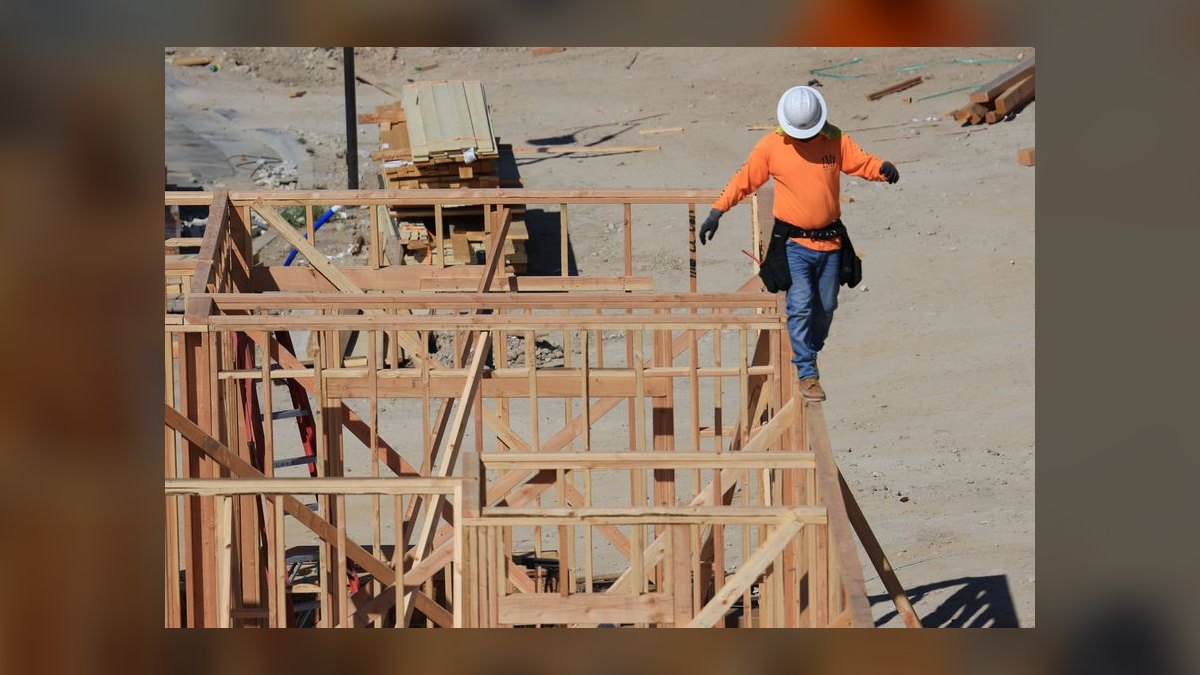
"Shell condition" means the landlord delivers only the exterior walls, roof, and slab. You pay for all interior work: walls, ceilings, flooring, HVAC distribution, plumbing rough-in, and electrical distribution. A shell space with a healthy-looking allowance can still be a net negative once you price the interior from scratch.
"Standard improvements" or "building standard" is vague language that lets the landlord cap their contribution at builder-grade materials. Anything nicer — better flooring, upgraded lighting, real ceilings instead of grid tile — comes out of your pocket as an upgrade differential.

"Allowance is for tenant improvements only" typically excludes architectural fees, engineering reports, permits, moving costs, and furniture. Those soft and non-construction costs can add a meaningful percentage to the total project that the construction-only allowance never touches.
"Excess allowance can be applied to rent" sounds like a perk but usually means you're borrowing from yourself at an unfavorable implied rate. You are almost always better off negotiating a larger allowance or a lower base rent as separate, transparent line items.
The defensive move is to negotiate a detailed scope of work as an exhibit attached to the lease, listing every line item with a budget number. If the landlord refuses to attach a documented scope, treat that refusal as a signal: assume the allowance covers considerably less than the headline figure suggests, and price accordingly.
The third-party estimate as your only real safety net
Never rely on the landlord's contractor or in-house estimator to tell you whether the allowance is sufficient — they are paid by the landlord, and their incentive is to make the deal close, not to protect your budget. Hire your own third-party general contractor or independent construction consultant to produce a cost estimate based on your architectural drawings, or at minimum a detailed program of requirements describing how you intend to use each area.

A credible estimate separates costs into hard costs and soft costs. Hard costs are the physical build — materials, labor, and equipment. Soft costs are design fees, permits, testing, and insurance. The estimate should also carry an explicit contingency, a percentage set aside for unknowns like hidden structural issues or code upgrades triggered once permits are pulled. Most importantly, a good estimate shows allowance-versus-actual for each major category, so you can see exactly where you're covered and where you're exposed.
The line items that most often diverge from the allowance include demolition, where cost depends on whether hazardous materials are present; framing and drywall, driven by wall complexity and ceiling height; HVAC, driven by ductwork routing and zoning; electrical and data, driven by receptacle density and equipment loads; plumbing, driven by fixture count and distance to mains; flooring and finishes, driven by material grade; millwork and casework, driven by how much is custom; and permits and fees, driven entirely by the local jurisdiction. If the total estimate exceeds the allowance by any meaningful margin, you have a funding gap that must be resolved during lease negotiation — not discovered mid-construction.
Hidden costs that quietly blow the budget
Even a thorough estimate can miss costs that only surface once demolition begins and the walls come open. These latent-condition surprises are the classic budget busters, and they are rarely inside a standard allowance.

Fire sprinkler modifications are among the most common. If your buildout changes the ceiling layout or adds walls, the sprinkler system must be re-engineered and re-installed to maintain proper coverage. This work is frequently excluded from the allowance and can be a significant line item on its own.
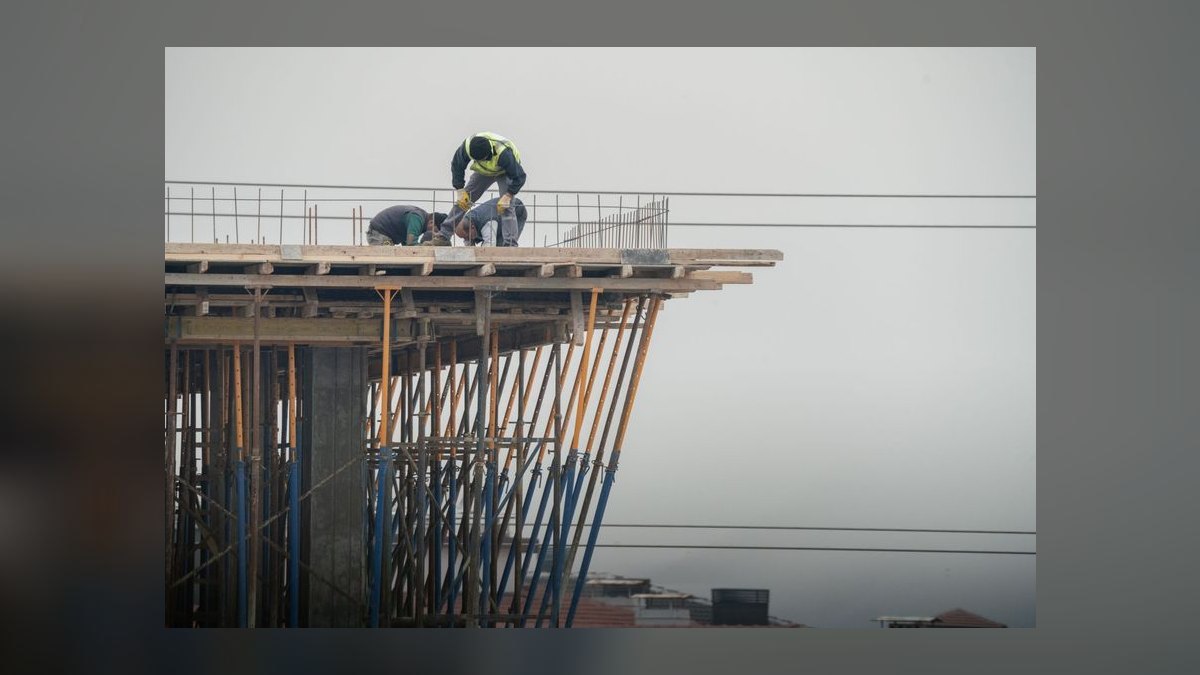
Structural reinforcement appears when you add heavy loads — dense file rooms, lab benches, server racks, or industrial equipment. The floor slab may need reinforcing or supplemental steel, and that cost is almost always treated as a tenant expense.
ADA compliance upgrades get triggered when your permit forces the existing space up to current code. If door widths, restrooms, or the accessible path of travel don't meet Americans with Disabilities Act standards, you may be on the hook to bring them into compliance even though you didn't create the deficiency.
Utility capacity upgrades hit when your business needs more electrical power, larger water service, or higher-capacity HVAC than the base building provides. The utility company or landlord may charge for the service upgrade, and lead times can stall the whole schedule.
Environmental remediation is the wild card. If asbestos, lead paint, or mold is discovered during demolition, abatement is both expensive and disruptive, often halting construction for weeks while licensed crews handle it.
You mitigate these risks by ordering a Phase I environmental assessment and a structural survey before signing, and by negotiating a contingency or latent-conditions clause that pushes certain unforeseen costs — particularly hazardous materials that predate your tenancy — back onto the landlord.
The playbook for negotiating a realistic allowance

When your priced scope comes in above the allowance, you have four levers, and there's a sensible order to pull them.
First, ask the landlord to increase the allowance to match the estimate. Landlords often carry flexibility above their opening offer, especially if the space has been vacant for a while, if you're a creditworthy tenant, or if you're committing to a long lease term. A larger allowance is the cleanest outcome because it directly closes the gap without distorting other lease economics.
Second, reduce scope. Identify non-essential items you can defer — premium finishes, custom millwork, an extra conference room — and phase them into a future renovation funded from operating cash flow once the business is running. Distinguishing must-have infrastructure from nice-to-have finishes is often where a stuck negotiation gets unstuck.
Third, negotiate a rent concession. If the landlord won't raise the allowance, ask for free rent or reduced base rent across the early portion of the term to offset your out-of-pocket construction costs. This trades allowance dollars for rent dollars, and depending on your cash position it can be more valuable than the allowance itself.
Fourth, and least favorable, amortize the excess. Some leases let you borrow against the buildout and repay it over the term at a stated interest rate. This is the weakest option because you end up paying interest on money spent improving the landlord's asset — but it can bridge a gap when the other levers are exhausted.
Whichever levers you use, document the outcome in a tenant improvement work letter showing the approved budget, the funding sources, and the payment schedule. That paper protects you later if the landlord claims they covered everything.
The work letter as your buildout bible
The work letter is the lease exhibit that spells out exactly what the construction allowance pays for and how the money is administered. It is a contract, and it deserves the same scrutiny as the lease itself.
A strong work letter includes a detailed scope of work with drawings, specifications, and allowance amounts assigned to each trade, so there's no ambiguity about which line items the money is meant to cover. It sets a timeline for design, permitting, and construction with milestone dates, and ideally attaches consequences for missed dates on either side. It defines the payment process clearly: who pays the contractor directly, how change orders are submitted and approved, and precisely what happens when the allowance is exhausted mid-project. It establishes a punch-list procedure for final inspection and correction of defects. And it includes a dispute-resolution clause governing cost disagreements that arise during construction.
If the landlord hands you a work letter, read every clause and price the exclusions. If they don't offer one, insist on it before signing — a vague or missing work letter is a reliable recipe for overruns and bad blood the moment the allowance runs dry halfway through the job.
Running a scope gap analysis before you sign

A scope gap analysis is the practical tool that ties this whole process together: a structured, line-by-line comparison between your construction documents and the landlord's allowance description. Done before lease execution, it converts vague anxiety about "is this enough?" into a documented list of exactly what isn't covered.
Start by having your general contractor or architect produce a detailed, line-item budget for your full buildout scope. Then request the landlord's allowance work letter or scope matrix and lay the two side by side. Highlight every item in your budget that is either missing from the landlord's document or described so ambiguously that coverage is unclear. The usual suspects are the same ones that surface late in construction: fire sprinkler modifications, HVAC ductwork extensions beyond the base unit, structural reinforcement for heavy equipment, data cabling and IT infrastructure, specialty lighting, and custom millwork.
Once the gaps are identified, you face the same three choices as any funding shortfall: negotiate a higher allowance, trim the scope to fit, or knowingly accept certain items as tenant-funded. The critical point is timing. Documenting these gaps in writing before the lease is signed gives you leverage; after signing, the landlord has little incentive to cover anything the lease didn't already commit them to. A rigorous gap analysis typically takes one to two weeks of coordinated work between your contractor and architect, and it routinely surfaces enough uncovered scope to justify the effort many times over. Treat that fortnight as the cheapest insurance in the entire deal.
Related questions
Are soft costs like design fees usually included in the allowance?
Often no. Many allowances cover only hard construction — walls, floors, HVAC, electrical. Architectural and engineering fees, permits, and testing may be excluded entirely. Confirm in writing whether soft costs come out of the allowance, and budget a separate percentage if they don't.
What's the difference between a shell space and a full buildout?
A shell delivers only structure — exterior walls, roof, and slab — with no interior systems. A full buildout includes finished walls, ceilings, flooring, and distributed HVAC, plumbing, and electrical. A shell with a large allowance can still cost you more than a fitted space with a smaller one.
Should I use my own contractor to estimate the buildout?
Yes. The landlord's estimator works for the landlord and has no incentive to flag your exposure. An independent third-party contractor or construction consultant produces a neutral cost estimate you can trust and compare directly against the allowance before you commit.
Can I keep the money if my buildout costs less than the allowance?
Usually not by default — surplus reverts to the landlord unless the lease says otherwise. Negotiate a clause letting you apply any excess to future improvements or a rent credit, and get it into the work letter before signing.
When is the right time to run these checks?
Before lease execution, without exception. Once you sign, the allowance is effectively fixed and your leverage evaporates. Due diligence, third-party estimates, and the scope gap analysis all have to happen during negotiation, not after.
FAQ
What is a typical construction allowance per square foot? There is no single standard figure — allowances vary widely by market, property type, use type, and lease term. A basic office buildout sits in one range while medical, lab, or restaurant space runs considerably higher. Never rely on a benchmark; get a real cost estimate, because local labor rates and existing conditions swing the true number dramatically.
Can I use my construction allowance for furniture and equipment? Usually no. Allowances are meant for hard construction costs like walls, flooring, and HVAC. Furniture, computers, and specialty equipment are almost always tenant-funded, though some landlords will negotiate a separate furniture, fixtures, and equipment allowance if you ask for it explicitly.

What happens if my buildout costs less than the allowance? The surplus typically reverts to the landlord unless your lease says otherwise. Negotiate a clause that lets you keep the excess for future improvements or convert it into a rent credit, and make sure that treatment is written into the work letter rather than assumed.
Who pays for architectural and engineering fees? It depends entirely on the lease. Some allowances fold in soft costs like design and engineering; many exclude them. Clarify the treatment in the work letter and budget a percentage of the total project for soft costs so an "included" assumption doesn't erode your construction dollars.
How do I handle change orders during construction? Every change order should be written, priced, and approved by both parties before the work proceeds. Define the approval process in the work letter up front. Once the allowance is exhausted, the tenant generally pays for subsequent change orders directly, so control scope creep tightly.
Can I negotiate a higher allowance after signing the lease? Rarely. Once the lease is executed, the allowance is fixed and your leverage is gone. That's precisely why third-party estimates and the scope gap analysis have to be completed before you sign — the negotiation window closes the moment ink hits paper.
Sources
- International Facility Management Association (IFMA)
- Building Owners and Managers Association (BOMA)
- American Institute of Architects (AIA)
- National Association of Realtors (NAR)
- U.S. General Services Administration (GSA)
- Construction Specifications Institute (CSI)
- The Real Estate Roundtable
- U.S. Small Business Administration (SBA)
Related on PULSE
- Base Building vs Tenant Work: What Am I Actually On the Hook For?
- Which Buildout Permits Actually Cost Real Money and Time?
- Gross Lease vs Triple Net (NNN): Which One Actually Saves Me Money?
- What Happens If the Landlord's Construction Inspects My Buildout and Finds Violations?
- Can I Require the Landlord to Escrow My TI Allowance Before Construction Begins?
- How Do I Finance a Buildout If the Landlord Offers Zero TI Allowance?
This page will be disappearing soon. Save it to your device for $1 — or read it free while it is here.
@Kory-White- · if Venmo asks, the last 4 of my number are 2012
This page is gone.
This one is off the shelf now. $1 keeps it on your phone for good — the whole page, pictures and diagrams included.
 boCan I use a lease escalation clause to offset future buildout maintenance costs in 2027
 boWhat Are the Good and Bad Clauses in a Commercial Lease in 2026?
 boWhat happens to my buildout schedule if the landlord's lender withholds approval in 2027?
 boHow do I negotiate a hard cap on my shared plaza maintenance costs after the buildout in 2027?
 pulse-buildoutsHow much does Buildouts cost in 2027?
 boCan I get a landlord contribution for my furniture, fixtures, and equipment in 2027?
 boHow do I negotiate a lease that allows me to recoup buildout value upon sublease in 2027
 boCan I get a landlord contribution for my move costs after the buildout finishes in 2027
 boWhat's the cheapest framing material that meets code for a private office buildout in 2027?
 boWhat are the tax implications of taking TI cash versus amortized rent in 2027?