
Can I use my TI allowance to buy furniture and equipment instead of construction?
 Curated byKory White · Fractional CRO · Maryland
 PULSEKNOWLEDGE LIBRARY
Yes, but only if your lease explicitly says so — and most standard commercial leases do *not*. A TI (Tenant Improvement) allowance is traditionally restricted to hard construction costs: walls, flooring, electrical, HVAC, plumbing, and other permanent improvements affixed to the building. Furniture, fixtures, and equipment (FF&E) — like desks, chairs, computers, or kitchen appliances — are considered personal property that you can take when you leave, so landlords typically exclude them from TI. However, sophisticated tenants negotiate FF&E allowances as a separate line item, or they structure the TI to include "soft costs" like design fees and permits, which frees up other capital for furniture. The key move: ask for a combined TI/FF&E allowance in your lease proposal letter, or negotiate a cash equivalent clause that lets you pocket unused TI dollars for equipment purchases. Without this language in writing, your landlord will reject any furniture invoices submitted for TI reimbursement — and they are legally within their rights to do so.
The Hard Line Between TI and FF&E
Landlords draw a bright line between capital improvements (TI) and personal property (FF&E) for a few hard reasons. First, depreciation rules: the landlord can depreciate TI over a long period tied to the building's life, but FF&E is depreciated over a much shorter period — a faster write-off that the landlord wants no part of. Second, reversion: when your lease ends, TI stays with the building as the landlord's asset, while FF&E walks out the door with you. The landlord gets zero residual value from furniture they paid for. Third, lien risk: if you buy furniture with TI money and then default, the landlord can't repossess the desks to recover their loss — those desks are yours, not theirs. These structural realities mean most landlords will fight any attempt to convert TI into FF&E. The exceptions: credit tenants (national chains, investment-grade companies) who can demand more flexible terms, and soft-market conditions where landlords are desperate to fill space. In a tenant-favorable market, you can often push for a FF&E carve-out within the TI allowance.
How to Structure a Combined TI/FF&E Allowance
If you want furniture money from your landlord, you need to negotiate it before you sign the lease — never after. Here are the three most effective structures:
- Separate FF&E allowance clause. Add a dedicated paragraph to the lease: "Landlord shall provide a [per square foot] allowance for furniture, fixtures, and equipment, payable directly to Tenant upon delivery of invoices." This keeps the TI allowance pure for construction while giving you a second pool for furniture.
- Cash equivalent or "TI buyout" clause. Negotiate the right to take a portion of the TI allowance as cash at lease commencement. For example: "Tenant may elect to receive up to [a certain amount] per square foot of the TI allowance as a cash payment in lieu of construction." You then use that cash for furniture, equipment, or even moving costs.
- Soft-cost reallocation. If the landlord won't budge on furniture, ask to expand the TI definition to include design fees, permits, project management, and moving expenses. Every dollar the TI covers in soft costs frees up your own capital for FF&E.
Whichever route you take, get it in bold, unambiguous language — a landlord's verbal promise to "figure it out later" is worth nothing at invoice time.
The Tax Implications of TI vs. FF&E Spending
This is where the furniture-versus-construction decision gets financially interesting for you as a tenant. TI dollars spent on construction are generally not deductible by you — the landlord owns the improvements and depreciates them. You get no tax benefit from the landlord spending money on your walls. But FF&E you buy with your own cash is often eligible for accelerated depreciation or immediate expensing under certain tax provisions: you can deduct the cost of furniture and equipment faster, rather than depreciating over many years. This means spending your own money on furniture is often more tax-efficient than using TI for construction. The strategic play: negotiate a lower TI allowance in exchange for lower base rent, then use the rent savings to buy furniture yourself and take the faster depreciation. Run this math with your CPA before you sign — in many cases, a rent reduction is worth more than a TI allowance when you factor in the tax write-off on furniture.
What Happens When You Submit a Furniture Invoice for TI Reimbursement
Let's walk through the real-world process so you know exactly what to expect. You finish your buildout, submit an invoice for conference room chairs, and the landlord's property manager flags it immediately. Here's the chain of events:
- The landlord's construction team reviews the invoice against the approved work letter (the exhibit in your lease that defines TI-eligible costs).
- The work letter says "permanent improvements affixed to the premises" — furniture is not affixed, so the invoice is rejected.
- You appeal to the landlord's asset manager, who points to the lease language and says no.
- You're stuck paying out of pocket, and you've now lost the ability to use that TI for anything else — it's forfeited.
The only way this ends differently is if your work letter explicitly includes "furniture, fixtures, and equipment" in the definition of TI-eligible costs. Even then, some landlords require furniture to be "building-standard" or "installed by landlord's approved vendor" to qualify. Moral of the story: never assume — read your work letter line by line before you order a single chair.
Negotiation Strategies for Furniture-Friendly Leases
If furniture is a priority for your business — and for most tech startups, creative agencies, and medical practices it absolutely is — you need a deliberate negotiation playbook. Start by framing the ask as a win-win: "We'll move in faster and start paying rent sooner if we can use part of the TI for furniture we order now, rather than waiting for construction to finish." Landlords care about rent commencement date above almost anything else. Second, offer a trade-off: accept a slightly lower total TI allowance in exchange for the right to use a portion of it for FF&E. Landlords hate spending on furniture, but they hate vacancy more. Third, bring in a third-party furniture vendor who can offer a volume discount or a deferred payment plan — this makes the landlord more comfortable because the furniture cost is lower and the vendor is reputable. Finally, if the landlord absolutely refuses, negotiate a rent abatement period (e.g., months of free rent) and use the cash you save on rent to buy furniture yourself. That abatement is often worth more than the TI allowance — and it comes with no strings attached.
The Cash-Equivalent Clause: Your Best Workaround
The single most powerful tool for turning TI into furniture is the cash-equivalent clause, sometimes called a TI buyout or allowance conversion. This clause allows you to take a defined portion of your TI allowance as cash at lease commencement, rather than spending it on construction. Here's what it looks like in practice: "Tenant may elect to receive up to [a certain amount] per square foot of the TI allowance as a cash payment, payable within [a set number of] days of lease execution, for any purpose including furniture, equipment, and moving costs." Landlords resist this because they want the money spent on their building, not on your desks. But you can overcome resistance by:
- Capping the cash-out at a reasonable percentage of total TI.
- Offering a shorter lease term in exchange (landlords prefer long-term tenants).
- Providing a security deposit or letter of credit to offset the perceived risk.
- Demonstrating strong credit — landlords trust cash-equivalent clauses more with tenants who have solid financials.

If you get a cash-equivalent clause, you have effectively turned TI into unrestricted capital — use it for furniture, equipment, signage, or even hiring a moving crew. It's the closest thing to free money in commercial real estate.
Negotiating Flexible TI Language in Your Lease
Whether you can use your tenant improvement allowance for furniture and equipment largely depends on how your lease defines "improvements." Many standard lease forms restrict TI to "hard costs" — construction materials, labor, permits, and structural changes. However, landlords are often willing to negotiate broader language if you ask early in the process. Request that your lease explicitly state "furniture, fixtures, and equipment (FF&E)" as eligible expenses. Some landlords may cap the FF&E portion at a certain percentage of the total allowance, while others may allow full flexibility. The key is to have this conversation before signing — retroactively requesting permission is far harder. A tenant representative can help you craft language that gives you maximum freedom without triggering landlord resistance.
Understanding Depreciation and Tax Implications
Using TI allowance for furniture versus construction has different financial consequences for your business. Construction improvements typically must be depreciated over a long period tied to the life of the lease or commercial real estate, while furniture and equipment can often be depreciated faster — over a shorter period of years — or even expensed immediately under certain tax provisions. This faster depreciation can improve your near-term cash flow and reduce taxable income sooner. However, be aware that if you use TI for furniture, you own those assets personally, meaning you must remove them at lease end unless you negotiate otherwise. Construction improvements generally become the landlord's property. Consult your tax advisor to model which approach yields better overall economics for your specific situation.
Practical Scenarios Where Furniture Makes Sense
Using TI allowance for furniture and equipment is most common in certain situations. For example, if you're taking over a space that already has quality infrastructure — good flooring, lighting, walls, and mechanical systems — you might have little need for construction. In that case, redirecting the allowance toward workstations, conference tables, and technology makes perfect sense. Similarly, short-term leases (under five years) often favor furniture over construction, since you won't be in the space long enough to recoup the cost of major buildouts. Some tenants also use TI to purchase specialized equipment like lab benches, restaurant kitchen gear, or medical exam tables, which are essential to operations but not part of the building structure. Always confirm with your landlord whether these items qualify under your specific TI agreement.
What Counts as "Construction" vs. "Furniture" — And Why It Matters
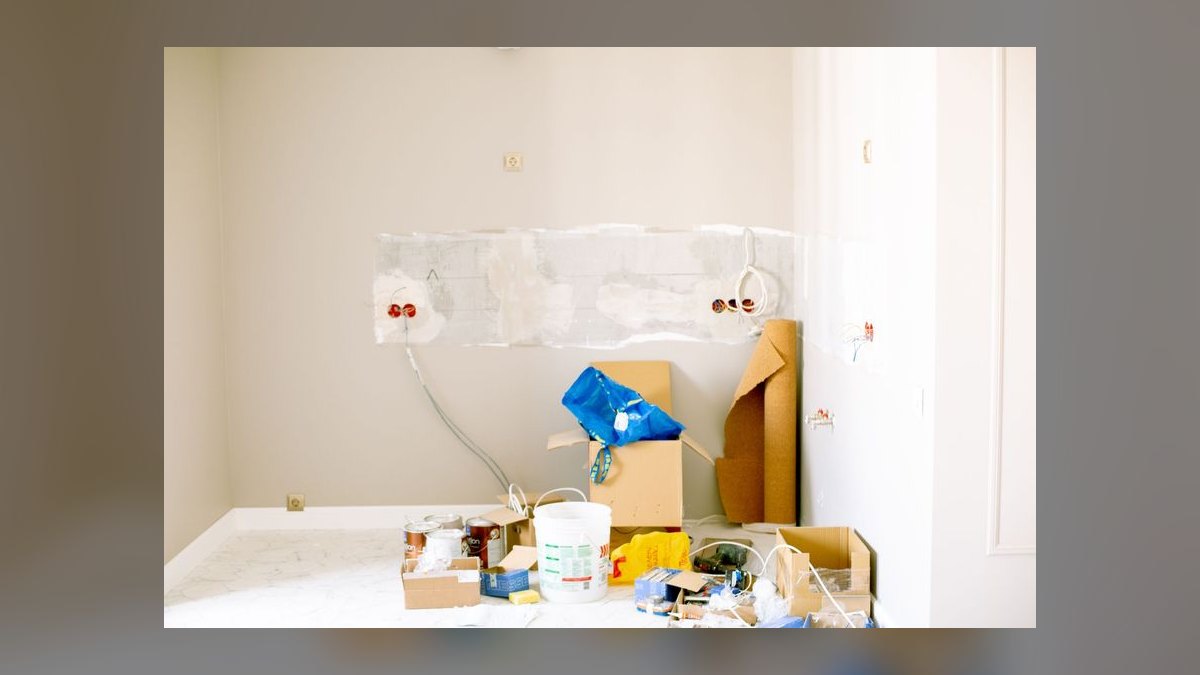
The distinction between construction and furniture isn't just a matter of semantics — it's rooted in how buildings are classified, taxed, and maintained. Understanding this difference helps you negotiate smarter and avoid surprise rejections.
Hard construction costs (what TI typically covers) include:
- Demolition and removal of existing finishes
- Framing, drywall, and wall finishes
- Flooring (carpet, tile, vinyl, hardwood) that is glued or nailed down
- Ceilings (drop ceilings, drywall, acoustic tiles)
- Electrical wiring, outlets, switches, and lighting fixtures that are hardwired
- Plumbing (sinks, toilets, water lines, drains)
- HVAC ductwork, vents, and thermostats
- Fire protection systems (sprinklers, alarms, fire-rated doors)
- Doors, door frames, and hardware
- Millwork that is built-in and permanently attached (cabinetry, reception desks built into walls)
- Permits, architectural drawings, and engineering fees
- General contractor overhead and profit
Furniture, fixtures, and equipment (FF&E) typically includes:
- Freestanding desks, chairs, tables, and filing cabinets
- Computers, monitors, printers, and servers
- Telephones, video conferencing equipment, and AV systems
- Kitchen appliances (refrigerators, microwaves, coffee makers) that are not built-in
- Window treatments (blinds, curtains, shades) that are not permanently attached
- Artwork, signage, and decorative items
- Plants and planters
- Rugs that are not glued down
- Portable partitions or room dividers
- Whiteboards, bulletin boards, and tackable surfaces
The gray zone — items that sometimes get classified either way:
- Built-in shelving and bookcases: If they are attached to walls and cannot be removed without damage, they are often considered construction. Freestanding units are furniture.
- Reception desks: A custom, built-in reception desk that is bolted to the floor and wired for power/IT is typically construction. A modular, freestanding desk is furniture.
- Lighting: Track lighting or pendant lights that plug into a ceiling outlet are often considered FF&E. Hardwired recessed lights are construction.
- Flooring: Carpet tiles that are glued down are construction. Loose-lay carpet tiles or area rugs are furniture.
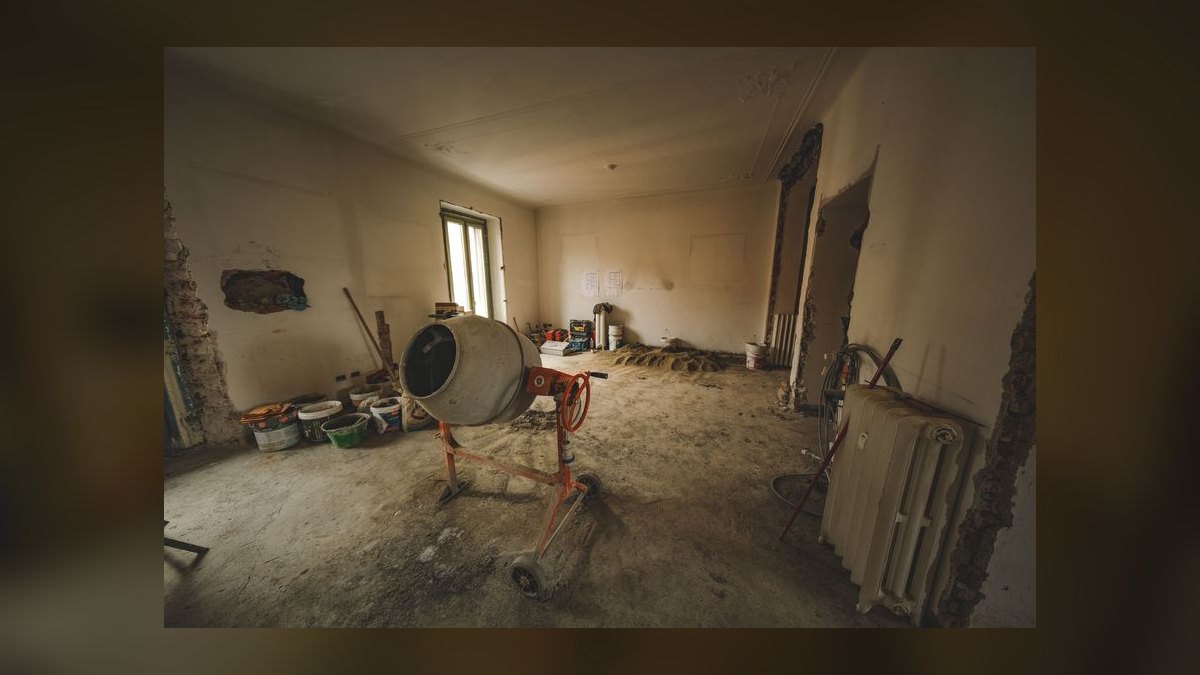
Landlords prefer the hard line because it simplifies accounting and avoids disputes at move-out. If you leave behind a built-in desk, the landlord can use it for the next tenant. If you leave behind a freestanding desk, they have to store or dispose of it — which costs money.
How to Negotiate a Combined Allowance or Cash-Out Option
If you need furniture and equipment as part of your move-in budget, you have several negotiation strategies — but they require explicit lease language. Never assume goodwill will cover what the lease omits.
Strategy 1: Negotiate a combined TI/FF&E allowance
Instead of a single "TI allowance," ask the landlord to provide a single allowance that explicitly covers both hard construction and FF&E. This is common in co-working spaces, creative offices, and short-term leases where the tenant wants a fully furnished space. The lease should state something like:
> "Landlord shall provide a Tenant Improvement and Furniture Allowance of $X per rentable square foot, which may be used for hard construction costs, design fees, permits, furniture, fixtures, equipment, and moving expenses."
The landlord may resist because they want to depreciate the TI over a long period and write off the FF&E separately. But if you are taking a longer lease (five years or more), they may agree because the total investment is still amortized over the lease term.
Strategy 2: Negotiate a cash equivalent or "unused TI" buyback
Some landlords will allow you to "cash out" a portion of your TI allowance — meaning they give you a check for unused TI dollars, which you can then spend on furniture. This is called a TI cash equivalent or cash-in-lieu of improvements. The lease should include a clause like:
> "Tenant may elect to receive up to 50% of the unspent TI Allowance as a cash payment, to be used at Tenant's discretion for furniture, equipment, moving, or other costs."
Landlords often cap the cash-out at 50% to ensure you still invest in the physical space. They may also require you to spend the full TI allowance first, then request a cash-out of any surplus after construction is complete.
Strategy 3: Negotiate a separate FF&E allowance as a distinct line item
If the landlord won't combine allowances, ask for a separate FF&E allowance — often smaller than the TI allowance — that is explicitly for furniture and equipment. This is common in medical, lab, or tech spaces where specialized equipment is essential. The lease should state:
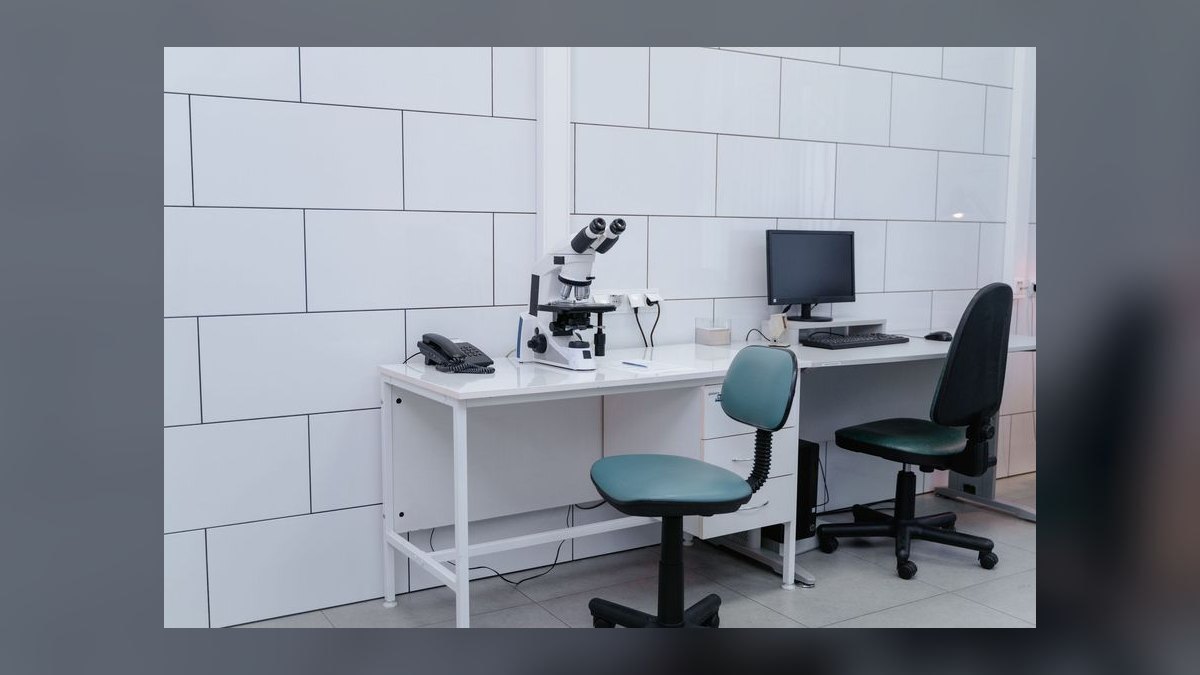
> "Landlord shall provide a Furniture, Fixtures, and Equipment Allowance of $Y per rentable square foot, to be used solely for the purchase of furniture, fixtures, and equipment as defined in Exhibit A."
Strategy 4: Use TI for "soft costs" to free up your own capital
Even if the landlord restricts TI to hard construction, you can negotiate that the TI allowance covers "soft costs" — design fees, engineering, permits, project management, and moving expenses. By paying these costs with TI dollars, you free up your own cash to buy furniture directly. This is the most common approach for tenants who cannot get a combined allowance.
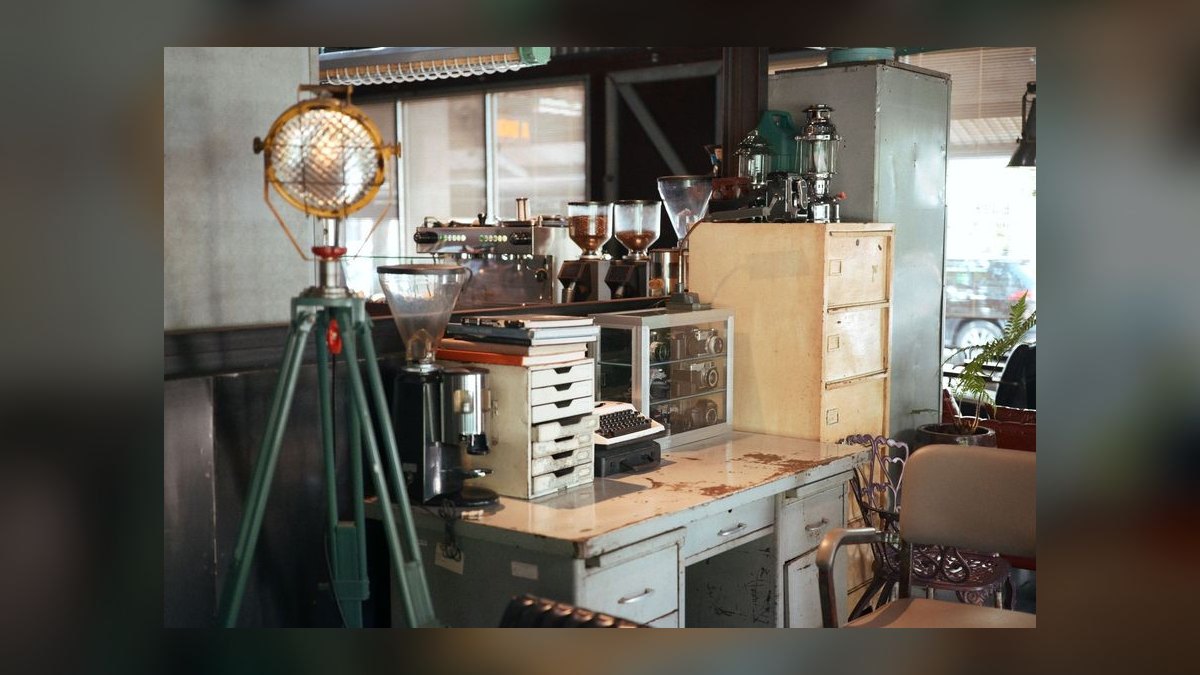
What to avoid — Never submit a furniture invoice for TI reimbursement without explicit lease language allowing it. The landlord will reject it, and you may damage your relationship. Also avoid assuming that "build-out" includes furniture — most landlords define build-out strictly as construction.
What Happens at Lease End: Ownership, Removal, and Salvage
The distinction between TI and FF&E becomes critical when your lease ends. Understanding ownership and removal rules helps you avoid costly disputes and surprises.
Tenant Improvements (construction) — Under most leases, TI becomes the landlord's property at the end of the lease. You cannot remove walls, flooring, ceilings, or built-in millwork — even if you paid for them. The landlord owns them because they are permanently affixed to the building. If you try to remove them, you may be in breach of the lease and liable for repair costs.
Furniture, Fixtures, and Equipment — FF&E remains your personal property. You are entitled to remove it at lease end, but you must repair any damage caused by removal (e.g., holes in walls from bolted shelves, scratches on floors from moving desks). Some leases require you to remove all FF&E and return the space "broom clean" — meaning you cannot leave behind unwanted furniture for the landlord to dispose of.
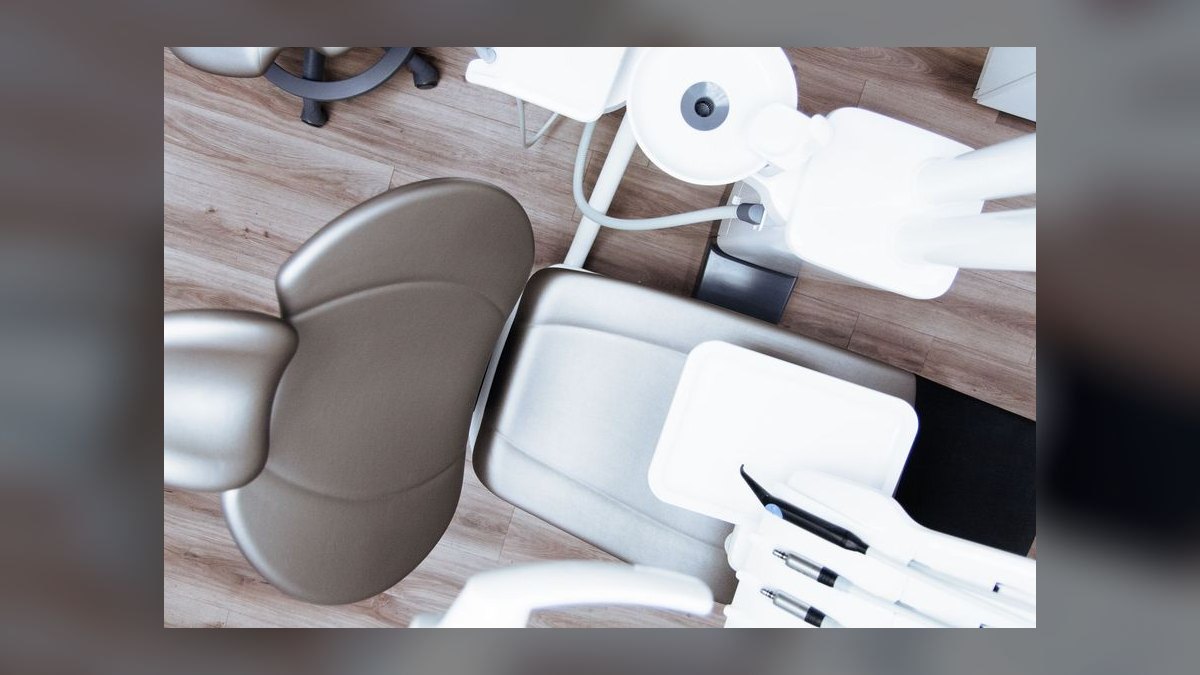
The "trade fixtures" exception — In some jurisdictions, items that are bolted or attached but essential to your business (like restaurant kitchen equipment, lab benches, or retail shelving) are considered "trade fixtures" and may be removed even if they are attached. However, trade fixtures are a legal concept that varies by state and lease language. Always clarify in the lease whether trade fixtures are removable.
Salvage and resale — If you have expensive furniture at lease end, you can sell it to the next tenant or to a used office furniture dealer. Some landlords will buy your furniture at a discount if it fits the next tenant's needs. But if the lease requires you to remove everything, you must bear the cost of removal and disposal — which can be significant for large quantities of furniture.
The "make good" or "restoration" clause — Most leases require you to restore the space to its original condition at lease end, minus normal wear and tear. This means you must remove all FF&E and repair any damage. If you built custom millwork that is considered TI, you cannot remove it — but you may be required to "make good" the space by painting, patching, and cleaning. Negotiate a "as-is" surrender clause if possible, which waives restoration requirements if you leave the space in acceptable condition.
Practical tip — Before you buy furniture, ask yourself: "Will I want to take this with me in three to five years?" If the answer is no, consider leasing furniture instead of buying. Furniture leasing companies offer flexible terms that align with your lease, and you can return everything at move-out without disposal costs. This also avoids the TI/FF&E conflict entirely — the furniture lease is a separate operating expense.
FAQ
Can I use my TI allowance to buy computers and electronics? Generally no — computers and electronics are considered equipment, not improvements, and most work letters explicitly exclude them. You'd need a separate equipment allowance clause or a cash-equivalent provision.
Does the landlord own the furniture if TI pays for it? No — furniture is personal property and belongs to you, even if the landlord's TI allowance funded it. But the lease may require you to remove it at lease end at your cost.
What if my landlord says "yes" verbally but won't put it in writing? Don't order anything. Verbal agreements are unenforceable in commercial lease disputes. Get every FF&E allowance term in the signed lease or a formal amendment.
Can I use TI for artwork or decorative items? Rarely — artwork is considered non-functional and landlords almost never allow it. However, some leases allow "signage and branding elements" which can include decorative wall graphics.
Is there a tax downside to using TI for furniture? Yes — if the landlord pays for furniture, you cannot take the accelerated deduction on it. You lose the tax benefit. It's often better to use your own cash for furniture and take the deduction.
How do I find out if my current lease allows FF&E spending? Read your work letter exhibit — it's usually Exhibit B or C in your lease. Look for language defining "Tenant Improvements" and see if it includes or excludes "furniture, fixtures, and equipment."
Sources
- International Association of Commercial Real Estate (IAA)
- Building Owners and Managers Association (BOMA) International
- National Association of Realtors (NAR) Commercial Division
- Internal Revenue Service (IRS) Publication 946 on Section 179
- Real Estate Finance and Investment (REFI) industry reports
- CoreNet Global corporate real estate network
- American Institute of Architects (AIA) contract documents
Related on PULSE
- [How do I structure a lease so I can take the TI allowance as cash and handle construction myself?](/knowledge/bo0258)
- [Can I use my TI allowance to pay for permitting and impact fees in 2027](/knowledge/bo0295)
- [Can I require the landlord to escrow my TI allowance before construction begins?](/knowledge/bo0307)
- [How Do I Use a 1031 Exchange to Buy My Building?](/knowledge/bo0182)
- [Can I get a landlord contribution for my furniture, fixtures, and equipment?](/knowledge/bo0311)
- [How do I know if my construction allowance actually covers the full buildout scope?](/knowledge/bo0236)
@Kory-White- · if Venmo asks, the last 4 of my number are 2012
 editorialMy Thoughts: How Do I Save on Buildout by Taking a Second-Generation Restaurant Space
 boWhat are the hidden costs of a warm shell delivery that landlords don’t disclose?
 boHow do I force the landlord to pay for an independent cost estimator?
 boShould I hire a tenant rep broker to oversee my buildout or manage it myself?
 boHow do I negotiate a cap on my out-of-pocket costs for the buildout?
 boHow do I terminate a lease early if the landlord fails to deliver the buildout as promised?
 boHow do I negotiate a hard cap on my shared plaza maintenance costs after the buildout?
 boWhat Are the Good and Bad Clauses in a Commercial Lease?
 boShould I demand the landlord provide a third-party cost breakdown for every line item in their GC bid
 boHow do I calculate the true cost of using the landlord’s preferred GC versus my own