

What’s the cheapest way to finish a raw shell space for a small retail store in 2027?
 Curated byKory White · Fractional CRO · Maryland
Quality
Certified
Negotiate the largest tenant improvement allowance you can, then run a lean, phased buildout: polished concrete floors, an exposed painted deck instead of a drop ceiling, surface-mounted LED or track lighting, and an open plan with no new interior walls. Keep plumbing and electrical where they already sit. Spend only on what customers see.
What a raw shell actually includes — and what it doesn't
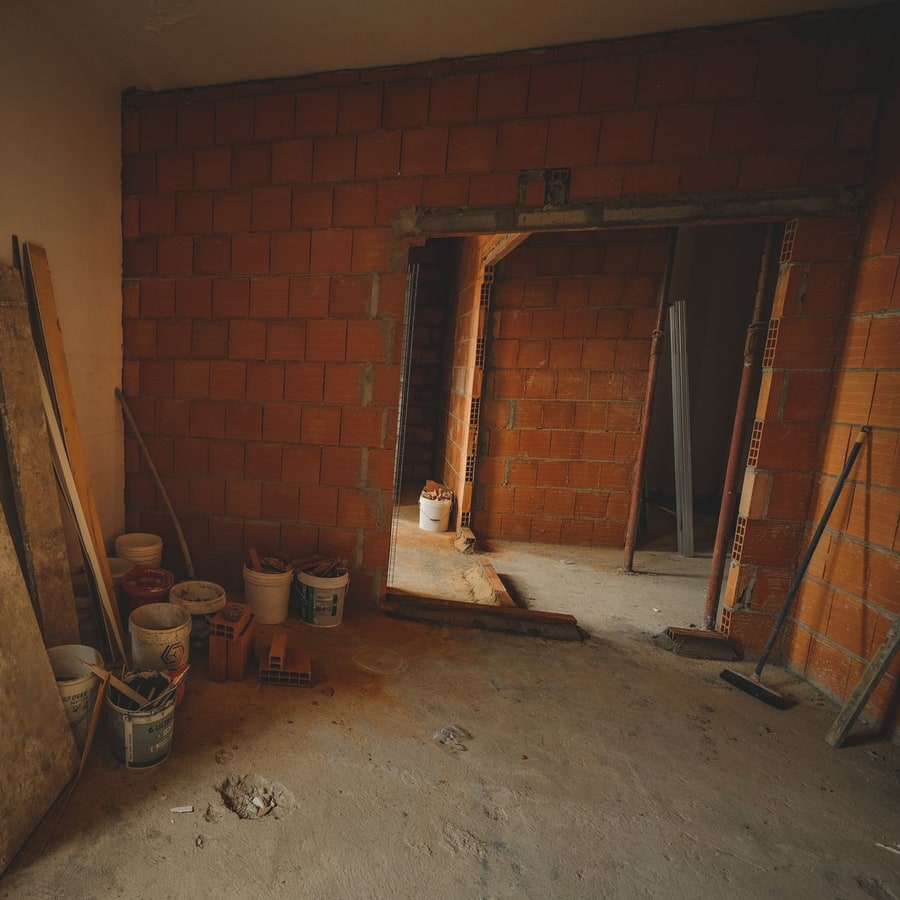
A raw shell — sometimes called a "gray shell" or "cold dark shell" — is close to bare structure. The landlord typically delivers the building envelope (roof, exterior walls, storefront glass, and slab) plus core infrastructure stubbed to the space: a main electrical service, a water supply line, a sewer connection, and, in most modern buildings, a fire sprinkler main. Everything inside that boundary is the tenant's responsibility.
That means you receive no interior partitions, no ceiling grid, no finished flooring, no HVAC distribution, no lighting fixtures, and no restroom finishes. In many raw shells you also have no HVAC unit at all, only a curb or a knockout where one could go. The electrical panel may be present but not fully populated with branch circuits. Knowing exactly where the shell ends and your scope begins is the single most important thing to nail down before you sign, because every gap between "what I assumed the landlord provides" and "what the lease actually says" becomes a line item on your side.
Compare this to a "warm shell" or "vanilla box," which usually adds a functioning HVAC unit, a finished and code-compliant restroom, basic lighting, a distributed electrical panel, taped-and-primed drywall, and a sealed floor. A vanilla box costs more in rent or lower TI, but it removes the most expensive and permit-heavy trades from your plate. For a first-time retailer, paying slightly more to start from a warm shell is often cheaper overall than finishing a raw one — so the "cheapest" answer sometimes starts with picking the right box, not just cutting finishes. When you do take a raw shell, treat it mentally as a warehouse with a front door: keep the industrial bones exposed, add merchandising and a sales counter, and resist the urge to hide structure behind finishes customers will never notice.

The lean finish menu: cheapest material choice for each surface
The fastest way to control a shell budget is to make the cheapest defensible choice for each surface, then only upgrade later. Here is the operator-grade menu, surface by surface.
Floors. The slab is already there, so use it. Grinding and sealing, acid-staining, or applying an epoxy coat to the existing concrete is dramatically cheaper than tile, luxury vinyl plank, or carpet, because you skip both the material and the subfloor prep. The trap is an uneven or badly cracked slab that needs leveling compound — check flatness before you commit, because remediation can erase the savings.
Ceiling. Skip the suspended grid entirely. Spraying the exposed deck, ducts, and conduit a uniform flat black or charcoal reads as intentional and modern while hiding a multitude of rough-ins. A drop ceiling adds grid, tile, labor, and often sprinkler-head relocation — costs you avoid completely by going open.

Lighting. Surface-mounted track lighting or LED strip fixtures on a simple circuit avoid the ceiling cutting that recessed cans require. Track also lets you re-aim light at merchandise as your layout evolves, which matters more in retail than an even ceiling wash.
Walls. Keep the plan open. Where you need separation for a stockroom, use slatwall panels, gondola shelving, or freestanding racks instead of framed drywall — they double as merchandising and move with you. Almost every jurisdiction requires at least one restroom; keep it compact, use a prefab vanity, and locate it against existing plumbing.
HVAC. If a rooftop unit already exists and works, you only add duct boots, a few registers, and a thermostat. If there is no unit, a mini-split heat pump is usually the cheapest way to condition a small footprint and avoids running full ductwork.
Storefront and signage. The glass is usually the landlord's. Your cheapest signage is professionally cut vinyl lettering on the storefront glass rather than an illuminated channel-letter sign, which carries a separate electrical permit and a much higher fabrication cost. A simple awning adds curb appeal for far less than a lit sign.
The governing rule across the whole menu: never spend money on anything a customer will not see or touch. Every dollar diverted to a fancy break room, a decorative stockroom ceiling, or hidden finishes is a dollar not spent on the sales floor and the point of sale.
Making the landlord pay: TI allowance, work letters, and rent concessions

Your single largest cost lever is not a material choice — it is the tenant improvement allowance, the money the landlord contributes toward finishing the space. In a soft or high-vacancy market, landlords carrying an empty raw shell are highly motivated, because vacancy costs them carrying expenses with zero income. Use that leverage deliberately.
Ask for the allowance as a turnkey delivery rather than a flat dollar figure when you can. Turnkey means the landlord finishes the space to an agreed standard and eats the overruns, which shifts construction risk off your balance sheet. If the landlord insists on a fixed number, negotiate a cash allowance you control instead — that lets you hire your own licensed contractor, buy materials at your own pricing, and keep whatever you save.
Pin down scope in the work letter, the lease exhibit that defines exactly what each party delivers. Vague phrasing like "landlord to deliver space in good condition" costs you money; specific phrasing like "HVAC unit in good working order with a documented service record, electrical panel with adequate amperage and distribution, and a code-compliant restroom with stub-outs" protects you. Make sure base-building items — roof, structural work, the main electrical service, the fire sprinkler main, and code compliance of the shell itself — are the landlord's responsibility and are not quietly funded out of your allowance.
If the buildout will exceed the allowance, ask for a TI overage amortized into rent: the landlord funds the gap and you repay it as a small rent add-on over the lease term, which keeps your upfront cash low. And if the landlord won't offer any allowance, pivot to rent concessions — free rent months (abatement) or a reduced base rate — which cost the landlord "paper" money rather than cash and are often easier to win.

One more discipline: never accept the landlord's preferred contractor without competitive bids. Landlord contractors frequently carry a premium, and your lease usually preserves your right to bring a licensed contractor of your own. Getting two or three real bids on the same defined scope routinely moves the number more than any single material substitution.
Phasing the buildout so revenue funds the finishes
The smartest cash move for a small retailer is to refuse the all-at-once fit-out and phase the work instead. Phasing lets you open sooner, learn what customers actually respond to before you spend on finishes, and fund later upgrades from cash flow rather than debt.
Phase one is the code-compliant minimum. The only goal is to open safely and legally: a functioning restroom, working lights and outlets, basic heating and cooling, fire extinguishers and lit egress signage, and a temporary sales counter — even a sturdy plywood or folding counter works. Seal the concrete, paint the walls a clean white, and merchandise on rented or freestanding racks. This phase gets you selling in a matter of weeks rather than months, and every week you are open is a week of revenue instead of pre-opening burn.

Phase two upgrades the customer experience once revenue is real. Now you add a permanent cash-wrap counter, install slatwall or gridwall for structured merchandising, upgrade the lighting to aimed track or a nicer fixture, and add proper signage. This is also where you paint an accent wall or apply a logo decal — small, high-visibility touches that lift the perceived quality of the store without heavy construction.
Phase three is polish, and it is optional. Only after the store is reliably profitable do you consider a dropped ceiling over the sales area, upgraded flooring like luxury vinyl plank or tile, a fitting room or seating nook, or an illuminated channel-letter sign. Many successful independents never leave phase two, and that is a feature, not a failure — money not spent on finishes that don't move sales is money kept.
The reason phasing beats a single big buildout is compounding: earlier revenue, real customer feedback before irreversible spend, and avoidance of loan interest. Sequence the trades so nothing in an early phase has to be demolished to enable a later one — for example, run surface conduit and leave the deck accessible so a future ceiling doesn't require ripping out phase-one work.
The hidden costs that quietly wreck a shell budget
Even a disciplined buildout gets blown up by costs that never make it onto the first napkin estimate. Plan for these before you sign, not after demolition starts.
Permits and plan review. Building, electrical, plumbing, and mechanical permits vary enormously by jurisdiction, and a retail fit-out often triggers plan review and inspections at multiple stages. Some small towns charge modest flat fees; large cities can charge substantially more and add weeks of review time. Always ask the local building department for a permit-cost and timeline estimate before the lease is final, because both the money and the schedule affect your break-even.
Fire and life safety. The moment you add walls, a ceiling, or reconfigure the space, you may be required to relocate or add sprinkler heads, which pulls in a licensed fire-protection contractor. Occupancy and use changes can also trigger fire alarm, exit lighting, and accessibility upgrades. Get these evaluated during due diligence, because they are permit-driven and non-negotiable — you cannot value-engineer your way out of code.
Accessibility compliance. Restrooms, entrances, counter heights, and clear path widths frequently must be brought up to current accessibility standards when a space changes hands, even if the previous fit-out was grandfathered. This is a common surprise that lands squarely in your scope.
Debris, temporary facilities, and temporary power. Demolition and construction generate waste that needs a roll-off dumpster and disposal fees. If the restroom isn't finished, workers need a portable toilet; if the panel isn't energized, you may need temporary power or a generator. Individually small, these add up.
Insurance and bonds. Your contractor should carry general liability insurance, and larger jobs may require a performance bond. You may also want builder's risk coverage during construction. Verify certificates before anyone lifts a tool.
Because these surprises are near-certain rather than hypothetical, carry a contingency of roughly ten to fifteen percent of the total buildout budget as a hard rule. Running out of cash mid-construction is the fastest way to lose momentum, your deposit, and sometimes the lease itself.
What to DIY and what to leave to licensed trades

Labor is where a hands-on owner saves the most, but only if you draw the line in the right place — crossing it can void insurance, fail inspection, or get work torn out.
Do it yourself. Painting walls, trim, and the exposed deck; assembling and installing slatwall, gondolas, and fixtures; putting furniture together; basic caulking and sealing; and final cleaning. These are time-intensive but require no license, and they are exactly the tasks a general contractor marks up heavily.
Never DIY. Electrical branch wiring and panel work, plumbing, HVAC installation, gas connections, fire-sprinkler modification, and any structural change all require licensed trades, permits, and inspections. Doing them yourself is a false economy: a failed inspection, a voided insurance policy, or a fire-code violation costs far more than the labor you saved.
Somewhere in between. Floating floors like click-lock vinyl plank, or polished concrete with a rented grinder, can be owner-installed; glued tile and stretched carpet are best left to pros. Plug-in track lighting is DIY; anything hardwired needs an electrician.
The cheapest labor strategy for most small shells is a hybrid: hire a licensed contractor — ideally a small retail fit-out specialist — for the permit-required electrical, plumbing, and mechanical work, and self-perform the painting, merchandising, and finishing. Alternatively, a licensed handyman billing hourly can be cheaper than a general contractor who marks up every subcontractor, provided you are comfortable coordinating the schedule and inspections yourself. Whatever you choose, get the trade sequence right so painting happens before fixtures, and rough-in inspections pass before anything gets covered.
Related questions
How much cheaper is a warm shell than finishing a raw one?
It depends on local labor and permit costs, but a warm shell removes the most expensive, permit-heavy trades — HVAC, restroom, and distributed electrical — from your scope. Even at higher rent or lower TI, that often nets cheaper and faster than finishing a raw shell yourself.
Can I open before the buildout is fully finished?
Yes, if you pass the required inspections and obtain a certificate of occupancy for the completed phase. A phased approach is built around exactly this: open on a code-compliant minimum, then add non-structural finishes while operating, as long as later work doesn't violate your occupancy conditions.
What's the single biggest budget mistake first-time retailers make?
Overbuilding before opening — pouring cash into a polished interior that doesn't sell one extra unit. Start lean, validate the concept with real customers, and upgrade only the finishes that measurably lift sales or dwell time.
Do I need a general contractor or can I hire subcontractors directly?

You can hire subs directly if you can manage scheduling, permits, and inspection sequencing. A small GC adds markup but usually prevents costly delays and rework. For a first buildout, the GC's coordination is often worth the premium.
How long does a lean retail buildout take?
The code-minimum phase with no structural changes can be a few weeks once permits are in hand; permit review itself is frequently the longest pole. Full finish-out takes longer, which is another argument for phasing so you're earning during the later work.
FAQ
Can I finish a raw shell on a genuinely small budget? Yes for a small footprint, if you self-perform all painting, merchandising, and finishing and hire licensed trades only for the electrical, plumbing, and mechanical minimum. Keep the slab, expose the deck, stay open-plan, and phase everything else. The tighter your scope, the lower your number.
What if the landlord won't offer any TI allowance? Pivot to rent concessions. Ask for several months of free rent (abatement) or a reduced base rate, since those cost the landlord less real cash than a check for construction. Vacancy is expensive for them, so an empty raw shell gives you meaningful leverage.
Do I really need permits for a simple retail fit-out? Almost always. Electrical, plumbing, and mechanical work require permits in nearly every jurisdiction, and use or occupancy changes can trigger fire, accessibility, and life-safety review. Painting and shelving usually don't. Confirm with your local building department before starting to avoid fines and forced removal.
Is polished concrete really the cheapest flooring? Usually, because the slab already exists — you're paying to grind, seal, or stain rather than to buy and install new material over a prepared subfloor. The exception is a badly cracked or out-of-level slab, where leveling and repair can erase the savings versus a floating floor.
Should I take the landlord's contractor or bring my own? Get competitive bids either way. Landlord-preferred contractors often carry a premium, and your lease usually preserves your right to use a licensed contractor of your choice. Two or three real bids on identical scope frequently move the price more than any material substitution.
What contingency should I hold for a shell buildout? Budget roughly ten to fifteen percent of the total on top of your line items. Permit surprises, sprinkler or accessibility upgrades, slab remediation, and temporary facilities are near-certain rather than hypothetical, and running out of cash mid-construction risks your deposit and your lease.
Sources
- https://www.sba.gov/business-guide/launch-your-business/pick-your-business-location
- https://www.icsc.com/
- https://www.nar.realtor/commercial
- https://www.boma.org/
- https://www.iccsafe.org/
- https://www.ada.gov/resources/small-business-primer/
- https://www.aia.org/resources/6076-standard-form-of-agreement
- https://www.osha.gov/small-business
Related on PULSE
- What's the cheapest way to add a private restroom in a retail shell space
- How do I budget a comic, game, or hobby store buildout?
- How do I budget a gas station or convenience store buildout?
- What's the best way to verify the landlord's contractor bid isn't padded?
- What's the best way to handle conflict with the landlord's project manager during construction?
- How do I document pre-existing condition of the space before accepting a warm shell?
This page will be disappearing soon. Save it to your device for $1 — or read it free while it is here.
@Kory-White- · if Venmo asks, the last 4 of my number are 2012
This page is gone.
This one is off the shelf now. $1 keeps it on your phone for good — the whole page, pictures and diagrams included.
 boHow should I structure a lease to reclaim buildout value if I'm evicted for redevelopment in 2027?
 boHow do I force the landlord to pay for an independent cost estimator in 2027?
 pulse-buildoutsHow much does Buildouts cost in 2027?
 boHow do I negotiate a hard cap on my shared plaza maintenance costs after the buildout in 2027?
 boHow do I structure a lease to allow me to sell my buildout improvements to the next tenant in 2027?
 boHow do I negotiate a cap on my out-of-pocket costs for the buildout in 2027?
 boWhat happens to my buildout schedule if the landlord's lender withholds approval in 2027?
 boShould I demand the landlord provide a third-party cost breakdown for every line item in their GC bid in 2027
 boCan I get a landlord contribution for my furniture, fixtures, and equipment in 2027?
 boWhat is the typical markup a landlord's GC adds to material costs in 2027?