
Is it worth paying for a third-party inspector to verify the landlord’s buildout work?
 Curated byKory White · Fractional CRO · Maryland
 PULSEKNOWLEDGE LIBRARY
Yes — for almost any commercial buildout above a few thousand square feet, paying a third-party inspector is worth it. A licensed architect or engineer working for you, not the landlord, catches hidden MEP, fire-rating, and code defects while the general contractor is still obligated to fix them free. Typical cost: a fraction of one percent of the project.
The numbers you should expect
Inspection pricing in commercial tenant improvement work follows a fairly predictable shape, and knowing the shape is how you avoid overpaying or, worse, hiring someone too cheap to do real work. Independent construction consultants, licensed architects, and professional engineers doing tenant-side inspections generally bill either hourly or on a fixed per-visit fee. Hourly rates for a licensed PE or registered architect in most U.S. metros land in a band that tracks their normal professional services rate — the same rate they'd charge for design review or expert-witness prep, because that is genuinely what you are buying. Fixed per-visit fees are usually quoted for a half-day or full-day site walk plus a written report with photographs and code citations. Report preparation is often the larger half of the fee; the walk itself may take two hours, but a defensible written record with drawing references, photo logs, and code sections takes considerably longer.
The useful mental model is to price the inspection as a percentage of total buildout value rather than as an absolute number. For a typical multi-visit engagement on a mid-size office, retail, or light-industrial suite, tenant-side inspection cost tends to land in the low single-digit fractions of a percent of hard construction cost. Compare that to the other soft costs you are already paying without blinking: a tenant representation broker's commission is paid by the landlord but priced into your rent; a commercial real estate attorney reviewing your lease bills several hours at attorney rates; a space planner or test-fit architect bills for drawings. The inspector is frequently the cheapest line on that list and the only one whose entire job is to verify that what you are being handed matches what you were promised.
The other number that matters is the defect base rate. Construction is a coordination problem executed by a dozen independent trades working from drawings that changed several times mid-project, and the honest expectation for any buildout of meaningful complexity is not zero defects — it is a punch list. That is why punch lists exist as a standard contractual concept in the first place. The relevant question is never "will there be defects" but "will the defects that matter be found before or after I accept the space." Items found before acceptance are corrected under the contractor's existing obligation. Items found after acceptance become a warranty claim, and warranty claims are slow, contested, and frequently exclude exactly the categories that hurt most — anything the landlord can characterize as tenant-caused, normal wear, or a design decision rather than a construction defect.

Two more cost realities are worth internalizing. First, the marginal cost of a second or third visit is much lower than the first, because the inspector already knows your drawings, your systems, and your building. If you are going to hire anyone, hiring them for a phased engagement is disproportionately better value than a single final walk. Second, the cost of remediation after occupancy is not merely the repair invoice — it includes after-hours labor premiums, protection of installed finishes and furniture, temporary relocation of staff, and in some cases lost operating revenue. A repair that costs a modest sum during rough-in can multiply several times over once it has to happen through a finished ceiling in an occupied space on a Saturday night.
What drives those numbers
Four variables move inspection cost and inspection value more than anything else: system complexity, the number of trades interacting behind a single wall, how far the built condition can drift from the approved drawings before anyone notices, and whether you inspect while work is still exposed.
System complexity is the dominant driver. A shell-and-vanilla-box retail suite with a single rooftop unit, one panel, and one restroom is a genuinely simple inspection. A medical suite, a commercial kitchen, a lab, a data closet, or anything with specialty exhaust, dedicated power, redundant cooling, medical gas, grease interceptors, or acoustic separation is a fundamentally different exercise requiring an inspector with domain-specific credentials. Do not hire a generalist for a specialty space, and do not pay specialist rates for a vanilla box.
Trade interaction is the second driver, and it is where most real defects live. Almost nothing fails because one electrician did one thing badly. Things fail at the seams: the plumber cores a slab where the structural engineer did not intend, the sprinkler fitter routes a main through the space the ductwork needed, the drywall crew closes a wall before fire caulking is inspected, the ceiling grid goes in before the smoke damper is wired to the fire alarm panel. Each of those is invisible to a walkthrough at final and expensive to correct after.

Drawing drift is the third. Every buildout accumulates field changes — some legitimate value engineering, some substitutions the general contractor made because a specified item had a long lead time, some pure error. The tenant almost never learns about these unless someone is holding the approved drawings against the built condition line by line. That comparison is the single highest-value thing an inspector does, and it is the thing a landlord's project manager is structurally least motivated to do, because every discovered deviation is a cost or schedule problem for them.
Timing is the fourth and the one you control most cheaply. The economics of defect correction are close to a step function keyed to drywall. Before the walls close, correction is a labor question. After they close, correction becomes a demolition, repair, refinish, and reschedule question.
The practical implication of this chain is that the money you spend on an inspector buys you position on the left side of every one of those forks. You are not paying for an opinion about quality. You are paying to move the moment of discovery earlier, which is the only lever that reliably changes who pays.
Lease, TI allowance, and negotiation levers
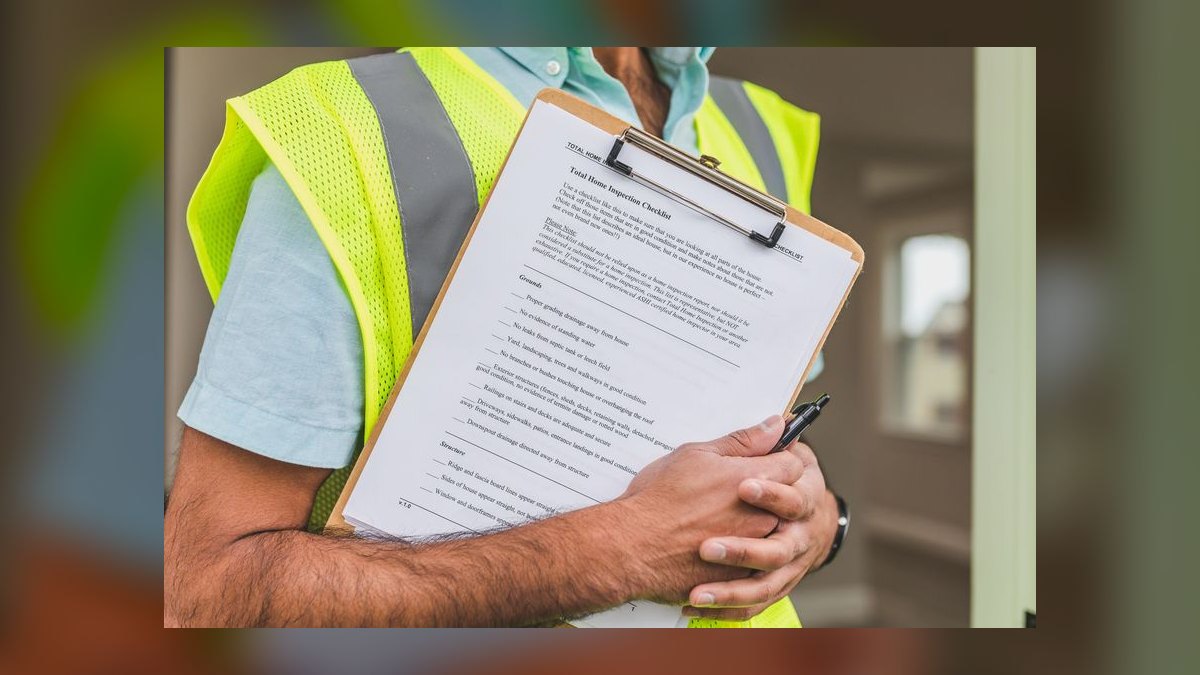
The inspector is only as powerful as the lease language that lets them in the door and forces action on what they find. This is the part tenants skip, and skipping it is why some inspections produce a beautiful report that changes nothing.
Your inspection rights live in the work letter — the exhibit to the lease that defines what the landlord builds, to what standard, by when, funded by what tenant improvement allowance, and what happens when it is late or wrong. Negotiate the following before signing, because after signing you have no leverage at all:
Access. State plainly that the tenant may retain, at its own cost, a licensed architect or professional engineer to inspect the work, and that the landlord's contractor shall provide reasonable access on reasonable notice at defined milestones. Name the milestones explicitly — MEP rough-in prior to close-in, ceiling grid prior to tile, and substantial completion — rather than leaving "reasonable" to be litigated later. Landlords will often accept access language readily because it costs them nothing on its face; the fight is over the next clause.
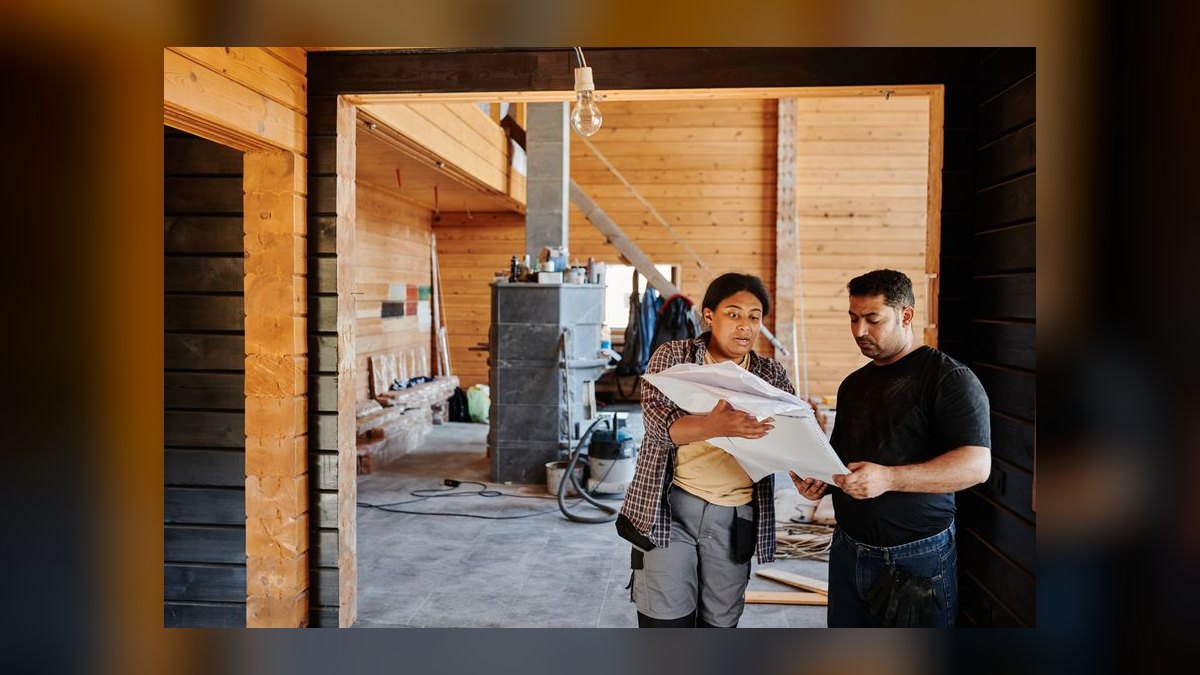
Consequence. Access without consequence is theater. The work letter should say that deficiencies identified in the inspector's written report which constitute non-conformance with the approved plans, the work letter specifications, or applicable code shall be corrected at the landlord's sole cost within a stated period. Push for the correction obligation to be tied to non-conformance with objective standards rather than to your "satisfaction," because objective standards are enforceable and satisfaction clauses get negotiated away.
Delay allocation. The landlord's counter will be that your inspections risk delaying substantial completion, and that any resulting delay should be charged to you as tenant delay — which typically starts your rent clock even though you cannot occupy. Negotiate the reverse: inspections conducted within the agreed access windows do not constitute tenant delay, and time spent correcting landlord non-conformance is landlord delay. This single clause is often worth more than the inspection fee many times over, because rent commencement games are where real money moves in a commercial lease.
Acceptance mechanics. Define what acceptance means and when it happens. Ideally, acceptance occurs upon delivery of a punch list plus the landlord's written commitment to complete it, not upon your taking possession. Reserve a stated holdback or rent offset right against unfinished punch items, and preserve latent-defect rights for conditions that were concealed and not reasonably discoverable — that reservation is exactly what makes your rough-in inspection so valuable, since it draws a clean line between what was visible then and what was not.
TI allowance interaction. Understand who is actually spending the money. In a landlord-build deal, the landlord's contractor builds and the allowance offsets the landlord's cost — so any overage is yours and every unnecessary line item in the general contractor's bid comes out of your pocket. In a tenant-build deal with an allowance reimbursed against invoices, you control the contractor and the inspector's role shifts toward protecting your own quality control and your draw documentation. Read carefully whether the allowance covers soft costs; some work letters restrict it to hard construction only, in which case your inspection fee, space planning, permits, cabling, and furniture come from operating cash. Where soft costs are permitted, an inspection fee is often an eligible reimbursement — ask.

Documentation rights. Add the right to receive copies of permits, municipal inspection cards, approved submittals, air balance reports, fire alarm certification, and closeout documents including warranties and O&M manuals. These are routine deliverables the general contractor already produces; tenants simply forget to ask, then discover a year later that the balancing report was never done or the fire alarm was never formally tested.
One adjacent lever worth knowing: the same negotiating posture applies to the general contractor bid itself. If the landlord is building with your allowance funding it, you have a legitimate interest in seeing a line-item cost breakdown, in competitive bidding among at least three qualified contractors, and in a cap on the landlord's construction management fee. Tenants who win the inspection clause and lose the cost transparency clause have protected quality while leaving the pricing entirely to the party spending their money.
Sequencing the buildout
Treat inspection as a schedule item, not an event. The sequence below is the one that actually extracts value, and each visit has a distinct purpose that cannot be recovered later.
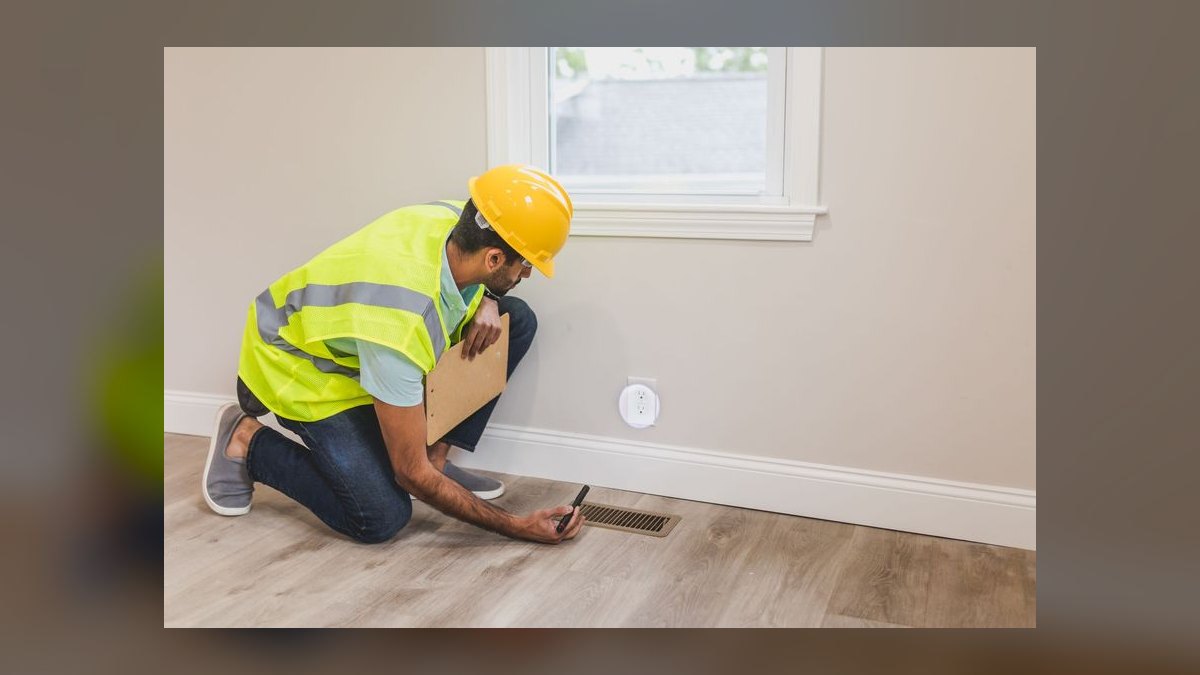
Pre-construction condition survey. Before demolition, document the existing shell: slab condition and levelness, roof and any existing penetrations, existing MEP capacity at the point of connection, structural elements, and anything already damaged. This is defensive documentation. Its purpose is to prevent a dispute at the end of the lease term about restoration obligations and pre-existing damage — a dispute that surfaces years later when nobody remembers and the only evidence is whatever was photographed.
Rough-in inspection, before close-in. This is the highest-leverage visit by a wide margin and the one to insist on if budget forces you to choose. With walls open and ceilings clear, an inspector verifies wire gauge and circuit assignments against the panel schedule, confirms that dedicated circuits exist where the drawings called for them, checks ductwork sizing and support and whether the installed equipment matches the load calculation, looks for fire caulking at rated penetrations, verifies fire and smoke damper locations, checks plumbing slope and venting, confirms structural support for anything heavy going overhead, and photographs the whole thing. Everything on that list becomes invisible within days.
Above-ceiling and pre-finish inspection. After grid and before tile and final finishes, verify sprinkler head coverage and alignment, confirm that the fire alarm devices are installed and addressed, check that above-ceiling work was left accessible where code requires access, and catch anything the rough-in visit flagged that was supposedly corrected.
Substantial completion punch walk. Test outlets and data drops, cycle the HVAC in both heating and cooling, run every fixture, check door hardware and closers, verify ADA clearances at doors, restrooms, and any counters, review finishes against the specified schedule, and compare the built layout against the approved drawings dimension by dimension. Produce a written, photographed, code-referenced punch list.

Closeout and re-inspection. Return to verify the punch items were actually corrected rather than merely marked closed, and collect the closeout package — permits signed off, air balance report, fire alarm certification, warranties, and O&M documentation.
Two sequencing notes people get wrong. First, schedule the rough-in visit against the contractor's actual look-ahead schedule, not the master schedule — rough-in close-in dates move constantly, and a visit booked three weeks out against a stale schedule arrives to find finished walls. Ask the superintendent for the three-week look-ahead and have your inspector on standby. Second, do not let the punch walk substitute for the rough-in visit because the schedule slipped. If you only get one visit, take it before drywall, not after paint.
Who to hire and how to work with them
Credentials matter more here than in most vendor selections because the deliverable is a document you may need to rely on in a dispute. Hire a licensed architect or a professional engineer with genuine commercial construction administration experience — people who have run punch lists and issued non-conformance notices, not just drawn plans. Residential home inspectors are the wrong tool: commercial fire-rated assembly requirements, accessibility standards, and mechanical code simply are not their domain, and a report that misstates a code section is worse than no report.
Independence is non-negotiable. The inspector cannot be the firm that designed your space, cannot have a current relationship with the landlord or the general contractor, and cannot be angling for the construction work. Ask directly about prior engagements with both parties and get the answer in writing in the engagement letter. Require proof of professional liability (errors and omissions) coverage — this is standard for design professionals and its absence tells you something.
Give the inspector the actual documents before the first visit: the approved permit set, the work letter, the specifications, the submittal log, and any change orders or ASIs issued to date. An inspector without the approved drawings can only assess general workmanship, which is the least valuable thing they do. The comparison against approved documents is the whole point.
Structure the deliverable up front. You want a written report per visit containing dated photographs, a specific description of each deficiency, the drawing sheet or code section it violates, and a severity classification separating life-safety and code items from performance items from cosmetic items. That classification matters in negotiation: bundling a scuffed baseboard with a missing smoke damper into one undifferentiated list invites the landlord to treat the whole report as nitpicking. Lead with the code and life-safety items, and let those carry the correspondence.
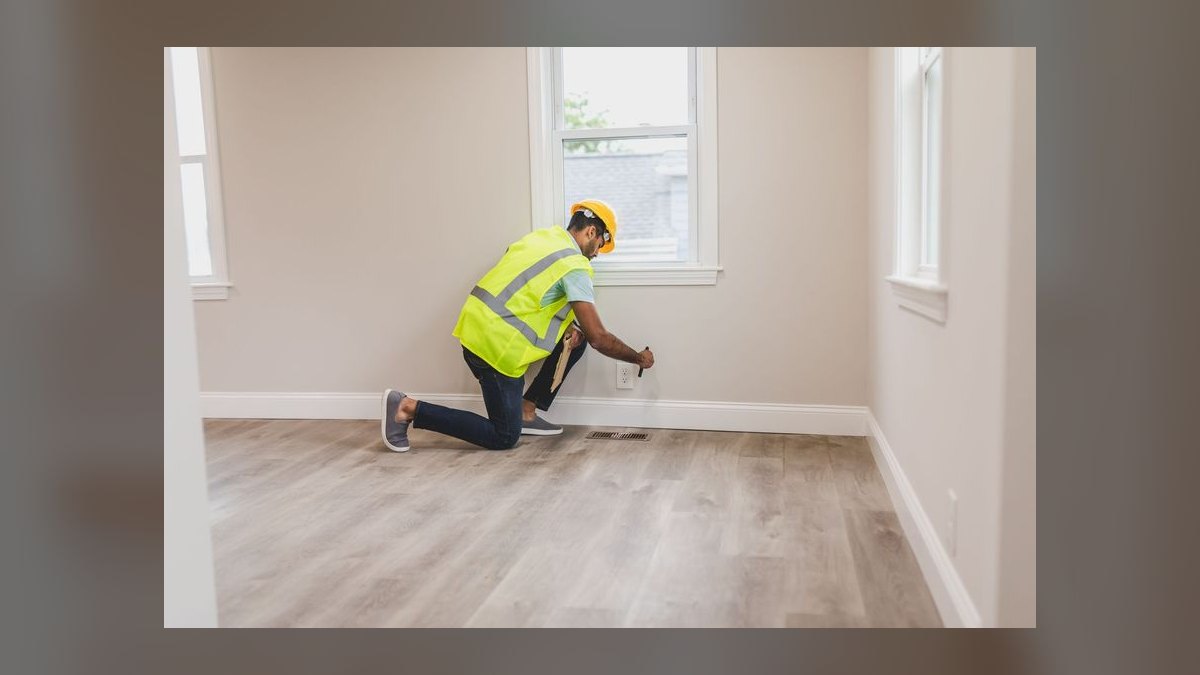
On payment terms, a fixed fee per visit paid on delivery of the written report is the cleanest structure, with a modest retainer at most. And keep the relationship professional rather than adversarial — the inspector's job is to be right, not to be aggressive. The reports that get acted on fastest are the ones a landlord's project manager can hand straight to the superintendent as a work list without translation.
Where an inspector does not pay for itself
Being honest about the exceptions makes the case for the rule stronger. A few situations genuinely do not justify the spend.
If you are taking a space essentially as-is with only paint and carpet, there is very little concealed work to inspect, and a careful walkthrough with a punch list you write yourself may be sufficient. Photograph everything, note every defect in writing before you accept, and get the landlord's written acknowledgment. The risk is small because the concealed-work surface area is small.
If your total buildout is very small and short-term, and your lease is a one- or two-year deal in a suite you could vacate without enormous cost, the expected value calculation tightens. Even then, a single rough-in visit is cheap insurance if any MEP work is being done at all.

If your own architect is being paid for full construction administration services — meaning they are on site during construction reviewing the work, responding to RFIs, reviewing submittals, and issuing the punch list — you already have an independent professional watching, provided they are engaged by you rather than by the landlord. Do not pay twice for the same function; instead, verify that the CA scope in their agreement actually includes site observation at the milestones that matter, since CA is frequently the first thing trimmed to reduce design fees.
And if the landlord is delivering a space they built speculatively and already carries a certificate of occupancy, with no work being done for you specifically, the inspection question shifts from construction verification toward general building due diligence — roof age, HVAC equipment age and service history, electrical capacity relative to your needs, and whether the existing layout will pass accessibility review once you change the occupancy classification.
What is never worth it is skipping the inspection because the landlord seems trustworthy. Trustworthiness is not the variable. A landlord's general contractor can be entirely honest and still deliver a suite where a subcontractor missed fire caulking at three penetrations, because construction defects are overwhelmingly the product of coordination failure rather than bad faith. You are not inspecting for dishonesty. You are inspecting because complex work executed by many hands under schedule pressure produces errors, and someone whose only job is finding them will find them.
Related questions
Can I make the landlord pay for my inspector?
Rarely as a direct reimbursement, but sometimes indirectly. If your work letter permits soft costs against the tenant improvement allowance, the inspection fee may be an eligible reimbursable expense — ask during negotiation, not after. Otherwise treat it as a tenant cost you control.
What if the landlord refuses inspection access?
Treat refusal as a material negotiating signal and push back, since tenant-side inspection is common practice in commercial leasing. If access is refused entirely, at minimum insist on extended latent-defect rights, a longer punch correction window, and a holdback against unfinished work.
Does an inspector replace the municipal building inspector?
No. Municipal inspectors verify code compliance for the permit and certificate of occupancy — a floor, not a ceiling. Your inspector additionally verifies conformance with your approved drawings, your work letter specifications, and your performance expectations, none of which the city evaluates.
Should I inspect a second-generation space I am not building out?
Yes, though the scope changes. Focus on equipment age and condition, electrical capacity versus your load, roof and envelope, accessibility compliance for your intended use, and whether any prior tenant's alterations were permitted — unpermitted prior work can become your problem at occupancy.
How does this differ in a triple-net lease?
It matters more. Under a triple-net structure you carry repair and maintenance costs, so a defect delivered at handover becomes your operating expense rather than the landlord's. Baseline documentation at delivery is the mechanism that keeps a construction defect from silently converting into a tenant obligation.
FAQ
What qualifications should the inspector have?
A licensed architect or professional engineer with substantive commercial construction administration experience — someone who has issued punch lists and non-conformance notices on real projects. For specialty spaces such as medical, lab, or food service, hire someone with that specific building-type background. Verify the license is active in your jurisdiction and require proof of professional liability coverage.
Can I use the architect who designed my space?
Only with clear eyes about the conflict. If your architect designed the space and is engaged by you for construction administration, they are the natural party to observe the work — that is what CA services are. The conflict arises when you need someone to evaluate whether a problem stems from a design error rather than a construction error. For high-stakes projects, a second set of eyes independent of the design team is worth the cost.
How many visits do I actually need?
Three is the practical standard for a typical commercial buildout: rough-in before close-in, a pre-finish check, and a substantial completion punch walk, plus a short re-inspection to confirm corrections. If budget forces a single visit, take the rough-in visit — it covers the work that becomes permanently invisible.
What happens if the inspector finds something after I already accepted the space?
Your position weakens but is not necessarily lost. Review the lease for latent-defect language, warranty periods on the contractor's work, and any express representation that the buildout complies with code and the approved plans. Life-safety and code violations carry more weight than performance complaints because the building department itself has an interest. Document immediately and notify the landlord in writing.
Is this worth it for a small suite?
For a small suite with real mechanical, electrical, or plumbing work, one rough-in visit is usually justified — the concealed-work risk does not scale down as fast as the square footage does. For a cosmetic refresh with no concealed work, a careful documented walkthrough of your own may be enough.
Will paying for an inspector damage my relationship with the landlord?
It generally should not. Institutional landlords and their project managers deal with tenant-side inspectors routinely and often welcome a clear, well-documented punch list because it gives their superintendent an unambiguous work list. Friction tends to come from tone rather than from the inspection itself — keep the report factual, code-referenced, and free of accusation.
Sources
- https://www.iccsafe.org/ — International Code Council, model building and fire codes
- https://www.nfpa.org/ — National Fire Protection Association, fire and life-safety standards
- https://www.aia.org/ — American Institute of Architects, standard contract documents and construction administration guidance
- https://www.boma.org/ — Building Owners and Managers Association International, commercial building operations standards
- https://www.ada.gov/ — U.S. Department of Justice, ADA Standards for Accessible Design
- https://www.ashrae.org/ — ASHRAE, HVAC design and testing standards
- https://www.agc.org/ — Associated General Contractors of America, construction quality management resources
- https://www.nibs.org/ — National Institute of Building Sciences, whole building design and commissioning guidance
- https://www.gsa.gov/real-estate — U.S. General Services Administration, federal leasing and construction standards
- https://www.ncees.org/ — NCEES, professional engineering licensure standards
Related on PULSE
- [Should I demand the landlord provide a third-party cost breakdown for every line item in their GC bid](/knowledge/bo0330)
- [Can I require the landlord to use a third-party expediter for permit approvals in 2027?](/knowledge/bo0338)
- [How do I force the landlord to stick to the buildout timeline in my lease?](/knowledge/bo0244)
- [How do I force the landlord to replace obsolete MEP systems during my buildout](/knowledge/bo0276)
- [How do I get the landlord to pay for temporary HVAC during an off-hours buildout?](/knowledge/bo0304)
- [Can I get the landlord to reimburse my moving and storage costs during the buildout](/knowledge/bo0332)
@Kory-White- · if Venmo asks, the last 4 of my number are 2012
 editorialMy Thoughts: How Do I Save on Buildout by Taking a Second-Generation Restaurant Space
 boWhat are the hidden costs of a warm shell delivery that landlords don’t disclose?
 boHow do I force the landlord to pay for an independent cost estimator?
 boShould I hire a tenant rep broker to oversee my buildout or manage it myself?
 boHow do I negotiate a cap on my out-of-pocket costs for the buildout?
 boHow do I terminate a lease early if the landlord fails to deliver the buildout as promised?
 boHow do I negotiate a hard cap on my shared plaza maintenance costs after the buildout?
 boWhat Are the Good and Bad Clauses in a Commercial Lease?
 boShould I demand the landlord provide a third-party cost breakdown for every line item in their GC bid
 boHow do I calculate the true cost of using the landlord’s preferred GC versus my own