
Can I lock in today’s construction material prices for my buildout in 2027
 Curated byKory White · Fractional CRO · Maryland
 PULSEKNOWLEDGE LIBRARY
Partially. You can lock most of a 2027 buildout's material cost today through a guaranteed maximum price contract with early buyout, forward supply agreements on commodity items, and an escalation cap in your tenant improvement allowance. Expect to pay a risk premium or deposit for each lock, and carry contingency regardless.
Turnkey, allowance, and as-is: three delivery paths with very different price exposure
Before you argue about lumber futures, decide which delivery structure you are actually operating under, because the structure determines who is even allowed to lock a price. Commercial buildouts almost always land in one of three buckets, and the price-risk math differs radically across them.
Turnkey (landlord-built). The landlord's construction arm or their preferred general contractor designs and builds to your specification, and you pay rent that amortizes the cost. Here the landlord owns virtually all material price exposure between lease signing and construction start. That sounds ideal, and for a tenant who wants zero construction management burden it often is. The catch is that landlords price that risk in. A turnkey delivery negotiated in 2026 for a 2027 start will carry a contingency buried in the rent — you will not see the line item, and you cannot audit it. You also lose specification control: when steel stud or specialty glazing prices spike, the landlord's team substitutes down to protect their margin, and unless your work letter has a specification schedule attached with named products and acceptable-equal language, you get whatever meets the generic description. The practical move on turnkey is not to hedge materials at all. It is to attach a detailed finish schedule and a substitution-approval clause to the work letter, so the landlord absorbs the price risk without silently converting it into quality risk on your side.
Allowance (tenant-built, landlord-funded). The landlord hands you a tenant improvement allowance expressed in dollars per rentable square foot, and you manage the construction. This is the most common commercial arrangement and the one where locking today's construction material prices actually matters, because the allowance is a fixed nominal number while your costs float. A dollar figure agreed in 2026 buys measurably less work in 2027 if construction inputs move. Every hedging tool discussed below applies here, and this is the bucket where the escalation-cap negotiation earns its keep.

As-is / cold shell. You take the space in whatever condition it sits, fund everything yourself, and typically get free rent or a reduced base rate in exchange. You carry one hundred percent of material price risk, but you also carry one hundred percent of the upside if prices soften, and you have total specification freedom. As-is deals reward tenants who can actually execute a forward purchase strategy, because there is no landlord approval layer slowing down a buyout decision.
The trade-off across all three is the same shape: the more of the price risk you push onto someone else, the more you pay for the privilege, and the less control you retain over what actually gets installed. A tenant who intends to hedge aggressively should push toward allowance or as-is, because turnkey removes the very levers hedging depends on. A tenant with no construction expertise on staff should take turnkey and spend the negotiating energy on the specification schedule instead. A hybrid worth asking for: allowance structure with a landlord-funded escalation reserve, where the landlord commits an additional capped amount released only against documented index movement on construction materials.

How to choose the right lock for your project
The correct instrument depends on three variables: how far out the buildout sits, how large the material spend is, and how volatile the specific materials are. Run the decision in that order.
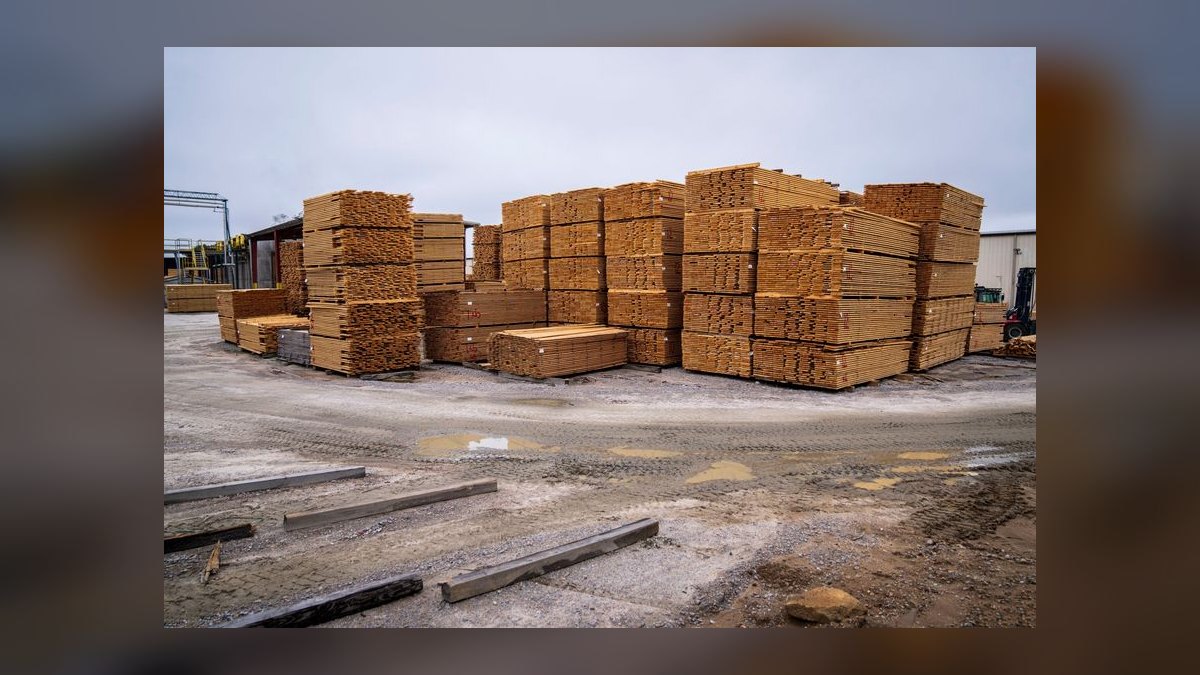
Time horizon. Under twelve months, a straightforward fixed-price contract from a general contractor will hold, and the risk premium is modest. Twelve to twenty-four months out, contractors start refusing firm pricing outright or attaching escalation clauses, and you need either a guaranteed maximum price structure with early buyout authority or a direct supply agreement. Beyond twenty-four months, which is where a 2027 buildout negotiated today often sits, no general contractor will hold a firm number on materials without either a very large premium or a buyout provision that lets them purchase early. Distributors on commodity items — rebar, structural steel, concrete accessories — will sometimes quote long windows, while custom and imported items typically hold far shorter windows because the manufacturer behind them will not commit either.
Spend concentration. Pareto applies brutally here. In most commercial interior buildouts, a small handful of categories dominate the material budget: metal framing and drywall, mechanical equipment, electrical distribution and copper wire, glazing and storefront, and millwork. Hedging the long tail of hardware and sealants is wasted effort. Get a material takeoff from your contractor, sort by dollar value descending, and hedge only until the cumulative line covers the large majority of spend. Everything below that line goes into contingency.
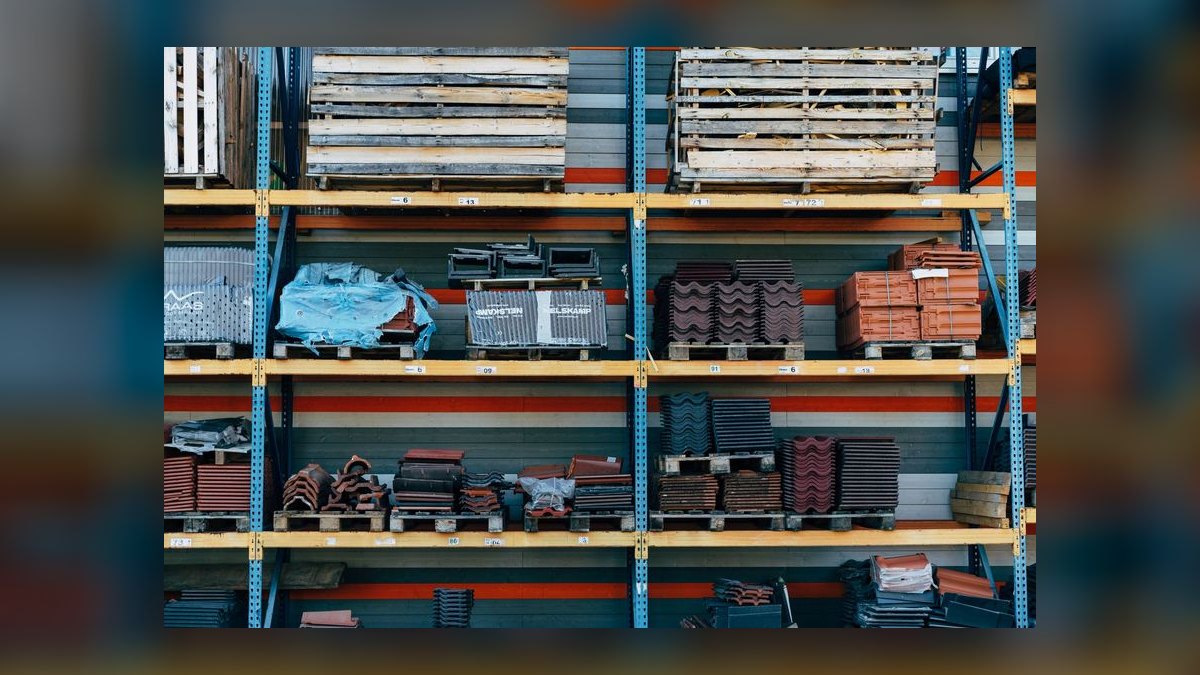
Volatility. Some inputs move in wide swings — lumber and copper are the textbook examples, and both trade as exchange-listed futures precisely because the swings are large enough to support a hedging market. Others grind more predictably with general producer prices. Check the actual series before assuming: the Bureau of Labor Statistics publishes Producer Price Index data by commodity, and Engineering News-Record's Construction Cost Index tracks the blended input trend. Look at the last several years of the specific series that maps to your biggest line items, not the headline construction number.
One more filter before you commit: ask whether you actually want the lock. A lock is a bet that prices rise. If your read is that construction input prices soften into 2027, the rational play is a shorter contract horizon and a fatter contingency, not an expensive forward commitment. Locks are insurance, and insurance is worth buying when the downside is asymmetric — when a material spike would kill the project rather than merely annoy the finance team. A tenant whose buildout is a small fraction of annual revenue can self-insure. A tenant for whom the buildout is the largest capital event of the decade should pay for the certainty.
What each instrument actually costs and how long it takes
Concrete mechanics, because "negotiate a lock" is useless without knowing what you are signing up for.
Fixed-price / lump-sum contract. The general contractor names one number for the defined scope and eats material movement. Cost to you: a risk premium embedded in the number, sized to how far out construction sits and how volatile the contractor thinks inputs are. Timeline: you need construction documents complete enough to price — schematic drawings will not do it. Expect several weeks from issuing documents to receiving competitive bids, plus negotiation. The hidden cost is change orders: a fixed price is only fixed against the scope you defined, and every specification gap becomes a change order priced without competitive pressure. Fixed-price contracts fail tenants who sign early on incomplete drawings and then design as they go.
Guaranteed maximum price with early buyout. The contractor bills actual cost plus a fee, capped at a guaranteed maximum, and you authorize early purchase of long-lead and volatile items. Cost: the contractor's fee plus their contingency inside the GMP, plus storage or warehousing on anything bought early. Timeline: you can set a GMP on less-complete documents than a lump sum requires, which is precisely why it suits a distant start date. The early buyout is the part that actually locks material prices — the GMP itself just caps your exposure, it does not procure anything. Write buyout authority explicitly, name the categories, and require the contractor to present multiple supplier quotes before purchasing. Also require that manufacturer rebates and volume discounts flow through to you rather than sticking to the contractor's side of the ledger, and specify what happens to the savings if a buyout comes in under budget — shared savings language is standard and negotiable.

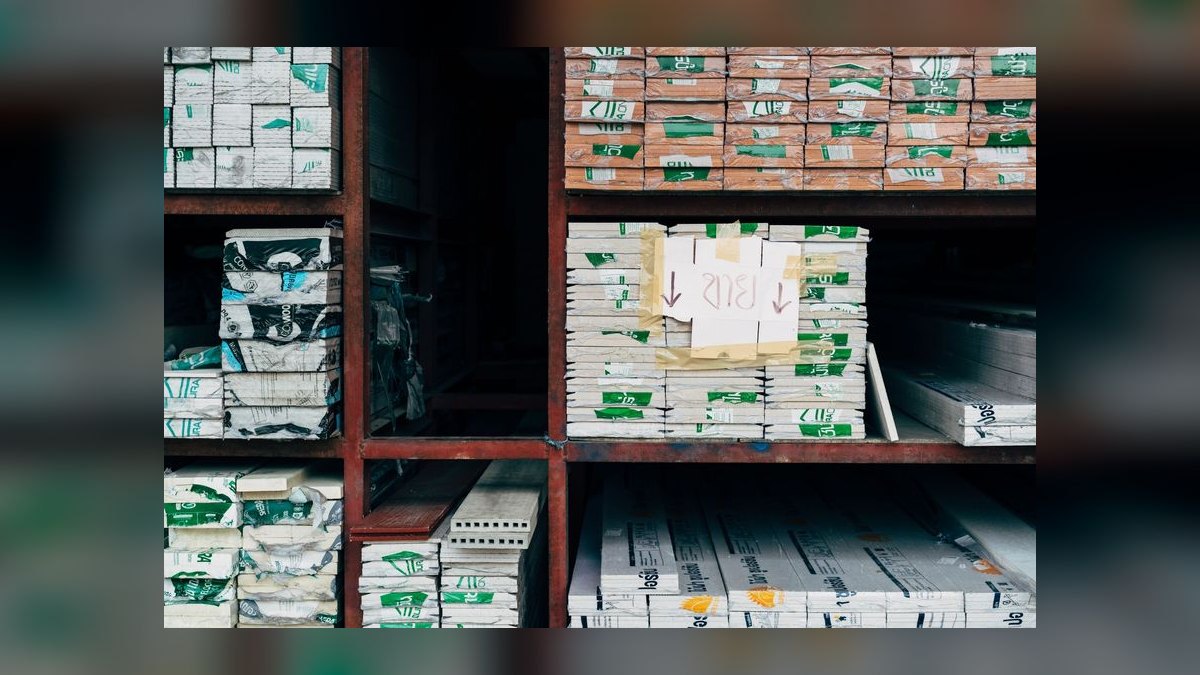
Forward supply agreement with a distributor. You contract directly with a lumber yard, steel service center, or electrical distributor for delivery in a future window at a price set today. Cost: a deposit, plus a take-or-pay obligation — you buy the material whether or not the project happens. Timeline: negotiable in weeks, but the distributor needs a firm quantity, which means your takeoff has to be real. Longest windows go to commodity items with liquid underlying markets; shortest to custom fabrication and imports, where the distributor is just passing through a manufacturer's quote that itself expires. Always ask what happens if your project slips: a material transfer or resale clause, where the distributor can place the material on another job and credit you the proceeds net of a handling fee, is the single most valuable term to negotiate and the one most often left out.
Exchange-traded futures. Copper, lumber, aluminum, and steel derivatives trade on CME Group. You hedge financially and buy physically at spot later; the hedge gain or loss offsets the spot move. Cost: margin capital tied up for the duration, brokerage fees, and the very real possibility of margin calls if the market moves against your position before the offsetting physical purchase happens. Timeline: an account and a broker relationship, which is not a same-week affair for an entity that has never traded. Realistically this is a developer tool, not a tenant tool. If your total copper exposure is a modest slice of a single interior buildout, the contract sizes and administrative overhead do not pencil.
Retail price protection programs. Some national building supply chains offer capped future pricing for a premium. Terms vary by chain and by region, so verify current offerings directly rather than assuming. Cheapest option for a small buildout, weakest protection, but genuinely useful for a tenant fitting out a few thousand square feet who is never going to run a futures book.
Index-linked escalation with contingency. Not a lock, a cushion. Set the baseline budget from current cost data — RSMeans is the standard commercial reference — apply an annual escalation factor per year to 2027, then carry a separate volatility contingency on your top volatile categories in addition to the ordinary construction contingency. Cost: nothing contractual, just budget you might not spend. This is the floor everyone should have under them even after buying real locks, because no lock survives a tariff change.
Sequencing matters as much as instrument choice. Lock long-lead and volatile categories first, because they have the least schedule slack and the widest price dispersion. Mechanical equipment and electrical gear frequently drive the critical path independent of price, which means an early buyout on those items buys you schedule certainty as a second benefit. Commodity framing and drywall can wait, because they are available from multiple sources on short notice and the downside of not locking them is a price move, not a delay.

Contract language, handoff, and what happens when the schedule slips
The lock lives or dies in three or four specific clauses, and the handoff between the entity that signed them and the entity that executes construction is where locks quietly evaporate.
Take-or-pay and its escape hatch. Any real forward commitment includes an obligation to buy. Negotiate the exit: a material transfer clause letting the supplier resell into another job with proceeds credited to you, a substitution right letting you swap the committed quantity to a different item in the same supplier's catalog, or a defined extension fee that pushes delivery out a stated number of months at a stated premium. Without one of these, a six-month permitting delay converts your hedge into a warehouse full of studs you are paying rent on.
Force majeure scope — read it backwards. Standard force majeure language excuses the supplier for events beyond their control. The question that matters is whether tariff changes, new duties, and regulatory shifts count as force majeure. Suppliers want them included, which turns your lock into a soft quote. Push for an explicit carve-out naming tariffs and duties as risks the supplier retains, or at minimum a threshold below which they absorb the change. If the supplier will not carve tariffs out, the lock is worth materially less than the price you are paying for it, and you should reprice the deal accordingly rather than pretending you are covered.
Escalation caps and index selection. When you cannot get a hard lock, an escalation clause tied to a named published index is the fallback: the contractor may pass through increases above a stated threshold, capped at a stated total, measured against a specific series on a specific date. Three details people botch — name the exact index and series rather than "a construction cost index," fix the measurement dates rather than leaving them to interpretation, and make the clause symmetric so a decline flows back to you. Asymmetric escalation clauses are common and are pure free option value handed to the other side.
Storage, title, and insurance on pre-purchased material. Once you have bought material that will not be installed for a year, three questions need written answers: where it sits, who holds title, and who insures it. If title passes to you on payment, your insurance needs to cover it wherever it is stored, including in a contractor's yard. If title stays with the supplier until delivery, you are an unsecured creditor if that supplier fails — a real risk on a multi-year horizon in a cyclical industry. Bonding or a security interest in the stored goods is the answer, and it is a normal thing to ask for.
The handoff itself. Locks are usually negotiated by a real estate or finance function and executed by a construction manager or contractor hired later. That gap is where they fail. Build a single handoff package: the material takeoff the lock was priced against, every quote and its expiry date, the executed lock agreements, the named index and baseline measurement, and a one-page summary of trigger dates. Then put the expiry and extension-notice dates on an actual calendar with an owner's name against each. The most common failure in a multi-year lock is not a market event — it is a notice deadline that passed because the person who signed the agreement changed roles.
Reconciliation at close. When material is delivered, reconcile invoiced prices against locked prices line by line. On a GMP with shared savings, this determines real money. On an allowance deal, the documentation is what you present to the landlord to draw down the allowance and to justify any escalation-reserve release. Contractors are not adversaries here, but nobody audits themselves, and a locked price that goes uninvoiced at the locked rate is a lock you paid for and did not receive.
Adjacent effects worth planning around
Two downstream consequences that catch tenants off guard.
Locks change your cash flow curve. Deposits and early buyouts pull spend forward, sometimes by a year or more. A buildout budgeted as a 2027 outflow becomes partly a 2026 outflow. If the buildout is funded by the tenant improvement allowance, the landlord typically reimburses on completion or on documented progress, not on your deposit — so you are float-financing the lock. Model that. The interest cost of carrying a deposit for eighteen months is a real component of the lock's true price and belongs in the comparison against simply carrying contingency.
Locks interact with lease timing. If you have not signed the lease, you cannot responsibly take-or-pay on material for a space you may not occupy. If you have signed but the landlord's delivery date is soft, your lock window and their delivery obligation need to line up, and landlord delivery dates slip routinely. The clean sequence is: lease signed with a firm or damages-backed delivery date, permitting path understood, then locks. Locking ahead of a signed lease is speculation, and it is the single most expensive mistake available in this whole exercise.
Related questions
Does a locked material price help my landlord negotiation?
Yes. Documented forward quotes turn "prices might rise" into a specific number, which is far harder for a landlord to dismiss. Bring the takeoff and the quotes to the allowance discussion; a data-backed risk-sharing proposal gets escalation caps that a general request never will.
Can I lock labor costs the same way?
Not really. Labor is priced by subcontractors who will not commit crews years out, and wage movement is driven by local market conditions. The closest equivalent is a subcontract signed early with a notice-to-proceed window, which secures availability more than it secures rate.
What if construction material prices fall before 2027?
You pay the locked price unless you negotiated symmetry. That is the cost of insurance. If you want two-sided treatment, negotiate a symmetric escalation clause rather than a hard lock, or use a shorter lock window on the categories you think are most likely to soften.
Are equipment lead times a bigger risk than price?
Frequently, yes. Mechanical and electrical gear can drive the critical path regardless of cost. Early buyout on those categories buys schedule certainty first and price certainty second — and the schedule benefit is often the one that actually saves the project.
Should a small tenant bother with any of this?
Below a modest buildout budget, the administrative cost of forward agreements exceeds the exposure. Use a fixed-price contract with a clearly defined scope, a retail price protection program if your supplier offers one, and a healthy contingency.
FAQ
Can I really lock in lumber prices for 2027? Financially, yes — lumber futures trade on CME Group, and lumber distributors will write forward supply agreements. Practically, a futures position requires a brokerage relationship and margin capital, and a distributor agreement requires a deposit and take-or-pay commitment. Most interior buildout tenants are better served by a fixed-price or GMP contract that pushes the exposure to the contractor.
Do landlords ever agree to escalation caps in TI allowances? Yes, particularly for creditworthy tenants signing longer terms. A landlord would rather cap a defined risk than lose the deal. Expect negotiation over the threshold you absorb, the maximum they cover, and which published index governs. Bring a detailed takeoff — vague requests get refused, documented ones get counteroffers.
What does storing pre-purchased material actually cost? Warehousing is typically charged as a recurring percentage of material value, plus insurance, plus handling on the way in and out. Over an eighteen-to-twenty-four-month hold, those carrying costs are a meaningful fraction of the savings you locked. Always net them against the price protection before deciding the lock is worthwhile.
Is a GMP contract better than a lump-sum for a distant start date? Generally yes. A GMP can be set on less-complete documents, gives you cost transparency, and — critically — supports early buyout authority on long-lead items. A lump sum demands complete construction documents and turns every specification gap into a change order priced without competition.
Does a price lock survive a tariff change? Only if your contract says so. Many force majeure clauses treat new tariffs and duties as excusable events, which lets the supplier reprice. Negotiate an explicit carve-out naming tariffs, or a threshold below which the supplier absorbs the change. Without it, treat the lock as a strong quote rather than a guarantee.
What is the cheapest useful protection for a small commercial buildout? A fixed-price contract with a fully defined scope, a substitution clause allowing equivalent materials if a specified product spikes, and a separate volatility contingency on your two or three largest material categories. No deposits, no futures, no storage — just tight documents and budget headroom.
Sources
- https://www.enr.com/economics — Engineering News-Record construction cost and building cost indexes
- https://www.bls.gov/ppi/ — U.S. Bureau of Labor Statistics Producer Price Index, including construction materials series
- https://www.cmegroup.com/markets/agriculture/lumber-and-softs/lumber.html — CME Group lumber futures contract specifications
- https://www.cmegroup.com/markets/metals/base/copper.html — CME Group copper futures contract specifications
- https://www.aiacontracts.com/ — American Institute of Architects standard contract documents, including GMP and general conditions forms
- https://www.rsmeans.com/ — RSMeans construction cost data and escalation reference
- https://www.nahb.org/news-and-economics/housing-economics — National Association of Home Builders building material price analysis
- https://www.cfma.org/ — Construction Financial Management Association guidance on cost-plus and GMP practice
- https://www.census.gov/construction/c30/c30index.html — U.S. Census Bureau construction spending data
Related on PULSE
- [What's the cheapest framing material that meets code for a private office buildout in 2027?](/knowledge/bo0302)
- [What's the going rate for buildout hard cost carry during construction in 2027](/knowledge/bo0284)
- [How do I know if my construction allowance actually covers the full buildout scope?](/knowledge/bo0236)
- [What happens if the landlord's construction inspects my buildout and finds violations?](/knowledge/bo0254)
- [Can I sublease a space mid-buildout and recover my construction costs?](/knowledge/bo0245)
@Kory-White- · if Venmo asks, the last 4 of my number are 2012
 editorialMy Thoughts: How Do I Save on Buildout by Taking a Second-Generation Restaurant Space
 boWhat are the hidden costs of a warm shell delivery that landlords don’t disclose?
 boHow do I force the landlord to pay for an independent cost estimator?
 boShould I hire a tenant rep broker to oversee my buildout or manage it myself?
 boHow do I negotiate a cap on my out-of-pocket costs for the buildout?
 boHow do I terminate a lease early if the landlord fails to deliver the buildout as promised?
 boHow do I negotiate a hard cap on my shared plaza maintenance costs after the buildout?
 boWhat Are the Good and Bad Clauses in a Commercial Lease?
 boShould I demand the landlord provide a third-party cost breakdown for every line item in their GC bid
 boHow do I calculate the true cost of using the landlord’s preferred GC versus my own