
How do I pass through my own general contractor’s markup to the landlord without losing margin
 Curated byKory White · Fractional CRO · Maryland
 PULSEKNOWLEDGE LIBRARY
You cannot bill a landlord a separate "tenant's GC markup" line — it reads as double-dipping and gets struck. Instead, fold your general contractor's overhead and profit into a single all-in turnkey number, secure a guaranteed maximum price from that contractor first, then negotiate the tenant improvement allowance against that total.
The commercial deal in plain terms
A tenant improvement allowance is not a gift and it is not a reimbursement of your costs — it is a leasing concession the landlord underwrites against the rent stream you are promising to pay. That single fact explains almost every behavior you will encounter at the negotiating table, and understanding it is what separates tenants who quietly keep their margin from tenants who spend six weeks arguing about a contractor's fee percentage and lose.
Here is the mechanic. The landlord's asset manager runs a net effective rent calculation: total base rent over the term, minus free rent, minus the TI allowance, minus leasing commissions, divided by the rentable square feet and the term length. The allowance is a capital outlay amortized against your lease. A landlord who is indifferent between paying you a larger allowance and giving you more free rent is telling you something important — the two are fungible on their spreadsheet. They are not fungible on yours, because allowance dollars are typically taxable to you as income unless properly structured, while free rent simply reduces what you owe. This asymmetry is worth raising with your accountant before you decide which concession to push for.
Now overlay the way construction pricing actually works. Your general contractor prices a commercial buildout as hard costs (the subcontractor trades — demolition, framing, drywall, mechanical, electrical, plumbing, fire suppression, flooring, millwork, paint) plus general conditions (site supervision, temporary power, dumpsters, portable toilets, project management, safety, cleanup) plus overhead and fee. General conditions are commonly quoted as a percentage of hard costs on small-to-midsize interior work, and the fee sits on top of everything. There is also soft cost: architecture, MEP engineering, permit expediting, structural review if you are cutting slab or adding load, and a contingency.

When you hand a landlord an itemized breakdown that shows a line reading "GC fee," you have handed their construction manager a target. That person is often incentivized on delivered cost per square foot. They will not argue with drywall pricing because they can't easily win that argument. They will argue with a fee line because it looks like pure margin and because — and this is the part tenants miss — the landlord frequently believes they are already covering supervision through their own construction management fee, which many leases quietly charge back to the tenant at a percentage of the total buildout cost. You are now in a fight about whose supervision is being paid for twice.
The resolution is structural, not rhetorical. Do not present a cost breakdown as your opening move. Present a scope of work and a price. Scope is what you are willing to negotiate in public. Price composition is what you keep private, exactly the way any vendor prices a bundled deliverable. A landlord asking to see your contractor's internal fee structure is asking for something they would never disclose about their own construction arm.
One more piece of the commercial reality: leverage is a function of the market and the deal size. In a soft market with high vacancy, a landlord chasing occupancy will concede on allowance amount, on the right to select your own general contractor, and on the audit language. In a tight market with a queue of tenants, you will get a standard allowance, a landlord-approved contractor list, and open-book language you cannot refuse. Diagnose which market you are in before you build your strategy, because the same tactic that wins in one loses the deal in the other.
How the buildout process flows
The sequence in which decisions get made determines how much of your contractor's markup survives. Most tenants run this process backwards — they get a contractor bid, walk it to the landlord, and then discover the allowance is smaller than the bid and every dollar of gap becomes a line-by-line argument. Run it in the correct order and the fee never becomes a discussion topic.
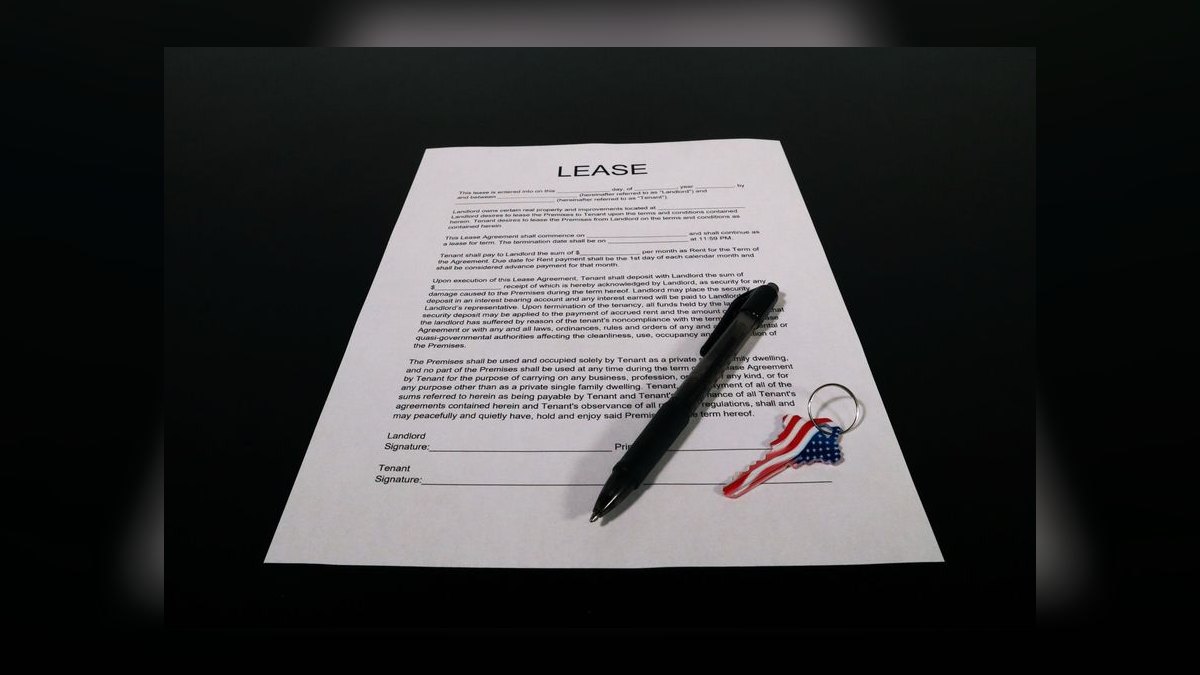
Walk each stage. The test-fit comes first, and it is usually free — a landlord's architect will produce one to help close the deal. Do not let that architect become your architect by default, because their loyalty and their fee both flow from the landlord. Take the test-fit as a space-planning input and hire your own designer for construction documents if the buildout is meaningful in size.
Then the allowance conversation, before any contractor number exists. This is deliberate. You are negotiating against a market benchmark for the building class and submarket, not against your own cost. If you lead with your cost, you have capped your own outcome — no landlord pays more than what you just told them you need.
Only after the allowance is agreed in a letter of intent do you go get a guaranteed maximum price. A GMP is a contract structure where your general contractor commits to a ceiling: they eat overruns above it, and the contract specifies who keeps savings below it. The GMP is inclusive of their fee by construction. That is the whole point — it arrives as one number, and one number is what you hand across the table.
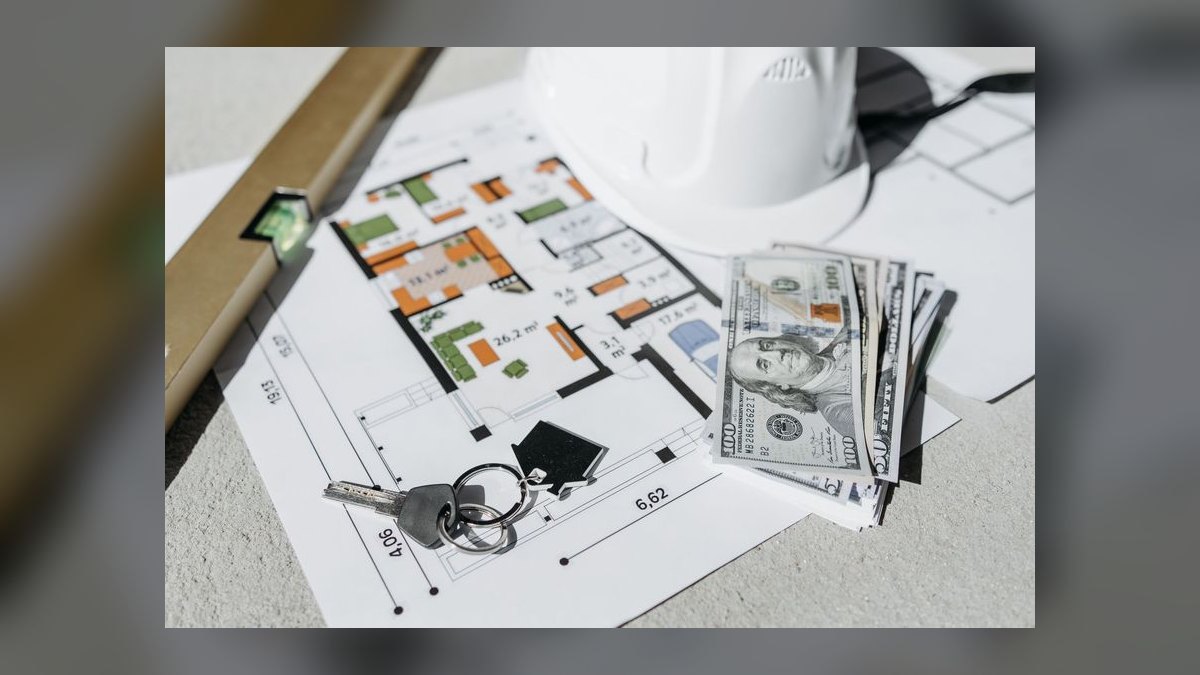
The permitting stage is where schedules die and where adjacent trades matter more than people expect. A change of occupancy classification, an accessibility upgrade triggered by the scope of your work, a fire alarm tie-in to the base building system, or a mechanical load that exceeds what the existing rooftop unit can deliver — each of these can add weeks and cost that nobody priced. Your contractor's contingency exists for exactly this, and the landlord's willingness to fund it is far higher before lease execution than after.
Draw requests close the loop. Most allowances are paid on a reimbursement basis: you pay the contractor, submit paid invoices with conditional and unconditional lien waivers from every sub, and the landlord funds within a stated window. That timing gap is real working capital exposure. Negotiate progress draws rather than a single completion draw, and negotiate the funding window down from whatever the landlord's form says.
Costs per square foot, timelines, and ranges
Precise numbers vary enormously by market, building age, and finish level, so treat every figure below as a structural relationship rather than a quotable constant — but the relationships hold across markets, and knowing them tells you when a bid is off.
Second-generation office space — meaning a suite that was previously built out and has usable partitions, ceilings, and mechanical distribution — costs a fraction of what a shell space costs, because you inherit the expensive infrastructure. Cosmetic refresh of second-generation space (paint, carpet, minor demolition, new door hardware) sits at the low end. A full gut of second-generation space, where you strip to slab and studs and rebuild the layout, sits in the middle. First-generation buildout of raw shell — where you are installing mechanical distribution, running electrical from a landlord-provided panel, building out restrooms, and putting in ceilings from scratch — sits at the top and can be several multiples of the refresh number.

Overlay use type. Medical, dental, and lab space carry a premium over general office because of plumbing distribution to multiple rooms, dedicated exhaust, lead shielding where imaging is involved, and heavier electrical. Restaurant and food service is the most expensive interior work in commercial real estate: grease interceptors, hood and makeup air, dedicated gas service, walk-in refrigeration, and a health department review layered on top of the building department review. Retail sits between office and restaurant depending on how much storefront and mechanical work is involved. Warehouse office pods inside industrial space are among the cheapest per foot, which is why a landlord's standard industrial allowance looks small — it is calibrated to a use that costs little.
Within the contractor's number, the internal proportions matter. Subcontracted trades dominate the total. General conditions consume a meaningful slice, and they scale with duration rather than with scope, which is why schedule extensions cost money even when nothing changes about what is being built. The fee is a percentage on top, and it is the smallest of the three components — a point worth remembering when a landlord's construction manager spends three days fighting over it while ignoring a mechanical scope decision worth ten times more.
Timelines run in parallel and sequential blocks. Design and construction documents take weeks, driven by how quickly you make decisions. Permitting is jurisdiction-dependent and is the least controllable stage; over-the-counter review in a permissive municipality is days, while a plan check in a dense urban jurisdiction with fire department and accessibility review can run months. Long-lead procurement is the sleeper: switchgear, rooftop mechanical units, custom glass, and specialty millwork have carried extended lead times in recent years and will drive your schedule regardless of how fast the trades work. Construction itself is often the shortest phase. Build your rent commencement date around permitting and procurement, not around the swing of hammers.

Two contract-level protections are worth more than any markup tactic. First, tie rent commencement to substantial completion rather than a fixed calendar date, so a permitting delay does not put you in rent on an unusable space. Second, negotiate a landlord delay clause: if the landlord's approval process, base building work, or funding delays your schedule, the rent commencement date pushes day for day. Both are standard asks, both are frequently granted, and both are worth more in real dollars than winning an argument about a fee percentage.
Where budgets and schedules slip
The gap between a signed allowance and your actual out-of-pocket almost never comes from the contractor's fee. It comes from scope that nobody priced, from base building conditions nobody inspected, and from lease language nobody read closely. Here is where the money actually goes.
Existing conditions are the largest single source of surprise. A demolition that opens a wall and reveals asbestos-containing material or lead paint in an older building triggers abatement, a licensed specialty contractor, and a schedule stop. Non-compliant existing electrical, undersized mechanical, or a floor that is out of level by more than the flooring manufacturer allows all become your problem the moment your scope touches them. Before signing, get a condition assessment of the suite. In older stock, a small pre-lease investigation budget prevents a large post-lease surprise.
Code-triggered upgrades are the second source. Building codes routinely require that when you alter a percentage of a space, you bring certain systems into current compliance. Accessibility is the most common trigger: your work in the suite obligates an accessible path of travel, which can reach into common-area restrooms, entry thresholds, and parking. Fire and life safety is the second: adding walls changes sprinkler head coverage and can require a full head layout redesign and a fire alarm device addition tied into the base building panel. Neither of these is your contractor padding a bid. Both are real and both should be named in your lease as landlord obligations wherever they concern base building systems.

Landlord approval friction is the third. Most leases require landlord approval of plans, and if the standard is "landlord's sole discretion" you have handed them an unlimited delay lever. Negotiate the standard to "not to be unreasonably withheld, conditioned, or delayed," and add a deemed-approval clause: if the landlord does not respond within a stated number of business days, the plans are approved. Without that clause, an inattentive asset manager on vacation costs you two weeks of general conditions.
Change orders are the fourth, and they cut both ways. Owner-directed changes — you decide you want a different glass partition — are properly yours to fund, and your contractor's fee applies to them, which is legitimate and contractually standard. Landlord-directed or condition-driven changes should be funded from allowance or contingency, and you should say so in writing before the work proceeds. The discipline that saves money here is procedural: no work proceeds on a verbal instruction, every change gets a written proposal with cost and schedule impact, and the party directing the change signs before mobilization. Contractors who work without written authorization are not doing you a favor; they are building a claim.
The fifth is a lease clause tenants skim: the landlord's construction management or supervision fee, charged as a percentage of total buildout cost. If you are managing your own buildout with your own general contractor, that fee compensates the landlord for very little — reviewing plans and coordinating building access. Negotiate it down or cap it as a flat dollar amount. Leaving a percentage-based supervision fee in the lease means every dollar you add to scope also enriches the landlord, which perversely gives them a reason to approve expensive changes.

Sixth: unused allowance. Many leases state that any allowance not drawn by a deadline is forfeited. Negotiate the right to apply unused allowance to rent, to soft costs, to cabling and audiovisual, or to furniture. Also negotiate the deadline itself — a twelve-month outside date is far safer than six when permitting is unpredictable.
Finally, restoration. A lease that requires you to remove your improvements at the end of term converts your buildout into a future liability. Get a written agreement at lease signing specifying exactly which improvements may remain, ideally by marking the approved plan set as an exhibit. Tenants routinely discover this obligation years later when it is no longer negotiable.
Decision framework
Which structure you should pursue is not a matter of preference — it is determined by the landlord's posture on transparency and by your leverage in the market. Work the decision in this order.
Read the branches as postures rather than tricks. The cash allowance branch is the cleanest outcome available to a tenant: the landlord contributes a lump sum, you contract directly with your general contractor, and the composition of that contractor's price is simply not the landlord's business — the same way a landlord does not itemize their lender's spread for you. Cash allowances are more common with creditworthy tenants on long terms, because the landlord's risk is the tenant walking away with the money, and credit mitigates that risk. If you cannot get pure cash, ask for a hybrid: a portion as reimbursed allowance against invoices, a portion as free rent you can deploy however you like.

The open-book branch is not a defeat. When a lease genuinely requires cost transparency, the professional answer is to state the contractor's fee as an agreed percentage of hard costs at the front of the deal, get it approved in the work letter, and then never revisit it. A fee that was blessed in the work letter is not renegotiated at draw time. What you are avoiding is not disclosure — it is disclosure that arrives late, unframed, and invites a haggle. Disclosure that arrives early, framed as market standard, and written into the exhibit, is over before it starts.
The shared savings clause is the most underused tool in the set. Under a GMP with shared savings, if the project lands below the guaranteed maximum, the underrun is split on a stated ratio between tenant and contractor, or tenant and landlord. It aligns everyone toward efficiency and it makes a landlord materially more comfortable approving a higher cap, because upside exists for them. Contractors accept it because it converts value engineering from a thankless exercise into compensated work.
One caution that outranks every tactic on this page: everything you do should be defensible with real market pricing. Deliberately concealing costs you are contractually obligated to disclose, inflating invoices, or misrepresenting a fee as a hard cost under an open-book agreement is not negotiation — it is a breach and, depending on the language you signed, potentially fraud. The legitimate game is choosing a contract structure that does not obligate you to disclose in the first place, and pricing competitively within it. That is a completely defensible position, and it is also the one that survives an audit.

Adjacent situations that follow the same logic
The pattern here — bundle your cost, negotiate the total, keep composition private — recurs across commercial real estate and beyond it, and recognizing the pattern makes you better at all of them.
Sale-leaseback and build-to-suit deals run on identical mechanics at larger scale. In a build-to-suit, a developer constructs to your specification and recovers the cost through rent. Every dollar of buildout is capitalized into a rent factor, and the negotiation is over the total project cost and the return the developer earns on it, not over their contractor's fee. Tenants who understand net effective rent negotiate the rent factor. Tenants who don't argue about line items and lose on the number that matters.
Subleasing inverts your position. When you sublease your improved space to another company, you become the landlord in that relationship — and the sublessee will ask you for an allowance, will want to bring their own contractor, and will resist your supervision fee. Everything you learned resisting a landlord now tells you exactly what to concede and what to hold. It also means the improvements you fought to fund have a resale value in the sublease market, which is an argument for building to a neutral, marketable standard rather than a hyper-specific one.
Franchise buildouts add a third party with veto power. A franchisor mandates finishes, equipment, and often an approved vendor list, which compresses your ability to value-engineer and gives your general contractor less room to price competitively. The counter is to negotiate the allowance against the franchisor's actual published buildout standard, which is a documented, third-party benchmark a landlord cannot easily dispute.

Restaurant and medical tenants have the strongest allowance leverage of anyone, for a counterintuitive reason: their improvements are so use-specific and so expensive that the landlord knows re-tenanting the space is hard. That cuts both ways — it means the landlord wants a strong credit tenant and a long term, and it means you can trade term length for allowance dollars very efficiently. A restaurant tenant offering a fifteen-year term with options is buying allowance with duration.
Vendor pricing outside real estate follows the same structure. An agency quoting a project rate rather than an hourly rate, a systems integrator quoting a fixed implementation fee, a manufacturer quoting landed cost rather than unit cost plus freight plus duty — all are bundling composition into a deliverable price. The buyer negotiates scope and total. The seller protects margin through structure, not secrecy. The commercial buildout is the same transaction wearing a hard hat.
The upstream lesson worth carrying: choose the pricing structure before you choose the tactics. Structure determines what you are obligated to reveal, and what you are obligated to reveal determines whether you spend the project defending a fee or delivering a space.
Related questions
Should I take a cash allowance or a turnkey buildout from the landlord?
Cash gives you contractor selection, cost control, and any savings — but exposes you to overruns and may create a taxable event. Turnkey shifts overrun risk to the landlord but surrenders control over quality and finish level. Creditworthy tenants on long terms should push for cash.
Can the landlord legally refuse to let me use my own contractor?
Yes, if the lease says so. Contractor selection is a negotiated right, not a default one. Many leases limit you to an approved list or reserve landlord consent. Negotiate the clause before signing — afterward you have no leverage at all.
What happens to unused tenant improvement allowance?
Under most standard leases it is forfeited after a stated deadline. Negotiate the right to apply the remainder to rent, soft costs, cabling, audiovisual, or furniture, and push the outside deadline to twelve months to absorb permitting delay.
Is a landlord construction management fee negotiable?
Almost always. It is typically a percentage of total buildout cost charged for plan review and access coordination. When you manage your own buildout, that work is minimal — push for a flat capped dollar amount instead of an open-ended percentage.
How do I keep rent from starting before my space is usable?
Tie rent commencement to substantial completion or to receipt of a certificate of occupancy, and add a landlord delay clause pushing that date day for day for any delay caused by landlord approvals, base building work, or funding.
FAQ
Why do landlords reject a separate "GC fee" line item?
Because it looks like a cost they are already covering. Many leases charge the tenant a landlord construction management fee as a percentage of buildout cost, so a second supervision-and-profit line reads as paying twice for the same function. Their construction manager is also frequently measured on delivered cost per square foot, which makes a visible fee line the easiest target on the page.
What is a guaranteed maximum price and why does it help here?
A GMP is a contract in which the contractor commits to a ceiling price, absorbing overruns above it while the contract specifies how savings below it are shared. It helps because it is inclusive by construction — fee, general conditions, and hard costs arrive as one number. You are not withholding anything; the contract form simply produces a single figure.
Can I refuse to disclose my contractor's costs?
It depends entirely on what you signed. Under a fixed-price arrangement with no audit clause, you have no disclosure obligation and can decline. Under an open-book or cost-plus work letter with audit rights, refusing is a breach. The time to control this is during lease negotiation, not during a draw request.
How do I handle a landlord who mandates their own contractor?
First, price the alternative — get a competing bid from your own general contractor so you know the delta. Then either negotiate contractor selection as a right, or accept their contractor with a stipulated sum contract at a negotiated fixed price and hire an independent tenant representative to review the scope and pricing. Their fee is fundable from the allowance.
Should change orders be priced as lump sum or time and materials?
Lump sum for anything defined, because it caps your exposure and forces the contractor to price the work honestly. Time and materials is appropriate for genuinely unknown conditions — opening a concealed wall, tracing existing electrical — where a lump sum would carry a punitive contingency. Require written authorization before either type proceeds.
What single lease clause protects margin the most?
Deemed approval on plan review, paired with a landlord delay clause. General conditions accrue with time, so approval delay is the most expensive thing a landlord can do to you without spending a dollar. A stated response window plus day-for-day rent commencement relief neutralizes it.
Sources
- https://www.aia.org/resources/6076-contract-documents — American Institute of Architects contract document families, including guaranteed maximum price and cost-plus agreement forms
- https://www.boma.org/ — Building Owners and Managers Association International, standards for measurement and commercial lease administration
- https://www.naiop.org/ — Commercial Real Estate Development Association, research and development-cost benchmarking
- https://www.ifma.org/ — International Facility Management Association, facility and workplace project management practice
- https://www.sior.com/ — Society of Industrial and Office Realtors, tenant and landlord representation standards
- https://www.nar.realtor/commercial — National Association of Realtors commercial practice resources
- https://www.corenetglobal.com/ — CoreNet Global, corporate real estate and workplace portfolio practice
- https://www.access-board.gov/ada/ — U.S. Access Board, ADA Accessibility Standards governing alteration-triggered upgrades
- https://www.irs.gov/publications/p946 — IRS Publication 946, depreciation treatment of property including leasehold improvements
- https://www.agc.org/ — Associated General Contractors of America, contract documents and industry practice
Related on PULSE
- [How do I avoid paying for overruns when the landlord's general contractor goes over budget?](/knowledge/bo0249)
- [What is the typical markup a landlord's GC adds to material costs in 2027?](/knowledge/bo0305)
- [How do I calculate the true cost of using the landlord's preferred GC versus my own](/knowledge/bo0283)
- [How Do I Vet a General Contractor So I Don't Overpay?](/knowledge/bo0038)
- [How do I get a performance bond from the landlord's contractor for my buildout](/knowledge/bo0286)
- [How do I get a cost breakdown from the landlord's contractor before work starts?](/knowledge/bo0260)
@Kory-White- · if Venmo asks, the last 4 of my number are 2012
 editorialMy Thoughts: How Do I Save on Buildout by Taking a Second-Generation Restaurant Space
 boWhat are the hidden costs of a warm shell delivery that landlords don’t disclose?
 boHow do I force the landlord to pay for an independent cost estimator?
 boShould I hire a tenant rep broker to oversee my buildout or manage it myself?
 boHow do I negotiate a cap on my out-of-pocket costs for the buildout?
 boHow do I terminate a lease early if the landlord fails to deliver the buildout as promised?
 boHow do I negotiate a hard cap on my shared plaza maintenance costs after the buildout?
 boWhat Are the Good and Bad Clauses in a Commercial Lease?
 boShould I demand the landlord provide a third-party cost breakdown for every line item in their GC bid
 boHow do I calculate the true cost of using the landlord’s preferred GC versus my own