
What’s the cheapest flooring option that still meets landlord base building standards in 2027
 Curated byKory White · Fractional CRO · Maryland
 PULSEKNOWLEDGE LIBRARY
The cheapest flooring option that still meets most landlord base building standards depends heavily on your existing subfloor condition and lease language. In many commercial spaces, polished concrete can be the lowest-cost option when the existing concrete slab is in good condition—no major cracks, level, and with acceptable moisture levels. This works because landlords care about three things: durability, moisture resistance, and easy maintenance — and polished concrete delivers all three at a low lifecycle cost. However, you must confirm your lease’s base building standard language: many landlords specify a minimum finish quality, and polished concrete qualifies as long as it is sealed, free of cracks, and meets slip resistance standards. If your space has an existing VCT (vinyl composition tile) subfloor that’s in good shape, you can often get away with a buff-and-recoat instead of full replacement — but only if the landlord accepts it in the work letter. The real trick: negotiate the floor finish into your tenant improvement (TI) allowance as a line item, so the landlord pays for it, not you. And never default to carpet — it hides dirt but hides mold too, and many landlords now ban it in wet areas like break rooms or entryways due to moisture management concerns.
Why Landlords Care About Flooring Standards
Landlords don’t care about your aesthetic preferences — they care about residual value and liability. When you vacate, the floor must be in broom-clean, code-compliant condition or they’ll deduct from your security deposit or charge you for restoration. The base building standard is a set of minimum requirements written into your lease’s work letter or rules and regulations clause. Common standards include:
- Moisture vapor emission rate (MVER) — concrete slabs that exceed acceptable levels must be sealed or coated.
- Slab flatness (FF/FL numbers) — if your slab is out of spec, you’ll need a self-leveling underlayment.
- Fire rating — critical for carpet and LVT in egress corridors.
- Slip resistance — polished concrete meets this when properly sealed.
If you pick a floor that violates any of these, the landlord can force you to rip it out at your own cost. Polished concrete sidesteps most issues because it’s the slab itself — no adhesive, no underlayment, no moisture barrier to fail. But you must get the landlord’s written approval of the finish specification before installation, or you risk a “non-conforming improvement” dispute at move-out.
Polished Concrete: The Budget King When Conditions Are Right
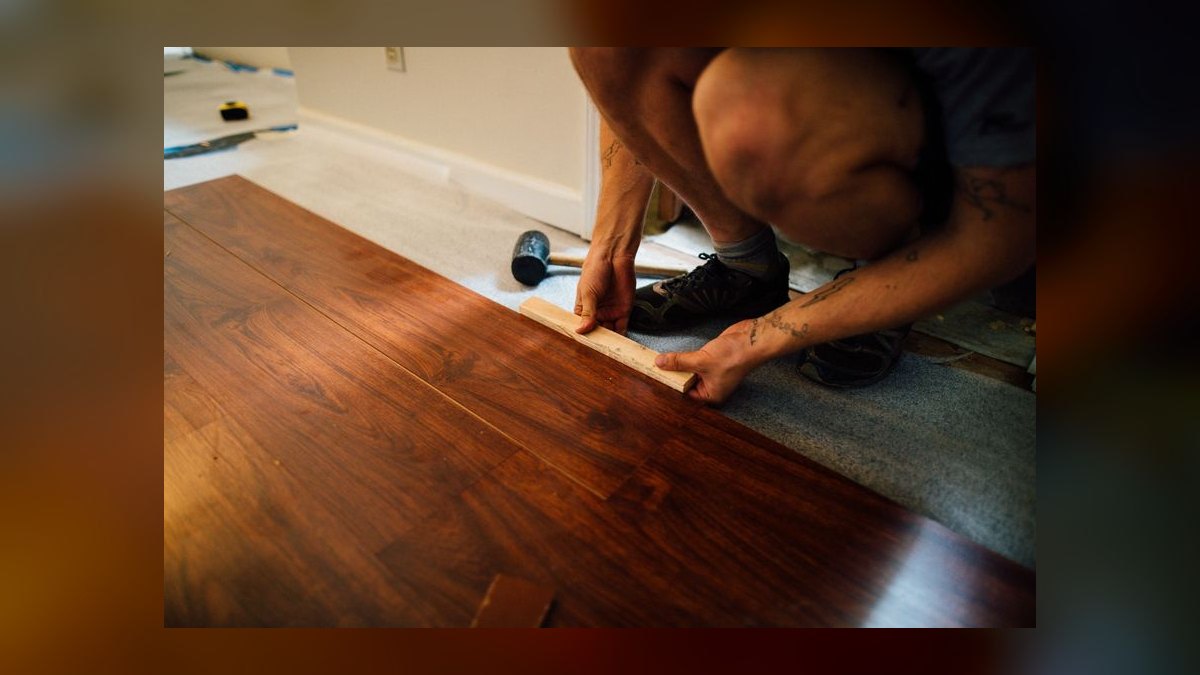
Polished concrete can be the lowest-cost, highest-durability option that meets nearly every landlord standard, but only when the existing slab is in good condition. Here’s the breakdown:
- Cost: Installed cost is typically lower than LVT or carpet tile when no major slab repair is needed (grinding, densifying, polishing, and sealing).
- Lifecycle: Long lifespan with minimal maintenance (just re-seal every few years).
- Moisture tolerance: Polished concrete handles higher moisture levels with a proper densifier; LVT or glue-down carpet often fails without a costly moisture barrier.
- Acoustics: It’s noisy — add area rugs or acoustic panels to mitigate.
The catch: polished concrete only works if your existing slab is in good structural condition — no major cracks, spalling, or unevenness. If the slab has heaving or settlement cracks, you’ll need concrete repair, which can push total cost up and make LVT more competitive. Always get a concrete scan (ground-penetrating radar) to check for post-tension cables or embedded conduits before grinding — hitting a cable can be very expensive to repair.
LVT: The Second-Cheapest That Passes
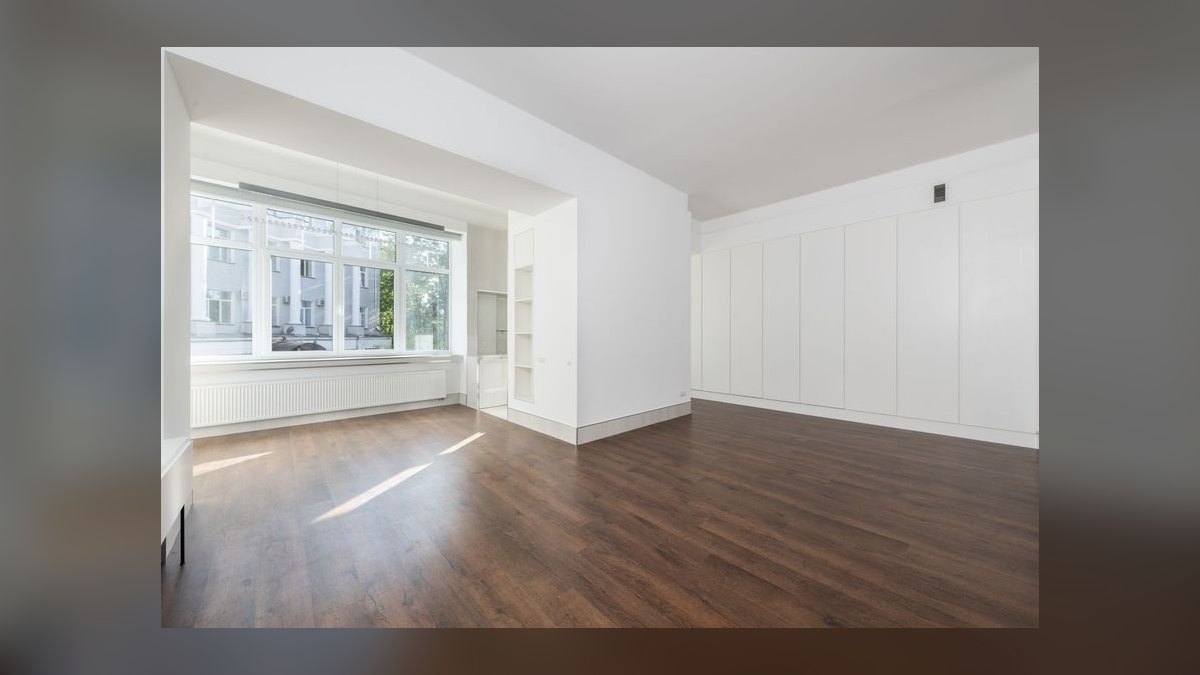
Luxury vinyl tile (LVT) is the runner-up for cheapest approved option, especially when you need a finished look without exposed concrete. Landlords accept LVT because:
- It meets fire rating and slip resistance standards.
- It’s waterproof — critical for break rooms, restrooms, and entryways where carpet is banned.
- It’s easy to replace in sections — unlike poured epoxy or sheet vinyl.
But LVT has hidden costs: the subfloor prep is unforgiving. If your slab has flatness issues, you’ll need a self-leveling underlayment. And if the slab has moisture issues, you’ll need a vapor barrier. Total all-in can be higher than polished concrete. Also, LVT off-gassing (VOCs) can trigger LEED or WELL compliance issues — specify low-VOC adhesives to avoid lease disputes.
Carpet Tile: Cheap Upfront, Expensive Over Time
Carpet tile is the most common flooring in commercial leases, but it’s not the cheapest when you factor in lifecycle. Landlords like it because:
- It hides subfloor imperfections — no need for expensive leveling.
- It absorbs sound — great for open offices.
- It’s replaceable in patches — damage from spills or wear can be swapped out.
But carpet tile has a shorter lifespan in high-traffic areas, and landlords often require replacement at tenant’s expense if it’s stained or worn at move-out. Plus, many landlords now ban carpet in kitchenettes, break rooms, and bathrooms due to mold liability — so you’ll need a second flooring type anyway, driving up total cost. If you do choose carpet, specify solution-dyed nylon (not polyester) — it resists stains better and meets indoor air quality standards.
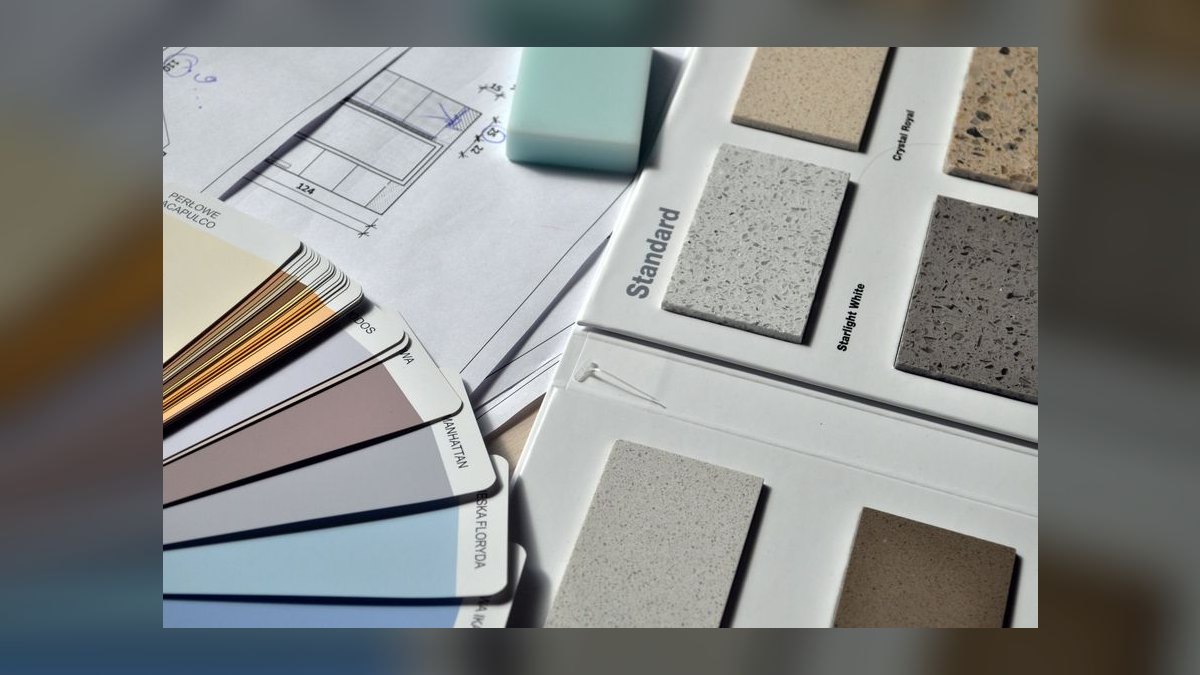
Negotiating Flooring Into Your TI Allowance
The cheapest flooring is free flooring — meaning the landlord pays for it through your tenant improvement (TI) allowance. Here’s how to work the system:
- Itemize flooring as a separate line item in your work letter. Many landlords lump flooring into a “finishes” allowance that also covers paint, ceiling tiles, and millwork. Break it out so you know exactly what’s allocated.
- Use the “base building standard” loophole: If the lease says the landlord provides “standard carpet tile,” ask for a credit equal to the cost of that carpet and install polished concrete instead. The landlord saves on future replacement, and you get a better floor.
- Negotiate a “flooring cap” — e.g., the landlord pays up to a certain amount for carpet, and you pay the difference for a premium floor. If you choose polished concrete at a lower cost, you pocket the difference as savings or apply it to other improvements.
- Watch the “restoration” clause: Some leases require you to restore the floor to its original condition at move-out. If you install polished concrete, you may need to grind it again to remove tenant-specific logos or colors — negotiate a “broom-clean” standard instead.
Pro tip: many landlords are offering “green” TI allowances for sustainable materials. Polished concrete qualifies for LEED points (MR credit for using existing slab) and can unlock additional incentive funding.

The Hidden Cost: Moisture and Subfloor Prep
The biggest hidden cost in any flooring project is subfloor prep — and it’s the #1 reason a “cheap” floor becomes expensive. Here’s what to budget for:
- Moisture vapor testing — if your slab has high moisture levels, you’ll need a vapor barrier.
- Self-leveling underlayment — required if your slab is out of flatness. This is mandatory for LVT and carpet tile but optional for polished concrete (polishing can correct minor unevenness).
- Crack repair — a slab with multiple cracks can add cost across the entire space.
- Asbestos testing — if the building was built before certain years, the mastic (adhesive) under existing VCT or carpet may contain asbestos. Abatement is expensive, and you can’t install new flooring until it’s removed.
Always get a flooring contractor’s pre-installation inspection before signing a lease. If the slab is in poor condition, you can negotiate a reduction in rent or a higher TI allowance to cover prep costs.
How to Verify Your Landlord’s Actual Flooring Requirements Before You Buy
The single biggest mistake tenants make is assuming what “base building standard” means without reading the specific lease language. Landlords rarely use the same definition. Some require a minimum wear layer on vinyl products, while others simply demand a “commercial-grade” finish that resists staining for the lease term. To avoid buying flooring that later gets rejected, take these steps before purchasing anything:

First, request the landlord’s work letter or tenant improvement guidelines in writing. These documents often include a specific list of acceptable flooring materials, required installation methods (like glue-down versus floating), and minimum performance standards. If the landlord says “carpet is fine,” ask whether they require a particular density or backing type—many now mandate moisture-resistant backing in any space with plumbing.
Second, inspect the subfloor condition yourself or with a contractor. Polished concrete works only if the existing slab is level, crack-free, and has no moisture vapor emission issues. If the slab fails a simple moisture test (you can buy a calcium chloride test kit for a modest cost), you may need an epoxy coating instead, which changes the cost equation. Similarly, VCT buff-and-recoat only works if the existing tiles are well-adhered and free of asbestos—older buildings may require abatement before any work.
Third, get a written sign-off from the landlord’s property manager or construction representative on your proposed flooring choice before installation. A quick email with a photo or sample link can save you from a costly rip-out later. Some landlords will even provide a list of pre-approved flooring vendors who already meet their standards, which can save you research time.

If the landlord is vague or refuses to put requirements in writing, default to the most conservative option: a glue-down luxury vinyl plank with a sufficient wear layer. This material is widely accepted, easy to repair, and costs only slightly more than the cheapest options while eliminating almost all rejection risk.
The Hidden Cost Trap: What Makes a “Cheap” Floor Expensive
The upfront material price is only half the story. The true cost of any flooring includes installation, maintenance, and eventual removal—and the cheapest option often fails on these hidden factors. Here’s what to watch for:
Installation complexity. Polished concrete sounds free (you already have a slab), but proper polishing requires grinding, sealing, and often multiple coats of densifier. If your space has existing adhesive residue, leveling issues, or patching needs, those costs can quickly exceed a simple vinyl installation. Always get a quote for “slab preparation” separately from the polishing cost—many contractors bundle them, hiding the true expense.

Maintenance frequency. Landlords typically require flooring to remain in “broom-clean” condition at move-out, but some standards demand professional cleaning or recoating. Polished concrete needs periodic resealing (every 2-5 years depending on traffic), while VCT requires stripping and waxing annually. Vinyl sheet goods often need only damp mopping, making them the lowest-maintenance option over a typical 5-7 year lease term.
Removal liability. Your lease likely requires you to restore the space to its original condition at move-out. If you install a glued-down product over an existing floor, you may need to pay for removal and disposal—which can cost as much as the original installation. Floating floors (like laminate or click-lock vinyl) avoid this trap because they can be lifted and taken with you. Always check your lease’s restoration clause before choosing a permanent adhesive method.
Warranty gaps. Cheaper flooring often comes with shorter warranties or excludes commercial use entirely. A residential-grade laminate may look identical to a commercial product but will delaminate within a year under heavy foot traffic. Look for products labeled “commercial” or “light commercial” with a warranty that covers the lease term—the extra upfront cost is usually offset by avoiding a replacement mid-lease.

To calculate your true cost, ask three contractors for a “total installed cost” that includes materials, labor, subfloor prep, and removal at end of lease. Compare that number to the material-only price you see online—the gap can be significant, completely changing which option is actually cheapest.
When to Break the Rules: Exceptions for Short Leases and Subleases
The “cheapest compliant” advice assumes a standard 5-10 year lease. But if your situation is different, the optimal flooring changes dramatically:
Short-term leases (under 3 years): Don’t install anything permanent. Instead, use interlocking carpet tiles or loose-lay vinyl planks that require no adhesive and can be removed in hours. These products cost more per square foot (often more than the cheapest option) but save you from paying for removal and restoration at move-out. Many landlords accept them as “temporary finishes” as long as the subfloor underneath is protected with a vapor barrier. You can also negotiate a clause in your lease that allows you to leave the flooring behind as a “beneficial improvement,” avoiding removal costs entirely.

Subleases or shared spaces: You may not need to meet the primary landlord’s standards at all—only the sublandlord’s. Sublandlords often have less stringent requirements because they already have an existing floor in place. Ask for written permission to use a lower-cost option like peel-and-stick vinyl tiles (which cost less than glue-down) as long as they don’t damage the subfloor. Many sublandlords will approve this if you agree to remove the flooring at sublease end.
Pop-up or temporary use: If you’re opening a short-term retail space or event venue, consider floor paint instead of traditional flooring. Epoxy floor paint costs a fraction of polished concrete and can be applied directly over clean concrete. It meets most base building standards for durability and moisture resistance, and can be repainted quickly between uses. Just confirm with the landlord that paint is considered a “floor finish” rather than a “coating”—some leases restrict coatings but allow paints.
Negotiation tip: In any short-term scenario, offer to pay for a flooring inspection at move-out rather than restoring to original condition. This shifts the risk to the landlord—if the floor is in acceptable shape, you avoid removal costs entirely. Many landlords accept this for tenants with strong credit or a short lease term.
FAQ
Can I just paint the concrete floor instead of polishing it? Yes, but most landlords reject painted concrete because it chips, stains, and fails moisture tests — it’s not considered a durable finish. You’d need an epoxy coating which is essentially polished concrete’s pricier cousin.
Does polished concrete meet ADA slip resistance standards? Yes, when properly sealed with a non-slip additive. A standard polished slab with an appropriate finish provides slip resistance that meets commonly accepted safety guidelines.
What if my lease says “carpet throughout” — can I change it? You can, but you’ll likely need landlord’s written consent and may have to restore carpet at move-out. Negotiate a “flooring substitution” clause during lease signing to avoid this.
Is LVT cheaper than polished concrete in the long run? No — polished concrete has a longer lifespan with minimal maintenance, while LVT needs replacement more frequently. Over a long period, polished concrete costs less total.
What’s the cheapest flooring for a warehouse or industrial space? Sealed concrete (just a densifier and sealer, no polishing) — it meets most industrial landlord standards for slip resistance and dust control.
Do building codes require flooring to be antimicrobial? Not universally, but many local codes now require antimicrobial flooring in healthcare, food service, and daycare spaces. Polished concrete and LVT with silver-ion additives meet this standard — carpet does not.
Sources
- International Code Council (ICC) — building code updates on moisture management and slip resistance
- ASTM International — F1869 (moisture vapor emission) and E648 (critical radiant flux) standards
- American National Standards Institute (ANSI) — A137.1 for slip resistance
- U.S. Green Building Council (USGBC) — LEED credits for polished concrete and low-VOC materials
- Building Owners and Managers Association (BOMA) — standard lease language for base building finishes
- National Association of Realtors (NAR) — commercial lease negotiation guides
- Floor Covering News — industry cost surveys for commercial flooring
Related on PULSE
- [What's the cheapest ceiling treatment that satisfies landlord base building standards in 2027?](/knowledge/bo0316)
- [What's the cheapest framing material that meets code for a private office buildout in 2027?](/knowledge/bo0302)
- [Base Building vs Tenant Work: What Am I Actually On the Hook For?](/knowledge/bo0159)
@Kory-White- · if Venmo asks, the last 4 of my number are 2012
 editorialMy Thoughts: How Do I Save on Buildout by Taking a Second-Generation Restaurant Space
 boWhat are the hidden costs of a warm shell delivery that landlords don’t disclose?
 boHow do I force the landlord to pay for an independent cost estimator?
 boShould I hire a tenant rep broker to oversee my buildout or manage it myself?
 boHow do I negotiate a cap on my out-of-pocket costs for the buildout?
 boHow do I terminate a lease early if the landlord fails to deliver the buildout as promised?
 boHow do I negotiate a hard cap on my shared plaza maintenance costs after the buildout?
 boWhat Are the Good and Bad Clauses in a Commercial Lease?
 boShould I demand the landlord provide a third-party cost breakdown for every line item in their GC bid
 boHow do I calculate the true cost of using the landlord’s preferred GC versus my own