


How do I negotiate a co-working flex space buildout with shared corridors and common areas in 2027
Quality
Certified
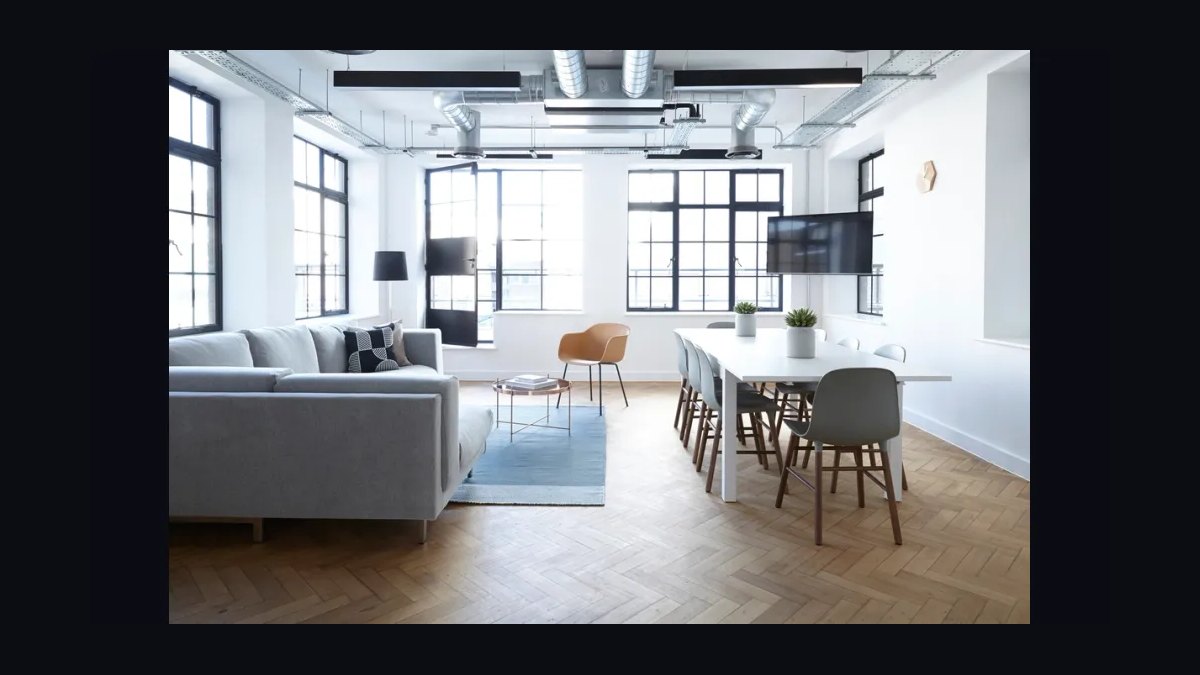
Negotiate the co-working buildout by splitting costs cleanly: the landlord funds base building and corridor shells from capital, tenant improvement covers your finishes, and shared-area charges are capped by a defined load factor. Put the operating agreement in a lease exhibit, and block the CAM double-dip that bills shared space twice.
Pin down usable, rentable, and the load factor before anything else
In a flex space you occupy two kinds of square footage: the usable area you actually control — your private offices, your suite, your dedicated meeting room — and a proportional slice of shared corridors, restrooms, break rooms, and lobbies that the landlord folds into your bill through a load factor. The load factor is the percentage the landlord adds to usable square footage to produce the rentable square footage you pay rent on. A single-tenant floor might carry a low-teens load factor; a heavily amenitized co-working floor with wide corridors, generous lounges, and shared kitchens can push the number much higher, and every point of load factor is rent you pay on space you never lock behind your own door.
The negotiation move is to make the landlord show their measurement math. Ask which standard they used — the BOMA office measurement standard is the most common reference point — and ask for the marked-up floor plan that shows exactly which square feet count as usable, which count as building common area, and which count as floor common area. Once the numbers are transparent, negotiate a cap on the load factor so that a later re-measurement or a redesign of the common areas can't quietly inflate your rentable footage mid-lease. Without a cap, a landlord who rebuilds a lounge or widens a corridor can grow your rent without touching your suite.

Also confirm whether the load factor is applied once or compounded. Some landlords apply a floor common-area factor and then a building common-area factor on top, stacking two percentages so the effective add-on is larger than the single number they quoted. Get the stacked, final, all-in load factor in writing, and tie your rent, your tenant improvement allowance, and your operating-expense share to that one agreed number so there is no room for a second interpretation later.
Draw the base-building versus tenant-improvement line in the work letter
Every buildout has two cost buckets. Base building work is the landlord's capital responsibility: the core HVAC system, electrical risers, elevator cabs, structural corridor shells, fire-rated corridor doors, and the restroom and lobby cores. Tenant improvement work is funded from your TI allowance: demising walls, flooring, lighting fixtures, data cabling, and the finishes inside your private offices. The fight in a co-working deal is that the shared corridor sits squarely on the boundary — the landlord wants to call the whole hallway a tenant improvement so it drains your allowance, and you want the structural shell treated as base building.

Settle it as an explicit split in the work letter. A clean formulation is: "Landlord shall provide, at Landlord's sole cost, the corridor shell, fire-rated corridor doors, code-required egress lighting, and the base HVAC and life-safety systems serving the corridor; Tenant shall fund corridor finishes, branded signage, and accent lighting from the TI allowance." That sentence does two things at once — it keeps the expensive structural and life-safety work off your allowance, and it still lets you control the look and quality of the hallway your clients walk through.
Two traps live in this section. First, never accept a "turnkey" buildout without a line-item budget. Turnkey sounds generous because the landlord builds everything, but with no itemization they default to the cheapest finishes and the slowest schedule, and you never learn how much of the spend went to shared space versus your suite. Demand the cost breakdown and approval rights over material selections. Second, confirm the space is delivered to current code as base building. If the landlord has to add sprinkler heads, upgrade egress, or bring restrooms to accessibility standards to make the floor legal, that is a landlord code obligation, not a charge you fund out of TI.
Size the TI allowance against rentable footage and carve out the shared line
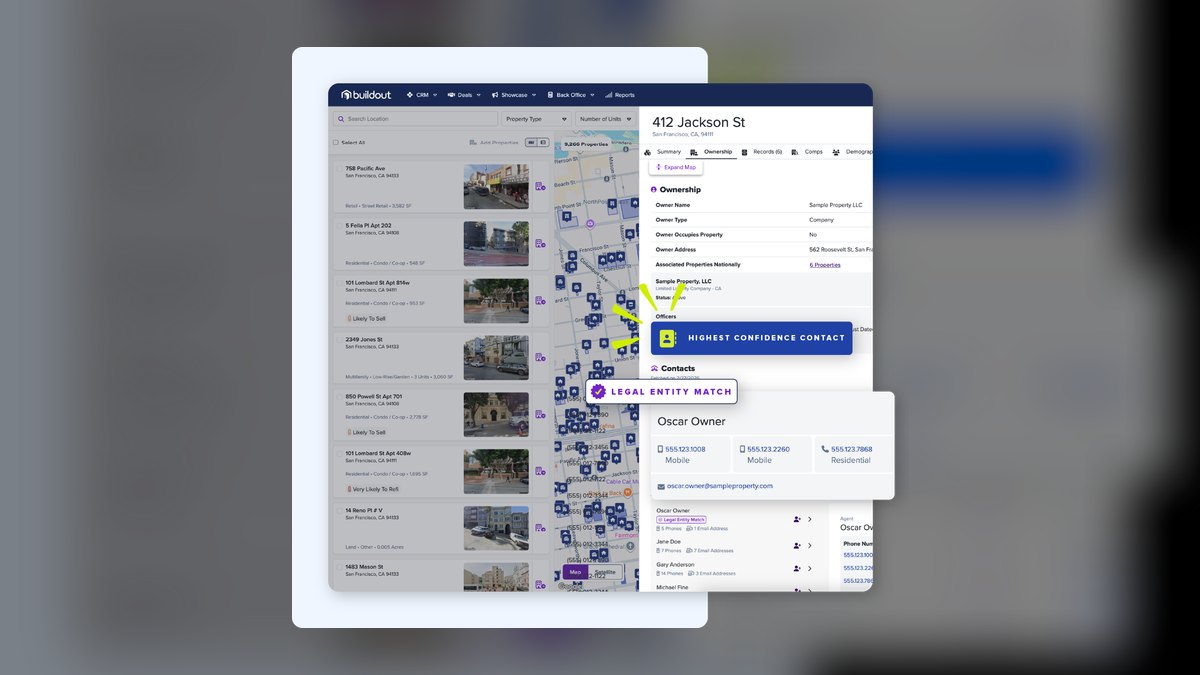
The allowance fight has a subtle sleight of hand. Landlords advertise tenant improvement dollars "per rentable square foot," which sounds like the larger, load-factored number is doing the work — then they cap the total dollar figure against your smaller usable footage, so the effective allowance is thinner than the headline. Push for the full allowance calculated on rentable square footage, and get the total dollar cap written as an explicit number so there is no ambiguity about which measurement the cap tracks.
Then create a dedicated shared-space budget line inside the work letter — a specific dollar amount earmarked for corridor finishes, common-area lighting, directory and wayfinding signage, and shared furniture. Without that carve-out, nothing stops the landlord from spending your allowance on their own lobby upgrade and handing you a bare-concrete hallway. The line item makes the shared spend visible and gives you standing to object if the money drifts.
Negotiate what happens to unused allowance, too. If the buildout comes in under budget, you want the remainder available as a rent credit or as additional TI for a later phase, not silently retained by the landlord. And clarify amortization: if you ask for TI above the landlord's standard offering, the excess is usually amortized back into your rent at an interest rate over the lease term. Negotiate that rate down and confirm it applies only to the over-standard portion, because an unfavorable amortization rate quietly converts a generous-looking allowance into an expensive loan.
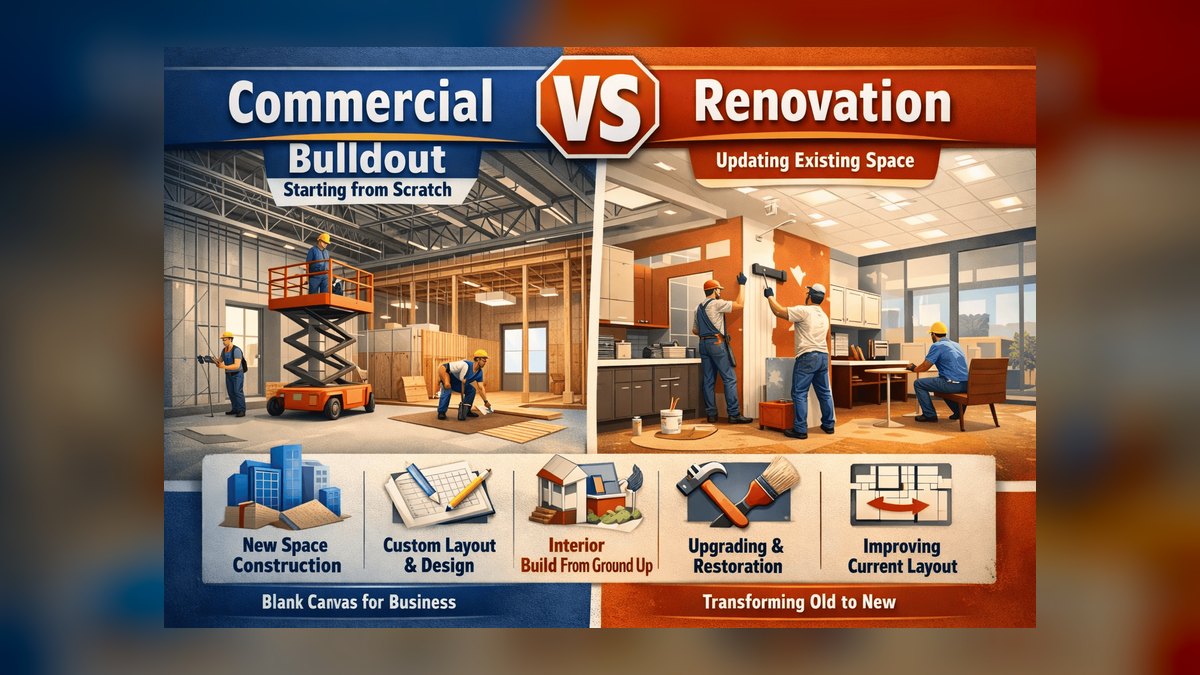
Finally, tie allowance draws to milestones and lien releases. You want the landlord funding progress payments against completed, inspected work with contractor lien waivers, so you are never in a position where the allowance is spent but a subcontractor with a mechanic's lien has a claim against the space you occupy.
Kill the CAM double-dip and control the escalations
The common-area maintenance double-dip is the landlord's favorite hidden margin in co-working leases. The mechanics: they charge rent on your rentable square footage, which already includes a load factor for shared corridors and common areas — and then, in the annual CAM reconciliation, they bill you a pro-rata share of cleaning, utilities, and maintenance for those same shared corridors and common areas. You pay for that space twice, once baked into rent through the load factor and again through operating expenses.
Two defenses work. The cleaner one is a CAM exclusion clause: "Common-area maintenance charges shall exclude the cost of cleaning, utilities, and maintenance for corridor and common-area square footage already accounted for in the Rentable Square Footage load factor." The simpler alternative is to demand that CAM be calculated on usable square footage while rent carries the load factor — pick one method and hold the landlord to it, because legitimate landlords will accept that you should not pay for the same corridor under two different headings.
Beyond the double-dip, control how CAM grows. Negotiate a cap on controllable operating-expense increases — a common structure limits controllable expenses to a low-single-digit percentage increase per year, compounded, while uncontrollable items like property taxes and insurance pass through uncapped. Watch the base year if you are an early tenant: on a lightly occupied floor the first-year CAM base is artificially low, and as the building fills up your reconciliations balloon. Negotiate a "grossed-up" base year that assumes stabilized occupancy — typically modeled at roughly 95 percent — so the base and the actuals are measured on the same footing and you are not punished for arriving first.
Also secure an audit right. You want the contractual ability to inspect the landlord's books behind a reconciliation, with the landlord covering the audit cost if the review turns up an overcharge above a threshold. That right alone discourages sloppy or aggressive pass-throughs, because the landlord knows the math can be checked.
Make the co-working operating agreement a lease exhibit, not a handshake
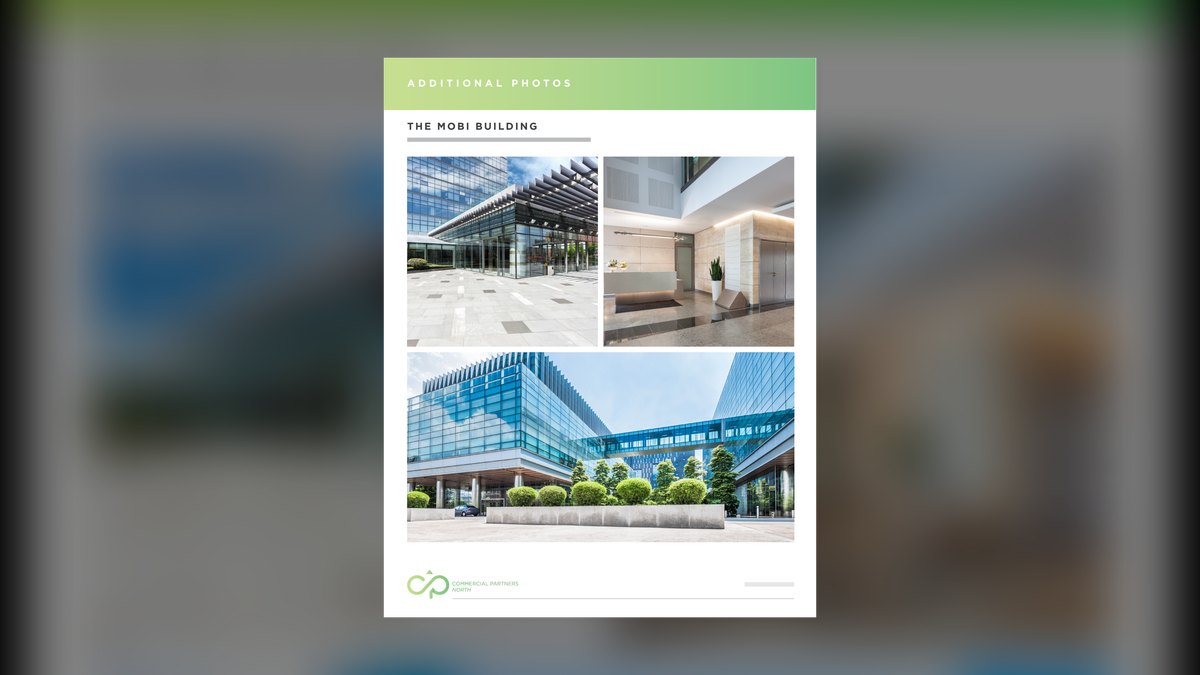
A flex space is an operating partnership among you, the landlord, and every other tenant sharing the corridors and kitchen. Absent written rules, you inherit disputes over noise, cleaning cadence, kitchen etiquette, conference-room hoarding, and who pays when a guest breaks a fixture in shared space. The operating agreement is where those rules live, and it belongs as a numbered exhibit attached to the lease — enforceable and incorporated — never as a verbal understanding that evaporates after move-in.
The agreement should nail down access hours (business-hours-only versus around-the-clock, and whether after-hours HVAC in shared zones carries an extra charge), cleaning standards and frequency for shared restrooms and kitchens, and a booking system for shared conference rooms with time limits and a tie-breaker for conflicts. It should also fix liability through a cross-liability provision: each tenant is responsible for damage caused by its own employees and guests, so you are never on the hook collectively for another tenant's spilled coffee or broken sink. And it should spell out your signage rights — logo on the corridor door, presence on the lobby directory — because rights not written down become the landlord's to grant or deny after you have already committed.
If the landlord refuses to reduce the operating rules to a signed exhibit, treat that as a material red flag rather than a paperwork quibble. In a multi-tenant flex environment, verbal assurances about cleaning, access, and liability are worth nothing the day a dispute starts.
Turn the shared corridor into leverage instead of a liability

Shared corridors and common areas are not only cost lines — they are negotiating chips, because the landlord needs those spaces to look good to lease the rest of the floor. Use that shared interest. Offer to accept a longer term or a modestly higher base rent in exchange for a larger TI allowance directed at the common areas, and frame the upgraded corridor finishes, acoustic treatment, or branded entry as improvements that raise the whole asset's value while giving your clients a better arrival experience. The landlord gets a more leasable floor; you get a nicer environment without carrying the full cost.
Where your suite abuts vacant space along the shared corridor, negotiate a right of first offer or right of first refusal on that adjacent space. It gives you control over how the corridor and your neighbor situation evolve, and it prevents a competitor from landing next to you and reshaping the shared environment. You can also negotiate expansion and contraction options tied to your corridor footprint so the deal flexes as your headcount changes.
Protect the timeline the same way. Shared-zone work requires landlord coordination and often waits on other tenants, so build in specific schedule protections: a quiet period during your buildout so adjacent construction doesn't bury you in dust and noise, guaranteed contractor access to shared corridors during defined hours, and a requirement that the landlord finish shared infrastructure — corridor flooring, ceiling grid, life-safety — before your suite work begins. Back it with teeth: if landlord-caused delays in the shared areas push your completion, you get rent abatement or a commencement-date deferral. Financial accountability is what keeps your buildout a priority instead of an afterthought behind the landlord's other tenants.
Related questions

How is the load factor different from the CAM charge?
The load factor inflates your rentable square footage so you pay rent on a share of shared space; the CAM charge bills operating and maintenance costs for common areas. They are separate mechanisms — the risk is being charged for the same corridor under both at once, which you block with a CAM exclusion clause.
Who pays to bring a shared corridor up to fire code?
Code-required life-safety work — egress lighting, fire-rated doors, sprinkler coverage — is base building and belongs on the landlord's capital budget, not your TI allowance. Confirm in the work letter that the space is delivered to current code before your finish work starts.
Should I take a turnkey buildout or manage it myself?
Take turnkey only with an itemized budget and approval rights over materials and schedule. Without those, the landlord defaults to the cheapest finishes and slowest timeline. A TI allowance you control gives more transparency but shifts coordination and overrun risk onto you.
What is a grossed-up base year and why does it matter?

A grossed-up base year models operating expenses as if the building were near-full — often around 95 percent occupied. It matters most for early tenants on a lightly leased floor, because it prevents an artificially low base year from producing huge CAM increases as the building fills.
FAQ
What is a load factor in a co-working lease? It is the percentage a landlord adds to your usable square footage to produce the rentable square footage you pay rent on, covering your share of shared corridors, restrooms, and common areas. Ask which measurement standard produced it, confirm whether factors are stacked, and negotiate a cap so it can't grow mid-lease.
Can I negotiate the TI allowance for shared space? Yes. Push for the allowance calculated on rentable square footage with an explicit total dollar cap, and carve out a dedicated shared-space budget line for corridor finishes, signage, and common-area furniture. That line item keeps the landlord from spending your allowance on their own lobby.
What is the CAM double-dip in co-working?
It is when the landlord charges rent on shared space through the load factor and then bills that same shared space again through CAM cleaning and maintenance. You address it with a CAM exclusion clause or by having CAM calculated on usable footage while rent carries the load factor.
How do I avoid liability for damage in shared areas? Negotiate a cross-liability provision in the operating agreement making each tenant responsible for damage caused by its own employees and guests, not the collective. Attach the operating agreement as a numbered lease exhibit so the rule is enforceable rather than a verbal understanding.
What happens if the landlord refuses a written operating agreement? Treat it as a material red flag. Without a signed exhibit governing access, cleaning, booking, and liability, you have no recourse in the disputes that shared corridors inevitably produce. Verbal promises in a multi-tenant flex space are unenforceable the day a conflict starts.
How do I protect my buildout timeline in shared spaces? Secure a quiet period during your work, guaranteed contractor access during defined hours, and a requirement that landlord-controlled shared infrastructure finishes before your suite work begins. Back it with rent abatement or a commencement-date deferral if landlord-caused shared-area delays push your completion.
Sources
- https://www.boma.org — Building Owners and Managers Association International, office measurement standards and load factor references
- https://www.naiop.org — Commercial Real Estate Development Association, flex and multi-tenant development resources
- https://www.corenetglobal.org — CoreNet Global, corporate real estate and tenant improvement negotiation practices
- https://www.ifma.org — International Facility Management Association, common-area operations and maintenance standards
- https://www.nar.realtor — National Association of Realtors, commercial lease and CAM reconciliation guidance
- https://www.usgbc.org — U.S. Green Building Council, LEED standards relevant to shared commercial buildouts
- https://www.ifma.org/resources — facility management benchmarks for shared-space cleaning and maintenance
Related on PULSE
- How Do I Negotiate Co-Working or Flex-Space Terms?
- How Do I Cap CAM (Common Area Maintenance) Charges?
- How do I negotiate a hard cap on my shared plaza maintenance costs after the buildout?
- How Do I Budget a Commissary or Shared Kitchen Buildout?
- How do I avoid paying for structural upgrades the landlord should cover to bring the space to code
- How do I force the landlord to pay for my temporary space while my buildout runs over schedule
This page will be disappearing soon. Save it to your device for $1 — or read it free while it is here.
@Kory-White- · if Venmo asks, the last 4 of my number are 2012
This page is gone.
This one is off the shelf now. $1 keeps it on your phone for good — the whole page, pictures and diagrams included.
 boCan I use a lease escalation clause to offset future buildout maintenance costs in 2027
 boWhat is the typical timeline for a medical office buildout with MRI slab reinforcement in 2027?
 boHow do I get a performance bond from the landlord’s contractor for my buildout in 2027
 boWhat's the cheapest framing material that meets code for a private office buildout in 2027?
 boWhat’s the smarter move—signing a longer lease for more TI or a shorter lease for less in 2027?
 boWhat’s the average timeline for a full-service restaurant buildout approval in 2027
 boHow do I negotiate a hard cap on my shared plaza maintenance costs after the buildout in 2027?
 boWhat’s the cheapest way to finish a raw shell space for a small retail store in 2027?
 boWhat’s the average TI allowance per square foot for medical office space in 2027
 boWhat's the average per-square-foot cost for a restaurant buildout with full kitchen in 2027?