
How do I structure a redevelopment deal where the tenant pays for the building skin
 Curated byKory White · Fractional CRO · Maryland
 PULSEKNOWLEDGE LIBRARY
Structure it as a long-term net lease with a skin cost recovery rider: the tenant funds the exterior envelope, the landlord holds legal title and depreciation, and the tenant recoups the spend through amortized rent credits over the term. An unamortized-balance clause on default, a capped scope definition, and CPA review of the rent characterization make it enforceable.
The end-to-end redevelopment process when the tenant funds the envelope
A tenant-funded skin deal is not a normal buildout with a bigger budget — it inverts who carries the construction risk on the part of the building that outlives every lease. Envelope work touches the structure, the permit set, the lender's collateral, and often the municipality's design review. That means the sequence matters more than in an interior job, because a mistake at letter-of-intent time is very expensive to unwind at permit time.
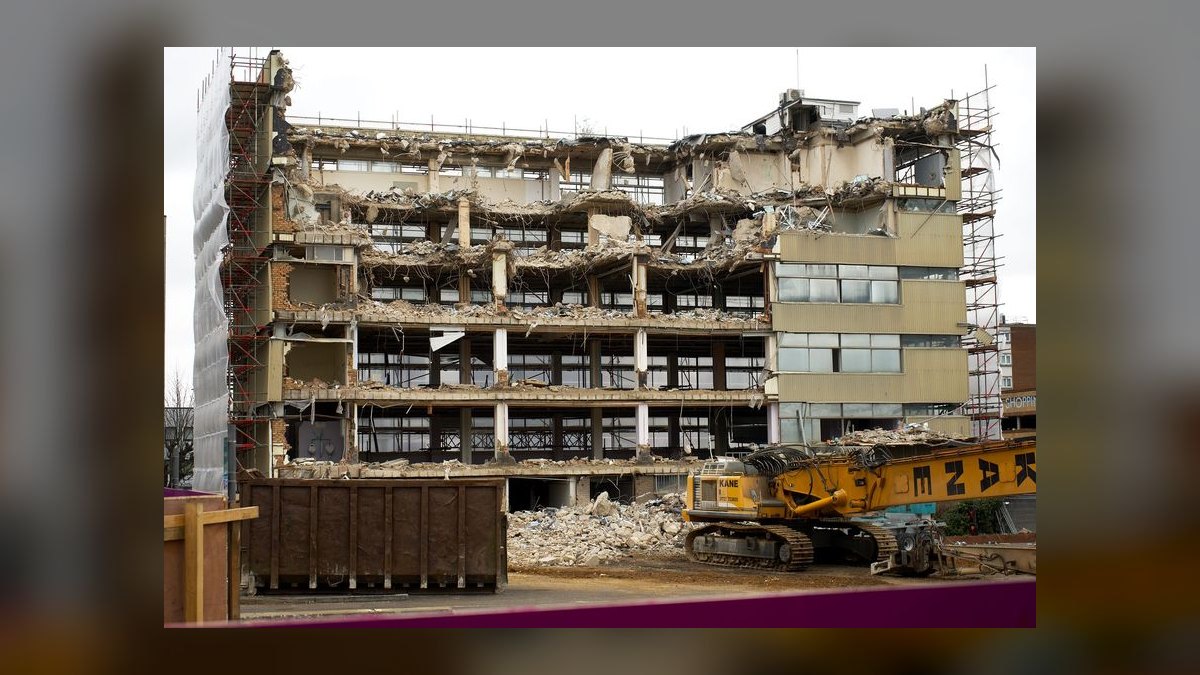
The process runs roughly like this. First comes feasibility: the landlord commissions or shares an existing building condition assessment covering the facade, roof, glazing, and structural attachment points. If the existing skin has water intrusion, failed sealants, or spalling concrete, the redevelopment is partly remediation — and remediation is landlord work in almost every jurisdiction and every lender's view. You want that line drawn before anyone signs, because a tenant will happily pay for a new storefront and will fight hard about paying to fix a twenty-year-old parapet.
Second is the letter of intent. The LOI should not just say "tenant pays for skin." It should name the scope categories, the cap, the recovery mechanism, and who holds title. An LOI that defers all of this to "to be negotiated in the lease" produces a lease negotiation that dies at month four, after both sides have spent real money on design.

Third is schematic design and cost validation. The tenant's architect produces a schematic facade package; a general contractor or a cost estimator prices it. This is where the deal usually gets re-cut, because envelope pricing has enormous spread. Curtain wall, storefront glazing, metal panel, masonry veneer, and EIFS are not remotely the same cost per square foot of facade, and the difference between them can swing the total by a multiple, not a percentage.
Fourth is entitlement and permitting. Exterior changes trigger review that interior work does not: design review boards, historic commissions if the building is in a district or listed, zoning conformance for signage and transparency requirements, and energy code compliance for the new envelope assembly. Energy code is the sleeper item — replacing a meaningful share of the wall or window area can trip a threshold that forces the entire assembly to meet current code, including insulation continuity and air barrier testing.
Fifth is lender and title consent. The landlord's mortgage almost certainly restricts material alterations. The lender must consent to the scope, may require the tenant's contractor to carry specific insurance, and will want the lease and any subordination/non-disturbance agreement to reflect that the improvements become part of their collateral. If the tenant is funding, the lender will also want to see that the tenant's payment cannot be clawed back or converted into a lien.
Sixth is construction and draw administration, then finally closeout: warranties assigned, as-builts delivered, lien waivers collected, commissioning and envelope testing complete, and the amortization schedule that drives rent credits formally fixed based on actual cost rather than estimate.

Roles: who actually controls what
The four seats at the table have genuinely different incentives, and a tenant-funded envelope deal only works when each one's authority is written down rather than assumed.
The landlord owns the asset and, in nearly every version of this deal, should retain legal title to the skin the moment it is affixed. Title matters for three reasons: depreciation, financeability, and disposition. A lender underwriting a commercial building wants one owner of one collateral package, not a building whose exterior wall is arguably someone else's property. The landlord's real job in the process is scope policing — approving the design, approving the contractor, approving the budget, and refusing scope creep that converts tenant-specific branding into a building-wide obligation the landlord will inherit.
The tenant is funding the work and therefore wants design control, schedule control, and certainty that the money converts into economics. The tenant's leverage is straightforward: they are supplying capital the landlord would otherwise borrow. The tenant's exposure is equally straightforward: they are improving an asset they do not own, on a clock that ends when the lease ends. Every protection the tenant negotiates — the credit rate, the unamortized-balance treatment on a landlord default, the right to complete the work if the landlord obstructs it, the assignment rights — exists to shorten the gap between money spent and value received.

The general contractor sits in an unusual position here because the contract may run to the tenant while the work permanently alters the landlord's building. That creates a lien problem. Mechanic's liens attach to the property, not to the party who signed the contract, so a landlord who is not party to the construction contract can still get liened for work they did not order. Practical fixes: the lease requires the tenant to bond around any lien within a set number of days, requires conditional and unconditional lien waivers with every draw, and requires the landlord to be named as an additional insured on the GC's policies. Some landlords insist on holding the GC contract themselves and billing the tenant, precisely to keep lien and warranty control.
The architect and envelope consultant are the roles most often under-resourced. Envelope failures are the most expensive category of construction defect in commercial buildings because water gets behind the assembly and nobody sees it for years. A dedicated building envelope consultant — separate from the design architect — reviewing details, observing installation, and running water testing on mockups is a small line item relative to the cost of a facade that leaks in year three. Specify who hires that consultant and who they report to. If the tenant hires them, the landlord should have approval rights and copies of every report, because the landlord inherits the assembly.
There is a fifth participant worth naming: the property manager or asset manager who will operate the building afterward. They should see the maintenance implications before the design freezes. A facade that requires specialized access equipment, proprietary panel replacements, or a sealant recoating cycle every several years creates operating expense the landlord will carry long after the tenant leaves. Getting operations into the design review is the cheapest risk mitigation available.
Real cost ranges, contingencies, and how the money actually moves
Envelope cost is quoted per square foot of facade area, not per square foot of leasable floor area, and confusing the two is the single most common budgeting error in these deals. A three-story building with a deep floor plate has far less facade per rentable foot than a single-story retail box with a long street frontage. Convert everything to facade area early and hold that as the unit of measure through pricing.

The relative cost hierarchy is stable even when absolute numbers move with market conditions. From least to most expensive per square foot of facade, the rough ordering runs: EIFS and synthetic stucco, metal panel systems, aluminum storefront glazing, masonry veneer, unitized curtain wall, and then bespoke assemblies — custom terracotta, large-format stone, structural glass, and anything with a shadow-box or double-skin condition. Bespoke work can run several multiples of the baseline. When a tenant says "we want the flagship facade," they are usually describing the top of that list.
Beyond the assembly itself, budget these line items explicitly, because they are routinely omitted from the tenant's first number and then appear as change orders:
- Structural modifications. New glazing openings, heavier panel systems, or a canopy require reinforcement, new embeds, or lintel work. Structural is a separate trade with a separate design fee.
- Abatement. Older buildings have asbestos in glazing compounds, sealants, and roofing. Abatement is regulated, schedule-critical, and priced separately.
- Roofing tie-ins. New wall assemblies almost always disturb the roof edge. A partial tie-in can void the existing roof warranty, which converts a small repair into a full replacement.
- Temporary weather protection and shoring during the period the building is open to weather.
- Access. Swing stage, mast climbers, or crane time for a mid-rise adds meaningfully and is schedule-dependent, so delays compound it.
- Sidewalk and right-of-way permits where the work fronts a public way, including pedestrian protection.
- Design and consultant fees — architect, structural engineer, envelope consultant, energy modeling, expediter.
- Commissioning and testing — mockup water testing, field air barrier testing, thermal imaging.

Carry a contingency in the mid-to-high teens as a percentage on renovation envelope work — higher than a ground-up build, because you cannot fully see the existing conditions until demolition exposes them. Split it: a design contingency held during documentation and a construction contingency held during the build, with a written rule about who authorizes draws against each. If the tenant funds and the landlord approves, the default should be joint authorization above a stated dollar threshold and unilateral tenant authorization below it, so the job does not stall for a five-thousand-dollar item.
Now the money mechanics. Three patterns dominate. In the direct-fund pattern, the tenant pays the GC and submits certified cost documentation; the landlord's obligation is to grant credits. Simplest for the landlord, worst for lien control. In the landlord-pays-and-bills pattern, the landlord holds the contract, funds draws, and charges the tenant a monthly amortization line added to rent; this keeps base rent optically high for refinancing and keeps lien and warranty control with the owner. In the escrow pattern, the tenant deposits funds with a title company or the landlord's lender, and draws release against inspections and lien waivers — the cleanest structure when neither side fully trusts the other's balance sheet, and the one lenders like most.
Whichever you pick, fix the amortization on actual certified cost, not on the estimate. Write the schedule as an exhibit to the lease that gets replaced by a final exhibit at closeout, signed by both parties. Deals that skip this end up litigating what the number was three years later.
Common pitfalls in commercial envelope deals
Vague scope definitions. "Building skin" is not a legal term. If the rider does not enumerate — curtain wall, glazing, entrances, cladding, insulation, air and vapor barrier, flashing, sealants, roof membrane and edge, parapet, mullions, sub-girts, and the specific structural attachments — you will argue about the roof. The roof is always the argument. Decide whether roofing is skin scope or landlord capital, and say so in one sentence.

Confusing remediation with improvement. If the existing facade is failing, replacing it restores the landlord's asset to the condition it should have been in. A tenant paying for that is funding deferred maintenance, and sophisticated tenants price that in. The clean approach is a two-column scope: remediation baseline at landlord cost, enhancement delta at tenant cost, with the estimator pricing both columns from the same drawing set.
Ignoring the lender until late. Loan documents restrict alterations, restrict lease modifications, and often require consent for any lease amendment affecting rent. A rent credit reduces contractual rent, which can trip a debt service coverage covenant. Discover that in month one, not the week before closing.
Letting the credit push net effective rent below market. A credit large enough to make the tenant whole quickly can leave the landlord with a rent roll that will not support a refinance or a sale at the expected cap rate. Model the exit before agreeing to the credit. The credit should bring net effective rent to market, not below it.

Getting the tax characterization wrong. If the tenant's payment is not properly characterized, the IRS may treat it as income to the landlord without a corresponding depreciable basis benefit matching the parties' expectations, or may disallow the tenant's deduction timing. Section 467 governs leases with uneven rent, and uneven rent is exactly what a rent-credit structure creates. Have a CPA draft or bless the rent schedule language, and consider a cost segregation study to confirm the classification of components.
Silence on holdover, renewal, and assignment. If the tenant renews, does the amortization continue at the same rate, or was it fully recovered? If the tenant assigns, does the assignee inherit the credit? If the landlord sells, is the rider recorded — via a memorandum of lease — so it binds a successor owner? Unrecorded riders have a way of being forgotten in a portfolio trade.
No restoration or removal clarity. Some tenant facades are aggressively branded. At expiration, does the tenant remove signage and de-brand? Who pays? A de-branding obligation with a cost cap, and a landlord option to waive it and keep the elements, resolves this cleanly.
Skipping envelope testing. Mockup testing before mass production of panels catches detail failures when they cost one panel to fix. Skipping it to save schedule is the most reliably regretted decision in facade work.

Adjacent trap worth flagging: these same failure modes show up in neighboring deal types — a tenant funding a rooftop HVAC replacement, a solar array, an EV charging canopy, or a parking deck restoration. All of them share the structure of a tenant paying for a landlord-owned capital asset with a life longer than the lease. The rider language you build for skin is largely portable to those, and drafting it once with the categories generalized saves the next negotiation.
The negotiation checklist and the order to argue it
Negotiate in this order, because each item constrains the next. Arguing the credit rate before the scope is settled is arguing about a number nobody can compute.
Scope first. Enumerated inclusions, enumerated exclusions, and an explicit statement on roofing and on remediation versus enhancement.

Cap second. A hard maximum tenant contribution, with a stated rule for overages — who approves, who pays, and whether approved overages join the amortization or are simply tenant cost.
Title and depreciation third. Landlord takes title on affixation; tenant takes a security interest until the credit is fully applied. This one sentence prevents most of the downstream fights.
Recovery mechanism fourth. Rent credit versus amortization line item versus free rent. Then the rate, the term (typically the initial term, not including options, unless negotiated), and whether the credit is fixed or escalates with the rent bumps.
Default and termination fifth. Unamortized balance payable on tenant default. Mirror protection on landlord default or a casualty that ends the lease — the tenant should recover the unamortized balance if the building burns down in year three and the lease terminates.
Credit support sixth. Security deposit, letter of credit, or corporate guaranty sized to the peak unamortized exposure, with a burn-down schedule as the balance amortizes.
Transfer provisions seventh. Assignment, sublease, landlord sale, memorandum of lease recording, and lender SNDA consistency.
Construction administration last. Contractor approval, insurance, lien protection, draw procedure, change order thresholds, warranty assignment, and closeout deliverables.
Related questions
Does the tenant ever get to own the skin outright?
Rarely, and only where the assembly is genuinely removable — a demountable storefront system or a mounted signage band. Permanently affixed envelope becomes real property owned by the landlord. Tenants seeking ownership economics should negotiate a purchase option on the building instead.
What happens if the landlord sells mid-term?
The rider binds a successor only if the lease or a memorandum of lease is recorded, and the SNDA confirms the credit obligation survives. Record it. An unrecorded side agreement is the most common way tenants lose a credit stream in a portfolio trade.
How does this differ from a standard TI allowance?
A TI allowance is landlord money flowing to tenant interior work. This is the reverse: tenant money flowing into landlord structure, with the repayment running backwards through rent. The accounting, the title question, and the default remedies all invert accordingly.
Can the same structure fund a roof or HVAC replacement?
Yes. Any tenant-funded capital asset with a life exceeding the lease uses the same skeleton: enumerated scope, cap, landlord title, amortized recovery, unamortized balance on default. Draft the rider with generalized category language and reuse it.
Who carries the warranty after closeout?
Assign manufacturer and contractor warranties to the landlord at closeout, with the tenant named as an additional beneficiary during their term. Otherwise the party who can enforce the warranty is not the party living with the leak.
FAQ
What exactly should the lease list as "building skin"? Enumerate the curtain wall or storefront system, glazing and entrances, exterior cladding, continuous insulation, air and vapor barriers, flashing and sealants, parapet and roof edge, mullions and sub-girts, and the structural attachments serving those assemblies. Explicitly exclude interior finishes, MEP distribution, flooring, and standard tenant improvements. State separately whether the roof membrane is in or out — that omission causes more disputes than any other.
Should the landlord or the tenant hold the construction contract? Landlord-held is safer for lien control, warranty enforcement, and lender comfort, with the tenant funding draws through an escrow. Tenant-held gives the tenant schedule and design control and is common when the tenant is a national operator with an in-house construction group. If tenant-held, require bond-around obligations for liens, unconditional waivers with each draw, and the landlord as additional insured.
How long should the amortization run? Match it to the initial lease term, not the option periods, unless the tenant explicitly buys a longer runway. Running amortization past the initial term forces the tenant to exercise options to recover their money, which is leverage the landlord did not pay for. Fix the schedule on certified actual cost at closeout, not the pre-construction estimate.
What protects the tenant if the building is destroyed or the landlord defaults? A mirror clause: on casualty termination, condemnation, or landlord default that ends the lease, the landlord pays the tenant the unamortized balance. Tie it to insurance proceeds where possible, and confirm the lender's SNDA does not strip the obligation on foreclosure — that last check is the one most often skipped.
Does a rent credit hurt the landlord's financing? It can. Credits reduce contractual rent, which affects debt service coverage and the income basis a buyer capitalizes. An amortization line added to rent, rather than a credit subtracted from it, often reads better to lenders and appraisers even though the net economics are identical. Model the exit valuation before agreeing to the mechanism.
Is this structure only for large national tenants? It works best with creditworthy tenants on long terms, because the landlord is effectively extending value against future rent. Smaller tenants can use a scaled version — narrower scope, shorter amortization, stronger credit support such as a letter of credit or personal guaranty. The drafting skeleton is the same regardless of tenant size.
Sources
- https://www.irs.gov/publications/p946
- https://www.law.cornell.edu/uscode/text/26/467
- https://www.boma.org/
- https://www.aiacontracts.com/
- https://www.uli.org/
- https://uli.org/
- https://www.energycodes.gov/
- https://www.nar.realtor/commercial
- https://www.reit.com/
Related on PULSE
- [How should I structure a lease to reclaim buildout value if I'm evicted for redevelopment?](/knowledge/bo0306)
- [Who Pays for the Demising Wall Between Tenant Spaces?](/knowledge/bo0158)
- [Base Building vs Tenant Work: What Am I Actually On the Hook For?](/knowledge/bo0159)
- [Should I Use a Tenant-Rep Broker, and Who Pays Them?](/knowledge/bo0029)
- [How do I structure a lease to allow me to sell my buildout improvements to the next tenant?](/knowledge/bo0323)
- [How Do I Structure a Buildout So I'm Not Stuck With the Cost If the Deal Falls Through?](/knowledge/bo0024)
@Kory-White- · if Venmo asks, the last 4 of my number are 2012
 editorialMy Thoughts: How Do I Save on Buildout by Taking a Second-Generation Restaurant Space
 boWhat are the hidden costs of a warm shell delivery that landlords don’t disclose?
 boHow do I force the landlord to pay for an independent cost estimator?
 boShould I hire a tenant rep broker to oversee my buildout or manage it myself?
 boHow do I negotiate a cap on my out-of-pocket costs for the buildout?
 boHow do I terminate a lease early if the landlord fails to deliver the buildout as promised?
 boHow do I negotiate a hard cap on my shared plaza maintenance costs after the buildout?
 boWhat Are the Good and Bad Clauses in a Commercial Lease?
 boShould I demand the landlord provide a third-party cost breakdown for every line item in their GC bid
 boHow do I calculate the true cost of using the landlord’s preferred GC versus my own