


Can I deduct unused TI allowance from my first year's rent payments in 2027?
Quality
Certified
No — unless your lease explicitly says so, and most do not. A tenant improvement (TI) allowance is a landlord-funded construction pool, almost always "use-it-or-lose-it." Unused dollars revert to the landlord unless you negotiated a buyout, cash-out, or rent-abatement conversion upfront. Without that clause in your executed lease, your rent stays unchanged.
What a TI allowance actually is — and why it isn't your cash
A tenant improvement allowance is a fixed sum the landlord commits toward building out your space, almost always quoted as dollars per rentable square foot. A 5,000-square-foot suite carrying a $40/SF allowance gives you a $200,000 TI budget. The point most tenants miss is that this is not money handed to you — it is a construction credit. In many leases the landlord's own contractor performs the work and the allowance is drawn down against invoices; in a "tenant-managed" buildout you front the cost and submit for reimbursement once lien waivers and a certificate of occupancy are in hand.
Because the allowance is tied to physical improvements, it behaves like earmarked capital rather than a rent offset. If your buildout lands at $30/SF against a $40/SF allowance, that leftover $10/SF — $50,000 on a 5,000-SF space — does not automatically become a rent credit. The lease's work letter (usually an exhibit, not the main body) governs what happens to the surplus. The default, absent contrary language, is forfeiture: the unspent balance stays with the landlord, who never had to write the check.
Landlords structure it this way deliberately. Keeping the money in a construction pool caps their capital exposure while protecting base rent — and therefore the building's valuation — at the highest number the market will bear. A converted rent credit lowers the income stream an appraiser capitalizes, so landlords resist it on principle, not just on cash flow. Internalizing that the allowance is landlord capital, not tenant cash, is the mental shift that makes every downstream negotiation make sense. You are not asking for your own money back; you are asking the landlord to give up capital they otherwise keep.
The "use-it-or-lose-it" trap and the lease language that creates it
The forfeiture rule lives in a handful of predictable phrases. The most common states that the allowance "shall be used solely for improvements," with "any unused portion" reverting to the landlord at the end of the construction period. You will also see hard blockers like "Tenant shall not be entitled to any credit, refund, or offset against rent," and discretionary traps like "unused allowance may be applied to rent only in Landlord's sole discretion." That second phrase sounds flexible but gives you nothing enforceable — "sole discretion" means the landlord can always say no.
Two more terms deserve attention. "TI overage" defines what happens when you spend more than the allowance: you pay the excess out of pocket, and sometimes you can amortize it into rent at an interest rate the landlord sets. "Cash equivalent" is the phrase you actually want to see — it means unused allowance can be taken as cash or applied against rent. Its absence is telling. When you read the work letter and find use-it-or-lose-it language with no cash-equivalent provision, treat it as a redline item, not fine print.
Propose replacing the forfeiture sentence with a conversion mechanism, or at minimum a carry-forward window. If the landlord won't budge, the cleanest counter is to ask for a smaller allowance in exchange for lower base rent. That eliminates the unused-funds problem entirely: it moves value out of a construction pool you might not exhaust and into ongoing occupancy cost you will always benefit from. A tenant expecting to underspend by $50,000 might trade $10/SF of allowance for a $1.50–$2.00/SF base-rent reduction — guaranteed savings across every month of the term instead of a one-time surplus fight. The battle is won or lost in the exhibit, so read the work letter before you sign the term sheet, not after.
How to negotiate a TI buyout or rent conversion
If you want the right to recover unused dollars, you have to write it into the lease before signing — post-signature requests are almost universally denied because the budget is already committed. Raise it at the letter-of-intent stage, when both sides still have leverage and nothing is papered yet. Frame it as mutual benefit: "If we come in under budget, we'd like to apply the savings to first-year rent — it helps our cash flow and simplifies your accounting."
Landlords rarely agree to convert 100% of the surplus, because a full cash-out is an outflow with no corresponding asset improvement. What they will often accept is a discounted buyout — you take, say, 50% to 80% of the unused balance, structured as rent abatement or a lump sum net of a small administrative fee. A workable clause reads: "Any unused TI allowance in excess of 10% of the total allowance may be converted to rent abatement at 80% of face value, applied to base rent beginning in month one." Specify three things every time: the trigger (completion of the buildout and final accounting), the split (the percentage you keep), and the mechanism (abatement, credit, or check).
A well-drafted buyout can translate into three to six months of free rent or a direct cash infusion — real dollars against first-year cash flow when a new operation needs them most. Never rely on a broker's verbal assurance; leasing agents don't sign the lease, and an oral side promise is worth nothing when the surplus actually materializes. Watch the accounting trigger closely, too: tie the conversion to final reconciliation and lien-waiver delivery, not to a vague "project completion," so the landlord can't stall recognition of the surplus until the window quietly closes. If it isn't in the executed document, it does not exist.
The tax treatment of buyouts, abatement, and improvements
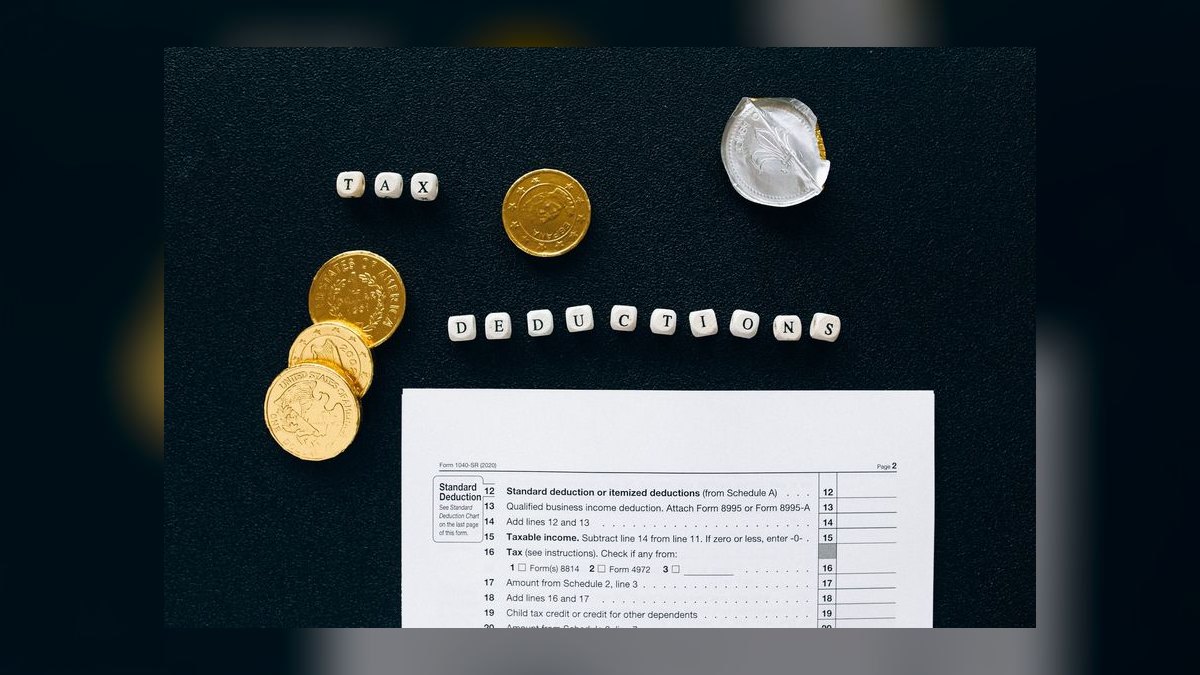
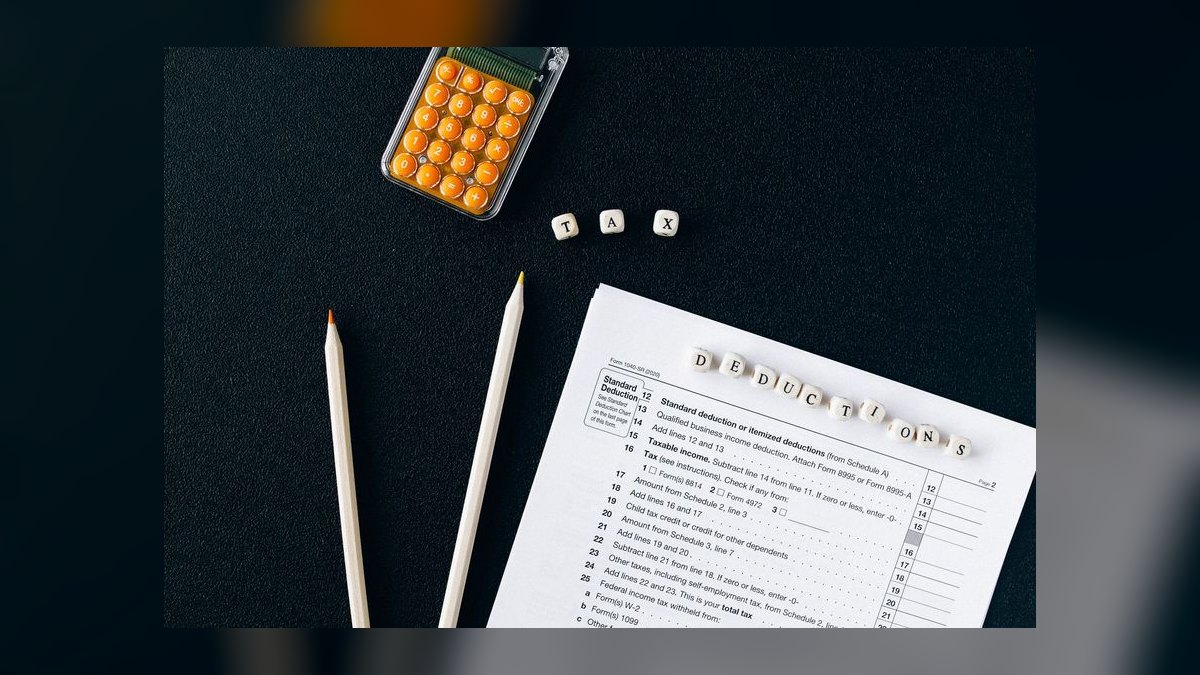
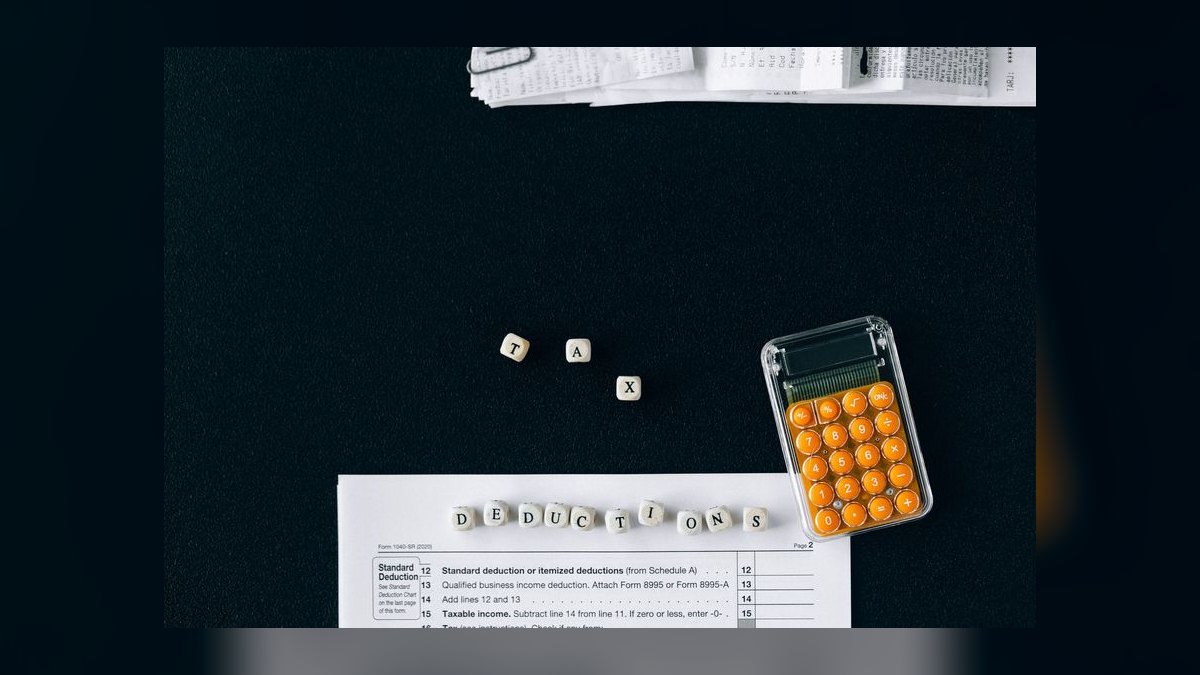
Even when you succeed in recovering unused allowance, the structure you choose changes your tax outcome, and the two paths are not equivalent. A cash buyout — the landlord cutting you a check for the unspent balance — is generally treated by the IRS as taxable income to the tenant, reported as other income in the year received. Rent abatement works differently: free or reduced rent lowers your deductible rent expense for the period, which raises taxable income indirectly by shrinking a deduction rather than adding a receipt.
A simplified example makes the divergence concrete. A $50,000 cash buyout adds $50,000 to income this year. Fifty thousand dollars of abated rent instead reduces your rent deduction by $50,000 across the abatement window. The headline dollar figure is identical; the timing and character are not. The better choice depends on your marginal bracket, your need for immediate liquidity, and whether you'd rather book the hit now or spread it over several months. A cash-strapped startup may accept the tax cost to get liquidity today; a profitable tenant may prefer abatement to smooth the impact.
There is a separate wrinkle for the improvements themselves. Amounts spent on qualifying leasehold improvements are typically capitalized and depreciated rather than expensed all at once, and there are specific IRS rules — including the safe-harbor treatment of qualified construction allowances under Section 110 when the money is genuinely used to improve the landlord's property. If you divert allowance into a rent credit instead of improvements, you can lose the favorable Section 110 characterization and trigger income recognition you didn't plan for. This is precisely the kind of decision where the "smart" cash move can cost you at filing time. Model both structures with a CPA before you commit language to the lease, because the optimal answer is fact-specific and the wrong structure can quietly erode the very savings you negotiated to capture.
Strategic alternatives when a rent deduction is off the table
If the landlord won't allow a rent conversion, don't accept forfeiture as the only outcome — there are several ways to keep the value on your side of the deal. The most common is a carry-forward clause: unused allowance rolls into future improvements within a defined window, often the first 12 to 24 months of the term. That lets you phase a buildout — standard finishes now, an upgraded HVAC unit or an added conference room in year two — without leaving money on the table. Landlords accept carry-forward more readily than cash-outs because the capital stays invested in their building. When you draft it, define the timeline, secure approval rights so the landlord can't unreasonably block a future project, and expect a cap (many limit carry-forward to 50% of the original allowance).
A second route is redirecting surplus toward soft costs the base buildout excluded — signage, security and access-control systems, data cabling, even moving expenses — where the work letter permits. A third is trading up materials within the existing scope: if leftover funds remain, upgrade from builder-grade carpet or lighting to a better finish at no incremental cost, effectively converting cash you'd otherwise forfeit into durable improvements to your own workspace. Finally, consider tying unused allowance to a renewal or expansion option, so it funds a second-phase buildout if you grow into adjacent space.
Each of these requires precise lease language and, ideally, a commercial real estate attorney to draft it — but each turns a "lose-it" outcome into retained value. The through-line is the same as everywhere else in this topic: leverage exists only before signature, and documentation is the only thing that survives it. Rank these alternatives by how likely the landlord is to agree — carry-forward and material upgrades are the easiest yeses, full cash-out the hardest — and lead your ask with the version most aligned with keeping capital in the building.
A practical pre-signing checklist for the TI clause
Before you sign anything, work the TI section like a diligence item, because a few hours here protects five- and six-figure sums later. First, find the work letter — it is usually an exhibit or addendum, not the main lease body, and it controls the allowance mechanics. Read it for three things: how the allowance is disbursed (landlord-built versus tenant-managed reimbursement), what triggers forfeiture, and whether any conversion, cash-out, or carry-forward mechanism exists. If you see "use-it-or-lose-it," "no credit or refund," or "sole discretion," flag each one for negotiation.
Second, quantify your realistic buildout cost per square foot against the offered allowance and estimate the likely surplus or overage. If you expect to underspend, prioritize a conversion or carry-forward clause; if you expect to overspend, negotiate the overage amortization rate and confirm you're not exposed to an open-ended markup. Third, decide your preferred recovery structure — abatement versus cash — with your CPA, since the tax treatment differs and should inform the exact clause you request.
Fourth, get everything executed in the lease itself; a broker's email is not enforceable. Fifth, engage a tenant-rep broker who specializes in your market and asset type, plus a commercial real estate attorney to draft the specific language — the cost of both is trivial against the allowance at stake. Finally, remember the clean fallback that sidesteps the entire problem: if the landlord refuses every recovery mechanism, ask for a reduced allowance paired with lower base rent, converting uncertain construction capital into guaranteed monthly savings. Every dollar of unused TI you plan for in advance is a dollar that improves your first-year position instead of quietly returning to the landlord.
Related questions
What happens if I overspend my TI allowance instead of underspending?
You cover the overage yourself. Some leases let you amortize the excess into base rent over the term at a stated interest rate, but that's a separate negotiation — confirm the rate and whether the markup is capped before you commit to a scope you can't fund from the allowance alone.
Can a TI allowance be used for furniture and equipment?
Usually not. Standard TI covers building improvements — walls, flooring, HVAC, electrical, plumbing. Furniture, fixtures, and equipment (FF&E) are typically excluded unless the work letter explicitly permits them. If you want FF&E eligibility, negotiate it into the allowance scope before signing.
Does recovering unused TI affect my security deposit?
No. The TI allowance and the security deposit are separate instruments serving different purposes — one funds construction, the other secures your lease obligations. Unused allowance has no bearing on your deposit unless the lease unusually ties them together, which is rare and worth striking if you see it.
Is a cash TI buyout better than rent abatement?
It depends on liquidity and taxes. Cash gives you immediate capital but is generally taxable income. Abatement reduces your rent deduction instead, spreading the effect over the abatement window. Model both with a CPA against your marginal bracket before choosing the clause you request.
FAQ
Can I take unused TI as a direct check from the landlord? Only if the lease contains a cash-equivalent or buyout clause. Most landlords resist a full cash-out because it's an outflow without a corresponding improvement to their asset. You'll have better odds proposing a discounted buyout — roughly 50 to 80 cents on the dollar — structured as a lump sum net of an administrative fee.
Does unused TI allowance affect my security deposit? No. TI allowance and security deposit are distinct instruments. Unused allowance has no impact on your deposit unless the lease explicitly links them, which is uncommon. If your draft ties the two together, treat it as a redline item and ask for it to be removed.
What if I overspend my TI allowance? You pay the overage, typically out of pocket. Some leases allow you to amortize the excess into higher rent across the term at a defined interest rate. Confirm that rate and whether it's capped, because an uncapped amortization can quietly turn a small overrun into a meaningful long-term cost.
Can I use unused TI for furniture and equipment? Generally no. TI allowances are earmarked for physical building improvements — flooring, walls, HVAC, electrical, plumbing. Furniture, fixtures, and equipment are usually excluded unless the work letter specifically includes them. If FF&E matters to you, negotiate its eligibility into the allowance scope before the lease is executed.
Is a TI buyout considered taxable income? Typically yes for cash. The IRS generally treats a cash TI buyout as taxable income to the tenant. Rent abatement instead reduces your deductible rent expense. The two structures carry different tax consequences, so consult a CPA to model your specific situation before choosing how to recover the funds.
How do I find a tenant rep to negotiate TI terms? Look for a commercial broker who specializes in tenant representation — not landlord listings — with documented buildout-negotiation experience in your market and asset class. Ask for references from similarly sized tenants, and pair the broker with a commercial real estate attorney to draft the exact lease language.
Sources
- https://www.irs.gov/publications/p946
- https://www.irs.gov/forms-pubs
- https://www.law.cornell.edu/uscode/text/26/110
- https://www.nar.realtor/commercial
- https://www.boma.org
- https://www.nolo.com/legal-encyclopedia/commercial-real-estate-leases
- https://www.investopedia.com/terms/l/leaseholdimprovements.asp
- https://www.journalofaccountancy.com
- https://www.ccim.org
Related on PULSE
- What happens to unused TI allowance if I spend less than the landlord agreed to?
- How Do I Negotiate My First Commercial Lease as a New Business Owner?
- How Do I Get a Right of First Refusal on the Space Next Door?
- How do I negotiate a clause that credits my TI allowance against future rent if I underspend?
- Should I Take My TI Allowance as Cash or Let the Landlord Amortize It Into Rent?
- How do I finance a buildout if the landlord offers zero TI allowance in 2027?
This page will be disappearing soon. Save it to your device for $1 — or read it free while it is here.
@Kory-White- · if Venmo asks, the last 4 of my number are 2012
This page is gone.
This one is off the shelf now. $1 keeps it on your phone for good — the whole page, pictures and diagrams included.
 boWhat's the cheapest framing material that meets code for a private office buildout in 2027?
 boShould I demand the landlord provide a third-party cost breakdown for every line item in their GC bid in 2027
 boShould I hire a tenant rep broker to oversee my buildout or manage it myself in 2027?
 boWhat Are the Good and Bad Clauses in a Commercial Lease in 2026?
 pulse-buildoutsHow much does Buildouts cost in 2027?
 boHow do I force the landlord to pay for an independent cost estimator in 2027?
 boHow do I structure a lease to allow me to sell my buildout improvements to the next tenant in 2027?
 boCan I use a lease escalation clause to offset future buildout maintenance costs in 2027
 boHow do I calculate the return on investment (ROI) of a premium buildout versus a budget fit-out in 2027?
 boHow do I get a performance bond from the landlord’s contractor for my buildout in 2027