
What happens to my buildout improvements if I need to sublease half the space?
 Curated byKory White · Fractional CRO · Maryland
 PULSEKNOWLEDGE LIBRARY
Your buildout stays yours contractually, but the prime lease keeps you fully liable for it. Subleasing half the space transfers use, not ownership — so what happens depends on your sublease rider: who maintains the improvements, who may alter them, who restores them, and whether the subtenant pays you for their remaining unamortized value.
What you are actually selling: turnkey, allowance, or as-is
Every sublease of a built-out half-floor is one of three deals, and the money moves differently in each. Pick the structure before you tour a single prospect, because it determines your asking rate, your marketing photos, and the length of your negotiation.
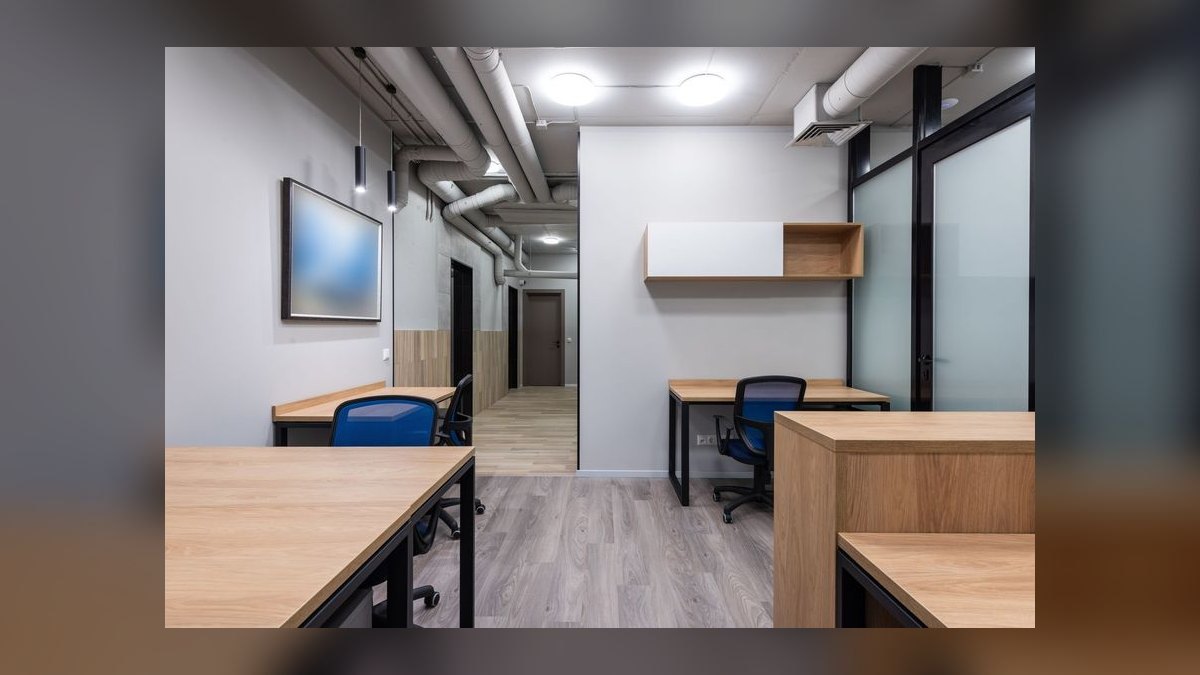
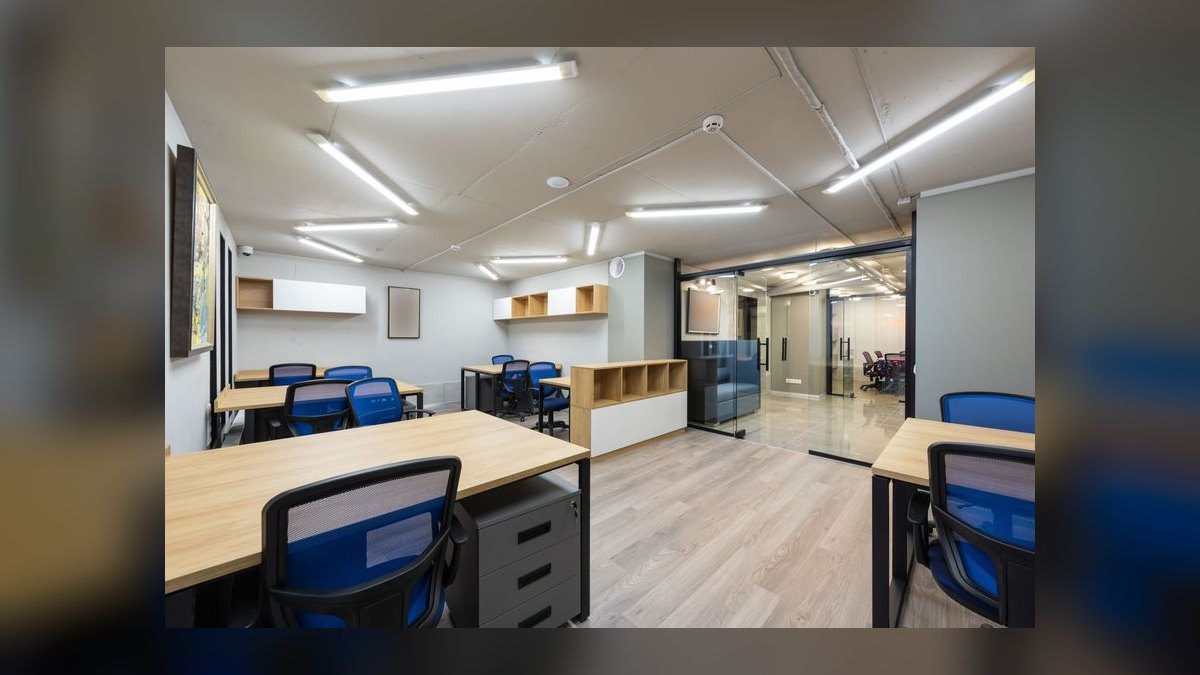
Turnkey. You hand over the space finished — the demising is done, the conference room glass is in, the HVAC zone is balanced, the data room is racked, the furniture may or may not convey. The subtenant walks in and works Monday. This is the highest-rent structure and the fastest to close, because what you are really selling is time. A subtenant who takes your turnkey half avoids design, permitting, bidding, construction, and the double-rent overlap period on their existing lease. That avoided overlap is often the single largest line item in their decision, and it is real money to them, so you can price above the market face rate for comparable raw sublease space. The catch is that turnkey means you carry the risk that your finishes fit their operation. If they need six private offices and you built open bench seating, "turnkey" is worth nothing to them and you are back to as-is pricing.
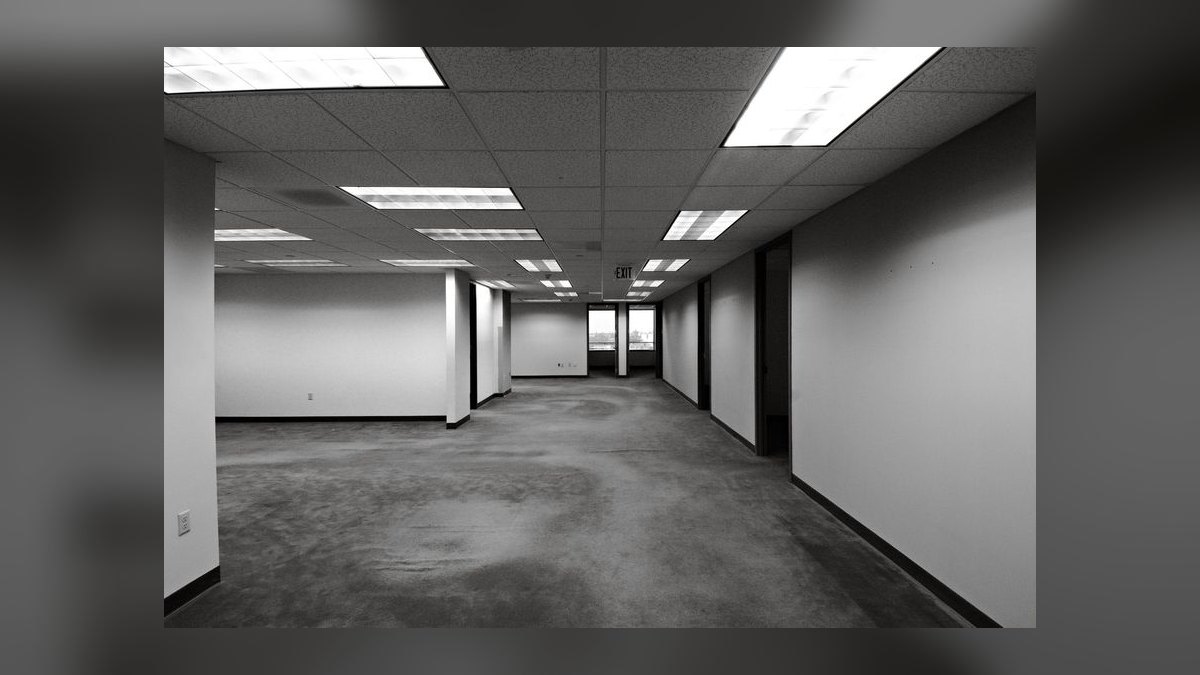
Allowance. You give a sublease improvement allowance — a stated dollar figure per rentable square foot, or a lump sum — and let the subtenant reconfigure your buildout to suit. This is the structure most commercial subtenants expect in a soft market, and it is the one that quietly destroys prime-tenant value if you are careless. Every dollar of allowance you fund is a dollar of your own capital spent tearing out capital you already spent, and the resulting configuration is one the landlord may still require you to restore at prime lease expiration. If you go this route, cap the allowance, require plans approved by both you and the landlord before a hammer swings, and get written agreement on who removes the new work.
As-is. The subtenant takes the space in current condition, with no allowance, no warranty, and no obligation on your part to fix anything. Rent is lowest, your capital exposure is lowest, and your closing timeline is longest because you are competing on price alone against direct space. As-is is the right call when your remaining term is short — under roughly two years — because a subtenant will not fund alterations they cannot amortize, and you will not recover buildout value from a tenant who is only borrowing the space for a few quarters.
The overlooked fourth option is a hybrid: as-is on the physical space, but with a separately negotiated fixture and equipment transfer. Your improvements split into two legal categories that people constantly conflate. Real property improvements — demising walls, ductwork, sprinkler drops, ceiling grid, wiring in the walls — are almost always fixtures that belong to the leasehold, and in many commercial leases they become the landlord's property at installation or at expiration. Trade fixtures and personal property — server racks, appliances, security panels, movable partitions, furniture, specialty lighting on a plug — usually remain yours and can be sold to the subtenant as a bill-of-sale transaction entirely outside the sublease. That second bucket is often where the real recoverable dollars are, because nobody can argue the landlord owns your furniture.

Reading your own lease before you price anything
Before you decide which structure to offer, pull the prime lease and read four clauses in order. Everything else in this article is downstream of what these say.
The assignment and subletting clause tells you whether consent is required, whether it must be reasonable, and — critically — whether there is a recapture right. Recapture lets the landlord respond to your sublease notice by taking the space back themselves rather than approving your subtenant. If your lease has it, your entire buildout recovery plan can evaporate the moment you give notice, because the landlord takes the half-floor with your improvements in it and re-lets it directly. Some recapture clauses require the landlord to compensate you for improvements; most do not. Know which you have before you send a notice you cannot retract.

The same clause often contains a profit-sharing provision: if your sublease rent exceeds your prime rent, the landlord takes fifty percent — sometimes all — of the excess after your transaction costs. This is exactly why turnkey premiums get structured as a separate improvements payment rather than as rent. Whether that survives scrutiny depends on the drafting, and landlords' counsel have seen the maneuver before, so do not assume it works without checking the definition of "rent" and "consideration" in your document.
The alterations clause tells you who owns what you built. Read for the sentence that says improvements "shall become the property of Landlord upon installation" or "shall remain the property of Tenant until expiration." Both drafting styles are common. If the landlord already owns the improvements, you cannot sell them — but you can still charge for the *use* of a finished space through rent, and you can still sell trade fixtures.
The surrender and restoration clause is the one that bites at the end. Look for whether restoration is required at all, whether it is limited to alterations the landlord designated as removable at the time of approval, and whether there is a cap. The best-negotiated version says the tenant surrenders in as-is condition with only specialty items — vaults, internal stairs, raised floor, kitchen grease systems, lab casework — removed, and that the landlord had to flag those in writing when it approved the plans. If your lease has an uncapped "restore to base building" obligation, that liability follows you regardless of who occupies the space, and it must be priced into every sublease decision you make.

Finally, check whether your lease has a contraction or partial-termination option. Some multi-year commercial leases give the tenant a one-time right to give back a defined portion of the premises on notice, typically with a termination fee equal to unamortized transaction costs — landlord's improvement allowance, brokerage commissions, and free rent, amortized at a stated interest rate. If you have that option, compare it directly against subleasing. Giving space back cleanly and paying a defined fee is sometimes cheaper and dramatically less risky than being a landlord to a subtenant for four more years, even though the fee looks painful on paper. Nobody exercises this option because they forgot it existed.
Choosing the structure
The decision runs on three variables: how much term you have left, how specialized your buildout is, and how badly you need the space off your books. Term length dominates. Specialization determines whether turnkey is even a story you can tell. Urgency determines how much of your improvement value you are willing to leave on the table for speed.
A few judgment calls the diagram compresses. If your remaining term sits right at the two-year line and the market is thin, lean as-is and take the faster close — carrying an empty half-floor at full rent while you hold out for improvement recovery usually costs more than the recovery is worth. If the buildout is specialized but the *core systems* transfer — supplemental cooling for a data closet, upgraded electrical service, extra restrooms, a second means of egress — market those systems explicitly, because they are the expensive, long-lead items a subtenant genuinely cannot replicate cheaply. And if you are subleasing half a floor, the demising work itself may be unfinished; who pays to demise, and who removes the demising wall later, is its own negotiation that belongs in the consent document, not in a side email.
What the numbers and the calendar actually look like
Do not name a price until you have built the amortization schedule, because the schedule is what you will defend across the table.
Build the unamortized value. Take your original improvement cost net of any landlord allowance you received — you cannot charge a subtenant for capital the landlord funded. Amortize the remainder straight-line over the original lease term, not over a tax life or a useful-life estimate, because your economic exposure runs with the lease. Subtract the months you have occupied. The remainder is your unamortized basis, and it is the number a sophisticated subtenant's broker will ask to see. Then allocate: only the portion attributable to the half you are subleasing is chargeable, typically by rentable square footage, adjusted if the improvements are concentrated on one side. If your conference center and kitchen sit in the half you are keeping, your recoverable basis in the sublet half is far lower than a pro-rata split suggests.

Set the ceiling with replacement cost. Get a current per-square-foot budget from a general contractor for building the same scope today. Construction cost has moved materially in recent years, so the replacement number is frequently higher than your historical cost, which is a good argument for you. Your negotiating range sits between unamortized basis at the bottom and a discount to replacement cost at the top — the discount reflecting that the subtenant is taking your configuration rather than one designed for them.
Price in the time savings. A subtenant building comparable space runs a rough sequence: space planning and test fits, construction documents, landlord plan approval, municipal permitting, bidding and buyout, then construction, then furniture delivery and IT cutover. Permitting alone varies enormously by jurisdiction — a straightforward interior alteration permit in a fast city versus a plan-check queue in a slow one can differ by months, and long-lead mechanical or electrical gear can stretch the schedule further regardless of jurisdiction. Add landlord approval cycles and the total gap between lease signature and move-in for a from-scratch buildout commonly runs several months to the better part of a year. Every one of those months is rent the subtenant pays somewhere else. Ask their broker what the holdover or overlap cost is at their current address, and you have a defensible premium number sourced from their own math rather than yours.
Budget your own transaction costs honestly. Subleasing is not free. Expect a brokerage commission on the sublease — often paid by you as sublandlord, sometimes split — a landlord consent review fee (many leases entitle the landlord to recover its reasonable attorneys' and architects' costs for reviewing a sublease), your own counsel's time drafting the sublease and rider, marketing, and often some capital to make the space presentable: demising, separate access control, paint, carpet cleaning, and getting the HVAC controls split so two occupants are not fighting over one thermostat. That last item is routinely underestimated and routinely becomes a dispute.
Expect a rent discount. Sublease space almost always trades below direct space for the same building. A subtenant is accepting a shorter term, no renewal or expansion rights, no direct relationship with the landlord, and exposure to your credit — if you default on the prime lease, their sublease evaporates unless they hold a non-disturbance agreement from the landlord. That discount is structural, and a strong buildout narrows it but rarely closes it. Your realistic outcome is usually partial recovery of unamortized improvements, not full.
Model the downside. Run three cases: the space sits empty for your marketing period at full rent; it sublets at your target; it sublets at a discount with an allowance you fund. Compare all three against exercising a contraction option if you have one, and against simply carrying the space. Sometimes the honest answer is that half-floor is worth more to you as expansion room than as a sublease with four years of counterparty management attached.
The paperwork chain that decides who owns what
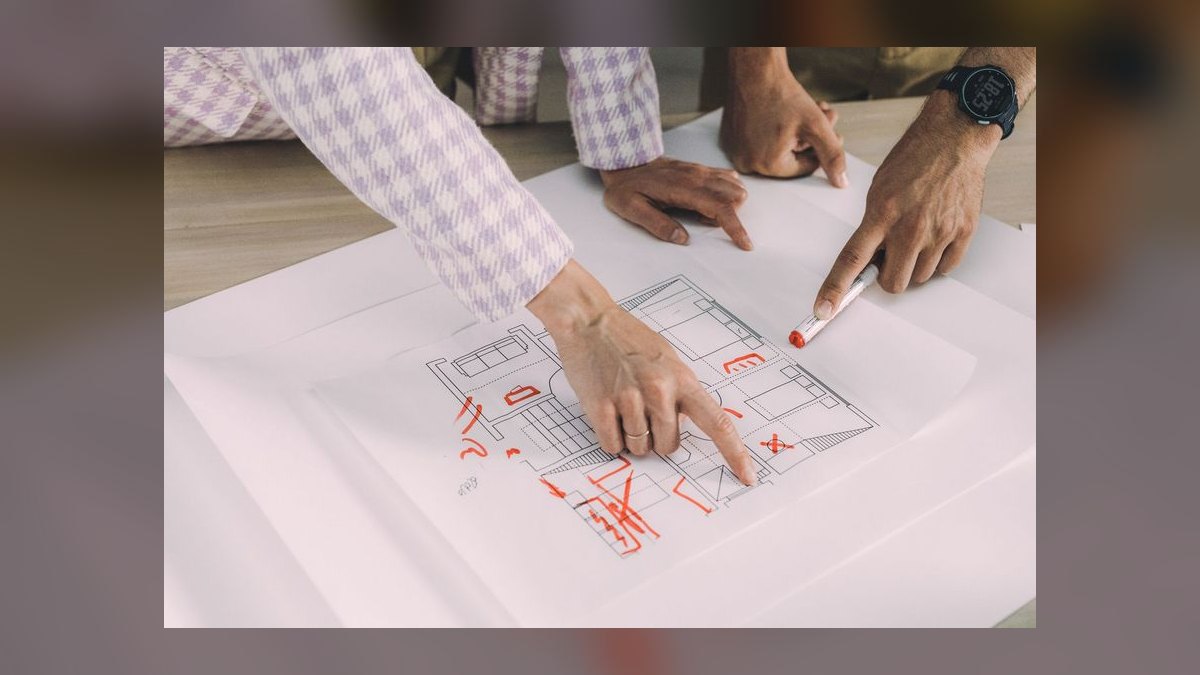
Three documents govern your improvements, and they must agree with each other. The prime lease is fixed. The sublease is between you and the subtenant. The landlord's consent — a separate instrument, usually a three-party agreement — is where the ownership and restoration questions get resolved for real, and it controls when the documents conflict.
Exhibit A is the document that saves you. Before the subtenant takes occupancy, walk the space with them and produce a dated condition report: photographs of every room and every system, meter readings, a punch list of existing defects, serial numbers for equipment, and finish schedules. Both parties sign it. This is the baseline against which restoration is measured, and without it every end-of-term conversation collapses into an argument about ordinary wear and tear versus damage. Repeat the walk at a defined cadence — semiannual is reasonable for a multi-year sublease — and again sixty to ninety days before the sublease expires, so any restoration work happens while the subtenant is still present and motivated rather than after they have moved out.

Get the restoration standard aligned in all three documents. The failure mode is a sublease that requires the subtenant to return the space "broom clean, ordinary wear and tear excepted" while the prime lease requires you to restore to base building shell. That gap is yours. If the landlord will not soften the prime surrender obligation, push the same obligation down: the subtenant's restoration duty should be defined by reference to what *you* owe the landlord for that portion of the premises, not by a generic standard. Where you cannot pass it through — because the subtenant will not accept an uncapped obligation, which is reasonable of them — size a security deposit or restoration escrow against the exposure and treat the shortfall as a cost of the deal.
Control alterations tightly. Require your written consent plus the landlord's for any alteration, define a small list of pre-approved cosmetic work that needs no consent, and require that plans be submitted with a statement of who removes the work at end of term. Get the landlord to designate removable items *at approval time*, in writing. A landlord who stays silent for four years and then demands removal of everything at surrender is exercising a right your lease probably gave them, and the only defense is a contemporaneous written designation.
Insurance and indemnity. The subtenant should carry commercial general liability naming you and the landlord as additional insureds, property insurance covering their contents and any improvements they own, and — if their work is disruptive — builder's risk during any alteration period. Confirm your own property policy still responds for the improvements you retain ownership of, since carriers treat leasehold improvements coverage inconsistently, and confirm your prime lease's waiver-of-subrogation language flows down into the sublease so a carrier does not sue the party you agreed not to pursue.
Operational details that cause more disputes than the money. Split or sub-meter utilities where possible, and where not, define an allocation formula in writing. Assign specific parking counts rather than "reasonable use." Define after-hours HVAC ordering and billing — the subtenant will run late and the invoice will come to you. Set signage and directory rights. Decide who holds keys and administers the access-control system, because you are still liable to the landlord for security in space you no longer control. Address shared systems explicitly: one HVAC unit, one electrical panel, or one sprinkler zone serving both halves needs a written maintenance and cost-split arrangement, or the first repair becomes the first fight.
Accounting and tax, handled properly. Under current lease accounting standards a sublease is accounted for separately from the head lease, and you generally continue to account for the original lease obligation while recognizing the sublease as a new arrangement — meaning the liability stays on your books. Your leasehold improvement asset may need to be reassessed for impairment or its amortization period shortened if you no longer expect to benefit from it. A lump-sum payment for improvements is not automatically ordinary income; the treatment depends on whether you are transferring ownership of property you actually own, and improvements that legally belong to the landlord cannot be sold by you at all. Structuring the payment as additional rent over the sublease term is simpler and spreads the tax impact, though it may expose the payment to a landlord profit-sharing clause. This is genuinely fact-specific — have a CPA and a commercial real estate attorney look at the structure before signing, not after.
Related questions
Can my landlord refuse to let me sublease at all?
If your lease says consent may not be unreasonably withheld, no — but "reasonable" grounds include subtenant creditworthiness, incompatible use, and conflict with exclusives granted to other tenants. If the clause is silent or says consent is at the landlord's sole discretion, they can refuse for almost any reason.
What if the subtenant defaults halfway through?
Your prime lease obligations continue unchanged. You must cover full rent while re-marketing the half-floor, and you inherit whatever condition they left. This is exactly why the security deposit should be sized against restoration risk, not just unpaid rent, and why a guaranty from a creditworthy parent matters for smaller subtenants.
Does subleasing half the space affect my renewal or expansion rights?
Often yes. Many leases condition renewal, expansion, and rights of first offer on the tenant occupying a stated percentage of the premises and not having assigned or sublet. Check those provisions before you sublease — losing a below-market renewal option can cost more than the sublease saves.
Is an assignment of part of the space better than a sublease?
Rarely, and usually it is not available for a partial premises. An assignment transfers the whole leasehold and typically requires landlord consent plus a release you will not get. A sublease keeps you in the chain of liability but keeps you in control of the improvements, which is what you want when you have capital in the space.
What if I just want the space empty and off my hands?
Look for a contraction option, negotiate a lease buyout with the landlord directly, or find a replacement tenant the landlord will take on a direct lease. A direct deal ends your liability where a sublease does not — landlords sometimes accept this when the market is strong and your rate is below current asking.
FAQ
Do my improvements automatically transfer to the subtenant?
No. Occupancy and ownership are separate. Unless your sublease contains an explicit transfer — and unless you actually own the improvements under the prime lease's alterations clause — the subtenant gets the right to use the buildout, nothing more. Say so in writing, because silence invites an argument at surrender.
Can I charge a premium for a finished space?
Yes, and it is the strongest argument you have. The premium is justified by the time and capital the subtenant avoids, not by what you originally spent. Check your lease's profit-sharing clause first, since rent above your prime rate may be partly payable to the landlord, and structure accordingly.
Who is responsible if the subtenant damages the buildout?
You are, to the landlord — the prime lease does not care who caused it. You recover from the subtenant through the sublease's repair, indemnity, and deposit provisions. That chain only works if you documented the pre-occupancy condition, which is why Exhibit A matters more than any other page in the agreement.
What happens to restoration obligations at prime lease expiration?
They remain yours in full. Pass them down to the subtenant by reference to your own obligation rather than a generic standard, require the restoration walk sixty to ninety days before their term ends, and hold enough deposit or escrow to self-perform if they refuse or disappear.
Should I use a broker for a partial sublease?
Almost always. Sublease space needs active marketing to reach tenants who are not already looking at your building, and a broker who knows the submarket will price the improvement premium more credibly than you will. Budget the commission into your economics from day one rather than treating it as a surprise.
How long should I expect the process to take?
Plan for a marketing period plus a documentation period, and add time for the landlord's consent review — that review is frequently the slowest step, since it involves the landlord's counsel, credit review of your subtenant, and sometimes their lender. Start earlier than feels necessary; carrying empty commercial space is the expensive outcome.
Sources
- https://www.irs.gov/publications/p535
- https://www.fasb.org/
- https://www.sec.gov/
- https://www.boma.org/
- https://www.naiop.org/
- https://www.nar.realtor/commercial
- https://www.sba.gov/business-guide/manage-your-business/buy-assets-equipment
- https://www.aia.org/contract-documents
- https://www.iccsafe.org/
- https://www.osha.gov/
Related on PULSE
- [Can I sublease a space mid-buildout and recover my construction costs?](/knowledge/bo0245)
- [How do I negotiate a lease that allows me to recoup buildout value upon sublease](/knowledge/bo0288)
- [How Do I Save on Buildout by Taking a Second-Generation Restaurant Space?](/knowledge/bo0233)
- [What happens to my buildout schedule if the landlord's lender withholds approval?](/knowledge/bo0319)
- [What happens to my deposit if the buildout runs past the rent commencement date](/knowledge/bo0272)
- [What happens if the landlord's construction inspects my buildout and finds violations?](/knowledge/bo0254)
@Kory-White- · if Venmo asks, the last 4 of my number are 2012
 editorialMy Thoughts: How Do I Save on Buildout by Taking a Second-Generation Restaurant Space
 boWhat are the hidden costs of a warm shell delivery that landlords don’t disclose?
 boHow do I force the landlord to pay for an independent cost estimator?
 boShould I hire a tenant rep broker to oversee my buildout or manage it myself?
 boHow do I negotiate a cap on my out-of-pocket costs for the buildout?
 boHow do I terminate a lease early if the landlord fails to deliver the buildout as promised?
 boHow do I negotiate a hard cap on my shared plaza maintenance costs after the buildout?
 boWhat Are the Good and Bad Clauses in a Commercial Lease?
 boShould I demand the landlord provide a third-party cost breakdown for every line item in their GC bid
 boHow do I calculate the true cost of using the landlord’s preferred GC versus my own