
How do I force the landlord to fix existing code violations before construction starts?
 Curated byKory White · Fractional CRO · Maryland
 PULSEKNOWLEDGE LIBRARY
You force compliance before construction by making it contractual, not confrontational: attach a licensed architect's code audit to the lease, require the landlord to cure every listed violation as a condition precedent to your tenant improvement work, set hard deadlines with a self-help offset remedy, and use permit review as the enforcement trigger.
The numbers you should expect
Practitioners underestimate this category badly because pre-existing violations sit outside the tenant improvement budget everyone actually negotiates. Your TI allowance is scoped to *your* work — demising walls, finishes, mechanical distribution to your suite, millwork, data. It is not scoped to bringing a landlord's twenty-year-old base building up to the code edition your permit will be reviewed against. When those two budgets collide, the collision happens at the worst possible moment: after the lease is signed, after the drawings are stamped, and usually after the plan reviewer has already circled something on sheet A-101.
Start with the audit itself. A code and accessibility survey of a commercial suite by a licensed architect or engineer is a small, defined professional fee — a fraction of one month's rent on most spaces, and dramatically less than a single mid-construction change order. It is priced per building, not per square foot in any rigid way, because the work is a walkthrough plus a written report, and multi-story or multi-tenant buildings simply take longer to walk. Ask for a fixed fee and a written scope covering egress, fire protection, structural, electrical service capacity, mechanical, and a full path-of-travel accessibility review. What you are buying is not the inspection. It is the exhibit.
Then look at the shape of the cure costs, because the distribution matters more than any average. Code violations in commercial space cluster into three tiers, and knowing which tier you are looking at tells you how hard to push in negotiation.

Tier one is paperwork and small parts — missing exit signage, dead emergency-lighting batteries, an unlabeled panel, a fire extinguisher past its inspection tag, a door closer that doesn't latch. These are cheap, fast, and landlords fix them without argument because arguing costs more than the fix. Do not spend your negotiating capital here. Get them on the punch list and move on.
Tier two is systems work — sprinkler head coverage that doesn't match your new partition layout, an electrical service that can't carry your added load, a fire alarm panel too old to accept new devices, HVAC that was sized for open office and now has to serve enclosed rooms. This tier is genuinely expensive, genuinely arguable, and it is where most tenant-versus-landlord fights actually live. The argument is almost always the same: the landlord says your buildout triggered the upgrade, you say the existing condition was already non-compliant. Both can be true simultaneously, which is exactly why you want the audit dated *before* your drawings exist.
Tier three is structural and accessibility — an entrance with no accessible route, restrooms that cannot be made compliant without moving plumbing walls, a mezzanine with a non-conforming guardrail, a floor slab that can't carry your equipment. This tier can exceed the entire tenant improvement allowance on a small suite. It is also the tier most likely to be pre-existing rather than tenant-triggered, which makes it the tier most worth fighting over in the lease rather than in the field.
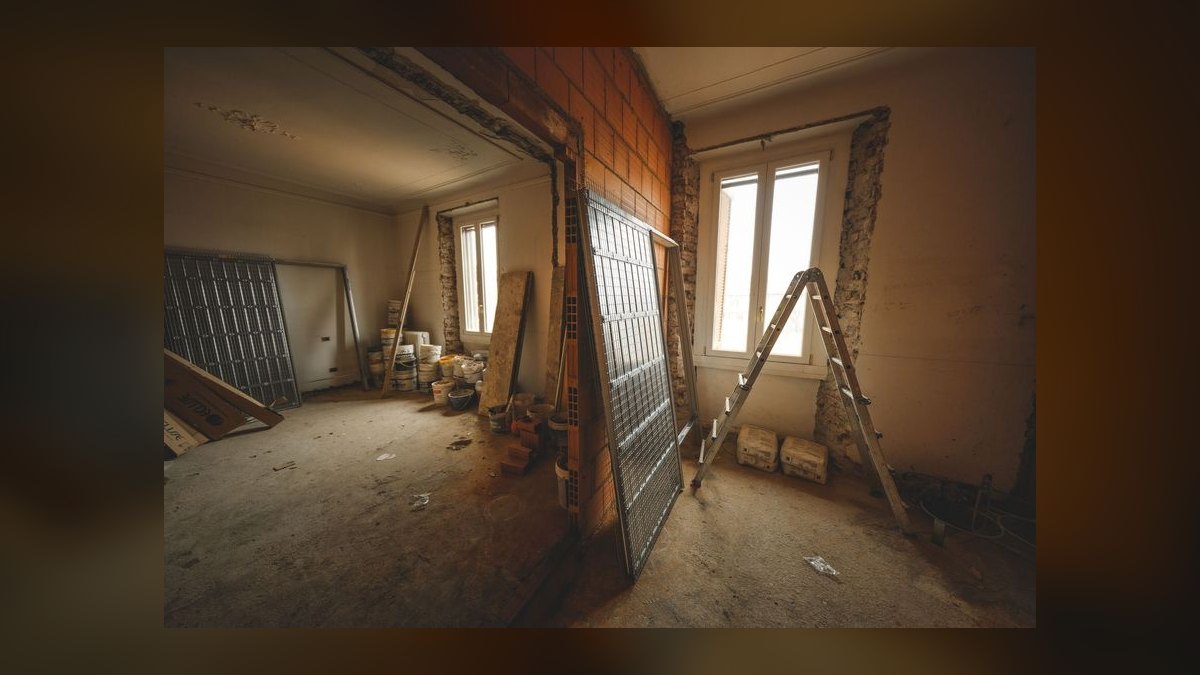
The timeline numbers matter as much as the dollars. Building department plan review on a straightforward commercial tenant improvement commonly runs a few weeks in a mid-size jurisdiction and considerably longer in a busy metro; a correction cycle adds another round on top of that, and a second correction cycle adds another. Landlord cure work on tier-two systems is measured in weeks once mobilized, and mobilization itself is the slow part — permits for the landlord's own work, long-lead equipment, and contractor availability. Structural or accessibility remediation frequently requires its own permit and its own inspection sequence, which means it is not a thing you slot in beside your buildout. It is a thing that happens first.
Rent commencement is the number that ties it all together. If your lease starts rent on a fixed calendar date rather than on delivery of a compliant, permit-ready space, every week the landlord spends curing violations is a week you pay for a space you cannot occupy. That single drafting choice is worth more than any argument you will win later.
What drives those numbers
Three forces set the size of your exposure, and none of them are the violation itself.
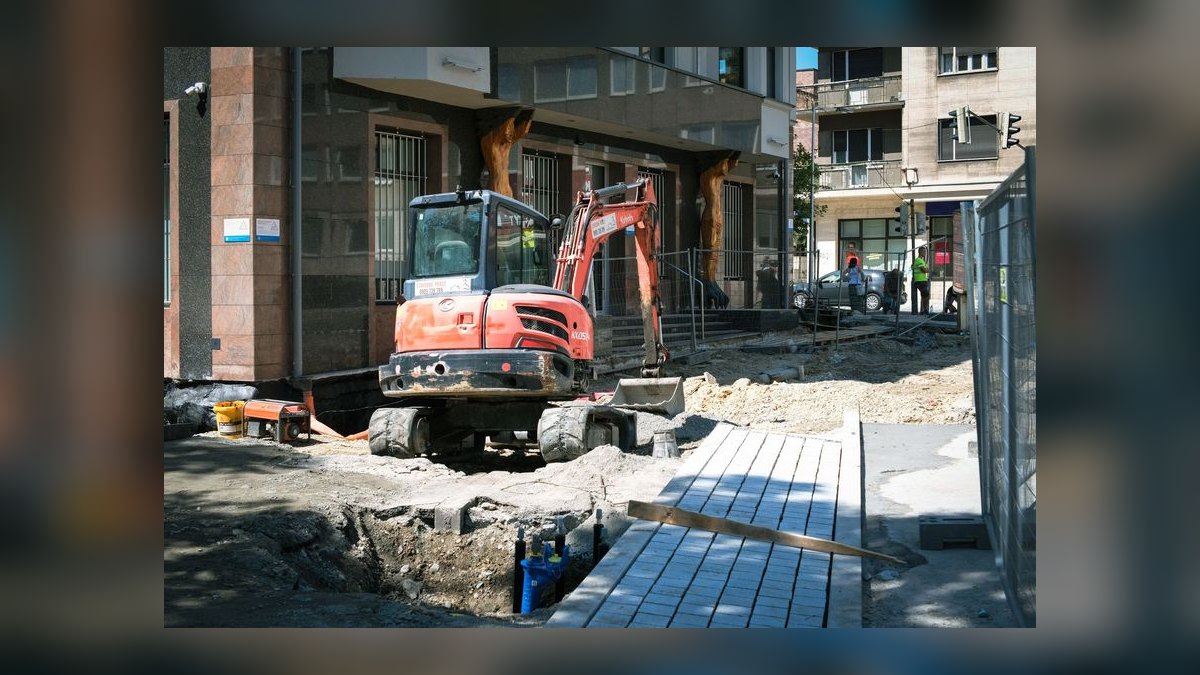
The first is the code edition your permit is reviewed against. Buildings are generally allowed to remain under the code in force when they were built or last permitted — that is the grandfathering principle. But grandfathering is not permanent. It survives until someone applies for a permit, and then the reviewer evaluates the work against the *current* adopted code. Your tenant improvement application is that trigger. This is why the phrase "it passed inspection in 2009" is not an argument; the 2009 approval was against the 2009 code, and you are now standing in front of a reviewer holding a much newer edition plus local amendments. Ask your architect specifically which code edition and which local amendments your jurisdiction has adopted, because two cities in the same state can be a full cycle apart.
The second is scope of work — how far your project reaches into the base building. A cosmetic refresh that touches finishes and nothing else pulls very little existing condition into review. Move a wall and you have touched egress and sprinkler layout. Add a restroom and you have touched plumbing fixture counts and accessibility. Change the occupancy classification — retail to assembly, warehouse to medical, office to restaurant — and you have effectively reopened the entire space for review, including things you never intended to touch. Occupancy change is the single largest amplifier of pre-existing violation exposure, and it is the one tenants most consistently fail to price.
The third is the alteration-level threshold. Many jurisdictions scale required upgrades to the size or cost of the alteration. Cross a percentage-of-value threshold or a square-footage threshold and additional obligations attach — often accessibility path-of-travel improvements, sometimes full sprinklering, occasionally seismic or structural review. The practical consequence is counterintuitive: a slightly smaller project can be dramatically cheaper than a slightly larger one, because the smaller one stays under the threshold. Have your architect model this explicitly before you finalize the program. It is one of the few places where design decisions and code exposure trade against each other in a way you can actively steer.
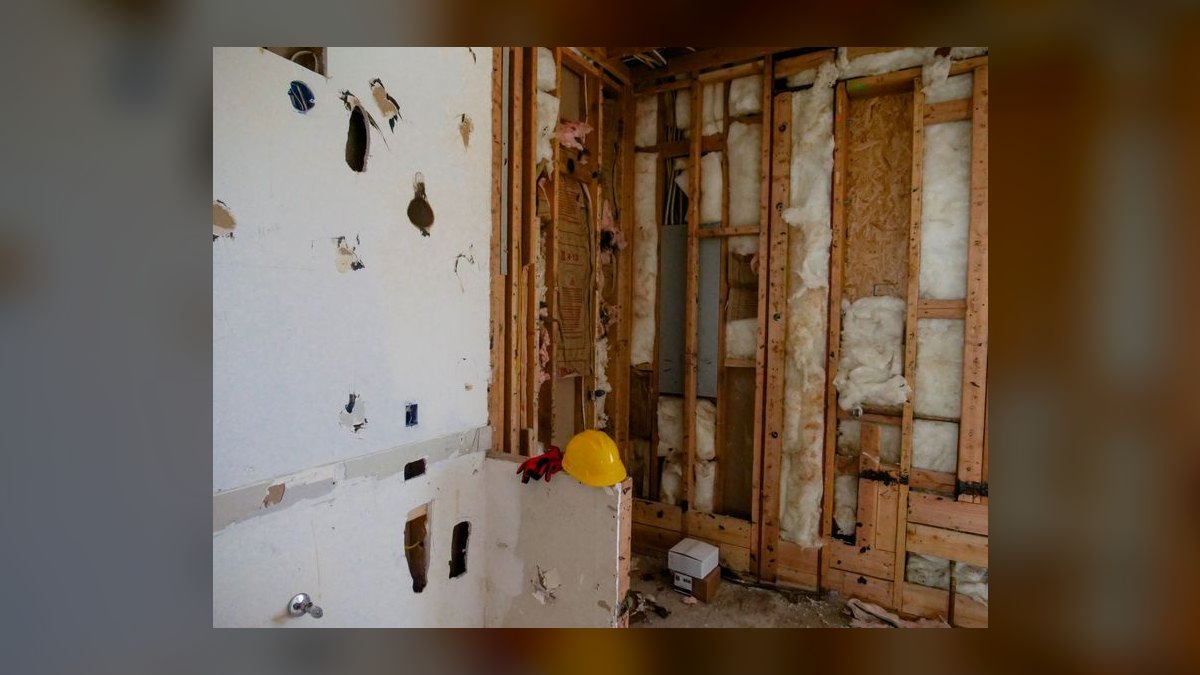
The diagram makes the leverage point obvious. Every branch converges on one question — who pays under the lease — and that question is decided months before anyone looks at a drawing. If you arrive at that node with a lease that says "as-is," the branch is already chosen for you and no amount of building department pressure changes it.
Lease, TI allowance, and negotiation levers
This is where the outcome is actually determined. Four provisions do the real work.
Condition of Premises. The landlord represents and covenants that as of the delivery date, the premises and the building's common areas comply with all applicable building, fire, life safety, and accessibility codes, and that any non-compliance identified in the attached code audit will be cured at the landlord's sole cost prior to delivery. The critical drafting choice is that this is a *covenant*, not just a representation. A representation that turns out false gives you a damages claim. A covenant gives you a performance obligation you can enforce and a default you can trigger. Ask for both.

Landlord's Work rider with a dated schedule. Take the audit findings and convert them into a numbered exhibit: item, location, code section, cure, deadline. Vague obligations produce vague performance. "Landlord shall bring the premises into compliance with applicable law" is worth very little; "Landlord shall install code-compliant illuminated exit signage at the three locations identified in Exhibit C, items 4 through 6, on or before the date thirty days prior to the Delivery Date" is enforceable. Tie the deadline to your construction start, not to a floating calendar date the landlord can slide.
Self-help with offset. If the landlord misses a deadline, you may — after written notice and a short cure window — perform the work yourself and deduct the actual cost from rent, typically capped at some percentage of monthly rent per month until recovered. Landlords resist this clause harder than almost any other, and their objection is legitimate: an uncapped offset right is a blank check drawn on their mortgage payment. Meet them with structure rather than surrender. Cap the monthly offset percentage, require competitive bids above a stated dollar threshold, require notice to the lender, and limit self-help to the specific enumerated audit items rather than any conceivable landlord default. A narrow, well-structured self-help right is far more negotiable than a broad one, and it is the only provision that gives your deadlines teeth.
Permit condition / trigger clause. If any governmental authority conditions the issuance of your tenant improvement permit on the correction of existing base building conditions — structural, life safety, accessibility, or code-required system upgrades not caused by tenant's specific work — the landlord shall perform and pay for that work, and rent commencement is extended day-for-day. This is the clause that catches everything the audit missed, and something will always be missed. The audit is a survey, not an excavation; nobody opens walls during due diligence.
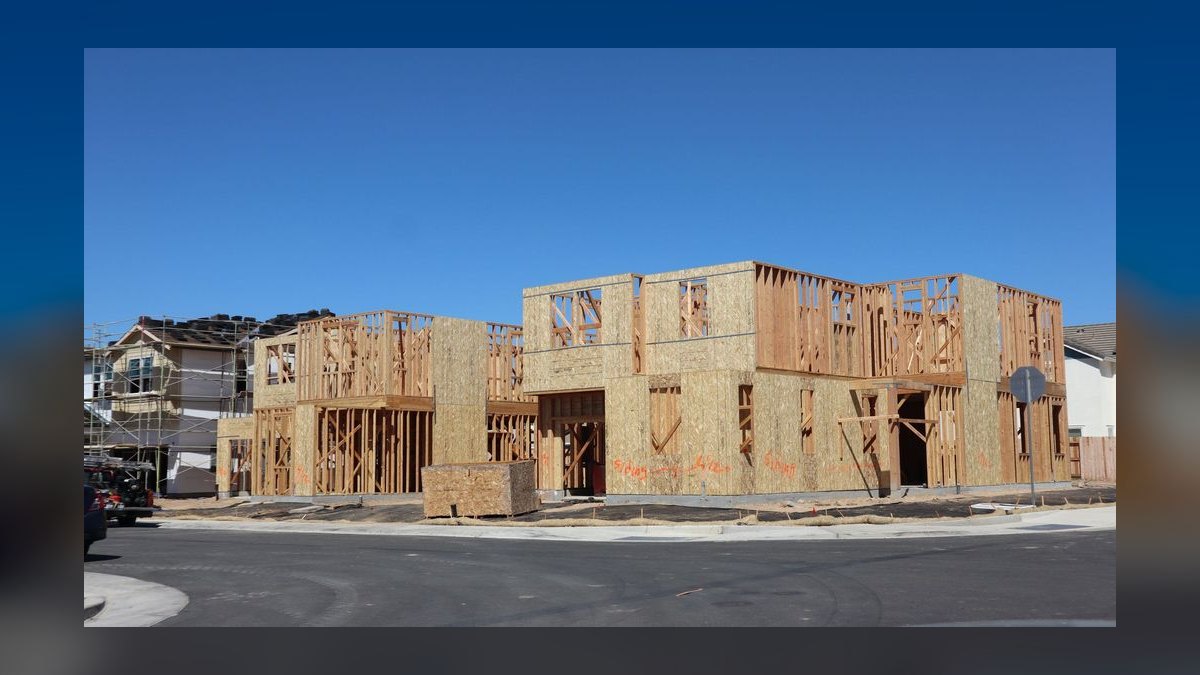
Now the money levers. Understand that the landlord has three distinct pockets and they are not interchangeable. The TI allowance is a leasing cost, amortized into your rent and underwritten by their lender. Base building compliance is a capital expense out of a different budget entirely. Free rent is a concession against income. When you demand that violation cures come out of the TI allowance, you have not won anything — you have converted a landlord capital obligation into your own improvement budget and quietly reduced the space you can actually build. Insist that cure work sits outside the allowance and does not count against it. Put that sentence in writing, because it is routinely blurred at the letter of intent stage and almost never blurred in the landlord's favor by accident.
Watch the as-is clause and its cousins. "Tenant accepts the premises in its as-is, where-is condition" is standard landlord boilerplate. Do not simply strike it — landlords will not accept a bare deletion, and you don't actually need one. Qualify it: "as-is, subject to Landlord's Work described in Exhibit C and Landlord's covenant of code compliance in Section X." That gets you the protection without asking the landlord to warrant every unknown condition in a building they may have owned for thirty years. It is a much easier ask, and it survives review by their counsel.
Also negotiate the sequencing rights that make everything else enforceable: a delivery condition tied to a *permit-ready* space, rent commencement tied to delivery rather than a fixed date, a right to access for your architect and contractor during the landlord's cure work, and an outside date after which you can terminate without penalty and recover your out-of-pocket design costs. That last one is the quiet killer. Without an outside date, a landlord who cannot afford the cure can hold you in a signed lease indefinitely while your business plan expires.

One adjacent lever worth knowing: in a multi-tenant building, common area violations are structurally easier to win than in-suite violations. The landlord already owes common area compliance to every tenant and to the fire marshal, the cure benefits their whole rent roll rather than just you, and refusing looks indefensible on the record. If your audit turns up both in-suite and common area items, lead with the common area list. It establishes the principle that the landlord cures existing violations, and the in-suite items follow more easily behind it.
Sequencing the buildout
The order of operations is not administrative detail. It is the whole strategy, because leverage decays monotonically from letter of intent to signed lease to possession to permit application to construction start. Every step you delay the audit, you hand back leverage you cannot get again.
Sequence it this way. During the letter of intent, before any lease draft exists, negotiate a due diligence window — thirty to forty-five days is typical for commercial space — with full access for your architect and contractor, and a stated right to terminate without penalty if the audit reveals conditions the landlord will not cure. Run the audit inside that window. Deliver the findings to the landlord as a document, not a conversation, and propose the Landlord's Work exhibit at the same time. This is the moment of maximum leverage: the landlord has a vacant suite, a signed letter of intent they have likely already reported internally, and a competing prospect they may not have.

Then the lease negotiates around a known list rather than an unknown risk, which is genuinely better for both sides. Landlords fight abstractions harder than they fight itemized lists, because an abstraction is unbounded and a list is a number they can put in a budget.
After execution, the sequence continues: landlord pulls permits for their cure work if required, performs it, and you inspect and sign off on the exhibit items before delivery. Only then does your architect finalize construction documents against a space whose actual condition is known, which materially reduces change orders during your own build. Then permit application, plan review, correction responses, permit issuance, construction, inspections, certificate of occupancy.
Now the harder case: you already signed, the lease is silent or as-is, and you have found violations. Your options narrow but they are not zero.
Read the lease for a compliance-with-laws covenant. Most commercial leases contain one somewhere, often buried in a general provisions article, and many are drafted more broadly than the landlord intends. If it says the landlord shall comply with all laws applicable to the building, that is a hook. Send written notice citing the specific code sections and a reasonable cure period. Written notice matters enormously — it starts clocks, creates a record, and converts a dispute about what was said into a dispute about what was done.
Consider the building department complaint carefully rather than reflexively. It works — a notice of violation against the property owner creates a public record, exposes them to escalating fines, and can complicate refinancing and future leasing. But understand what you are doing. You are inviting an inspector into a building you occupy or are about to occupy, and inspectors do not scope their findings to your complaint. They may write up conditions that become *your* obligation, or that shut down the space entirely while you are paying rent. File it when the violation is a genuine life safety issue, when the landlord has stonewalled written notice, or when you are prepared to leave. Do not file it as an opening negotiating move.
The gentler version of the same lever is the pre-permit or pre-application meeting that many building departments offer. You bring your architect and, ideally, the landlord's representative. The reviewer identifies likely correction items informally. Nobody is cited, no violation is recorded, and you leave with a written or emailed summary you can hand to the landlord. This produces most of the pressure of a complaint with almost none of the blast radius, and it is dramatically underused.
Constructive eviction and quiet enjoyment claims exist and occasionally work, but calibrate your expectations. Constructive eviction generally requires that the condition substantially deprives you of the use of the premises and that you actually vacate — continuing to occupy while claiming you were evicted is fatal to most such claims. It is a remedy of last resort, not a negotiating threat you can wave casually. Get counsel before you rely on it, and never stop paying rent on the theory that you have a claim; commercial leases rarely provide the rent-withholding protections that residential tenancies do, and nonpayment converts your strong position into an eviction defense.
The accessibility dimension deserves its own note because the enforcement structure differs. Accessibility exposure is not limited to the building department. Private plaintiffs can bring claims over barriers at places of public accommodation, and a lease clause assigning accessibility compliance to the tenant allocates cost between you and the landlord — it does not shield either of you from a claimant. Have the architect run a full path-of-travel review during the audit: parking, exterior route, entrance, route to your suite, restrooms, and any public-facing counters or fixtures inside your space. Then push those items hard in the Landlord's Work exhibit. Landlords understand this exposure and it is one of the few areas where they generally move without much argument.
Two adjacent scenarios that follow the same playbook. Renewals and expansions: codes advance between lease cycles, and a space that complied at signing may not comply at renewal — run a fresh audit before you sign an extension, because a renewal is a negotiation and you will not get another one for years. Subleases and assignments: you inherit the prime lease's allocation of code obligations, so read the prime lease and not just the sublease document, and get the prime landlord's written consent to any Landlord's Work you are counting on. And if you are buying an existing business with a lease attached, the code audit belongs in your acquisition diligence alongside the financials — an assumed lease on a non-compliant space is a liability that does not appear anywhere on the seller's balance sheet.
Related questions
Does a certificate of occupancy prove the space is code-compliant?
No. A certificate of occupancy documents that the space passed inspection for a specific use under the code edition in force at issuance. Codes advance, conditions degrade, and prior tenants make unpermitted changes. An old certificate of occupancy tells you what was approved once, not what complies now.
What if the violations were caused by the previous tenant's unpermitted work?
Responsibility still runs to the landlord as owner in most jurisdictions, regardless of who created the condition. The prior tenant's lease may give the landlord a claim against them, but that is the landlord's problem, not yours. Keep your lease language focused on delivery condition rather than fault.
Can I make the landlord's lender help me?
Sometimes, indirectly. Recorded violations and stop-work orders can complicate refinancing and trigger loan covenant issues. You will not negotiate with the lender directly, but a landlord facing a loan review is markedly more motivated to cure. Mention the record, not the lender.
Should my contractor just quietly fix the violations during my buildout?
No. Unpermitted correction of code violations creates a new unpermitted condition, voids the work at your next inspection, exposes you to liability, and destroys the argument that the condition was pre-existing. It also converts a landlord obligation into your undocumented expense.
How much due diligence time should I ask for?
Thirty to forty-five days is typical for commercial space and is usually granted without much fight. Ask for more if the space requires an occupancy classification change, has multiple floors, or involves any structural or accessibility question your architect flags on the first walkthrough.
FAQ
Can I withhold rent if the landlord won't fix the violations?
Generally not, unless your lease contains an explicit self-help and offset provision. The rent-withholding remedies that protect residential tenants usually do not extend to commercial leases, and unilateral nonpayment gives the landlord a straightforward eviction claim that puts you on defense. Read your lease for an offset clause and get counsel before withholding anything.
Who is responsible for violations in common areas rather than my suite?
The landlord, almost universally. Common area code compliance — exit paths, corridor widths, alarm systems, accessible routes, parking — is a landlord obligation owed to every tenant in the building. These items are also the easiest to win, because the cure benefits the whole rent roll and refusing is difficult to justify.
What deadline should I write into the Landlord's Work rider?
Tie deadlines to your construction milestones rather than to calendar dates. Life safety items should be cured before delivery; systems work should be complete a stated number of days before your permit application; anything requiring its own permit and inspection cycle needs meaningful lead time. Add an outside date that lets you terminate if the landlord stalls.
Will the landlord's contractor doing the cure work slow down my buildout?
Often yes, and you should plan for it explicitly. Two contractors in one space create sequencing conflicts, and the landlord's contractor will not prioritize your schedule. Negotiate a coordination provision, require a delivery condition tied to completion of the cure work, and extend rent commencement day-for-day for any delay caused by the landlord's work.
Does the code audit need to be redone at renewal?
Yes. Code editions advance on multi-year cycles, local amendments change between cycles, and the building may have developed new conditions from other tenants' work. A renewal is a negotiation — treat it as one, run a fresh audit, and use the findings the same way you would on a new lease.
Is the audit cost negotiable with the landlord?
Frequently. Tenants typically pay for the audit during diligence because it is their leverage tool and they want to control the scope and the author. But a reimbursement of the audit fee, or a split, is a reasonable ask once the deal is close — particularly when the findings identify work the landlord would have been obligated to perform anyway.
Sources
- https://www.iccsafe.org/ — International Code Council, publisher of the International Building Code and International Existing Building Code
- https://www.ada.gov/law-and-regs/design-standards/2010-stds/ — U.S. Department of Justice, 2010 ADA Standards for Accessible Design
- https://www.access-board.gov/ — U.S. Access Board, accessibility guidelines and technical assistance
- https://www.nfpa.org/ — National Fire Protection Association, life safety and fire protection standards
- https://www.law.cornell.edu/wex/commercial_lease — Cornell Legal Information Institute, commercial lease law overview
- https://www.aia.org/ — American Institute of Architects, professional practice and building code resources
- https://www.boma.org/ — Building Owners and Managers Association International
- https://www.sba.gov/business-guide/manage-your-business/stay-legally-compliant — U.S. Small Business Administration, legal compliance guidance
- https://www.ada.gov/resources/title-iii-primer/ — ADA Title III primer on places of public accommodation
Related on PULSE
- [Can I require the landlord to escrow my TI allowance before construction begins?](/knowledge/bo0307)
- [How do I get a cost breakdown from the landlord's contractor before work starts?](/knowledge/bo0260)
- [What happens if the landlord's inspector finds violations in my buildout?](/knowledge/bo0254)
- [How do I force the landlord to pay for an independent cost estimator?](/knowledge/bo0314)
- [How do I handle a landlord who refuses to allow weekend or night construction?](/knowledge/bo0309)
- [Can I require the landlord to pre-approve my architect before signing the lease?](/knowledge/bo0285)
@Kory-White- · if Venmo asks, the last 4 of my number are 2012
 editorialMy Thoughts: How Do I Save on Buildout by Taking a Second-Generation Restaurant Space
 boWhat are the hidden costs of a warm shell delivery that landlords don’t disclose?
 boHow do I force the landlord to pay for an independent cost estimator?
 boShould I hire a tenant rep broker to oversee my buildout or manage it myself?
 boHow do I negotiate a cap on my out-of-pocket costs for the buildout?
 boHow do I terminate a lease early if the landlord fails to deliver the buildout as promised?
 boHow do I negotiate a hard cap on my shared plaza maintenance costs after the buildout?
 boWhat Are the Good and Bad Clauses in a Commercial Lease?
 boShould I demand the landlord provide a third-party cost breakdown for every line item in their GC bid
 boHow do I calculate the true cost of using the landlord’s preferred GC versus my own