
How do I get the landlord to pay for temporary HVAC during an off-hours buildout?
 Curated byKory White · Fractional CRO · Maryland
 PULSEKNOWLEDGE LIBRARY
Get temporary HVAC classified as a base-building obligation, not a tenant improvement, in the work letter before you sign. Tie it to the landlord's duty to maintain conditioned space and to protecting their own rooftop equipment from construction dust. Negotiate a lump sum, a cost cap, or rent abatement — and put it in writing.
The commercial deal in plain terms
Strip away the lease jargon and the fight is about one question: whose asset is being protected while your contractors work at 11pm on a Saturday?
The landlord's position is straightforward. You chose off-hours construction. Off-hours is a tenant convenience — it lets you avoid disturbing neighbors, it lets your crew work without a freight elevator queue, and in a retail or restaurant buildout it lets you keep an adjacent operating location running. The building's base HVAC runs on a scheduled clock, typically 8am–6pm weekdays with a per-hour charge for after-hours activation. If you want conditioned air at midnight, the landlord's default answer is: pay the after-hours HVAC rate like every other tenant does.
Your position has to reframe the ask. Temporary HVAC during a buildout is not "after-hours comfort cooling for your crew." It is three separate things bundled together, and they have different owners:
Equipment protection. Drywall dust, demolition debris, and joint-compound sanding destroy coils and filters. Running the base system while your crew cuts and sands means pulling that debris straight into the landlord's rooftop units, air handlers, and ductwork. Most base-building HVAC warranties and service contracts have exclusions for damage from construction contaminants. A landlord who lets you run their system during demo is knowingly degrading their own capital equipment. Temporary units exist so the base system can be isolated, filtered off, or shut down entirely — that is the landlord's benefit, not yours.

Material and finish protection. Flooring adhesives, millwork, paint, drywall mud, and epoxy all have temperature and humidity windows in their manufacturer specs. Install outside those windows and you get failed adhesion, warped wood, cracked joints, and callbacks. In a humid summer or a freezing winter, unconditioned space doesn't just slow you down — it produces defective work that gets torn out and redone. Some of that finish work becomes the landlord's property at lease end.
Habitability and schedule. Once you take possession, most commercial leases obligate the landlord to deliver and maintain the premises in a defined condition. If your rent commencement is tied to substantial completion, every week of weather delay is a week of rent the landlord isn't collecting — or a week of free rent they end up granting anyway.
That third point is the lever that actually moves people. Landlords are not sentimental about coils. They are extremely sensitive to rent commencement dates. Frame temporary HVAC as schedule insurance on their rent stream and the conversation stops being about equipment rental and starts being about deal economics.
The realistic outcomes, ranked by how often they land: the landlord pays 100% as landlord's work (best case, usually only when you negotiate pre-lease and the space is hard to lease); the landlord provides equipment and you pay utilities (very common); a 50/50 split with a stated cap; the landlord contributes through an increased TI allowance instead of a line item; rent abatement extended by one to three weeks in lieu of cash. That last one is underrated — abatement is a soft concession most asset managers can approve without a capital request, while a hard equipment invoice may require an approval chain you'll never see.
One adjacent note worth knowing: the same argument structure works for temporary power, temporary fire watch when sprinklers are drained, temporary dust partitions, and construction elevator time. If you're negotiating temporary HVAC, negotiate that whole bundle at once. Landlords will often trade you three cheap items to avoid the expensive one, and sometimes the cheap items are worth more to your schedule.
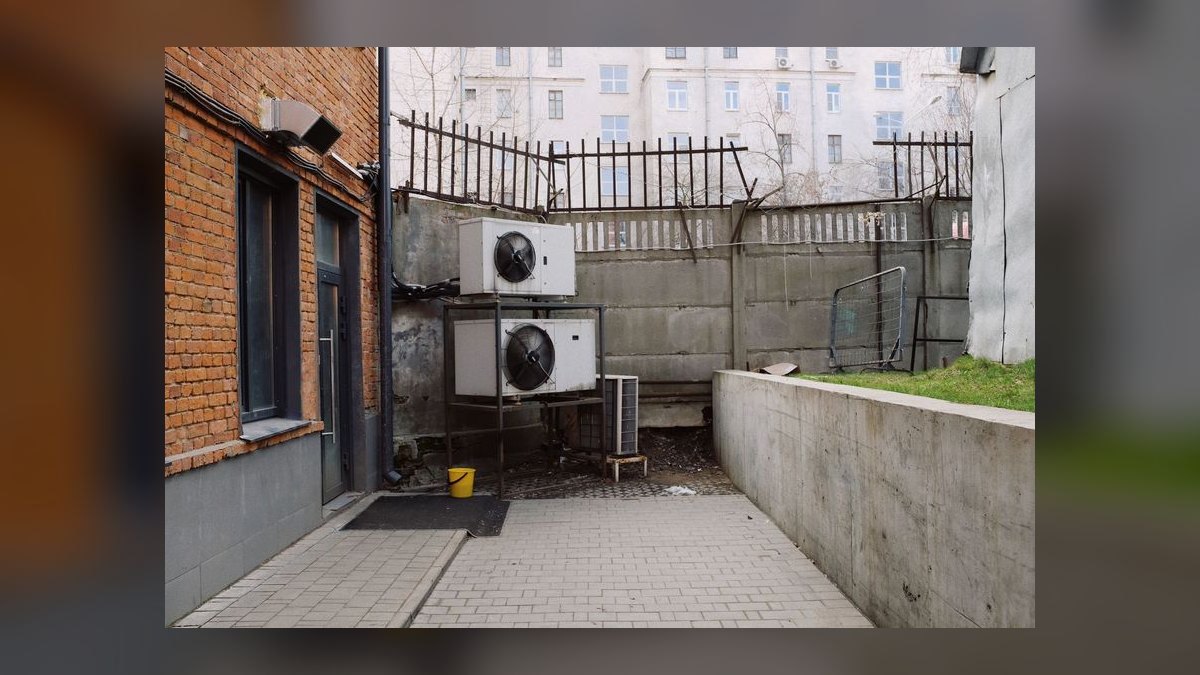
How the buildout process flows
The sequencing matters more than the arguments. A landlord who has already signed the work letter has almost no reason to reopen it, so the entire negotiation has to happen upstream of a signature.
Here's the practical order of operations for a typical off-hours commercial buildout:
Letter of intent stage. Your broker submits an LOI covering rent, term, TI allowance, free rent, and delivery condition. This is where "landlord shall provide temporary HVAC during tenant construction, including off-hours work" belongs as a bullet. It costs nothing to include and it establishes the item as part of the economic deal rather than a later ask. Landlords negotiate LOIs holistically; they trade points. Items raised after the LOI look like scope creep.
Work letter drafting. The work letter (or construction rider) splits the project into Landlord's Work and Tenant's Work. Every dollar of ambiguity lands on whoever has less leverage. Temporary HVAC belongs in the Landlord's Work list with a description of equipment, duration trigger, and utility responsibility.
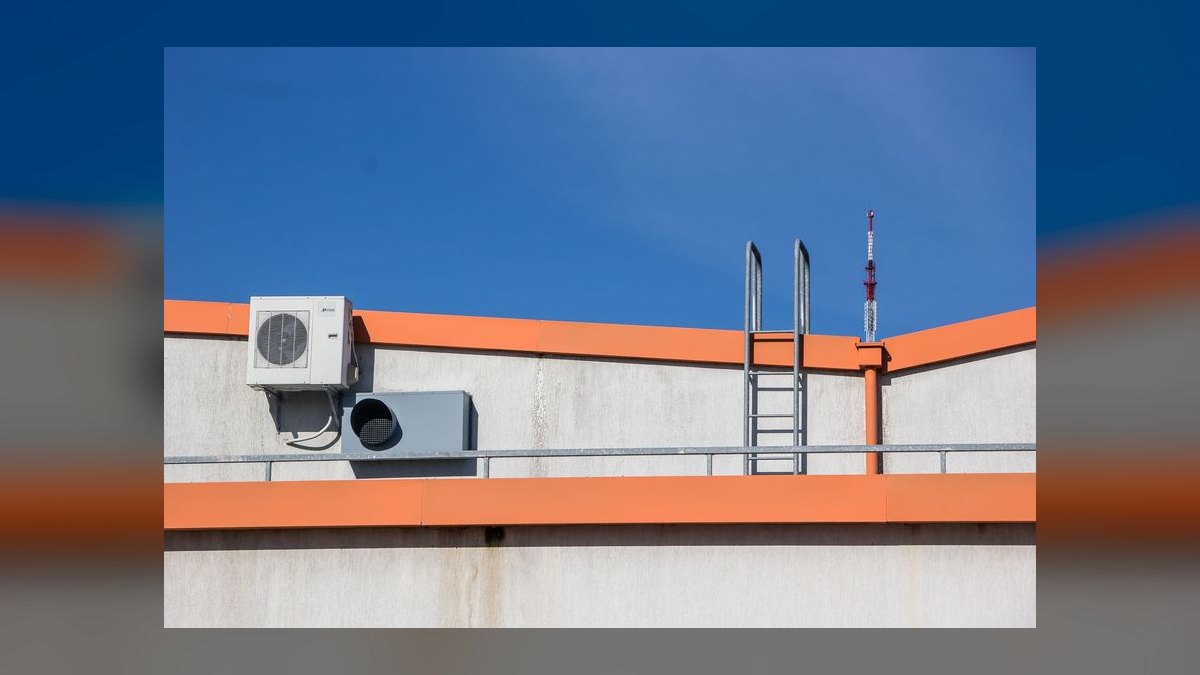
Design and permit. Your architect and MEP engineer produce drawings. If the base system is being shut down, tapped, or rebalanced, the mechanical drawings will show it — and that is your documentary proof that the shutdown is a base-building event, not a tenant preference. Many jurisdictions also require ventilation provisions during construction, and building departments can flag a permit set that shows a dead system with no temporary provision.
Pre-construction meeting. Landlord's property manager, your GC, and the building engineer walk the space and agree on shutdown windows, filter protection, and access. This is where you confirm in writing who is providing what. If the landlord's engineer says "we'll just isolate your zone," get the isolation plan documented and confirm whether the isolated zone can actually be conditioned.
Demo and rough-in. Peak dust period. Temporary units matter most here, and this is when base-system contamination happens if you got it wrong.
Finishes. Peak temperature-and-humidity-sensitivity period. Flooring, millwork, and paint all care.
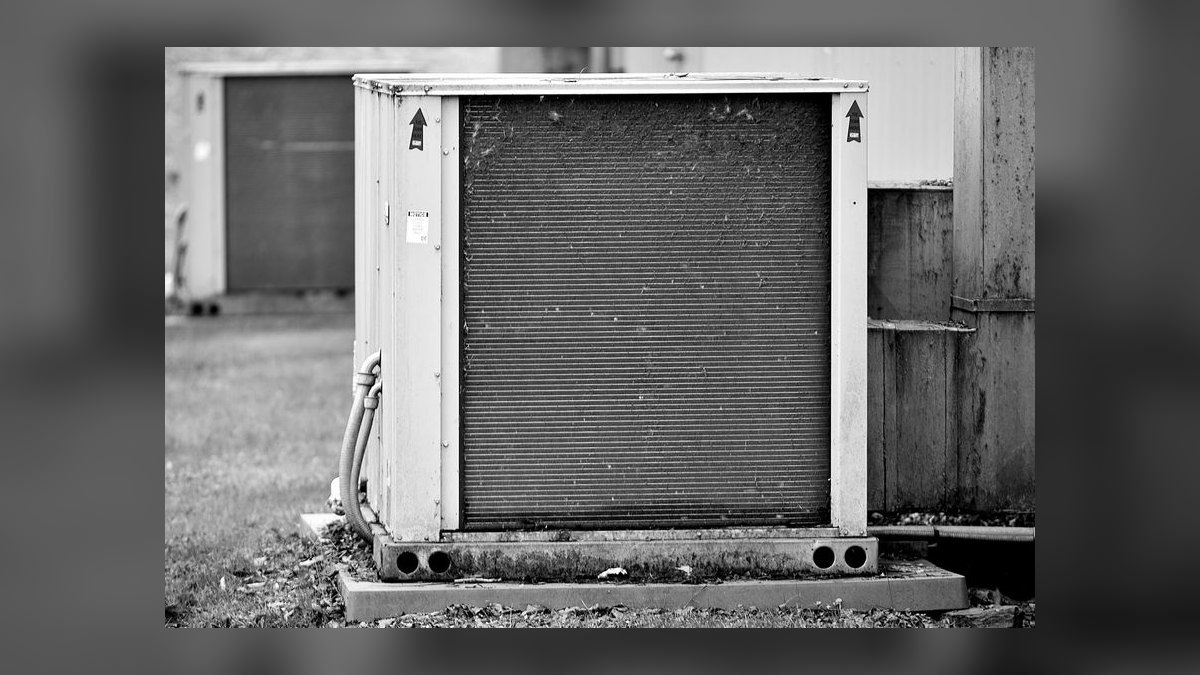
Punch, inspection, and turnover. Temporary units come off; base system is cleaned, filters replaced, and rebalanced — and note that filter replacement and coil cleaning after construction is itself a negotiable line item.
Costs, timelines, and the three equipment strategies
You cannot negotiate a number you cannot describe. Before you ask the landlord for anything, know which of the three temporary HVAC approaches your project actually needs, because they differ by an order of magnitude in cost and in how defensible the ask is.
Tie-in to adjacent conditioned space. If the building has vacant suites, a common corridor, or an adjacent floor with a working system, the landlord's engineer can run flexible duct or open a transfer path into your area. This is nearly free — it uses idle equipment the landlord is already running or can run cheaply. It's also the hardest ask to refuse, which is exactly why you lead with it. Limitations: it only works for modest loads, it can't hold tight humidity control, and it may violate smoke-compartment or fire-rating requirements if you're penetrating rated assemblies. Ask the building engineer whether the transfer path crosses a rated wall before you propose it.
Portable spot coolers and electric or fuel-fired heaters. Rented by the unit, typically sized in tons for cooling and BTU for heat. Good for one zone, a short duration, or a phased buildout where only part of the floor is exposed. The gotchas are electrical and exhaust: spot coolers reject heat somewhere, and if that somewhere is your ceiling plenum you've just moved the problem. Larger units need dedicated circuits or a temporary panel, which means an electrician and possibly a permit. Fuel-fired heaters raise combustion-air and CO monitoring issues indoors and are often prohibited by the landlord's insurer. Landlords resist paying here because portables look like tenant equipment.
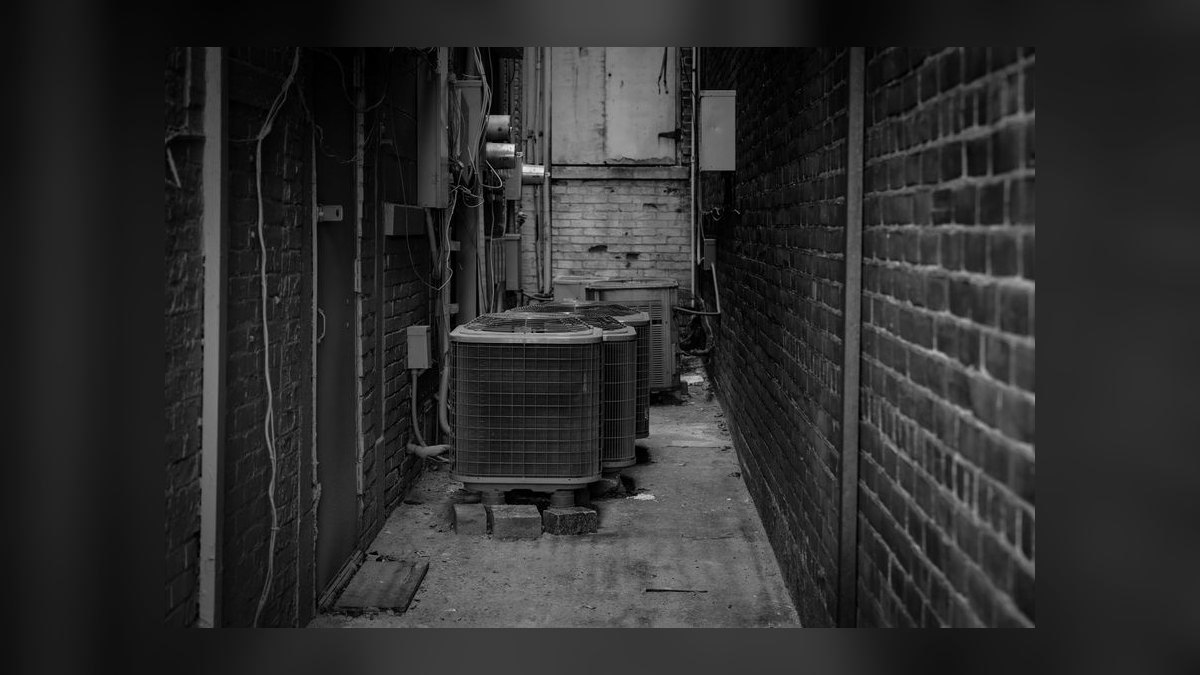
Supplemental rooftop or trailer-mounted units with temporary ducting. The heavy option, used when the base system is down for weeks or the space is large. Requires a rigging plan, roof-load review by a structural engineer, possible crane time, and coordination with the landlord's roofing warranty — which is a real issue, because unauthorized roof penetrations or equipment placement can void a 20-year roof warranty. That warranty exposure is precisely why the landlord should be the contracting party: it's their roof, their warranty, their vendor. This is your strongest argument for landlord-paid, landlord-procured equipment.
On pricing. Rental rates vary enormously by market, season, unit size, and duration — peak summer in a hot metro can be multiples of shoulder-season pricing, and long-term rentals price far better per week than short ones. Don't guess at numbers in a negotiation. Get two written quotes from national equipment rental firms and one from the landlord's own mechanical contractor, then negotiate against real figures. The landlord's vendor is frequently cheapest because of an existing relationship and standing rates — which is itself a reason to have them procure the equipment even if you end up paying part of it.
Budget it as a percentage, not an absolute. In most standard office and retail buildouts, temporary climate control is a small single-digit percentage of the total construction cost. Framing it that way helps: "This is roughly one to three percent of hard costs to protect one hundred percent of the finishes and your rooftop equipment" is a far better sentence than an equipment invoice.
Timelines to respect. Equipment lead time in peak season is the trap that kills otherwise-good negotiations. Portable units get scarce in July and August in warm markets and in January in cold ones. Rigging and crane scheduling can take weeks. Temporary power for large units needs an electrician and sometimes a utility coordination step. Start the conversation a minimum of four to six weeks before demo, and put a response deadline in your written request so silence doesn't become the landlord's answer.
Utilities. Decide explicitly who pays for the power or fuel that runs these units, and how it's measured. If the units run off house power with no submeter, you're negotiating a fixed monthly fee blind. Common landings: landlord pays rental and delivery, tenant pays consumption at a stated flat rate; or landlord pays everything and adds an agreed amount to the after-hours HVAC schedule. Either is fine — an undefined arrangement is not.
The lease and work letter language that actually holds
Verbal assurances from a leasing broker are worth nothing once construction starts and the broker's commission has been paid. Three written provisions do the work.
A temporary HVAC clause in the work letter. It needs four elements: who provides, what equipment standard, for how long, and at whose cost. A workable structure reads roughly: Landlord shall provide and maintain, at Landlord's cost, temporary heating, ventilation and air conditioning sufficient to maintain the Premises within the temperature and humidity ranges specified by the manufacturers of Tenant's finish materials, at all times during Tenant's construction, including work performed outside Building Hours, commencing prior to any demolition that disrupts base building HVAC service and continuing through substantial completion. Have your attorney draft the actual language — the point here is which four elements must survive redlining.
A utility and metering provision. State whether temporary units run on house power, whether a submeter is installed, who reads it, and what happens if consumption exceeds an estimate. If you accept a fixed fee, cap it.
A shutdown and coordination exhibit. Attach the construction schedule showing when base HVAC is down. This kills the most common landlord defense — "you never told us you needed it then." A dated schedule attached to the work letter converts a dispute about intent into a document check.
Two structural points people miss. First, watch how the definition of Landlord's Work interacts with the TI allowance. If temporary HVAC is described as reimbursable from the allowance, the landlord has technically agreed while actually charging you, because every dollar drawn from the allowance is a dollar not spent on your finishes. Push for it to sit outside the allowance. Second, check the delivery-condition and base-building-condition definitions. If the landlord warrants the HVAC system is in good working order at delivery, and it isn't, the repair is theirs — and a system that can't serve the space during construction may be evidence it wasn't delivered in the promised condition.
Standard institutional and association lease forms typically obligate the landlord to furnish HVAC during specified building hours and are silent on construction-period temporary equipment. Silence is not a grant. Add the exhibit; do not rely on general cooperation language or an implied duty.
Where budgets and schedules slip
The failures repeat across projects, and almost all of them are foreseeable.
Signing first, asking later. The single most expensive mistake. Post-signature, the landlord has your rent stream locked and every remaining request is a favor. If you're already in construction, your leverage is narrow but real: schedule pressure. "Without temporary conditioning we stop finish work Friday, and substantial completion moves out three weeks" is a sentence that reaches an asset manager, because it moves rent commencement.
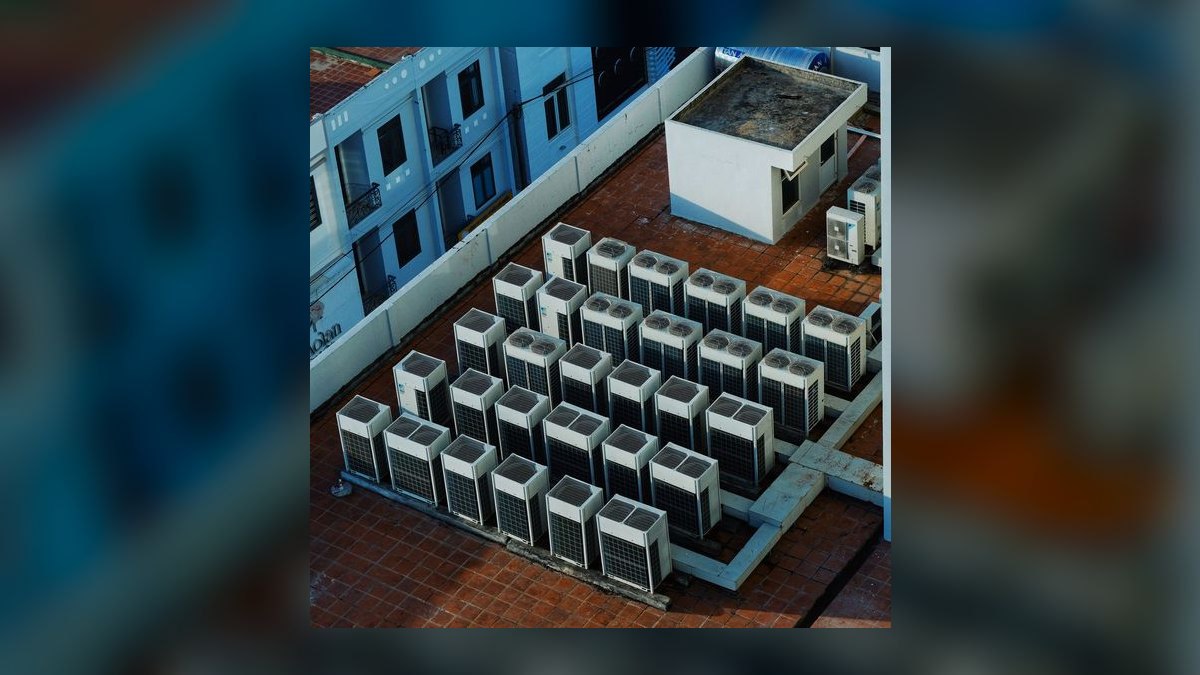
Discovering the base system can't be zoned. Many commercial systems serve multiple suites from one air handler. Running your zone means conditioning empty adjacent space at full load, which is why the landlord's after-hours rate is high. Confirm zoning with the building engineer during due diligence, before you build a negotiation around "just run my zone and I'll pay the power."
Assuming demo dust is somebody else's problem. If nobody agrees on filter protection and system isolation, the base system eats the dust and the cleanup bill shows up later — often addressed to you, under the lease clause making you responsible for damage caused by your contractors. Agree in writing on temporary filter media, sealed returns, and post-construction coil cleaning, and agree on who pays for each.
Late equipment orders. Peak-season scarcity converts a negotiated obligation into "no units were available." Order early; the reservation is cheap compared to a schedule slip.
Humidity, not just temperature. Cooling equipment sized only for sensible load can hold 72°F and still leave the space at 70% relative humidity — which warps millwork, delaminates flooring adhesive, and grows mold on paper-faced gypsum. Specify a humidity range, not just a temperature setpoint. Dehumidification is a separate capability and sometimes separate equipment.
Fuel-fired heaters indoors. Propane and kerosene salamanders produce moisture and combustion products, and many landlords' insurers ban them inside occupied buildings. Confirm before your GC shows up with them.
Roof warranty exposure. Setting equipment or running duct across a warranted roof without the warranty holder's approved contractor can void coverage. It's the landlord's warranty and the landlord's problem, but if your GC caused it, expect the claim to route to you.
No completion trigger. Define when temporary units come off. Without a trigger, either the landlord pulls them mid-finish work or they sit accruing rental after you're done.
The change-order path everyone forgets. If the landlord genuinely won't fund a new line item, ask whether the GC's contingency for unforeseen conditions can absorb it. If the base system's actual capacity or condition differs from what the drawings assumed, that's a textbook unforeseen condition, and contingency money is easier to release than new money.
A decision framework you can run in one meeting
Work the ladder from cheapest-to-approve upward, and always keep a trade in your pocket. Escalation without an alternative just produces a stalemate.
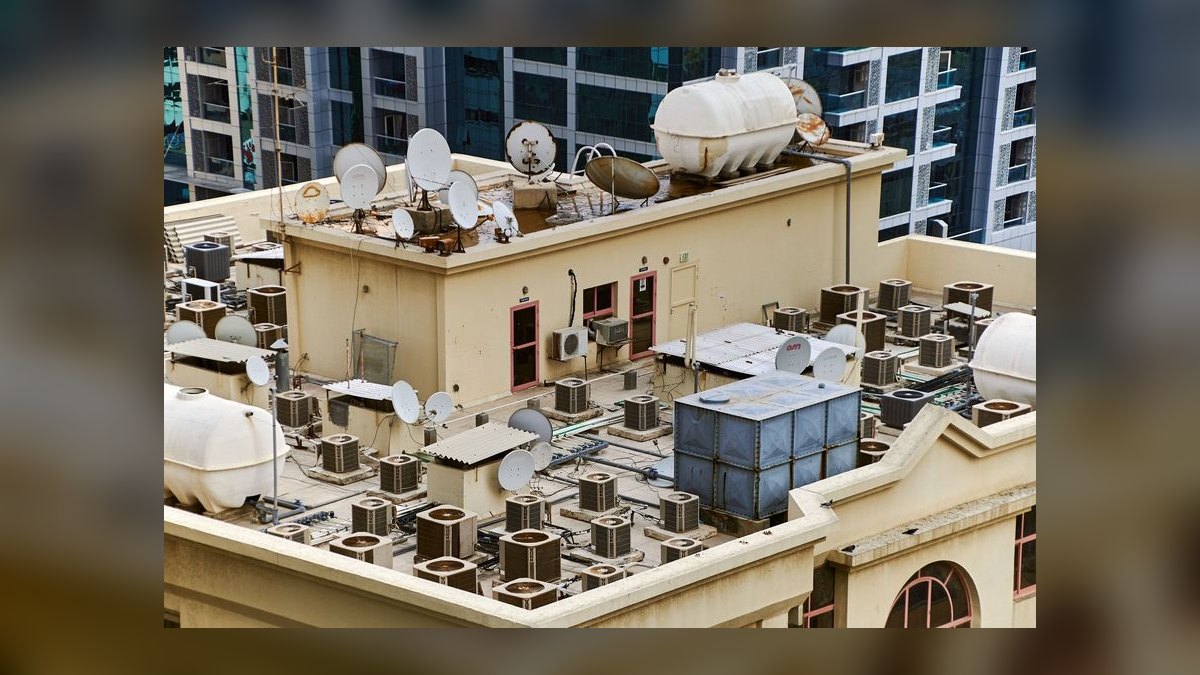
Start with the free option: adjacent-space tie-in. If the building has idle conditioned space, this is a request for cooperation rather than capital, and property managers approve cooperation. If the tie-in can't carry the load, move to landlord-procured rental equipment with a defined cost split. If they refuse a split, offer to fund the equipment yourself in exchange for extended abatement or an increased allowance — you're converting a cash cost into a concession they can book differently, which sometimes clears an approval hurdle that cash never would.
If that fails, escalate procedurally rather than emotionally: a written notice citing the lease's maintenance and delivery-condition provisions, stating the schedule impact and reserving rights on rent commencement. Copy the property manager and the asset manager. Written notices get routed to people with authority; phone calls get routed to voicemail.
Self-help — paying and offsetting against rent — exists in some leases but is narrow, notice-dependent, and easy to get wrong. Deducting rent without a clear contractual right is a default that can put your lease at risk. Talk to a real estate attorney before you offset a dollar. Similarly, constructive eviction is a genuine doctrine but a serious claim with a high bar, and threatening it casually mostly signals that you're out of real arguments.
Finally: bring your tenant-rep broker into every one of these conversations. The broker has an ongoing relationship with the landlord, is paid on the deal, and can push harder than you can without poisoning the tenancy. If the temporary HVAC ask is happening pre-signature, the broker should be running it as part of the LOI trade, not as a standalone favor.
Related questions
Does the landlord's after-hours HVAC charge cover construction?
Usually not. After-hours HVAC rates cover comfort conditioning for occupied use of the base system. Construction-period temporary equipment is a separate item, and running the base system during demolition is often exactly what the landlord wants to avoid.
Should temporary HVAC come out of the TI allowance?
Push for outside it. Every dollar drawn from the allowance is a dollar unavailable for finishes, so allowance-funded temporary HVAC is a landlord concession in name only. If it must come from the allowance, ask for the allowance to be increased by the same amount.
What if the base system is simply undersized for the space?
That's a delivery-condition issue, not a temporary-equipment issue. Check what the lease warrants about base building HVAC capacity at delivery. An undersized system that can't serve the premises may obligate the landlord to upgrade it, not just to rent portables.
Who pays to clean the base system after construction?
Negotiate it explicitly. Filter replacement and coil cleaning after a dusty buildout is a real cost, and lease clauses making tenants responsible for contractor-caused damage can be pointed at you. If temporary units kept the base system offline, that cleanup bill should be small.
Does this apply to a cosmetic refresh with no MEP work?
Less strongly. If you're only painting and recarpeting and the base system stays online, the landlord's answer that the existing system is adequate is reasonable. Your remaining argument is dust protection — worth filter media and sealed returns, rarely worth rented chillers.
FAQ
My lease says nothing about temporary HVAC. Am I out of luck?
Not entirely, but you're negotiating rather than enforcing. Your arguments are the landlord's general maintenance obligation, the delivery-condition warranty, and their interest in protecting base-building equipment and the rent commencement date. Put the request in writing with a specific date for response and a specific description of what you need. Most landlords settle at a split rather than fight over a line item that's small relative to the deal.
Can I just buy portable units and deduct the cost from rent?
Only if your lease grants self-help with a right of offset, and only after following its notice procedure exactly. Offsetting rent without that right is a monetary default, which is a far worse position than paying for the units. There's also a practical problem: larger portables need dedicated circuits, and unauthorized work on the building's electrical system creates its own lease violation. Ask a real estate attorney before you deduct anything.
How far ahead should I raise this?
Ideally at the letter of intent, before any economic terms are agreed. Practically, the hard deadline is four to six weeks before demolition, because that's the realistic window for quotes, approvals, rigging plans, and equipment delivery in a busy season. Raising it two weeks out means the honest answer may be that nothing is available.
Is dehumidification really a separate concern from cooling?
Yes, and it's the most commonly missed spec. Equipment sized for sensible cooling can hold a comfortable temperature while relative humidity stays high enough to swell millwork, fail flooring adhesive, and support mold growth on gypsum board. Write a humidity range into the requirement, not just a temperature.
The landlord offered to run my zone off the base system if I pay the power. Good deal?
Check with the building engineer first. Many commercial systems can't isolate a single suite, so "your zone" may mean conditioning an entire floor at full load — and the consumption bill can dwarf a rental. It also puts construction dust into equipment you don't own, which can rebound as a damage claim. Sometimes it's the right answer; verify the zoning before agreeing.
What if the landlord's own contractor is doing the work?
Then your position is much stronger. If the landlord is delivering a turnkey or landlord-built space, conditions during construction are unambiguously their means and methods, and temporary climate control is part of building the space. Make sure the turnkey scope description doesn't carve it out and push it back to you as a tenant cost.
Sources
- https://www.boma.org/
- https://www.ashrae.org/technical-resources
- https://www.osha.gov/construction
- https://www.iccsafe.org/
- https://www.epa.gov/indoor-air-quality-iaq
- https://www.nar.realtor/commercial
- https://www.aggreko.com/
- https://www.unitedrentals.com/
- https://www.agc.org/
Related on PULSE
- [How do I get the landlord to pay for structural upgrades like HVAC or roof repairs?](/knowledge/bo0247)
- [How Do I Get the Landlord to Pay for the HVAC or Roof?](/knowledge/bo0084)
- [How do I force the landlord to pay for my temporary space while my buildout runs over schedule](/knowledge/bo0326)
- [How do I force the landlord to replace obsolete MEP systems during my buildout](/knowledge/bo0276)
- [Can I get the landlord to reimburse my moving and storage costs during the buildout](/knowledge/bo0332)
- [How do I get a performance bond from the landlord's contractor for my buildout](/knowledge/bo0286)
@Kory-White- · if Venmo asks, the last 4 of my number are 2012
 editorialMy Thoughts: How Do I Save on Buildout by Taking a Second-Generation Restaurant Space
 boWhat are the hidden costs of a warm shell delivery that landlords don’t disclose?
 boHow do I force the landlord to pay for an independent cost estimator?
 boShould I hire a tenant rep broker to oversee my buildout or manage it myself?
 boHow do I negotiate a cap on my out-of-pocket costs for the buildout?
 boHow do I terminate a lease early if the landlord fails to deliver the buildout as promised?
 boHow do I negotiate a hard cap on my shared plaza maintenance costs after the buildout?
 boWhat Are the Good and Bad Clauses in a Commercial Lease?
 boShould I demand the landlord provide a third-party cost breakdown for every line item in their GC bid
 boHow do I calculate the true cost of using the landlord’s preferred GC versus my own