
How should I structure a lease to reclaim buildout value if I'm evicted for redevelopment?
 Curated byKory White · Fractional CRO · Maryland
 PULSEKNOWLEDGE LIBRARY
<svg xmlns="https://www.w3.org/2000/svg" viewBox="0 0 1200 340" role="img" aria-label="How Should I Structure a Lease to Reclaim Buildout Value If I'm Evicted for Redevelopment? — PULSE Buildouts"><rect width="1200" height="340" fill="#EBE9DE"/><rect width="14" height="340" fill="#C0531F"/><text x="58" y="116" font-family="Arial,Helvetica,sans-serif" font-size="32" font-weight="800" letter-spacing="3" fill="#C0531F">PULSE BUILDOUTS · COMMERCIAL REAL ESTATE</text><text x="56" y="198" font-family="Arial,Helvetica,sans-serif" font-size="60" font-weight="800" fill="#2b2b2b">Save money. Don’t get screwed.</text><text x="58" y="258" font-family="Arial,Helvetica,sans-serif" font-size="30" font-weight="600" fill="#6b5b4d">Leases, TI, NNN & buildouts — negotiated in your favor</text><g transform="translate(1010,86)" fill="none" stroke="#C0531F" stroke-width="9" stroke-linejoin="round"><rect x="20" y="40" width="150" height="130"/><line x1="20" y1="40" x2="95" y2="6"/><line x1="170" y1="40" x2="95" y2="6"/><rect x="50" y="80" width="36" height="36"/><rect x="104" y="80" width="36" height="36"/><rect x="74" y="128" width="42" height="42"/></g></svg>
Read the full article free — or download it for $1 and it’s yours forever.You must negotiate a redevelopment eviction clause that ties the landlord's right to terminate your lease to a mandatory buyout of your unamortized buildout costs — this is the only way to avoid losing every dollar you invested in tenant improvements when the building gets torn down. The standard commercial lease typically gives the landlord a blanket right to terminate for redevelopment with zero compensation for your improvements, which means your substantial fit-out becomes a free gift to the developer. Structure your lease so that the unamortized balance of your buildout (calculated on a straight-line basis over the useful life, typically 10–15 years for commercial improvements) is paid to you upon eviction, plus a relocation allowance equal to a meaningful number of months of rent to cover moving costs and downtime. Also demand a right of first refusal on space in the new development at market terms, so you're not left homeless. The key leverage: landlords hate vacant space and will often agree to these terms if you're a strong credit tenant or signing a long initial term. Never sign a lease without a redevelopment rider that spells out the formula, and get the landlord's financial statements to ensure they can actually pay the buyout if triggered.
The Unamortized Buildout Formula: How to Calculate Your Claim
The unamortized buildout value is the portion of your tenant improvement (TI) costs that hasn't been "used up" by the time the lease ends. To protect yourself, write the formula directly into the lease:
- Total TI cost = the actual amount you paid for construction, furniture, fixtures, and equipment (FF&E), plus soft costs like design and permits. Get receipts and a certificate of occupancy as proof.
- Amortization period = the useful life of the improvements. For commercial buildouts, the industry standard is 10 years for general office or retail fit-outs, 15 years for more durable improvements like HVAC or structural work. The IRS's MACRS depreciation schedule (39 years for commercial real estate, 15 years for leasehold improvements) is a good reference, but negotiate a shorter period — you want the landlord to pay out faster if they evict early.
- Straight-line calculation: Divide the total TI cost by the amortization period (in months) to get the monthly amortization. Multiply that by the number of months remaining in the term at eviction. This gives you a clear, defensible number.
- Add a premium: Argue that your buildout adds market value to the property beyond the cost — a custom restaurant kitchen or a medical office with specialized plumbing is worth more to the next tenant. Negotiate a multiplier on the unamortized balance to reflect this added value.

Critical detail: The lease must define "buildout costs" broadly to include soft costs (architect, engineering, permits, legal fees for the TI agreement) and relocation expenses (moving, temporary storage, lost business). Without this, the landlord will only pay for physical construction, leaving you holding the bag for everything else.
The Redevelopment Eviction Clause: Key Language to Negotiate
The redevelopment eviction clause (sometimes called a demolition clause or redevelopment rider) is the single most important paragraph in your lease if you're in a building with redevelopment potential. Start with the standard form from organizations like the Building Owners and Managers Association (BOMA) or the International Council of Shopping Centers (ICSC), then modify it. Key language points:
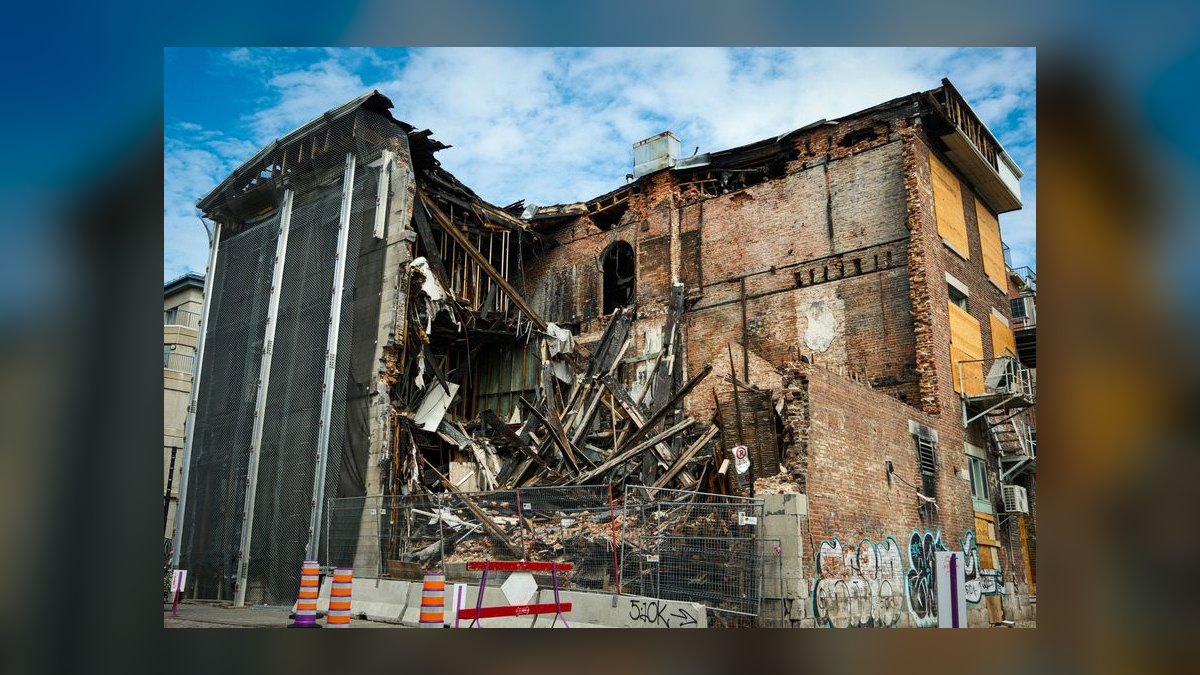
- Landlord's right to terminate: Must be limited to "bona fide redevelopment" — not just a desire to get higher rent. Define redevelopment as "demolition and reconstruction of the building or a substantial portion thereof, requiring vacant possession for a significant period." This prevents the landlord from using the clause to evict you for a minor renovation.
- Notice period: Demand a substantial number of days' written notice before the termination date. This gives you time to find new space, move, and avoid a business interruption. Shorter notice periods are common in landlord-drafted leases — reject them.
- Buyout payment: The clause must state: "Landlord shall pay Tenant the unamortized balance of Tenant's buildout costs, calculated on a straight-line basis over a defined period, within a set number of days of the termination date." Add a late payment penalty if the landlord delays.
- Relocation allowance: "Landlord shall pay Tenant a relocation allowance equal to a number of months of then-current base rent, plus actual moving costs." This covers the hard costs of packing, transport, and setup in a new location.
- Right of first refusal (ROFR): "Tenant shall have a right of first refusal to lease comparable space in the new development, at market rates, for a substantial term." This ensures you're not displaced permanently.
- Surrender of premises: The clause should state that you can remove your trade fixtures and equipment (like shelving, kitchen equipment, or specialized machinery) at your cost, and that the landlord must accept the space "as-is" for demolition — no repair obligations.
Example from practice: A retail tenant in a strip center that was slated for redevelopment negotiated a clause that paid them for their unamortized buildout plus a relocation allowance, and they got first dibs on the new anchor space. Without the clause, they'd have walked away with nothing.
The Relocation Allowance: How to Cover Your Real Costs
The relocation allowance is your safety net for the tangible and intangible costs of moving your business. Landlords often resist it, but it's standard in Class A office leases and national retail chain leases — you can get it with leverage. Structure it as:
- Months of rent: A lump sum equal to a number of months of then-current base rent. This covers downtime where you're paying rent on the old space (if the lease doesn't terminate immediately) and the new space simultaneously.
- Actual moving costs: A separate line item for professional movers, packing materials, temporary storage, and reinstallation of IT and equipment. Cap it at a reasonable figure and require the landlord to pay invoices directly or reimburse within a set period.
- Lost business compensation: If you're a retail or restaurant tenant, lost revenue during a move can be devastating. Negotiate a per-diem payment or a percentage of your average daily sales from the prior year. This is harder to get but possible if you have strong financials or a unique location.
- Temporary space: If the new development won't be ready for an extended period, demand the landlord provide or pay for temporary space nearby for the interim period, at the same rent as your current lease.
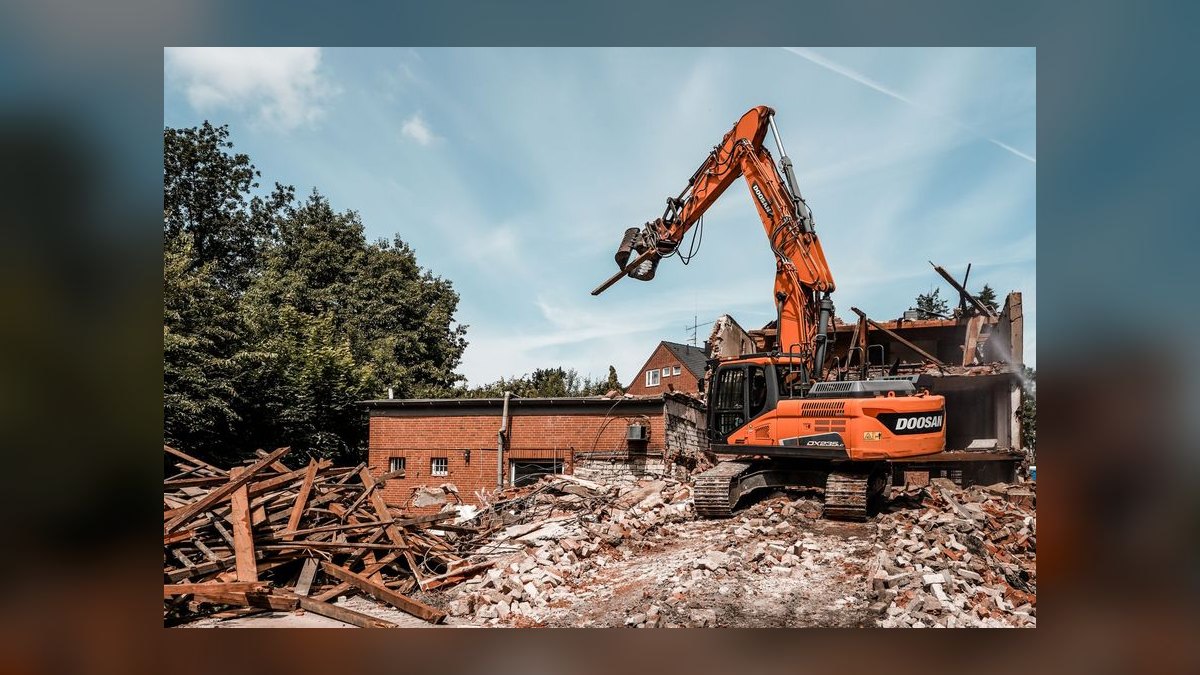
Real-world example: A medical office tenant in a building being redeveloped into condos negotiated a relocation allowance covering many months of rent plus a significant sum for moving specialized equipment. They also got the landlord to pay for a leasehold improvement in the new space. The key: they had a long-term lease remaining and the landlord needed them to leave quietly to avoid a lawsuit.
The Right of First Refusal in the New Development
A right of first refusal (ROFR) on space in the new development is your best tool for business continuity — it ensures you're not forced to find a completely new location in a different market. Negotiate these terms:
- Scope: The ROFR should cover any leasable space in the new development that meets your minimum size requirements. Specify that the landlord must offer you space before marketing it to third parties.
- Timing: The landlord must give you a reasonable number of days to decide after providing a written proposal with rent, term, and TI allowance. If you decline, the landlord can lease to others, but if the terms change materially (e.g., lower rent), you get another ROFR.
- Market rent: The ROFR should be at then-prevailing market rates for comparable space in the development. Avoid a clause that says "at the landlord's then-current asking rent" — that gives them leverage to overcharge. Instead, tie it to third-party appraisals or comparable leases in the area.
- TI allowance: The new space should come with a tenant improvement allowance equal to what the landlord gives other new tenants in the development. Don't let them treat you as a renewal tenant with a lower allowance.
- Term: The ROFR should be for a minimum term of several years, with options to renew. This protects you from being displaced again in the short term.
Watch out for: Some landlords will try to exempt the ROFR if the new development is a condominium or for-sale residential project — in that case, negotiate a right of first offer (ROFO) on any commercial space that becomes available, or a cash payment in lieu of space equal to a number of months of rent.
The Landlord's Financial Capacity: Why You Need to Verify
A redevelopment buyout clause is only as good as the landlord's ability to pay. If the landlord is a special-purpose entity (SPE) with no assets beyond the building, your buyout could be uncollectible if the building is demolished. Protect yourself:
- Financial statements: Request the landlord's audited financial statements for the past few years, or a letter of credit from a major bank. If the landlord is a real estate investment trust (REIT) or large institution, their financial strength is usually solid. For smaller landlords, require a personal guarantee from the principal.
- Escrow account: Negotiate that the landlord must deposit the estimated unamortized buildout amount into an interest-bearing escrow account at the time of lease signing, or at least a significant period before any potential redevelopment. The funds are released to you upon eviction.
- Letter of credit (LOC): Demand an irrevocable standby letter of credit from a bank equal to the unamortized buildout amount, renewable annually. The LOC can be drawn down if the landlord fails to pay within a set period of eviction.
- Subordination clause: Ensure your lease is subordinate to any new construction financing only if the lender agrees to honor your buyout clause. Otherwise, the lender could foreclose and wipe out your rights.
Red flag: If the landlord refuses to provide financials or a guarantee, assume they can't pay. In that case, negotiate a shorter lease term so you have less buildout at risk, or demand a lower TI contribution from you (more from the landlord) so your exposure is minimal.
The Negotiation Strategy: When and How to Push
Negotiating a redevelopment clause requires timing and leverage. Here's the playbook:

- Leverage point 1: Strong credit. If your business has a strong credit rating from reputable agencies, or if you're a national tenant (e.g., a bank, pharmacy, or franchise), landlords will bend to keep you. Use this to demand a full buyout plus relocation allowance.
- Leverage point 2: Long-term lease. A long initial term gives you massive bargaining power — the landlord wants the rent stream. Offer to sign a longer term in exchange for a robust redevelopment clause.
- Leverage point 3: Unique space. If your buildout is specialized (e.g., a restaurant with a grease trap and hood system, a lab with fume hoods, a gym with heavy floor loads), the landlord knows it's hard to re-lease without major work. Use this to argue that your improvements have enduring value and deserve compensation.
- Timing: Negotiate the clause before you sign the lease — after signing, you have zero leverage. If the landlord balks, walk away or demand a lower rent to compensate for the risk.
- Fallback positions: If the landlord refuses a full buyout, negotiate a partial buyout or a higher relocation allowance. Or get a termination fee equal to a number of months of rent.
Common mistake: Tenants focus only on rent and TI allowance and ignore the redevelopment clause. Then, when the building is sold a few years later, they lose everything. Always include this clause — it's a standard part of BOMA's Office Lease Form and ICSC's Retail Lease Form, so it's not an unusual ask.
FAQ
What happens if the landlord files for bankruptcy before paying my buyout? Your claim becomes an unsecured creditor claim in bankruptcy court, which means you may receive only a fraction of what you're owed. To avoid this, get a letter of credit or escrow account that's outside the bankruptcy estate — those funds are yours regardless.
Can I get the buyout if I voluntarily terminate the lease early? No — the redevelopment clause only applies if the landlord terminates for redevelopment. If you break the lease, you forfeit all buildout value. That's why you should never sign a lease with a blanket early termination right without a corresponding buyout.
How do I value my buildout if I didn't pay for it (e.g., the landlord gave TI allowance)? Even if the landlord paid for the improvements, you still have a leasehold interest in them. The unamortized value is calculated the same way — the cost of the improvements, regardless of who paid. The clause should say "Tenant's buildout costs" meaning the total cost of the improvements, not just what you wrote a check for.
Is a redevelopment clause standard in commercial leases? No — it's a negotiated addendum in most cases. Landlord-drafted leases often give them the right to terminate for redevelopment with zero compensation. You must explicitly ask for it. It's more common in Class A office leases and national retail leases than in small strip center or industrial leases.
What if the redevelopment is partial — they only demolish part of the building? The clause should specify that if the landlord demolishes a portion that materially affects your space (e.g., removes a load-bearing wall, cuts off utilities, or reduces parking), it triggers the same buyout. Define "materially affected" as any change that reduces your usable square footage by a meaningful percentage or increases your operating costs by a meaningful percentage.
Can I get a buyout if the building is condemned by the city? If the condemnation is for public use (e.g., a road widening), the government pays the landlord, and the landlord should pass through your unamortized buildout as part of the condemnation award. Negotiate a clause that says "Landlord shall use commercially reasonable efforts to include Tenant's improvements in any condemnation claim."
Sources
- Building Owners and Managers Association (BOMA) — Office Lease Form and Standard Clauses
- International Council of Shopping Centers (ICSC) — Retail Lease Form and Redevelopment Riders
- American Bar Association (ABA) — Commercial Leasing Committee Publications
- National Association of Realtors (NAR) — Commercial Real Estate Lease Negotiation Guides
- Real Estate Finance and Investment (REFI) — Tenant Improvement Amortization Standards
- Dun & Bradstreet — Commercial Credit Rating Guidelines
- Internal Revenue Service (IRS) — MACRS Depreciation Schedules for Leasehold Improvements
Related on PULSE
- [How do I negotiate a lease that allows me to recoup buildout value upon sublease](/knowledge/bo0288)
- [How do I structure a lease to allow me to sell my buildout improvements to the next tenant?](/knowledge/bo0323)
- [Can I negotiate a lease that converts my buildout allowance into equity in the building?](/knowledge/bo0315)
- [How do I structure a redevelopment deal where the tenant pays for the building skin](/knowledge/bo0278)
- [How do I structure a lease so I can take the TI allowance as cash and handle construction myself?](/knowledge/bo0258)
- [How do I force the landlord to stick to the buildout timeline in my lease?](/knowledge/bo0244)
@Kory-White- · if Venmo asks, the last 4 of my number are 2012
 editorialMy Thoughts: How Do I Save on Buildout by Taking a Second-Generation Restaurant Space
 boWhat are the hidden costs of a warm shell delivery that landlords don’t disclose?
 boHow do I force the landlord to pay for an independent cost estimator?
 boShould I hire a tenant rep broker to oversee my buildout or manage it myself?
 boHow do I negotiate a cap on my out-of-pocket costs for the buildout?
 boHow do I terminate a lease early if the landlord fails to deliver the buildout as promised?
 boHow do I negotiate a hard cap on my shared plaza maintenance costs after the buildout?
 boWhat Are the Good and Bad Clauses in a Commercial Lease?
 boShould I demand the landlord provide a third-party cost breakdown for every line item in their GC bid
 boHow do I calculate the true cost of using the landlord’s preferred GC versus my own