


Can I get a landlord contribution for my furniture, fixtures, and equipment in 2027?
Quality
Certified

Yes. Landlords will often contribute toward furniture, fixtures, and equipment (FF&E), but rarely by default — you must negotiate it into the letter of intent as part of the tenant improvement allowance or a separate FF&E allowance. Frame furniture as making the space operationally ready, tie it to a longer lease term, and ask before the numbers lock.
Why landlords resist funding FF&E in the first place
A landlord's entire logic for a tenant improvement (TI) allowance rests on one question: does the money buy something that stays with the building and preserves its value after you leave? Hard construction — drywall, ceiling grids, HVAC ductwork, plumbing rough-ins, electrical, flooring, and lighting — checks that box. Those improvements are permanent, they raise the asset's re-leasing appeal, and the landlord recovers the cost by amortizing it into your base rent over the lease term.
Furniture fails that test. A conference table on legs, a rolling task chair, or a filing cabinet is movable personal property. You can wheel it out the day your lease expires, leaving the landlord holding a cost with zero residual value. From their side, funding your desks is functionally the same as writing you a check — which is exactly why the standard institutional TI allowance explicitly excludes FF&E in the lease exhibits.
Understanding this reasoning is your leverage. A landlord isn't refusing FF&E out of stubbornness; they're refusing an unrecoverable expense. Every tactic that works — longer lease terms, leaving built-ins behind, higher rent — is a version of giving the landlord a way to recover the cost. Once you reframe the request as "here's how you get your money back," the conversation shifts from a flat no to a negotiation over structure and price.

Hard costs versus soft costs, and the built-in loophole
Landlords draw a bright line between hard costs and soft costs, and where an item lands determines whether standard TI money can touch it. Hard costs are the physical, permanent build: partitions, ceilings, mechanical and electrical work, plumbing, flooring, and fire-life-safety systems. Soft costs cover design fees, architectural and engineering work, permits, project management, and FF&E — the desks, chairs, workstations, servers, and decorative fixtures that make the shell usable.
Most off-the-shelf TI allowances fund hard costs generously and cap or exclude soft costs, with FF&E often carved out entirely. But there is a genuine loophole worth exploiting: built-in millwork frequently classifies as a leasehold improvement rather than furniture. A custom reception desk anchored to the floor with integrated data ports, wall-mounted shelving, breakroom cabinetry and countertops, or built-in banquette seating is attached to the structure and stays behind. Because it stays, it qualifies for TI funding under the same logic that funds drywall.

The practical playbook: push as much of your FF&E program into millwork as the design honestly allows, then fund the loose furniture separately or through a negotiated allowance bump. A "custom reception station with integrated lighting and cabling" reads as a leasehold improvement; "a desk" reads as personal property. The words in your construction budget matter. If you still need the landlord to cover freestanding pieces, the cleaner path is negotiating a higher overall TI number and directing the surplus at furniture, rather than fighting to reclassify a swivel chair as a fixture.
The three structures landlords use to contribute
There are three distinct ways a landlord can put money toward FF&E, and choosing the right one for your situation is half the battle.
The bundled TI allowance is the most common and usually the best for long-term tenants. The landlord grants a single per-square-foot or lump-sum allowance you can spend across construction, millwork, and — if the language permits — furniture. You submit invoices and lien waivers for reimbursement, and you keep full control over what you buy. The trade-off is that you manage the budget and cash-flow the spend until reimbursement clears, which can lag draws by weeks.
The separate FF&E allowance is a carve-out earmarked specifically for equipment. It's uncommon in vanilla office deals but standard in specialized uses — medical, dental, restaurant, and lab space — where the equipment is essential to operating and often built in. Landlords accept it there because exam-room casework, a commercial kitchen hood, or a fume hood is both expensive and functionally permanent, and because a specialized tenant improves the odds the space re-leases to a similar user.

The turnkey package flips the risk to the landlord: they hire the contractor, build everything to an agreed spec, and hand you a move-in-ready space — sometimes including catalog-grade furniture — for a fixed price folded into rent. Turnkey shines for startups, short leases, and small footprints where speed beats control. The downside is real: you get standard-grade furnishings, limited design say, and you generally can't take that landlord-owned furniture with you. Match the structure to your lease term and how much you care about controlling the finish.
What actually qualifies and what gets rejected
When a landlord reviews your FF&E line items, they sort everything into "leasehold improvement" (their property, fundable) or "personal property" (yours, not their problem). Knowing the sorting in advance lets you budget items into the right column before the negotiation starts.
Items that typically qualify — assuming you've negotiated the allowance language — include built-in millwork like custom reception desks, wall shelving, and breakroom counters; fixed specialty equipment such as restaurant hood systems, dental chairs plumbed to the floor, medical exam lights bolted overhead, and lab fume hoods; window treatments and blinds that stay with the space; and panel-based cubicle systems that attach to the floor or ceiling. The unifying rule is attachment: if removing the item would damage the building, it's a fixture, and fixtures are fundable.

Items that don't qualify without a specific negotiated concession include freestanding furniture — task chairs, visitor seating, tables on legs, filing cabinets, and sofas; computers, servers, and IT gear, which have short useful lives and are almost never funded; artwork, plants, and purely decorative pieces; and most signage, though interior signage sometimes rides along as millwork while exterior signage usually gets its own allowance.
The actionable takeaway is precision in your construction documents and budget. Design freestanding needs as built-ins where it makes functional sense, describe each item in fixture language, and let your architect and broker categorize aggressively but honestly. Overreaching — trying to pass off a rolling chair as a leasehold improvement — invites the landlord's counsel to scrutinize the entire list and can cost you legitimately fundable items.
Framing FF&E in the letter of intent
The letter of intent (LOI) is where the allowance number and its permitted uses get set, and once the lease draft cites a locked TI figure, it is very hard to reopen. Raise FF&E in the LOI or you'll likely lose it. Write the allowance as a total dollar amount or a per-square-foot figure and pair it with broad use language — for example, an allowance "for all hard and soft costs necessary to complete and furnish the premises." The phrase "and furnish" or "hard and soft costs" cracks the door for FF&E without itemizing and inviting line-by-line pushback.
If the landlord resists broad language, add a discretion clause: the allowance "may be applied toward furniture, fixtures, and equipment at tenant's discretion." Then protect yourself with a right-to-substitute or reallocation clause: if construction bids come in under budget, you can redirect the surplus to FF&E rather than forfeiting it back to the landlord. This is quietly one of the most valuable clauses you can negotiate, because construction contingency that goes unspent otherwise evaporates.

Also consider requesting a turnkey option in the LOI even if you expect to decline it — having the landlord price a fully built, furnished delivery gives you a comparison number and negotiating leverage. And always specify the reimbursement mechanics: how draws work, what documentation the landlord requires, and how quickly they must fund after you submit invoices and lien waivers. A generous allowance you can't access on a workable timeline creates a cash crunch during buildout.
Negotiation tactics that actually move the number
Because FF&E funding isn't standard, you win it with specific, landlord-logic moves rather than by simply asking harder.
Lead with lease term. The landlord amortizes every allowance dollar over the term. Offering a longer lease — say ten years instead of five — gives them more rent-years to recover the cost, and that extra runway often unlocks a higher allowance you can steer toward furniture. This is the single most reliable lever because it directly answers the landlord's recovery problem.
Broaden the "finish-out" definition. In many markets the allowance is quoted as "finish-out," meaning everything needed to make the space operable. Have your broker define finish-out expansively in the LOI so furniture reads as part of making the space usable, not an extra ask.

Bring a competing offer. If a rival building quotes a higher, less-restricted allowance, name it: "The other space includes furniture in the package — can you match that?" Landlords lose deals reluctantly over a comparatively small furniture line, and a credible alternative reframes the whole conversation.
Offer to leave the FF&E behind. Agree that built-in millwork, cubicle systems, or even the furniture becomes the landlord's property at lease end, and you've handed them residual value — exactly the recovery they wanted. This works best for built-ins the next tenant could reuse.
Trade for higher base rent. If the landlord funds more furniture, offer a modest rent bump that amortizes the cost back to them with a return. You get the capital up front; they get it back with interest baked into rent. For a growing business short on cash, converting a capital outlay into a rent line is frequently the better deal even at a premium.
Tax and structuring consequences you can't ignore
How the contribution is structured drives its tax treatment, and a poorly structured deal can turn "free" furniture money into a taxable surprise. As a general matter, if a landlord hands you cash for FF&E and you buy desks with it, the IRS often treats that cash as taxable income to your business — you report it and pay tax on it. When the landlord instead pays the contractor and furniture vendors directly, or delivers a turnkey space, the arrangement is more commonly treated as a reduction in rent or a landlord-owned improvement, which changes the timing and character of the tax hit.

Ownership also governs depreciation. If you own the furniture, you may be able to depreciate it — potentially accelerated under Section 179 or bonus depreciation, subject to the rules in effect for that tax year — giving you a faster write-off than a landlord's improvement schedule. If the landlord owns it in a turnkey build, that deduction is theirs, not yours. And in many states, FF&E bought with allowance dollars can trigger sales tax as a sale to the tenant, so budget for it unless you negotiate that the landlord absorbs it.
None of this is tax advice, and the treatment turns on facts and current law. The durable rule is procedural: loop in your CPA and a real estate attorney before you sign, structure the contribution as a construction allowance with the landlord paying vendors directly wherever possible, and get the tax treatment confirmed in writing. A short opinion from your accountant on a large FF&E allowance is cheap insurance against a bill you didn't price into the deal.
When to skip the fight and buy your own
Sometimes chasing a landlord contribution costs more in effort, legal fees, and rent premium than the furniture is worth. Walk away from the negotiation when the economics don't clear.
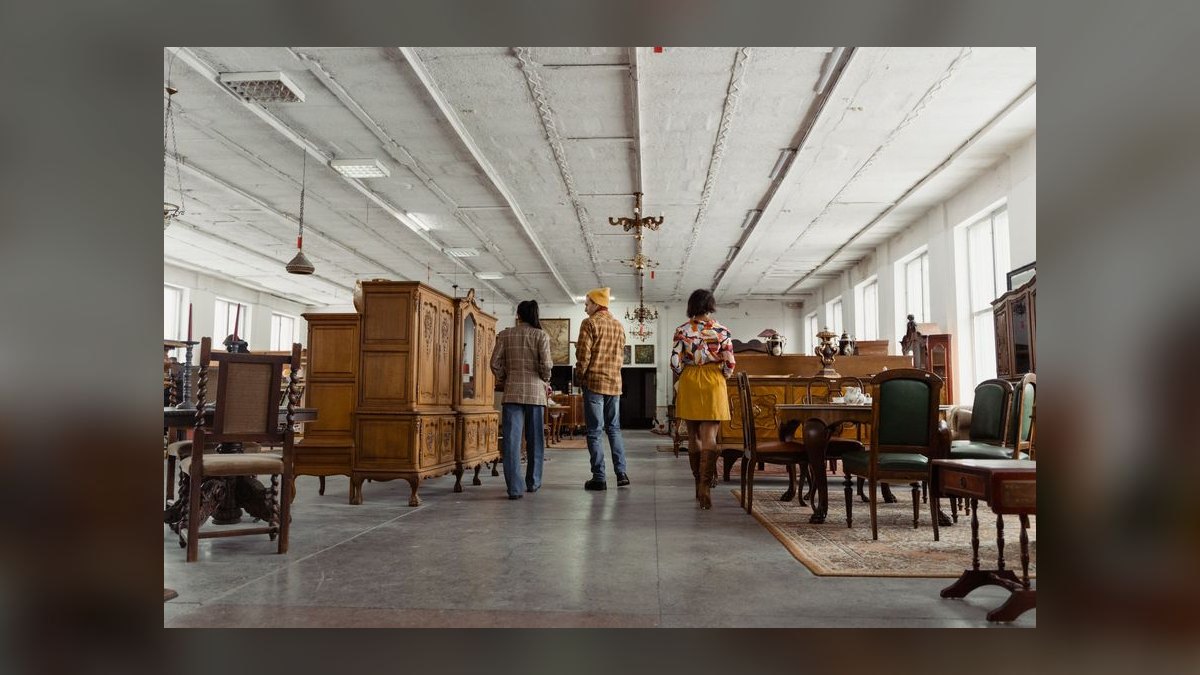
If the landlord offers a genuinely low allowance and won't budge on furniture, take the allowance for construction and buy your own FF&E with operating cash, a small business loan, or an equipment lease. Furniture is a depreciating asset you'll own outright and can carry to your next space — that portability has real value. On a short lease, the landlord has too few rent-years to amortize furniture, so the funded price will be steep; buying quality used office furniture from a liquidator or dealer often gets you brand-name pieces at a fraction of retail.
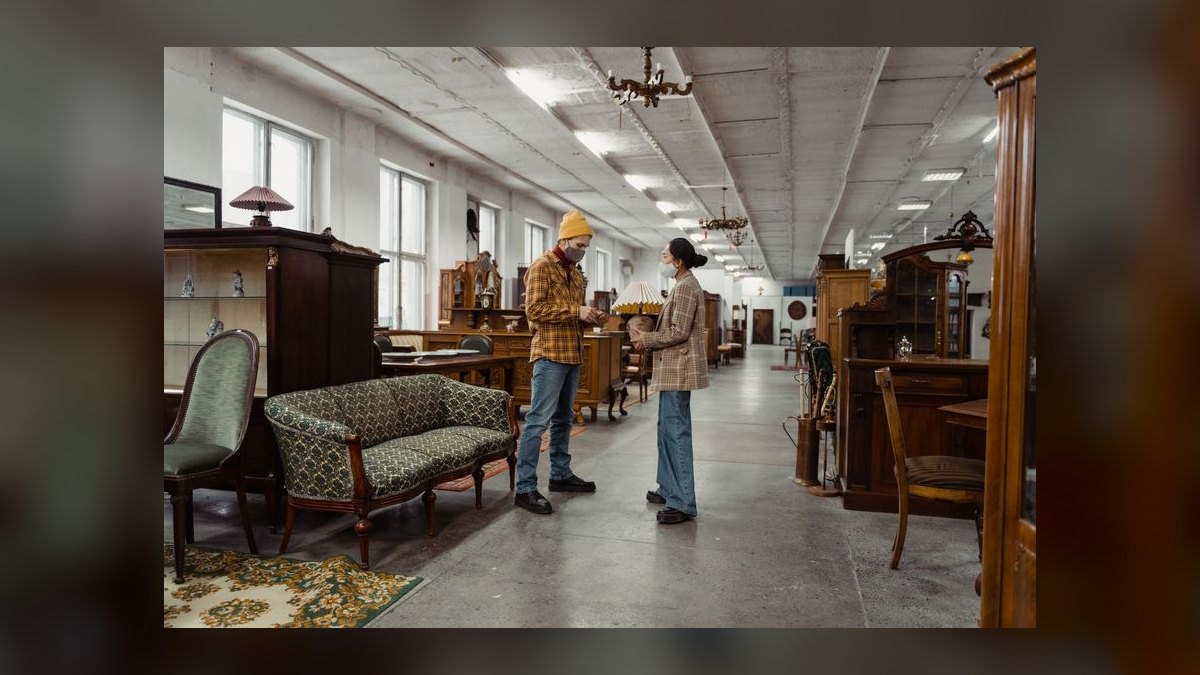
Walk away, too, when the landlord insists on controlling furniture choices through an overpriced captive vendor or a bland catalog. Poor furniture drags on employee comfort and client impressions, and the "free" pieces can undercut the space you spent real money building out. And when the FF&E budget is modest, the legal drafting to secure and structure the clause can exceed the furniture cost — just buy it and move on.
The clean rule: only fight for an FF&E contribution when the total is substantial or the items are built-in and expensive, like a commercial kitchen, a dental suite, or a lab. For standard desks and chairs, the negotiation rarely earns its keep.
Related questions
How much of a TI allowance can I expect for FF&E specifically?
There's no fixed rule — FF&E is usually a negotiated slice of the overall allowance rather than a published number. Push for broad "hard and soft costs" language and a reallocation clause so unspent construction budget can flow to furniture, then let the term length drive how large the total allowance grows.
Does a bigger FF&E allowance raise my rent?
Usually yes. Landlords amortize allowance dollars into base rent over the term, so a large furniture allowance on a short lease adds noticeably to your monthly rent. Longer terms spread the cost thinner. Compare the effective rent bump against buying furniture outright before deciding.
Can I get furniture funded on a sublease?
Rarely through the sublandlord, who has limited incentive and often can't alter the master lease's allowance terms. Turnkey furnished subleases exist, but the furniture is typically the sublandlord's and stays. For subleases, buying your own or leasing equipment is usually the more practical route.
Is a rent abatement better than a TI allowance for furniture?
Often, for smaller tenants. A rent abatement gives you free-rent cash flow to buy furniture yourself, sidestepping the taxable-income and sales-tax complications of a cash FF&E allowance. You keep full control over what you buy and own it outright. Model both against your tax situation with your CPA.
FAQ
Can I use my TI allowance to buy computers and servers? Almost never. IT equipment has a short useful life and no residual value to the building, so landlords exclude it from allowances. Fund computers and servers through operating cash, a loan, or an equipment lease, and reserve any allowance argument for furniture, millwork, and fixed equipment.
What if my lease says "no FF&E" outright? Don't fight the exclusion line item — ask for a higher overall allowance instead. The landlord cares about the total dollar exposure, not which category absorbs it. A right-to-substitute clause that lets unspent construction budget flow to furniture accomplishes the same thing without the landlord conceding the FF&E label.

Does a separate FF&E allowance make sense for a restaurant or medical office? Yes. Specialized uses justify carve-outs because the equipment — commercial kitchen hoods, exam-room casework, lab fume hoods — is expensive and often built in, giving the landlord residual value and re-leasing appeal to similar tenants. These are the deals where fighting for equipment funding most reliably pays off.
What happens to the furniture at lease end if the landlord paid for it? It depends on the clause and the item. Freestanding furniture is typically yours to remove; built-in millwork stays with the building. If the landlord funded loose furniture, expect a lease provision addressing ownership at expiration — negotiate a buyback or a clear surrender clause so there's no dispute later.
How do I keep an FF&E allowance from becoming taxable income? Structure it as a construction allowance with the landlord paying vendors and contractors directly rather than cutting you a check, and confirm the treatment with your CPA before signing. Direct-pay arrangements and turnkey builds are generally treated more favorably than cash handed to the tenant, but the specifics turn on current law.
Should I take a turnkey package to avoid managing the budget? Turnkey is worth it when speed matters more than control — startups, short leases, small footprints. You trade design say and furniture quality for a fixed price and a move-in-ready space, and you usually can't take landlord-owned furniture with you. For long-term tenants who care about the finish, a bundled allowance beats it.
Sources
- https://www.boma.org/
- https://www.irs.gov/publications/p946
- https://www.irs.gov/forms-pubs/about-publication-535
- https://www.nar.realtor/commercial
- https://www.sba.gov/business-guide/manage-your-business/buy-lease-equipment
- https://www.ccim.com/
- https://www.investopedia.com/terms/t/tenant-improvement-allowance.asp
- https://www.nolo.com/legal-encyclopedia/commercial-leases
Related on PULSE
- How Do I Negotiate a Tenant Allowance for Furniture and Fixtures (FF&E)?
- Can I get a landlord contribution for my move costs after the buildout finishes?
- How do I finance a buildout if the landlord offers zero TI allowance in 2027?
- Can I require the landlord to use a third-party expediter for permit approvals in 2027?
- Should I negotiate a penalty for the landlord if their preferred GC misses the occupancy deadline?
- Should I demand the landlord provide a third-party cost breakdown for every line item in their GC bid?
This page will be disappearing soon. Save it to your device for $1 — or read it free while it is here.
@Kory-White- · if Venmo asks, the last 4 of my number are 2012
This page is gone.
This one is off the shelf now. $1 keeps it on your phone for good — the whole page, pictures and diagrams included.
 boHow do I handle asbestos or mold discovered midway through a landlord’s warm shell delivery in 2027
 boHow do I handle a landlord who refuses to allow weekend or night construction in 2027?
 pulse-buildoutsHow much does a 5,000 sq ft quick-service restaurant buildout cost in 2027?
 boHow do I get a cost breakdown from the landlord’s contractor before work starts in 2027?
 boHow do I structure a redevelopment deal where the tenant pays for the building skin in 2027
 boHow should I structure a lease to reclaim buildout value if I'm evicted for redevelopment in 2027?
 boHow do I structure a lease that lets me remove my specialty improvements at move-out in 2027
 boWhat’s the cost difference between a drywall partition office and a glass wall office in 2027
 boCan I sublease a space mid-buildout and recover my construction costs in 2027?
 boHow do I structure a lease to allow me to sell my buildout improvements to the next tenant in 2027?