


How much longer does my lease term need to be before a landlord will fund 100% of my buildout instead of a partial allowance in 2027?
Quality
Certified
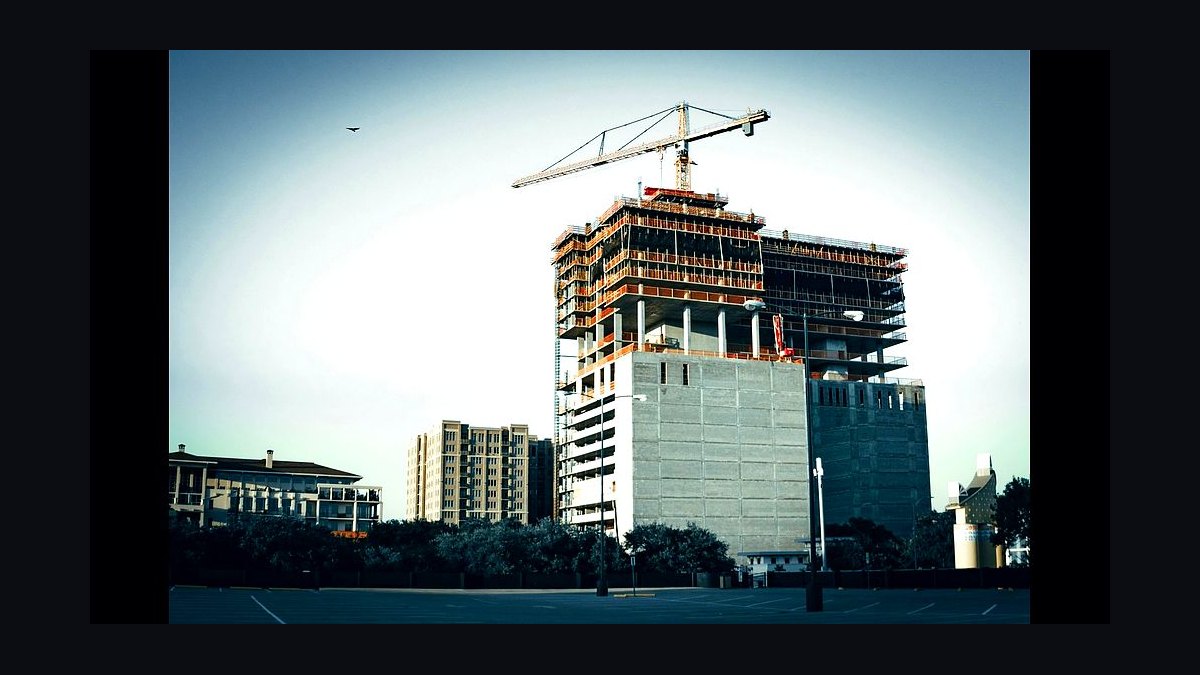
Most landlords fund a partial buildout allowance on 3-5 year leases, and only move toward funding 100% of a commercial buildout once the term reaches roughly 7-10 years — sometimes with a renewal option built in as insurance. The threshold shifts by a year or two based on tenant credit, the landlord's market leverage, and asset type, but the underlying math is always the same: enough years of rent to amortize the full construction cost plus a required return, instead of just a slice of it.
Turnkey vs. allowance vs. as-is: what each option actually funds
Commercial leases use three broad buildout structures, and the difference between them is really a difference in who's taking the construction risk and how long the landlord is willing to carry it.
A turnkey buildout means the landlord designs, permits, hires the general contractor, and pays for the entire space fit-out, then hands you the keys to a finished suite. You never see an invoice. This is the 100% funding scenario tenants ask about, and it's the most landlord-favorable arrangement to obtain because the landlord is putting real capital at risk before collecting a dollar of rent. Landlords only offer turnkey when the lease term is long enough that they're confident they'll recover the full cost — which is why turnkey deals cluster on 7-10 year terms, sometimes with a 5-year renewal that the landlord effectively counts as part of the amortization runway even though it isn't contractually guaranteed rent.
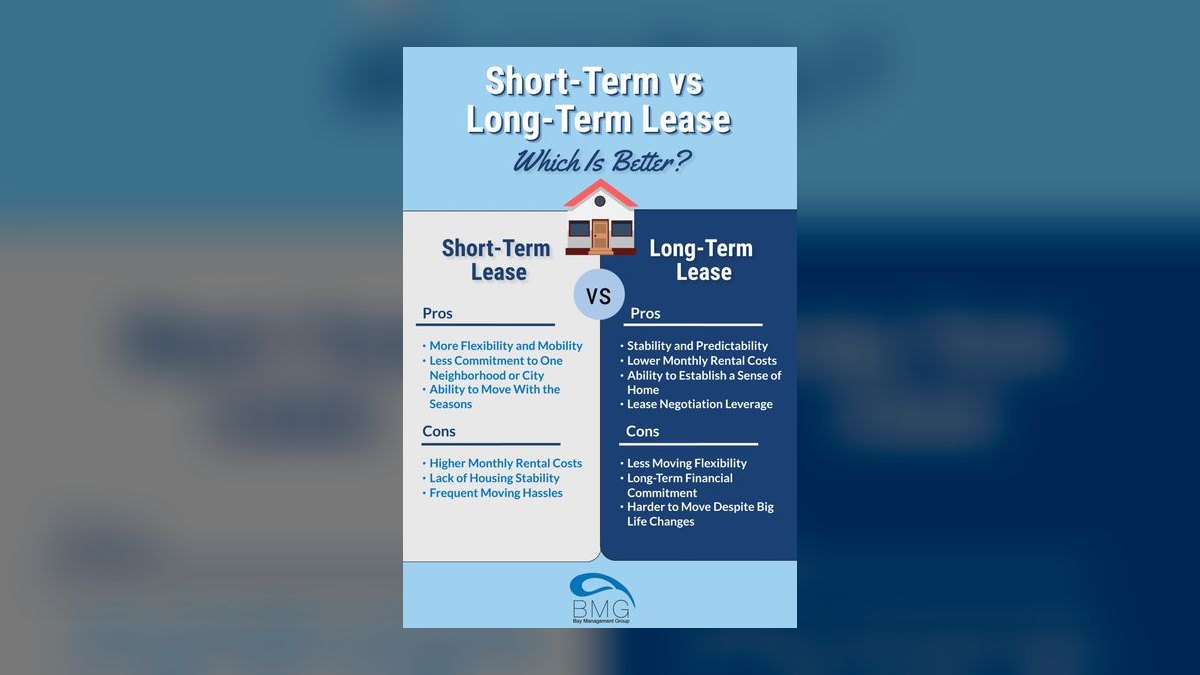
A tenant improvement allowance (the "TI allowance") is the middle-ground structure: the landlord gives you a fixed dollar amount, usually expressed per square foot, to apply toward construction, and anything above that number comes out of your pocket. You typically hire the contractor (sometimes from a landlord-approved list), submit invoices or draw requests, and get reimbursed up to the cap. This is the default structure for 3-5 year terms because it caps the landlord's downside — if you default or don't renew, they've only sunk the allowance amount, not a full buildout, into a tenant who might leave.
An as-is lease means you take the space in its current condition and fund the entire buildout yourself, often in exchange for free rent months, a lower base rate, or a larger tenant improvement credit disguised as a rent concession instead of a line-item allowance. This shows up on very short terms (1-2 years), month-to-month arrangements, or spaces where the landlord has no appetite for construction risk at all — a small retail unit, a startup's first office, or a submarket where the landlord doesn't believe the tenant will still be there long enough to make an allowance worthwhile.
The three options aren't really three separate menu items — they sit on a continuum, and lease term is the single biggest lever that slides you from as-is toward turnkey. The longer you commit, the more the landlord is willing to front, because the buildout cost gets spread across more months of guaranteed rent.
How to choose the right structure for your term length

The right structure depends less on what you'd prefer and more on what your term length can actually support. A landlord evaluating your request runs a simple test: does the remaining lease term generate enough rent to amortize the buildout cost at their target return? If yes, they'll consider turnkey or a generous allowance. If no, they'll cap the allowance or push you to as-is with concessions instead.
Use this decision path before you walk into a negotiation: figure out what term you're realistically willing to sign, then set your buildout expectations to match that band rather than asking for turnkey funding on a 3-year term and being surprised when the landlord counters with a fraction of what you wanted. If your business genuinely needs a heavier buildout — a commercial kitchen, a medical suite, heavy electrical or HVAC work — but you can't commit to 7+ years, your best lever isn't asking harder, it's restructuring the ask: request a longer allowance amortization schedule, a larger security deposit to offset landlord risk, or a personal or corporate guaranty that lets the landlord treat a shorter term like a longer one from a credit-risk standpoint.
Concrete cost and timeline numbers: what lease-term thresholds look like in 2027

The math landlords run is an amortization calculation, and understanding it tells you almost exactly how much longer your term needs to be to unlock more funding.
Landlords typically amortize a tenant improvement allowance over the lease term at an effective rate in the 8%-12% range (their cost of capital plus a risk premium), then check whether the resulting monthly carrying cost is covered by the rent spread they're collecting versus a comparable unimproved space. As a rough industry pattern in 2027: standard office and general commercial space allowances run in the $20-$45 per square foot range for a 5-year term, and light retail or flex-industrial space often sits lower, in the $10-$25 per square foot range, because those buildouts are typically less extensive. Heavier buildouts — full turnkey fit-outs including HVAC, electrical upgrades, restrooms, and finished ceilings — commonly run $60-$150+ per square foot, and landlords generally won't fund that full range unless the term is long enough to amortize it, which is why turnkey almost never appears on anything shorter than 7 years.
A useful rule of thumb many brokers apply: for roughly every additional $10-$15 per square foot of allowance you're asking for, expect the landlord to want one additional year of committed term, up to a breakpoint around year 7, where many landlords switch from "allowance with a cap" thinking to "turnkey, we'll just build it" thinking — because at that point the per-year cost of the buildout, spread across the term, looks small enough relative to total lease value that itemizing it stops being worth the administrative effort.

Timeline matters as much as the dollar figure. A partial-allowance buildout on a 3-5 year lease typically takes 60-120 days from lease execution to substantial completion, because the tenant is coordinating permits and a contractor with landlord sign-off at each stage, which adds delay. A landlord-managed turnkey buildout on a longer-term lease often moves faster in relative terms — 90-180 days depending on scope — because the landlord's in-house or preferred contractor is running multiple similar buildouts in the building and has the permitting relationships and crews already in motion.
The other 2027-specific variable worth naming: construction costs and interest rates directly move this threshold. When landlord borrowing costs are elevated, the amortization math gets less favorable, and the term-length threshold for 100% funding tends to creep upward — a landlord who offered turnkey at 7 years in a low-rate environment may ask for 8-9 years when their own cost of capital rises. Conversely, in a tenant's market where vacancy is high and landlords are competing hard to fill space, that threshold can compress by a year or more because landlords are more willing to eat construction risk to win a signed lease instead of sitting on empty square footage.
Contract and handoff details: what to negotiate once you cross the term threshold
Once your term is long enough that a landlord is willing to talk turnkey or a substantially larger allowance, the negotiation shifts from "how much" to "how it's controlled" — and this is where deals get won or lost on details tenants don't think to ask about.
First, pin down who controls the unused-allowance clause. If the landlord's giving you a larger allowance tied to your longer term, ask what happens to money you don't spend — some leases let unused TI dollars roll into rent credits, others simply forfeit them back to the landlord, and this single clause can be worth tens of thousands of dollars depending on your final buildout scope.
Second, clarify the disbursement mechanism. On turnkey deals the landlord pays the contractor directly and you have no cash exposure, but you lose some control over material choices and contractor selection — get approval rights over finishes in writing. On allowance deals, insist on a draw schedule tied to construction milestones (30% at permit/mobilization, 30% at rough-in, 30% at substantial completion, 10% holdback for punch list) rather than a single reimbursement at the end, or you'll be fronting six figures of construction cost on your own credit line while waiting for the landlord to cut a check.
Third, address lien waivers and warranty explicitly. Whoever hires the contractor needs to collect conditional and unconditional lien waivers at each draw to protect the property (and, if you're the tenant of record, to protect your own leasehold interest) from a subcontractor filing a mechanic's lien over a payment dispute you weren't even party to. And regardless of who funds the buildout, negotiate a minimum one-year warranty on workmanship and materials, with the landlord responsible for defect remediation during that period instead of it becoming your maintenance obligation on day one.

Finally, if you're on the edge of the funding threshold — say your business wants 100% funding but you can only justify signing 5-6 years — consider a blend-and-extend structure: sign the shorter term now with a partial allowance, but negotiate a contractual right to extend for an additional 2-4 years at a pre-set rate, with the extension triggering a true-up payment or additional allowance disbursement once exercised. Landlords increasingly accept this in 2027 because it gives them the amortization runway they need without forcing the tenant to over-commit up front, and it's become one of the more common paths tenants use to access turnkey-level funding without initially signing a full 7-10 year term.
Related questions
What's a typical TI allowance per square foot in 2027?
Ranges vary widely by asset type, but general commercial office and retail allowances commonly run $10-$45 per square foot on a 5-year term, with heavier buildouts requiring longer terms to unlock comparable per-square-foot funding.
Can I negotiate a longer term later to get a bigger allowance?
Yes — a blend-and-extend amendment, where you add years to an existing lease in exchange for additional buildout funding, is a common way to access more allowance without renegotiating from scratch.
Does tenant credit affect the funding threshold?

Substantially. A financially strong or publicly traded tenant can often unlock turnkey funding a year or two earlier than an unproven small business, because the landlord's risk of non-payment is lower.
Who owns the buildout if I don't renew my lease?
In most leases, fixtures and improvements become the landlord's property (fixtures) once installed, regardless of who funded them, unless your lease specifically carves out removal rights for certain equipment.
Is turnkey always better than a cash allowance?
Not necessarily — turnkey reduces your cash exposure but gives you less control over contractor selection and finish quality, while a cash allowance lets you manage the process and potentially negotiate better construction pricing yourself.
FAQ
How much longer does my lease term need to be before a landlord will fund 100% of my buildout instead of a partial allowance in 2027? Generally 2-5 additional years beyond a standard 3-5 year term, landing you in the 7-10 year range, is where most landlords shift from a capped allowance to fully funding the buildout — the exact number depends on your buildout cost, market conditions, and credit strength.
Why won't a landlord fund 100% of a buildout on a short lease?

Because they can't amortize the full construction cost against enough guaranteed rent before the lease ends, leaving them exposed if you don't renew — a partial allowance caps their downside to an amount they're comfortable losing.
Does a personal guaranty change the term threshold? It can. A strong personal or corporate guaranty reduces the landlord's default risk, which sometimes lets them offer more generous funding on a shorter term than they'd otherwise accept.
What happens to leftover allowance money I don't spend? It depends entirely on your lease language — some leases convert unused TI dollars into rent credits, while others simply let the landlord keep them, so this needs to be negotiated explicitly before signing.
Can I get turnkey funding on a 5-year lease? It's possible but less common — you'd typically need strong tenant credit, a landlord in a soft leasing market eager to fill vacancy, or a willingness to pay a rent premium in exchange for the landlord absorbing full construction risk.
Should I hire my own contractor even with a landlord allowance? If your lease permits it, hiring your own contractor (versus a landlord-mandated list) often gets you better pricing and schedule control, though you'll typically need the landlord's approval of the contractor and final plans regardless.
Sources
- https://www.naiop.org/
- https://www.jll.com/
- https://www.cbre.com/
- https://www.cushmanwakefield.com/
- https://www.colliers.com/
- https://www.loopnet.com/
- https://www.investopedia.com/
- https://www.sba.gov/
- https://www.ccim.com/
Related on PULSE
- How commercial rent abatement periods are typically structured during buildout
- What a landlord-approved contractor list means for your construction timeline
- How blend-and-extend lease amendments work when you need more space or funding
- What happens to tenant improvements when a commercial lease ends
- How personal guaranties affect commercial lease negotiations for small businesses
- How rising construction costs are reshaping tenant improvement allowances in 2027
This page will be disappearing soon. Save it to your device for $1 — or read it free while it is here.
@Kory-White- · if Venmo asks, the last 4 of my number are 2012
This page is gone.
This one is off the shelf now. $1 keeps it on your phone for good — the whole page, pictures and diagrams included.
 pulse-recentHow Do I Budget a Buildout Step by Step for a Retail Space in 2027?
 pulse-recentHow do I create a step-by-step buildout plan when the landlord only provides a shell space in 2027?
 buildoutsHow Do I Get a Personal-Guarantee Burn-Down Schedule in 2027?
 pulse-recentHow much does a landlord-funded buildout allowance typically cost per square foot in 2027?
 pulse-recentHow much does a 10,000 SF medical office buildout cost per square foot in 2027?
 buildoutsHow Do I Negotiate an Industrial or Warehouse Lease in 2027?
 buildoutsWhat Insurance Does My Lease Require and How Do I Not Overpay in 2027?
 buildoutsHow Do I Negotiate a Build-to-Suit Lease Rate (Cost x Cap) in 2027?
 buildoutsWhat Is Constructive Eviction and How Does It Protect Me in 2027?
 pulse-recentHow much of my own cash should I budget on top of a landlord TI allowance for a typical retail buildout in 2027?