
How do you coach salespeople without micromanaging them?
 Curated byKory White · Fractional CRO · Maryland
 PULSEKNOWLEDGE LIBRARY
Coach the skill, not the deal. Run a fixed weekly 1:1 on the GROW model where the rep talks most, picks the focus, and commits to their own next step. Inspect process at agreed checkpoints — a call review, a pipeline review — never activity ad hoc. Widen autonomy every time leading indicators improve.
The Tuesday morning that tells you which manager you are
A rep on your team — call her the mid-tier AE, twelve months tenured, tracking at 74% of a $900K annual quota — has a $180K renewal-plus-expansion deal that has sat in "Proposal" for nineteen days. The last logged activity was a pricing email sent eleven days ago. No reply. The quarter closes in five weeks.
There are two versions of what happens Tuesday morning.
In version one, you open the CRM at 7:40 a.m., see the stale next-step field, and Slack her: "What's happening with Meridian? Have you called them? Can you send me the thread?" She replies at 8:05 with a three-paragraph defense. You ask her to add a daily update to a shared doc. By Thursday you've asked twice more. She spends roughly forty minutes that week reporting on the deal instead of working it. The deal closes or it doesn't — but either way she has learned that the way to handle a stalled deal is to wait until you notice and then explain herself. Next quarter, the same stall produces the same Slack, and you are now permanently in the loop on every deal above $100K, which at a book of forty accounts is a job you cannot actually do.
In version two, the stalled deal shows up in your prep for Thursday's standing 1:1 — a meeting that was already on the calendar, that happens whether things are going well or badly, and that she owns the agenda for. You don't message her Tuesday. Thursday, you ask: "Meridian's been in Proposal nineteen days. Walk me through what's actually happening." She says the champion went quiet after pricing. You ask what she thinks the real reason is. She says — and this is the part you never get over Slack — "Honestly I think I never confirmed they had budget approved, I just assumed because they asked for a quote." That is a discovery gap, not a follow-up gap. Slack-version-you would have coached follow-up cadence and fixed nothing. GROW-version-you now has the actual skill to work on, and it will affect the next thirty deals, not just this one.
That is the entire distinction. Micromanaging is inspection of *activity*, triggered by *your* anxiety, delivered on *your* timing. Coaching is inspection of *process*, on a *predictable* cadence, aimed at a *named skill*. Both look like "paying attention to the deal." Only one of them makes the rep better at deals you never see.

The RevOps dimension matters here because most of what makes managers reach for the Slack message is bad instrumentation. If your pipeline hygiene is so weak that the only way to know a deal's status is to ask the human, you will ask the human constantly, and the human will experience that as surveillance. Fix the data layer — required next-step field with a date, stage-exit criteria that mean something, a forecast call that doesn't need a pre-meeting — and most of the urge to hover evaporates on its own.
How the mechanism actually works: diagnose, then choose the tool
Managers micromanage for predictable reasons: a missed number, a new rep, low trust, or plain forecast anxiety. Before you change *how* you coach, diagnose *why* you feel the urge to control. That urge is almost always signaling one of four things — a skill gap, a will (motivation) gap, a knowledge gap, or a system problem you are trying to solve by squeezing the rep harder.
The four have completely different treatments, and inspection is the correct treatment for exactly none of them:
- Skill gap — they know what to do and can't execute it under pressure. Treatment: deliberate practice, drills, role-play, call review on one behavior. Inspection makes it worse by adding performance anxiety to a performance problem.
- Knowledge gap — new product, new ICP, new competitor, new pricing. Treatment: enablement, examples, shadowing a strong rep, a battlecard. This is not coaching at all and no amount of 1:1 time substitutes for the missing information.
- Will gap — they can do it when watched and don't when not. Treatment: a candid conversation about fit, motivation, or comp. Inspection produces compliance theater: the activity numbers rise, the outcomes don't.
- System problem — broken comp plan, an under-resourced territory, dry lead supply, a product gap the rep keeps losing on. Treatment: fix the system. Micromanaging here is punishing a rep for a problem you own, and it is the fastest way to lose your best people.
Run the diagnosis explicitly, in writing, before you schedule a single extra check-in.
Once you've named the cause, the coaching conversation itself runs on GROW — Goal, Reality, Options, Will — because GROW forces the rep to generate the answer. When the rep owns the next step, you don't have to chase it, and that is the whole anti-micromanagement mechanic.
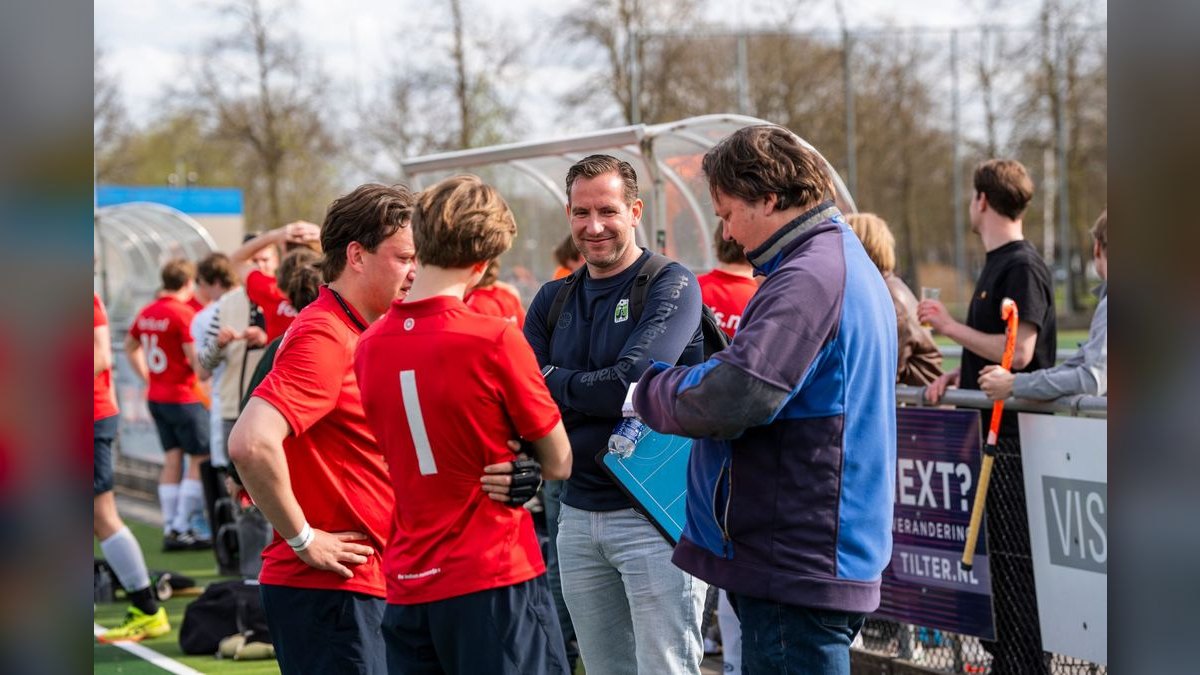
Goal. "What's the one thing you want to walk out of this having figured out?" They set the agenda. If they're stuck: "Pick the deal or the skill that's bugging you most." You are not allowed to answer for them, and the first ninety seconds of silence is where most managers fail.
Reality. "Walk me through what's actually happening. What have you tried, and what did the buyer do in response?" Then the highest-yield question in sales management: "On a 1–10, how confident are you this closes this quarter — and what would make it a 9?" A rep who says "6, and it'd be a 9 if I got the CFO on a call" has just given you a better forecast and a better coaching target than ten status updates would.
Options. "If you were coaching a teammate through this exact situation, what would you tell them?" Reframing as advice-to-a-peer unlocks answers reps won't give about themselves. Then: "What are two or three different ways you could play this?" Hold your own option back until theirs are on the table, and ask permission before adding it: "Want to hear how I'd think about it?" That permission ask sounds small and is not — it's the difference between a suggestion and an order.
Will. "So what are you going to do, and by when? What do you need from me?" Make them say the commitment out loud and log it in the CRM in their own words, not yours. Close with "How will we both know it worked?" That single sentence is the replacement for the daily check-in: you've agreed on the checkpoint, so you don't have to hover to find out.
The discipline underneath all four steps is questions over directives, silence over rescue. If you solve it for them, you've built a dependency that guarantees you'll be micromanaging that rep forever — and they will be right to expect it, because you trained them to.
Real numbers: cadence, ratios, and the indicators that let you back off
Vague intentions ("I'll coach more, hover less") collapse under quota pressure. Put numbers on it.

The cadence. A workable structure for a manager with 6–8 direct reports:
- Weekly 1:1, 30 minutes, GROW format. Rep-owned agenda, one skill focus, one committed action. Never a status meeting — pull status from the CRM beforehand. If you're spending the first ten minutes on "where are we on X," you've converted a coaching slot into a report-out and the rep will start preparing for it like an exam.
- Weekly call review, 20 minutes. One call the rep picks, one you flag from the conversation-intelligence tool. Coach a single moment — one 90-second stretch — not the whole call. Reviewing a full 45-minute call produces a list of twelve things and zero behavior change.
- Bi-weekly deal/pipeline coaching, 45 minutes. This is where you inspect process: next steps with dates, multi-threading depth, qualification gaps (MEDDPICC or whatever your framework is). Concentrating inspection into a scheduled block is what buys you the right not to inspect ad hoc the rest of the fortnight.
- Monthly territory/plan review, 60 minutes. Whitespace, account tiering, the top-10 target list. Strategic, not tactical.
- 30/60/90 for new reps. Day 30: knowledge checks, shadowing, certification on the pitch. Day 60: guided reps against a scorecard, manager on the call as observer. Day 90: independent with spot review. Trust expands on a published schedule so the rep can see it expanding.
That's roughly 3–4 hours per rep per month of structured coaching, or 20–30 hours a month for a full team — a real chunk of a manager's calendar, and the reason coaching gets dropped first. Protect it by putting it on the calendar as recurring and never being the one who cancels.
The ratios inside the conversation. In a GROW 1:1, target 70/30 rep-to-manager talk time. Most managers run the inverse and don't know it — record one of your own 1:1s and time it, the way you'd ask a rep to review their own discovery call. Question-to-statement ratio matters more than raw talk time: if you made ten statements and asked two questions, you ran a briefing, not a coaching session.
The leading indicators. Coaching works when leading indicators move *before* the quota does. Over a four-week coaching cycle on one named skill, track:
- Scorecard trend on the coached behavior. Pick three behaviors — set an agenda, quantify the problem in the customer's numbers, confirm a next step with a date — and score one call per rep per week. Have the rep self-score first; most reps score themselves harder than you would, and the gap between their score and yours is itself the coaching topic.
- Next-step set rate. Percentage of active opportunities with a scheduled next step and a date. This is the single most coachable, most predictive pipeline hygiene metric, and it's the one that most reduces your need to ask "what's happening with X."
- Stage conversion rates — discovery → proposal, proposal → closed-won — at the individual rep level. A rep whose discovery→proposal rate is well below team median has a qualification problem, not an activity problem.
- Talk-to-listen ratio and question rate on recorded calls. These are the earliest visible proof that a conversation skill is actually changing, often within two weeks.
- Multi-threading depth. Contacts engaged per opportunity. Single-threaded deals are the ones that go dark, which means the stall you were about to Slack about was created three weeks earlier by a coachable habit.
- Forecast accuracy at the rep level. Committed vs. closed, by rep, over a quarter. A rep who self-corrects their own confidence number is a rep who needs materially less inspection — and you should tell them that explicitly, because it makes the trade visible.
- Ramp time for new hires, measured to first quota-attaining month.
The operating rule: if the leading indicator moved, you've earned the right to back off, and you should visibly do so. If you can't name the indicator you're watching, you're inspecting for your own comfort, not coaching.

Pre-work makes the meeting worth the slot. Require a short structured submission 24 hours before each 1:1 — three bullets: biggest win, biggest struggle, one thing you want coaching on. It takes the rep five minutes, it shifts agenda ownership, and it kills the "what did you do this week?" dynamic that reads as inspection. Reps who submit real pre-work walk in with a problem instead of a defense.
The 80/20 follow-up rule. After the session, don't send the action-item email. Ask the rep to send *you* their summary of what they committed to and when they'll report back. Eighty percent of the follow-up burden sits with them, twenty with you. If they don't send it, that's a coaching moment about ownership — not a reason to add a check-in.
Trade-offs: how much autonomy, and what you give up either way
There is no setting labeled "correct amount of oversight." There is a dial, and every position on it costs something. Being honest about the cost is what keeps you from drifting to one end by accident.
Tight oversight buys you short-term forecast accuracy, faster error-catching on new reps, and a genuine floor under a struggling territory. It costs you rep development (they stop making judgment calls), your own capacity (you become the bottleneck on every deal), and retention among your strongest people, who read close inspection as a statement about their competence. It also produces a specific failure mode: the rep optimizes for what you inspect. Inspect dials, get dials.
Loose autonomy buys you scale, engagement, and reps who develop judgment because they had to. It costs you late surprises — the deal you find out is dead in week eleven of the quarter — and it is actively dangerous for a rep who is in a knowledge or skill hole and doesn't know it. "Hands off" applied to a struggling new hire isn't trust, it's neglect wearing trust's clothes.
The resolution is that the dial should be per-rep and earned, not a management philosophy applied uniformly. A first-quarter SDR and a nine-year enterprise AE need opposite settings, and the same rep needs different settings in a good quarter and a bad one. What makes it feel fair rather than arbitrary is that the criteria are published: *here is what moves you to fewer checkpoints, here is what moves you back.*
Alternatives to more manager oversight. When you feel the need for tighter control, these usually beat adding check-ins:
- Peer coaching and deal desks. A weekly 45-minute session where reps bring one stuck deal to the team. Peers ask questions; the manager mostly stays quiet. Distributes coaching load and removes the manager-as-sole-authority dynamic entirely.
- Asynchronous call review. Conversation-intelligence tooling (Gong, Chorus, Clari and similar) lets you review the right two minutes of the right call on your own time. This is a genuine 2027-era change: you no longer have to sit in a meeting to know what happened in it, which removes the most common excuse for hovering.
- Better instrumentation instead of better interrogation. This is the RevOps play. Required next-step-with-date, enforced stage-exit criteria, an automated stale-deal alert at 14 days, a forecast pipeline view the rep updates once. Every question the dashboard answers is a question you don't ask a human.
- Self-scoring and recorded self-review. Have the rep score their own call before you do. Cheap, and it builds the internal critic that eventually replaces you.
- Deliberate practice blocks. A recurring 30-minute drill: an objection gauntlet in the team meeting, a two-minute role-play before a big call, tape study on a won call next to a lost one. Skill is built by reps repeating things, not by managers reminding them. Normalize it by going first and letting them critique *you* — that one act does more to make coaching feel collaborative than any framing you can say out loud.
The lane agreement. Write down who owns what, and revisit it quarterly. The rep owns daily activity, pipeline management, and deal strategy. You own the coaching process, skill development, resource access, and obstacle removal. When you feel the pull to step in, ask: is this a lane violation? Telling a rep which accounts to call is a violation. Role-playing the objection they'll hit on that call is your lane. Ambiguity about lanes is where most accidental micromanagement lives.
Common pitfalls and how to avoid them
Coaching the deal instead of the skill. The most common failure by a distance. Saving this quarter's deal feels productive and teaches the rep nothing, which guarantees you'll be saving the next one too. Fix: in every deal conversation, end by naming the transferable lesson — "what's the habit that stops this from happening again?" — and put *that* on the coaching plan, not the deal.
Rescuing. Jumping on the call and taking over. It closes the deal and builds a dependency you'll be paying off for a year. Fix: if you must join, join with a defined narrow role you state in advance ("I'm there for the security question, you run everything else"), and debrief afterward on how they'd run it alone next time.
No follow-through on the Will step. Agreeing on an action and never revisiting it trains the rep that coaching is theater. Fix: open every 1:1 with the callback — "last week you committed to X, what happened?" — before anything new. Two weeks of consistent callback changes behavior more than any single brilliant session.

One cadence for everyone. The same weekly structure applied to a first-month SDR and a top enterprise AE is simultaneously neglect and smothering. Fix: per-rep cadence tied to the mode table above, with published criteria for moving between modes.
Confusing inspection with coaching. Reading every email, watching login times, asking for daily updates — that's surveillance, and reps identify it instantly. A scheduled call review against a known scorecard is coaching. Fix: everything you inspect should be announced, scheduled, and scored against criteria the rep already has.
Coaching a system problem with more meetings. If the real issue is comp, territory, lead supply, or a product gap, additional 1:1s add friction to an already-demoralized rep and confirm their suspicion that you think it's their fault. Fix: run the diagnosis first, and when it comes back "system," say so out loud to the rep — "this is on me to fix, not you" — then go fix it.
Coaching a top performer like a rookie. Top reps disengage fast when the 1:1 covers basics they mastered years ago. Fix: coach them on stretch — bigger deals, new segments, mentoring juniors — ask far more than you tell, and spend the 1:1 removing obstacles rather than inspecting fundamentals.
Reacting instead of scheduling. The single behavioral tell of micromanagement is unpredictable timing. A drop-in reads as surveillance; the identical question inside a standing meeting reads as investment. Fix: if something worries you on a Tuesday and the 1:1 is Thursday, write it in your prep doc and wait. The forty-eight-hour delay costs almost nothing and the trust it buys compounds.
Never widening the dial. Managers who run a perfectly good coaching loop but never loosen the checkpoints are micromanagers with better paperwork. Fix: make widening explicit and verbal. "Your next-step set rate has been above 90% for six weeks — I'm dropping the deal review to monthly." Saying it out loud is what converts a process change into a trust signal.
Related questions
How long before coaching shows results?
Conversation-level indicators — talk-to-listen ratio, question rate, next-step set rate — typically shift within two to four weeks of focused work on a single skill. Stage conversion takes a full sales cycle. Quota impact lags a quarter or more. Judge the program on leading indicators, not the number.
Should coaching notes live in the CRM?
Commitments should — in the rep's own words, in the opportunity or account record, so both of you see them without a separate ritual. Diagnostic and development notes belong in a private shared doc per rep. Never put candid capability assessments where the whole org browses.
Can you coach effectively over video?
Yes, and asynchronous call review makes remote coaching arguably better than in-person, since you review the actual conversation rather than the rep's recollection of it. What remote costs you is ambient signal — mood, hesitation, the hallway comment — so ask explicitly about things you'd otherwise notice.
Who coaches the sales manager?
Their own leader, using the same cadence, plus peer manager forums. Manager coaching is the highest-leverage and most-skipped rung: coaching a frontline manager improves every rep under them. If the VP inspects managers by activity, those managers will inspect reps by activity.
Does this change for SDRs versus AEs?
The framework holds; the cycle time compresses. SDR skills show up in days rather than weeks, so scorecard review runs weekly on call and email openers, and autonomy widens faster in smaller increments. The diagnosis tree — skill, will, knowledge, system — is identical.
FAQ
How is coaching actually different from micromanaging?
Coaching builds the rep's capability and ownership; micromanaging substitutes your control for their judgment. The reliable tell is what happens next time: after coaching, the rep handles the same situation independently; after micromanaging, they wait for you. Coaching inspects process at agreed checkpoints. Micromanaging inspects activity constantly and unpredictably.
A rep is well behind quota — don't I have to step in harder?
Step in more precisely, not more often. Diagnose skill versus will versus knowledge versus system first. Skill gets drills and call reviews on one named behavior with a four-week measurement window. Will or fit gets a candid conversation and possibly a performance plan. Pressure without a diagnosis mostly accelerates burnout and attrition, and it costs you the diagnosis you still need.
How often can I review calls without it feeling like spying?
Make it a transparent standing cadence — one rep-chosen call plus one you flag, weekly — and announce to the whole team that everyone's calls get reviewed for coaching. Surveillance is secret, selective, and inconsistent. Coaching is announced, universal, and predictable. Async review tooling makes the routine version sustainable at eight reps.
How do you coach a top performer without irritating them?
Coach the stretch, not the basics: bigger deals, new segments, mentoring, a harder segment of the market. Ask far more than you tell, use the 1:1 to remove obstacles, and give them the lightest checkpoint schedule on the team explicitly and out loud. Top reps read light oversight as earned recognition — which it is.
When is coaching the wrong tool entirely?
When the problem isn't the rep. A broken comp plan, an unfair territory, dry lead supply, or a wrong-fit hire won't respond to another role-play. Same for genuine will or integrity problems, which need a performance plan or an exit. Coaching a system problem just makes a capable person feel blamed for something they can't control.
How do I build enough trust to actually back off?
Run the loop and make the widening visible. Every cycle where a rep's leading indicators improve, remove a checkpoint and tell them why you removed it. Trust granted silently doesn't register; trust granted out loud does. "You've got this one — just log the next step" is the strongest anti-micromanagement sentence available to you.
Sources
- Harvard Business Review — The Leader as Coach
- Gong Labs — Sales Coaching Research
- RAIN Group — Sales Coaching Best Practices
- Sandler — Sales Coaching Resources
- Winning by Design — Resources and Frameworks
- Salesforce Blog — Sales Coaching
- Gartner — Sales Practice and Research
- MIT Sloan Management Review — Leadership and Management
Related on PULSE
- [How do you coach reps using activity metrics without micromanaging?](/knowledge/cg0161)
- [How do you keep remote reps accountable without micromanaging?](/knowledge/cg0187)
- [How do you coach a rep through a missed quarter without crushing them?](/knowledge/cg0155)
- [How do you use the GROW model to coach salespeople?](/knowledge/cg0191)
- [How do you onboard an experienced sales hire without insulting them?](/knowledge/cg0015)
- [How do you coach storytelling skills to salespeople?](/knowledge/cg0175)
This page will be disappearing soon. Save it to your device for $1 — or read it free while it is here.
@Kory-White- · if Venmo asks, the last 4 of my number are 2012
 sales-coachingHow do you coach a rep who's stressed about hitting quota?
 sales-coachingHow do you coach a rep to navigate a buying committee?
 sales-coachingHow do you coach a rep who's overly focused on commission?
 sales-coachingHow do you coach reps to get past gatekeepers?
 sales-coachingHow do you coach reps to compete in a competitive deal?
 sales-coachingHow do you coach a sales rep through a confidence crisis?
 sales-coachingHow do you coach reps across multiple time zones?
 sales-coachingHow do you coach reps to remove dead deals from the pipeline?
 sales-coachingHow do you coach reps to manage their own energy and time?
 sales-coachingHow do you coach a veteran rep who's coasting?