
How do you coach a new SDR through their first 30 days?
 Curated byKory White · Fractional CRO · Maryland
 PULSEKNOWLEDGE LIBRARY
Coach a new SDR through their first 30 days with a written week-by-week ramp plan, one skill focus per week, and recurring call reviews against real recordings. Diagnose knowledge, skill, will, or system gaps before coaching. The highest-leverage move is scheduled 1:1 review of actual calls, coaching one specific behavior at a time.
The outcome you should expect
A well-run first 30 days does not produce a fully productive SDR. It produces a rep who is *competent, calibrated, and self-correcting* — three things that compound into productivity across months two through six. Set the expectation with your leadership and with the rep accordingly, because the most common source of a broken ramp is a manager quietly measuring a day-25 rep against a day-250 rep's number.
Concretely, here is what "on track" looks like at the end of week four. The rep can articulate the ICP, the top three pains, and the value proposition in their own words without reading a card. They can deliver a 20-second opener that does not sound like a script, and they know why each sentence in it is there. They hold a consistent daily activity floor — not a heroic Thursday followed by three quiet days. They can run a two-way discovery conversation for at least three or four minutes rather than pitching into silence. They can turn the two most common objections without freezing. And they are booking a small but real number of qualified meetings — often somewhere in the range of two to six in that final week depending on segment, list quality, and motion.
The subtler outcome, and the one that actually predicts month-three performance, is *self-assessment accuracy*. By day 30 the rep should be able to listen to their own recording and tell you where it broke — before you tell them. When a rep says "I lost them at the second question, I stacked two questions together and they only answered the easy one," you have a rep who will keep improving when you are not in the room. When a rep says "I don't know, it just didn't go anywhere," you have a rep who will need you present indefinitely. That gap is the real deliverable of the first 30 days.

What you should *not* expect: full quota attainment, independent pipeline forecasting, or handling of complex multi-threaded accounts. Most B2B SDR ramps run somewhere between 60 and 120 days to full productivity depending on deal complexity and average sales cycle. The first 30 is the foundation layer — knowledge, opener, discovery, objections, and the ask. Trying to compress six months into one produces a rep who is confidently wrong, which is materially worse than a rep who is slow and accurate, because confidently wrong behavior hardens into habit and then has to be un-taught.
There is also an outcome for *you*. By day 30, you should have a documented read on which of the four gap types this rep tends toward under pressure. That read is what makes months two and three efficient — you stop diagnosing from scratch every week and start coaching against a known pattern.
What drives that outcome
Four root causes explain nearly every struggling new SDR, and each one has a different fix. Misdiagnosis is the single most expensive mistake a manager makes in the first 30 days, because the wrong intervention does not just fail — it actively damages trust or reinforces bad behavior.
Knowledge gap. The rep does not know the product, the ICP, the personas, or the pain well enough to speak about it flexibly. Symptom: they sound fine on the script and fall apart the moment the prospect asks an unscripted question. Fix: enablement and certification, not motivation. Have them explain the value proposition back to you unprompted, three different ways, for three different personas.

Skill gap. They know what to do but cannot yet execute — the opener lands flat, the discovery question is two questions stacked together, the objection turn becomes a debate. Symptom: activity is healthy, conversion is not. Fix: drills and role-play, plus recorded-call reviews focused on one narrow moment.
Will or confidence gap. They are avoiding the phone, expanding "research time" to fill the day, or going quiet after a rough rejection. Symptom: activity below the floor with no system explanation, and a rep who is hard to read in 1:1s. Fix: co-selling, deliberately small wins, and a candid conversation. Never fix this with more activity targets.
System or territory problem. Bad data, a broken sequence, a thin list, misrouted territory ownership, or phone numbers that do not connect. Symptom: effort is visible and conversion is impossible. Fix: this one is on you and RevOps, not the rep. Nothing destroys a new rep's trust faster than being coached on a skill problem while sitting on a dead list.

The rule that keeps you honest: listen to three of their calls and read their activity in the CRM *before* you decide what kind of conversation to have. If you motivate a rep who actually has a knowledge gap, you make them confidently wrong. If you drill a rep whose real problem is a broken sequence, you teach them that your coaching is disconnected from reality.
The second driver, underneath diagnosis, is *coaching frequency against real artifacts*. New reps rarely fail in week one from lack of effort. They fail in week three from un-corrected habits that hardened because nobody listened to their calls. A recording removes the argument — you both watch the exact moment the conversation died, instead of debating two different memories of it.
Benchmarks and realistic ranges
These are planning ranges, not laws. Calibrate against your own team's historical ramp data, because segment, ACV, and motion move every number below.
Manager time investment. Budget three to five hours per week of direct coaching per new rep during the first 30 days. That typically breaks down as daily 15-minute call reviews in weeks one and two, one 45-minute structured 1:1 per week, and two role-play or drill sessions. If you are managing four new reps simultaneously, this is a real capacity problem and you should stagger start dates rather than pretend the math works.

Activity floors. Start low and achievable, then raise. A common shape is a light dialing block in week one focused on tool fluency, roughly 40 dials and 15 to 20 touches per day in week two, and a fuller load by week four. The exact numbers matter far less than the *consistency* — a rep who hits the floor every single day is learning; a rep who hits the weekly total in one panicked afternoon is not.
Ramp to full productivity. Full SDR productivity generally lands somewhere between two and four months after start, longer in enterprise and technical segments, shorter in high-velocity SMB motions. The first 30 days should get you to roughly a quarter to a third of a tenured rep's output, and that is a healthy result, not a shortfall.
Conversion checkpoints. Track these as *trajectory*, not absolutes. Connect-to-conversation rate should be visibly climbing between week two and week four — that is the cleanest early read on opener quality. Conversation-to-meeting rate is the week-four focus and typically lags conversation quality by a week or two. If connect-to-conversation is flat across three weeks of coaching, your diagnosis is wrong; go back and re-listen.

Coaching-to-behavior lag. Expect a coached behavior to show up inconsistently within two to three days and reliably within one to two weeks. If you coached a specific change on Monday and see zero trace of it in Friday's calls, the problem is one of three things: the feedback was too abstract to act on, you gave more than one piece of feedback at once, or the rep did not agree with it and did not say so.
Call review volume. Three to five recorded calls reviewed per week is enough. Reviewing twenty is worse, not better — it dilutes your read and buries the rep in feedback they cannot hold. Depth beats coverage.
Feedback per session. One behavior. Occasionally two. Five pieces of feedback after a single call is functionally zero usable feedback, because the rep has no way to prioritize and will default to whichever one you said with the most emotion.
Risks, edge cases, and failure modes
Rescuing instead of coaching. The most seductive failure. You jump on the rep's call to save the conversation, the meeting gets booked, and everyone feels good. You have just taught the rep that the way to handle a hard moment is to hand it to you. Co-sell to *model* a behavior — narrate what you did and why afterward — then deliberately hand the next one back and let it be imperfect.
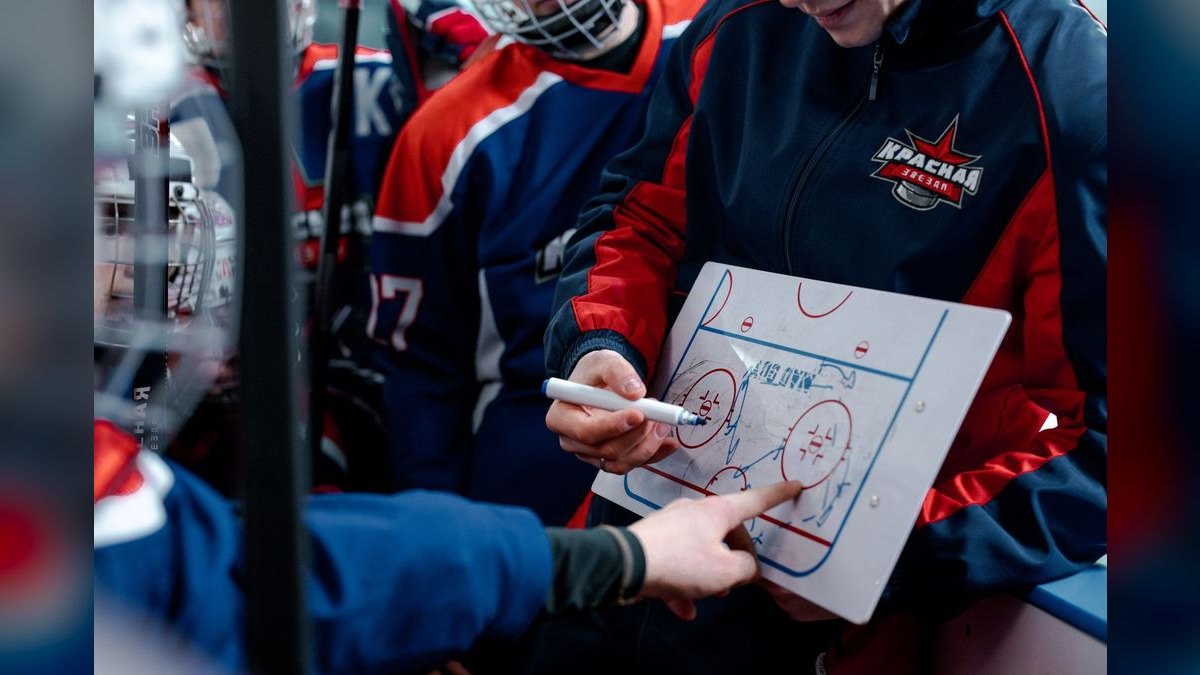
Coaching everything at once. A new rep can hold one skill in working memory during a live call. If you review a call and list opener, tone, question quality, objection handling, and next step, you have given them nothing. Pick the one that unlocks the most downstream, which is almost always the earliest broken moment in the call.
Coaching the deal instead of the skill. "Send them this email" fixes one account. "Here is how to acknowledge and redirect that objection" fixes the next hundred calls. Deal coaching feels productive and is the single biggest silent tax on a manager's month.
No follow-through loop. Coaching a behavior on Monday and never checking Friday's calls for it trains the rep, correctly, that your coaching is optional. The follow-through *is* the coaching. Put the check in your calendar at the same time you give the feedback.

Moving the scorecard. Use one consistent rubric — opener, reason for the call, discovery, objection handling, clear next step — across every review for the whole 30 days. Changing the rubric weekly makes a new rep feel the goalposts move, which produces anxiety and erratic behavior rather than improvement.
Letting the dashboard do the coaching. Conversation-intelligence tooling will happily tell you the talk ratio was 78% and the rep asked four questions. That data is genuinely useful for *choosing what to coach*. It cannot sit with a nervous new rep after a brutal rejection and rebuild the willingness to pick the phone back up. Use the data to aim; deliver the coaching yourself.
The phone-fear edge case. Some new reps have genuine call anxiety, and the standard playbook makes it worse. Shrink the task radically: a ten-dial block with you sitting beside them, immediate debrief after each call, and the first question always being "what went right on that call?" before any correction. Stack small wins for several days before you introduce any critique. Volume pressure applied to a fear response produces avoidance, not resilience.
The over-confident rep. The inverse edge case, and often the harder one. High activity, high self-assurance, low coachability, and a habit of nodding through feedback without changing anything. The lever here is data and self-scoring — have them score their own call against the rubric before you share your score. The gap between their score and yours is the conversation, and it is much harder to argue with than your opinion alone.

When it is not a coaching problem at all. If the data is stale, the list is thin, the territory is misrouted, or the sequence is misconfigured, coaching is malpractice. Fix the system first. And if a rep has received honest, specific, repeated feedback across the full 30 days with no observable behavior change, that is a fit conversation, not an invitation to coach harder. Extending an unproductive ramp indefinitely is unkind to the rep and expensive for the team.
Manager capacity as a hidden risk. Every failure mode above gets more likely when a manager is coaching too many new reps at once while carrying their own number. If you cannot protect three to five hours per rep per week, say so before the rep starts rather than discovering it in week three.
A practical rollout plan
Do not improvise the ramp. Hand the rep a written 30-day plan on day one with a single theme per week, so they are never trying to fix five things simultaneously.

Week 1 — Foundation (knowledge). Product certification, ICP and persona deep-dive, listening to recorded calls from top performers, shadowing two tenured reps live, and tool fluency: CRM hygiene, sequence basics, dialer, and where the call recordings live. No meeting quota this week. The exit criterion is verbal: the rep explains the value proposition and the top three customer pains, unprompted, in their own words, to three different persona framings. If they cannot, do not advance them — a rep pushed into dialing without this will simply generate a week of bad calls and a hardened bad opener.
Week 2 — Activity and the opener (skill, narrow). The rep starts dialing against a low, achievable floor. Daily 15-minute review focused *only* on the first 20 seconds. Run the 20-second opener drill: the rep delivers their opener ten times consecutively while you play a different cold persona each time — busy, skeptical, "we already have someone for that." Score for clarity and calm, not perfection. Exit criterion: a natural, non-robotic opener with a clean reason for calling that the rep can deliver under interruption.
Week 3 — Discovery and objections (skill, deeper). Layer in discovery question quality and the two most common objections. Two role-plays this week plus three recorded-call teardowns. Run objection ping-pong: fire the five most common objections rapid-fire, rep has to acknowledge-then-redirect each in under fifteen seconds. The goal is a calm reflex, not a flawless rebuttal. Exit criterion: the rep sustains a genuine two-way conversation and turns one objection without their voice changing.
Week 4 — The ask and ownership (will plus skill). Tighten the close: the explicit ask for the meeting and the confirmed next step with a date. Shift review cadence from daily to every other day, deliberately, to build independence. Add the Friday self-teardown — the rep picks one call they are proud of and one they are not, scores both against the rubric first, then you share your read. Exit criterion: consistent qualified meetings booked and, more importantly, accurate self-diagnosis.

Run your day-15 and day-25 1:1s on the GROW structure — Goal, Reality, Options, Will — because it stops you lecturing and forces the rep to own the next step. Useful verbatim prompts: "By the end of your first 30 days, what does on-track look like to you?" · "Walk me through your last cold call — what did you say in the first ten seconds?" · "What are two different ways you could open that call so it doesn't sound like a script?" · "What's the one change you'll make on every call this week, and how will I know you did it?" The rep should be talking roughly 70% of the time. When they say "I don't know what I'd do differently," the answer is "That's fine — let's listen to it together and find it," then open the recording and pause at the moment it went sideways.
Underneath all four weeks runs the same engine: observe a real call, diagnose one specific behavior, coach it in a GROW conversation, drill it in role-play, let the rep apply it live, then measure whether it appeared. Only the skill in focus changes week to week.
Finally, coach to leading indicators, not to the meeting count. Activity consistency, connect-to-conversation rate, conversation-to-meeting rate, and — most importantly — whether the one behavior you coached this week actually showed up on this week's calls. The honest test of any coaching session: can you point to a specific number or a specific recorded moment that changed because of it? If not, you were chatting, not coaching.
Related questions
How long should the whole SDR ramp be, not just the first 30 days?
Most B2B SDR ramps run two to four months to full productivity, longer in enterprise or technical segments. The first 30 days builds knowledge, opener, discovery, objections, and the ask. Months two and three widen scope: multi-threading, account research depth, and pipeline consistency.
Should a new SDR carry quota in month one?
Generally no, or a heavily reduced one. Week-one quota pressure produces volume without competence and hardens bad habits. Use activity floors and skill exit criteria as the week-by-week measure, and introduce a real meeting target in week four or month two.
What if I'm ramping three new SDRs at the same time?
Stagger start dates if you can — three to five coaching hours per rep per week does not scale past two or three simultaneous ramps. If you cannot stagger, run group drills and role-plays for shared skills and reserve 1:1 time strictly for individual call reviews.
How do I coach a new SDR remotely?
Rely more heavily on recordings and less on live-listen. Screen-share the call recording in your 1:1 and pause together at the break point. Add a short daily async check-in so the rep never goes 24 hours without contact during weeks one and two.
Who owns fixing a bad list versus coaching the rep?
RevOps and you own the system — data quality, routing, sequence configuration, dialer connect rates. The rep owns execution against a working system. Verify the inputs are sound before you coach behavior, or you will burn the rep's trust in your feedback.
FAQ
How much time should I actually spend coaching a new SDR in their first 30 days?
Plan on three to five hours per week of direct coaching: daily 15-minute call reviews in weeks one and two, one 45-minute structured 1:1 per week, and two role-play or drill sessions. It is the highest-ROI time you will spend that quarter. Under-investing in month one reliably creates a six-month problem, because uncorrected habits get harder to unwind the longer they run.
Should I coach against live calls or recorded calls?
Both, in sequence. Live-listen early in weeks one and two so you can correct in the moment and debrief while the call is still fresh. Then shift toward recorded reviews so the rep learns to self-assess. Recordings also settle disputes — you both watch the exact moment the conversation broke instead of arguing about two different memories of it.
What if the rep is hitting activity but booking nothing?
That is a skill gap, almost always at the opener or the first discovery question, not a motivation problem. Listen to three calls, find precisely where the conversation dies, and drill that single moment. Do not respond by raising activity targets — that just produces more calls with the same break in them, and it convinces the rep that effort is the problem when it is not.
How do I coach a new SDR who is afraid of the phone?
Shrink the task and stack small wins. Start with a ten-dial block with you sitting beside them, debrief after each call, and always open with "what went right on that call?" before any correction. Co-sell the first few to model calm, then hand them back. Applying volume pressure to a fear response produces avoidance, not resilience.
When is it not a coaching problem at all?
When the data is stale, the list is thin, the territory is misrouted, or the sequence is broken — those are system fixes owned by you and RevOps, not the rep. And if a rep has had honest, specific, repeated feedback across the full 30 days with no observable behavior change, that is a fit conversation rather than a reason to coach harder.
Should I use AI call-coaching tools with a brand-new rep?
Yes for the data, no as a substitute. Conversation-intelligence tooling surfaces talk ratio, question rate, objection handling, and next-step capture automatically, which helps you choose what to coach and verify whether it changed. But the conversation that actually changes behavior still has to come from you, in person, about one specific moment on one specific call.
Sources
- Harvard Business Review — How the Best Sales Teams Grow Talent
- Gong Labs — sales conversation research and call analytics
- RAIN Group — sales coaching techniques and research
- Salesforce Blog — sales onboarding and rep ramp
- Sandler — the GROW coaching model for sales managers
- Winning by Design — sales coaching frameworks and playbooks
- MindTools — the GROW model of coaching and mentoring
- SHRM — onboarding new employees effectively
Related on PULSE
- [How do you coach an SDR who books meetings that never show up?](/knowledge/cg0201)
- [How do you coach a new rep through their first lost deal?](/knowledge/cg0020)
- [How do you coach a sales team through a major change like a new product?](/knowledge/cg0199)
- [What specific question can you ask a new sales rep in their first week to assess their understanding of your product's top three differentiators?](/knowledge/cg0856)
- [How do you coach a rep through a missed quarter without crushing them?](/knowledge/cg0155)
- [What is your strategy for re-engaging a lost deal that went dark 60 days ago?](/knowledge/cg0950)
This page will be disappearing soon. Save it to your device for $1 — or read it free while it is here.
@Kory-White- · if Venmo asks, the last 4 of my number are 2012
 sales-coachingHow do you turn around an underperforming sales rep?
 sales-coachingHow do you coach a rep to improve their next-steps language?
 sales-coachingHow do you coach a rep through a missed quarter without crushing them?
 sales-coachingHow do you coach reps to remove dead deals from the pipeline?
 sales-coachingHow do you coach reps to stop doing feature-dump demos?
 sales-coachingHow do you coach a sales rep through a confidence crisis?
 sales-coachingHow do you coach reps to manage their own energy and time?
 sales-coachingHow do you coach reps to act on AI call-coaching feedback?
 sales-coachingHow do you build a sales skills matrix to guide coaching?
 sales-coachingHow do you coach reps to get past gatekeepers?