
How do you coach a new rep through their first lost deal?
 Curated byKory White · Fractional CRO · Maryland
 PULSEKNOWLEDGE LIBRARY
Coach the first lost deal as a learning event, not a verdict. Within 48 hours, run a blameless, 30-minute debrief that separates the rep's self-worth from the outcome — validate the effort, normalize losing, then use the GROW model to extract exactly one transferable lesson and one written commitment you check that Friday.
The Monday morning after the first "no"
Picture a rep 40 days into ramp. They ran a clean discovery call, got you in front of a VP, and built what looked like a real deal — then Friday the prospect went with the incumbent. Monday they walk in quiet, avoiding your eye, and the story they're telling themselves is not "I lost a deal." It's "I can't sell." That gap between what happened and what they made it mean is the actual coaching problem, and if you skip straight to tactics you will lose the rep long before you fix the skill.

A new rep's first loss is rarely about the deal alone — it's about meaning. Before you coach the deal, diagnose what the rep made the loss *mean*. New reps over-personalize: they treat one "no" as evidence about their identity. Your first job as their manager is to figure out whether you are looking at a confidence wound, a skill gap, a knowledge gap, or a system/territory problem the rep could not have controlled — because each one earns a different conversation, and guessing wrong makes it worse.
Separate the emotional layer from the tactical layer deliberately. If you jump straight to "here's what you should have done," a shaky new rep hears "you failed and it's your fault," and their nervous system stops learning. If you only do the reassurance — "don't worry, happens to everyone" — and skip the lesson, the rep feels better but learns nothing and repeats the mistake on deal number two. The debrief has to hold both: safety first, then a single specific lesson, and the sequence matters more than the exact words. In a RevOps-mature org you also have the CRM and call-recording data to anchor the conversation in facts instead of vibes, which keeps the debrief honest and short. That data is the difference between "I feel like you rushed the close" and "here's the call where you presented pricing before you'd confirmed a budget."
How the loss-debrief mechanism actually works
The mechanism is a structured, blameless post-mortem that routes the rep to the right entry point instead of dumping ten corrections on them at once. Run it in private, no laptop as a wall between you, within 48 hours — soon enough that the detail is fresh, late enough that the raw sting has cooled. Use a three-part frame: What happened? (facts only, no interpretation), What did we control? (rep actions, timing, follow-up cadence), and What was outside our control? (a frozen budget, a competitor discount, a champion who quit). That third bucket is what protects a new rep's confidence; the second bucket is where the transferable lesson actually lives.
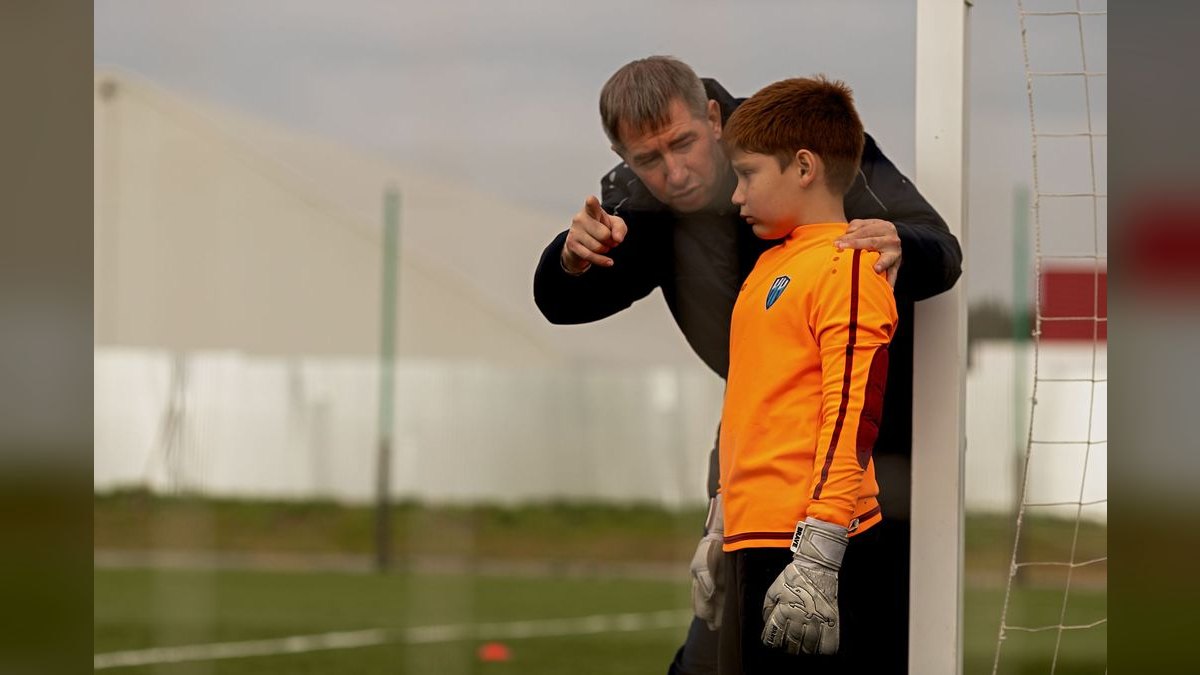
Under the hood you're running the GROW model — Goal, Reality, Options, Will — so the rep does the thinking and owns the takeaway. You open by separating the person from the outcome: "losing deals is not a sign you're bad at this — the reps who win long-term are the ones who learn fastest." You validate the effort specifically: "you ran a real discovery call and you didn't quit when they went quiet." Then you move to Reality and let the rep narrate first — "walk me through the whole thing, from the first call to the moment it died; where do you think it turned?" You probe with "what" and "how," never "why didn't you," because "why didn't you" is an accusation wearing a question mark. Ask instead: *At what point did you know the budget was real? Who besides our champion had a vote, and when did we first meet them? What were their decision criteria, in their own words?* Then Options — "what are two things you'd do differently to catch that earlier?" — and finally Will: one commitment, written into the call plan, checked Friday.
Notice what the mechanism deliberately excludes: no lecture, no list of ten mistakes, and no rescuing the rep by blaming the lead or the product. You let them find the lesson, then you make it concrete and trackable. Self-generated lessons stick; handed-over lessons get nodded at and forgotten by the next 1:1. The whole point of routing through the diagnostic tree above is that you spend your coaching energy on the *right* intervention — you never drill a rep who knew exactly what to do and simply didn't, and you never accountability-talk a willing rep who genuinely didn't know the play.
Real numbers, ranges, and benchmarks
Numbers do two jobs here: they reframe the loss as normal, and they give you leading indicators to measure whether the coaching actually took hold.
Start with the reframe. Even strong reps close only a minority of qualified pipeline — win rates on genuinely qualified opportunities commonly land in the 20–30% range, and far lower on unqualified or cold pipeline. That means the *expected* outcome of any single deal is a loss, and a new rep needs to hear that with real figures, not a platitude. Show them your own graveyard: the deals you lost in your first year as a seller and exactly what each one taught you. This converts "I failed" into "I'm on the same curve everyone is on."
Then set the cadence, with concrete timeboxes:
- First 48 hours: run the debrief. Keep it to 30 minutes max — longer sessions breed over-analysis and reinforce the loss's emotional weight. Extract exactly one lesson and one written commitment. Do not pile on.
- Week 1 (next 1:1): check the commitment against reality. "You said you'd confirm the economic buyer earlier — show me where that's true on your open pipe." Reinforce the behavior, not the outcome.
- 30 days: review three live deals against the lesson. Pull one Gong, Chorus, or Salesloft call recording and review it together. Add a second skill only if the first one is clearly sticking.
- 60 days: have the rep teach the lesson back — a two-minute lost-deal post-mortem to a peer or in standup. Teaching cements the skill and rebuilds confidence publicly.
- 90 days: look at trend, not events. Is stage-conversion or win-rate moving across a *sample* of deals? Is the rep now volunteering their own losses before you ask? That's the real signal.
For measurement, ignore whether the *next* deal closes — one deal is a lagging indicator full of noise. Track leading indicators instead. Behavior change: are they confirming economic buyer, decision criteria, and champion on open deals, verified in CRM and recordings rather than taken on their word? Stage conversion: first losses usually expose one weak stage — discovery→demo or demo→proposal — so watch that specific transition. Self-diagnosis quality: do they now bring their own loss reasons to the 1:1 instead of waiting for you to surface them? That is the single best sign the coaching is working. Ramp metrics like talk-to-listen ratio and discovery-question count per call are both visible in most conversation-intelligence tools. And a confidence proxy — are they still pushing into the next deal, or did they go quiet and passive? Withdrawal after a first loss is a flashing red light and outranks every tactical metric on the board.

A useful drill layer sits on top of this. Run a MEDDIC / MEDDPICC scorecard pass on the lost deal — Metrics, Economic buyer, Decision criteria, Decision process, Identify pain, Champion — and the gaps light up the lesson far better than your opinion does. Follow with a redo role-play where you play the prospect and the rep re-runs the turning-point moment with the new lesson applied; run it twice so muscle memory forms. Then a ten-minute objection ladder on the specific objection that killed the deal, drilling five variations so that same objection never ambushes them again. None of these should exceed 15 minutes each — you're building reps, not staging a tribunal.
Trade-offs: how hard to coach, and when
The central trade-off is emotional support versus tactical rigor, and the right mix depends entirely on reading the person in front of you. Over-index on support and you get a rep who feels great and learns nothing; over-index on rigor and you get a rep whose confidence you just broke on their first loss. The diagnosis is not one-time — you re-read it live during the conversation, and you have to be willing to pause the tactical half entirely if the rep gets emotional or defensive, because a nervous system that doesn't feel safe cannot learn. You can always run the tactical post-mortem a day later; the lesson keeps, and a rep who trusts you keeps too.
There's also a genuine alternative-paths decision: not every loss deserves the full skill treatment. A loss the rep could not have controlled — dead budget, no-decision, wrong-fit inbound lead, a territory problem — is a *system* conversation. You coach qualification and routing, and you tell them plainly "this one wasn't yours to lose," while still extracting a pipeline-hygiene lesson so they'd spot the dead budget sooner next time. A loss where the rep knew what to do and could do it but simply didn't is a will/accountability conversation, not a drill — role-playing someone who didn't do the work wastes both of you. And a willing-but-unskilled rep needs practice, never a PIP. Diagnosing honestly is the whole game; the wrong intervention on the right rep is exactly how you lose good people in their first quarter.

The loop above is the alternative to the one-and-done debrief. A single conversation is a moment; the cadence is what actually builds a seller. The cost is manager time — roughly one focused 1:1 plus a Friday check per rep — but the payoff is a rep who by 60 days is diagnosing their own losses, which is exactly the leverage a RevOps leader wants when this has to scale across a whole team instead of one person.
Common pitfalls and how to avoid them
- Rescuing the rep. "Don't worry, that lead was never going to buy." It feels kind, but it teaches the rep that losses are always someone else's fault and there's nothing to learn. Validate effort, never excuses — "you worked this hard and well" and "we still need to confirm the economic buyer next time" belong in the same breath.
- Coaching the dead deal instead of the skill. Fixing this one lost deal is pointless — it's gone. Extract the *transferable* skill that applies to the next twenty deals, or you've spent an hour on nothing.
- The lecture. Listing ten things the rep did wrong on their first loss is the fastest way to break a new seller. Pick one. Maybe two. The "one takeaway" rule forces a single, specific, observable action — "on the next discovery call I'll ask about the decision timeline before I present pricing" — reviewed after 3–5 calls. Vague lessons ("qualify better") never become behavior.
- No follow-through. A great debrief with no Friday check-in is theater. The commitment dies and the rep learns your coaching doesn't matter, which is worse than not coaching at all.
- Coaching everyone the same. A confident veteran's loss gets a straight tactical post-mortem; a new rep's first loss needs the emotional layer first. Read the person, then pick the sequence.
- Mistaking will for skill (or the reverse). Don't drill a rep who simply didn't do the work, and don't PIP a willing-but-unskilled one. The wrong intervention on the right rep is how you lose good people early.
Related questions
How soon after the loss should the debrief happen?
Within 48 hours. Same-day is often too raw for a new rep to hear anything tactical; a week later the detail is gone and the delay signals the loss didn't matter. Forty-eight hours keeps the facts fresh while the emotional sting cools enough to learn.
What if the deal was genuinely unwinnable?
Say so plainly — "this one wasn't yours to lose." Then still extract a qualification lesson: could earlier discovery have surfaced the dead budget or missing decision-maker sooner, so the rep spent that time on a live deal instead? Even uncontrollable losses teach pipeline hygiene.
When is a first loss a fit problem rather than a coaching problem?
Almost never on deal one — a single loss is just Tuesday. Watch the pattern over 60–90 days. If the rep keeps losing the *same way* despite specific coaching and clearly isn't applying feedback, that becomes a will-or-fit conversation. One data point is never a verdict on the hire.
Should you tell the rep what went wrong or let them find it?
Let them find it first through GROW questions — self-generated lessons stick, handed-over ones get forgotten. If, after genuine probing, they truly can't see it, name it directly: one specific behavior, never a character critique.
FAQ
How soon after the loss should I run the debrief? Within 48 hours, while the deal is fresh but the sting has cooled slightly. Same-day can be too raw for a new rep; waiting a week loses the detail and signals the loss didn't matter. Forty-eight hours is the sweet spot.
What if the rep gets emotional or defensive in the debrief? Pause the tactical part entirely. Their nervous system has to feel safe before they can learn. Reaffirm that this isn't about blame, that you've lost plenty of deals, and that you're on their side. Run the tactical post-mortem a day later — the lesson keeps.
Should I tell the rep what they did wrong, or let them find it? Let them find it first through GROW questions. Self-generated lessons stick; lessons you hand over get nodded at and forgotten. If they genuinely can't see it after good probing, name it directly — but make it one specific behavior, not a character critique.
What if the deal was genuinely unwinnable — bad lead, killed budget, no decision? Say so plainly: "this one wasn't yours to lose." But still extract a qualification lesson — could earlier discovery have surfaced the dead budget sooner so they'd have spent that time elsewhere? Even uncontrollable losses teach pipeline hygiene.
When is a first loss a coaching problem versus a hiring or fit problem? A first loss is almost never a fit problem — it's one data point. Watch the pattern over 60–90 days. If the rep keeps losing the same way despite coaching and clearly isn't applying feedback, that's a will or fit conversation. One loss is just Tuesday.
How do I rebuild confidence without lowering the bar? Separate effort from outcome — never the standard from the outcome. You can say "you worked this hard and well" and "we still need to confirm the economic buyer next time" in the same breath. Confidence and accountability aren't opposites.
Sources
- Gong Labs — Sales Coaching Research
- Harvard Business Review — The Best Sales Reps Do What Others Don't
- RAIN Group — Sales Coaching Best Practices
- Sales Hacker — How to Run a Win/Loss Analysis
- Sandler — Sales Management Resources
- The GROW Model (MindTools)
- MEDDIC Academy — What Is MEDDIC
Related on PULSE
- [How do you coach a new SDR through their first 30 days?](/knowledge/cg0011)
- [What question can you ask after a lost deal to extract actionable lessons without making the rep feel blamed?](/knowledge/cg0886)
- [How do you coach a sales team through a major change like a new product?](/knowledge/cg0199)
- [What is your strategy for re-engaging a lost deal that went dark 60 days ago?](/knowledge/cg0950)
- [Top 10 Questions to Ask When Analyzing a Lost Deal](/knowledge/cg0919)
- [What is your go-to question for re-engaging a lost deal from six months ago?](/knowledge/cg0916)
This page will be disappearing soon. Save it to your device for $1 — or read it free while it is here.
@Kory-White- · if Venmo asks, the last 4 of my number are 2012
 sales-coachingHow do you coach reps to manage their own energy and time?
 sales-coachingHow do you coach reps to use AI for outreach without sounding robotic?
 sales-coachingHow do you spot a struggling remote rep before it's too late?
 sales-coachingHow do you coach a rep who's upset about a territory change?
 sales-coachingHow do you coach a sales rep through a confidence crisis?
 sales-coachingHow do you tell if a rep needs coaching or a PIP?
 sales-coachingHow do you coach reps to get past gatekeepers?
 sales-coachingHow do you coach reps to ask better questions using call data?
 sales-coachingHow do you coach reps to improve their win rate?
 sales-coachingHow do you coach salespeople to handle rejection?