
How do you coach reps to sell to executives?
 Curated byKory White · Fractional CRO · Maryland
 PULSEKNOWLEDGE LIBRARY
Coach reps to sell to executives by pairing a repeatable pre-call structure with graded live feedback: require every rep to state a one-sentence business outcome before any executive call, then score the actual call on outcome-first opening, concision, and question quality. Choose between scripted drilling, live co-selling, or outside certification based on how much time and budget your RevOps team can commit — the sequencing matters more than the method.
The two coaching paths: structured drilling vs. live co-selling vs. outside certification
When a sales manager decides how to coach reps to sell to executives, there are really three levers available, and most organizations default to only one without weighing the trade-offs.
Option A: Structured internal drilling. This is the manager-led path — pre-call scripting, recorded role-play, and a scorecard the manager owns. The rep writes a one-sentence outcome statement before every executive meeting, submits their opening two lines for review, and runs a weekly role-play against a manager playing a skeptical CFO or VP. The advantage is control: you calibrate exactly what "good" looks like for your product and your buyer, and you can iterate weekly. The disadvantage is time cost — a manager running this properly spends 30-45 minutes per rep per week, which caps how many reps one manager can coach at this level of intensity, typically 6-8 direct reports before quality drops.

Option B: Live co-selling with debrief. Here the manager or a senior AE joins the actual executive call, either silently or in a supporting role, and debriefs immediately after. This path builds confidence faster because the rep sees a real executive react in real time rather than a simulated one, and it removes some of the risk of the rep fumbling in front of the buyer to begin. The trade-off is scalability: you cannot co-sell every executive meeting for every rep, so this path works best for the 60-90 day stretch when a rep is transitioning from mid-market to enterprise deals, then it needs to fade so the rep builds independence.
Option C: Outside certification or methodology training. Programs built around frameworks like Challenger, MEDDIC, or Command of the Message give reps a shared vocabulary and an external authority backing the coaching, which can help when reps resist internal feedback. The advantage is consistency across a larger sales floor and less manager bandwidth per rep. The disadvantage is that generic frameworks rarely map cleanly onto your specific buyer's P&L or your product's value chain — reps often finish the certification able to recite the framework but still unable to translate it into your specific executive conversation, which means you still need at least a lightweight version of Option A layered on top.

Most RevOps-mature teams end up blending all three: certification for shared language, structured drilling for the specific skill of executive framing, and live co-selling as a bridge during the first few enterprise deals a rep owns.
How to decide between them
The right mix depends on three inputs: how many reps need this skill right now, how much manager bandwidth exists, and how urgent the gap is (is a specific deal at risk, or is this a longer-term capability build). Use the decision path below before committing budget or calendar time to one option.

If a specific opportunity is stalled because a rep cannot get traction with a VP or CFO, don't wait for a training cycle — co-sell that deal now and extract the lesson afterward. If the gap is organization-wide and no single deal is on fire, structured drilling is the more durable investment because it builds a habit the rep owns rather than a crutch that depends on the manager showing up. Certification is worth the spend mainly when you're scaling a sales floor past the point where one manager can personally coach everyone, or when reps need a vocabulary that survives manager turnover.
Concrete numbers behind each option
Put real numbers against each path so the choice isn't just a gut call.
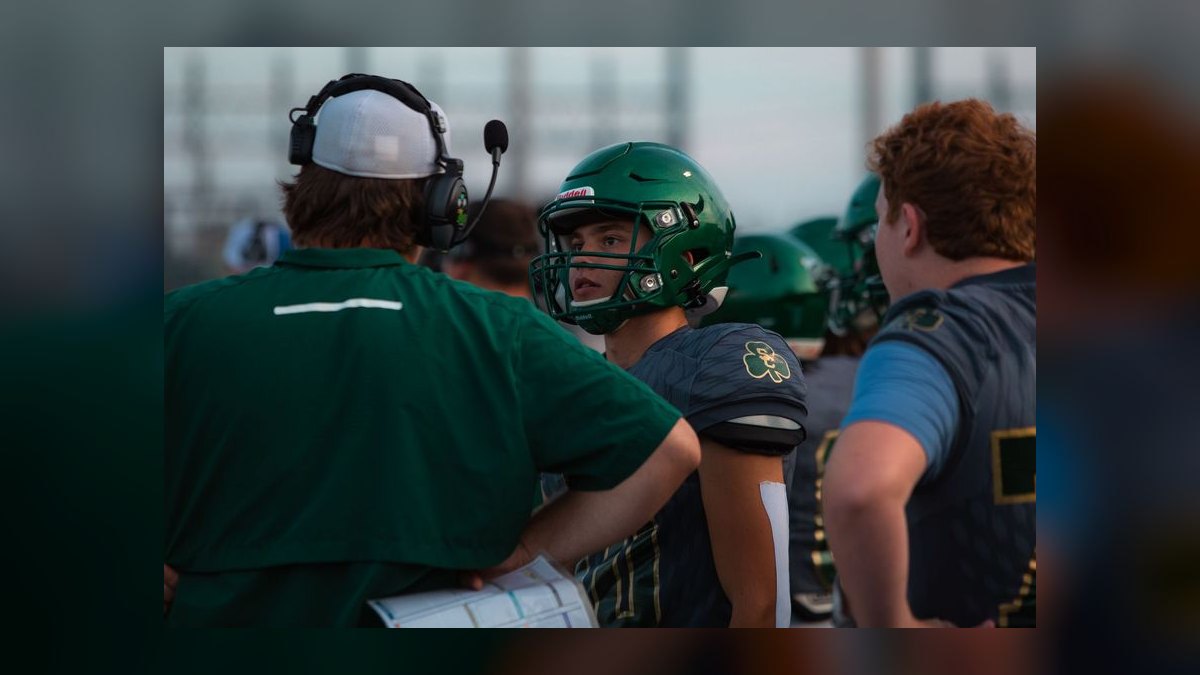
Structured drilling time budget: plan for a 30-minute weekly 1:1 focused solely on the next executive call, plus 15 minutes reviewing one recorded call. That's roughly 45 minutes per rep per week, or 3-6 hours per week for a pod of 6-8 reps — which is why this path caps out around eight direct reports before a manager needs to delegate peer role-play to senior reps.
Live co-selling cadence: cap this at two to three real executive meetings per rep before handing the call off solo, with an async review replacing the live join afterward. Co-selling every meeting past that point signals the rep hasn't built independence, and it also burns manager calendar time that doesn't scale — a manager co-selling for ten reps at even one meeting a week each is already at 10+ hours of calendar time before any other coaching work.
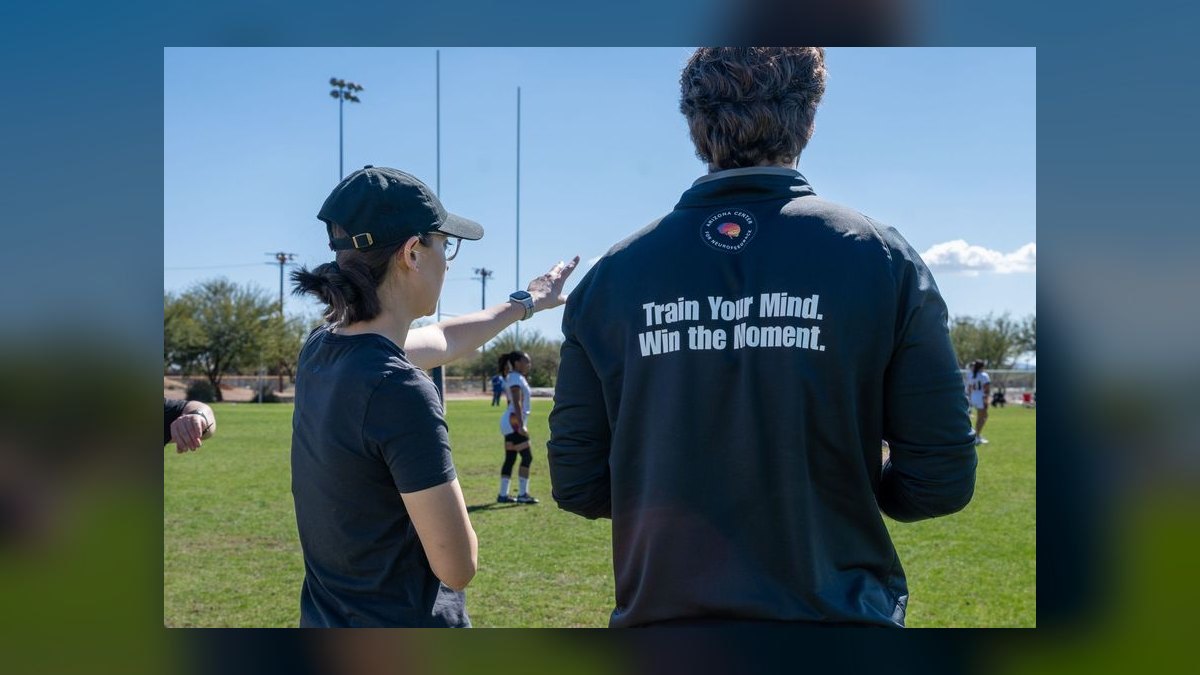
Executive call structure: the opening window is short. Reps should state the business outcome inside the first 90 seconds of the call, and most executives will not tolerate more than about 15-20 minutes total unless the conversation earns extended time. Talk-to-listen ratio on a well-run executive call should sit under 45% for the rep — meaning the rep talks less than the executive across the call, a proxy for whether the conversation is a dialogue or a pitch.
Cadence length: run the full coaching arc over 90 days — roughly 30 days of pre-call scripting, 30 days of live unscripted role-play, and 30 days of co-selling into solo handoff. Shorter than 60 days rarely gives enough executive-call reps to build the habit; longer than 120 days without visible progress usually means the gap is fit, not skill.

Drill repetition counts: the 90-second open should be rehearsed in sets of five before a rep takes it live — fewer than five reps and the opening still sounds scripted rather than natural; the scorecard should track five criteria per call (outcome opening, pace, question quality, handling pushback, next-ask confidence), each on a 1-5 scale, so a manager can spot the one or two lowest scores rather than trying to fix everything at once.
Implementation details and sequencing
Once you've picked a mix of the three options, sequence the actual rollout so reps build the skill in the right order — outcome framing before presence, presence before objection handling.

Weeks 1-2: diagnose before you coach anything. Before assigning drills, figure out whether each rep's gap is skill (doesn't know how to translate features into outcomes), will (avoids executive calls out of intimidation), knowledge (doesn't understand the buyer's industry or P&L), or access (can't get past the gatekeeper to reach an executive in the first place). A rep with an access problem needs multi-threading and referral coaching, not a role-play about concision — diagnosing wrong wastes the first month.
Weeks 1-4: pre-call scripting gate. Every rep submits a one-sentence business outcome and their opening two lines before each executive call, and the manager replies with a thumbs-up or a single edit — never a full rewrite, which slows the loop down and doesn't build the rep's own judgment. This is the cheapest, highest-leverage habit in the whole program because it catches the most common failure (leading with product, not outcome) before it ever reaches the executive.

Weeks 5-8: live role-play against a skeptical buyer. Shift from scripting review to unscripted role-play where the manager plays a CFO or VP who interrupts with "why should I care" or "we tried something like this and it failed." Score the rep on whether they stay concise and turn the pushback into a question back to the buyer, rather than defending or over-explaining.
Weeks 9-12: co-sell two real meetings, then hand off. Join two actual executive calls, letting the rep run the meeting while you stay silent unless the conversation truly needs rescuing. Debrief within 15 minutes while details are fresh, and have the rep self-score on the five-criteria scorecard before you reveal your own score — self-assessment accuracy is itself a signal of whether the skill has actually landed.

Track the loop monthly rather than treating the 90 days as a one-time program. RevOps teams that stop measuring after the initial cadence tend to see the skill decay within a quarter as reps drift back to feature-first openings under deal pressure.
Related questions
How do you coach reps to sell at higher price points?
Coach the value conversation, not just the price — reps need to anchor to business impact before the number comes up, using the same outcome-first framing that works with executives, so price becomes a comparison to cost of inaction rather than a standalone objection.
How do you coach a sales engineer to sell, not just demo?
Give the SE the same one-sentence outcome discipline reps use with executives — before any demo, they should state which business result the feature maps to, then demo only the parts that prove that result.
How do you certify a new rep is ready to sell on their own?
Use the same scorecard approach: require a passing score across outcome framing, concision, and objection handling on at least two consecutive graded calls before removing manager co-selling from their executive meetings.
What question do you ask a champion to ensure they can sell your solution internally?
Ask them to restate the business outcome in their own words and describe how they'd justify it to their own boss — if they can't, they don't have the internal credibility yet and need more enablement before they carry the message to executives.
FAQ
How long does it take to coach a rep to sell to executives? Most reps show visible improvement within 4-6 weeks of consistent pre-call scripting and live role-play, but consistently leading with business outcomes under pressure typically takes the full 90-day cadence to become automatic rather than effortful.
What's the most common mistake reps make with executives? Opening with a product walkthrough instead of a business outcome. Executives often disengage within the first minute if they don't hear something tied to revenue, cost, risk, or time, which is why the pre-call scripting gate exists — it catches this before the rep is on the call.
How do you measure if the coaching is actually working? Track the leading indicators: whether the rep states a business outcome in the first 90 seconds, the talk-to-listen ratio on the call, and the number of distinct stakeholders engaged. If leading indicators improve but win rate against executive-sponsored deals doesn't, the coaching needs to shift toward presence and objection handling rather than more scripting.
What if a rep is strong with managers but struggles with VPs or the C-suite? That's a common and specific gap — conversations with managers tend to reward process and feature detail, while executives want strategic impact stated quickly. Retrain the rep to reframe the same content around a measurable business result, and use role-play with a mock executive to force the habit.
Do you need a specific sales methodology to coach this? No single methodology is required. Frameworks like Challenger, MEDDIC, or Command of the Message can supply shared vocabulary, but the coaching still needs to be adapted to your buyer and product — a framework alone rarely produces the specific outcome-framing skill an executive conversation demands.
Should the sales manager or a RevOps enablement function own this coaching? Either can own it, but RevOps enablement is well positioned to build the scorecard, cadence, and call-review process consistently across pods, while the direct manager should still run the weekly 1:1 and pre-call gate — the relationship and cadence matter more than which title owns the program.
Sources
- The Challenger Sale: Teaching, Tailoring, and Taking Control — Challenger Inc.
- How to Sell to the C-Suite — Harvard Business Review
- The GROW Model for Coaching — MindTools
- Selling to the C-Suite: Executive Engagement — RAIN Group
- Command of the Message and Value Framing — Force Management
- What Great Sales Coaching Looks Like — Salesforce
- Gong Labs: Research on sales conversations — Gong.io
Related on PULSE
- [How do you coach reps to sell at higher price points?](/knowledge/cg0154)
- [How do you coach a sales engineer to sell, not just demo?](/knowledge/cg0206)
- [What question do you ask a champion to ensure they have the internal credibility to sell your solution for you?](/knowledge/cg0928)
- [How do you certify a new rep is ready to sell on their own?](/knowledge/cg0017)
- [Top 10 Gong Coaching Review Prompts for Account Executives](/knowledge/cg0776)
- [Top 10 Role-Play Coaching Scenarios for Account Executives](/knowledge/cg0761)
This page will be disappearing soon. Save it to your device for $1 — or read it free while it is here.
@Kory-White- · if Venmo asks, the last 4 of my number are 2012
 sales-coachingHow do you coach a sales rep through a confidence crisis?
 sales-coachingHow do you coach reps to act on AI call-coaching feedback?
 sales-coachingHow do you coach a channel rep to manage partners, not end users?
 sales-coachingHow do you coach reps to manage their own energy and time?
 sales-coachingHow do you coach a rep who's overly focused on commission?
 sales-coachingHow do you use the GROW model to coach salespeople?
 sales-coachingHow do you know when coaching won't fix a sales rep?
 sales-coachingHow do you coach reps to ask better questions using call data?
 sales-coachingHow do you coach salespeople to handle rejection?
 sales-coachingHow do you coach reps across multiple time zones?