
How do you coach a full-cycle rep to balance prospecting and closing?
 Curated byKory White · Fractional CRO · Maryland
 PULSEKNOWLEDGE LIBRARY
Quality
Certified

Coach a full-cycle rep to balance prospecting and closing by fixing the calendar, not the willpower. Time-box prospecting into a protected, non-negotiable 60–90 minute block early each day, then diagnose whether the imbalance is a skill, will, knowledge, or system problem before you coach it. A RevOps-minded manager runs GROW 1:1s on the rep's own calendar and pipeline data, holds a 3x coverage ratio, and treats rhythm — not heroics — as the fix.
What Full-Cycle Balance Really Means for RevOps
A full-cycle rep owns the entire motion — sourcing, qualifying, running the sales cycle, and closing — inside the same quota. That single ownership is exactly why balance breaks down: prospecting and closing compete for the same finite hours, and only one of them has a hard deadline attached (a signature date, a forecast call, a CFO waiting on a number). Closing wins that fight almost every time, because it is loud, urgent, and visible to leadership, while prospecting is quiet, deferrable, and only shows its cost eight to twelve weeks later when the pipeline runs dry.
This produces the sawtooth pattern: the rep prospects hard when the pipeline looks thin, then abandons prospecting the moment a deal heats up, then scrambles to refill the funnel once the deal closes (or dies) and the calendar opens back up. Each cycle repeats on roughly a 60–90 day lag, because that is how long it typically takes a cold or warm touch to mature into a closed-won or closed-lost outcome. The rep experiences this as "being busy" rather than as a structural failure, which is exactly why coaching them to simply "manage their time better" rarely works — they are already managing their time, just around the wrong incentive.

From a RevOps lens, this is a systems problem before it is a behavior problem. The fix requires treating prospecting as a protected input metric with the same seriousness as a closing output metric, and building the coaching cadence, the CRM fields, and the manager's own inspection habits around both. Before any coaching conversation happens, diagnose which of four root causes is driving the imbalance for this specific rep: a skill gap (they genuinely don't know how to prospect or close effectively, so they avoid the motion they're weak at), a will or avoidance gap (they know how, but prospecting is uncomfortable — cold rejection, gatekeepers, silence — so they hide in inbox work and existing deals), a knowledge gap (they have no system for switching between the two modes, so whichever task is loudest in the moment wins by default), or a system gap (the coverage math is structurally impossible — one rep asked to source and close a number that actually requires SDR support). Coaching the wrong cause wastes a quarter: coaching mindset when the real issue is an impossible ratio just burns out a rep who was never going to hit the number no matter how disciplined they became.
The Step-by-Step Coaching Process
The coaching sequence starts with observation, not conversation. Before you say anything to the rep, pull 30 days of their calendar alongside their pipeline-created report and look for the pattern: does prospecting activity fall to near-zero in the same weeks that late-stage deal count spikes? That correlation is your diagnostic starting point, and it turns the first conversation from an accusation ("you're not prospecting enough") into a shared observation ("here's what the data shows — what's going on here?").

Once the diagnosis is clear, run the conversation using GROW — Goal, Reality, Options, Will — with the rep's actual numbers on the table, not hypotheticals. The Goal step gets the rep to articulate what steady looks like in their own words ("never a dry pipeline, never a deal lost because I was buried in prospecting"). The Reality step uses their own activity chart to make the sawtooth visible without you having to say the word "problem." The Options step hands the design back to the rep — which block, how long, what support (a pre-built sequence, a call list staged the night before, a no-meeting morning) would make prospecting easier to sustain. The Will step converts the conversation into a specific, checkable commitment: which 90-minute window, starting when, checked against actual activity data by Friday.
After the commitment, the coach's job shifts to installation and reinforcement rather than repeated conversation. Build the standing sequence in Outreach or Salesloft so the rep opens each morning to a ready call list instead of a blank page — removing the "what do I even do" friction that kills protected blocks in week two. Sit in on one real block per week for the first month, purely to observe whether the rep actually prospects or drifts to email, and debrief afterward rather than interrupting mid-block. Review one prospecting day and one closing day together weekly, checking that the block held and that closing quality didn't suffer as a side effect.

Costs, Timelines, and Typical Ranges
Balance is measurable, and putting real ranges in front of the rep is what makes the coaching stick better than a motivational conversation. A rep spending roughly 10 hours a week on prospecting (2 hours a day) against a 20% close rate needs around 50 qualified opportunities in the pipeline to hit a $100K quota — the exact ratio varies by deal size and win rate, but the exercise of running the rep's own numbers is what matters. At a rough benchmark of 50 outbound touches to generate one qualified opportunity (a realistic range for SMB outbound motions), a rep needing 20 new opportunities in a quarter needs on the order of 1,000 touches across that period, or roughly 16 per working day. Skip prospecting for 10 days in a quarter and the daily requirement for the remaining days climbs to around 32 touches just to stay on pace — a number that makes the cost of "I was closing" concrete instead of abstract.
Use a 30/60/90 day arc for the coaching plan itself. Days 1–30: install the protected block and the standing sequence; review one prospecting day and one closing day weekly. Days 31–60: add pipeline-coverage discipline — the rep self-reports a 3x coverage ratio weekly (three dollars of open pipeline for every dollar of remaining quota is a common target; below that ratio, a famine quarter is already loading even if the current quarter looks fine) — and you coach whichever motion is structurally weaker, usually outbound openers or late-stage negotiation. Days 61–90: the rep self-manages the rhythm and you shift to auditing consistency rather than installing structure, then graduate the rep to advanced skill work — negotiation, expansion selling — once the base rhythm holds without your intervention.

For reps whose closing calendar makes even a full protected block unrealistic in a given week, use a "two-touch" floor instead of an all-or-nothing block: two prospecting touches before 9:30am, every day, no exceptions — one call and one personalized email, or two LinkedIn messages, or a call and a video message. Ten touches a week compounds to roughly 40 a month, which at typical conversion rates yields 2–3 new opportunities — not enough to fully fund a quarter alone, but enough to prevent the pipeline from going to zero during a genuinely closing-heavy stretch. Expect the full feast-or-famine cycle to take one to two quarters of consistent coaching and calendar discipline to break; the rep usually sees the pipeline visibly stabilize somewhere around the 60–90 day mark, which is what builds their own buy-in to keep the block sacred afterward.
Where Managers Get It Wrong
The single most common mistake is telling the rep to "just do both" — that instruction describes the problem rather than solving it, because it gives the rep no structure for resolving the hour-by-hour conflict between the two motions. Without a specific time boundary, closing wins by default every time, because it has a deadline and prospecting doesn't.
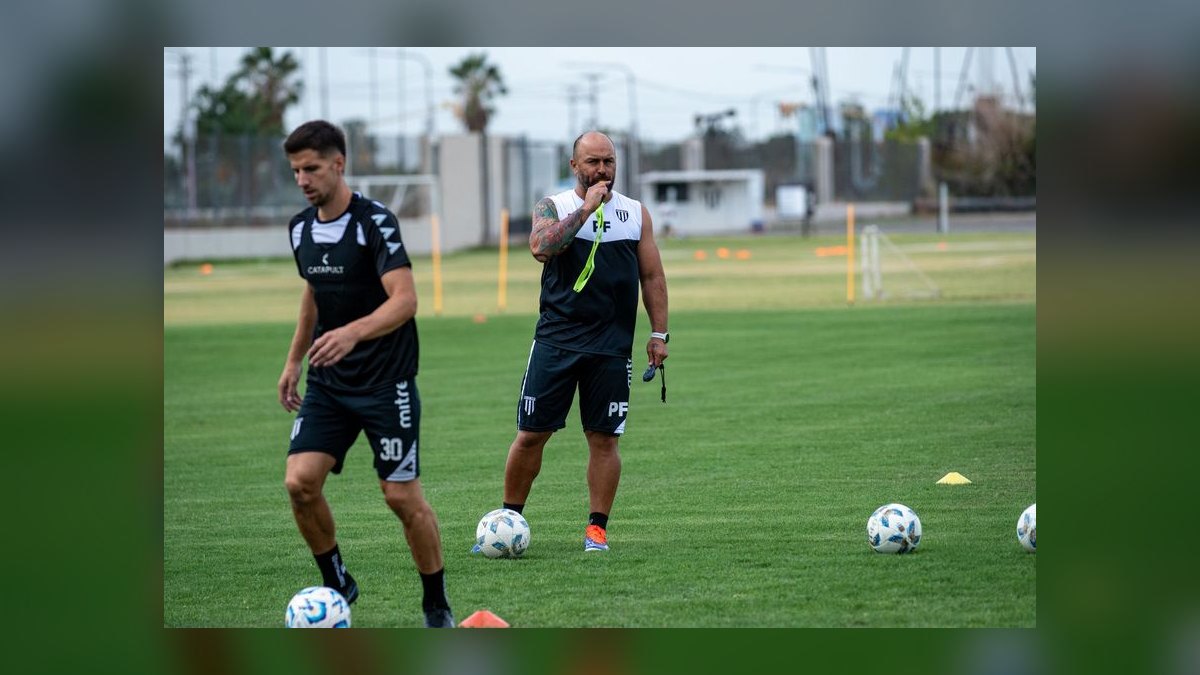
A close second is a manager who only ever inspects closing activity — forecast calls, deal reviews, proposal status — while never asking about prospecting volume in a 1:1. Reps read what gets inspected as what actually matters, regardless of what the manager says out loud, so an inspection habit that ignores top-of-funnel activity quietly trains reps to ignore it too.
Managers also routinely let the hot deal excuse the empty block: "I was closing" sounds like a legitimate reason to skip a day of prospecting, and in isolation it is — but it is also exactly the sentence that precedes every famine quarter. The fix isn't refusing reps permission to close deals; it's insisting the two-touch floor holds even in the busiest weeks, so the block never drops to fully zero.

A related failure is asking a rep to prospect from a blank page every morning with no sequence, no call list, and no support — that guarantees avoidance, because the friction of deciding who to contact and what to say becomes the reason the block quietly slides to lunchtime and then disappears. Pre-built sequences in Outreach or Salesloft remove that friction and are often a bigger unlock than any mindset conversation.
Finally, managers ignore the ratio problem: if the coverage math genuinely requires SDR support that doesn't exist — one rep expected to source, qualify, and close a number that structurally needs two people — no amount of coaching fixes the math. Coaching a rep through an impossible ratio is not motivation, it's cruelty, and the right move is escalating for headcount or resetting the quota rather than running another GROW conversation. A subtler version of the same mistake is coaching every rep to the same protected hour regardless of their personal rhythm — a morning person and a night owl need different windows, and forcing a one-size block reduces adherence for no real gain.
Decision Framework: Which Lever to Pull
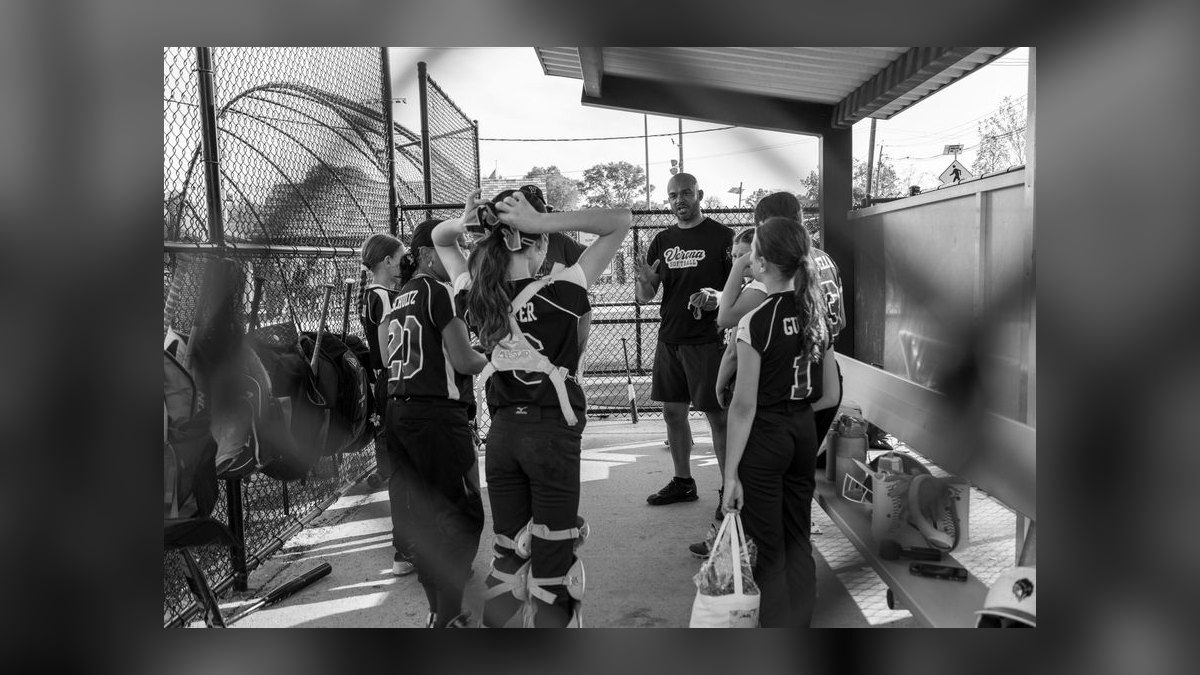
Once you've diagnosed the root cause, the coaching lever should match it directly rather than defaulting to a generic "prospect more" conversation. A skill gap needs drills — role-played cold opens, discovery call practice, negotiation reps — not a calendar fix. A will or avoidance gap needs a GROW conversation focused on reframing prospecting as pipeline insurance rather than punishment, plus small, low-friction commitments like the two-touch floor that build confidence through repetition. A knowledge gap — no system for switching between modes — needs a concrete time-blocking structure and a pre-built sequence so the rep never has to decide what to do next. A system gap needs escalation, not coaching at all: a quota reset, added SDR support, or a smaller account list.
Treat this as a live diagnosis rather than a one-time label — a rep who starts with a knowledge gap and gets a protected block installed can still slide into avoidance a quarter later if the block isn't reinforced, and a rep who was genuinely skill-limited on prospecting can develop real avoidance once enough rejection has accumulated. Re-run the calendar-and-pipeline observation every 30 days during active coaching so the lever you're pulling still matches the actual cause, not the cause from two months ago.

Related questions
How do you coach a rep to build a consistent prospecting habit?
Install a protected daily block, pair it with a ready-made sequence so there's no blank-page friction, and track adherence weekly rather than only tracking outcomes — consistency compounds faster than intensity.
What's a healthy pipeline coverage ratio for a full-cycle rep?
Roughly 3x open pipeline against remaining quota is a common target; below that, a shortfall is already loading even if the current quarter still looks fine.
How do you know if a rep needs SDR support instead of more coaching?
Run the coverage math explicitly — if the required touch volume to hit quota solo exceeds what a rep can realistically sustain alongside closing work, that's a system gap, not a coaching gap.
Should prospecting time be the same block for every rep?
No — personalize the protected window to the individual's actual energy rhythm (morning versus late-day), since a forced one-size block reduces adherence without improving output.
How often should a manager review a rep's calendar for balance?
Weekly during the first 60 days of active coaching, then biweekly to monthly once the protected block and coverage ratio are holding on their own.
FAQ
How do I stop my rep from abandoning prospecting when a big deal is closing? Enforce a protected, non-negotiable prospecting block — typically the first 60–90 minutes of the day — that survives even a busy close week, and pair it with a two-touch minimum floor for the days when a full block genuinely isn't possible. The point is to prevent the 60–90 day pipeline drought that follows any week where prospecting drops to zero.
What if my rep is great at closing but hates prospecting? That's a will or avoidance gap, not a skill gap — the rep is capable but retreats into late-stage work because prospecting carries more visible rejection. Reframe it in a GROW 1:1 as pipeline insurance rather than a chore, and lower the daily bar with a two-touch minimum so the habit builds through small wins instead of demanding a full block immediately.
How do I tell whether it's a skill gap or a system problem? Watch the pattern over a full quarter: if the rep prospects well whenever they have open time but stops the moment they get busy, that's a system or knowledge problem — no protected structure, or an account load that's too large. If they avoid prospecting even during slow pipeline weeks, that points to a skill or will gap instead.
Can a full-cycle rep genuinely balance both motions long-term? Yes, but only by fixing the structural cause with a protected block and a coverage-ratio habit — willpower alone doesn't survive a busy closing month. Rhythm sustained over 60–90 days is what breaks the feast-or-famine cycle, not a single motivated week.
What's the best response to a rep who says they're "too busy closing" to prospect? Run a calendar audit together and show them where the hours are actually going — often a mix of legitimate closing work and lower-value admin or internal meetings. Then time-box prospecting to the very first part of the day, before any closing work starts, so it's protected by sequencing rather than by willpower.
How long does it typically take to break the feast-or-famine cycle? Usually one to two quarters of consistent coaching, with the pipeline visibly stabilizing around the 60–90 day mark once the protected block and coverage-ratio habit hold. If the root cause is systemic — an impossible coverage ratio with no SDR support — expect no real improvement until the territory or quota itself is adjusted.
Sources
- Harvard Business Review: How the Best Salespeople Manage Their Pipeline
- Salesloft: Cadence and Sequence Best Practices
- Outreach: Sales Engagement Resources
- Gong Labs: Sales Conversation Research
- Sandler Training: Sales Blog
- RAIN Group: Sales Blog
- Harvard Business Review: Topic — Sales
Related on PULSE
- [How do you balance coaching and accountability in a 1:1?](/knowledge/cg0114)
- [Top 10 questions to uncover a rep's closing techniques](/knowledge/cg0861)
- [Top 10 questions to assess a rep's closing strategies](/knowledge/cg0824)
- [Top 10 questions to evaluate a rep's closing techniques](/knowledge/cg0810)
- [How do you coach a rep to build a consistent prospecting habit?](/knowledge/cg0022)
- [What coaching question helps a salesperson identify their most effective closing technique for different buyer types?](/knowledge/cg0900)
This page will be disappearing soon. Save it to your device for $1 — or read it free while it is here.
@Kory-White- · if Venmo asks, the last 4 of my number are 2012
 sales-coachingHow do you coach a rep to navigate a buying committee?
 sales-coachingHow do you structure a weekly sales coaching 1:1?
 sales-coachingHow do you coach a farmer rep to start hunting new logos?
 sales-coachingHow do you keep remote reps accountable without micromanaging?
 sales-coachingHow do you coach a rep who thinks their quota is unfair?
 sales-coachingHow do you coach reps to stop doing feature-dump demos?
 sales-coachingHow do you build a self-coaching habit in your sales reps?
 sales-coachingHow do you spot a struggling remote rep before it's too late?
 sales-coachingHow do you tell if a rep needs coaching or a PIP?
 sales-coachingHow do you scale call coaching across a large sales team?