


How do you coach a rep to use social selling more effectively in 2027
Quality
Certified
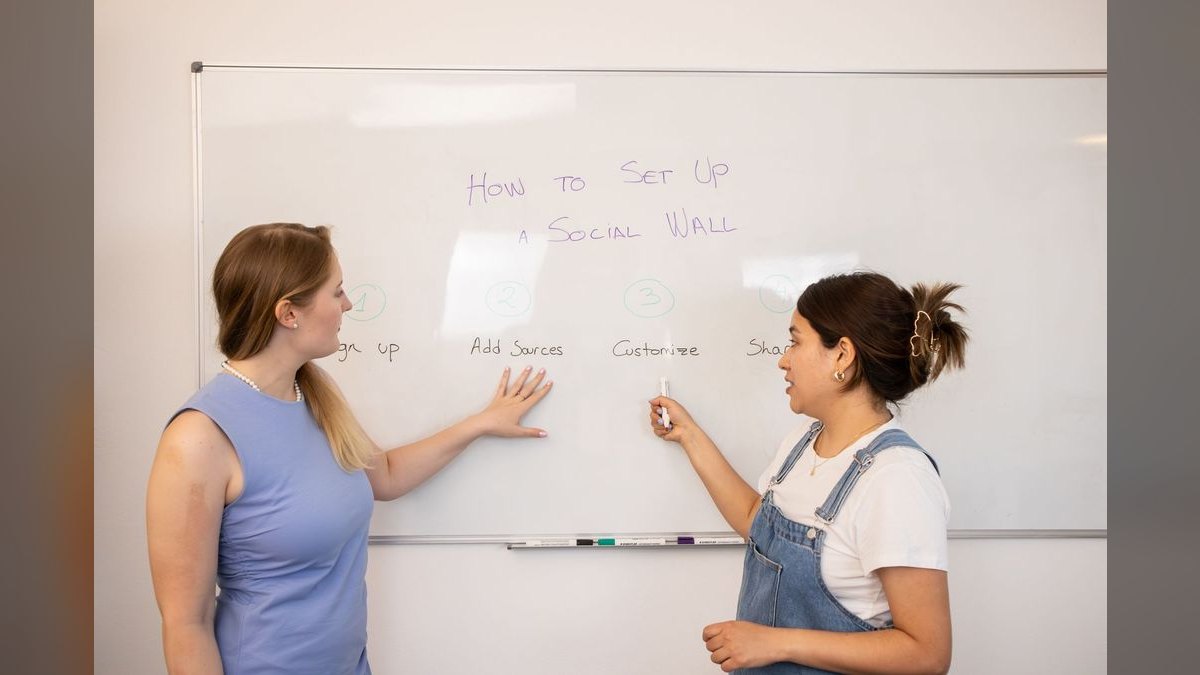
Coach social selling by diagnosing the rep's current stage, then rebuilding one habit at a time: profile positioning, three value-first posts weekly, fifteen minutes of daily commenting, and personalized outreach. Measure conversations started and meetings booked — never followers. Expect first inbound replies in three to four weeks, real pipeline in sixty to ninety days.
The outcome you should expect
Managers who install a social selling coaching program usually want one number to move: self-sourced pipeline. That is the right target, but it is a lagging one, and the sequence in which results arrive matters more than the endpoint. Set expectations with the rep in three tiers so they do not quit during the flat part of the curve.
The first tier is profile-level response, and it shows up fastest. When a rep rewrites their headline from "Account Executive, Northeast" to a problem statement — "I help mid-market HVAC operators cut quote-to-cash from 11 days to 3" — the profile stops reading as a résumé and starts reading as a landing page. The measurable effect is that connection request acceptance climbs and the profile-view-to-connection ratio improves. A rep sending default, un-personalized connection requests typically lives in the low-to-mid double digits on acceptance rate; a rep sending a one-line personalized note referencing something specific from the prospect's own posting history typically lands meaningfully higher. That change costs one afternoon of work and produces feedback inside a week, which is exactly why it goes first.
The second tier is conversation volume, and it arrives in weeks two through five. This is the tier most managers skip past, and skipping it is the single most common reason a social selling program dies. Conversations are the actual unit of work. A rep who comments substantively on fifteen prospect posts a week and sends five personalized notes is doing the job even if zero meetings appear yet. Define the weekly commitment in absolute counts — three original posts, fifteen substantive comments, five personalized connection notes, three follow-up messages on existing threads — and inspect those counts in the 1:1 the same way you inspect call activity. If you only inspect meetings, the rep will conclude in week three that it isn't working and revert to the dialer.
The third tier is pipeline attribution, which realistically takes sixty to ninety days for most B2B motions and longer for enterprise cycles with buying committees of six or more. The mechanism is slow because it depends on repeated exposure: a buyer sees a post, sees a comment on someone else's post, checks the profile, and only then responds to a message. That is three to five touches spread across weeks. Coach the rep to expect that shape rather than a linear one, and put a floor under the program — commit to a full quarter before judging it — so a slow first month doesn't get read as failure.

There is one outcome worth explicitly *not* promising. Social selling does not replace outbound calling or email for most teams; it raises the response rate of both. The realistic framing to give a rep is that a prospect who has engaged with their content is warmer on the first call, and a prospect who has never seen them is not. Anyone selling social selling as a full replacement for outbound is overselling it, and a rep who believes that framing will be disappointed and disengage.
What drives that outcome
Four inputs drive whether a rep's social selling actually produces conversations, and they compound in a fixed order. Coaching out of order — pushing content volume before positioning, or engagement tactics before the profile is credible — wastes the rep's effort because the traffic they generate lands on a page that doesn't convert.
Input one: positioning specificity. The rep must be able to complete the sentence "I am the person my network comes to about ___" with something narrower than "sales" or "our product." Force a three-topic limit. A rep in RevOps tooling might pick territory design, quota-setting math, and CRM hygiene — three lanes they can speak to from real deals. Specificity is what makes a post findable and forwardable; generic posts about "the future of selling" generate scroll-past, because they are indistinguishable from a thousand others published the same hour.
Input two: content that teaches one thing. The reliable structure is hook, story, takeaway, low-friction ask. The hook is a concrete claim, not a question ("Most discovery calls die in the first four minutes" beats "What makes discovery calls fail?"). The story is a real, anonymized deal detail — a number, an objection, a mistake. The takeaway is one action the reader can take today. The ask is small: a reply, not a demo. Coach the rep that a post asking for a meeting converts far worse than a post asking a question, because the ask has to match the relationship temperature.
Input three: engagement before broadcast. Commenting on a prospect's post puts the rep in front of that prospect and that prospect's network without requiring anyone to follow them first. A useful ratio for a rep starting out is roughly five comments for every one original post. The comment must add something — a counter-example, a number, a question about implementation. "Great post!" is worse than silence because it signals the rep is farming attention.
Input four: the transition to a direct conversation. This is where most reps fumble. The move is not "saw your post, want to hop on a call." It is referencing the specific exchange, adding one more piece of value, and asking a question that is easy to answer. A three-touch cadence works: touch one gives something useful with no ask, touch two asks a specific question about their situation, touch three offers a relevant example or short call. After three, stop and let the content keep working.

The compounding effect matters for coaching sequence. Fixing the profile takes hours and improves the conversion of every later touch. Building a posting habit takes weeks. Building a reputation takes months. Coach in that order and every stage benefits the next; coach in reverse and the rep burns energy driving traffic to a profile that does not convert.
Benchmarks and realistic ranges
Give the rep numbers to aim at, but be honest that ranges vary widely by industry, seniority of the buyer, and how crowded the rep's niche is. Use these as coaching targets to calibrate against, not as quota.
Activity targets, weekly. Three original posts is the workable floor for a full-cycle seller — enough to stay visible without eating selling time. Fifteen to twenty substantive comments, at roughly two to three minutes each, is thirty to sixty minutes weekly. Five to ten personalized connection requests. Three to five follow-ups on live threads. Total time commitment: two to three hours a week, best delivered as fifteen to twenty minutes daily rather than one long block, because engagement rewards presence over bursts.
Response benchmarks. Personalized connection requests referencing something specific should meaningfully outperform default requests — a common coaching target is 40% or better acceptance, and if a rep is well below that, the problem is almost always that the note is generic or the targeting is off. Comment-to-profile-view conversion is the earliest signal of message quality: if the rep comments thoughtfully on twenty posts and gets almost no profile views from those authors or their networks, the comments are not adding value.
Content engagement. Set the bar at comments, not likes. A post that gets three thoughtful replies from people at target accounts is worth more than one that gets two hundred likes from other salespeople. Coach the rep to audit *who* engaged: log the job title of every person who commented, and calculate the percentage matching the ideal customer profile. A rep whose engagement is 80% other sellers has an audience problem — they are writing for their peers, not their buyers. This is the single most useful diagnostic in the whole program and almost nobody runs it.
Timeline benchmarks. First inbound reply from a real prospect typically lands in weeks two to four of consistent activity. First meeting sourced primarily through social contact generally appears in weeks four to ten. Pipeline meaningful enough to show in a forecast is a sixty to ninety day story minimum, and in enterprise with long cycles, two quarters before it is visible in closed-won.
Ratio targets to inspect in the 1:1. Comments-to-posts around 5:1. Conversations started per week, three as a floor. Percentage of engagers matching ICP, above 30% and climbing. Meetings sourced from social as a percentage of total self-sourced meetings — start at anything above zero and grow it deliberately.
One caution on benchmarking across reps: a rep selling to CFOs at 5,000-person companies and a rep selling to owner-operators of small field-service businesses face completely different platform dynamics. Do not put them on the same scorecard. Benchmark each rep against their own prior month.
Risks, edge cases, and failure modes

Failure mode one: the broadcaster plateau. The rep posts diligently, gets modest engagement, and no conversations. Diagnosis is nearly always the engagement ratio — they are publishing and never commenting. The fix is a hard reallocation: cut posting to two per week and require fifteen comments. Publishing is how you get found; commenting is how you get in front of specific named accounts you actually want.
Failure mode two: the AI-generated voice. Reps use an assistant to draft posts and publish nearly verbatim. The output is grammatically clean, structurally correct, and completely forgettable, and by 2027 buyers pattern-match it instantly. Use AI for the blank page — outline, tighten, suggest hooks — but require the rep to insert at least one detail only they could know: a number from a real deal, a specific objection they heard, a mistake they made. If a post could have been written by anyone at any company, it should not ship.
Failure mode three: compliance collision. In regulated industries — financial services, healthcare, publicly traded companies near earnings — reps can face real restrictions on what they may publish. Do not coach a rep into a policy violation. Get legal and marketing to build a pre-approved content bank and a clear list of prohibited claims, then coach within that fence. This is a genuine constraint, not an excuse, and pretending otherwise will get a rep in trouble.
Failure mode four: abandonment under quota pressure. Reps start strong, then stop the week a large deal consumes their calendar. This is the most common death of the program. Two counters work: habit-stack the activity onto something that already happens daily (right after the morning pipeline review, fifteen minutes of comments), and maintain a content library of twenty pre-written post ideas so a busy week never starts from a blank page.
Failure mode five: measuring the wrong thing and killing the program early. A leader who inspects followers and impressions will conclude social selling works when a rep goes viral to an irrelevant audience, and conclude it fails when a rep quietly books two meetings. Instrument the CRM to tag social-sourced conversations from day one, even crudely, so the ninety-day review has real data.
Edge case: the rep with an existing large following in the wrong audience. Sometimes a rep has ten thousand followers who are all peers, recruiters, or students. Raw reach makes the numbers look great and produces nothing. Coach them to deliberately shift topic toward buyer problems and accept that engagement will drop for several weeks while the audience recomposes. The temporary drop is the cost of realignment, and the rep needs to be warned in advance or they will revert.

Edge case: the genuinely introverted or writing-averse rep. Do not force text posts. Voice-to-text a two-minute thought and edit it down, or record thirty to sixty seconds of video from a phone. Some strong closers are excellent on camera and painful on the page.
Risk: personal brand versus company asset. A rep who builds a real audience becomes more marketable, and some leaders quietly resist coaching that. Ignoring this is not a strategy. The honest framing is that reps who are trusted publicly close more and stay longer at companies that let them build, and a team where nobody has a voice is a team with no inbound at all.
Risk: platform dependency. Everything built on a single platform is subject to that platform's algorithm and policy changes. Coach reps to move promising relationships to a channel they control — email, a scheduled call — rather than leaving every relationship inside a feed they do not own.
A practical rollout plan
Run this as a four-week install with a named cohort, not a company-wide mandate. Three to five volunteer reps first; their results recruit the skeptics far more effectively than any mandate.
Week 0 — diagnose. Score each rep on a four-stage maturity model. *Lurker*: has a profile, never engages. *Broadcaster*: reshares company content with no added insight. *Conversationalist*: comments meaningfully and personalizes outreach. *Thought leader*: publishes original frameworks that attract inbound. Do not attempt to move a rep two stages at once — it reliably produces overwhelm and abandonment. Record a baseline: current connection acceptance rate, posts in the last ninety days, and any inbound conversations from social.
Week 1 — positioning and profile. One working session per rep, roughly ninety minutes. Rewrite the headline as a problem statement. Rewrite the about section to open with a customer situation rather than a career history. Add three items to the featured section. Pick and write down the three topics they will own. Deliverable is a profile that reads as a landing page and a one-sentence content mission.
Week 2 — engagement before publishing. No posting requirement this week at all. The only assignment is fifteen minutes daily commenting on posts from target accounts, with a rule that each comment must contain a specific example, number, or genuine question. Review five of their comments in the 1:1 and rewrite two together. This week builds the habit and teaches the voice before anything is published under pressure.
Week 3 — publishing cadence. Introduce three posts. Draft all three in a single thirty-minute block, then schedule. Enforce the hook-story-takeaway-ask structure and the rule that every post carries one detail only that rep could know. Keep the daily commenting running. Build the swipe file of twenty future ideas in the same session.

Week 4 — conversation and measurement. Teach the three-touch transition from public exchange to direct message. Set the target at three conversations started. Then run the audit: who engaged, what titles, what percentage matched ICP, which topics drew buyers versus peers. Set month-two targets from that data rather than from a template.
Ongoing. Fifteen minutes in every weekly 1:1 on three questions: how many conversations did you start, who engaged and did they match ICP, and what will you change next week. Monthly, review the ICP-match percentage and the meetings sourced. Quarterly, review pipeline attribution and decide whether to expand the cohort.
Two structural supports make this stick. First, a shared team channel where reps post their wins and their best-performing content — peer proof drives adoption harder than manager insistence. Second, explicit air cover from leadership that this time is protected activity, not something reps do after hours. If the manager treats it as optional, it becomes optional the first busy week.
Where RevOps earns its keep is instrumentation: a source field or campaign tag that lets someone answer "how much pipeline came from this" without a manual audit. Set that up in week zero. A program that cannot prove its contribution gets cut in the first budget review regardless of how well the reps executed.
Related questions
How much time per week should a rep actually spend on this?
Two to three hours, delivered as fifteen to twenty minutes daily rather than one block. Daily presence beats weekly bursts because engagement depends on being in the feed when prospects are. Anything beyond three hours usually means the rep is over-polishing content instead of starting conversations.
Should managers post too, or just coach it?
Managers who post credibly coach it far better, because they have felt the discomfort of publishing and know what actually draws replies. A manager who has never posted tends to give abstract advice. It is not mandatory, but it materially improves the quality of the feedback in 1:1s.
What if a rep's buyers genuinely are not on social platforms?
Verify before accepting it. Check whether people with the target job titles at ten named accounts have active profiles. Sometimes the claim is true — certain trades and public-sector roles — and then the honest answer is to invest that time elsewhere rather than force it.
How do you keep reps from all sounding identical?
Enforce the three-owned-topics rule per rep and require one detail in every post only that rep could know. Identical voice almost always traces to everyone reposting the same marketing content or leaning on the same AI drafts without adding real specifics.
Does this work for SDRs as well as full-cycle reps?

Yes, with a different emphasis. SDRs get more value from commenting and personalized outreach than from original publishing, because their volume targets leave less room for content production. Full-cycle reps benefit more from publishing, since their longer cycles reward repeated visibility.
FAQ
How often should a rep post in 2027?
Three original posts a week is the workable floor for a full-cycle seller, and consistency matters far more than volume. One post per week sustained for six months beats daily posting for three weeks followed by silence. If the rep can only reliably manage two, take two — the cadence they can hold through a busy quarter is the correct cadence.
What if the company has strict social media policies?
Build within them rather than around them. Work with legal and marketing to produce a pre-approved content bank — anonymized case studies, industry observations, personal lessons — plus a written list of prohibited claims. In regulated industries this is genuinely non-negotiable, and coaching a rep into a violation is a real career risk for them.
Do video posts outperform text?
Short authentic video generally performs well and is especially useful for reps who find writing painful. But it is not universal, and a rep uncomfortable on camera will produce stiff video that underperforms their writing. Test both for four weeks with the same rep and let their own engagement data decide rather than applying a blanket rule.
How do you handle a rep who says this feels fake?
Take the objection seriously — it usually means they have only seen bad examples. Reframe the assignment as teaching something they genuinely know rather than performing. Have them write one post about a real lesson from a lost deal. Reps who publish something true almost always report that the discomfort drops sharply after the first two posts.
Should reps use AI to write posts?
Use it to beat the blank page — outlining, tightening, suggesting hooks — never to publish verbatim. Require one detail per post that only that rep could know: a number from a real deal, a specific objection, a mistake. Unmodified AI output is recognizable and it costs the rep exactly the credibility the whole effort is meant to build.
How long before this generates pipeline?
Expect first inbound replies in weeks two to four, first sourced meeting in weeks four to ten, and forecastable pipeline at sixty to ninety days. Enterprise motions with large buying committees take longer. Commit to a full quarter before judging the program, and inspect conversation counts weekly so a slow start is not mistaken for failure.
Sources
- https://business.linkedin.com/sales-solutions/social-selling
- https://blog.hubspot.com/sales/social-selling
- https://www.gartner.com/en/sales
- https://www.gong.io/resources/
- https://www.salesforce.com/resources/
- https://hbr.org/topic/subject/sales
- https://www.forrester.com/blogs/category/b2b-sales/
- https://www.linkedin.com/help/linkedin
Related on PULSE
- Top 10 questions to evaluate a rep's use of social selling
- How do you coach reps to use LinkedIn for social selling?
- What question reveals whether a rep is effectively using social proof in their pitch?
- How do you coach a rep to use customer pain points more effectively in their value proposition
- How do you coach a rep to handle gatekeepers more effectively on outbound calls in 2027
- How do you coach a rep to prioritize their deal pipeline more effectively in 2027
This page will be disappearing soon. Save it to your device for $1 — or read it free while it is here.
@Kory-White- · if Venmo asks, the last 4 of my number are 2012
This page is gone.
This one is off the shelf now. $1 keeps it on your phone for good — the whole page, pictures and diagrams included.
 cgHow do you coach a rep to handle a prospect who is stuck in analysis paralysis in 2027
 cgHow do you coach a rep who is struggling with CRM hygiene in 2027?
 cgHow do you coach a rep who is overly aggressive on cold calls in 2027
 cgHow do you coach a rep to stay consistent with prospecting when their pipeline is already full in 2027
 cgHow do you coach a rep to handle a prospect who wants to ghost until the last quarter in 2027
 cgHow do you coach a rep who is always late to their meetings in 2027?
 cgHow do you coach a rep to handle rejection without losing motivation in 2027?
 cgHow do you coach a rep to maintain momentum during a quarter-end slump in 2027
 cgHow do you coach emotional intelligence in a sales team in 2027?
 cgHow do you coach a rep to handle a prospect who says "just send me some information in 2027