
The 10 Best Rare Stamps to Collect in 2027
 Curated byKory White · Fractional CRO · Maryland
 PULSEKNOWLEDGE LIBRARY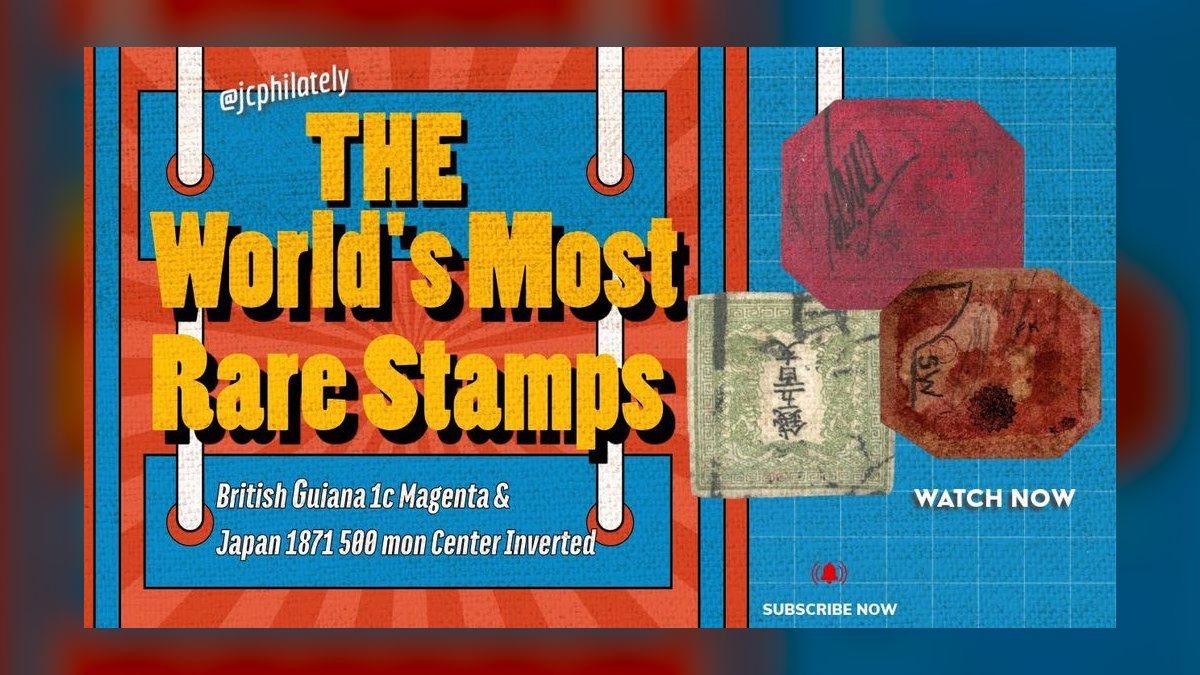
If you want the single most coveted philatelic rarity money can buy in 2027, the British Guiana 1c Magenta is the Best Overall pick — a unique, one-of-one stamp that last hammered for $8.31 million at Sotheby's in 2021 and remains the most famous postage stamp on Earth.
For collectors who want a genuine world-class classic at a fraction of seven-figure money, the Penny Black is the Best Value pick: the world's first adhesive stamp, with sound used examples available from roughly $80 to $400 and superb mint copies in the low thousands.
This list is for serious collectors and investors who treat stamps as tangible alternative assets — people deciding between a museum-grade trophy, a blue-chip classic, or an accessible entry into the hobby. Every pick below is a real, named issue with verifiable auction comps. Prices reflect realistic 2027 market levels; the trophies sell privately or at Siegel, Sotheby's, and David Feldman, while the accessible classics trade daily on eBay, Spink, and through dealers like Stanley Gibbons.
Rarity at the top is brutal — many of these have populations in the single digits — so authentication and grading matter more here than in almost any other collectible category.
How We Ranked the Top 10
We weighted six criteria, drawing on auction records from Robert A. Siegel, Sotheby's, David Feldman, Spink, and Stanley Gibbons, plus the Scott Catalogue and Stanley Gibbons catalog valuations:
- Auction track record & realized comps (30%) — documented hammer prices, not catalog dreams.
- Rarity / surviving population (25%) — how many sound examples are known to exist.
- Historical importance (15%) — firsts, famous errors, and landmark issues.
- Liquidity & demand depth (15%) — how easily a piece resells at a strong price.
- Condition sensitivity & authentication risk (10%) — fakes, reperfs, regumming, repairs.
- Provenance & pedigree (5%) — named prior owners and exhibition history add real premiums.
Scores were blended into a single ranking. The result mixes untouchable trophies with classics a working collector can actually own.
1. British Guiana 1c Magenta 🏆 BEST OVERALL
Era/Set: 1856 British Guiana provisional | Typical price: ~$8M+ (the only known example) | Best for: the ultimate trophy buyer / institution
There is exactly one British Guiana 1c Magenta in the world, which is why it has set a price record four separate times. It sold for $9.48 million in 2014 and then for $8.31 million including premium at Sotheby's New York in June 2021 — the first time in its history it fetched less than the prior sale, a reminder that even unique trophies are not immune to market swings.
London dealer Stanley Gibbons bought it post-auction and has since fractionalized ownership for collectors. Cut octagonally and initialed by the postmaster, it is the most written-about stamp ever printed.
Pros:
- Literally one-of-one — no population pressure can ever dilute it
- Four-time world record holder, the most famous philatelic object alive
- Impeccable, fully documented provenance spanning 150+ years
- Global name recognition far beyond the stamp hobby
Cons:
- Eight-figure entry price puts it out of reach for all but a handful of buyers
- The 2021 result below its 2014 price shows even trophies can soften
Verdict: The undisputed king of philately — if budget is no object, nothing else competes.
2. Treskilling Yellow

Era/Set: 1855 Sweden color error | Typical price: ~$2.5M–$3M (unique) | Best for: the error-rarity purist
Sweden's Treskilling Yellow is the only known example of a three-skilling stamp mistakenly printed in yellow instead of green. It sold for 2.88 million Swiss francs in 1996 (about $2.2M), again via David Feldman around £1.7 million in 2010, and last changed hands by private sale to Swedish nobleman Count Gustaf Douglas in 2013.
As a unique color-error trophy with an unbroken chain of famous owners, it sits second only to the British Guiana in prestige among classic-era rarities.
Pros:
- Unique surviving example of a celebrated printing error
- Decades of escalating, documented sales through David Feldman
- Aristocratic provenance that auction houses prize
- Instantly recognizable to every serious philatelist
Cons:
- Trades only by private treaty, so liquidity is unpredictable
- A single authenticity dispute would be catastrophic for value
Verdict: The world's most famous color error and a top-three classic trophy.
3. US 1868 1c Z-Grill (Franklin)

Era/Set: 1868 US grill issue | Typical price: ~$4M+ (two known) | Best for: the US-classics specialist
The 1-cent Z-Grill is the rarest US stamp, with only two examples known — one held permanently by the New York Public Library, leaving a single piece in private hands. In 1998 the privately owned copy sold for $935,000, and in 2005 it was traded to Bill Gross for a block of Inverted Jennys in a swap valued at roughly $3 million. Current estimates place it around $4.4 million as of the mid-2020s.
For US collectors, owning the unattainable corner of the "Big Three" is the holy grail.
Pros:
- Only two known, with one locked in an institution forever
- Anchor of any complete US collection — completes the impossible
- Strong, rising valuations documented across major sales
- Iconic Franklin design with deep US-philately pedigree
Cons:
- Effectively never available, so acquisition is a waiting game
- Grill identification requires expert certification to avoid fakes
Verdict: The single most important US stamp — the trophy that completes a US collection.
4. Inverted Jenny (Scott C3a)

Era/Set: 1918 US airmail error | Typical price: ~$200K–$2M by grade | Best for: the famous-error collector with range
The Inverted Jenny is America's most famous error: a single pane of 100 stamps with the Curtiss JN-4 biplane printed upside down. In November 2023, the finest example (position 49) hammered at $1.7 million and totaled $2.006 million with premium at Robert A. Siegel — the highest price ever paid for a US stamp at auction. The same copy had brought $1.6 million in 2018, an appreciation that shows how the best positions keep climbing.
Lesser examples and damaged copies trade from the low six figures, making this the rare trophy with multiple price tiers.
Pros:
- Record-setting $2.006M sale in 2023 for the finest known
- Defined population of exactly 100, each position tracked
- Cultural fame that drives demand far beyond philately
- Multiple price tiers so condition upgrades pay off
Cons:
- Fakes and altered copies are common — certification is mandatory
- Centering and faults swing value by hundreds of thousands
Verdict: The most recognizable US error and the current US auction price record holder.
5. Mauritius "Post Office" Issues

Era/Set: 1847 Mauritius first issue | Typical price: ~$1M–$4M | Best for: the British Empire / colonial specialist
The 1847 Mauritius "Post Office" stamps — engraved with "POST OFFICE" instead of "POST PAID" — are among the first British colonial stamps, with only about 26 examples surviving across both values. A single one-penny sold for roughly $1.6 million in 1993, and a cover bearing two of them brought $3.8 million that same year, long a record for any philatelic item. These remain blue-chip Empire rarities that anchor the finest British colonial collections.
Pros:
- Only ~26 examples known across both denominations
- First-issue colonial status with immense historical weight
- Multi-million-dollar comp history through Spink and Feldman
- Famous "POST OFFICE" inscription known to every collector
Cons:
- Genuine examples surface only every few years
- Many forgeries exist — expert certification is essential
Verdict: The crown jewel of British colonial philately, rarely available and always coveted.
6. Hawaiian Missionaries (1851)

Era/Set: 1851 Kingdom of Hawaii | Typical price: ~$200K–$900K+ | Best for: the early-Pacific / US-Possessions collector
The Hawaiian Missionaries are the first stamps of the Kingdom of Hawaii, named because missionaries used them on mail home. Printed on fragile paper and mostly discarded with their envelopes, survivors are tiny in number — the 2-cent value is especially scarce. A used 2-cent example sold for nearly $900,000 in 1995, and sound copies have only appreciated since. Tied to a famous murder case in collecting lore, they carry both rarity and story.
Pros:
- Extreme scarcity, especially the fragile 2-cent value
- First issue of an entire kingdom — a one-country milestone
- Rich provenance and storytelling appeal to top buyers
- Steady appreciation since the 1995 benchmark sale
Cons:
- Fragile paper means most surviving copies show faults
- Forgeries are widespread; certification is non-negotiable
Verdict: A Pacific-philately legend and one of the great single-country firsts.
7. Penny Black (1840) 💎 BEST VALUE
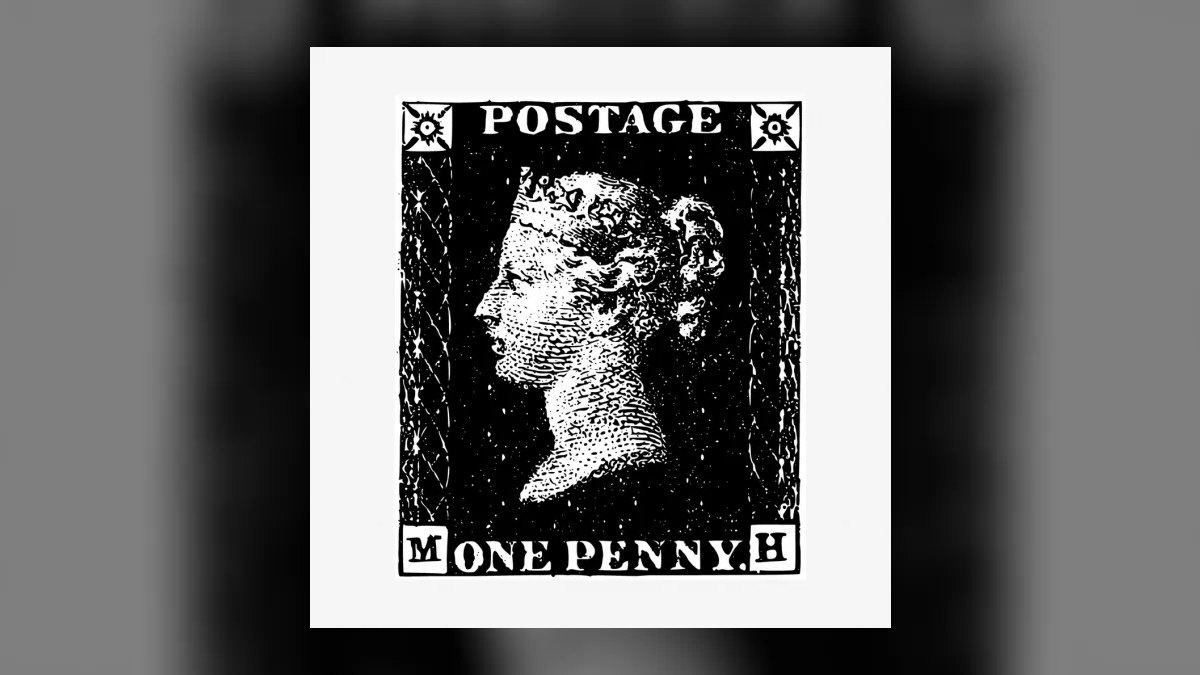
Era/Set: 1840 Great Britain, first adhesive stamp | Typical price: ~$80–$400 used, low-thousands mint | Best for: the new collector who wants real history affordably
The Penny Black is the world's first adhesive postage stamp, and its blend of historical weight and genuine affordability makes it the clear value pick. Roughly 68 million were printed, so sound used examples trade for just $80 to $400 depending on plate and margins, while four-margin mint copies reach the low thousands.
The rarities live at the extremes: a cover with a rare red Maltese cross cancel sold for over $2.4 million, and certain plate/position pieces command large premiums. You can own a true philatelic landmark for the price of a dinner out.
Pros:
- The first stamp ever issued — unmatched historical pedigree
- Genuinely affordable, with used copies under $400
- Deep, liquid market — buy and sell any day on eBay or via dealers
- Upgrade path from four-margin copies to scarce plates and cancels
Cons:
- Common dates have limited appreciation versus the rarities
- Reperfed and faulty examples are everywhere — buy on margins and clarity
Verdict: The most history per dollar in all of philately — the smartest entry point for any collector.
8. Basel Dove (1845)

Era/Set: 1845 Swiss canton issue | Typical price: ~$20K–$40K used | Best for: the classic-Europe collector wanting a famous design on a real budget
The Basel Dove is the first Swiss stamp printed in three colors and one of philately's most beautiful early designs, featuring an embossed white dove on a colored ground. Sound used examples typically trade between $20,000 and $40,000, with pristine mint copies climbing higher. It offers a famous, instantly recognizable classic at a fraction of the seven-figure trophies, making it a favorite "first serious rarity" for collectors moving upmarket.
Pros:
- First three-color stamp and an iconic embossed design
- Mid-five-figure entry for a genuinely famous classic
- Strong demand among Swiss and pan-European specialists
- Embossing makes fakes easier to detect with experience
Cons:
- Condition and color freshness swing value sharply
- A narrower collector base than British or US classics
Verdict: A gorgeous, famous classic that a serious collector can actually reach.
9. Two-Penny Blue (1840)
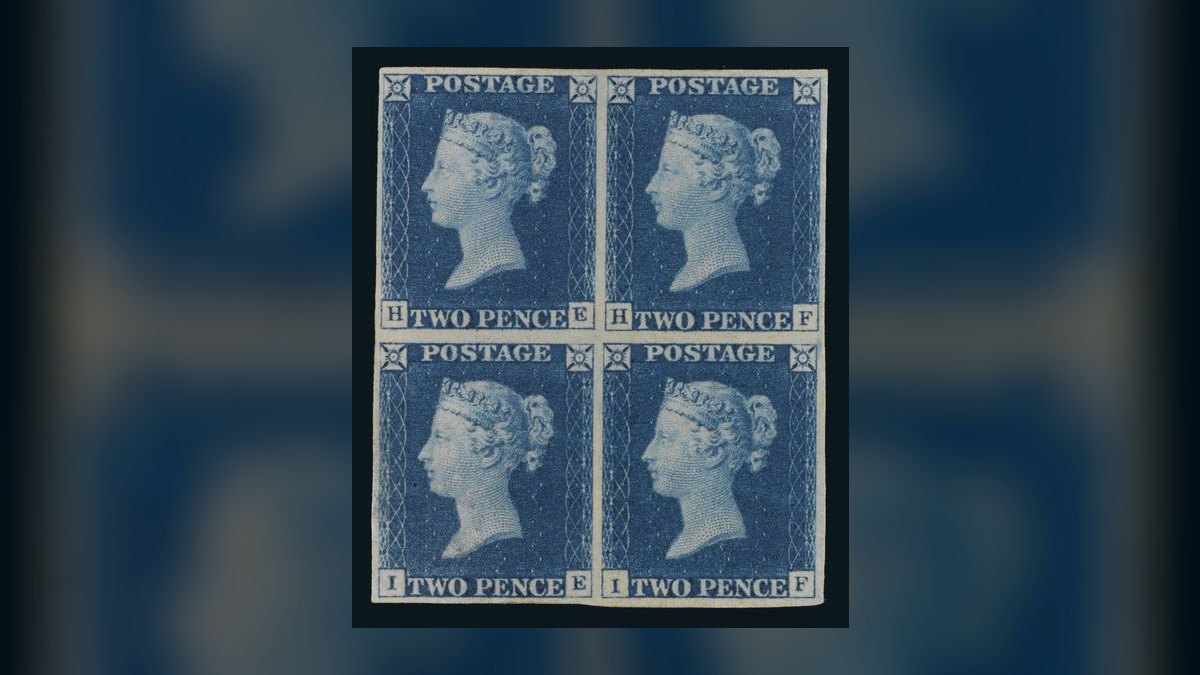
Era/Set: 1840 Great Britain, second stamp ever | Typical price: ~$300–$2,500 used | Best for: the GB collector building the foundational firsts
Issued days after the Penny Black, the Two-Penny Blue is the world's second stamp and a natural companion to the first. Sound used examples run $300 to $2,500 depending on plate and margins, with the scarce white-line varieties and choice mint copies reaching well into the thousands. It carries the same 1840 first-issue prestige as the Penny Black but in smaller surviving numbers, giving it a stronger scarcity profile at still-accessible prices.
Pros:
- Second stamp ever issued — foundational GB pedigree
- Scarcer than the Penny Black, supporting firmer prices
- Accessible mid-range pricing for choice examples
- Clear upgrade ladder through plates and white-line varieties
Cons:
- Four-margin copies are genuinely hard to find
- Plating expertise needed to buy the better positions well
Verdict: The Penny Black's rarer sibling — a smart, history-rich pairing for any GB collection.
10. Mauritius "Bordeaux" Cover lore aside — US 1847 First Issue (Franklin 5c)
Era/Set: 1847 first US stamp | Typical price: ~$300–$5,000 used | Best for: the US collector starting at the very beginning
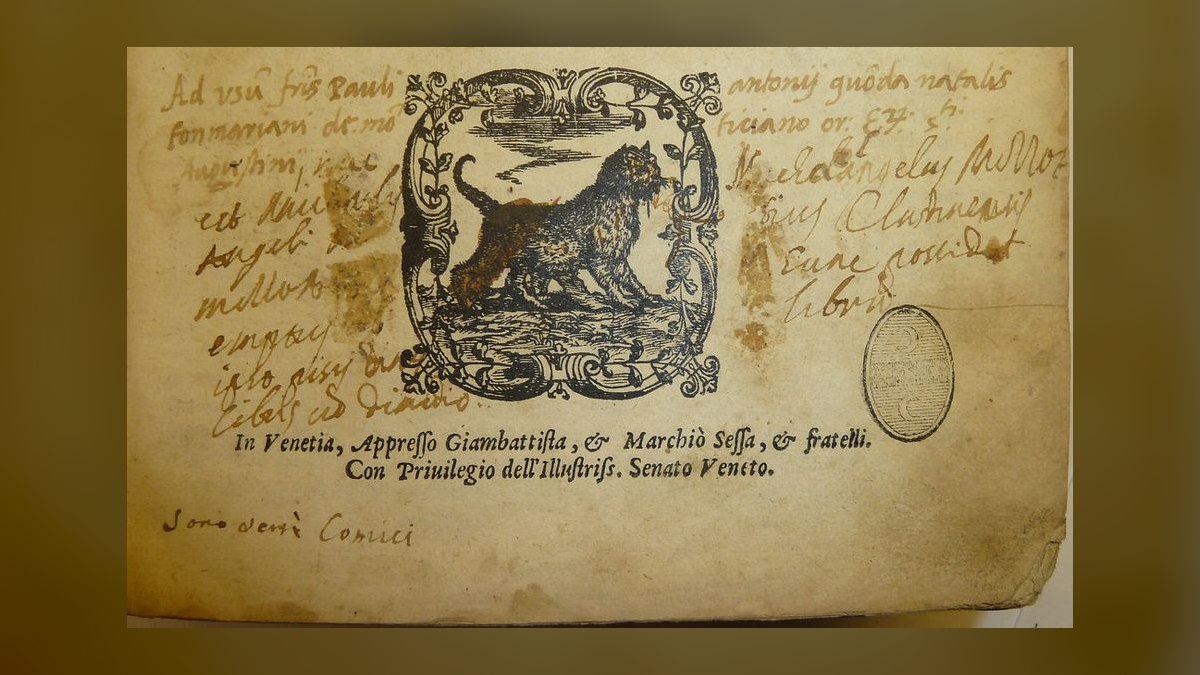
The 1847 5-cent Franklin is the first official US postage stamp and the cornerstone of any United States collection. Sound used examples trade from $300 to a few thousand dollars, with superb four-margin copies, fancy cancels, and on-cover usages commanding strong premiums; finest-known examples have realized well into five figures at Siegel. As the literal beginning of US philately, it combines real scarcity with broad, liquid demand.
Pros:
- First US stamp, the anchor of any US collection
- Wide price range so most budgets can participate
- Deep, liquid US market through Siegel and major dealers
- Premium tiers for margins, cancels, and covers reward upgrades
Cons:
- Faulty and reperfed copies are common at the low end
- Genuine cancels and covers require certification
Verdict: The foundational US classic — a must-own first issue with real liquidity.
Which One Is Right for You?
What to Look For
- Authentication first, always. For anything above a few hundred dollars, buy only with a current certificate from a recognized body such as the Philatelic Foundation, PSE, or BPA Expertising. A trophy without a cert is a liability, not an asset.
- Margins, centering, and color. On classics like the Penny Black, Two-Penny Blue, and 1847 Franklin, four clear margins and fresh color can multiply value several times over identical but tighter copies.
- Watch for repairs, reperfs, and regumming. Reperforation, thinned paper, closed tears, and added gum are the most common ways faulty stamps are dressed up. UV light and a good loupe expose most of them.
- Provenance and pedigree pay. Named prior owners, exhibition awards, and a clean chain of custody add real premiums at the top — and protect you on resale.
- Beware forgeries on the famous rarities. Mauritius, Hawaiian Missionaries, and the Z-Grill are heavily faked; never buy these without expert certification and a census check.
What matters less than the hype: chasing a "complete" album of cheap modern issues. A single certified four-margin classic will outperform a shoebox of common stamps every time — concentrate on quality and certification, not quantity.
FAQ
What is the most valuable stamp in the world? The British Guiana 1c Magenta holds the title. It is the only known example and last sold for $8.31 million including premium at Sotheby's in 2021, after bringing $9.48 million in 2014.
Are rare stamps a good investment in 2027? The very best certified rarities have appreciated for decades, but stamps are illiquid, condition-sensitive, and subject to market swings — the British Guiana actually fell between its 2014 and 2021 sales. Treat them as long-hold tangible assets, not quick flips, and always buy certified.
What is the best value rare stamp for a beginner? The Penny Black (1840), the world's first adhesive stamp. Sound used examples trade for roughly $80 to $400, giving you a genuine philatelic landmark without seven-figure money.
How do I avoid buying a fake or repaired stamp? Buy only with a recent certificate from the Philatelic Foundation, PSE, or BPA, inspect under UV light for repairs and regumming, and check the relevant census for famous rarities like the Inverted Jenny or Z-Grill.
Where do these rare stamps actually sell? The trophies trade at Robert A. Siegel, Sotheby's, David Feldman, and Spink, often privately. Affordable classics like the Penny Black and 1847 Franklin trade daily on eBay and through dealers such as Stanley Gibbons.
What set the US auction record for a single stamp? The finest Inverted Jenny (position 49) sold for $2.006 million including premium at Robert A. Siegel in November 2023 — the highest price ever paid for a US stamp at auction.
Bottom Line
For the ultimate trophy, nothing beats the British Guiana 1c Magenta — a true one-of-one that last sold for $8.31 million and remains the most famous stamp in the world. For collectors who want real history without a seven-figure check, the Penny Black is the Best Value pick at $80 to $400 for sound used examples, with a clear upgrade path through plates, margins, and rare cancels.
Between those poles sit blue-chip rarities — the Z-Grill, Inverted Jenny, Mauritius "Post Office", and Treskilling Yellow — each with documented multi-million-dollar comps. Buy certified, prioritize condition, and treat these as long-hold assets rather than quick flips.
Related on PULSE
- [The 10 Best Rare U.S. Coins to Collect in 2027](/knowledge/co0004)
- [The 10 Best Sports Cards from the 2010s to Collect in 2027](/knowledge/co0074)
- [The 10 Best Comic Books from the 2010s to Collect in 2027](/knowledge/co0073)
- [The 10 Best Vinyl Records from the 2000s to Collect in 2027](/knowledge/co0072)
- [The 10 Best Vintage Fountain Pens to Collect in 2027](/knowledge/co0071)
- [The 10 Best Watches from the 2000s to Collect in 2027](/knowledge/co0069)
Sources
- British Guiana 1c Magenta — Sotheby's 2021 sale
- British Guiana 1c magenta — Wikipedia
- Inverted Jenny sells for record $2 million — Robert A. Siegel / Artnet
- Treskilling Yellow — Wikipedia
- Z Grill — Wikipedia
- Robert A. Siegel Auction Galleries — census & sales
- Spink — Philatelic department
- Stanley Gibbons — classic stamps
*Rare stamps review — rare stamps reviews, ratings, best rare stamps to collect 2027, and a review of the top philatelic rarities and classic picks for collectors and investors.*
People also search for: best rare stamps 2027 · top rare stamps 2027 · top rated rare stamps 2027 · top ranked rare stamps 2027 · highest rated rare stamps 2027 · rare stamps reviews 2027
Read it free — or make it yours for $1.
@Kory-White- · if Venmo asks, the last 4 of my number are 2012
 collectible-reviewThe 10 Best Baseball Cards from the 1970s in 2027
 collectible-reviewThe 10 Best Sports Memorabilia Pieces to Collect in 2027
 collectible-reviewThe 10 Best Rare U.S. Coins to Collect in 2027
 collectible-reviewThe 10 Best Football Cards from the 1990s in 2027
 collectible-reviewThe 10 Best Football Cards from the 1980s in 2027
 coThe 10 Best Pokémon Cards to Collect in 2027
 collectible-reviewThe 10 Best Vinyl Records from the 2000s to Collect in 2027
 collectible-reviewThe 10 Best Watches from the 2000s to Collect in 2027
 collectible-reviewThe 10 Best Baseball Cards from the 1980s in 2027
 collectible-reviewThe 10 Best Comic Books from the 1960s in 2027