
The 10 Best Watches from the 1980s in 2027
 Curated byKory White · Fractional CRO · Maryland
 PULSEKNOWLEDGE LIBRARY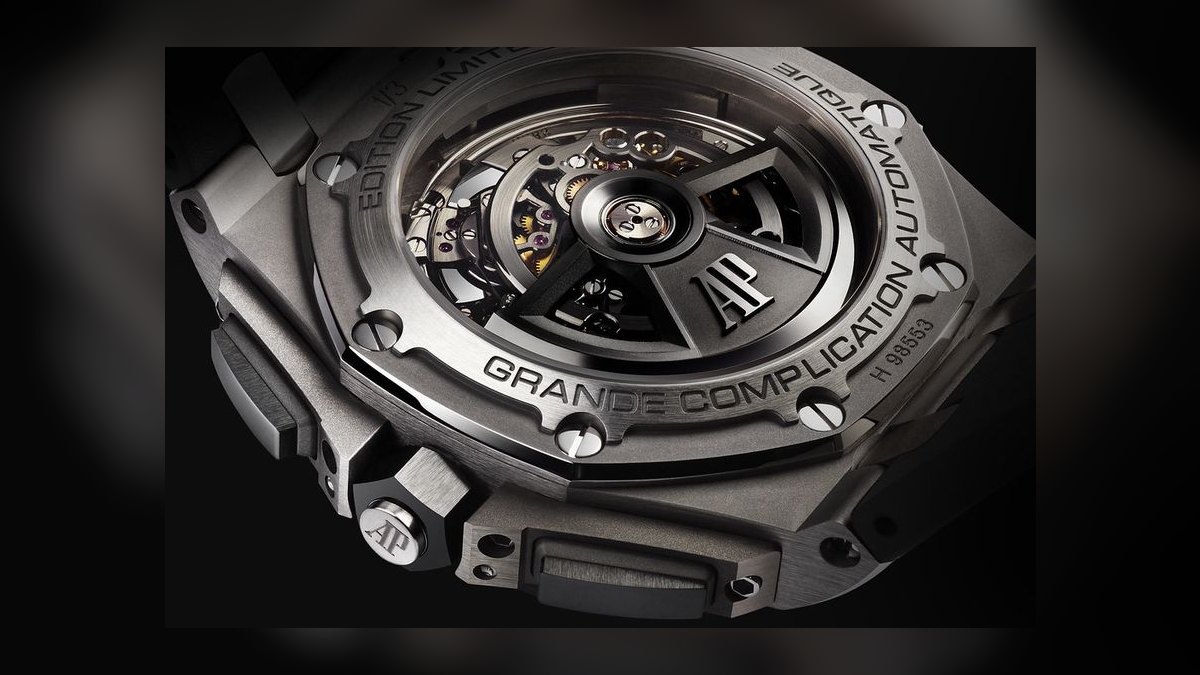
The best 1980s watch to collect is the Audemars Piguet Royal Oak — the steel luxury sports watch that defined the decade, with 1980s references ranging from roughly $14,000 for simpler models to $100,000-plus for the most coveted vintage examples. For collectors who want a genuine 1980s tool watch on a small budget, the Heuer / TAG Heuer 1000 diver (ref. 980.013) is the standout value at $600 to $1,200.
This list is for vintage-watch collectors, investors, and enthusiasts who want mechanical pieces that genuinely shipped in the 1980s — no reissues or modern homages. The 1980s were a transitional decade: quartz reshaped the industry while integrated-bracelet steel sports watches and pre-sapphire-to-sapphire Rolex tool watches quietly became the blue chips of today's market.
Prices below reflect early-2027 secondary markets on Chrono24, WatchCharts, and Bob's Watches, where the icons reach $20,000 to over $100,000, mid-tier classics land in the $5,000 to $20,000 band, and accessible vintage tool watches start near $600.
How We Ranked the Top 10
Each watch was scored on six weighted criteria, using Chrono24 and WatchCharts market data, Bob's Watches buying guides, EveryWatch auction archives, and documented dealer listings:
- Collectibility and design significance (25%) — how central the model is to 1980s watch history.
- Brand pedigree and demand (20%) — the makers collectors trust and chase.
- Market trend and liquidity (15%) — how prices have moved and how fast pieces sell.
- Originality sensitivity (15%) — how much service dials, polishing, and swaps cut value.
- Reference and variant scarcity (15%) — short runs and transitional dials carry premiums.
- Authentication and franken risk (10%) — redials and mismatched parts lower the score.
Only models with genuine 1980s production and documented price data made the list. Reference and dial-variant differences were noted because they drive value heavily within a single model.
1. Audemars Piguet Royal Oak 🏆 BEST OVERALL
Era/Set: 1980s Audemars Piguet (integrated steel sports) | Typical price: ~$14,000–$100,000+ | Best for: the defining luxury sports watch of the decade
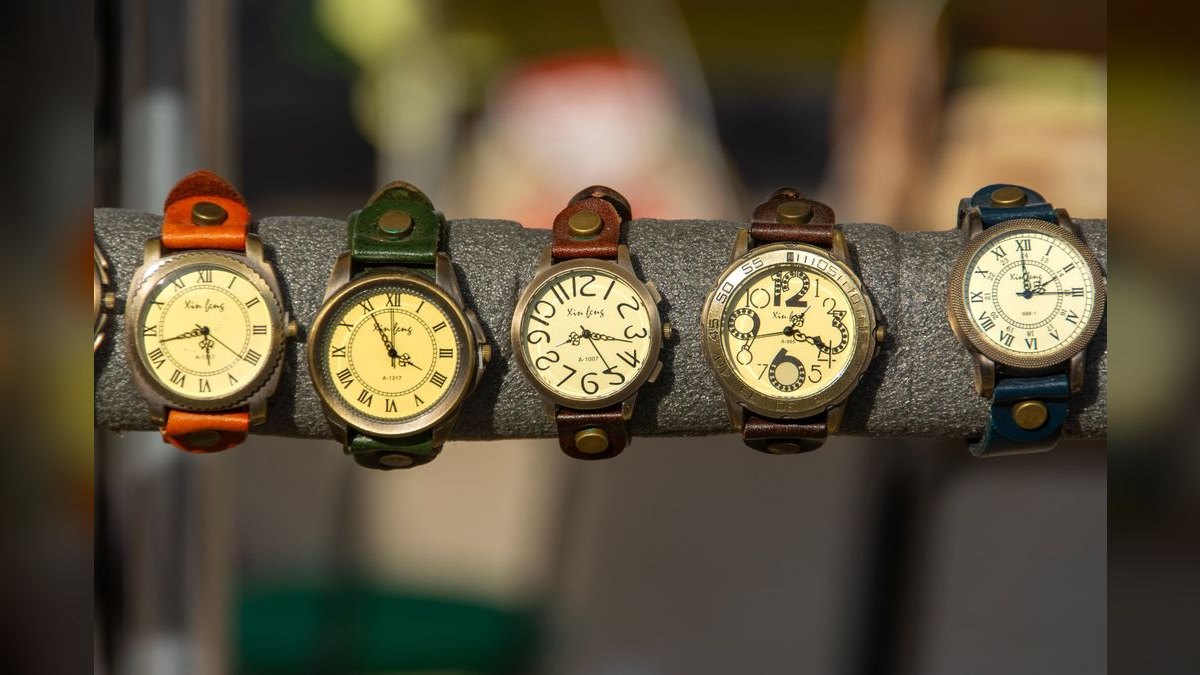
Gerald Genta's Royal Oak set the template for the integrated-bracelet steel luxury sports watch, and 1980s examples are core collectibles. A 1981 ref. 6009ST in very good condition with box has listed near $14,900, while the earlier 5402 "Jumbo" line regularly sells for $100,000 to over $500,000 depending on series. The octagonal bezel, exposed screws, and tapisserie dial are among the most recognizable designs in horology.
Steel sports watches from AP have appreciated strongly, and demand from the modern integrated-sports craze keeps vintage Royal Oaks firmly in the blue-chip tier.
Pros:
- The Genta design that defined the steel luxury sports category
- 1980s references from about $14,900 into six figures for early Jumbos
- Octagonal bezel and tapisserie dial are instantly recognizable
- Strong appreciation driven by the modern integrated-sports demand
Cons:
- Top early references require a five- or six-figure budget
- Service and polishing on the angular case sharply affect value
Verdict: The icon of 1980s watch collecting — the integrated steel sports watch every collector measures against.
2. Patek Philippe Nautilus 3800
Era/Set: 1980s Patek Philippe (Nautilus) | Typical price: ~$59,000 (steel), ~$76,000 (gold) | Best for: the grail integrated sports watch
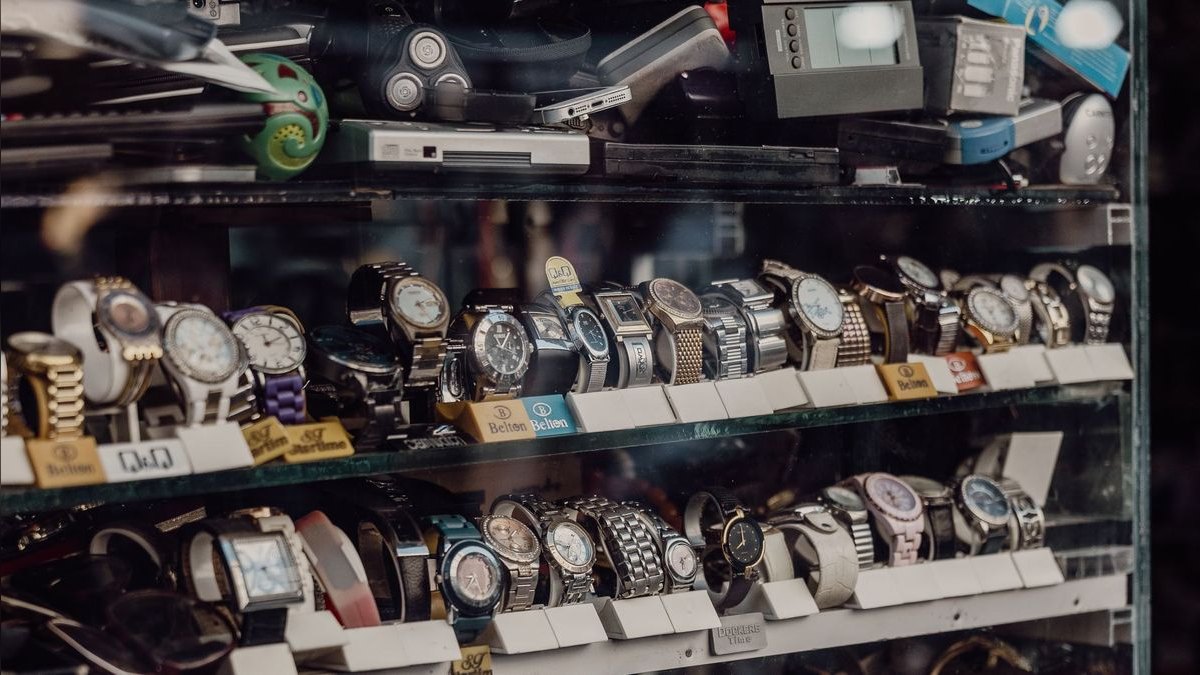
The 3800 brought Genta's Nautilus into a more wearable sub-38mm case in the 1980s, powered by the caliber 335 SC. Steel and two-tone examples trade around $59,000, with gold versions closer to $76,000, and steel pieces have more than doubled in value over a recent two-year stretch. As Patek's answer to the Royal Oak, it sits at the very top of integrated-sports collecting alongside AP.
Originality of the dial and bracelet stretch matter enormously here, and full sets with extract from the archives command the steepest premiums.
Pros:
- Patek's integrated sports grail — peer to the Royal Oak
- Steel around $59,000, gold near $76,000
- Steel examples have more than doubled in a recent two-year run
- Caliber 335 SC and a wearable sub-38mm case
Cons:
- A firmly five-figure entry, well above most vintage tool watches
- Dial originality and bracelet stretch heavily influence value
Verdict: The Nautilus grail of the decade — a blue-chip peer to the Royal Oak.
3. Rolex GMT-Master 16750
Era/Set: 1979–1988 Rolex (GMT-Master) | Typical price: ~$11,000–$80,000 (avg ~$23,000) | Best for: the transitional pilot's icon
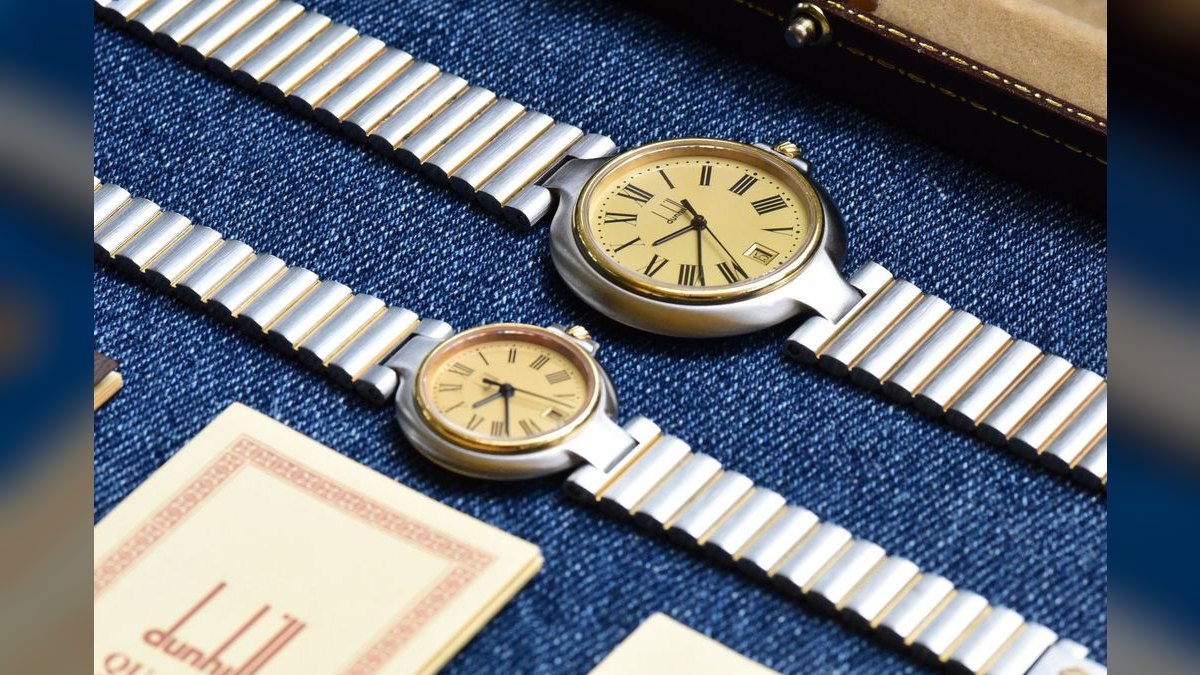
The 16750 was the GMT-Master that introduced a higher-beat movement and quickset date, produced from 1979 to 1988. Good examples trade between $11,000 and $80,000, with most around $23,000 and excellent pieces budgeting near $34,600. The Pepsi (red-and-blue) bezel is the most sought variant, and matte-dial transitional examples carry a premium over later glossy dials.
As the bridge between the vintage and modern GMT eras, it offers genuine 1980s Rolex tool-watch pedigree with strong, liquid demand. Confirm the dial type and bezel originality before paying up.
Pros:
- The transitional GMT-Master with quickset date, made 1979–1988
- Most examples around $23,000, a strong vintage Rolex value
- Pepsi bezel and matte transitional dials carry premiums
- Deep, liquid demand as a bridge between vintage and modern GMTs
Cons:
- Matte vs glossy dial and bezel originality require verification
- Redial and bezel-swap risk on a heavily collected reference
Verdict: The 1980s GMT sweet spot — transitional pedigree with liquid demand.
4. Rolex Submariner 16800
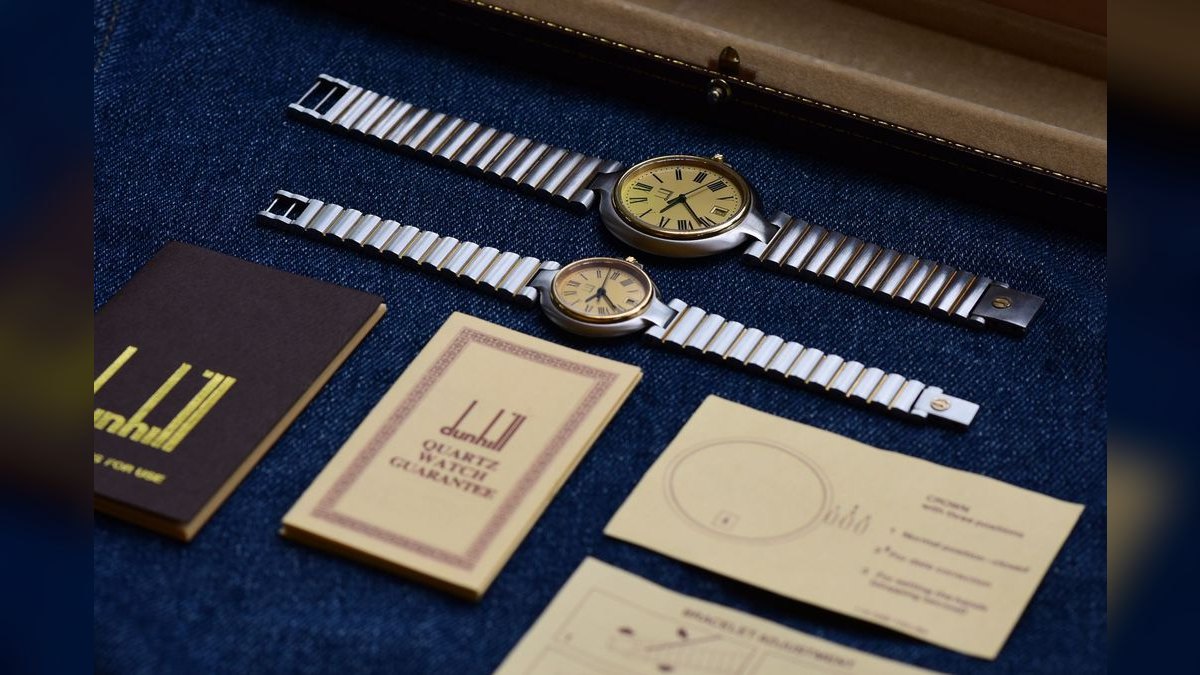
Era/Set: 1980s Rolex (Submariner Date) | Typical price: ~$9,500–$16,500 | Best for: the transitional dive icon at a fair price
The 16800 is a pivotal Submariner, the reference that moved the line to a sapphire crystal and higher water resistance while still offering early matte-dial examples. It remains relatively affordable, averaging around $15,000, with Chrono24 listings spanning roughly $9,500 to $16,500. Early matte-dial and transitional "spider dial" examples are the collector prizes within the reference.
As one of the most recognizable watches ever made, it offers strong liquidity and a clear entry into vintage Rolex divers below the GMT and Explorer II prices.
Pros:
- The transitional Submariner that introduced the sapphire crystal
- Relatively affordable, roughly $9,500 to $16,500
- Early matte and spider-dial variants are the collector prizes
- Among the most liquid and recognizable watches in the world
Cons:
- Service dials and polished cases are common and cut value
- Variant nuances (matte vs gloss) trip up first-time buyers
Verdict: The accessible vintage Rolex diver — transitional pedigree at a fair price.
5. Rolex Explorer II 16550 "Rail Dial"
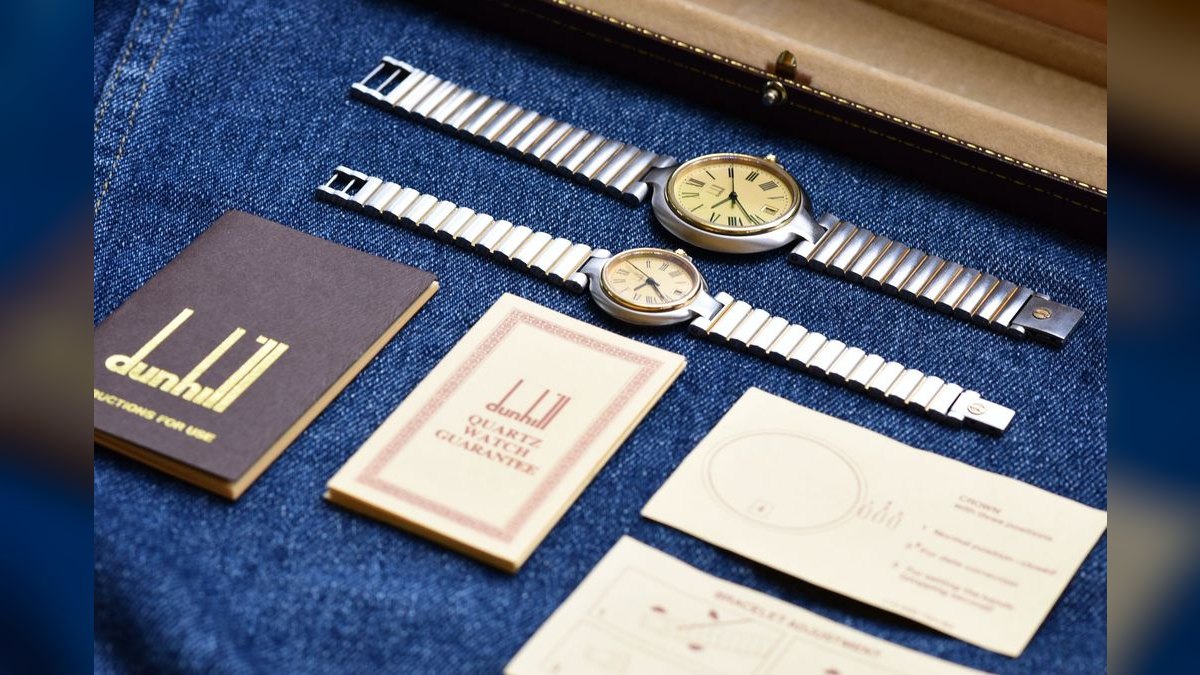
Era/Set: 1985–1989 Rolex (Explorer II) | Typical price: ~$11,000–$20,000+ | Best for: the cult transitional dial collectors chase
Launched in 1985, the 16550 was the first Explorer II with a sapphire crystal, and it is famous for its short-lived dials that often turned creamy or developed "spider" cracking. The "rail dial" variant — where the lettering lines up like railroad tracks — is the cult prize. Market value sits around $20,000, with listings from roughly $11,000 to $17,700 and premium creamy-dial examples higher. Produced only to 1989, it is genuinely scarce.
Dial condition drives the spread more than almost any other vintage Rolex, so the dial is the whole ballgame here.
Pros:
- First sapphire-crystal Explorer II, made only 1985–1989
- Cult "rail dial" and creamy-dial variants command premiums
- Market value around $20,000 with examples from $11,000
- Genuine scarcity from a short four-year production run
Cons:
- Dial condition dictates value, and originality is hard to verify
- Spider cracking and redials are common pitfalls
Verdict: The collector's transitional Rolex — chase an original rail or creamy dial.
6. Omega Speedmaster Professional 145.022
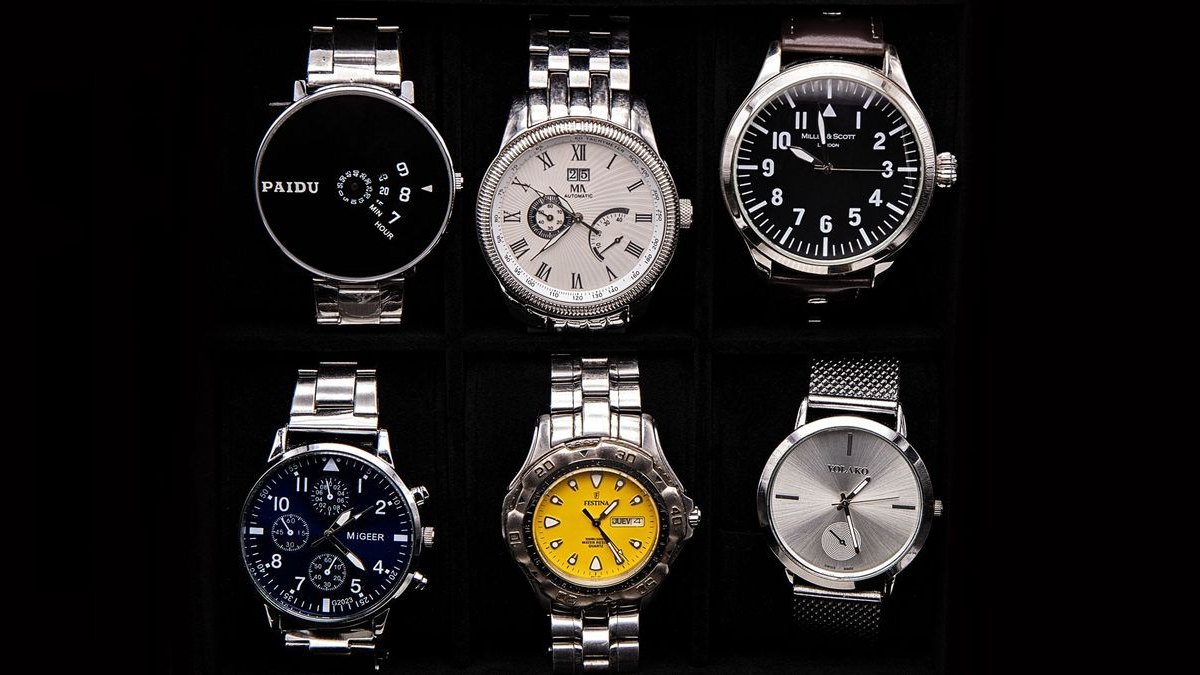
Era/Set: 1980s Omega (Moonwatch, caliber 861) | Typical price: ~$5,000–$9,000 | Best for: the affordable manual-wind legend
The 145.022 is the Moonwatch reference that carried the Speedmaster through the 1980s on the caliber 861. Clean examples trade roughly $5,000 to $9,000, with desirable "dot over 90" bezel and transitional-dial variants near the top of that range. As the only watch certified for NASA spaceflight and worn on the Moon, the Speedmaster has unmatched provenance for the money.
It is the most attainable true horological legend of the decade, and box-and-papers examples in original condition carry a clear premium over serviced pieces.
Pros:
- The Moonwatch through the 1980s on the caliber 861
- Affordable legend at roughly $5,000 to $9,000
- NASA and lunar provenance unmatched at this price
- Dot-over-90 and transitional variants offer collector upside
Cons:
- Service parts and replacement bezels are widespread
- Less appreciation upside than the integrated-sports icons
Verdict: The most attainable horological legend of the decade — huge provenance per dollar.
7. Cartier Santos
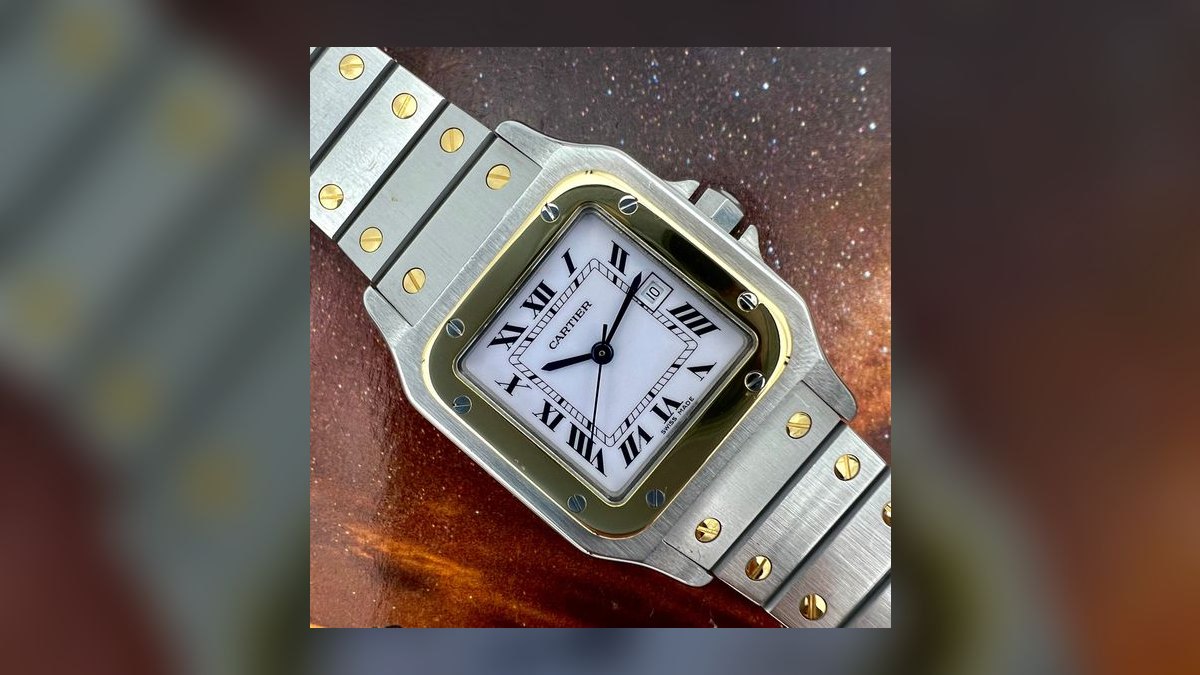
Era/Set: 1980s Cartier (Santos, steel and two-tone) | Typical price: ~$5,000–$10,000+ (gold higher) | Best for: the design-forward dress-sport hybrid
The 1980s Santos, with its exposed screws and integrated bracelet, was one of the decade's most fashionable watches and a bridge between dress and sport. Vintage steel and two-tone examples trade roughly $5,000 to $10,000 on Chrono24, while rare 18k gold diamond-set references like the ref. 2960 reach $28,750. Its square case and Roman-numeral dial are unmistakably Cartier.
As integrated-bracelet designs surge in demand, the vintage Santos offers genuine 1980s style and brand pedigree at a fraction of the AP and Patek prices.
Pros:
- An iconic 1980s integrated-bracelet design from Cartier
- Steel and two-tone examples around $5,000 to $10,000
- Rare gold diamond-set references reach $28,750
- Rising demand for integrated designs supports the vintage market
Cons:
- Two-tone gold plating wears and lowers value on rough examples
- Less mechanical prestige than the in-house sports icons
Verdict: The stylish integrated dress-sport pick — Cartier pedigree at a mid-tier price.
8. Rolex Datejust 16013
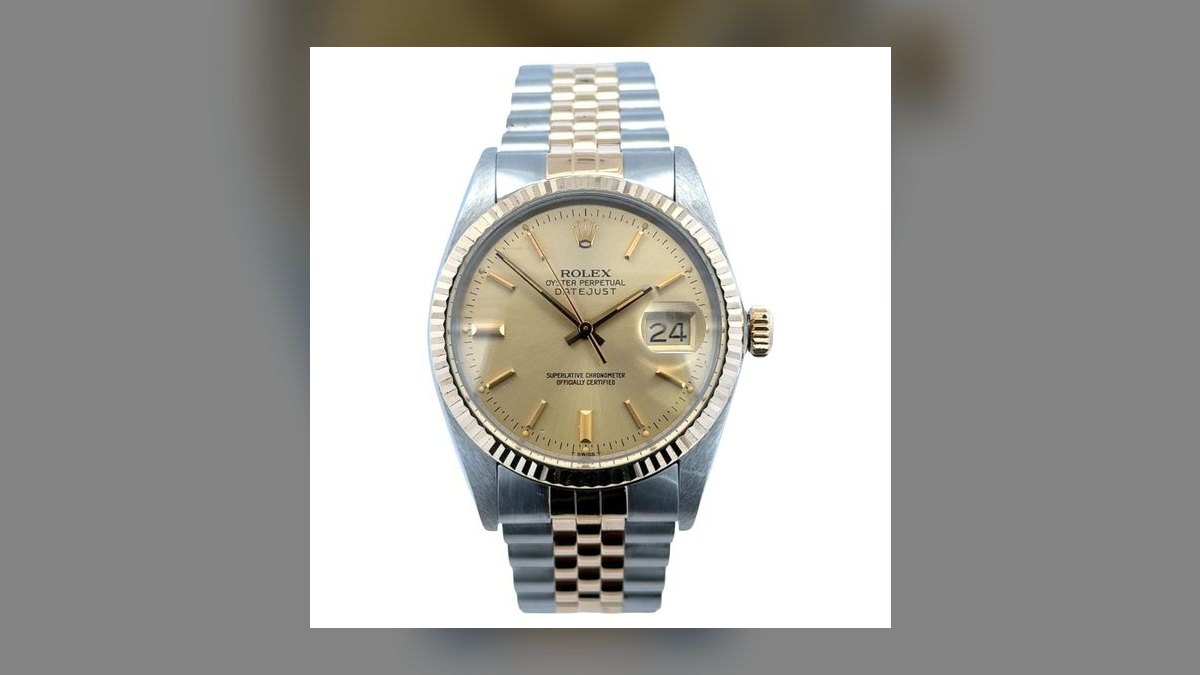
Era/Set: 1980s Rolex (Datejust, two-tone) | Typical price: ~$4,000–$7,000 | Best for: the quintessential 1980s everyday Rolex
No watch says "1980s" quite like the two-tone steel-and-gold Datejust 16013, with its fluted gold bezel and Jubilee bracelet. Clean examples trade roughly $4,000 to $7,000, making it one of the most accessible vintage Rolexes. Period dials — champagne, blue, and the sought-after "tiger eye" or linen-texture variants — drive collector interest within the reference.
As a dressy daily-wearer with genuine Rolex build quality, it is the natural entry point into the brand for the decade, and original dials in strong condition command a premium over service replacements.
Pros:
- The quintessential 1980s two-tone everyday Rolex
- Accessible at roughly $4,000 to $7,000
- Period dial variants (linen, tiger eye) drive collector interest
- Dressy daily-wearer with full Rolex build quality
Cons:
- Two-tone gold wears on the bezel and bracelet over time
- Service dials are common and reduce collector value
Verdict: The accessible everyday Rolex of the decade — a perfect first vintage piece.
9. IWC Porsche Design Titanium
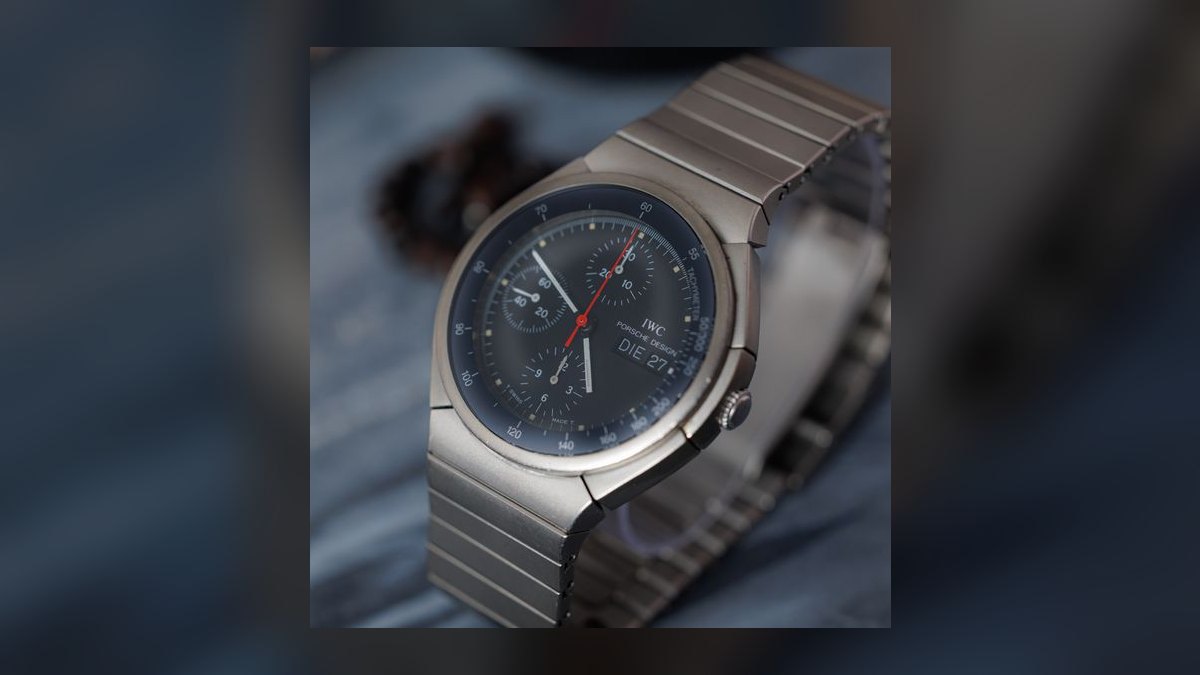
Era/Set: 1980s IWC (Porsche Design, titanium) | Typical price: ~$750–$5,500 | Best for: the industrial-design cult pick
The IWC Porsche Design line, launched in 1978, pioneered titanium wristwatches and matte-black industrial styling that defined a certain 1980s aesthetic. Vintage references like the IW3700 trade from roughly $750 to over $5,500 depending on condition and whether they are titanium or steel, with chronograph models at the top. As the watch credited as the world's first titanium wristwatch, it carries genuine design-history weight.
It is a relatively under-the-radar collectible, which keeps prices reasonable for a piece with real innovation and a devoted following.
Pros:
- Pioneered the titanium wristwatch — real design-history significance
- Wide range from about $750 to $5,500 by reference and material
- Distinctive matte-black industrial 1980s aesthetic
- Under-the-radar status keeps prices reasonable
Cons:
- Matte coatings wear and are hard to restore originally
- Niche appeal means thinner liquidity than the Rolex references
Verdict: The industrial-design cult pick — pioneering titanium at an accessible price.
10. Heuer / TAG Heuer 1000 Diver (980.013) 💎 BEST VALUE
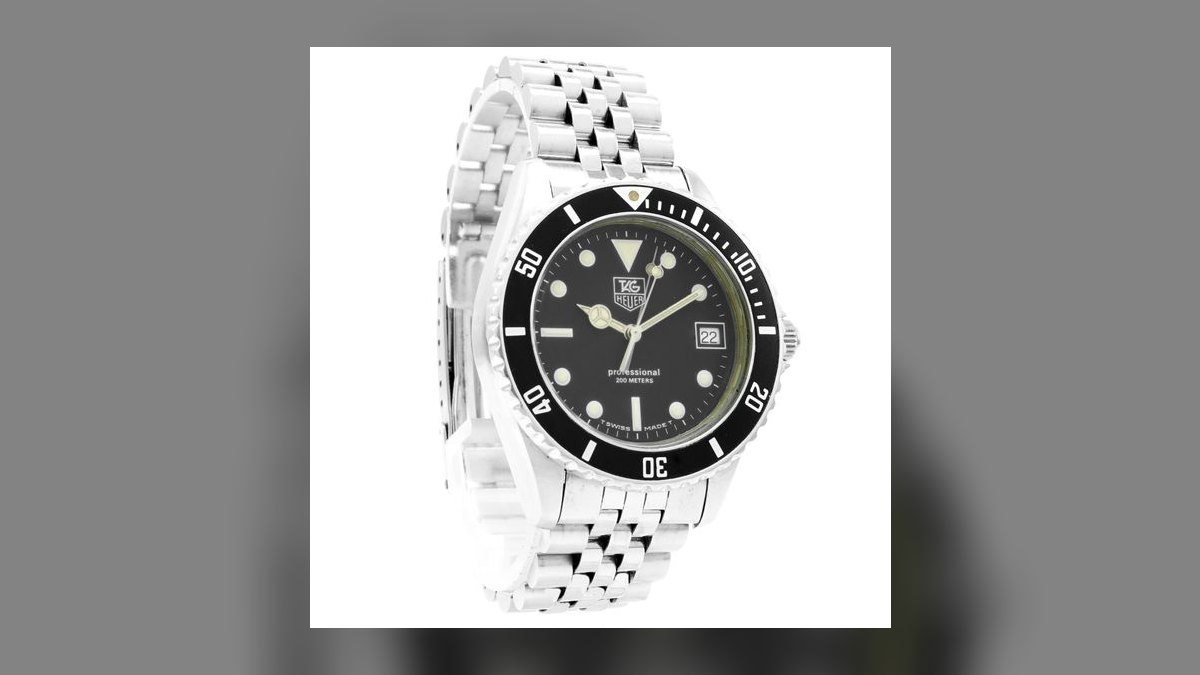
Era/Set: mid-1980s Heuer / TAG Heuer (1000 series diver) | Typical price: ~$600–$1,200 | Best for: the most attainable genuine 1980s tool watch
The 1000 series diver bridged the Heuer-to-TAG-Heuer transition in the mid-1980s and is the value champion of the decade. Examples trade from roughly $600 to $1,200, with serviced pieces near $599 and clean black-dial models around $1,199. The 980.013, with its Submariner-influenced design and 200m rating, is associated with 1980s screen appearances and has a devoted following.
It also sells fast — a recent median of about 104 days, quicker than 93% of the market — so liquidity is strong. For a real 1980s tool watch under four figures, nothing here competes.
Pros:
- Around $600 to $1,200 — the most attainable genuine 1980s tool watch
- Heuer-to-TAG transition piece with a devoted following
- 200m dive rating and a recognizable Submariner-style design
- Sells fast, with strong liquidity for the price
Cons:
- Many run quartz movements, so confirm the caliber if you want mechanical
- Replacement bezels and crystals are common on worn examples
Verdict: The best value of the decade — a real 1980s diver for well under $1,200.
Which One Is Right for You?
What to Look For
- Dial originality is everything — service replacement dials, redials, and relumes sharply cut value; on references like the Explorer II 16550, an original rail or creamy dial can double the price.
- Verify the reference and variant — matte vs glossy dials, transitional bezels, and Pepsi vs all-black configurations move prices significantly within a single model.
- Mind polishing and case sharpness — over-polished cases lose their crisp edges and value, especially on the angular Royal Oak, Nautilus, and Santos.
- Demand box, papers, and ideally an extract — full sets and archive extracts (Patek, AP) command clear premiums and reduce authenticity risk.
- Beware franken-watches — high-value vintage pieces are assembled from mismatched parts; insist on consistent serials, movement, and components, and buy from trusted dealers or platforms with guarantees.
What matters less than the hype: chasing only the integrated-sports grails. The Datejust, Speedmaster, Santos, and Heuer 1000 deliver genuine 1980s pedigree at a fraction of the Royal Oak or Nautilus price, and dial and originality discipline beat name-chasing for long-term value.
FAQ
What is the best 1980s watch to collect? The Audemars Piguet Royal Oak, the steel luxury sports watch that defined the decade. 1980s references run from about $14,900 to over $100,000 for early Jumbos, with the Patek Nautilus 3800 (around $59,000 in steel) as its closest peer.
Why are 1980s integrated sports watches so valuable now? The Royal Oak and Nautilus created the steel luxury sports category, and modern demand for integrated-bracelet designs has lifted vintage examples sharply — steel Nautilus 3800s have more than doubled in a recent two-year span.
Which 1980s watch is the best value? The Heuer / TAG Heuer 1000 diver (ref. 980.013), trading roughly $600 to $1,200. It is the most attainable genuine 1980s tool watch and sells quickly, with strong liquidity for the price.
Are quartz 1980s watches collectible? Some are, but the strongest collector demand centers on mechanical pieces. The 1980s saw quartz spread widely, so confirm whether a given reference is mechanical or quartz if movement type matters to your collection or budget.
How do I avoid redials and franken-watches? Insist on original dials, consistent serial numbers, and matching movements and components. Demand box and papers where possible, request archive extracts for Patek and AP, and buy from established dealers or platforms that guarantee authenticity.
Is a vintage Rolex a safe entry into 1980s collecting? The Datejust 16013 and Submariner 16800 are accessible, liquid, and recognizable, making them sensible first vintage Rolexes. Focus on original dials and unpolished cases, and treat the purchase as a long-term hold rather than a quick flip.
Bottom Line
The Audemars Piguet Royal Oak is the best 1980s watch to collect — the steel luxury sports icon of the decade, with references from about $14,900 to over $100,000, and the Patek Nautilus 3800 (around $59,000 in steel) as its grail-level peer. The smartest value is the Heuer / TAG Heuer 1000 diver at $600 to $1,200, a real 1980s tool watch with strong liquidity.
Between them sit eight more documented icons — from the transitional Rolex GMT 16750, Submariner 16800, and Explorer II rail dial to the affordable Speedmaster, Cartier Santos, Datejust 16013, and IWC Porsche Design titanium — a complete map of 1980s watch collecting at every budget. Whichever tier you choose, let dial originality, an unpolished case, and full documentation guide the buy, because those are what hold value long after the hype fades.
Related on PULSE
- [The 10 Best Watches from the 2000s to Collect in 2027](/knowledge/co0069)
- [The 10 Best Watches from the 1990s](/knowledge/co0060)
- [The 10 Best Watches from the 1960s](/knowledge/co0042)
- [The 10 Best Watches from the 1970s](/knowledge/co0036)
- [The 10 Best Omega Watches for Collectors in 2027](/knowledge/co0009)
- [The 10 Best Vintage Rolex Watches to Collect in 2027](/knowledge/co0008)
Sources
- Chrono24 — Pre-Owned Audemars Piguet Royal Oak
- A Collected Man — Patek Philippe Nautilus 3800
- Bob's Watches — Rolex GMT-Master Price Guide
- WatchCharts — Rolex Submariner 16800 Market Value
- WatchCharts — Rolex Explorer II 16550 Market Value
- Chrono24 — Omega Speedmaster Professional 145.022
- WatchCharts — TAG Heuer 1000 Series 980.013
*1980s watches review — 1980s watches reviews, ratings, best vintage 1980s watches to collect 2027, and a review of the top 1980s watch picks for collectors.*
People also search for: best watches from the 1980s · top watches from the 1980s · top rated watches from the 1980s · top ranked watches from the 1980s · highest rated watches from the 1980s · watches from the 1980s reviews
This page will be disappearing soon. Save it to your device for $1 — or read it free while it is here.
@Kory-White- · if Venmo asks, the last 4 of my number are 2012
 collectible-reviewThe 10 Best Vintage Basketball Cards to Collect in 2027
 collectible-reviewThe 10 Best Baseball Cards from the 1970s in 2027
 collectible-reviewThe 10 Best Sega Genesis Games to Collect in 2027
 collectible-reviewThe 10 Best G.I. Joe Figures from the 1980s in 2027
 collectible-reviewThe 10 Best Toys from the 1990s in 2027
 collectible-reviewThe 10 Best Magic: The Gathering Cards to Collect in 2027
 collectible-reviewThe 10 Best Star Wars Figures from the 1970s in 2027
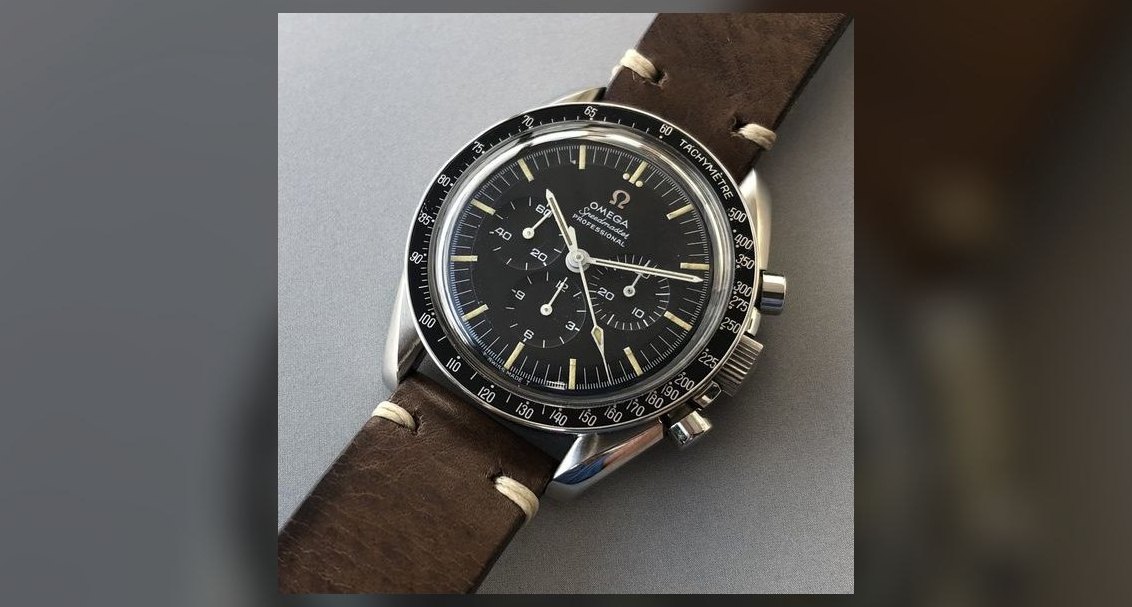 collectible-reviewThe 10 Best Omega Watches for Collectors in 2027
 collectible-reviewThe 10 Best Video Games from the 1980s in 2027
 collectible-reviewThe 10 Best Rare Stamps to Collect in 2027