
The 10 Best Coins from the 1900s to Collect in 2027
 Curated byKory White · Fractional CRO · Maryland
 PULSEKNOWLEDGE LIBRARY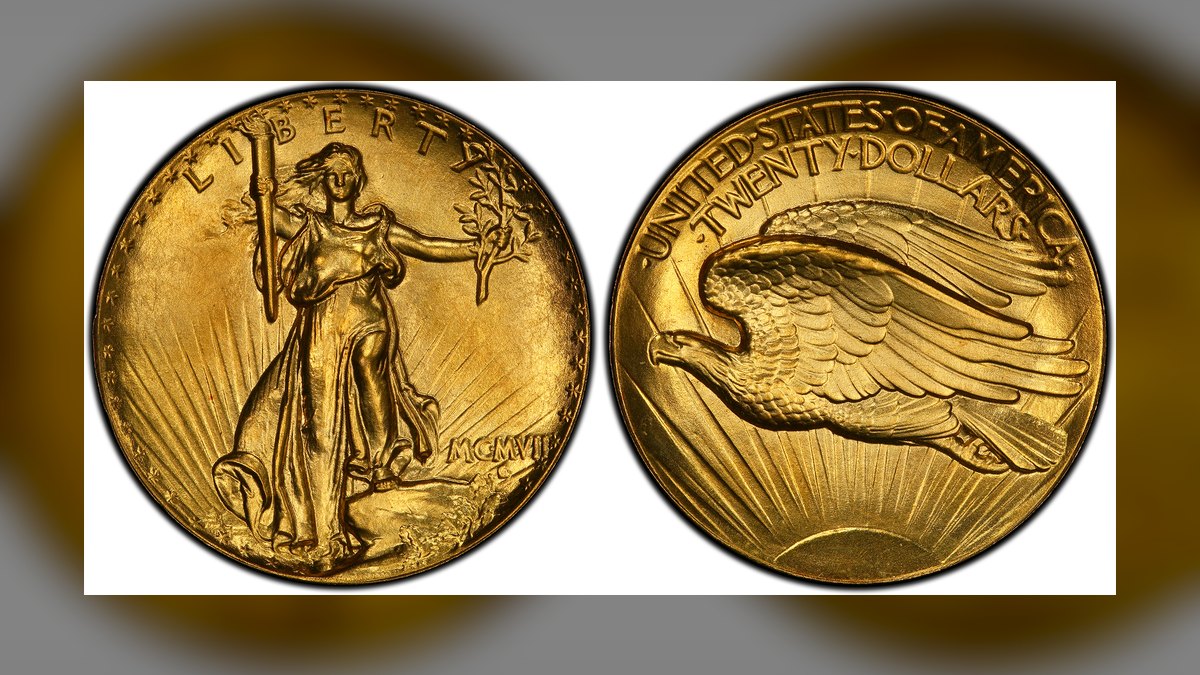
The best early-1900s U.S. coin to collect in 2027 is the 1907 Saint-Gaudens High Relief Double Eagle, the most beautiful coin America ever struck and a gem that carries a PCGS MS65 price guide near $70,000. For value, the 1909-S Indian Head Cent is the standout: the lowest-mintage circulation Indian cent at just 309,000 coins, worth around $407 in average condition.
This list ranks genuine 1900s-era U.S. coins — early-twentieth-century classics struck from roughly 1901 through the 1950s — using 2027 values from PCGS CoinFacts, the PCGS Price Guide, PCGS Auction Prices, and Heritage Auctions. It is built for collectors who want real key dates, famous rarities, and documented auction records, not modern bullion.
The early 1900s gave U.S. numismatics its most artistic and historically loaded coins, and several remain attainable while a handful sit among the most valuable objects in the hobby.
1. How We Ranked the Top 10

We scored each coin on six weighted criteria using real numismatic data:
- Rarity and mintage (25%) — survival estimates and original mintage from PCGS CoinFacts.
- Historical and artistic significance (20%) — design importance and era context.
- Auction track record (20%) — realized prices from PCGS Auction Prices and Heritage Auctions.
- Demand and recognition (15%) — how widely collected and famous the coin is.
- Condition rarity (10%) — how scarce high grades (Full Bands, Full Head, gem Red) are.
- Counterfeit and authentication risk (10%) — how often the date is faked, per PCGS and series authentication guides.
Values below are 2027 ranges keyed to specific grades and certification. Auction records are cited individually; circulated and gem prices reflect honest PCGS-graded levels.
1. 1907 Saint-Gaudens High Relief Double Eagle 🏆 BEST OVERALL
Era/Set: 1907 $20 gold, High Relief | Typical price: ~$30,000 (MS63) to ~$70,000+ (MS65) | Best for: the collector who wants the single most beautiful U.S. coin ever struck.
Designed by sculptor Augustus Saint-Gaudens at President Theodore Roosevelt's urging, the 1907 High Relief double eagle is widely called the most beautiful American coin. Its sculptural relief was so deep the Mint struck each coin multiple times, making mass production impractical, so the design was flattened the same year. The PCGS MS65 price guide sits near $70,000, with MS63-MS64 examples in the $30,000-$50,000+ band and Wire Edge and Flat Edge variants commanding their own premiums.
As a one-year artistic landmark, it is the blue-chip cornerstone of any early-1900s collection.
Pros:
- Most beautiful U.S. coin ever struck, a one-year design
- ~$70,000 PCGS MS65 price guide with deep demand
- Wire Edge and Flat Edge variants add collecting depth
- Saint-Gaudens and Roosevelt provenance is unmatched
Cons:
- Five-figure entry even in mid-grade
- Gold-content floor ties value partly to bullion swings
Verdict: The most artistically important U.S. coin and the safest blue-chip hold on this list.
2. 1913 Liberty Head Nickel

Era/Set: 1913 5-cent, Liberty Head | Typical price: $3,000,000-$4,500,000+ (museum-grade rarity) | Best for: the advanced collector or institution chasing one of the world's most famous coins.
Only five 1913 Liberty Head Nickels are known to exist, struck clandestinely after the design was officially replaced by the Buffalo nickel, which makes every example a national rarity. Individual specimens have sold for $3 million to $4.5 million at auction, and each carries a documented name and pedigree (the Eliasberg, Olsen, and Walton specimens among them).
It is the most famous "forbidden" coin in American numismatics and the ultimate trophy of the era, even if only a handful of collectors can ever own one.
Pros:
- Only five known examples in the world
- Multi-million-dollar auction records per specimen
- Named pedigrees (Eliasberg, Olsen, Walton)
- Most famous "forbidden" U.S. coin ever made
Cons:
- Effectively unobtainable for nearly all collectors
- Each appearance is a once-in-years event
Verdict: The ultimate early-1900s trophy — legendary, named, and out of reach for all but a few.
3. 1916-D Mercury Dime

Era/Set: 1916 Denver 10-cent, Winged Liberty | Typical price: ~$1,550 (Good-4) to $87,500 (MS65 FB) | Best for: the collector who wants the undisputed key date of a beloved silver series.
The 1916-D is the key to the entire Mercury (Winged Liberty) dime series, struck in tiny numbers in the design's first year. Even a worn Good-4 retails around $1,550, while a gem MS65 with Full Bands reaches $87,500, and the finest known MS67FB sold for $207,000 in 2010. Because the value jumps so sharply with condition, and because the date is heavily counterfeited by adding a "D" mintmark, certification is essential.
It is the most famous key date of twentieth-century silver coinage.
Pros:
- Key date of the entire Mercury dime series
- $87,500 MS65 Full Bands and a $207,000 record
- Strong demand as a four-figure-entry classic
- First-year design by Adolph Weinman
Cons:
- Heavily counterfeited via added mintmark
- Full Bands gems are extremely scarce and pricey
Verdict: The premier key date of twentieth-century silver and a must-own for series collectors.
4. 1916 Standing Liberty Quarter

Era/Set: 1916 25-cent, Standing Liberty | Typical price: ~$4,000 (low circulated) to $195,500 (MS67) | Best for: the collector who wants the rare first-year of a short-lived, artistic series.
The 1916 Standing Liberty Quarter is the key date of its series, struck in very limited numbers at the end of the year before full production began in 1917. It is rare in all grades, with even extremely low-grade examples selling in excess of $1,000, and the MS67 PCGS auction record stands at $195,500 from 2010.
The Hermon MacNeil design — and its early bare-breasted Liberty obverse — make it one of the most artistically striking quarters ever issued. First-year rarity plus design fame make it a centerpiece coin.
Pros:
- Key first-year date of the series
- Rare in all grades, with four-figure low-grade prices
- $195,500 MS67 PCGS auction record
- Iconic MacNeil design with strong collector demand
Cons:
- Genuinely scarce even in worn grades
- Full Head gems are exceptionally hard to find
Verdict: The artistic key-date quarter of the era and a true cornerstone for type collectors.
5. 1909-S VDB Lincoln Cent

Era/Set: 1909 San Francisco cent, VDB | Typical price: ~$700 (low grade) to $1,600+ (MS65 RB) | Best for: the collector who wants the most famous key date in American coinage.
The 1909-S VDB is the most famous key date in U.S. coin collecting, struck with designer Victor David Brenner's "VDB" initials before public outcry forced their removal, with a mintage of only 484,000. PCGS has graded just 919 coins in MS65 Red, making true gems scarce, and a clean MS65 RB trades around $1,600. It is the coin that launches countless collections and remains the most recognizable cent ever made.
Authentication matters because the "S" mintmark and "VDB" are both faked.
Pros:
- Most famous key date in U.S. coin collecting
- Low 484,000 mintage with strong gem scarcity
- Designer initials story drives enduring demand
- Accessible four-figure entry for an icon
Cons:
- Frequently counterfeited (added S and VDB)
- Red gem examples carry steep premiums
Verdict: The most recognizable cent ever struck and the gateway key date for serious collectors.
6. 1901-S Barber Quarter
Era/Set: 1901 San Francisco 25-cent, Barber | Typical price: ~$5,000 (low circulated) to $300,000+ (gem) | Best for: the advanced collector who wants the "King" of a classic silver series.
The 1901-S is the undisputed "King" of Barber Quarters, with a microscopic mintage of just 72,664 coins and virtually no contemporary saving, so most survivors are heavily worn AG-G examples. Gem condition specimens can command over $300,000, while even low-grade pieces run into the thousands. It is the most counterfeited coin in the series, with forgers adding an "S" to genuine Philadelphia 1901 coins, so certified examples are mandatory.
For Barber collectors, it is the ultimate prize.
Pros:
- "King" of the Barber Quarter series
- Tiny 72,664 mintage with almost no survivors saved
- $300,000+ gem potential for the finest pieces
- Intense advanced-collector demand
Cons:
- Most heavily counterfeited date in the series
- Even worn examples are expensive and scarce
Verdict: The king-of-the-series Barber Quarter and a trophy date for advanced silver collectors.
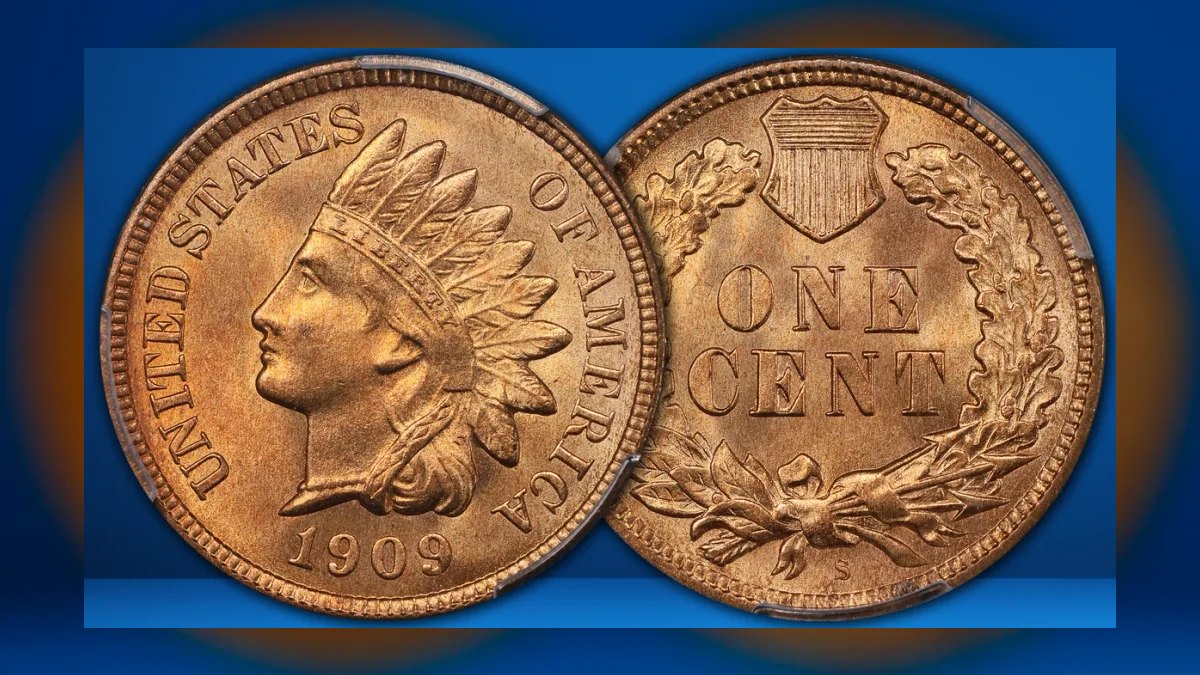
7. 1909-S Indian Head Cent 💎 BEST VALUE
Era/Set: 1909 San Francisco cent, Indian Head | Typical price: ~$407 (average) to ~$1,600 (uncirculated) | Best for: the value collector who wants a genuine key date for a few hundred dollars.
The 1909-S Indian Head Cent is the best value here: it has the lowest mintage in the entire circulation-strike Indian cent series at just 309,000 coins, yet trades around $407 in average condition and $1,345-$1,599 in uncirculated grades.
As the final-year San Francisco issue of a long-running, beloved design, it pairs genuine key-date scarcity with an accessible price, making it the smartest entry on this list for a collector who wants a real rarity without a five-figure outlay.
Pros:
- Lowest mintage in the circulation Indian cent series
- ~$407 average-condition entry for a true key date
- Final-year design with strong nostalgic demand
- Best scarcity-per-dollar on this list
Cons:
- Counterfeited via added mintmark, so certification matters
- Red uncirculated examples are far pricier
Verdict: The clear value pick — a genuine lowest-mintage key date for the price of a few hundred dollars.
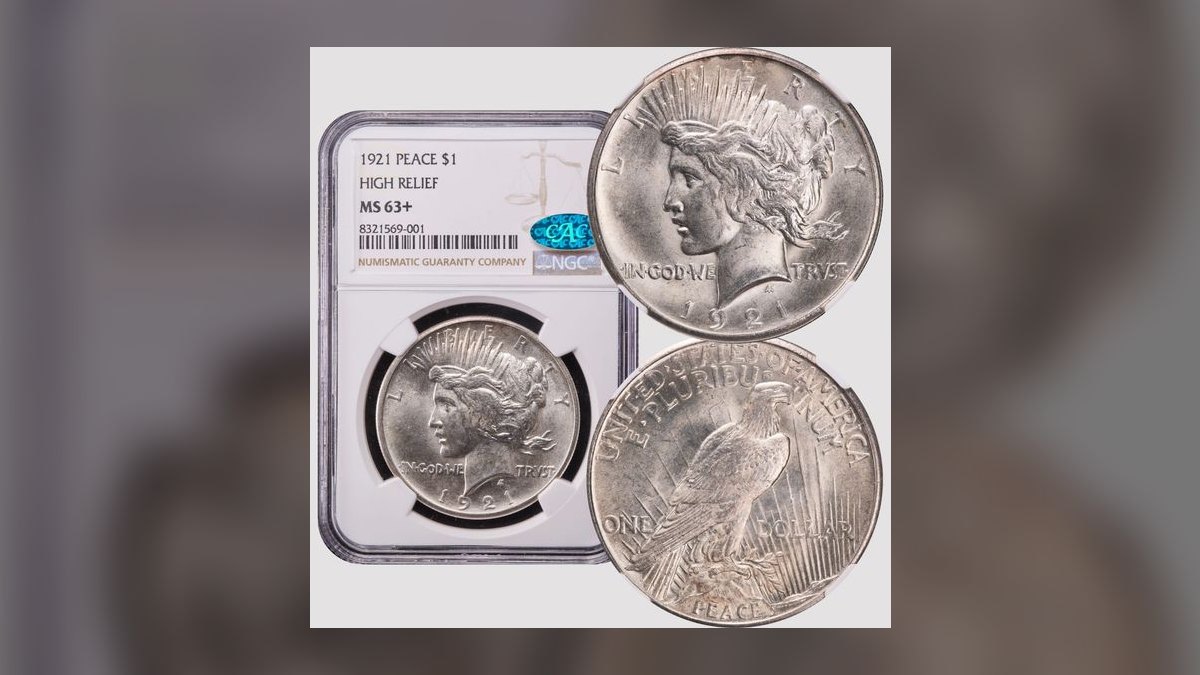
8. 1921 Peace Dollar (High Relief)
Era/Set: 1921 silver dollar, High Relief | Typical price: ~$300 (circulated) to ~$5,500 (MS65) | Best for: the collector who wants the dramatic first-year of the Peace dollar series.
The 1921 Peace Dollar is the rare High Relief first-year issue of Anthony de Francisci's design, struck to commemorate peace after World War I before the relief was lowered in 1922. An MS65 example runs around $5,500, versus roughly $100 for a common-date Peace dollar in the same grade, reflecting the 1921's scarcity in both circulated and mint state.
As the only High Relief Peace dollar struck for circulation, it is one of the most desirable silver dollars of the twentieth century.
Pros:
- First-year High Relief Peace dollar
- ~$5,500 MS65 versus ~$100 for common dates
- Post-WWI commemorative significance
- Single-year High Relief design rarity
Cons:
- Weakly struck centers are common
- Gem examples carry a large premium over circulated
Verdict: The dramatic first-year Peace dollar and a standout silver-dollar pick of the era.
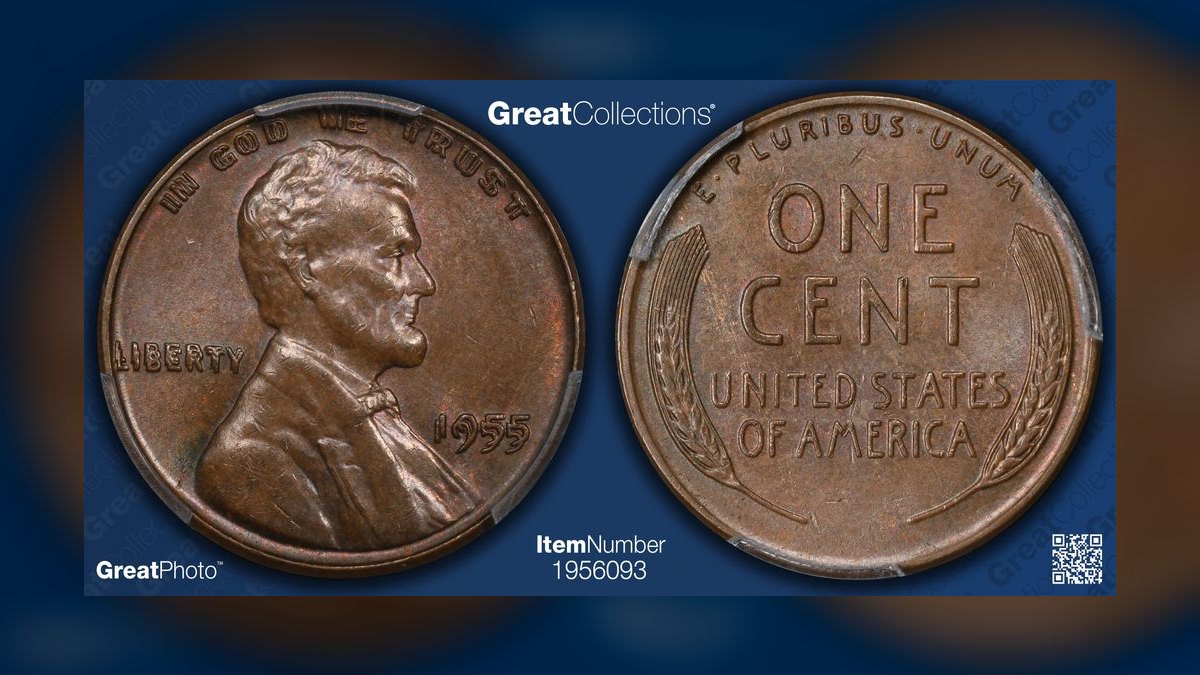
9. 1955 Doubled Die Lincoln Cent
Era/Set: 1955 cent, Doubled Die Obverse | Typical price: ~$1,000 (circulated) to ~$2,500+ (high grade) | Best for: the collector who wants the most famous mint error in U.S. history.
The 1955 Doubled Die is the most celebrated mint error ever made, with dramatic doubling visible to the naked eye on the date and lettering, caused by a misaligned die hub. Values range $1,000-$2,500 for typical examples, and the coin's price history is a classic numismatic story: an XF40 worth about $172 in 1970 climbed to roughly $1,800 by 2009.
As the error that taught generations of collectors what doubling looks like, it is a must-own for anyone interested in mint mistakes.
Pros:
- Most famous mint error in U.S. history
- Dramatic naked-eye doubling on date and lettering
- Strong long-term price record since 1970
- Affordable four-figure entry for a legend
Cons:
- Faked via cheap "strike doubling" lookalikes
- Brown circulated examples lack gem-Red upside
Verdict: The iconic error coin of the era and an essential pickup for variety and error collectors.
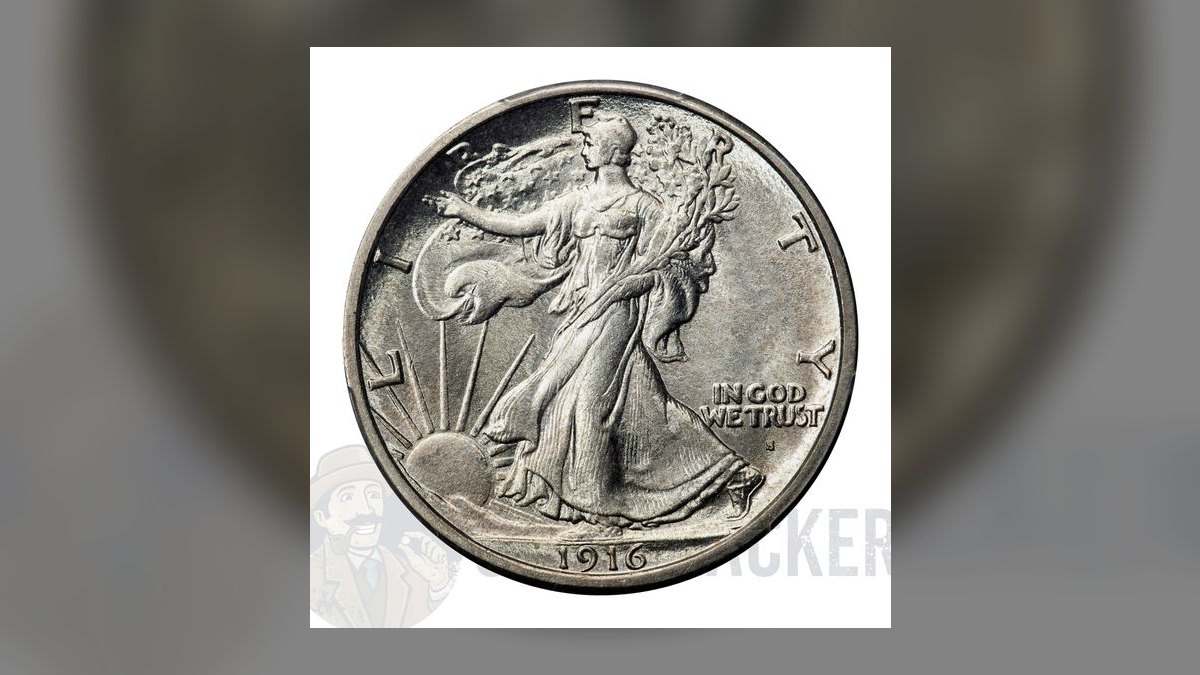
10. 1916 Walking Liberty Half Dollar
Era/Set: 1916 50-cent, Walking Liberty | Typical price: ~$150 (circulated) to four figures (gem) | Best for: the collector who wants the first year of America's most admired silver design.
The 1916 Walking Liberty Half Dollar is the first year of Adolph Weinman's design, widely regarded as one of the most beautiful U.S. coins, with an original mintage of just 608,000. It is scarce in circulated grades like all early 1916-1929 Walkers, and gem MS65 examples climb into four figures. The same obverse later graced the modern Silver Eagle, giving the design lasting recognition.
As an affordable first-year type coin with serious artistic credentials, it rounds out the list.
Pros:
- First-year of the beloved Walking Liberty design
- Low 608,000 mintage for the date
- Design reused on modern Silver Eagles, aiding recognition
- Affordable circulated entry around $150
Cons:
- Weakly struck centers plague many examples
- Gem first-year coins are genuinely scarce
Verdict: The artistic first-year half dollar of the era and an accessible classic type coin.
Which One Is Right for You?
What to Look For
- Buy certified for every key date. PCGS or NGC slabs are essential on coins like the 1916-D dime, 1909-S VDB cent, and 1901-S quarter, all of which are heavily counterfeited via added mintmarks or altered dates.
- Understand color designations on copper. On Lincoln and Indian cents, Red (RD), Red-Brown (RB), and Brown (BN) carry very different values; a Red gem can be worth multiples of a Brown example at the same numeric grade.
- Check strike quality, not just grade. Full Bands on Mercury dimes and Full Head on Standing Liberty quarters command large premiums and signal a sharp strike that many examples lack.
- Verify the mintmark style and placement. Forgers add "S" and "D" marks to common Philadelphia coins; compare the mintmark font and position against PCGS CoinFacts photos before paying a key-date premium.
- Mind the bullion floor on gold. The 1907 High Relief carries a gold-content base value, so part of its price moves with the metals market — factor that into entry timing.
What matters less than the hype: chasing a marginally higher numeric grade on a common date. A certified, honestly graded key date with a sharp strike almost always outperforms a high-grade common coin at resale.
FAQ
What is the most valuable early-1900s U.S. coin? The 1913 Liberty Head Nickel, with only five known examples. Individual specimens have sold for $3 million to $4.5 million at auction, making it one of the most valuable coins in the world.
Which 1900s coin is the best value to collect? The 1909-S Indian Head Cent. It has the lowest mintage in the circulation Indian cent series at 309,000 coins, yet trades around $407 in average condition — a genuine key date for a few hundred dollars.
Why is the 1916-D Mercury dime so expensive? It is the key date of the series with a tiny first-year Denver mintage. A Good-4 retails around $1,550 and an MS65 Full Bands reaches $87,500, with the finest known selling for $207,000.
How do I avoid counterfeit key-date coins? Buy only PCGS- or NGC-certified examples. The 1916-D dime, 1909-S VDB cent, and 1901-S quarter are all faked by adding mintmarks to common coins, so a reputable slab is the only safe path.
Is the 1955 Doubled Die hard to spot? No — the doubling is visible to the naked eye on the date and lettering, which is why it is the most famous mint error in U.S. history. Beware cheap "strike doubling" coins that lookalike but lack the true hub doubling.
Are these coins a good investment? Famous rarities and key dates have deep, durable demand, but values move with the broader market and, for gold, with bullion. Buy certified, buy quality, and treat appreciation as a bonus rather than a guarantee.
Bottom Line
The 1907 Saint-Gaudens High Relief Double Eagle is the best early-1900s coin to collect in 2027 — the most beautiful U.S. coin ever struck, with a PCGS MS65 price guide near $70,000. For value, the 1909-S Indian Head Cent is unbeatable: the lowest-mintage circulation Indian cent at 309,000 coins for around $407.
Between them sit the legendary 1913 Liberty Head Nickel, the 1916-D Mercury dime, the famous 1909-S VDB cent, and the iconic 1955 Doubled Die. Buy certified, prize sharp strikes, and authenticate every mintmark.
Related on PULSE
- [The 10 Best Coins from the 19th Century to Collect in 2027](/knowledge/co0054)
- [The 10 Best Rare U.S. Coins to Collect in 2027](/knowledge/co0004)
- [The 10 Best Gold Coins for Collectors and Investors in 2027](/knowledge/co0021)
- [The 10 Best Sports Cards from the 2010s to Collect in 2027](/knowledge/co0074)
- [The 10 Best Comic Books from the 2010s to Collect in 2027](/knowledge/co0073)
- [The 10 Best Vinyl Records from the 2000s to Collect in 2027](/knowledge/co0072)
Sources
- 1907 $20 High Relief Saint-Gaudens — PCGS CoinFacts
- Liberty Nickel (1883-1913) — PCGS Auction Prices
- 1916-D Mercury Dime — PCGS CoinFacts
- 1916 Standing Liberty Quarter — PCGS CoinFacts
- 1909-S VDB Lincoln Cent — PCGS CoinFacts
- 1955 Doubled Die Cent Price History — PCGS
- 1909-S Indian Head Cent — PCGS CoinFacts
- Barber Quarter Key Dates Value Guide — Blanchard
*1900s coins review — 1900s coins reviews, ratings, best early-1900s coins to collect 2027, and a review of the top early-twentieth-century coin picks for collectors.*
People also search for: best coins from the 1900s 2027 · top coins from the 1900s 2027 · top rated coins from the 1900s 2027 · top ranked coins from the 1900s 2027 · highest rated coins from the 1900s 2027 · coins from the 1900s reviews 2027
Read it free — or make it yours for $1.
@Kory-White- · if Venmo asks, the last 4 of my number are 2012
 collectible-reviewThe 10 Best Football Rookie Cards to Collect in 2027
 collectible-reviewThe 10 Best Baseball Cards from the 1960s in 2027
 collectible-reviewThe 10 Best Investment-Grade Wines to Collect in 2027
 collectible-reviewThe 10 Best Vinyl Records from the 1970s in 2027
 collectible-reviewThe 10 Best Comic Books from the 2000s in 2027
 collectible-reviewThe 10 Best Pokemon Cards from the 1990s in 2027
 collectible-reviewThe 10 Best Hockey Cards from the 1980s in 2027
 collectible-reviewThe 10 Best Retro Video Games to Collect in 2027
 collectible-reviewThe 10 Best Vintage Rolex Watches to Collect in 2027
 collectible-reviewThe 10 Best Modern Pokémon Cards to Collect in 2027