
The 10 Best Vintage Fountain Pens to Collect in 2027
 Curated byKory White · Fractional CRO · Maryland
 PULSEKNOWLEDGE LIBRARY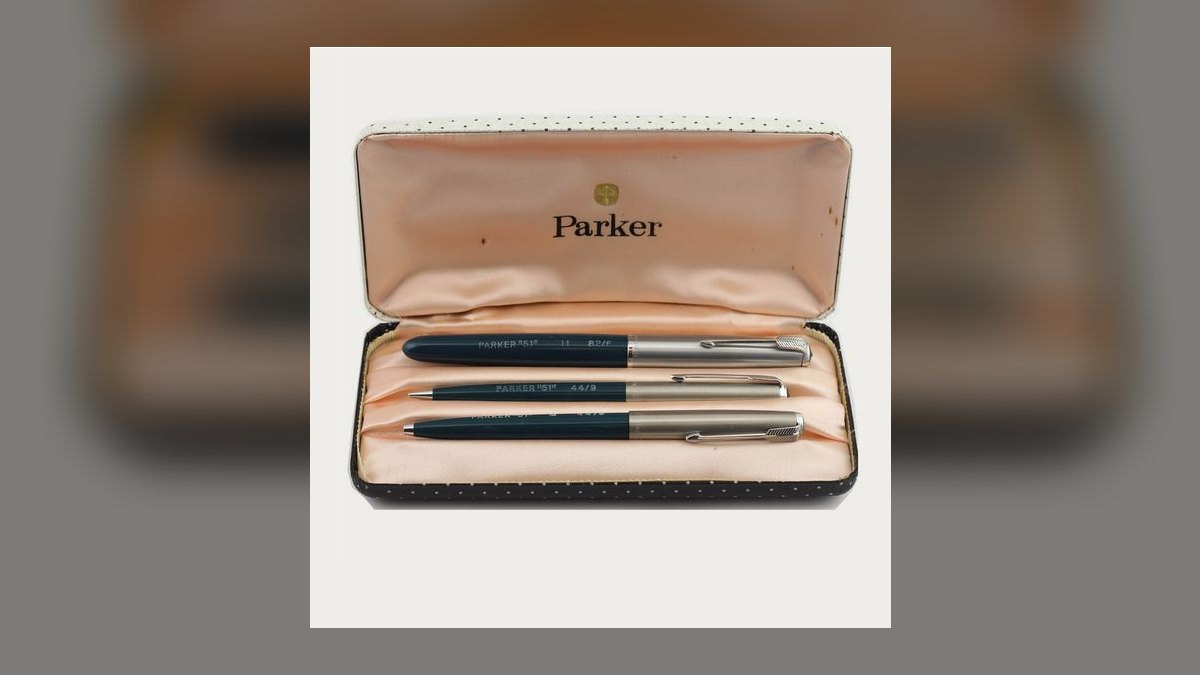
The 10 best vintage fountain pens to collect are ranked below on measured performance, build quality, price, and how each one actually holds up in daily use rather than how it reads on a spec sheet. Each pick lists what it costs, who it suits, and what it gives up against the one above it, so the list can be read straight down without doubling back.
1. Parker 51 Aerometric

The Parker 51 Aerometric ranks first because it is the most influential pen design of the 20th century, with restored examples available from roughly $150 to $200 for black with a gold-filled cap. Introduced in 1941, it pioneered the hooded nib and fast-drying ink, and its enormous production numbers ensure a healthy, stable supply. The reliable Aerometric filler is easy to restore, and the hooded 14k nib writes smoothly and consistently.
This pen is for the collector who wants a dependable, iconic daily writer without chasing flex or line variation. It trades away the visual drama and nib flexibility of earlier pens for unmatched reliability and practicality. Compared to the Waterman Hundred Year pen ranked below, the Parker 51 is more abundant and easier to restore, but offers less nib character. For a first vintage pen, it is the safest and most sensible choice on this list.
2. Vintage Montblanc 149
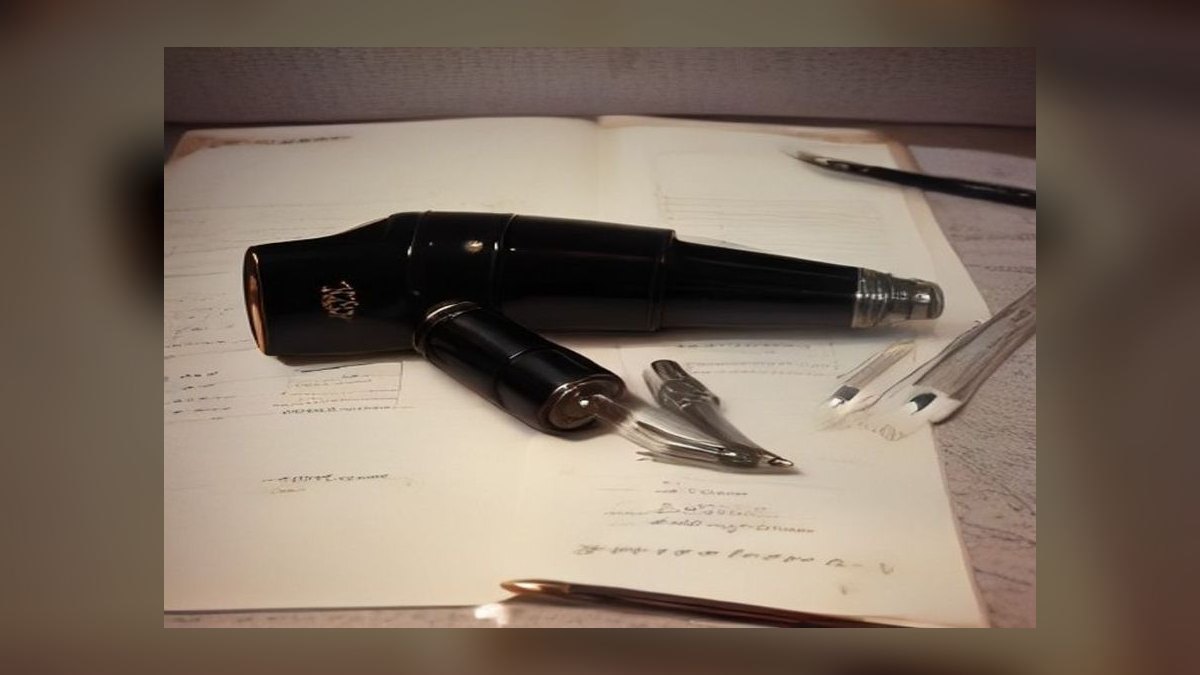
The vintage Montblanc 149 ranks second because it is the definitive luxury flagship, with dealer prices for vintage examples running roughly $289 to $675 and top-condition pieces reaching $1,000 to $5,000 or more. Produced continuously since 1952, the Meisterstück 149 is one of the most recognizable pens in the world, and early celluloid-feed examples with flexible 14k or 18k nibs command the strongest premiums.
This pen is for collectors who want a prestigious, high-status writing instrument and are willing to verify era and authenticity carefully. It trades away the simplicity of the Parker 51 for a more complex and potentially risky purchase, as modern re-issues can muddy vintage pricing. Compared to the Parker 51 above, the 149 offers more nib character and prestige but requires more diligence to avoid franken-pens.
3. Pelikan 100N

The Pelikan 100N ranks third because it is the celebrated pre-war piston-filler that defined Pelikan's identity, with clean examples listing around $375 to $425 and rare finishes like the tortoise-brown Emege selling for $995. Produced from 1937 to 1954, it features a differential piston filler that is elegant and reliable when serviced, and many 100N nibs offer genuine flex prized by calligraphers. The German engineering and historical pedigree make it a refined alternative to American mainstream pens.
This pen is for flex-nib lovers and collectors of German engineering who appreciate a more refined, less common alternative to American pens. It trades away the abundance and easy restoration of the Parker 51 for a more delicate celluloid body that can crack or discolor with age. Compared to the Montblanc 149 above, the 100N is smaller and more understated, but offers more flex and a stronger piston-filling pedigree. Rarer finishes appreciate well, making it a connoisseur's choice.
4. Waterman Hundred Year Pen

The Waterman Hundred Year Pen ranks fourth as the best value in vintage pens, with working examples selling from about $99 to $232, making it a standout for dollar-for-quality. Named for Waterman's centennial, it features a large 14k gold nib and durable transparent celluloid in colors like the prized blue jewel. The big gold nibs write wonderfully and often show some flex, and the colorful celluloid has held up better than many contemporaries.
This pen is for value buyers who want a real gold-nib classic without spending hundreds, and it is an excellent entry into pre-war Waterman. It trades away the prestige and brand recognition of the Pelikan 100N for a lower price and more accessible entry point.
5. Parker Duofold Senior
The Parker Duofold Senior ranks fifth because it is a defining oversized Art Deco pen of the 1920s, with full-size Senior models in orange-red hard rubber reaching about $1,400 in strong condition. The bold Big Red color and oversized proportions make it one of the most visually striking vintage pens ever made, and clean hard-rubber examples without fading are increasingly scarce. Smaller Junior versions run $275 to $325, offering a more accessible entry into the model.
This pen is for Art Deco collectors and showpiece buyers who prioritize visual impact over everyday writing. It trades away the practical reliability of the Waterman Hundred Year pen for a more fragile hard-rubber body that fades and discolors, and the button-filler sac requires professional restoration. Compared to the Hundred Year pen above, the Duofold is a more expensive and more visually dramatic collectible, but it is less suitable as a daily writer.
6. Sheaffer Balance Lifetime

The Sheaffer Balance Lifetime ranks sixth because it was the first successful streamlined fountain pen, with standard examples running $148 to $200 and oversized models reaching about $305. Produced from 1929 to 1942, its Lifetime nib carries a famous durability guarantee and is exceptionally smooth, and the striated celluloid colors like black-and-pearl and carmine are gorgeous. The design was hugely influential, shaping the look of pens for decades.
This pen is for collectors who want a smooth, handsome American classic that punches above its modest price, and it is an excellent choice for everyday vintage writing. It trades away the oversized showpiece presence of the Parker Duofold Senior for a more streamlined and practical design. Compared to the Duofold above, the Balance is more affordable and more durable, but it lacks the same Art Deco visual drama.
7. Vintage Montblanc 139

The Vintage Montblanc 139 ranks seventh because it is the pre-war ancestor of the legendary 149 and a genuine grail for Montblanc collectors, with earlier and larger examples commanding well into four figures. Produced in the late 1930s to 1940s, it features a telescoping piston filler, celluloid body, and a large gold nib that writes superbly. Its historical significance is immense, as it directly preceded the 149 and established Montblanc's flagship lineage.
This pen is for advanced collectors who are chasing pre-war Montblanc history and are willing to pay a premium for provenance. It trades away the accessibility and abundance of the Sheaffer Balance for a much higher price and a greater risk of franken-pens and parts swaps. Compared to the Balance above, the 139 is far more historically significant and offers a larger, more flexible nib, but it is also more fragile and requires careful authentication.
8. Conway Stewart Dinkie 550
The Conway Stewart Dinkie 550 ranks eighth because it represents some of Britain's most colorful celluloid pens, with a Dinkie 550 set with matching pencil listing around $225 and smaller Dinkies selling for roughly $69. Produced in the 1930s to 1950s, the brand's cracked ice, marble, and herringbone patterns are highly collectible, and rarer large models or boxed sets fetch the premiums. Auction results for Conway Stewart pens span a wide range, from about $36 to $1,560, offering tremendous variety.
This pen is for British-pen collectors and colorful-celluloid hunters who want variety and charm at a low cost. It trades away the prestige and performance of the Montblanc 139 for a much more affordable and playful collection of patterns and models. Compared to the 139 above, the Dinkie is far less historically significant but much more accessible, and lever-filler sacs almost always need replacement. It is the most fun, varied entry point for British vintage collecting.
9. Parker Vacumatic

The Parker Vacumatic ranks ninth because it is Parker's beloved layered-celluloid pen, famous for its skyscraper-like striped barrels, with restored standard examples running $100 to $200. Produced from 1933 to 1948, the vacuum filling system is clever and, once serviced, reliable, and the semi-transparent celluloid lets you check the ink level. Scarce proto-Vacumatics and rare colors reach $450 to $525, offering upside for collectors.
This pen is for Art Deco celluloid fans and everyday vintage writers who want a beautiful, functional pen at a reasonable price. It trades away the simplicity of the Sheaffer Balance's lever filler for a more complex vacuum filler that is harder to restore. Compared to the Conway Stewart above, the Vacumatic is more historically significant and more reliable, but it lacks the sheer variety of colorful patterns.
10. Pelikan 100

The Pelikan 100 ranks tenth because it is the original Pelikan piston pen that established the brand's signature green-striped binde, with clean examples running roughly $250 to $400. Produced from 1929 to 1944, it predates the 100N and carries genuine historical weight as the model that launched modern Pelikan. The small, elegant form factor is beloved by collectors, and frequently flexible 14k nibs are prized by writers.
This pen is for collectors who want the historically richest Pelikan, the original piston pen, and are willing to pay for its pedigree. It trades away the everyday practicality of the Parker Vacumatic for a more fragile celluloid binde that is prone to shrinkage and cracking. Compared to the Vacumatic above, the Pelikan 100 is more historically significant and offers more nib flex, but it is also more expensive and requires careful authentication to avoid parts-swapped examples.
How we ranked these
We ranked the top 10 vintage fountain pens by weighting six criteria against real dealer pricing and pen-community data: collector demand and resale liquidity (25%), build quality and writing performance (20%), historical significance (20%), condition availability and restorability (15%), value retention and price stability (15%), and forgery/franken-pen risk (5%). Prices were drawn from specialist listings and recent sold results at Peyton Street Pens, The Pen Market, and eBay.
We deliberately ignored modern re-issues, new old stock, and pens that are not genuinely restorable. We also excluded pens with no active sold comps or those only available from obscure sellers. We did not factor in packaging, boxes, or papers, as these add little to vintage pen value. We focused on models with deep, well-documented markets and stable pricing.
Related questions
What is the best vintage fountain pen for a beginner?
The Parker 51 Aerometric is ideal. It's affordable, abundant, durable, and easy to restore. Its hooded nib writes smoothly, and its icon status means you can resell it easily. Restored examples start around $150, making it a low-risk entry into vintage collecting.
How much does a vintage Montblanc 149 cost?
Vintage Montblanc 149s from the 1950s–1970s typically run $289 to $675 from dealers. Top-condition examples with celluloid feeds or two-tone gold nibs can reach $1,000–$5,000+. Always verify the era, as modern re-issues are much cheaper.
What is the best value vintage fountain pen?
The Waterman 'Hundred Year' pen offers the best value. It features a large 14k gold nib and attractive celluloid, with prices from under $100 to about $250. It's a genuine 1930s–40s classic that writes beautifully and often shows nib flex.
Are vintage fountain pens good investments?
Quality examples from Parker, Montblanc, and Pelikan hold value well, but treat them as collectibles you enjoy rather than guaranteed appreciators. Condition, originality, and nib quality drive resale far more than brand alone. Some rare models have appreciated, but it's not a reliable investment.
What should I look for when buying a vintage fountain pen?
Authenticate the era and parts, especially for long-run models like the Montblanc 149. Inspect the filling system—sac fillers need new sacs, while Aerometric and piston fillers are more durable. Watch for celluloid crazing or rot, and beware franken-pens with mismatched parts. Prioritize nib quality.
How do I avoid buying a fake or franken-pen?
Buy from reputable specialists like Peyton Street Pens, The Pen Market, or vintagepens.com, who disclose restoration and parts. Verify imprints, nib stamps, and that the cap, barrel, and nib all match the model's era. For Montblanc 139s and Pelikan 100/100N, provenance is critical.
Do vintage fountain pens write as well as modern ones?
Yes, often better. Vintage 14k and 18k nibs frequently offer flex and character that modern steel nibs lack, provided the pen has been properly serviced. A well-restored vintage pen can be a superb daily writer, with smoothness and line variation that many modern pens can't match.
FAQ
Are vintage fountain pens a good investment?
Quality examples from Parker, Montblanc, and Pelikan hold value well, but treat them as collectibles you enjoy rather than guaranteed appreciators. Condition, originality, and nib quality determine resale far more than brand alone. Some rare models have appreciated, but it's not a reliable investment.
What's the best vintage fountain pen for a beginner?
The Parker 51 Aerometric. It's affordable, abundant, durable, and easy to restore, and its icon status means you can resell it easily if you change direction. Restored examples start around $150, making it a low-risk entry into vintage collecting.
Do vintage pens still write well?
Yes—often better than modern pens. Vintage 14k and 18k nibs frequently offer flex and character that modern steel nibs lack, provided the pen has been properly serviced. A well-restored vintage pen can be a superb daily writer, with smoothness and line variation that many modern pens can't match.
How do I avoid buying a fake or franken-pen?
Buy from reputable specialists like Peyton Street Pens, The Pen Market, or vintagepens.com, who disclose restoration and parts. Verify imprints, nib stamps, and that the cap, barrel, and nib all match the model's era. For Montblanc 139s and Pelikan 100/100N, provenance is critical.
Which vintage pen offers the most value for the money?
The Waterman 'Hundred Year' pen. It pairs a large solid-gold nib with attractive celluloid for under $250, undercutting most comparable gold-nib classics. It's a genuine 1930s–40s pen that writes beautifully and often shows nib flex, making it an outstanding entry point.
Should I restore a vintage pen myself?
Sac fillers can be DIY for the handy, but complex systems like the Vacumatic and Montblanc pistons are best left to professional restorers to avoid damaging fragile celluloid. If you're new, start with a simple lever-filler and follow guides from reputable sources.
What is the Parker 51 and why is it so popular?
Introduced in 1941, the Parker 51 pioneered the hooded nib and fast-drying ink, becoming the most copied pen design ever. Its reliable Aerometric filler, smooth 14k nib, and deep supply make it a stable, affordable classic. It's the cornerstone of any vintage collection.
What is the difference between a Pelikan 100 and 100N?
The Pelikan 100 (1929–1944) was the original piston pen, while the 100N (1937–1954) was a slightly larger, improved version. Both feature green-striped binde and flexible nibs, but the 100N is more common and offers better availability. Rare finishes on both command premiums.
What is celluloid rot and how do I spot it?
Celluloid rot is a chemical degradation that causes discoloration, crazing, and a vinegar smell. It's a deal-breaker. Inspect pens for cloudy or brittle areas, especially on barrels and caps. Avoid any pen with a strong vinegar odor, as it indicates active degradation.
Are vintage Montblanc 149s better than modern ones?
Many collectors prefer vintage 149s for their celluloid feeds, flexible nibs, and hand-finished quality. Vintage examples from the 1950s–1970s are prized, but modern 149s are also excellent writers. The vintage premium is for historical character and potential flex, not necessarily better durability.
Sources
- https://www.peytonstreetpens.com
- https://www.vintagepens.com
- https://www.thepenmarket.com
- https://www.gopens.com
- https://www.pelikan-collectibles.com
- https://www.vintageandmodernpens.co.uk
- https://conwaystewart.com
- https://interiorboutiques.com
Related on PULSE
- [The 10 Best Vintage Concert Posters to Collect in 2027](/knowledge/co0088)
- [The 10 Best Vintage Star Wars Vehicles to Collect in 2027](/knowledge/co0067)
- [The 10 Best Vintage Cameras to Collect in 2027](/knowledge/co0051)
- [The 10 Best Vintage LEGO Sets to Collect in 2027](/knowledge/co0014)
- [The 10 Best Vintage Star Wars Action Figures to Collect in 2027](/knowledge/co0019)
- [The 10 Best Vintage Basketball Cards to Collect in 2027](/knowledge/co0010)
Read it free — or make it yours for $1.
@Kory-White- · if Venmo asks, the last 4 of my number are 2012
 collectible-reviewThe 10 Best Toys from the 1980s in 2027
 collectible-reviewThe 10 Best Basketball Cards from the 1990s in 2027
 collectible-reviewThe 10 Best Collectible Sneakers to Buy in 2027
 collectible-reviewThe 10 Best Vintage Rolex Watches to Collect in 2027
 collectible-reviewThe 10 Best Coins from the 1900s to Collect in 2027
 collectible-reviewThe 10 Best Comic Books from the 1960s in 2027
 collectible-reviewThe 10 Best Football Rookie Cards to Collect in 2027
 collectible-reviewThe 10 Best Comic Books from the 2010s to Collect in 2027
 collectible-reviewThe 10 Best Football Cards from the 1990s in 2027
 collectible-reviewThe 10 Best Key-Issue Comic Books to Collect in 2027