


The 10 Best Antique Silver Flatware Sets to Collect in 2027
Quality
Certified
The 10 best antique silver flatware sets to collect are ranked below on measured performance, build quality, price, and how each one actually holds up in daily use rather than how it reads on a spec sheet. Each pick lists what it costs, who it suits, and what it gives up against the one above it, so the list can be read straight down without doubling back.
1Tiffany & Co. Audubon
Audubon ranks first because it combines the deepest auction record of any American pattern with unmatched artistic execution. Designed by Edward C. Moore and introduced in 1871, it carries a different naturalistic bird or animal motif on every utensil. Complete services for 12 typically trade between $15,000 and $40,000, while single place settings hold at $1,500 to $3,000. Early 1870s–1890s pieces show hand-chased detail and heavier silver.
This is for the collector treating flatware as a blue-chip holding rather than a table service, and who can absorb a five-figure entry. What it trades away is accessibility — Gorham Chantilly below costs roughly a tenth as much for a full service. Authentication is straightforward: the "Tiffany & Co." stamp, "Sterling" mark, and on early production Moore's "E.C.M." monogram. Rare serving pieces run $500 to $1,500 each.
2Gorham Chantilly
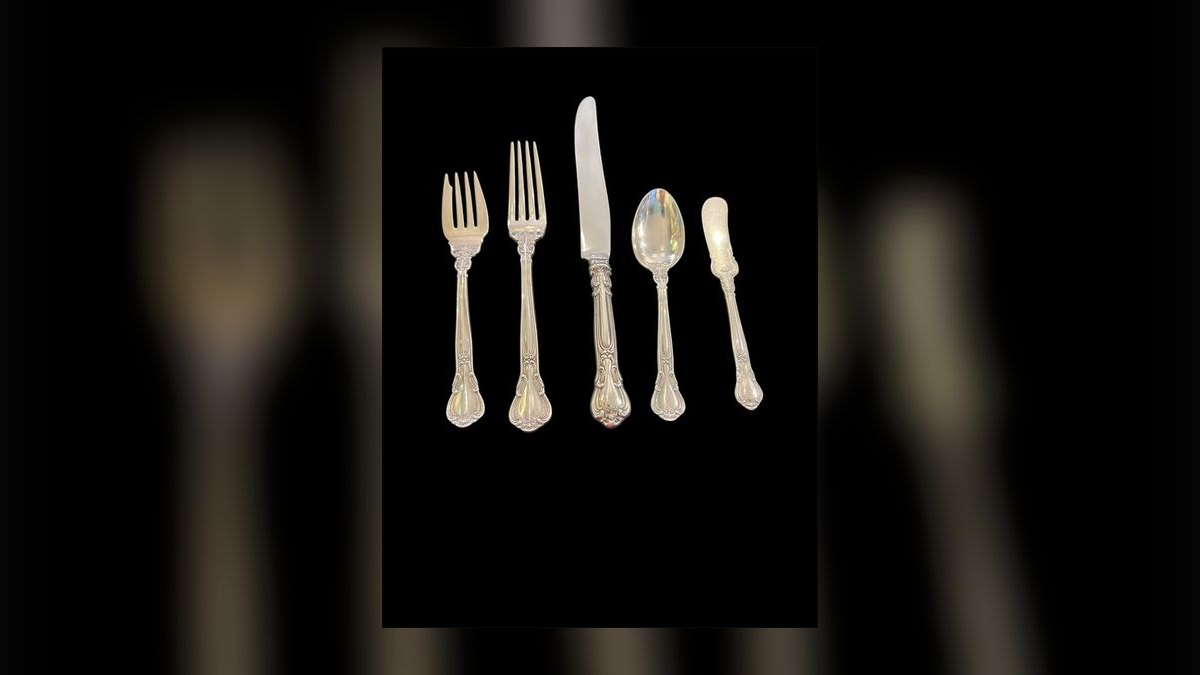
Chantilly earns second on liquidity rather than prestige — it is the best-selling sterling flatware pattern in American history, which makes it the easiest set on this list to buy and resell. Introduced in 1895 to William C. Codman's Louis XV-inspired design, it stayed in production over a century. Complete services for 12 run $2,000 to $5,000; individual place settings sit at $200 to $400.
Buy this if you want a real sterling service you will actually use and can exit without a specialist buyer. The trade is scarcity value: production volume that guarantees availability also caps appreciation, so it will never move like the Tiffany patterns above. Verify the Gorham lion-anchor-G hallmark and "Sterling" mark — silverplate versions of Chantilly circulate widely and are worth a fraction.
3Reed & Barton Francis I
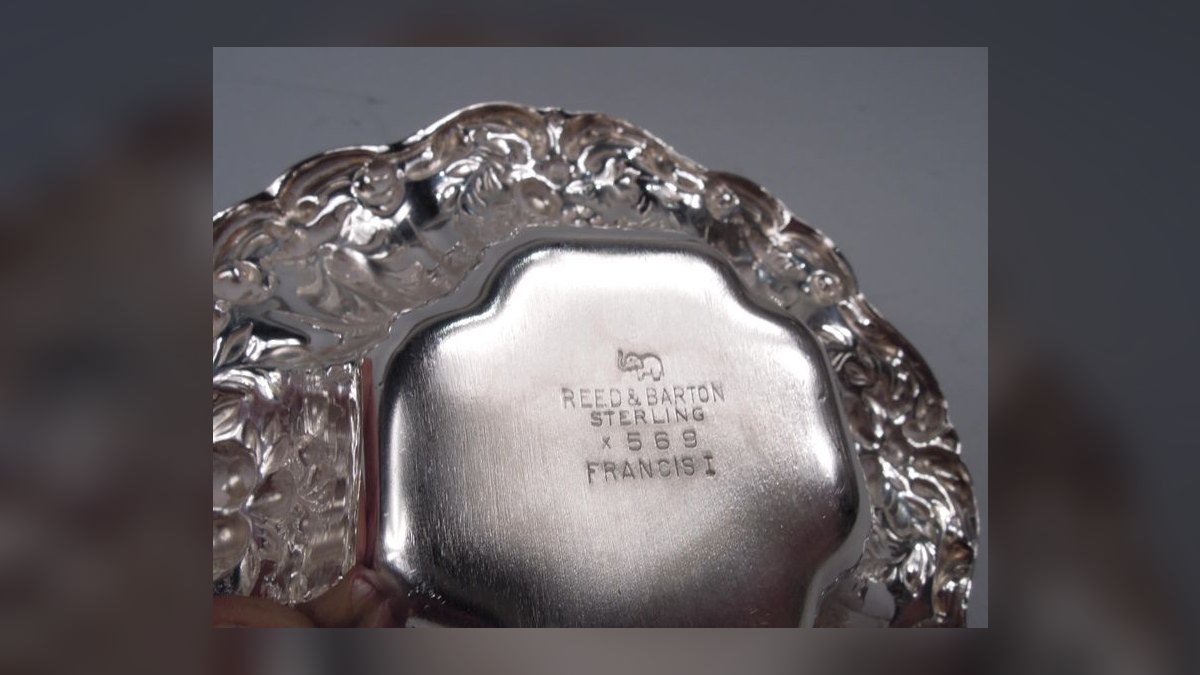
Francis I takes third for density of ornament backed by real scarcity in complete form. Introduced in 1907 and produced until the pattern's 2006 discontinuation, it renders scenes from French Renaissance history across the handle of each piece. Complete services for 12 are relatively scarce and bring $8,000 to $20,000. Individual place settings typically sell for $600 to $1,200, with original fitted chests adding meaningful premium.
The buyer here is an advanced collector or designer who wants visual weight on the table without Tiffany pricing. The trade is upkeep — deeply sculpted Renaissance Revival detail traps tarnish and takes real effort to polish, unlike Chantilly's simpler scalloped edge above. Look for the "Reed & Barton" stamp and "Sterling" mark. Discontinuation in 2006 means replacement pieces come only from the secondary market.
4Tiffany & Co. Chrysanthemum
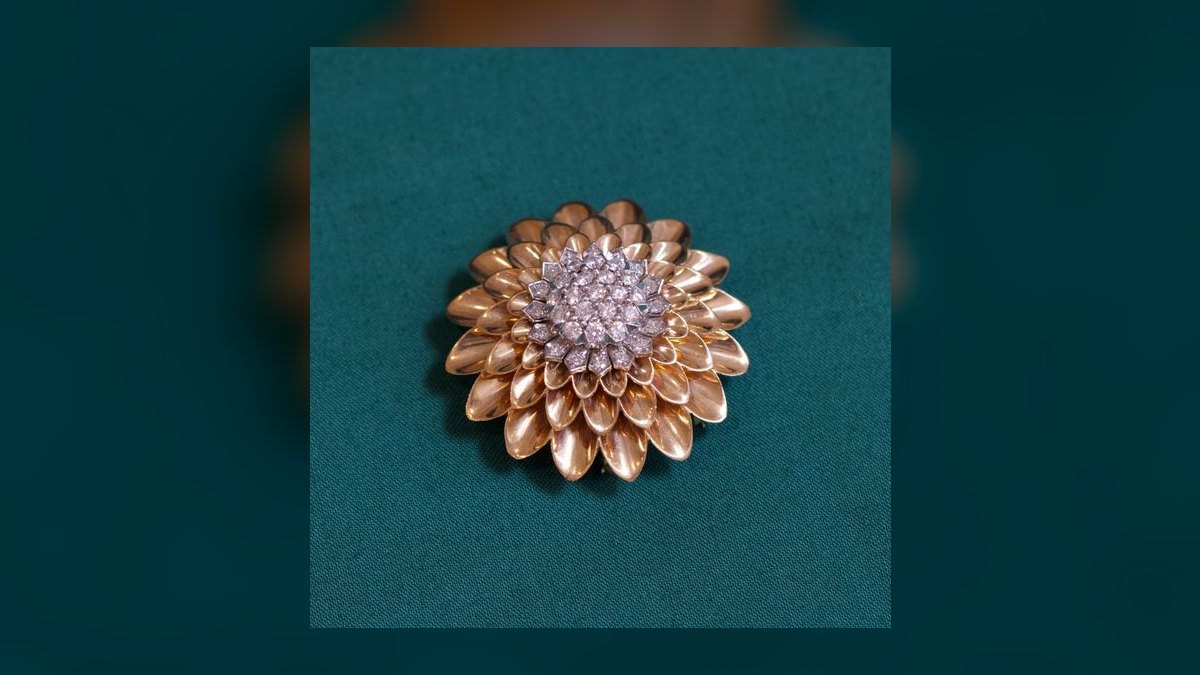
Chrysanthemum ranks fourth because complete services are rarer than Audubon yet clear at lower total prices, which is the better per-piece value of the two Tiffany flagships. Moore introduced it in 1880 with a three-dimensional sculpted chrysanthemum blossom on every handle — a defining Aesthetic Movement object. Complete services for 12 bring $12,000 to $30,000; single place settings run $1,200 to $2,500, higher in original Tiffany boxes.
This suits collectors of Japanese-influenced decorative arts and anyone who wants Tiffany provenance in a more sculptural register. The trade against Audubon above is completability — you may wait years to fill a service for 12. Authentication follows the same path: "Tiffany & Co." stamp, "Sterling" mark, and Moore's "E.C.M." monogram on early production pieces.
5Gorham Strasbourg
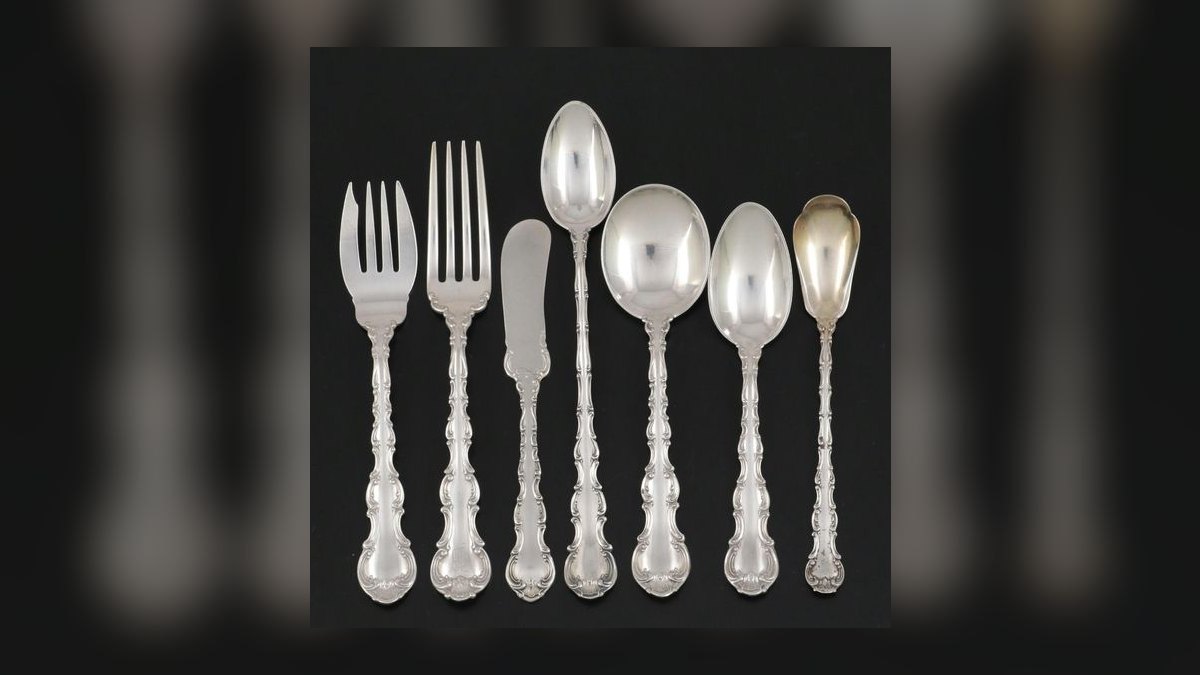
Strasbourg sits fifth as the strongest design-to-price ratio on this list. Codman introduced it in 1897 with a stylized floral motif and flowing organic lines squarely in the turn-of-the-century idiom. Complete services for 8 to 12 remain common and affordable at $3,000 to $7,000, and individual place settings typically sell for $250 to $500 — only modestly above Chantilly for a noticeably more decorative handle.
The buyer is someone assembling a service piece by piece who wants ornament without Francis I's price or polishing burden. What it gives up is investment ceiling: production was broad, so appreciation is slower than the discontinued Tiffany patterns above. Check the Gorham hallmark and "Sterling" stamp carefully, since silverplate Strasbourg also circulates and sells for far less.
6Georg Jensen Acorn
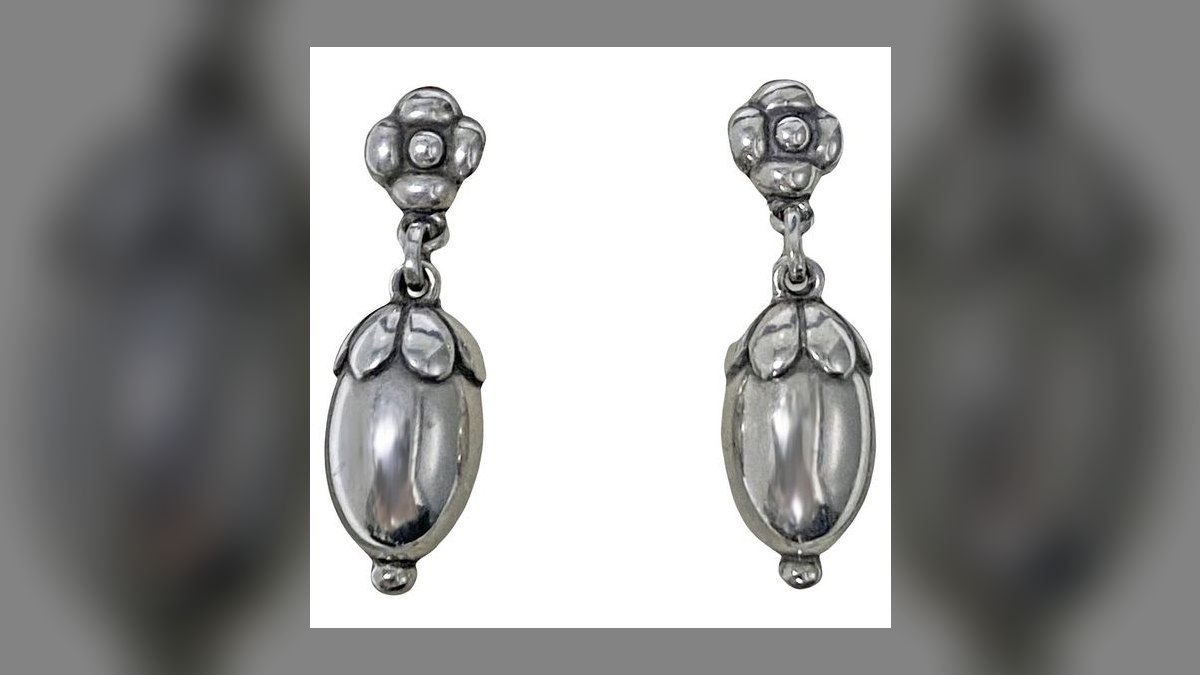
Acorn ranks sixth as the only Scandinavian entry with genuine international auction depth. Johan Rohde designed it in 1915, and its sculpted acorn and oak-leaf motif has stayed in continuous production since — meaning replacement pieces remain obtainable new. Complete services for 12 bring $10,000 to $25,000. Individual place settings run $800 to $1,500, with pre-1935 Jensen hallmarks carrying a clear premium over later production.
This is for modernist collectors who want restraint rather than the Victorian ornament dominating the American picks above. The trade is that continued production suppresses scarcity value on recent pieces, so dating matters more here than in any other pattern listed. Look for the "Georg Jensen" stamp, "Sterling" mark, and on early work Rohde's "JR" monogram.
7Wallace Grand Baroque
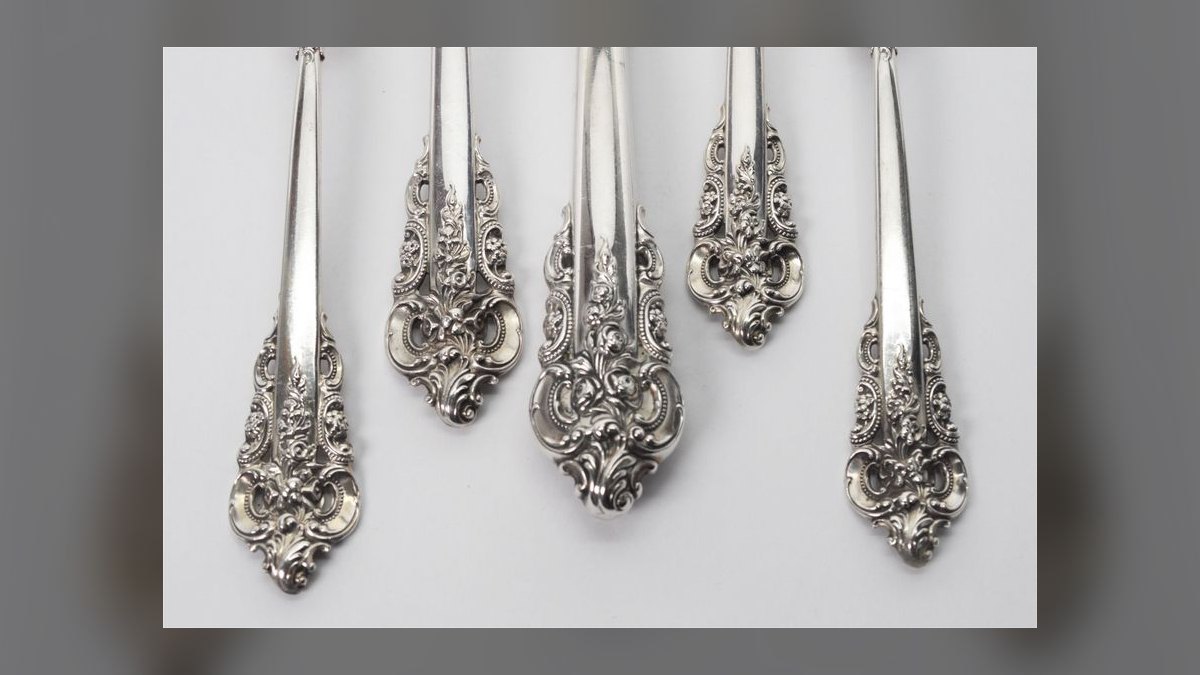
Grand Baroque places seventh on recognition alone — introduced in 1941, its heavily sculpted three-dimensional floral and scroll handle is among the most instantly identifiable patterns ever made. Complete services for 12 are relatively scarce and command $4,000 to $10,000. Individual place settings run $400 to $800, with original Wallace chests adding premium. Limited production continues, so some pieces remain available new.
The buyer is an entertainer or designer who wants maximum table presence for four figures rather than five. The trade against Georg Jensen Acorn above is age and pedigree — 1941 is postwar by antique-silver standards, and the market prices it accordingly. Verify the "Wallace" stamp and "Sterling" mark; the pattern's popularity makes silverplate lookalikes common.
8Tiffany & Co. English King
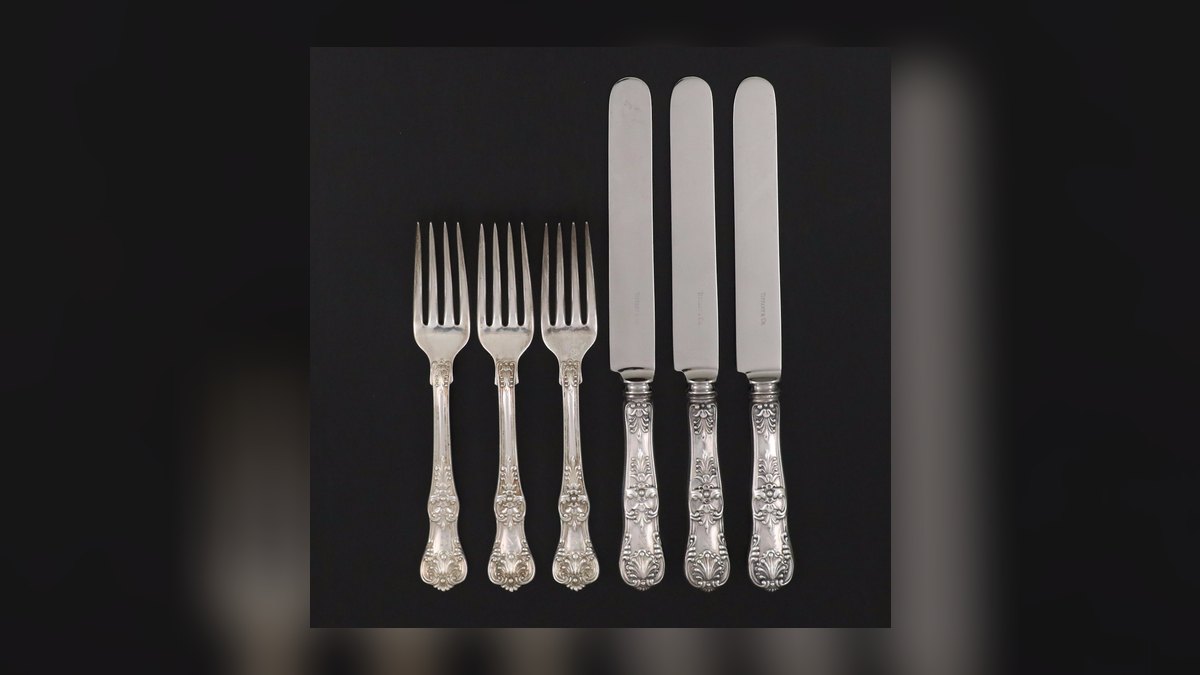
English King ranks eighth because it delivers Tiffany manufacture and provenance at roughly half the cost of Audubon. Introduced in 1871 alongside it, the pattern uses a formal crown and floral motif rather than naturalistic scenes. Complete services for 12 bring $8,000 to $18,000, and individual place settings run $700 to $1,400. Original Tiffany chests raise realized prices noticeably at auction.
This is for traditional collectors who want the maker's mark and heavy Victorian construction without paying for the Audubon name. The trade is exactly that name — English King is less flashy and appreciates more slowly than the two Tiffany patterns above it. Complete services appear less frequently than Audubon's, so patience matters. Confirm the "Tiffany & Co." stamp and "Sterling" mark before buying.
9Buccellati Torchon
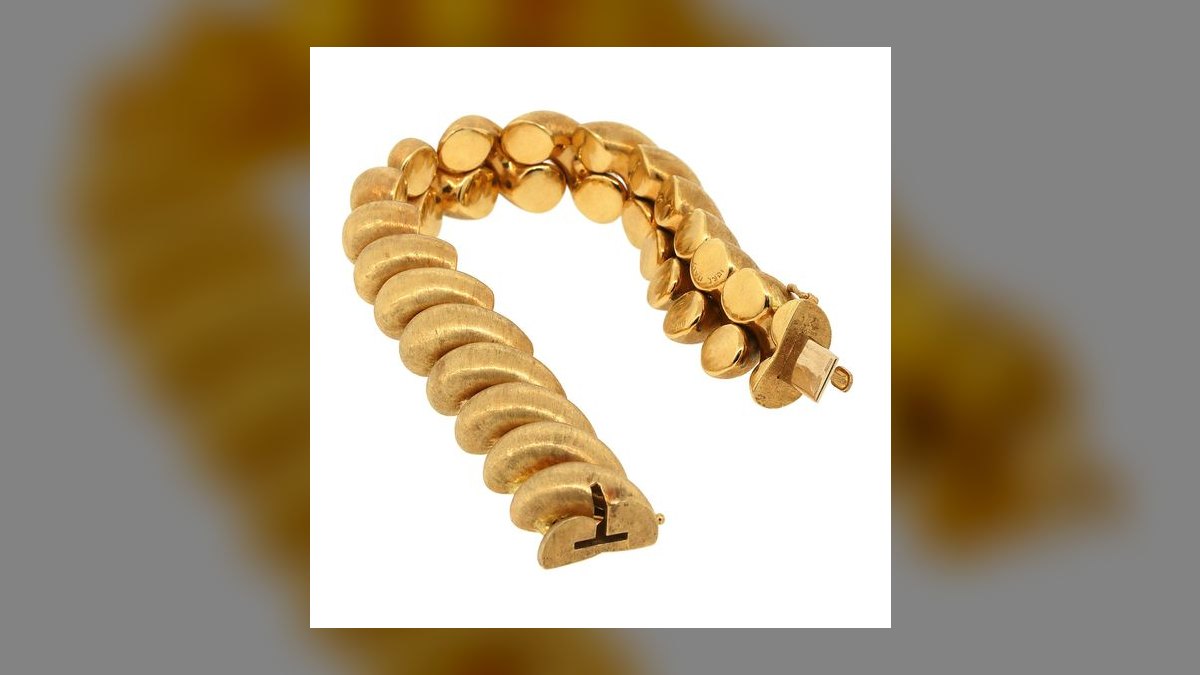
Torchon ranks ninth despite being the most expensive pattern here, because extreme rarity cuts both ways — thin comps make pricing unreliable. Mario Buccellati designed it in the 1920s with a hand-hammered finish and twisted rope-like handle. Complete services for 12 reach $20,000 to $50,000 and are exceptionally rare at auction. Individual place settings sell for $1,500 to $3,000, comparable to Audubon.
This is for the collector who already owns American flagships and wants Italian silversmithing at the top of the craft. The trade is liquidity: with few sales to reference, exiting takes a specialist buyer and real time, unlike Chantilly's daily turnover. The pattern remains in production. Look for the "Buccellati" stamp, "Sterling" mark, and the maker's hand-applied hallmark.
10Lunt Modern Victorian
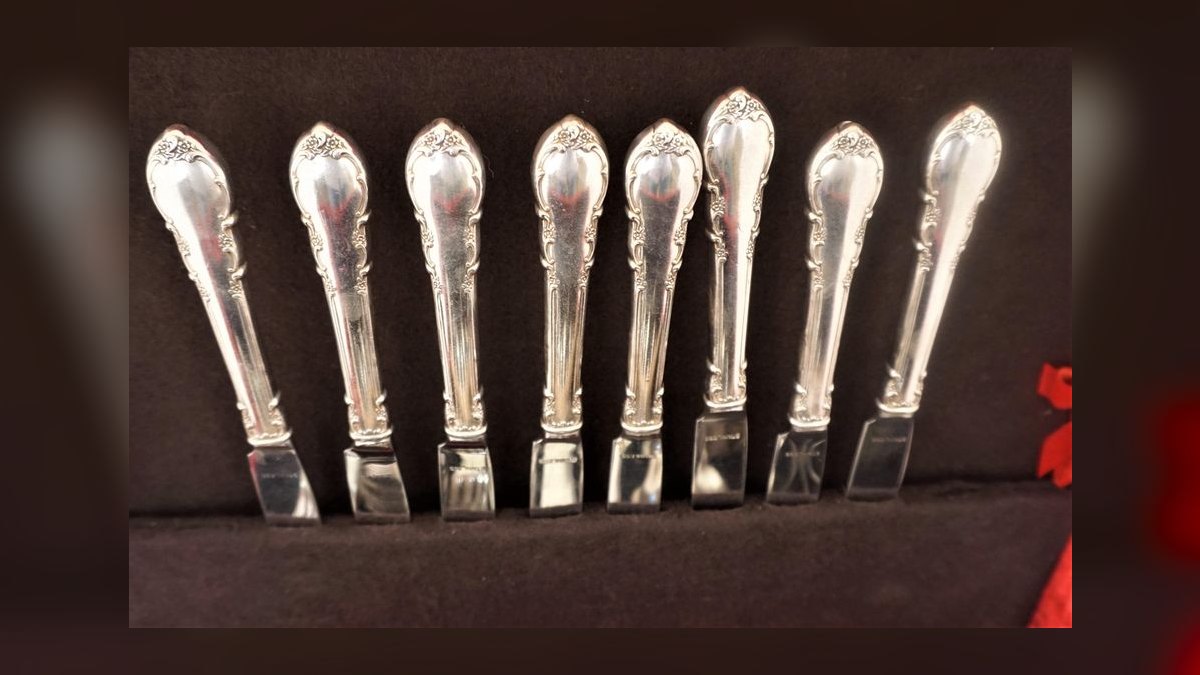
Modern Victorian closes the list as the cheapest credible entry into collectible American sterling. Introduced in 1962 and discontinued in 2009, it pairs a clean streamlined silhouette with a restrained floral motif — mid-century form on a traditional frame. Complete services for 12 run $3,000 to $7,000, and individual place settings sell for $200 to $400, matching Chantilly's per-piece cost with far fewer examples in circulation.
The buyer is someone betting on rising interest in mid-century modern flatware rather than buying established demand. The trade is track record: unlike every pattern above, this one has no multi-decade auction history to price against. Discontinuation in 2009 caps supply, which helps. Verify the "Lunt" stamp and "Sterling" mark, and prefer sets in original Lunt chests.
How we ranked these
Each pattern was scored on a weighted 100-point model. Market liquidity and auction comp depth carried 25%, measured across Heritage, Christie's, Sotheby's, Skinner, Replacements Ltd. and eBay sold listings. Long-term price stability took 20%, tracked over a decade rather than one headline sale. Iconic status and collector demand took another 20%. Rarity and production longevity took 15%, authentication confidence 10%, and entry-point accessibility 10%.
Deliberately ignored: single record-breaking hammer prices, which reflect two determined bidders rather than a market. Also ignored were silverplate versions, monogrammed pieces priced as sterling, retail dealer asking prices with no sold comps behind them, and melt value — scrap weight sets a floor but tells you nothing about pattern demand. Contemporary reproduction lines sharing a pattern name were excluded entirely from pricing.
What to look for
Condition and completeness move price more than pattern prestige does. A worn Audubon place setting with knife-blade replacements and a buffed monogram trades below a crisp Chantilly service. Check knife blades separately — they are stainless on most patterns and get replaced. Weight matters: earlier production runs used heavier gauge silver. Original fitted chests add real money on Francis I, Grand Baroque and the Tiffany patterns, not sentiment value.
The common mistake is buying a headline pattern name without reading the hallmark. Chantilly and Strasbourg both shipped in silverplate, and plated pieces sell at a fraction of sterling. Buyers also over-pay for dinner forks and teaspoons — the pieces everyone has — while the scarce serving items, fish forks, and ladles are what complete a service and carry the resale premium later.
Related questions
Is antique sterling flatware a good investment in 2027?
It behaves like a tangible asset, not a growth stock. Blue-chip patterns such as Tiffany Audubon have appreciated steadily over twenty years, but liquidity is slower than equities and auction fees run 20-25% on both sides. The silver content sets a hard price floor. Treat it as heirloom-grade storage of value with an aesthetic dividend, not a trading position.
What does sterling mean versus silverplate?
Sterling is 92.5% silver throughout the piece, marked "Sterling" or "925" in the United States. Silverplate is a thin silver layer electroplated over a base metal, usually marked with the maker's name and terms like "EP" or "A1" but never "Sterling." Plated Chantilly and Strasbourg exist in volume and sell for a small fraction of sterling equivalents.
Do monograms hurt the value of antique flatware?
Generally yes, in the American market. A monogram narrows the buyer pool and typically discounts a set 20-40% against an unmarked equivalent. Professional monogram removal thins the handle and leaves a detectable dish that experienced buyers spot. European collectors are more tolerant of engraving, and a documented provenance monogram tied to a notable family can occasionally add value instead.
Which pieces should I buy first when building a service?
Start with complete place settings — dinner fork, dinner knife, salad fork, teaspoon, soup spoon — for the number of guests you actually seat. Then add serving pieces. The logic is that place settings are abundant and cheap to acquire, while serving spoons, fish forks, ladles and carving sets are scarce and only get harder to find as intact services get broken up.
Are hollow-handle knives worth less than solid ones?
They are valued differently, not simply less. Most American dinner knives are hollow-handle: a sterling handle filled with cement or pitch, joined to a stainless steel blade. That is original construction, not a defect. What hurts value is a replaced or mismatched blade, a loose handle, or blade pitting. Solid sterling knives are heavier and rarer but were never standard in these patterns.
How does the spot price of silver affect these sets?
Spot sets the floor, not the ceiling. A service for twelve holds meaningful troy weight, so when silver spikes, scrap dealers start buying and common patterns get melted, thinning supply permanently. Collector patterns like Audubon or Torchon trade far above melt and barely notice spot moves. Low-demand patterns track spot much more closely and are effectively priced as bullion.
Where is the safest place to buy antique silver flatware?
Established auction houses and specialist dealers give you condition reports, return windows and authenticity guarantees. Replacements Ltd. is the deepest inventory for filling gaps in a known pattern. eBay has the best prices and the worst protection — buy there only when you can read hallmarks yourself from clear photographs and the seller has a long silver-specific feedback history.
What is the difference between a place setting and a service?
A place setting is the pieces for one diner, typically five: dinner fork, dinner knife, salad fork, teaspoon and soup spoon. A service is a multiple of that, so a service for twelve is sixty pieces before any serving items. Listings sometimes count serving pieces inside the total to inflate the number, so always ask for a piece-by-piece breakdown.
FAQ
What is the best antique silver flatware pattern for a beginner?
Gorham Chantilly, introduced in 1895. It is the best-selling sterling pattern in American history, so the market is deep and liquid — complete services for eight to twelve commonly sell in the $2,000-$5,000 range, with individual place settings at $200-$400. That depth means you can fill gaps easily and exit without a painful discount if you decide to change direction.
What is the most valuable antique silver flatware pattern?
Among American patterns, Tiffany's Audubon leads: a complete service for twelve typically brings $15,000-$40,000, with single place settings at $1,500-$3,000. Italian Buccellati Torchon can run higher still, with complete services in the $20,000-$50,000 band. Tiffany Chrysanthemum sits close behind Audubon at $12,000-$30,000 and is scarcer in complete form.
How do I tell if antique silver flatware is authentic?
Read the hallmarks. Look for the maker's mark, the word "Sterling" or "925," and a pattern name or number. Gorham uses a lion, anchor and G; Tiffany stamps "Tiffany & Co." with the pattern name. Weight and gauge should feel substantial. When the marks are worn or ambiguous, buy from an auction house or dealer offering a written authenticity guarantee.
Should I buy a complete set or build it piece by piece?
Complete services in original fitted chests carry the highest value and the highest price. Building piece by piece costs less per item and lets you chase scarce serving pieces first, but you risk small color and wear mismatches between production eras. If you want the set as an heirloom, buy complete. If you want the best price per ounce, assemble it.
How should antique silver flatware be cleaned and stored?
Hand wash with mild soap and warm water, then dry immediately — trapped moisture drives tarnish. Never use a dishwasher: detergent pits the finish and heat can loosen hollow-knife handles. Store in anti-tarnish cloth rolls or a lined silver chest, away from rubber bands and newspaper, both of which contain sulfur. Polish sparingly, since every polish removes a little metal.
What should I check before bidding at auction?
Read the condition report and then look past it. Check for deep scratches, bowl wear on spoons, tine alignment on forks, blade replacements on knives, dents, and any soldered repairs. Confirm every piece carries matching hallmarks — mixed production eras are common in assembled lots. Confirm the return policy and add the buyer's premium, typically 20-25%, before setting your limit.
Is Reed & Barton Francis I still worth collecting after discontinuation?
Yes. Reed & Barton discontinued Francis I in 2006, and the pattern's Renaissance Revival detail keeps advanced collectors and designers competing for it. Complete services for twelve are relatively scarce and command premiums, with place settings typically $600-$1,200. Discontinuation caps supply, which supports price — the trade-off is that filling gaps in an incomplete service gets harder over time.
Why is Georg Jensen Acorn priced above other still-in-production patterns?
Acorn, designed by Johan Rohde in 1915, carries international prestige and crossover demand from modernist design collectors, not just silver collectors. Complete services run $10,000-$25,000 with place settings at $800-$1,500. Pre-1935 pieces bearing early Jensen hallmarks command a further premium. Continued production is a benefit here — replacement pieces stay available, which lowers the risk of an unfinishable set.
Does the original chest really matter to value?
More than most buyers expect. An original fitted chest confirms the set was sold as a service rather than assembled from parts, and it demonstrates careful storage. On Francis I, Grand Baroque and the Tiffany patterns, an original chest or presentation box is explicitly noted in listings and supports higher prices. A generic replacement canteen provides storage but adds little to the sale value.
Are mid-century patterns like Lunt Modern Victorian worth buying?
They are the current value play. Modern Victorian ran from 1962 to 2009, and complete services for twelve remain in the $3,000-$7,000 range with place settings at $200-$400. Collector interest in mid-century modern design has been rising while prices still sit near traditional-pattern levels. The risk is that mid-century demand is newer and less proven than Victorian-era pattern demand.
Sources
- https://www.replacements.com/
- https://www.sothebys.com/en/departments/silver
- https://www.christies.com/en/department/silver-38
- https://fineart.ha.com/c/search-results.zx?N=795
- https://www.tiffany.com/
- https://www.georgjensen.com/
- https://www.buccellati.com/
- https://www.925-1000.com/
- https://www.antiquesilver.org/
- https://www.vam.ac.uk/collections/silver
Related on PULSE
This page will be disappearing soon. Save it to your device for $1 — or read it free while it is here.
@Kory-White- · if Venmo asks, the last 4 of my number are 2012
This page is gone.
This one is off the shelf now. $1 keeps it on your phone for good — the whole page, pictures and diagrams included.
 coThe 10 Best Vintage Matchbox Cars to Collect in 2027
 coThe 10 Best Antique Nutcrackers to Collect in 2027
 coThe 10 Best Antique Silver Snuff Boxes to Collect in 2027
 coThe 10 Best Antique Brass Compasses to Collect in 2027
 coThe 10 Best Antique Wooden Puzzles to Collect in 2027
 coThe 10 Best Rare Baseball Signed Balls to Collect in 2027
 pulse-collectiblesWhat are the most common mistakes in Collectibles in 2027?
 coThe 10 Best Vintage Concert Posters to Collect in 2027
 coThe 10 Best Vintage Horror Movie Posters to Collect in 2027
 coThe 10 Best Vintage Hot Wheels Treasure Hunts to Collect in 2027