
Top 10 Luxury Real Estate Markets in 2027
 Curated byKory White · Fractional CRO · Maryland
 PULSEKNOWLEDGE LIBRARY
<!--HERO-->
Read the full article free — or download it for $1 and it’s yours forever.The Best Overall luxury real estate market in 2027 is Palm Beach, Florida, where waterfront estates routinely trade from $10M to north of $100M, fueled by no state income tax, a wave of finance and hedge-fund relocations, and the most constrained luxury inventory in the country.
The Best Value pick is Scottsdale, Arizona, where high-end estates in Paradise Valley and Silverleaf run $3M–$8M — a fraction of comparable coastal-California money — with a low flat 2.5% income tax and strong appreciation. This list is for affluent buyers and investors seeking trophy properties that hold value, ranging from a $3M desert estate to a $100M+ oceanfront compound. Every market below uses real 2026–2027 luxury price benchmarks and current demand drivers.
How We Ranked the Top 10
We weighted each market on the factors that drive trophy-home value and protect it: price strength, tax climate, supply scarcity, and buyer demand. We drew on Mansion Global, Robb Report, Redfin luxury data, Zillow, and local MLS sources. The weighting:
- Appreciation and price strength — 25%
- Tax climate and wealth migration — 20%
- Inventory scarcity and exclusivity — 20%
- Lifestyle and amenities — 15%
- Liquidity at the high end — 10%
- Long-term resale demand — 10%
A market with flashy listings but weak resale, or beauty but punishing taxes, drops fast. The winners pair scarcity, demand, and a friendly tax climate.
1. Palm Beach, Florida 🏆 BEST OVERALL
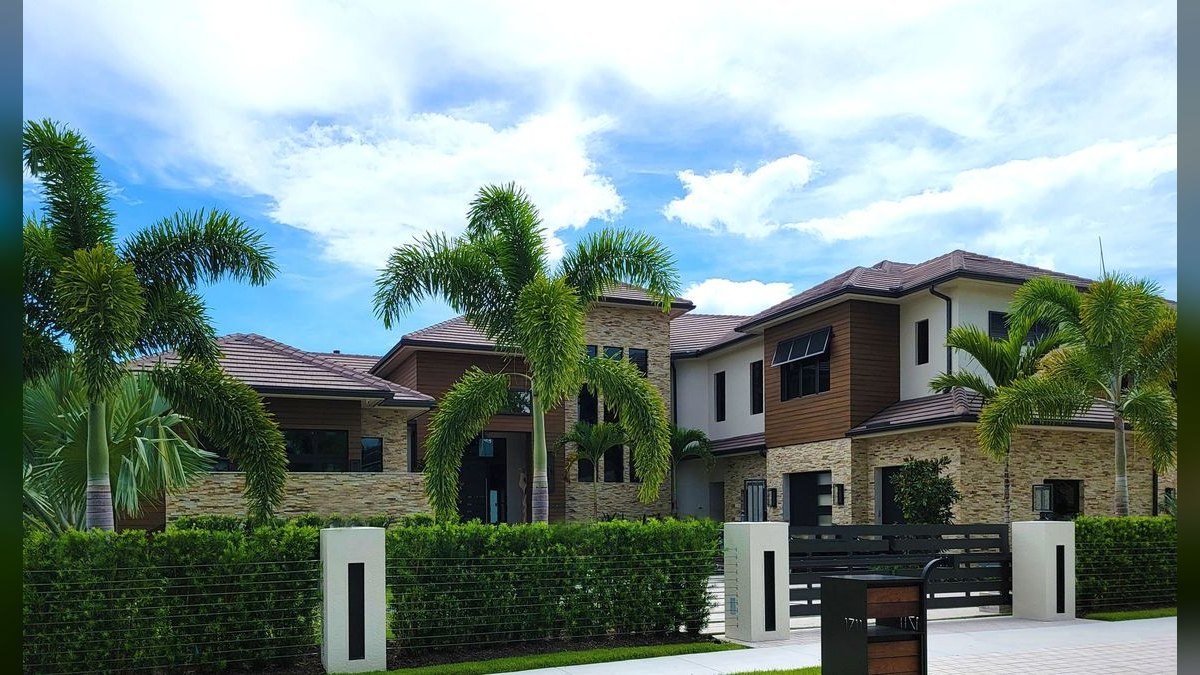
Type: Market | Entry price: $10M | Best for: Ultra-wealthy buyers seeking a tax-friendly trophy market
Palm Beach is the strongest luxury market in the country. The barrier island's waterfront estates trade from $10M to over $100M, and the record sales here — including nine-figure oceanfront compounds — keep climbing as hedge funds, private-equity firms, and family offices relocate from the Northeast. Florida's lack of state income tax is the magnet, and the island's fixed supply of roughly a few thousand homes makes scarcity absolute. Inland West Palm Beach has become the new financial corridor, pulling demand and pricing upward across the region.
Pros:
- No state income tax draws ultra-high-net-worth migration
- Fixed island supply guarantees extreme scarcity
- Record-setting $100M+ oceanfront sales
- Booming West Palm finance corridor supports demand
Cons:
- Entry into the prime island market starts around $10M
- Hurricane insurance costs are significant at this tier
Verdict: Palm Beach wins on scarcity, tax climate, and wealth migration — the strongest trophy market in America.
2. Scottsdale, Arizona 💎 BEST VALUE

Type: Market | Entry price: $3M | Best for: Buyers who want luxury without coastal-California pricing
Scottsdale delivers the most luxury per dollar. Estates in Paradise Valley, Silverleaf at DC Ranch, and Desert Mountain run $3M–$8M for homes that would cost three times as much in Los Angeles or Aspen. Arizona's low flat 2.5% income tax and dry, sunny climate draw wealthy retirees and remote executives, while world-class golf and spa amenities anchor the lifestyle. Strong in-migration and limited high-end inventory have driven steady double-digit appreciation in the top communities.
Pros:
- Estates from $3M — a fraction of coastal pricing
- Low flat 2.5% state income tax
- World-class golf and resort amenities
- Strong appreciation from wealth in-migration
Cons:
- Extreme summer heat limits peak-season use
- Long-term water supply is a regional question
Verdict: Scottsdale is the value champion — genuine luxury and low taxes at a fraction of coastal money.
3. Aspen, Colorado
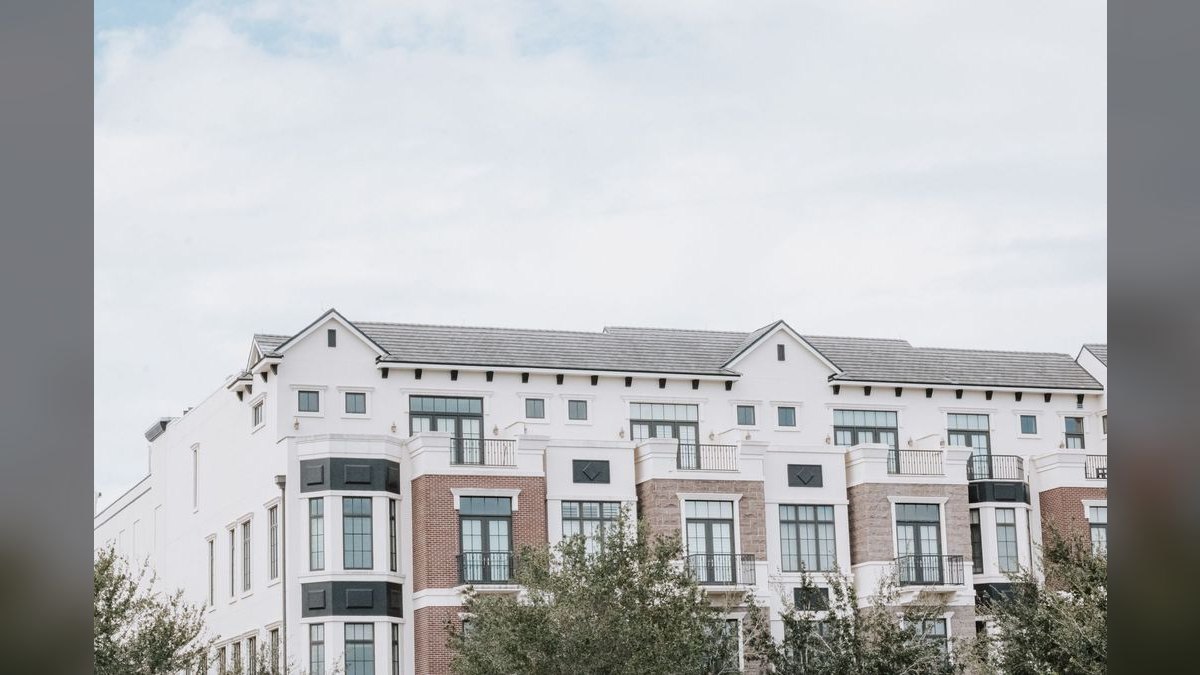
Type: Market | Entry price: $8M | Best for: Buyers who want the most exclusive ski market in the U.S.
Aspen is the priciest ski market in America, with a median sale price above $10M and trophy ski-in/ski-out homes trading from $15M to $75M+. Supply is severely constrained by surrounding national forest and strict development limits, so scarcity is permanent. The buyer pool is global, and the brand draws billionaires for both winter ski season and a packed summer calendar of festivals and culture, giving year-round demand and resilience that few resort markets match.
Pros:
- Permanent scarcity from development limits
- Global billionaire buyer pool
- True four-season demand, winter and summer
- Among the strongest resort appreciation records
Cons:
- Entry pricing is among the highest in the nation
- Very thin inventory means long search timelines
Verdict: The pinnacle ski market — best for buyers who want the most exclusive mountain address in America.
4. Miami, Florida
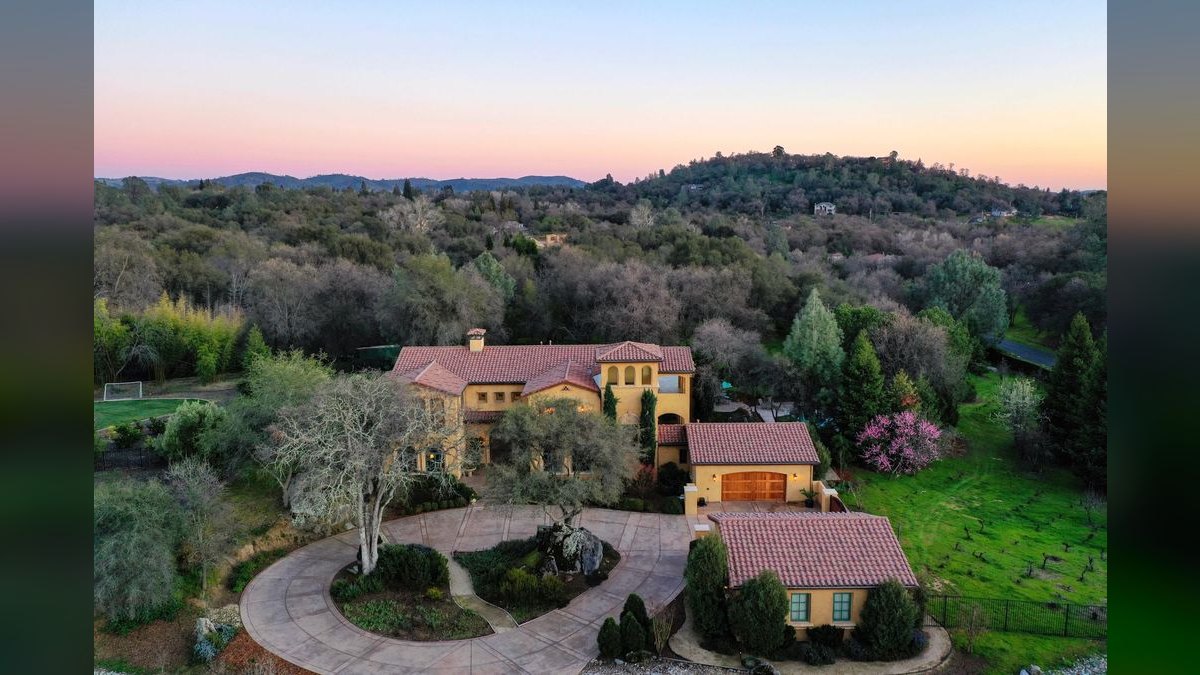
Type: Market | Entry price: $4M | Best for: Buyers who want waterfront, finance proximity, and international demand
Miami has become a global financial and luxury hub. Waterfront homes on Star Island, Indian Creek, and Miami Beach trade from $5M to over $100M (Indian Creek is nicknamed the "Billionaire Bunker"), while luxury condos in Brickell and Sunny Isles start near $2M–$4M. Florida's no income tax, a surge of relocating finance and tech firms, and heavy international and Latin American demand make Miami one of the most liquid luxury markets in the country.
Pros:
- No state income tax plus heavy finance relocation
- Strong international and Latin American buyer demand
- Iconic waterfront enclaves like Indian Creek
- Deep luxury-condo market for easier entry
Cons:
- Climate and flood exposure weigh on long-term risk
- Condo insurance and assessments have risen sharply
Verdict: A global liquidity leader — best for buyers who want waterfront and an internationally traded market.
5. Los Angeles, California
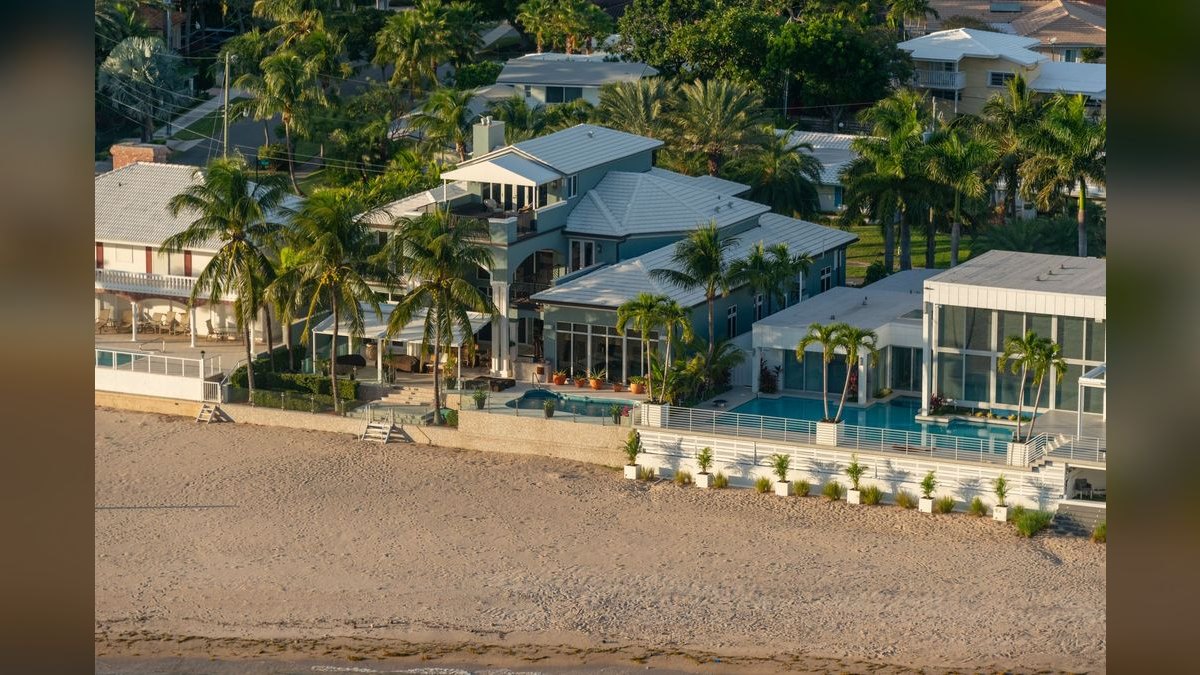
Type: Market | Entry price: $5M | Best for: Buyers who want celebrity-tier estates and global cachet
Los Angeles remains a marquee trophy market. Estates in Bel-Air, Beverly Hills, and Holmby Hills trade from $10M to over $100M, while Malibu oceanfront runs $8M–$60M+. The market offers unmatched brand cachet and a deep entertainment-and-tech buyer base. The headwind is California's top 13.3% income tax and a steep "mansion tax" on high-value city sales, which has cooled the very top end — but global demand for iconic estates endures.
Pros:
- Globally recognized trophy addresses
- Deep entertainment and tech buyer base
- Iconic Malibu and Bel-Air oceanfront and view estates
- Strong long-term appreciation in prime enclaves
Cons:
- Highest state income tax plus a city mansion-transfer tax
- Wildfire and insurance challenges in hillside areas
Verdict: A cachet-driven market — best for buyers who want an iconic estate and can absorb the tax load.
6. Naples, Florida
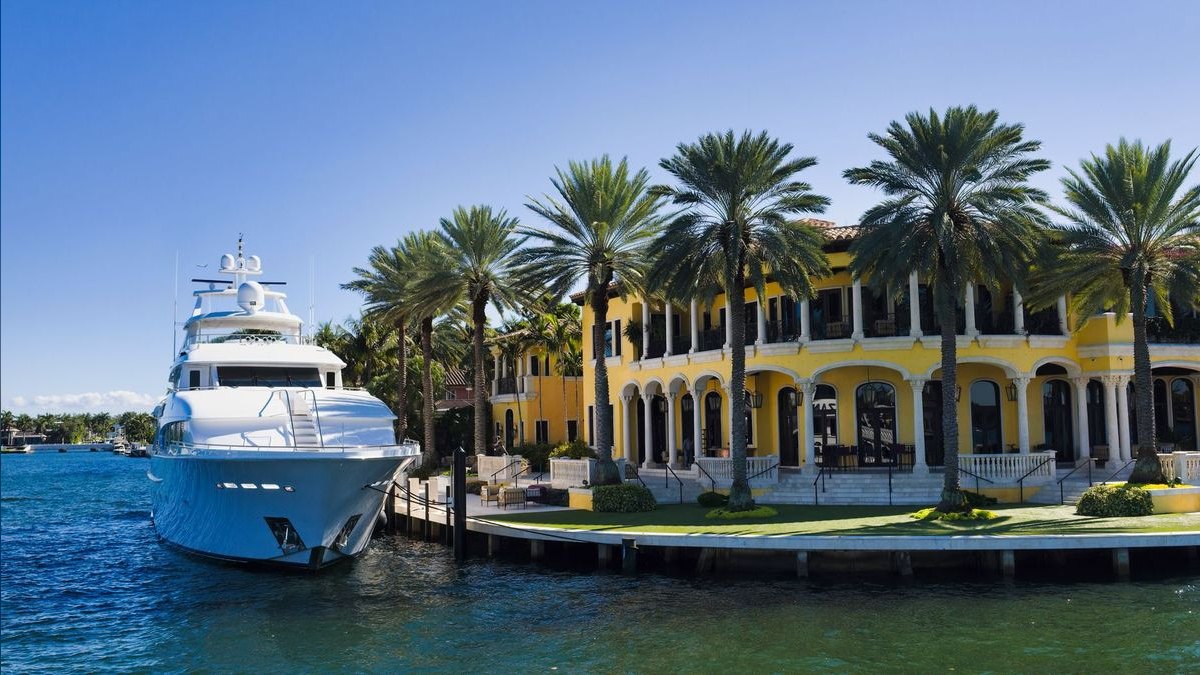
Type: Market | Entry price: $3M | Best for: Affluent retirees who want Gulf-front luxury and golf
Naples is the Gulf Coast's premier luxury market. Beachfront and golf-community estates in Port Royal, Aqualane Shores, and Pelican Bay run $4M to over $50M, while high-end golf-community homes start near $3M. Florida's no income tax and Naples' reputation as a top retirement destination keep demand strong among wealthy Midwesterners and Northeasterners. The city consistently ranks among the highest median-income markets in the country.
Pros:
- No state income tax with Gulf-front estate inventory
- Top-ranked golf communities and amenities
- Affluent, stable buyer base of retirees
- Strong, steady appreciation in prime enclaves
Cons:
- Hurricane exposure and rising insurance costs
- Seasonal market slows sharply in summer
Verdict: A refined Gulf-Coast pick — best for affluent buyers who want beach-and-golf luxury and no income tax.
7. Austin, Texas
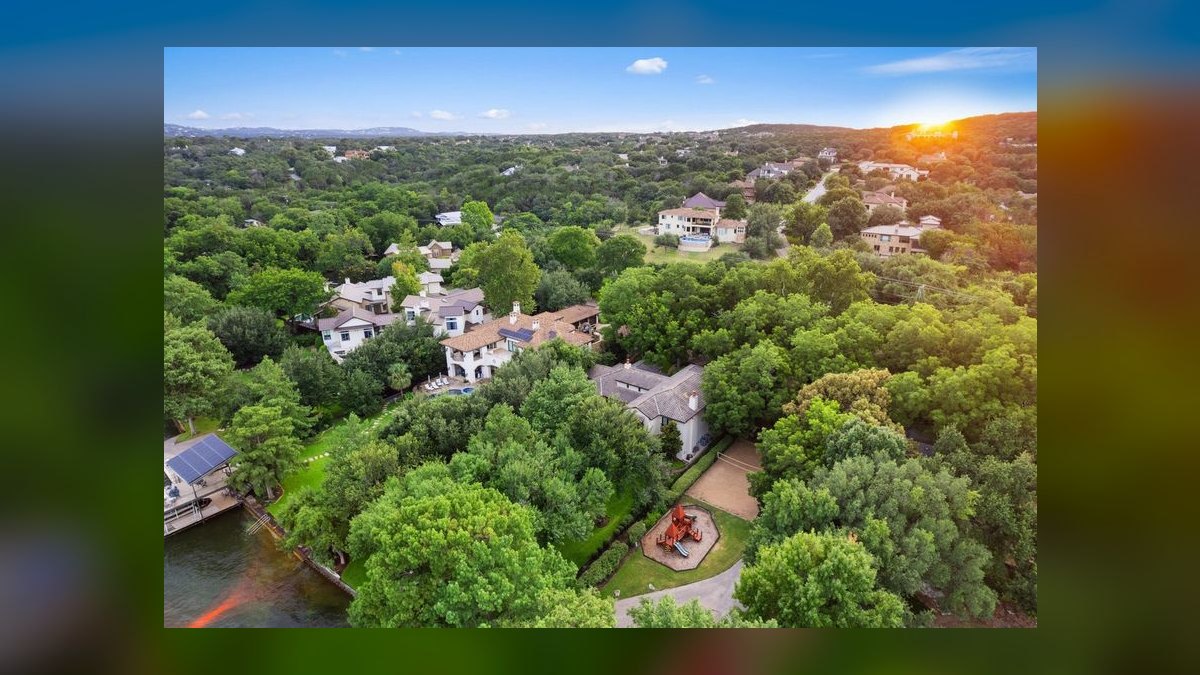
Type: Market | Entry price: $3M | Best for: Tech-wealth buyers who want no income tax and growth
Austin rose into the luxury ranks on a tech-and-relocation boom. Estates in Westlake, Tarrytown, and Lake Travis waterfront run $3M–$20M+, with new-build modern compounds commanding premiums. Texas levies no state income tax, a major draw for relocating founders and executives, and limited high-end lakefront supply supports pricing. The market cooled from its frenzied peak, creating openings for buyers willing to move on quality inventory.
Pros:
- No state income tax and heavy tech-wealth inflow
- Limited Lake Travis waterfront supply
- Modern new-construction luxury inventory
- Strong long-term growth fundamentals
Cons:
- High property taxes offset the income-tax savings
- Market is younger and less proven than coastal peers
Verdict: A growth-and-tax pick — best for tech-wealth buyers who want a no-income-tax luxury market.
8. Greenwich, Connecticut

Type: Market | Entry price: $4M | Best for: Finance buyers who want estates near New York City
Greenwich is the Northeast's classic hedge-fund town. Backcountry estates on multi-acre lots run $5M to $30M+, while waterfront in Belle Haven can exceed $40M. Proximity to New York City and a dense concentration of finance professionals sustain demand, and the market saw a strong resurgence as buyers sought space and privacy within commuting distance of Manhattan. Inventory of true estate properties is limited, supporting pricing at the top.
Pros:
- Premier finance-industry estate market
- Commuting distance to New York City
- Large multi-acre backcountry estate inventory
- Strong resurgence in high-end demand
Cons:
- High Connecticut state and property taxes
- Top-end sales can be slow to transact
Verdict: A Northeast estate classic — best for finance buyers who want acreage and privacy near Manhattan.
9. Lake Tahoe, California/Nevada
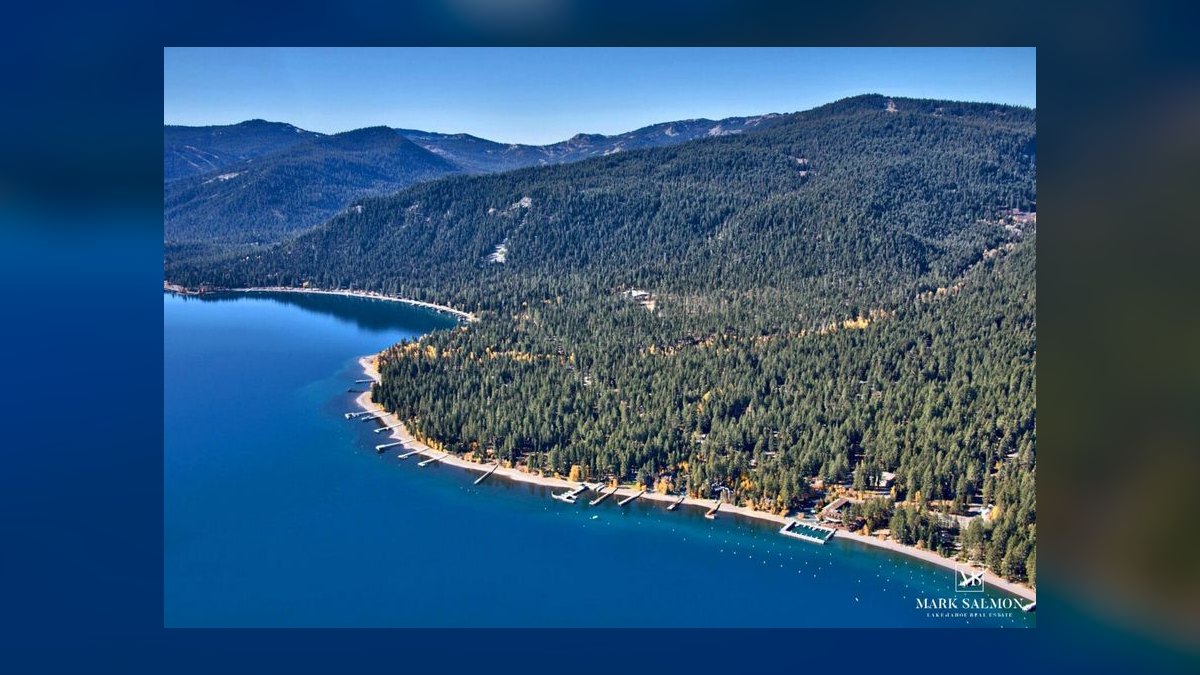
Type: Market | Entry price: $4M | Best for: Buyers who want lakefront and a Nevada tax option
Lake Tahoe straddles two states and two tax regimes. Lakefront estates run $5M to over $40M, and buyers on the Nevada side (Incline Village, Crystal Bay) enjoy no state income tax, a powerful draw that has pulled California wealth across the line. The lake offers four-season recreation — skiing at nearby resorts in winter, boating and hiking in summer — and severely limited lakefront supply keeps trophy pricing firm.
Pros:
- Nevada-side estates carry no state income tax
- Extremely limited lakefront supply
- Four-season ski-and-lake recreation
- Strong appreciation on prime lakefront
Cons:
- True lakefront inventory is very scarce
- California-side homes carry high state taxes
Verdict: A tax-arbitrage lakefront pick — best for buyers who want lake luxury with a Nevada tax advantage.
10. Jackson Hole, Wyoming
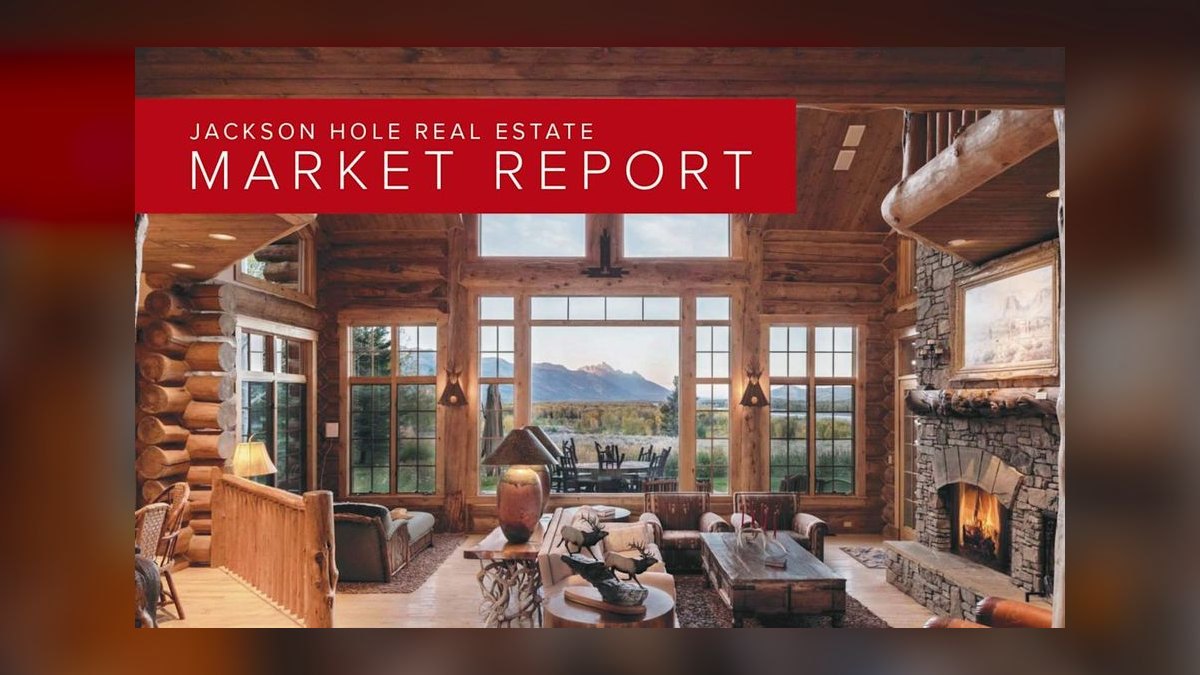
Type: Market | Entry price: $6M | Best for: Buyers who want zero income tax and the most tax-friendly trophy market
Jackson Hole is the ultimate tax haven for the wealthy. Wyoming has no state income tax, no capital-gains tax, and no estate tax, making it the most tax-advantaged luxury market in the U.S. Ranch and mountain estates run $6M to over $50M, and supply is locked by surrounding federal land — roughly 97% of Teton County is public land — guaranteeing permanent scarcity. The valley draws billionaires and family offices seeking both lifestyle and tax efficiency.
Pros:
- No state income, capital-gains, or estate tax
- Permanent scarcity from 97% public-land surroundings
- Elite skiing and ranch lifestyle
- Concentrated ultra-high-net-worth buyer base
Cons:
- Very high entry pricing and thin inventory
- Remote location with limited flight access
Verdict: The ultimate tax-haven trophy market — best for ultra-wealthy buyers optimizing for both lifestyle and taxes.
Which One Is Right for You?
What to Look For
- Tax climate — No-income-tax states (Florida, Texas, Wyoming, Nevada) and Wyoming's lack of capital-gains and estate taxes can save trophy buyers millions; weigh this against California and Connecticut's high rates.
- True scarcity — Markets capped by geography or federal land — Palm Beach island, Aspen, Jackson Hole — protect value far better than markets that can build more supply.
- Liquidity at your price point — Miami and LA condos and estates trade actively; ultra-prime Aspen and Jackson inventory can take a year or more to move.
- Insurance and climate risk — Coastal Florida and California hillside markets carry rising premiums and underwriting challenges; budget the real figure.
- Wealth-migration trends — Follow where finance and tech wealth is actually relocating (Palm Beach, Austin, Miami) — those flows drive durable demand.
- Amenity depth — Golf, ski, marina, and cultural amenities sustain demand; a trophy home with no surrounding amenity base is harder to resell.
What matters less than the hype: a single record-breaking headline sale. One nine-figure trade doesn't make a market — look at sustained appreciation, transaction volume, and the depth of the buyer pool instead.
FAQ
What is the best luxury real estate market in 2027? Palm Beach, Florida ranks first for its lack of state income tax, fixed island supply, ongoing finance-industry migration, and record-setting $100M+ oceanfront sales.
What is the best-value luxury market? Scottsdale, Arizona offers genuine $3M–$8M estates — a fraction of coastal-California pricing — with a low flat 2.5% income tax and strong appreciation.
Which luxury markets have no state income tax? Palm Beach, Miami, and Naples (Florida), Austin (Texas), Jackson Hole (Wyoming), and the Nevada side of Lake Tahoe all levy no state income tax — Wyoming adds no capital-gains or estate tax.
Which is the most exclusive U.S. ski market? Aspen, Colorado is the priciest and most exclusive ski market, with a median above $10M and trophy ski-in/ski-out homes from $15M to $75M+.
Why is Jackson Hole so attractive to the ultra-wealthy? Wyoming has no state income, capital-gains, or estate tax, and roughly 97% of Teton County is public land, creating both unmatched tax efficiency and permanent scarcity.
Are coastal luxury markets risky because of climate? Coastal Florida and California hillside markets carry rising insurance costs and storm or wildfire exposure, which buyers should price in — though demand and scarcity have so far kept values strong.
Bottom Line
For 2027, Palm Beach is our Best Overall luxury market — fixed island scarcity, no state income tax, and relentless finance-wealth migration push estates from $10M to $100M+. Scottsdale is our Best Value, delivering true $3M–$8M luxury and low taxes at a fraction of coastal money. If you're optimizing for zero taxes, ski exclusivity, or global cachet, use the decision tree above to route yourself to Jackson Hole, Aspen, Miami, or Los Angeles.
Buy where scarcity, wealth migration, and tax climate align — not where a single headline sale makes news — and your trophy property will hold its value.
Related on PULSE
- [Top 10 Private Island Real Estate Markets](/knowledge/es0031)
- [Top 10 Best Cities for Real Estate Investment in 2027](/knowledge/es0014)
- [Top 10 Waterfront Estate Markets in the Northeast](/knowledge/es0048)
- [Top 10 Most Affordable Luxury Home Markets](/knowledge/es0015)
- [Top 10 Equestrian Ranch Estates Markets in Texas](/knowledge/es0049)
- [Top 10 Luxury Condos in Miami](/knowledge/es0322)
Sources
- Mansion Global — global luxury market intelligence
- Robb Report — luxury real estate coverage
- Redfin — luxury market data center
- Zillow — high-end home value data
- Realtor.com — luxury market reports
- Wall Street Journal — Mansion luxury real estate
- Knight Frank — Wealth Report and prime markets
- Douglas Elliman — luxury market reports
- Tax Foundation — state tax climate data
*Luxury real estate market review — luxury market reviews, rating, best luxury real estate markets 2027, and a review of where to buy luxury property for affluent buyers.*
People also search for: best luxury real estate markets 2027 · top luxury real estate markets 2027 · top rated luxury real estate markets 2027 · top ranked luxury real estate markets 2027 · highest rated luxury real estate markets 2027 · luxury real estate markets reviews 2027
@Kory-White- · if Venmo asks, the last 4 of my number are 2012
 pulse-aquariumsTop 10 Canister Filters 2027
 aqTop 10 Hang-On-Back Aquarium Filters 2027
 pulse-reviewsTop 10 Cabin Cruiser Boats 2027
 pulse-aquariumsTop 10 Aquarium Filters 2027
 pulse-moviesTop 10 Movies on Netflix 2027
 pulse-moviesTop 10 Movies on Max 2027
 pulse-moviesTop 10 Fantasy Movies of All Time in 2027
 pulse-moviesTop 10 Documentaries of All Time in 2027
 pulse-moviesTop 10 Superhero Movies of All Time in 2027
 pulse-moviesTop 10 Romance Movies of All Time in 2027