
Top 10 Best Places to Buy a Home in the Carolinas in 2027
 Curated byKory White · Fractional CRO · Maryland
 PULSEKNOWLEDGE LIBRARY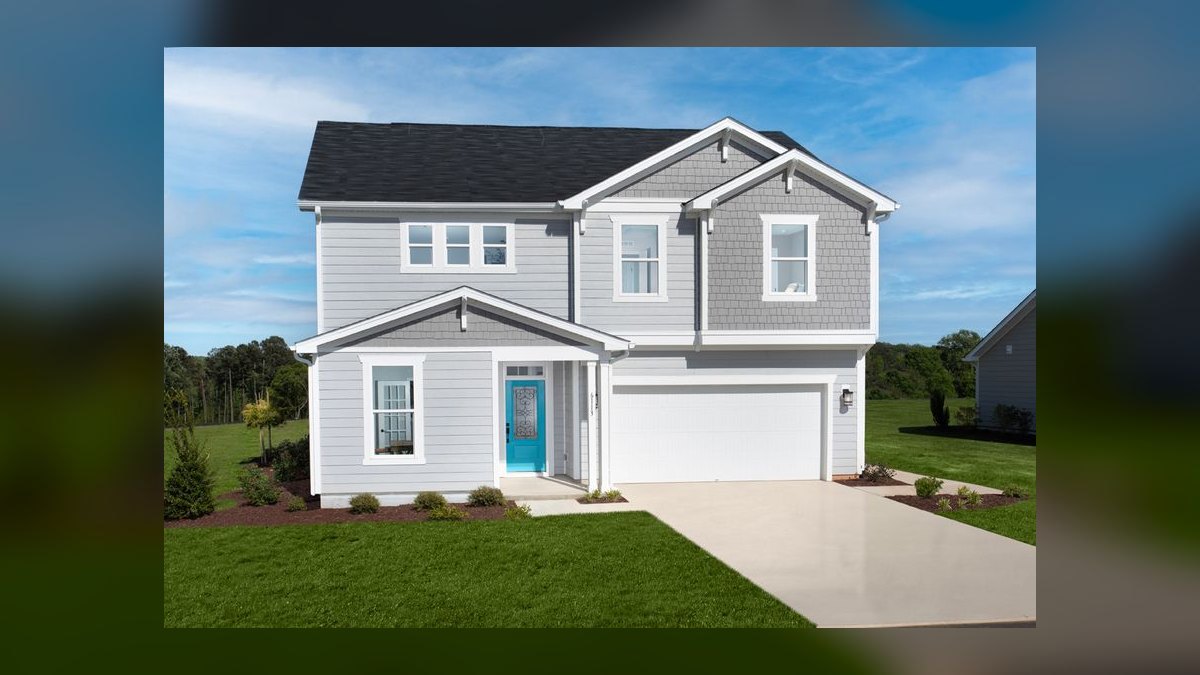
<!--HERO-->
Read the full article free — or download it for $1 and it’s yours forever.The Best Overall place to buy a home in the Carolinas right now is the Raleigh–Durham (Research Triangle) area, where a median price around $440,000 buys access to one of the nation's strongest tech-and-biotech job markets, top universities, and well-rated schools. The Best Value pick is Greenville, South Carolina, where a median near $310,000 buys a revitalized downtown lifestyle and a growing manufacturing economy for the lowest entry point among the region's hot markets.
This list is built for buyers who want job growth, mild climate, and strong appreciation — whether the budget sits near $280,000 or stretches toward a $1M-plus coastal estate. Every market below uses real, current price ranges, neighborhoods, and locations as of 2026–2027.
How We Ranked the Top 10
We weighted each Carolinas market against what real buyers weigh when relocating to or within the region. We leaned on data from Zillow, Redfin, Realtor.com, local MLS boards, the U.S. Census, and state realtor associations. The weighting:
- Affordability vs local income — 25%
- Job growth and economy — 20%
- School quality — 15%
- Appreciation and resale — 15%
- Climate and quality of life — 15%
- Cost of living and taxes — 10%
A market with great jobs but no affordability, or cheap homes with no employers, drops fast. The winners balance all six.
1. Raleigh–Durham (Research Triangle) 🏆 BEST OVERALL
Type: Market | Entry price: $380K | Best for: Tech and biotech professionals who want jobs plus livability
Median price: ~$440,000 | Best for: Move-up tech and academic families | Location: Central North Carolina (Wake & Durham counties) | Why buy here: The South's top tech-and-research job hub
The Research Triangle is the most complete place to own in the Carolinas. Anchored by Research Triangle Park, Duke, UNC, and NC State, it draws Apple's $1B campus, Google, biotech, and pharma employers. A median near $440,000 spans urban Raleigh condos, family suburbs like Cary and Apex, and Durham's revitalized core. Schools in Wake County rate well, and the region consistently lands atop "best places to live" lists.
Strong, sustained job growth keeps appreciation and resale healthy, making it the safest long-term bet in the region.
Pros:
- One of the strongest tech and biotech job markets in the South
- Three major research universities and top hospitals
- Strong, sustained home appreciation and resale
- Well-rated suburban schools in Cary and Apex
Cons:
- Prices above the Carolinas average and rising
- Traffic growing with rapid population gains
Verdict: The most complete pick in the Carolinas — top jobs, schools, and resale in one region.
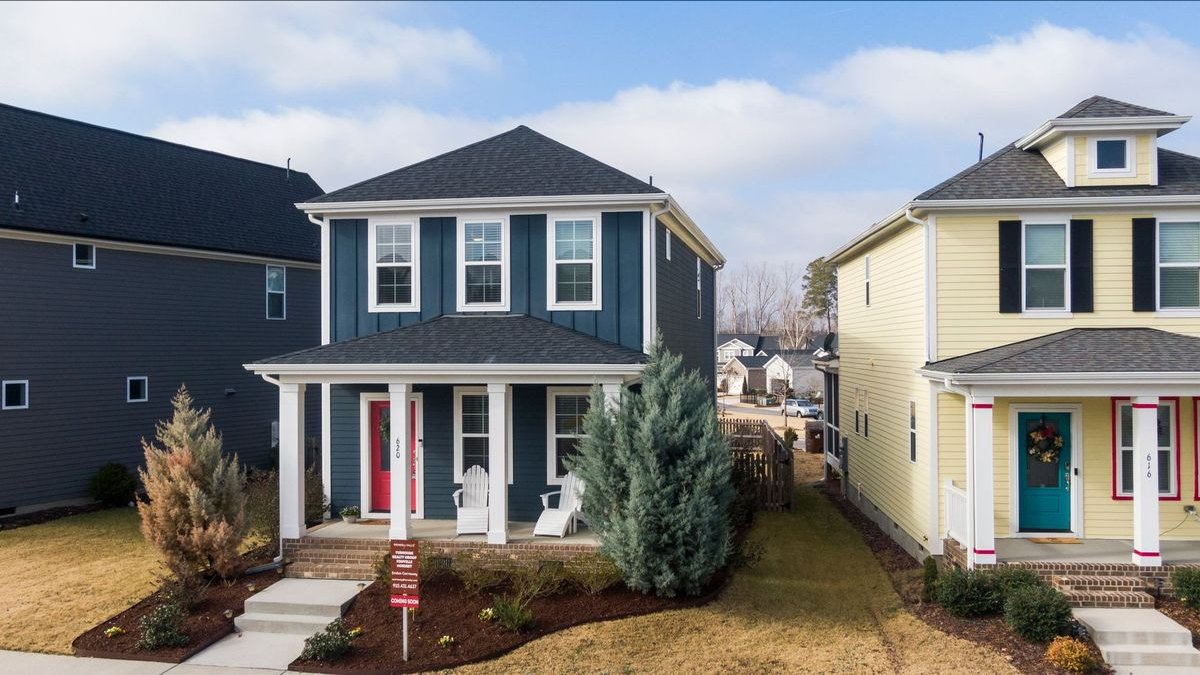
2. Greenville, South Carolina 💎 BEST VALUE
Type: Market | Entry price: $260K | Best for: Buyers who want a vibrant downtown at a low price
Median price: ~$310,000 | Best for: Value-focused and first-time buyers | Location: Upstate South Carolina, on I-85 between Atlanta and Charlotte | Why buy here: Award-winning downtown at the region's best price
Greenville is the smartest value in the Carolinas. Its nationally praised downtown — anchored by Falls Park and the Liberty Bridge — gives it big-city walkability at a small-city price. A median near $310,000 buys a real home near a thriving urban core, and the economy leans on advanced manufacturing (BMW's Spartanburg plant, Michelin North America's HQ, GE). Upstate South Carolina's low cost of living and growing job base make Greenville a standout for buyers who want lifestyle and affordability together.
Pros:
- Lowest median among the region's growth markets
- Award-winning, walkable downtown and Falls Park
- Strong advanced-manufacturing job base (BMW, Michelin)
- Low South Carolina cost of living
Cons:
- Fewer high-wage tech jobs than the Triangle
- Hot, humid summers
Verdict: The value champion — a vibrant downtown and growing economy at the region's lowest entry price.
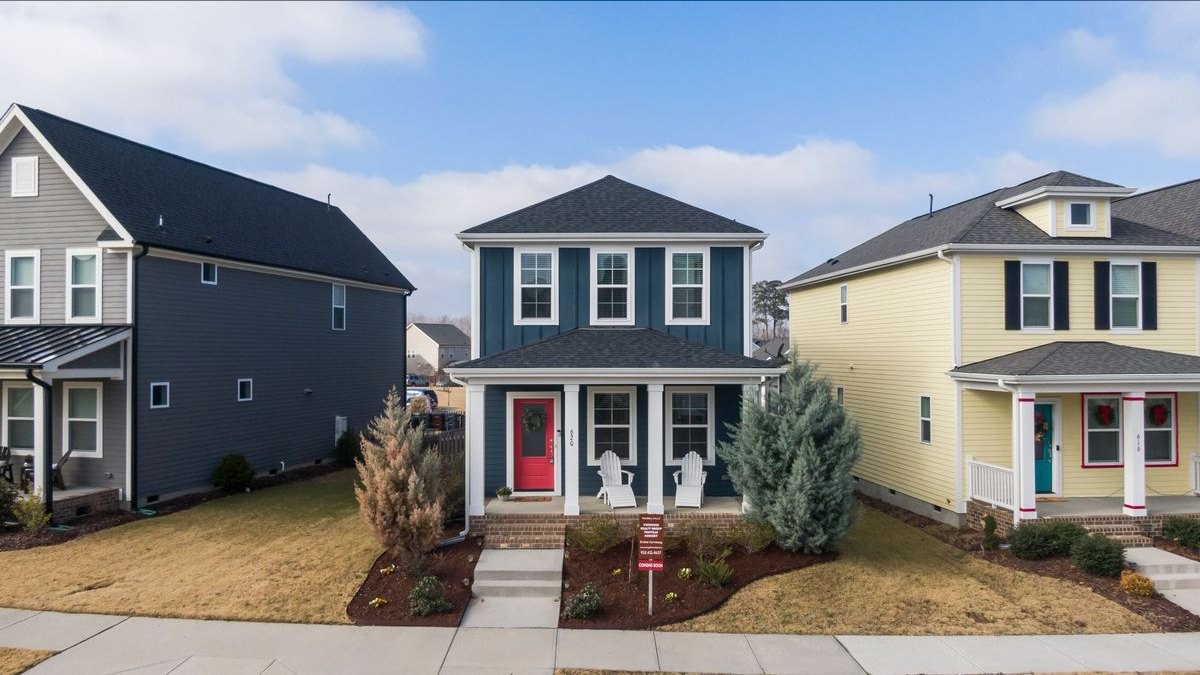
3. Charlotte, North Carolina
Type: Market | Entry price: $350K | Best for: Finance and banking professionals who want big-city jobs
Median price: ~$410,000 | Best for: Career-focused professionals and families | Location: Southern North Carolina, near the SC border | Why buy here: The Southeast's #2 banking hub with broad job growth
Charlotte is the largest city in the Carolinas and the nation's second-largest banking center after New York, home to Bank of America and a major Wells Fargo hub. A median near $410,000 spans uptown high-rises, hip neighborhoods like NoDa and Plaza Midwood, and family suburbs like Ballantyne. Beyond finance, Charlotte adds tech, energy, and a strong airport-driven logistics economy. The mix of high-wage jobs, an international airport, and professional sports makes it the region's premier big-city option.
Pros:
- Major finance and banking job base (BofA, Wells Fargo)
- Large international airport and pro sports
- Diverse neighborhoods from uptown to family suburbs
- Strong, broad-based job growth
Cons:
- Prices and traffic rising with rapid growth
- City-school quality varies sharply by area
Verdict: The big-city career pick — Charlotte offers the region's deepest high-wage job market.
4. Charleston, South Carolina
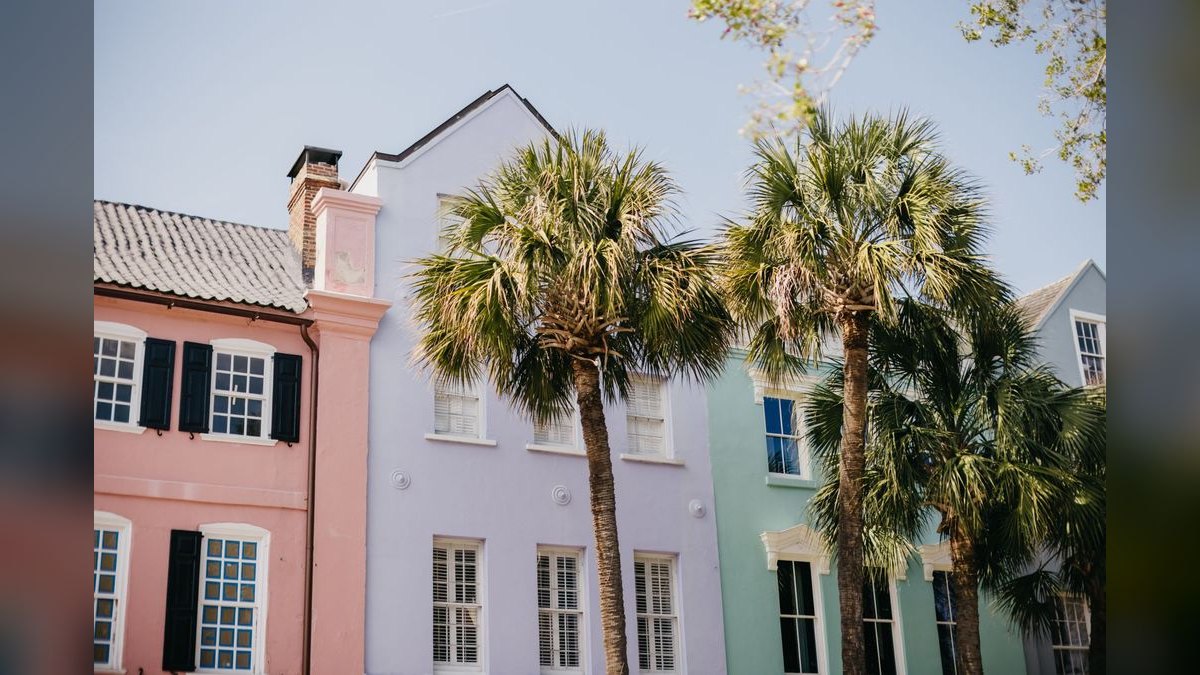
Type: Market | Entry price: $450K | Best for: Coastal buyers who want historic charm and beaches
Median price: ~$560,000 | Best for: Lifestyle and second-home buyers | Location: South Carolina coast | Why buy here: Historic charm, beaches, and a growing tech-and-aerospace economy
Charleston consistently ranks among America's favorite cities, combining cobblestone historic districts, nearby beaches (Isle of Palms, Folly Beach), and a surprisingly modern economy. Boeing, Mercedes-Benz Vans, and a growing tech scene ("Silicon Harbor") anchor jobs, while tourism fuels the service sector. A median near $560,000 reflects strong demand; Mount Pleasant and Daniel Island are popular family suburbs. It is pricier than inland markets, but few places pair coastal living with this much history and job growth.
Pros:
- Historic charm and nearby Atlantic beaches
- Growing Boeing, Mercedes, and tech employment
- High quality-of-life and tourism appeal
- Strong appreciation and resale demand
Cons:
- Higher median price and flood-insurance costs
- Summer heat, humidity, and hurricane exposure
Verdict: The coastal lifestyle pick — historic beauty and beaches with a real modern economy.
5. Asheville, North Carolina
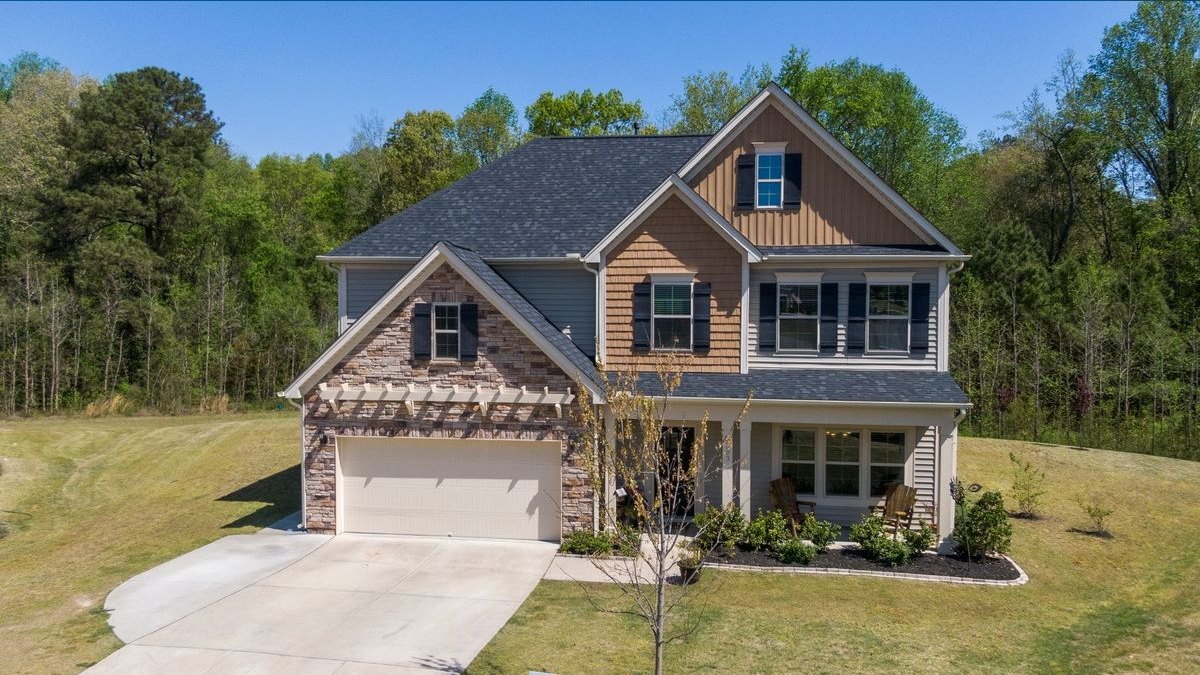
Type: Market | Entry price: $380K | Best for: Mountain-lifestyle buyers and retirees
Median price: ~$470,000 | Best for: Retirees, remote workers, and creatives | Location: Western North Carolina, Blue Ridge Mountains | Why buy here: Mountain scenery and a thriving arts-and-food scene
Asheville offers the Carolinas' premier mountain lifestyle, set in the Blue Ridge Mountains with a famous arts, brewing, and food culture. A median near $470,000 buys access to cooler summers, the Biltmore Estate, and endless outdoor recreation. The economy leans on tourism, healthcare (Mission Health), and a growing remote-worker population. It draws retirees and creatives nationwide. Note that the area is rebuilding in places after recent flooding, so buyers should check flood zones carefully, but its long-term appeal and scarcity of land keep values resilient.
Pros:
- Blue Ridge Mountain scenery and cooler summers
- Renowned arts, brewing, and food culture
- Strong draw for retirees and remote workers
- Resilient values from limited mountain land
Cons:
- Check flood zones carefully before buying
- Fewer high-wage jobs; tourism-heavy economy
Verdict: The mountain-lifestyle pick — scenery, culture, and recreation for retirees and remote workers.
6. Cary & Apex (Triangle Suburbs)
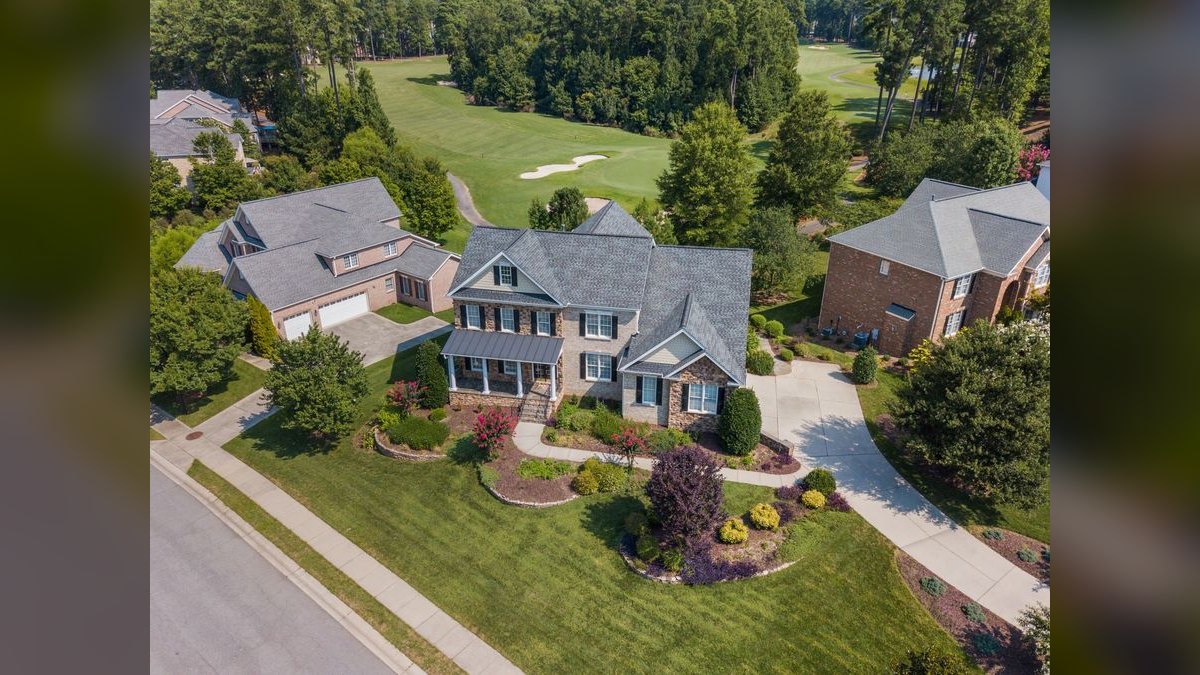
Type: Market | Entry price: $450K | Best for: Families who want the safest suburbs and top schools
Median price: ~$560,000 | Best for: Affluent move-up families | Location: Wake County, southwest of Raleigh | Why buy here: Top schools and among the safest cities in America
Cary and neighboring Apex are the Triangle's premier family suburbs, repeatedly ranked among the safest cities in America with some of North Carolina's best-rated schools. A median near $560,000 buys newer homes in master-planned neighborhoods with excellent amenities, all within easy reach of Research Triangle Park jobs. Apex frequently appears on "best small town" lists. For families who prioritize safety, schools, and a polished suburban package over a lower price, these towns are the Triangle's gold standard.
Pros:
- Among the safest cities in the United States
- Top-rated Wake County schools
- Newer master-planned homes with amenities
- Quick access to RTP and Raleigh jobs
Cons:
- Median well above the regional average
- Less character than urban Raleigh or Durham
Verdict: The family-safety pick — top schools and low crime make these the Triangle's premier suburbs.
7. Wilmington, North Carolina
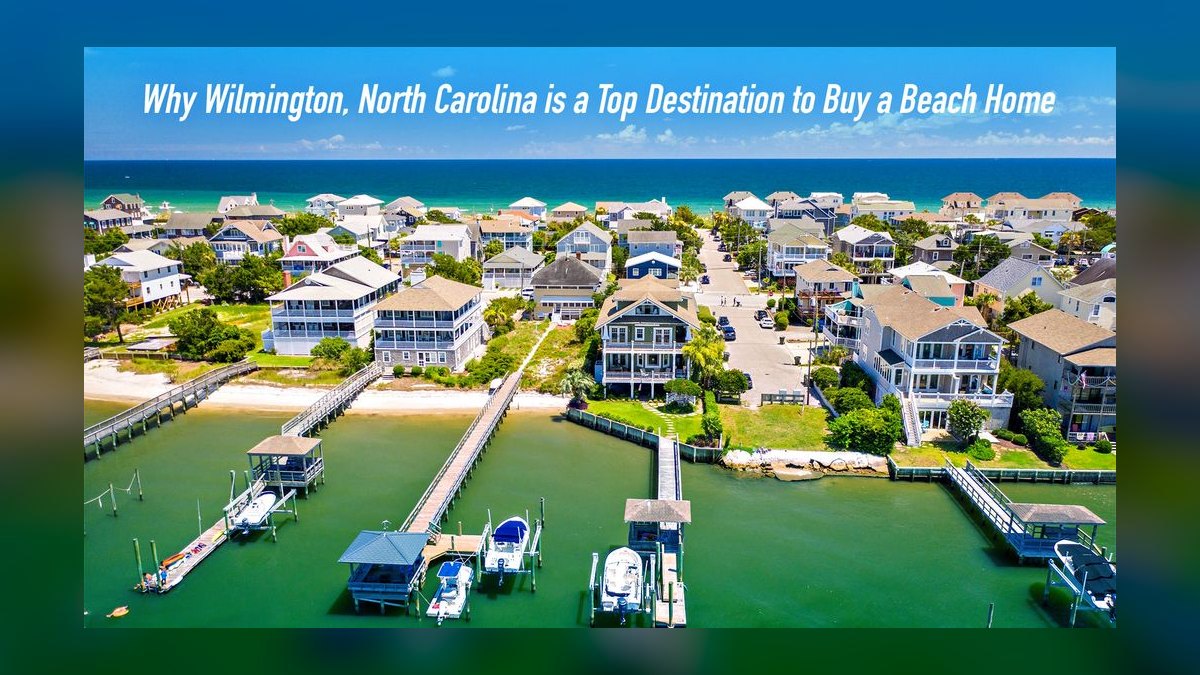
Type: Market | Entry price: $360K | Best for: Coastal buyers wanting beaches below Charleston prices
Median price: ~$430,000 | Best for: Coastal lifestyle and retiree buyers | Location: Southeastern North Carolina coast | Why buy here: Beach living and a riverfront downtown at a relative discount
Wilmington delivers North Carolina coastal living at a lower price than Charleston, pairing a scenic Riverwalk downtown with nearby beaches at Wrightsville, Carolina, and Kure. A median near $430,000 buys access to the coast, and the economy blends film production ("Hollywood East"), healthcare, the Port of Wilmington, and UNC Wilmington. It is a favorite for retirees and remote workers wanting beach proximity without Charleston-level pricing, though buyers should weigh hurricane and flood-insurance costs.
Pros:
- Beach access below Charleston prices
- Scenic riverfront downtown and Riverwalk
- Diverse economy: film, port, healthcare, university
- Popular with retirees and remote workers
Cons:
- Hurricane exposure and higher insurance costs
- Smaller job market than the big metros
Verdict: The value-coast pick — North Carolina beaches and a charming downtown for less than Charleston.
8. Columbia, South Carolina

Type: Market | Entry price: $230K | Best for: Budget buyers and university-driven investors
Median price: ~$270,000 | Best for: First-time and budget buyers | Location: Central South Carolina (the Midlands) | Why buy here: State-capital stability at one of the region's lowest prices
Columbia, South Carolina's capital, offers some of the lowest home prices in the Carolinas. A median near $270,000 buys a real home in a city anchored by state government, the University of South Carolina, and nearby Fort Jackson — the Army's largest basic-training base. That stable, recession-resistant employment base, plus steady student-rental demand, makes Columbia a favorite for budget buyers and investors. Appreciation is steady rather than explosive, but the affordability and job stability are hard to match.
Pros:
- Among the lowest median prices in the region
- Stable government, university, and military jobs
- Strong student-rental demand for investors
- Low South Carolina cost of living
Cons:
- Modest appreciation versus growth markets
- Very hot, humid summers
Verdict: The budget-and-stability pick — low prices anchored by government, university, and military jobs.
9. Fort Mill, South Carolina
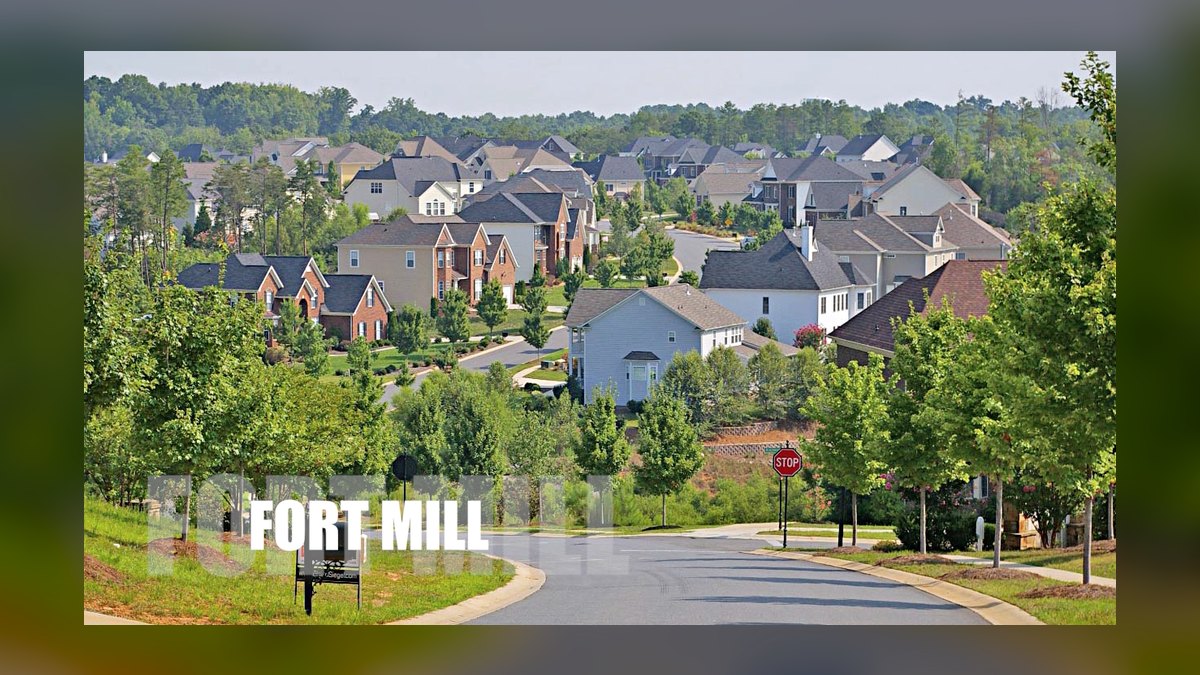
Type: Market | Entry price: $400K | Best for: Charlotte commuters who want lower SC taxes and top schools
Median price: ~$480,000 | Best for: Move-up commuter families | Location: York County, SC, just south of Charlotte | Why buy here: Charlotte jobs with lower South Carolina taxes and top schools
Fort Mill lets buyers tap Charlotte's job market while enjoying South Carolina's lower taxes and the highly rated Fort Mill School District. A median near $480,000 buys newer homes in master-planned communities like Baxter Village, minutes across the state line from uptown Charlotte. The combination of metro-job access, lower property and income taxes than North Carolina, and top schools has made Fort Mill one of the fastest-growing suburbs in the region.
Pros:
- Charlotte job access with lower SC taxes
- Top-rated Fort Mill School District
- Newer master-planned homes
- Fast-growing, family-friendly community
Cons:
- Commute traffic into Charlotte at peak times
- Prices climbing with rapid growth
Verdict: The tax-smart commuter pick — Charlotte jobs and top schools with South Carolina tax savings.
10. Winston-Salem, North Carolina

Type: Market | Entry price: $230K | Best for: Budget buyers wanting Piedmont-Triad affordability
Median price: ~$270,000 | Best for: First-time and value buyers | Location: Piedmont Triad, north-central North Carolina | Why buy here: Big-city amenities at small-city prices
Winston-Salem anchors the Piedmont Triad and offers some of the most affordable home prices among North Carolina's larger cities. A median near $270,000 buys a comfortable home, and the economy blends healthcare (Atrium Health Wake Forest Baptist), education (Wake Forest University), and a growing biotech presence at Innovation Quarter. Arts and a revitalized downtown add quality of life. Appreciation is steadier than the hot markets, but for buyers who want city amenities without coastal or Triangle pricing, it delivers strong value.
Pros:
- Low median price for a larger NC city
- Healthcare and university job anchors
- Revitalized downtown and arts scene
- Growing biotech at Innovation Quarter
Cons:
- Slower appreciation than hot markets
- Smaller high-wage job pool than Charlotte or Raleigh
Verdict: The Piedmont value pick — city amenities and stable jobs at one of NC's lowest prices.
Which One Is Right for You?
What to Look For
- Job-market match — Align the home with where the wages are: Triangle tech, Charlotte finance, Greenville manufacturing, or coastal tourism. Commute and income stability matter more than the listing.
- School-district lines — In both states, the attendance zone drives resale and quality of life. Confirm the exact district before buying, especially in Wake, Mecklenburg, and Fort Mill areas.
- Coastal insurance reality — Charleston, Wilmington, and the coast carry hurricane and flood-insurance costs that can add hundreds monthly. Get quotes before closing.
- State-tax differences — South Carolina's property and income taxes often run lower than North Carolina's; border suburbs like Fort Mill exploit this. Compare both states if you're near the line.
- Growth-stage vs established — Fast-growth suburbs offer newer homes but strained roads; established areas offer stability with older stock. Decide your trade-off.
- Climate and flood zones — Mountain (Asheville) and coastal areas have specific flood risks. Pull the FEMA flood map for any property.
What matters less than the hype: "best place to live" headlines and staged listing photos. The job match, school zone, and insurance cost affect your finances and daily life far more than a ranking.
FAQ
What is the best place to buy a home in the Carolinas overall? The Raleigh–Durham Research Triangle earns our top spot, pairing one of the South's strongest tech-and-biotech job markets, top universities, and well-rated suburbs around a $440,000 median.
Where is the cheapest place to buy a home in the Carolinas? Columbia, SC and Winston-Salem, NC (both around a $270,000 median) are the most affordable larger cities, with Greenville, SC (~$310,000) the best value among growth markets.
Is it better to buy in North Carolina or South Carolina? It depends on jobs and taxes — North Carolina has the deeper tech market (Triangle, Charlotte), while South Carolina often offers lower taxes and prices. Border suburbs like Fort Mill capture both.
Which Carolinas city is best for families and schools? Cary and Apex near Raleigh and Fort Mill, SC near Charlotte combine top-rated schools with low crime, making them the region's premier family markets.
Where should I buy on the Carolina coast? Charleston, SC offers the most history and job growth at a higher price, while Wilmington, NC delivers beach access and a charming downtown for less — both carry hurricane-insurance costs.
Is Charlotte a good place to buy a home? Yes — Charlotte offers the region's deepest high-wage job market as a major banking hub, with diverse neighborhoods around a $410,000 median, though prices and traffic are rising.
Bottom Line
For 2026–2027, the Raleigh–Durham Research Triangle is our Best Overall place to buy in the Carolinas — around a $440,000 median, it combines top tech-and-biotech jobs, leading universities, and strong resale. Greenville, South Carolina, near a $310,000 median, is our Best Value, pairing an award-winning downtown and a growing manufacturing economy at the region's lowest growth-market entry price.
If your priorities lean toward coastal living, mountain scenery, big-city finance, or rock-bottom prices, use the decision tree above to route yourself to Charleston, Asheville, Charlotte, or Columbia instead. Buy on jobs, schools, and insurance cost — not on hype — and you will be happy for years.
Related on PULSE
- [Top 10 Best Golf Communities in the Carolinas](/knowledge/es0044)
- [Top 10 Best Places to Buy a Home in Michigan](/knowledge/es0111)
- [Top 10 Best Places to Buy a Home in New Hampshire](/knowledge/es0116)
- [Top 10 Best Places to Buy a Home in Maine](/knowledge/es0115)
- [Top 10 Best Places to Buy a Home in Wyoming](/knowledge/es0114)
- [Top 10 Best Places to Buy a Home in New Mexico](/knowledge/es0113)
Sources
- Zillow — Carolinas home values and market data
- Redfin — North Carolina housing market trends
- Realtor.com — South Carolina real estate trends
- Wall Street Journal — real estate coverage
- Mansion Global — Carolinas luxury market
- North Carolina Association of Realtors — market reports
- South Carolina Realtors — housing statistics
- U.S. Census — North Carolina QuickFacts
- Niche — best places to live in the Carolinas
*Carolinas real estate review — best places to buy a home in the Carolinas reviews, rating, Carolinas housing market review 2027, and a review of where to buy a home in North and South Carolina for buyers.*
People also search for: best places · top places · top rated places · top ranked places · highest rated places · places reviews
@Kory-White- · if Venmo asks, the last 4 of my number are 2012
 pulse-aquariumsTop 10 Canister Filters 2027
 aqTop 10 Hang-On-Back Aquarium Filters 2027
 pulse-reviewsTop 10 Cabin Cruiser Boats 2027
 pulse-aquariumsTop 10 Aquarium Filters 2027
 pulse-moviesTop 10 Movies on Netflix 2027
 pulse-moviesTop 10 Movies on Max 2027
 pulse-moviesTop 10 Fantasy Movies of All Time in 2027
 pulse-moviesTop 10 Documentaries of All Time in 2027
 pulse-moviesTop 10 Superhero Movies of All Time in 2027
 pulse-moviesTop 10 Romance Movies of All Time in 2027