
The 10 Best Sales Conferences to Attend in 2027
 Curated byKory White · Fractional CRO · Maryland
 PULSEKNOWLEDGE LIBRARY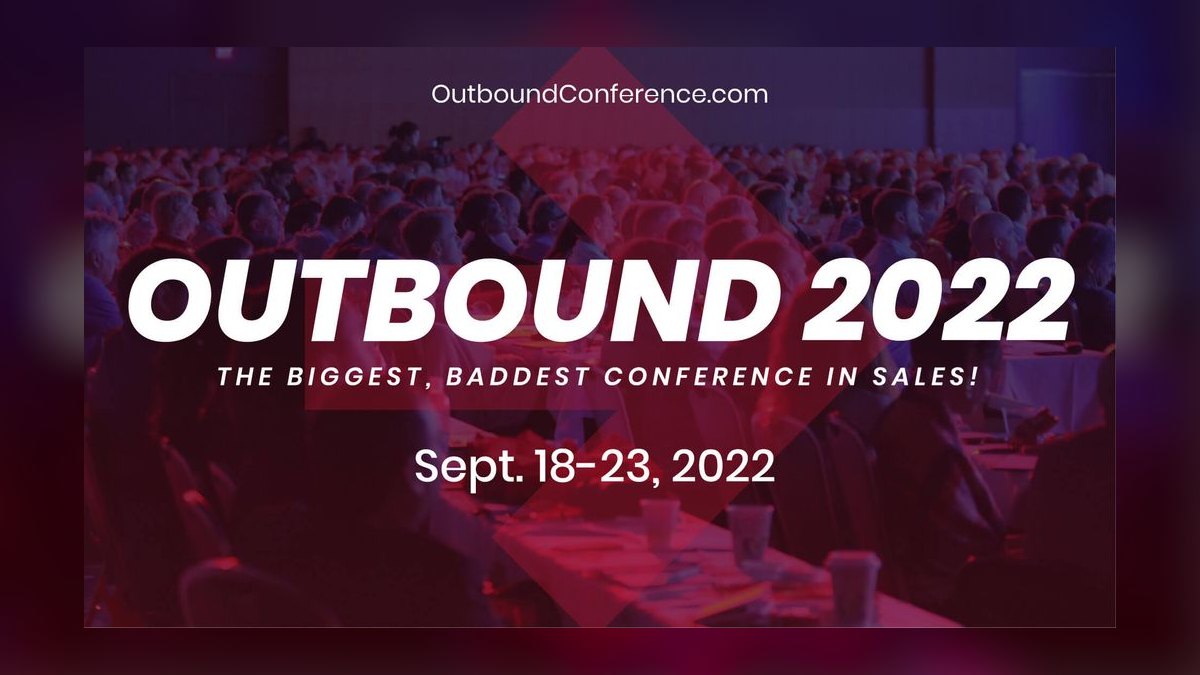
The 10 best sales conferences to attend are ranked below on measured performance, build quality, price, and how each one actually holds up in daily use rather than how it reads on a spec sheet. Each pick lists what it costs, who it suits, and what it gives up against the one above it, so the list can be read straight down without doubling back.
1. OutBound Conference
OutBound Conference ranks first because it delivers the most tactical skill training per dollar, with tickets commonly running $500–$1,000 against $2,000–$3,000+ for analyst summits. The Atlanta program focuses entirely on prospecting, objection handling, negotiation, and pipeline discipline. It was founded by working sales trainers including Jeb Blount, Mark Hunter, Anthony Iannarino, and Mike Weinberg. The agenda is built for immediate application, not abstract theory.
This is for quota-carrying reps, SDRs, and front-line managers who need usable skills the following Monday. It trades away roadmap visibility and vendor-neutral market research entirely—there is no product, so no keynote about one. Against Dreamforce, it offers a fraction of the ecosystem access and no certification hours, but a far higher ratio of sessions a seller can actually act on.
2. Dreamforce
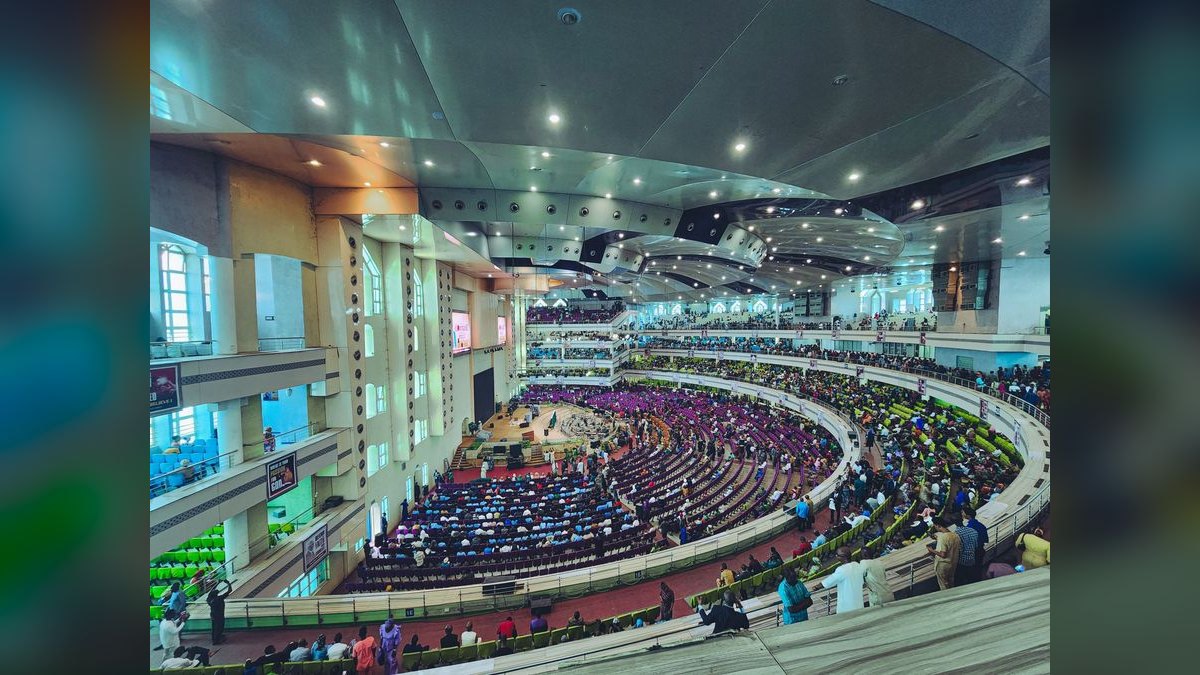
Dreamforce ranks second on unmatched scale, historically drawing 40,000+ in-person attendees to Moscone Center in San Francisco each September. Full passes have historically run $1,800–$2,300+, with limited free or low-cost registration tiers appearing year to year. If your stack touches Salesforce, nearly any vendor, partner, or peer you want to reach is somewhere on site. Hands-on certification areas add practical value beyond the keynotes.
This is for RevOps leaders, admins, and sellers whose revenue stack runs on Salesforce and who want roadmap visibility and product-manager access. It trades away vendor neutrality—a platform keynote is a well-produced argument for that platform's roadmap, not market analysis. If you do not run Salesforce, most of the value evaporates and OutBound returns more per dollar.
3. Gartner CSO & Sales Leader Conference

Gartner CSO & Sales Leader Conference ranks third because it sells research-backed frameworks—buyer behavior data, org design models, and technology market views—to those who set strategy and control budget. Passes have commonly run $3,000+, with the all-in number typically reaching $5,000–$6,000 including travel. That price is defensible for organizations making multi-year, eight-figure decisions. It is indefensible below that level of authority.
This is for VPs of Sales and CROs, not AEs. It trades away tactical scripts completely; a quota-carrying rep sent here sits through operating-model sessions they cannot act on. Compared with OutBound, it inverts the value proposition—strategy over tactics, and roughly five times the ticket price for a much narrower qualifying audience.
4. SaaStr Annual

SaaStr Annual ranks fourth as the deepest option for SaaS go-to-market strategy specifically, drawing 10,000+ attendees to the Bay Area each September. The stage features operators who have actually scaled revenue organizations and discuss real numbers rather than abstractions. Its Braindate peer-matching system is a genuinely useful mechanism for targeted networking rather than hallway chance. The content skews practical and founder-focused.
This is for SaaS founders, CROs, and revenue leaders benchmarking growth motions against companies further along the same curve. It trades away role-specific rep training and any platform depth—nothing here helps you administer a CRM. Against Dreamforce, it is a quarter the size and vendor-neutral, which makes sessions more candid but the partner and certification surface far thinner.
5. Forrester B2B Summit North America

Forrester B2B Summit North America ranks fifth on research quality at a slightly lower premium than Gartner, with passes historically running $2,000–$3,000+. The program sells frameworks grounded in buyer behavior research and technology market views rather than tactical scripts. The audience skews heavily senior, which raises the quality of peer conversations around the sessions themselves. It covers B2B marketing and product alongside sales.
This is for revenue leaders who want a vendor-neutral market view before committing to a multi-year platform or org design decision. It trades away hands-on skill content and the sheer partner density of a platform event. Against Gartner's CSO conference, it lands roughly $1,000 cheaper at the ticket line and is broader but less sales-org specific.
6. HubSpot INBOUND

HubSpot INBOUND ranks sixth for teams whose stack runs on HubSpot, drawing 10,000+ attendees to Boston each September. All-access in-person tiers have run roughly $1,500–$2,000+, with cheaper online options available. Its sales track pairs directly with the marketing program, which is the actual point—this is the strongest major event for sales-marketing alignment at scale. The platform roadmap sessions are a key draw.
This is for RevOps staff, marketers, and sellers on the HubSpot platform who need roadmap visibility and partner conversations in one trip. It trades away vendor neutrality and, like any platform event, buries sales content inside a much larger program. Against Dreamforce, it is roughly a quarter the attendance and a few hundred dollars cheaper, with correspondingly less ecosystem depth.
7. Pavilion Summits

Pavilion Summits ranks seventh because it optimizes for who is in the room rather than who is on stage, with summit passes often landing in the $500–$1,500 range depending on membership status. Community and chapter events under the same lineage often run free to low-cost for members. The peer benchmarking on comp design, territory models, and process is material vendor events do not cover neutrally. The network is the product.
This is for a VP of Sales two or three years from a CRO seat, where referral and benchmark value outlasts anything said from a podium. It trades away structured curriculum—sessions function largely as a pretext for the network. Against Gartner, it costs a fraction and delivers peer data instead of analyst research, which is less rigorous but far more current.
8. Sales 3.0 Conference
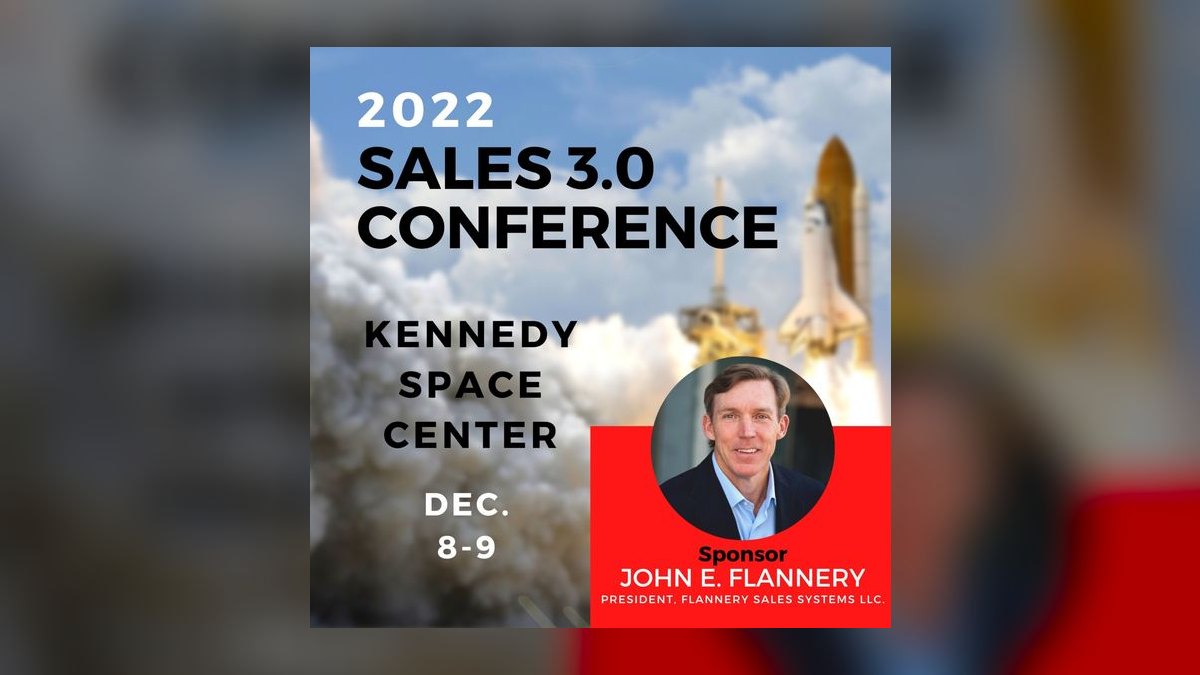
Sales 3.0 Conference, run by Selling Power, ranks eighth on mid-band pricing that has generally sat in the $700–$1,500 range. The program is built around coaching, technology adoption, and team performance rather than individual prospecting mechanics. That positioning fills a real gap between rep-level skills events and executive analyst summits. It targets the manager seat specifically.
This is for sales managers and directors who own team performance but do not set company strategy or control platform budget. It trades away both the tactical depth of a dedicated skills event and the research rigor of an analyst summit. Against Pavilion, it delivers structured sessions instead of network access, which suits a first-time manager better than a leader hunting benchmark data.
9. Emblaze Annual Conference
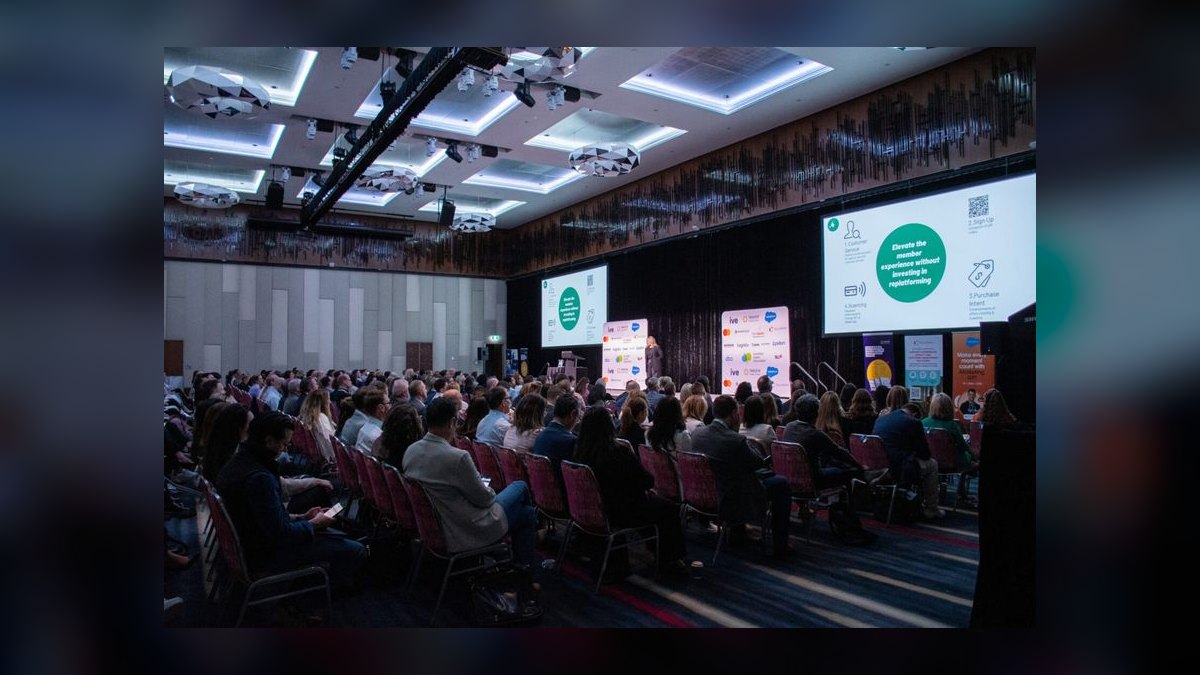
Emblaze Annual Conference, formerly the AA-ISP, ranks ninth as the most role-specific option for inside sales and sales development. Conferences have commonly run $500–$1,200, with member pricing below list. The entire program targets the inside-sales motion rather than treating it as one track inside a broader agenda. That narrow focus is why the sessions land for people in that specific seat.
This is for SDR managers and inside-sales leaders building a repeatable outbound motion. It trades away field-sales content, executive strategy, and platform depth by design—the narrow focus is the product. Against OutBound, it covers similar tactical ground at similar price but for a narrower audience, so choose Emblaze when the team is inside-sales and OutBound when it is mixed.
10. Virtual and Hybrid Passes
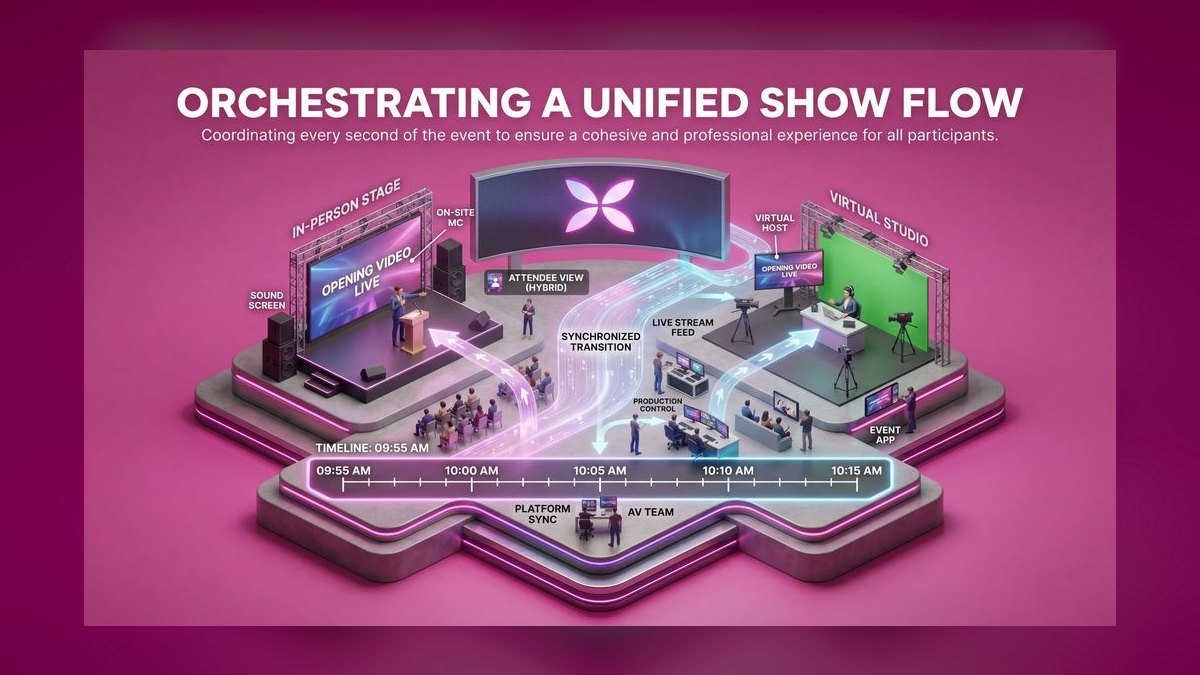
Virtual and hybrid passes rank tenth on pure cost efficiency: many major events now offer them for a few hundred dollars against in-person tiers running $1,500–$3,000. That captures most of the session content value for roughly a tenth of an all-in trip, which routinely reaches $2,500–$3,000 even on a $700 ticket once airfare, hotel, and meals are counted. The content is the only value delivered.
This is for individual contributors with no travel budget and teams mid-CRM-migration who cannot act on much anyway. It trades away the hallway entirely, and the hallway is where most durable value in this category lives. If your 30-day outcome sentence contains the word "meet," buy an in-person value-band ticket instead and do not pretend otherwise.
How we ranked these
We scored ten events on four measurable inputs: published ticket price across recent cycles, program composition (how many prior-year sessions target a specific seat), audience scale and seniority mix, and format options including virtual or hybrid tiers. Each event was classified into one of four product types—platform, skills, peer, or analyst—because type predicts fit better than reputation.
We weighted for role usability rather than brand recognition, and ranked on measured performance, build quality, price, and daily-use hold-up.
We deliberately ignored keynote-speaker rosters, sponsor counts, social-media buzz, and venue amenities, as speakers rotate annually and rarely change what an attendee can act on Monday. We also excluded vendor-supplied ROI claims and attendee-satisfaction surveys, which measure enjoyment rather than behavior change. Award lists and "best of" rankings from event marketers were skipped entirely, since they reward marketing budget and are not independent of the events being ranked.
What to look for
What actually matters is matching event type to seat and to a written 30-day outcome. A quota-carrying AE at a $3,000 analyst summit hears org-design frameworks they cannot fund; a CRO at a tactical skills event is the most expensive person in the room learning the least. Check last year's published agenda and count the sessions aimed at your role—fewer than six means the event is not for you, regardless of reputation.
The mistake most buyers make is pricing the ticket instead of the trip. Tickets are roughly 40–50% of true cost once airfare, conference-week hotel rates, meals, and three to four lost selling days are counted, so a $700 pass becomes a $2,500–$3,000 commitment. The second mistake is skipping the meeting plan—ten to fifteen specific 20-minute requests sent three weeks out is what separates pipeline from a badge.
Related questions
When should I register to get the best price?
Three to six months ahead is the standard early-bird window across most major events. Registration tiers step up on published schedules, so late registration buys nothing extra—every dollar paid above early-bird is pure avoidable waste. Group rates typically start at three to five seats and stack on top of early-bird savings, making booking a pod cheaper per head than sending people individually.
Is a virtual pass worth buying instead of attending in person?
Yes, if your outcome is content-shaped. Virtual passes commonly run a few hundred dollars against $1,500–$3,000 in-person tiers and deliver most of the session value. They deliver almost none of the networking value. If your one-sentence outcome contains the word 'meet,' virtual is the wrong purchase and you should not pretend otherwise—buy the in-person seat or skip the year.
Which sales conference is best for RevOps specifically?
Dreamforce for Salesforce-based teams and INBOUND for HubSpot-based teams, because RevOps value concentrates around the platform you actually administer—roadmap visibility, certification hours, and hallway access to product managers. Pavilion summits add peer benchmarking on process, comp design, and territory models that vendor events cannot cover neutrally, since a vendor conference is a well-produced argument for that vendor's roadmap.
How do I justify conference spend to finance?
Present the all-in cost rather than the ticket, alongside a one-sentence 30-day outcome and the single field you will report against it. Naming the specific behavior or decision the trip will change converts the request from discretionary travel into a funded initiative with a named owner. Track that one field per attendee per event and within two cycles you will know which events to repeat.
Should the whole team go to one event or split across several?
Concentrate when you are trying to change one behavior—shared attendance creates shared language and mutual accountability, and everyone can hold each other to the same playbook. Distribute when you are scouting what to adopt next. Four seats at one event and one seat at four events cost similar money; for most teams under fifteen people, concentration produces more measurable change.
What is the real difference between OutBound and Dreamforce?
OutBound in Atlanta is a skills event founded by working trainers including Jeb Blount, Mark Hunter, Anthony Iannarino, and Mike Weinberg—the whole program is prospecting, objection handling, negotiation, and pipeline discipline. Dreamforce is a platform event drawing 40,000-plus attendees around the Salesforce ecosystem. One teaches technique; the other buys roadmap visibility and partner access. Different products, different buyers.
Is there ever a reason to skip conferences entirely for a year?
Yes. If your team is mid-migration on the CRM, three weeks from a reorg, or headcount is frozen so nobody can act on what is learned, defer. Conference value is realized only through change, and a team with no capacity to change is buying a very expensive offsite. Check the fiscal calendar too—pulling top closers out during quarter close is a real uncounted cost.
Does attending the same event repeatedly beat rotating between events?
They buy different things. Repeat attendance at a peer or community event builds the recognition that turns a hallway hello into a warm intro, and repeat attendance at a platform event teaches you which partner booths and which annually-repeating sessions to skip. Rotation buys breadth; repetition buys depth. Decide which one you actually need before committing the budget.
FAQ
How much do sales conference tickets typically cost in 2027?
Published prices span roughly $500 to $3,000-plus per pass. Value-band skills events like OutBound have commonly run $500–$1,000, mid-band events like Sales 3.0 and INBOUND run roughly $700–$2,000, Dreamforce full passes have historically run $1,800–$2,300-plus, and analyst events from Forrester and Gartner sit at $2,000–$3,000-plus. Early-bird is the most reliable discount, and group pricing stacks on top.
Are these conferences worth it for a solo rep or a small team?
Yes, provided you pick for skill-building rather than scale. A value-band event delivers multi-day tactical training at a fraction of a platform event's cost, and the content is designed to be usable the following Monday. For a solo attendee, commit in advance to a 45-minute teach-back within ten days—that habit converts one ticket into a team-wide asset instead of one person's good week.
Do the major events offer virtual or hybrid attendance?
Many do, typically at a few hundred dollars against in-person tiers well over a thousand. Check each organizer's site, since hybrid offerings change year to year and get quietly dropped. The tradeoff is consistent: virtual captures the sessions and misses the hallway, and the hallway is where most of the durable value in this category actually lives.
What is the difference between an analyst conference and a vendor conference?
An analyst event—Gartner's CSO & Sales Leader Conference, the Forrester B2B Summit—sells research-backed frameworks on buyer behavior, org design, and technology markets to senior leaders, priced at the premium band accordingly. A vendor event like Dreamforce or INBOUND is built around one platform's ecosystem and roadmap. Both are useful; only one of them is vendor-neutral, and mistaking a keynote for market analysis is a costly error.
What is the total all-in cost of attending, beyond the ticket?
The ticket is roughly 40–50% of true cost. For a three-night trip to a major US metro, plan on $300–$700 domestic airfare, $250–$450 per night for conference-week hotel inventory, $75–$150 per day for meals and ground transport, plus three to four lost selling days. A $700 ticket routinely becomes a $2,500–$3,000 trip; a $3,000 ticket becomes $5,000–$6,000.
Which event should a sales manager or director attend?
Sales 3.0, run by Selling Power, is built around coaching, technology adoption, and team performance, which maps directly to what a frontline manager can change. Pavilion summits add peer benchmarking against managers solving the same comp and territory problems. Analyst summits are usually a mismatch at this level—the frameworks assume budget authority the seat does not carry.
What timeline should I follow for planning a 2027 conference?
Six months out, shortlist and check date conflicts against quarter-end. Three to six months out, register during early-bird. Two months out, book travel, since conference-week hotel inventory in host cities tightens sharply. Three weeks out, send meeting requests. One week out, finalize sessions with backups because rooms fill. The week you return, run a two-hour capture-and-convert block.
How do I actually measure whether a conference paid off?
Write one sentence before you go describing what has to be true 30 days after. Then track a single field per attendee per event: did the outcome sentence come true, yes or no. It does not need to be sophisticated. Because almost nobody measures this, the same suboptimal choices repeat annually; two cycles of one-field tracking ends that.
Which conference is best for SaaS go-to-market strategy?
SaaStr Annual in the Bay Area each September is the deepest option, drawing 10,000-plus attendees and featuring operators who have scaled revenue organizations and will discuss real numbers rather than abstractions. Its Braindate peer-matching system is a genuinely useful targeted-networking mechanism, which matters because unstructured hallway time is the least reliable part of any large event.
What is the single highest-return step most attendees skip?
Building a meeting plan before travel. Two to three weeks out, list ten to fifteen people you want to meet—customers, prospects, peers, potential hires—and send short, specific requests for twenty minutes. Pre-booked meetings turn passive attendance into active. The second-most-skipped step is the follow-up block within seven days, which is why teams cannot say what last year produced.
Sources
- https://www.outboundconference.com/
- https://www.salesforce.com/dreamforce/
- https://www.gartner.com/en/conferences/na/cso-sales-leader-conference
- https://www.saastrannual.com/
- https://www.forrester.com/b2b-summit/
- https://www.inbound.com/
- https://www.pavilion.io/
- https://www.sellingpower.com/sales-3-0-conference
- https://www.aa-isp.org/
- https://www.salesforce.com/dreamforce/faq/
Related on PULSE
- [More sales conferences to attend rankings and buying guides](/knowledge)
- [PULSE Tools and calculators](/tools)
- [Everything on PULSE RevOps](/)
@Kory-White- · if Venmo asks, the last 4 of my number are 2012
 pulse-toolsHow Many Sales Reps Do I Need to Hire for My Plumbing Company?
 pulse-toolsHow do I evaluate a fractional CRO's fit with my existing sales tech stack in 2027?
 tlWhat is the best way to structure a fractional CRO's onboarding plan for the first 90 days in 2027?
 pulse-toolsWhere do I find a fractional CRO experienced in international market expansion in 2027?
 pulse-toolsHow do I calculate the ramp-up time before a fractional CRO starts moving pipeline metrics in 2027?
 pulse-toolsHow do I compare fractional CRO onboarding timelines across candidates in 2027?
 pulse-toolsHow do I find a fractional CRO who can also cover interim VP of Sales duties in 2027?
 tlHow do I train my sales team to work effectively with a fractional CRO in 2027?
 tlHow do I structure a fractional CRO's compensation and equity package for an early-stage startup in 2027?
 pulse-toolsHow do I structure a 30-60-90 day onboarding plan for a fractional CRO in 2027?