


Should I open or buy a Drybar franchise in 2027?
Quality
Certified
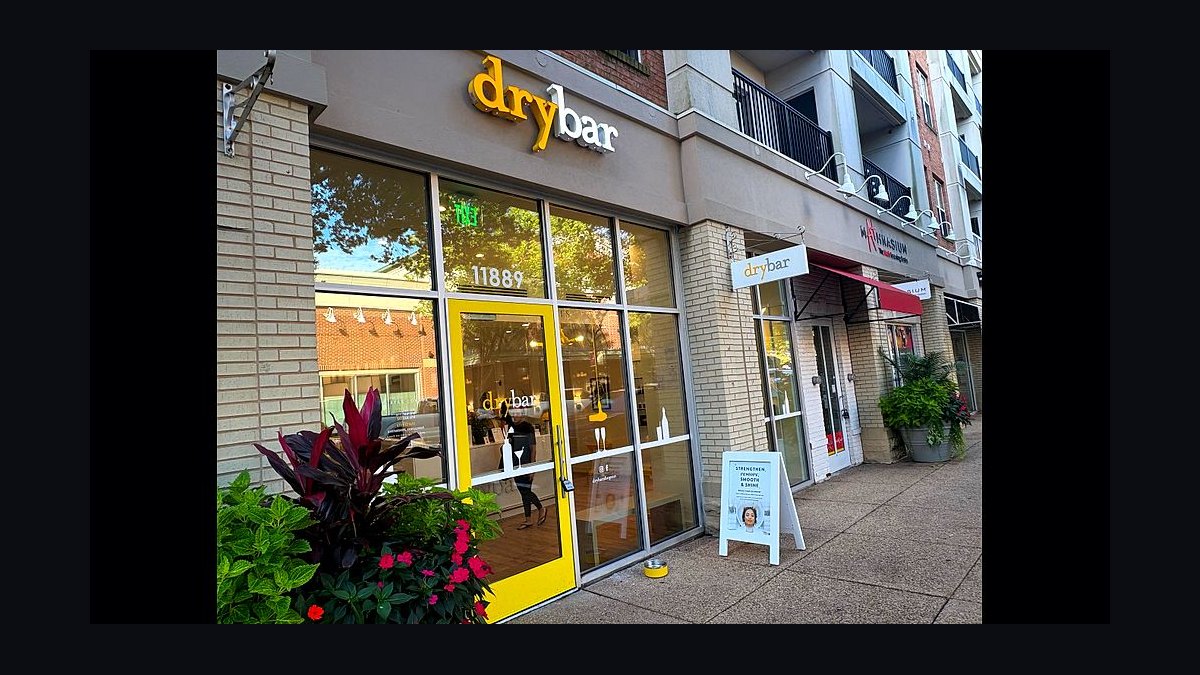
Buy an existing Drybar rather than open a new one in 2027 unless you hold roughly $750K liquid and a top-tier trade area. Greenfield build-out now runs $551K–$870K against system AUV near $1.2M, while resales at 2.5–3.5x SDE cash-flow immediately. Multi-unit operators capture the real leverage; single-unit absentee owners rarely clear top quartile.
The moment the spreadsheet stops being theoretical
Picture the version of this decision that actually happens. It's a Tuesday in early 2027. You've got $680K available — some of it a home-equity line, some of it a rollover from a 401(k), some of it cash from selling a stake in a prior business. A franchise development rep from WellBiz Brands has sent you a territory map showing three open areas in your metro, and one of them sits four minutes from a lululemon and a Whole Foods. The Item 19 page says system average unit volume is around $1.2 million. The rep's pro-forma shows you at $1.35M by year three. Everything on the page says yes.
Here is what the page does not say. The gap between the top quartile and the bottom quartile in this system is roughly two and a half times. Top-quartile shops report $1.6M–$1.9M. Bottom-quartile shops clear under $750K, and at $750K a Drybar with 35% labor, 9% rent, and a combined 9% royalty-and-brand-fund load is roughly cash-flow neutral before you take a dollar of owner draw. You will not know which quartile you're in until month 14. By then you'll have spent the entire build-out and most of your working capital.
The scenario that kills people is not a bad brand. Drybar is the category leader — roughly 190 franchised shops, well ahead of Blo Blow Dry Bar at around 140 units, with real consumer recognition and a product line that most independent blow-dry boutiques cannot match. The scenario that kills people is a good brand in a mediocre box with a thin capital stack. The operator hits the Item 7 floor of $551K exactly, opens with $40K of working capital instead of $120K, and then discovers that ramp takes 11 months instead of six. Month eight arrives, payroll is due, the stylist bench is turning over at 60% annually because commission is below local salon norms, and there's no cash left to fix any of it.
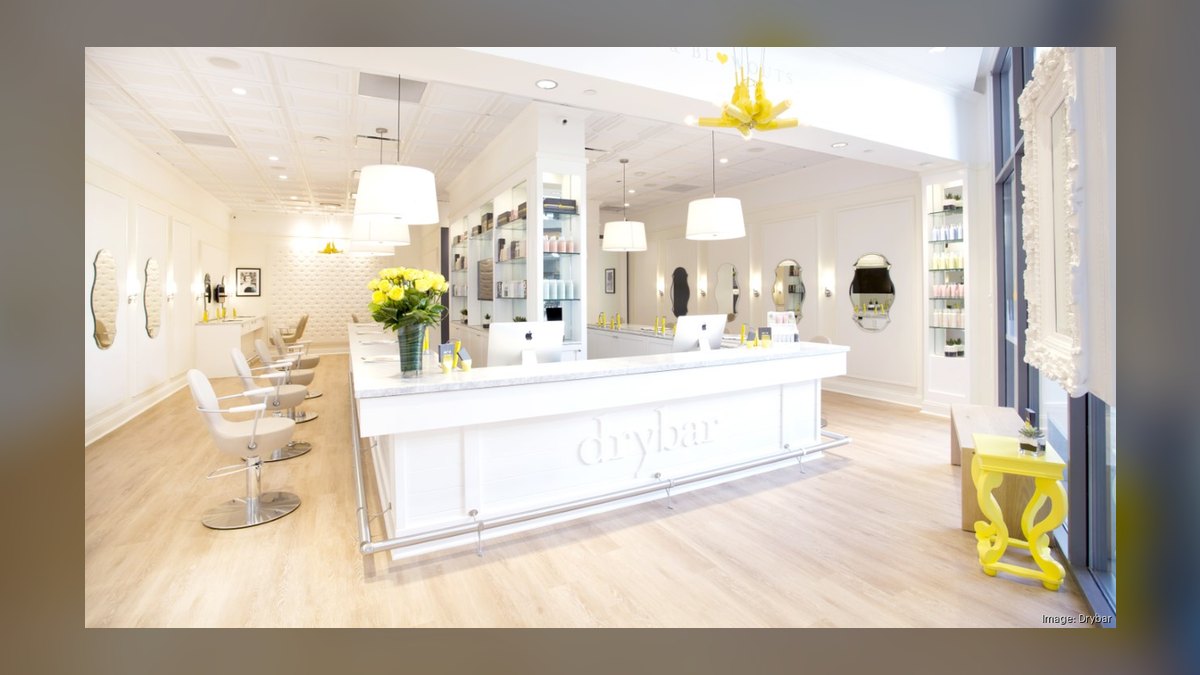
Now run the same $680K through the resale path. A three-year-old unit doing $980K with $165K of seller's discretionary earnings trades at 2.75x SDE — roughly $454K — plus working capital and a transfer fee. You inherit a stylist roster, a Barfly membership base already generating recurring revenue, a lease with known economics, and twelve months of real P&L instead of a pro-forma. You have $200K of dry powder left over for a remodel, a marketing push, or the second unit. That is the same money buying a fundamentally different risk profile, and it is the single most important framing in this entire decision.
The rep will not steer you toward the resale. Development teams are compensated on new agreements signed, not on transfers. That's not corruption, it's incentive design, and you should read every conversation through it.
How the unit economics actually work, line by line
Strip the brand away and a Drybar is a fixed-cost retail box with a labor-heavy service model and a recurring-revenue overlay. Understanding the mechanism means understanding which of those three layers you actually control.
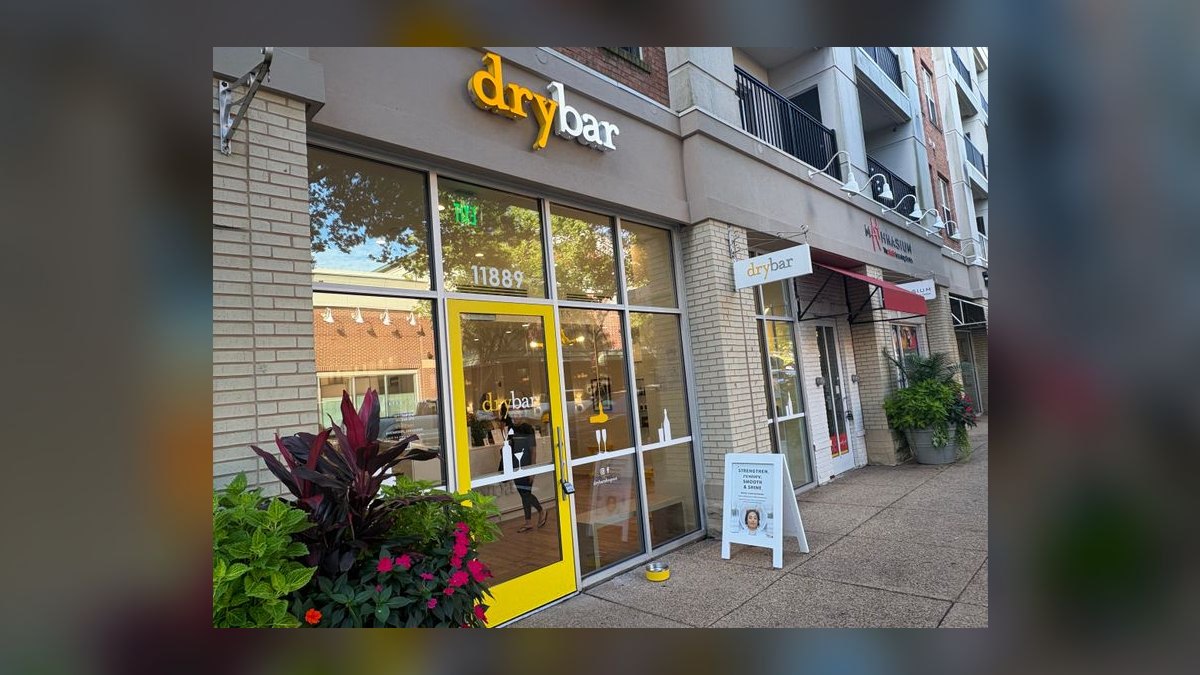
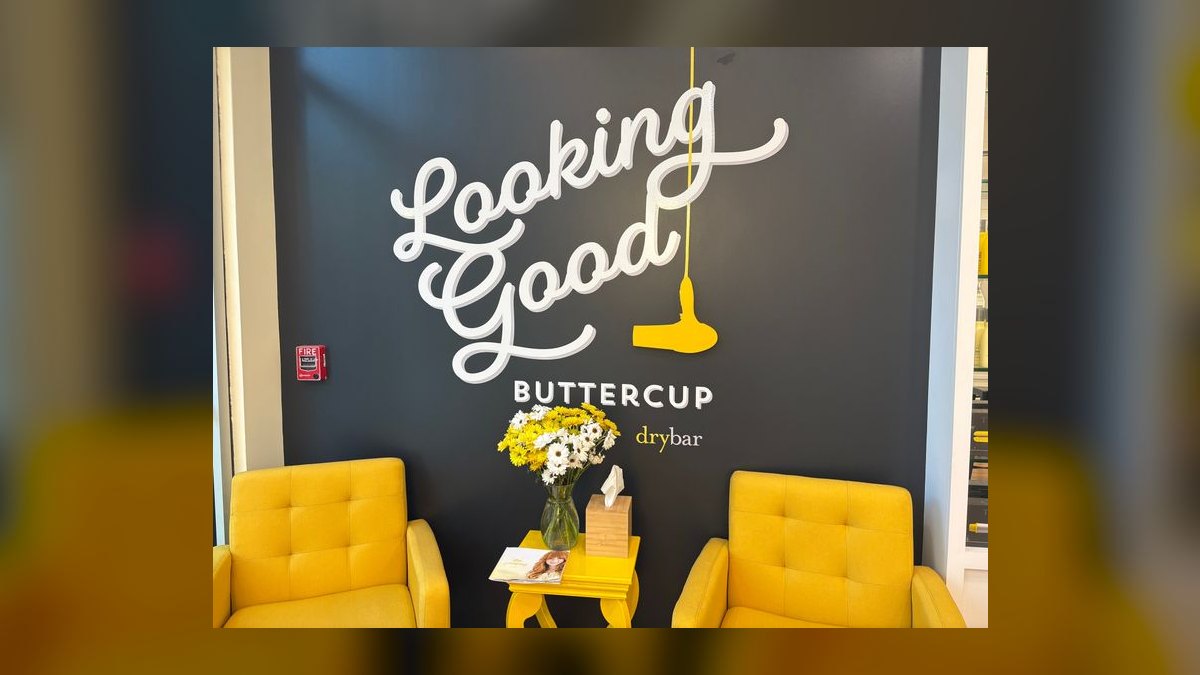
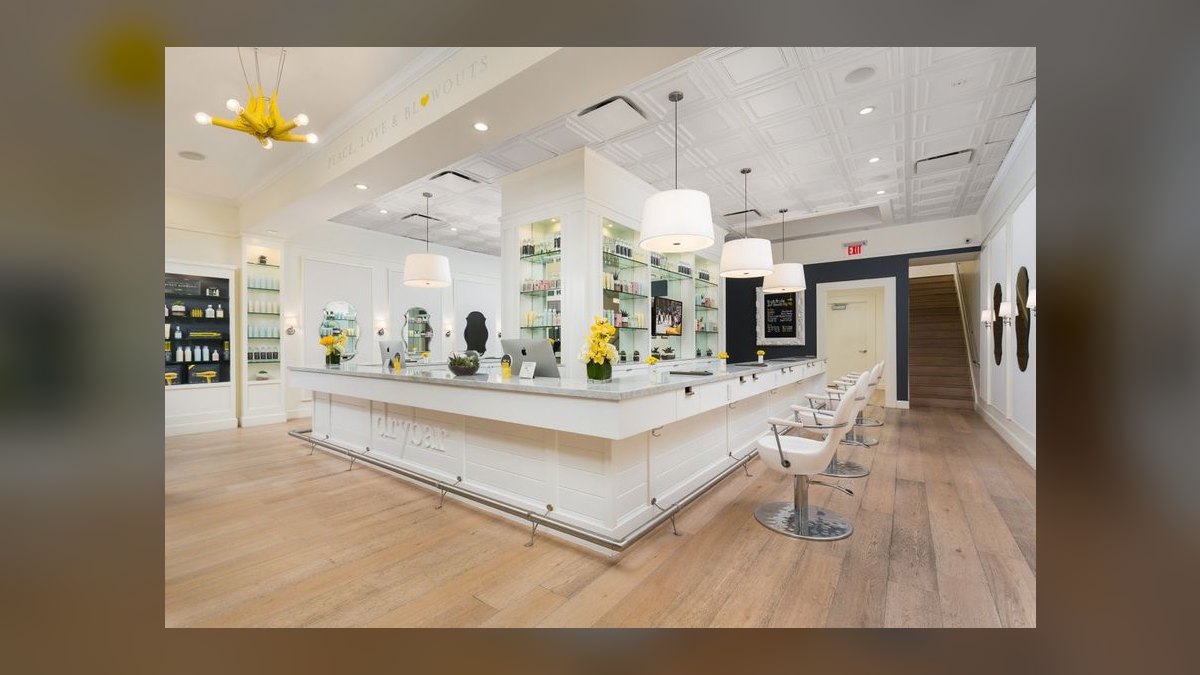
The fixed layer is rent and debt service. You sign a 1,400–1,800 square foot retail lease, typically five years with two five-year options, at somewhere near 9% of expected revenue. Build-out is the biggest variance line in the whole model — the signature yellow-and-blue bar runs roughly $180–$240 per square foot in 2027, and landlord tenant-improvement allowances have compressed as Class-A retail vacancy tightened. Equipment — custom chairs, wash stations, blow-dry stations, POS, opening inventory — sits around $110K–$160K. Once you sign, this layer is frozen for a decade. Everything you negotiate before signing is worth ten times what you can negotiate after.
The variable layer is labor and product. Labor runs about 35% of revenue at a healthy unit. Product and cost of goods runs about 5%. Both are rising: stylist wages have been climbing 8–11% year over year, and professional hair product costs roughly 6%. Critically, the post-2024 enforcement wave on independent-contractor misclassification — driven by California and New York rulings that state cosmetology boards have followed — pushed a lot of operators off 1099 models onto W-2. If you were modeling contractor labor, add 6–9% to effective cost and re-run the whole thing.
The layer you actually control is the revenue mix. A blowout ticket runs roughly $50–$60 before tip. At that price point the service is discretionary, which means transaction-by-transaction demand is fragile — but the Barfly membership program converts fragile transactions into predictable subscription revenue, and at mature units memberships drive something like 40–55% of total revenue. That is the whole ballgame. An operator who sells memberships at every visit lands in a different quartile than one who doesn't, in the same box, with the same rent.
Notice what the diagram makes obvious: the 9% combined royalty-plus-brand-fund load comes off the top line, before rent, before labor, before anything. On $1.2M that's $108K a year — the equivalent of a second general manager's total compensation, paid every year for ten years, in exchange for brand equity, the product line, national marketing, and the operating system. Whether that trade is worth it depends almost entirely on whether the brand actually drives traffic in your specific trade area. In a market where nobody has heard of Drybar, you are paying 9% for a name that isn't working yet. In a market saturated with awareness, you're paying 9% for something genuinely valuable.
The upstream effect most first-time franchisees miss is that the royalty is on gross sales, not profit. A bad year does not reduce it. A month where you discount aggressively to fill chairs still pays full freight to the franchisor. That asymmetry is why undercapitalization compounds so fast — the fees are the last thing to flex and the first thing to drain the account.
The numbers you should actually be modeling
Work from the current Franchise Disclosure Document, not from a rep's deck. The 2026 FDD is the binding document for most 2027 openings, since a new one typically registers around April. Request it directly and read Items 5, 6, 7, 17, 19, 20, and 21 with a franchise attorney who does this for a living.
The fee structure: a $50,000 initial franchise fee, 7% royalty on gross sales, a 2% brand marketing fee, a local marketing minimum in the 1–2% range, a $10,000 renewal fee, and a ten-year initial term. Total initial investment per Item 7 spans roughly $551,000 to $869,000. Training is bundled into the franchise fee.
Build the pro-forma three times — bottom quartile, median, top quartile — and make the bottom-quartile case survive. At the $1.2M median, the arithmetic runs roughly like this: $84K royalty, $24K brand fund, about $420K labor, about $108K rent, about $60K product, about $84K other operating expense. That leaves roughly $420K of operating cash before owner draw and debt service. Service a $650K SBA 7(a) at 11.5% over ten years — call it $110K annually — and a mature year nets the operator somewhere in the $180K–$220K pre-tax range. Mature-unit EBITDA margins in this category tend to land in the 15–18% band, and median owner SDE by year three commonly falls between $125K and $180K.
Now run the bottom quartile. At $750K, that same box carries nearly the same rent and a labor line that doesn't scale down proportionally, because you still need enough stylists on the floor to serve peak Saturday demand. Net to owner lands somewhere around $30K–$60K. That is not a business, that is a demanding job with $650K of personal guarantee attached. If your model can't tolerate that outcome for two years, you are not funded for this.
The capital stack that actually works is not $551K. It's closer to $750K all-in, including six months of operating reserve. WellBiz's franchisee qualification floor is typically $300K liquid against $500K net worth, but the floor is a screening threshold, not a recommendation. The realistic working-capital line is $75K–$120K minimum, and most single-unit failures trace directly to underfunding the first twelve months rather than to anything about the concept.
On timing: simple payback on a single unit runs roughly five to six years, though cash-flow-positive operations typically arrive somewhere in the 24–36 month window if the ramp is normal. Multi-unit operators compress that because they amortize a district manager across shops, negotiate better vendor terms, and can move labor between locations during seasonal swings.
Trade-area thresholds matter as much as any financial line. The profile that works: median household income around $125K or higher, meaningful daytime female population density, roughly 25,000+ adult women within a five-minute drive time, and co-tenancy near Sephora, lululemon, or Whole Foods–grade anchors. A suburban strip center in an $80K median-income trade area does not generate repeat discretionary blowout traffic at a $50–$60 ticket, no matter how good the operator is. Pay for real trade-area modeling — eSite Analytics and Buxton both do this work — before you sign anything.
Market context for 2027: IBISWorld sizes the US blow-dry-bar segment in the low-teens billions with a forward CAGR in the mid-single digits, decelerating from the double-digit post-pandemic surge but still outpacing general personal-services growth. Northeast and West Coast metros are mature. Sunbelt growth markets — Charlotte, Raleigh, Nashville, Austin, Phoenix, Tampa — still show genuine white space. That geographic split should drive your territory decision more than almost anything else.
What you give up on each path, and what else you could buy
Every option here trades a different thing. Greenfield trades cash and time for a clean slate and territory choice. Resale trades a premium for proven revenue. An adjacent brand trades brand equity for better cash-on-cash. Doing nothing trades upside for optionality — which, at these capital levels, is a legitimate answer.
Greenfield's genuine advantage is site selection. You pick the box, you negotiate the lease, you inherit no one's bad decisions. If the only available resales in your region are the ones nobody wants — and there's a reason a unit is on BizBuySell — then building is the honest path. Negotiate hard on the lease: target a $40–$60 per square foot TI allowance, six months of free rent, and a five-year initial term with two five-year options. Those three terms are worth more over a decade than anything else you'll negotiate in the entire process.
Resale's advantage is information. You're buying twelve to thirty-six months of actual P&L, a stylist roster, and a membership base. Fair pricing runs 2.5–3.0x SDE; above 3.5x you're paying for someone else's optimism. Scan BizBuySell, FranchiseGator, and Transworld continuously — good resales move fast and rarely get marketed broadly. The diligence questions differ from greenfield: why is the seller out, what's stylist tenure look like, how much of revenue is membership versus walk-in, when does the lease expire, and has the franchisor flagged the unit for a required remodel that will land on your desk in year two.
The adjacent-concept comparison is worth running honestly. Blo Blow Dry Bar carries a lower franchise fee and a total investment roughly in the high-$200Ks to high-$300Ks with a 6% royalty and a smaller footprint around 1,200 square feet — but reported AUVs are a fraction of Drybar's, so the cash-on-cash comparison is closer than the headline investment gap suggests. Membership-heavy beauty franchises like European Wax Center or Hand & Stone Massage run higher AUVs with stronger recurring mixes, at investment ranges broadly comparable to Drybar's, and in Wax Center's case a higher royalty. Lash-extension concepts share the recurring-membership structure with a different labor profile.
Two non-franchise plays deserve mention because they change the risk shape entirely. The salon-suite landlord model — Sola Salon Studios, Phenix Salon Suites and similar — puts you in the real-estate-and-leasing business rather than the service-delivery business. Lower operating risk, far lower ceiling, and you never manage a stylist. Alternatively, acquiring an established independent blow-dry boutique in a dense urban core at 2.0–2.5x SDE gets you full brand control and zero royalty drag, at the cost of every system the franchisor would have given you: training, supply chain, marketing infrastructure, and the product line. If you've run salons before, that math sometimes wins. If you haven't, the 9% is buying you a curriculum you badly need.
One more trade-off nobody puts on a slide: time. Owner-operators in year one should plan on 45–55 hours a week. That drops to 20–25 by year three if — and only if — you've built a general manager who can run the floor without you. Absentee ownership from day one very rarely clears top quartile in this category, because the levers that separate quartiles are membership conversion and stylist retention, and both are culture problems that respond to presence.
Where these deals go wrong, and the 90 days that prevent it
Four failure patterns repeat across resale listings and closures, and every one of them is preventable at the diligence stage.
Underfunding the ramp. Operators who fund to the Item 7 floor with no reserve run out of cash around month eight when actual ramp lags the pro-forma. The fix is arithmetic, not courage: fund to $750K or don't sign.

Wrong trade area. Discretionary service at a $50–$60 ticket requires household density and income. Modeling this with intuition instead of data is the most expensive shortcut in the entire process, because a lease is a ten-year commitment to a mistake.
Stylist retention failure. Turnover above roughly 60% annually destroys repeat booking, because clients follow stylists. Top operators pay in the 45–55% commission range plus product comp and continuing education — meaningfully above local salon norms — and they treat that premium as a customer-retention expense rather than a labor overrun. Budget for it in the model from day one, not as a year-two correction.
Membership neglect. Shops that don't actively sell Barfly memberships at every visit stall somewhere in the $700K–$850K range. The membership conversation is a floor-culture behavior, which means it's a hiring, training, and comp-design problem. It does not fix itself.
Margin pressures to price in for 2027 beyond those four: lease escalators running 3–5% annually, credit-card processing creep toward a 3%+ blended rate, product cost inflation around 6%, and liability insurance in beauty services that has moved sharply upward. None of these are catastrophic individually. Stacked, they consume a full margin point or two per year, which is why a model that only barely works today doesn't work in year four.
Run the decision on a 90-day clock. Days 1–15: validate capital honestly, pull a personal financial statement, and pre-qualify SBA 7(a) with three or four lenders — Live Oak, Huntington, and Byline all do meaningful franchise volume. Lock rate scenarios at 10.5%, 11.5%, and 12.5% so you know which ones break the model.
Days 16–30: request the current FDD and read it with a franchise attorney. Build the three-scenario pro-forma. Days 31–50: make validation calls. Item 20 lists every franchisee with contact information — that is the most valuable page in the document and almost nobody uses it properly. Call fifteen minimum: five in your target region, five multi-unit operators, five single-unit operators in years two through four. Ask the same twelve questions of each and score consistency rather than anecdotes. The single most useful question: "If you were signing today, what would you do differently?"
Days 51–65: commission trade-area modeling and simultaneously scan the resale market, so you're comparing a real greenfield to a real resale rather than to a hypothetical one. Days 66–80: sign an LOI and attend Discovery Day at WellBiz headquarters in Denver — meet franchise development, training leadership, and at least one operations VP, because operations is who you'll actually depend on. Days 81–90: submit the full SBA package, negotiate landlord terms if greenfield, and make a documented go/no-go decision against written triggers you set on day one. Writing the triggers down in advance is the entire point. It's the only defense against signing on emotion after ninety days of sunk effort.
Ownership context worth knowing: Drybar sits under WellBiz Brands, which Transom Capital acquired from KSL Capital in January 2026. New private-equity ownership typically means a push on unit growth, potential remodel requirements, and possible changes to support structures at the next FDD refresh. Ask directly during Discovery Day what's changing — and ask existing franchisees whether support has improved or degraded since the transaction. That answer tells you more about the next ten years than any Item 19 table.
Related questions
Is a Drybar resale always better than opening a new unit?
No. Resales in weak trade areas or with expiring leases and pending remodel obligations can be worse than a well-sited greenfield. The resale advantage is information, not price. If the only available units are distressed for structural reasons, building in the right location wins.
How many units do I need before the economics really change?
Roughly three. At three-plus units you can amortize a district manager, negotiate better vendor and product terms, share labor across locations during seasonal swings, and spread marketing spend. Below that, you carry full overhead on a single revenue line with no shock absorber.
What percentage of revenue should memberships represent?
At a mature, well-run unit, Barfly memberships commonly drive 40–55% of revenue. Below roughly 35%, you're running a transactional business in a subscription category — that's the clearest early signal that floor-level selling culture needs attention before anything else.
Should I use SBA financing or cash?
SBA 7(a) is standard for this investment size, but it comes with a personal guarantee and a lien on personal assets. Model debt service at 12.5% before assuming 10.5%. If the bottom-quartile scenario can't cover the payment, the leverage is too high.
Does the franchisor's private-equity ownership change matter to me?
It can. New sponsors often accelerate unit growth, refresh remodel standards, and restructure field support. Ask current franchisees directly whether support quality has moved since the January 2026 transaction — their answer is better evidence than anything in the marketing materials.
FAQ
What total investment should I plan for a Drybar franchise in 2027?
Item 7 of the FDD puts total initial investment at roughly $551,000 to $869,000, covering the $50,000 franchise fee, build-out, equipment, and initial working capital. Plan on approximately $750,000 all-in including six months of operating reserve. Funding to the low end without a cushion is the most common structural mistake in the system.
How much does a Drybar franchise actually earn?
System average unit volume sits near $1.2 million, but the distribution is wide. Top-quartile units report roughly $1.6M–$1.9M; the bottom quartile clears under $750,000 and often runs near cash-flow neutral after labor and fees. Mature EBITDA margins typically land in the 15–18% range, with year-three owner SDE commonly between $125,000 and $180,000.
What are the ongoing fees?
A 7% royalty on gross sales plus a 2% brand marketing fee — a 9% top-line load before rent — plus a local marketing minimum in the 1–2% range. All are calculated on gross sales, not profit, so they don't flex in a weak year. Renewal at the end of the ten-year term carries a $10,000 fee.
Is buying an existing unit better than opening a new one?
Usually, yes, for a first-time franchisee. A resale at 2.5–3.0x seller's discretionary earnings delivers real P&L history, an existing stylist team, and an established membership base rather than a pro-forma. Above 3.5x SDE you're overpaying. Greenfield still wins when no quality resale exists in a trade area you actually want.
What trade area does Drybar require?
Typically 1,400–1,800 square feet of visible retail in a market with median household income around $125,000 or higher, strong daytime female density, and roughly 25,000+ adult women within a five-minute drive. Co-tenancy near premium anchors matters materially. Commission professional trade-area modeling before signing a ten-year lease.
How long until I recoup the investment?
Cash-flow-positive operations typically arrive within 24–36 months on a normal ramp; simple payback on the full investment usually runs five to six years for a single unit. Multi-unit operators compress both timelines through shared management overhead and better vendor terms.
Sources
- https://www.ftc.gov/business-guidance/resources/consumers-guide-buying-franchise
- https://www.sba.gov/funding-programs/loans/7a-loans
- https://www.franchise.org/
- https://www.ibisworld.com/united-states/market-research-reports/hair-salons-industry/
- https://www.bls.gov/ooh/personal-care-and-service/barbers-hairstylists-and-cosmetologists.htm
- https://www.franchisedirect.com/
- https://www.bizbuysell.com/
- https://www.franchisetimes.com/
- https://www.dol.gov/agencies/whd/flsa/misclassification
- https://www.sba.gov/business-guide/plan-your-business/calculate-your-startup-costs
Related on PULSE
- How long does it take to open a franchise and break even in 2027?
- Should I open or buy a Tommy Gun's Original Barbershop franchise in 2027?
- Should I open or buy a Painting with a Twist franchise in 2027?
- What should I look for in an FDD Item 19 before signing?
- Is SBA 7(a) financing the right structure for a first franchise?
This page will be disappearing soon. Save it to your device for $1 — or read it free while it is here.
@Kory-White- · if Venmo asks, the last 4 of my number are 2012
This page is gone.
This one is off the shelf now. $1 keeps it on your phone for good — the whole page, pictures and diagrams included.
 franchiseShould I open or buy a Subway franchise in 2027?
 franchiseShould I open or buy a Panera Bread franchise in 2027?
 franchiseShould I open or buy a Stanley Steemer franchise in 2027?
 franchiseShould I open or buy a Wienerschnitzel franchise in 2027?
 franchiseShould I open or buy a Meineke franchise in 2027?
 franchiseShould I open or buy a Bruster's Real Ice Cream franchise in 2027?
 franchiseShould I open or buy a Little Caesars franchise in 2027?
 franchiseShould I open or buy a Roto-Rooter franchise in 2027?
 franchiseShould I open or buy a Bahama Breeze franchise in 2027?
 franchiseShould I open or buy an Anytime Fitness franchise in 2027?