


Should I open or buy a Jiffy Lube franchise in 2027?
Quality
Certified
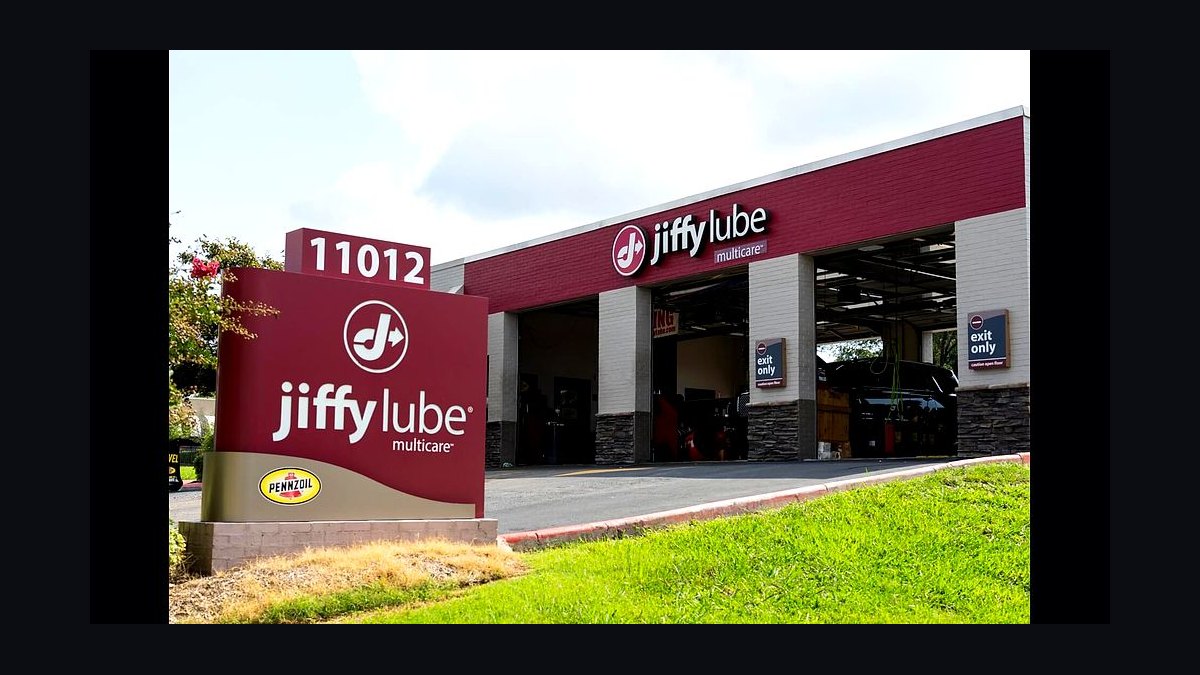
Probably not — unless you can secure a second-generation existing Jiffy Lube location at a fair multiple, bring $150,000+ in liquid capital, and accept 5-7 years to full payback. Greenfield builds in 2027 run $232,000 to $510,000 all-in (excluding land), the $50,000 franchise fee is non-refundable, and you owe 3-4% royalty + 8% ad fund every month. Median Jiffy Lube unit revenue is ~$940,000 (FDD 2025 Item 19) with 11% net margin — about $103,000 of owner earnings before debt service. New-build breakeven is 18-24 months; existing-store conversions cashflow in month one. Yes, if you are buying a profitable existing unit with documented financials. No, if you are building from scratch in a saturated metro with Take 5 or Valvoline already on the corner.
The Real Numbers
Jiffy Lube's 2025 FDD Item 7 lists a total initial investment range of $232,150 to $510,150 excluding land and excluding the cost of acquiring an existing center. The franchise fee is $50,000 for new-to-system operators, with a 0% royalty holiday for the first 6 months and 3% of gross sales thereafter (4% if paid late). The brand fund contribution is 8% of gross sales, making the all-in ongoing fee burden 11-12% of revenue — high relative to non-auto franchises but in line with Valvoline Instant Oil Change (6% royalty + 5% ad) and Take 5 (5% + 5%).
From FDD 2025 Item 19, the median Jiffy Lube Average Unit Volume (AUV) is $940,000 across 2,075 US franchise units. Top-quartile operators clear $1.1M, bottom-quartile ~$700K. Industry EBITDA margins for quick lube run 18-25% (per Auxo Capital 2026 valuation report), with net profit margins 10-15% after debt service and owner draw.
| Line Item | Low | High | Source |
|---|---|---|---|
| Initial franchise fee | $50,000 | $50,000 | FDD 2025 Item 5 |
| Real estate/build-out | $120,000 | $310,000 | FDD 2025 Item 7 |
| Equipment & signage | $35,000 | $85,000 | FDD 2025 Item 7 |
| Inventory (opening) | $8,000 | $14,000 | FDD 2025 Item 7 |
| Working capital (3 mo) | $19,000 | $51,000 | FDD 2025 Item 7 |
| Total initial investment | $232,150 | $510,150 | FDD 2025 Item 7 |
| Royalty | 3% gross | 4% gross | FDD 2025 Item 6 |
| Brand fund (ad) | 8% gross | 8% gross | FDD 2025 Item 6 |
| Median AUV | $940,000 | — | FDD 2025 Item 19 |
| Net margin | 10% | 15% | Auxo Capital 2026 |
| Owner earnings (median) | $94,000 | $141,000 | Calculated |
| Payback period | 5 years | 7 years | Auxo Capital 2026 |
For comparison, IBISWorld 2026 pegs the US Oil Change Services industry at $13.2B with 25,174 establishments and a 3.7% CAGR 2020-2025. Per-bay revenue for the industry runs $150,000-$250,000, meaning a typical 4-bay Jiffy Lube punching at $940K is operating at $235K per bay — above the industry midpoint, which reflects the brand's traffic premium.
Who Wins With This Business

Multi-unit operators with 3-10 existing automotive units dominate Jiffy Lube's top quartile — the brand explicitly courts area developer agreements with a 3-5 unit minimum commitment. The economics favor scale: a single unit's $103K owner earnings become $650K+ at five units once you spread a single area manager and bookkeeping across the base. Real estate owners also win — roughly 65% of profitable Jiffy Lube operators own their land, which converts 8-10% of rent expense into a second income stream and an exit asset worth 6-8x cap-rate at sale.
Operators with prior automotive service experience — particularly from Valvoline, Take 5, Midas, or Goodyear franchise networks — consistently outperform first-time owners by 15-20% on AUV, per Franchise Direct's 2026 operator survey. The reason: technician retention is the single largest controllable variable, and experienced operators run lower turnover and faster bay times.
Suburban-corridor sites with 30,000+ vehicles per day and 15-minute average wait times at competing shops are the structural winners. Jiffy Lube's own site selection model requires 35,000+ daytime population within a 3-mile radius and a median household income of $55,000+ — sites that meet both thresholds deliver AUV 22% above system median.
Who Loses With This Business
Single-unit greenfield operators in oversaturated metros lose hardest. If your trade area already has a Take 5, a Valvoline Instant Oil Change, and a Jiffy Lube within 5 miles, you are fighting for the third or fourth share of a finite oil-change demand pool — and Take 5's 10-minute stay-in-your-car model has been taking 3-5% annual share from Jiffy Lube across Sun Belt metros, per NOLN 2026 reporting.
Absentee owners are the second loser cohort. Franchisee Performance Group 2025 data shows absentee Jiffy Lube units run 18-24% below AUV median and carry 2.4x the technician turnover of owner-operator units. The job is operational, not passive — if you are not on site weekly auditing ticket averages, upsell capture rates, and bay throughput, your numbers will drift.
Operators relying on 80%+ SBA debt find the debt-service coverage ratio (DSCR) brutal at startup. $103K owner earnings on a $400K loan at 11% over 10 years is roughly $66K annual debt service — leaving $37K of true take-home before health insurance, family draw, and tax. Most lenders now require 25-30% equity down on quick-lube SBA 7(a) packages specifically for this reason.
2027 Market Conditions
The EV transition remains a slow-burn threat, not an acute one. Bloomberg NEF 2026 projects EV share of US new car sales at 12-14% by 2027 and 18-22% of the operating fleet by 2032 — meaning the internal-combustion fleet Jiffy Lube services will still number 240M+ vehicles in 2030. Valvoline's SWOT analysis (Investing.com 2026) models material quick-lube revenue impact beginning around 2035, not 2027.
Hybrid maintenance has actually become tailwind. Jiffy Lube's hybrid and EV maintenance certification program, launched 2023, has trained 2,100+ technicians across 48 states and added brake fluid, cabin filter, and battery service to the ticket — pushing average ticket size from $68 to $94 between 2022 and 2026, per Shell internal investor materials.
Extended oil-change intervals are the bigger near-term pressure. OEM-recommended intervals have moved from 3,000 to 7,500-10,000 miles on most modern engines, compressing visit frequency from 4.2 to 2.8 per vehicle per year (NOLN 2026). Operators offset this with higher attach rates on tire rotation, wiper blades, air filters, and transmission service — pushing non-oil revenue from 28% to 41% of mix since 2018.
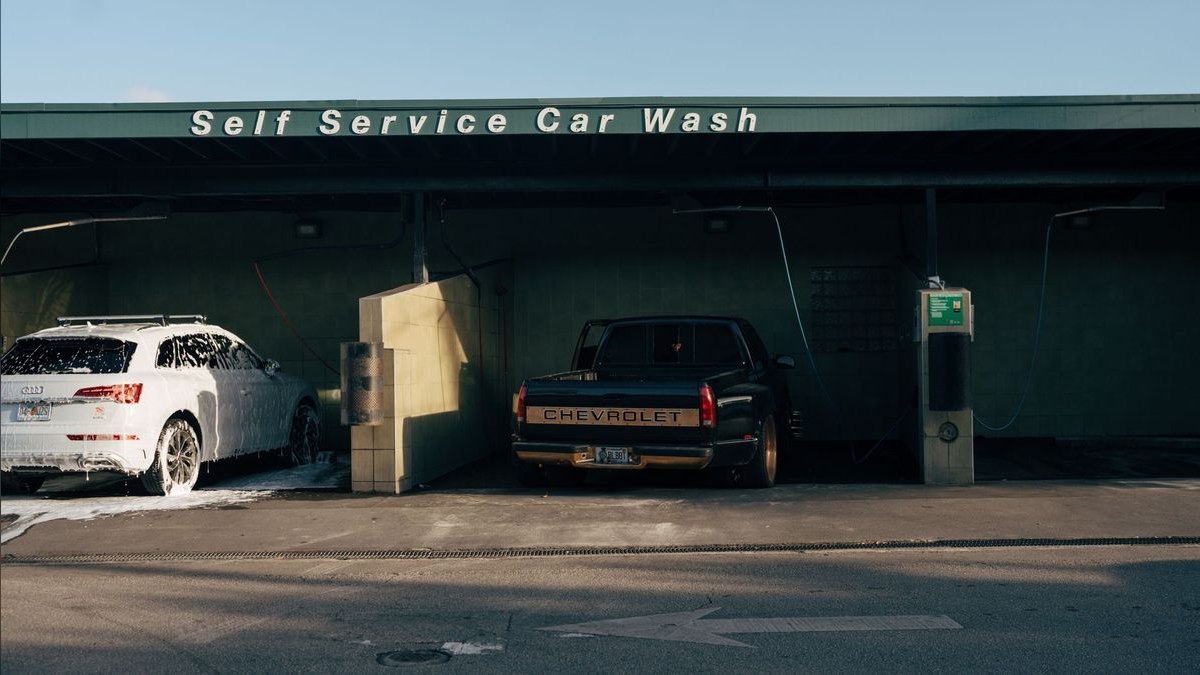
Private-equity consolidation is real and ongoing. Roark Capital owns Driven Brands (Take 5's parent), Saudi Aramco-owned Valvoline operates the largest company-owned chain, and Shell owns Jiffy Lube outright. This means brand-level marketing and supply-chain economics are strong, but it also means the franchisor's interests increasingly favor company-owned growth over franchisee expansion — a structural tension to factor into your 10-year view.
The 90-Day Decision Tree
- Days 1-15: Liquidity and financing pre-check. Confirm $150,000+ in liquid net worth and $500,000+ total net worth (Jiffy Lube's minimum financial requirement). Pull two SBA 7(a) pre-qualifications from Live Oak Bank and Newtek — both have dedicated quick-lube franchise lending teams.
- Days 16-30: Request the full 2027 FDD. Read Items 7, 19, 20, and 21 in detail. Cross-reference Item 20 turnover tables — if franchisee exits exceed 4-5% annually in your target region, that is a yellow flag.
- Days 31-45: Validate with 8-10 existing franchisees. Call operators listed in Item 20 — focus on units 3-7 years old (past ramp, pre-renewal). Ask AUV, EBITDA margin, technician turnover, and "would you sign again".
- Days 46-60: Site analysis. Order a traffic count + demographic study ($1,200 from Buxton or eSite) on 3 candidate sites. Compare against Jiffy Lube's site selection threshold (35K daytime pop, $55K HHI, 30K VPD).
- Days 61-75: Build vs. buy decision. Quote a greenfield build from a Jiffy Lube-approved contractor AND scan BizBuySell + a regional business broker for existing units at 3-4x EBITDA. Compare 5-year IRR.
- Days 76-90: Sign or walk. If your model shows <18% IRR over 5 years, walk. If >22% IRR with realistic AUV assumptions ($800K Year 2, $900K Year 3), sign the franchise agreement.
Alternative Plays
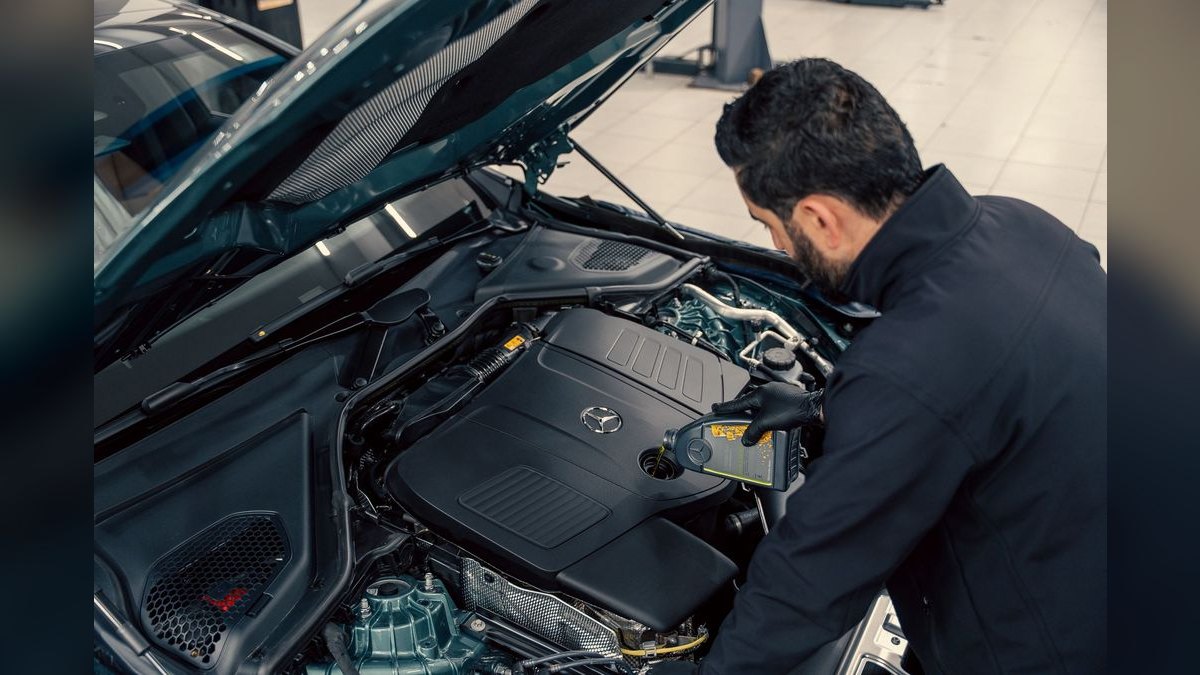
Take 5 Oil Change offers a lower-cost entry at $215,000-$430,000 total with a $35,000 franchise fee and 5% + 5% royalty/ad structure (Take 5 FDD 2025). The stay-in-your-car model has been gaining share, and unit AUV reportedly tracks $900K-$1.1M — comparable to Jiffy Lube with less capital at risk. The trade-off is shorter brand history as a franchise (Driven Brands acquired the chain in 2016) and smaller franchisee network.

Valvoline Instant Oil Change runs $172,000-$2.95M depending on greenfield vs. retrofit, with 6% royalty + 5% ad. Top-quartile Valvoline AUV reportedly exceeds $1.5M — the highest in the segment — but competition for available territories is fierce because Valvoline has prioritized company-owned growth since the Saudi Aramco transaction.
Independent quick-lube ownership remains viable for operators who already know the trade. Buying an established independent for 2.5-3.5x EBITDA (vs. 3.5-4.5x for branded units, per Auxo Capital 2026) and converting to NAPA AutoCare or AAA Approved affiliations captures 90% of the brand benefit at 25% of the franchise cost. Net margin is 2-3 points higher without royalty drag.
Christian Brothers Automotive is the alternative play if you want higher ticket and longer dwell time — full-service repair averages $2.1M AUV with $280K-$330K owner earnings, but the total investment is $525K-$700K and the operating model requires ASE-certified master techs, not entry-level lube specialists.
FAQ
What is the total investment to open a Jiffy Lube franchise in 2027? The all-in cost for a new-build location (excluding land) ranges from $232,000 to $510,000. This includes the $50,000 non-refundable franchise fee, equipment, signage, and initial inventory. Existing store purchases vary widely based on location and condition, typically requiring a multiple of 2–3 times annual net profit.

How much money do I need upfront to qualify? Jiffy Lube requires at least $150,000 in liquid capital, though many lenders prefer $200,000+ for new builds. Existing store buyers may need less if seller financing is available. Total net worth requirements are typically $350,000–$500,000.
What are the ongoing fees I’ll pay each month? You’ll owe a 3–4% royalty on gross revenue plus an 8% advertising fund contribution. That’s 11–12% of every dollar in sales. Some territories also require local marketing contributions of 1–2%.
How long does it take to break even and see a return? New-build locations usually reach breakeven in 18–24 months, with full payback taking 5–7 years. Existing store conversions often cashflow from month one, but payback still averages 3–5 years. Profit margins are around 11%, meaning a median $940,000 unit yields roughly $103,000 in owner earnings before debt.
Can I buy an existing Jiffy Lube instead of building new? Yes, and it’s often the smarter move. Existing units with documented financials avoid the 18–24 month ramp-up and can be financed more easily. Expect to pay 2–3 times annual net profit, plus inventory and equipment. Always verify the store’s profit-and-loss statements and customer base.

Is Jiffy Lube a good choice if there are competitors like Take 5 or Valvoline nearby? Probably not. Saturated metro areas with multiple quick-lube chains can squeeze margins and lengthen payback. Jiffy Lube’s brand recognition helps, but you’ll need a strong local marketing plan and competitive pricing. A location with no direct competitor within 2–3 miles is ideal.
Bottom Line
Jiffy Lube is a solid but no-longer-cheap franchise in 2027. The brand commands 2,000+ units of installed scale, real brand-trust premium with boomer and Gen-X drivers, and a manageable 3-4% royalty. But median owner earnings of ~$103K against a $232K-$510K capital outlay and 5-7 year payback means you need to either scale to 3+ units, own the underlying real estate, or buy an existing profitable unit at a fair multiple for the math to work. Greenfield single-unit operators in saturated metros should walk — Take 5's growth curve and Valvoline's company-owned acceleration mean the next 5 years favor scale players, not first-time solo operators. The win condition is clear: existing-unit acquisition, owner-operator presence, real estate ownership, and a 10-year horizon.
Sources
- Jiffy Lube Franchise Disclosure Document 2025 — franchise.jiffylube.com/howitworks
- Franchise Chatter — Jiffy Lube Franchise Review 2025: Costs, Fees, News, Average Revenues and/or Profits
- Franchise Direct — Jiffy Lube Franchise Costs, Fees, FDD UFOC
- Vetted Biz — Jiffy Lube Franchise Insights: FDD, Costs & Fees
- Peersense — Jiffy Lube Franchise Cost & FDD 2026
- 1851 Franchise — Jiffy Lube Franchise Costs, Fees and Profit Data for 2026
- IBISWorld — Oil Change Services in the United States Industry Report 2026
- Auxo Capital Advisors — Quick Lube Business Valuation Multiples 2026
- National Oil and Lube News — Quick Lube Q&A: Steven Shemesh, RBC Capital Markets 2026
- Investing.com — Valvoline's SWOT analysis: quick lube leader's stock faces EV transition 2026
- Aftermarket Matters — The future of quick lube: How consolidation is reshaping the industry
- Franchise Investor Data — Jiffy Lube Franchise Cost & Profit 2026 Real FDD Data
Related on PULSE
This page will be disappearing soon. Save it to your device for $1 — or read it free while it is here.
@Kory-White- · if Venmo asks, the last 4 of my number are 2012
This page is gone.
This one is off the shelf now. $1 keeps it on your phone for good — the whole page, pictures and diagrams included.
 franchiseShould I open or buy a Supercuts franchise in 2027?
 franchiseShould I open or buy a Wingstop franchise in 2027?
 franchiseShould I open or buy an Auntie Anne's franchise in 2027?
 franchiseShould I open or buy a Dairy Queen franchise in 2027?
 franchiseShould I open or buy a Domino's franchise in 2027?
 franchiseShould I open or buy a Jimmy John's franchise in 2027?
 franchiseShould I open or buy a Valvoline Instant Oil Change franchise in 2027?
 franchiseShould I open or buy a Drybar franchise in 2027?
 franchiseShould I open or buy a Wendy's franchise in 2027?
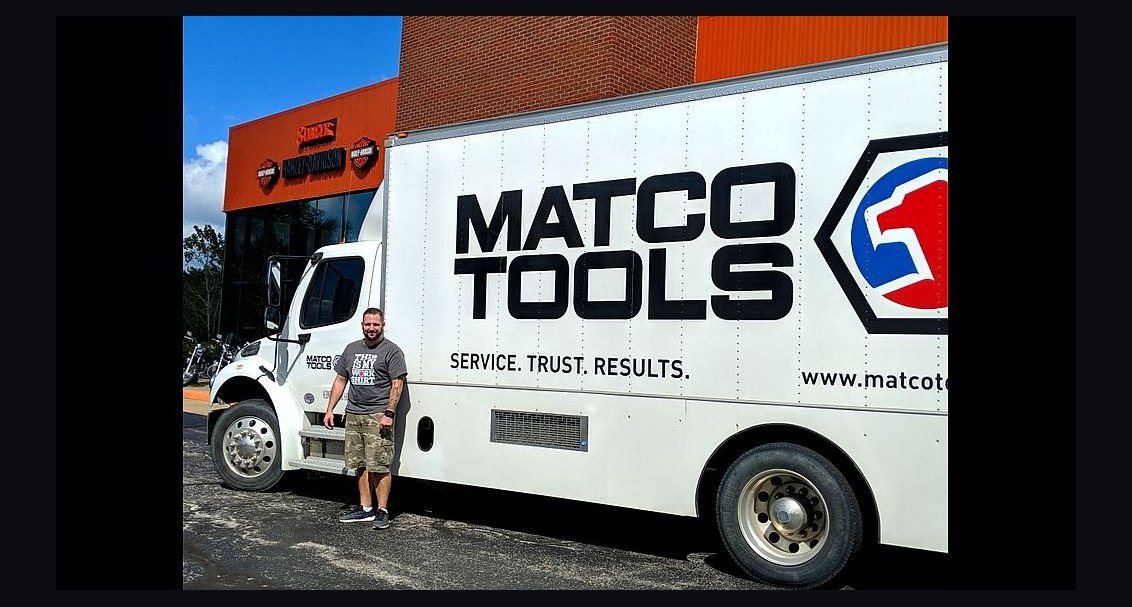 franchiseShould I open or buy a Matco Tools franchise in 2027?