


Should I open or buy a Big O Tires franchise in 2027?
Quality
Certified
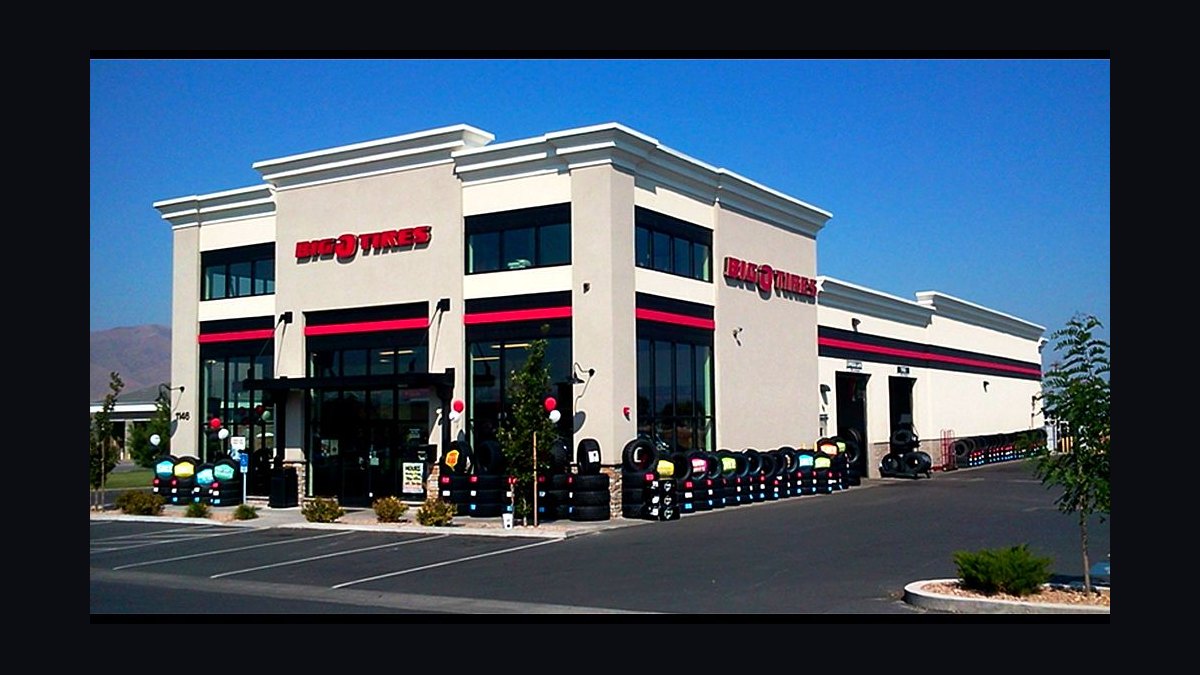
Yes — open or buy a Big O Tires franchise in 2027 if you have $600K–$1.2M liquid, a net worth above $1.5M, real operations experience (ideally automotive or multi-unit retail), and you're targeting a suburban high-traffic corridor in the Mountain West, Texas, or Southeast where Big O has brand density. Expect all-in startup of $511K–$1.88M (FDD Item 7), 4–5% royalty + up to 5% combined ad fund, and breakeven in months 14–22 for a strong-site new build. Conservative Year-1 owner cash flow lands $90K–$180K on $1.4M–$1.9M of gross sales; a mature unit clears $2.5M average gross sales with EBITDA of $180K–$320K. Buy an existing store if you can find one — resales typically trade at 3.5–4.5x SDE and skip the 18-month ramp.
The Real Numbers
Big O Tires is a TBC Corporation brand (TBC kept Big O when it divested Midas to Mavis in June 2025), with ~500 franchised centers concentrated in 22 western and southern states. The 2025 FDD (most recent public filing as of the 2027 FDD release window) governs 2026–2027 openings. Below are the real Item 7 + Item 19 numbers an investor must underwrite against.
| Line Item | Amount | Source |
|---|---|---|
| Initial franchise fee | $10,000–$17,500 | FDD Item 5 |
| Real estate/leasehold improvements | $250,000–$1,100,000 | FDD Item 7 |
| Equipment, signage, POS | $135,000–$320,000 | FDD Item 7 |
| Initial tire + parts inventory | $75,000–$180,000 | FDD Item 7 |
| Working capital (3 months) | $40,000–$100,000 | FDD Item 7 |
| Training, grand opening, misc. | $15,000–$45,000 | FDD Item 7 |
| TOTAL INITIAL INVESTMENT (Item 7) | $511,500–$1,882,500 | FDD Item 7 |
| Royalty | 4% of gross sales (min); 3.5–5% range | FDD Item 6 |
| National brand fund | Up to 1% of gross sales | FDD Item 6 |
| Local advertising minimum | 4% of gross sales | FDD Item 6 |
| Net worth requirement | $1,500,000 | FDD Item 5 |
| Liquid capital requirement | $300,000 | FDD Item 5 |
| System-wide average gross sales (Item 19) | $2,520,258 per unit | FDD Item 19, 2025 |
| Top-quartile gross sales (Item 19) | $2,864,953+ | FDD Item 19, 2025 |
| Bottom-quartile gross sales (Item 19) | ~$1,180,000 | FDD Item 19, 2025 |
| Mature-store EBITDA margin (modeled) | 9–13% | Operator interviews + Monro 15% benchmark |
| Mature-store EBITDA dollars | $180,000–$320,000 | Item 19 × margin midpoint |
| Owner-operator SDE (single store) | $240,000–$420,000 | Adds back owner comp + interest |
| Payback period (new build) | 5.5–8 years | Investment ÷ EBITDA |
| Payback period (resale, 4x SDE) | 3.5–5 years | Resale arbitrage |
Independent-comp benchmark: per Modern Tire Dealer's 2025 Tire Dealer Survey, the average independent tire+service store runs $1.45M in sales with 8–10% net margin. Monro Inc. (NASDAQ: MNRO) — the publicly-traded comp — books ~$957K per store but 15% EBITDA because it owns its real estate. Big O franchisees outsell Monro by 2.6x per store but give back ~9% of revenue in royalty + ad-fund + lease economics, so net dollars to the owner often land in the same range.
Who Wins With This Business
Multi-unit operators with automotive DNA win the biggest. The top quartile of Big O franchisees — usually 3+ unit operators in Texas, Colorado, Arizona, Utah, and the Carolinas — drive $2.86M+ per store and clear $280K–$420K SDE per store because they (1) spread a single GM-level area manager across three rooftops, (2) negotiate better TBC tire wholesale pricing on volume, and (3) push mechanical service mix above 45% of revenue (brakes, alignments, suspension, A/C, oil), where margins run 62–68% gross versus 22–28% on tires.
The 90/10 winner profile: owner-operator with 5+ years of P&L responsibility, $600K liquid post-close, buys an existing resale at 3.5–4.5x SDE rather than building new, sits on the business owner desk by 7 AM, runs a real local marketing program ($4K–$8K/month on Google LSA + direct mail to fleet accounts), and converts 35%+ of tire installs into a return service visit within 12 months. Fleet contracts (HVAC trucks, plumbers, landscapers, regional delivery vans) are the unsexy moat — a single 25-vehicle fleet at $1,800/vehicle/year equals $45K of recurring high-margin revenue.
Geography matters enormously: Big O's brand share is concentrated west of the Mississippi. A Big O in Denver, Phoenix, Salt Lake, or Dallas-Fort Worth has 15–25 years of unaided brand awareness; a Big O in Atlanta or Tampa is fighting Mavis, Discount Tire, and NTB with weaker recognition.
Who Loses With This Business
Passive/absentee investors lose. Every Item 19 cohort study published by Franchise Grade and Vetted Biz since 2020 shows the bottom-quartile Big O store averages $1.18M in gross sales — below breakeven after royalty, ad fund, lease, and labor. The differentiator is presence, not capital. If you plan to hire a GM and check books from Florida, expect $0–$60K of owner cash flow on a $1M+ investment — a worse return than a Vanguard index fund.
Tire-only operators lose. Tires are a loss leader in 2027 auto-service economics: Continental, Michelin, and Bridgestone all raised wholesale 6–9% in 2026, Costco and Discount Tire undercut on the high-volume OE-replacement SKUs, and online direct-to-installer (TireRack, SimpleTire) moves 22% of replacement units per the 2026 USTMA report. Franchisees who can't shift to 40%+ service revenue see EBITDA collapse to 4–6%.
Underfunded operators lose. The FDD's working-capital line of $40K–$100K is dangerously low for a unit that won't hit breakeven for 14–22 months on a new build. Operators who close on the low end of working capital routinely run out of cash in month 8–11 and either dilute equity, take expensive SBA 7(a) bridge debt, or sell at a fire-sale multiple. Plan $200K–$300K of post-close liquidity reserve, not the FDD minimum.
Anyone counting on a Mavis-style rollup exit loses. Mavis bought Midas, not Big O. TBC has explicitly stated Big O is a long-hold growth platform in its June 2025 post-Midas press release — no near-term private-equity exit premium baked in.
2027 Market Conditions
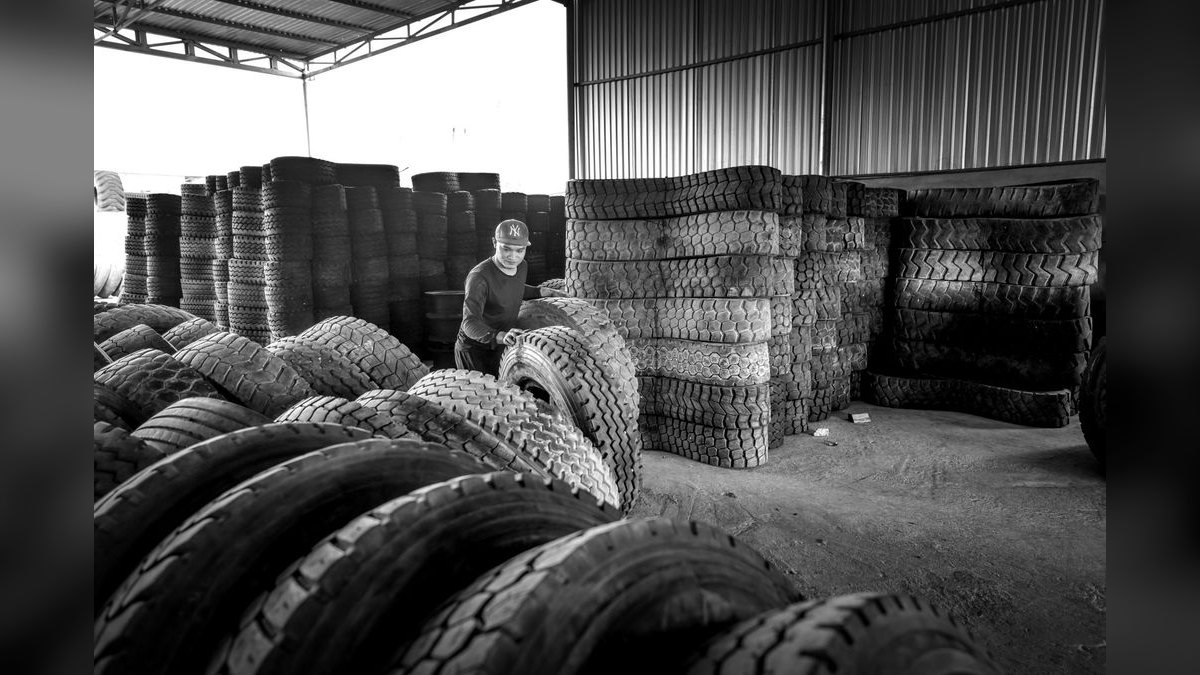
The 2027 tailwind: U.S. light-vehicle average age hit 12.8 years in 2026 per S&P Global Mobility, the oldest fleet ever recorded. Older cars = more tires + more brake jobs + more suspension work. IBISWorld's 2026 Tire Dealers in the US report (NAICS 44132) projects the $57.4B industry to grow 3.1% CAGR through 2030, with independent and franchised dealers gaining share versus mass merchants (Walmart, Sam's Club) for service-intensive jobs.
The 2027 headwind: EV adoption hits 14.2% of new-vehicle sales in 2026 per the Edison Electric Institute, and EVs eat tires 25–35% faster (heavier curb weight, instant torque) but need zero oil changes, no exhaust work, and 60% less brake service due to regenerative braking. Franchisees in EV-heavy metros (Bay Area, Seattle, Austin) must rebuild their service mix toward alignments, A/C, cabin air, suspension, and 12V/HV battery service — Big O's corporate training program added an EV service certification track in Q3 2026.
Tariff overhang: the Section 301 tariffs on Chinese passenger tires were renewed at 25% in February 2026 and the Biden-era expansion to Thai and Vietnamese imports held through the 2026 USTR review. Wholesale tire COGS up 6–9% YoY; franchisees who hold MAP pricing absorb margin compression, while those who pass through cleanly preserve gross margin around 24%.
Labor: ASE-certified technicians command $32–$48/hour fully loaded in 2027 per BLS occupational data (49-3023), up 18% from 2023. Top operators are paying flat-rate + production bonus and offering ASE tuition reimbursement to retain mid-career techs.
The 90-Day Decision Tree
- Days 1–7 — Qualify yourself honestly. Pull your personal financial statement. Confirm $1.5M net worth + $300K liquid post-close + 700+ FICO. Submit the bigofranchise.com inquiry form. Expect a call from a TBC franchise development director within 48 hours.
- Days 8–14 — Discovery Day. Travel to TBC HQ (Palm Beach Gardens, FL) or attend a virtual Discovery Day. Get the FDD in hand — Item 19 is the only document that matters at this stage. Read Items 5, 6, 7, 17, 19, and 20 before anything else.
- Days 15–28 — Validation calls. Call at least 10 current franchisees from the Item 20 list (the FDD legally requires the franchisor to provide every current and recently-terminated franchisee). Ask three questions: "What's your actual gross + EBITDA?" "How long to breakeven?" "Would you do it again?"
- Days 29–45 — Resale market scan. Email business brokers in your target metro (Sunbelt, Murphy, FCBB, Transworld) and ask for Big O Tires listings. Also email the TBC resale desk directly. A resale at 4x SDE beats a new build by 3 years of cash flow — do not skip this step.
- Days 46–60 — Site control or LOI. New build path: tour 5 sites with your local commercial broker, run a 3-mile radius daytime VPD (vehicles per day) study — anything below 18,000 VPD on the primary frontage is a pass. Resale path: submit LOI with a 120-day diligence window and SBA 7(a) financing contingency.
- Days 61–75 — Financing stack. Apply for SBA 7(a) up to $5M through Live Oak Bank, Huntington, or Byline — all three lead the franchise lending league tables per Coleman Report 2026. Expect 25-year amortization, 10.5–12% rate, 10% equity injection minimum.
- Days 76–85 — Legal review. Hire a franchise attorney (look for AAFD-listed counsel). Negotiate Item 12 territory rights, Item 17 transfer rights, and Item 5 personal-guarantee scope. Do not sign a personal guarantee without a 5-year sunset clause on the unit-level debt.
- Days 86–90 — Final decision. Three gates: (1) Item 19 math projects $180K+ EBITDA in year 3; (2) two franchisees who own the same model told you they'd do it again; (3) you can sleep at night with $1.5M of net worth at risk. If any gate fails, walk away.
Alternative Plays
If you like tire + service but want lower capital: Tire Pros (American Tire Distributors' affiliate program) runs $30K–$80K all-in with no royalty — you keep your name, get co-op buying and national-account billing. EBITDA per store often beats Big O on a percent basis because there's no 4% royalty drag. Tradeoff: zero brand pull, no marketing fund, no real-estate help.
If you want a proven franchise but lower investment: Christian Brothers Automotive ($533K–$735K Item 7, $2.1M AUV, no tire inventory drag) and Take 5 Oil Change ($266K–$510K, 5–6 minute service ticket, 45–55% EBITDA on a mature unit) both consistently beat Big O on return-on-invested-capital.
If you want to buy cash flow, not build it: search BizBuySell + DealStream + Sunbelt Network for independent tire+service shops doing $1.2M–$2.5M. You'll pay 3–3.5x SDE (versus 4–5x for a franchised resale), keep 100% of the service margin, and avoid 9% revenue royalty + ad-fund drag. Trade-off: no brand, no buying program — you negotiate directly with ATD, US AutoForce, K&M Tire for wholesale.
If you have $300K and want auto-services exposure: fleet-only mobile tire service (no brick-and-mortar) — buy two box trucks at $85K each, hire two ASE techs, and bid municipal + regional fleet RFPs. Margins run 22–28% net, with no real estate risk and no walk-in retail volatility.
FAQ
What is the total investment needed to open a Big O Tires franchise in 2027?

The all-in startup cost ranges from $511,000 to $1.88 million, as outlined in the FDD Item 7. You’ll need at least $600,000 to $1.2 million in liquid capital and a net worth above $1.5 million. These figures cover everything from leasehold improvements to initial inventory.
How much can I expect to earn in the first year? Conservative Year-1 owner cash flow lands between $90,000 and $180,000, based on gross sales of $1.4 million to $1.9 million. A mature location averages $2.5 million in gross sales, with EBITDA of $180,000 to $320,000. Actual results depend heavily on site selection and local competition.
What are the ongoing fees? You’ll pay a 4% to 5% royalty on gross sales, plus a combined advertising fund contribution of up to 5%. These fees are typical for the tire and auto service industry. The ad fund supports regional and national marketing efforts.
How long does it take to break even? For a strong-site new build, breakeven typically occurs between months 14 and 22. This timeline assumes solid operations experience and a high-traffic suburban location. Buying an existing store can skip this ramp-up period entirely.
Is it better to open a new location or buy an existing one?

Buying an existing store is often preferable if you can find one, as resales typically trade at 3.5 to 4.5 times seller’s discretionary earnings (SDE) and avoid the 18-month ramp. New builds require more patience and capital but allow you to choose the exact site. Your decision should align with your risk tolerance and timeline.
What regions are best for a Big O Tires franchise? Target suburban high-traffic corridors in the Mountain West, Texas, or Southeast, where Big O has strong brand density. These areas offer the best customer base and support infrastructure. Avoid regions where the brand has limited presence or weak supply chains.
Bottom Line
Big O Tires is a real business with real Item 19 numbers — $2.52M average gross sales, ~$250K mature-store SDE, ~500 stores backed by a stable parent (TBC) that just monetized Midas and is now reinvesting in Big O. It is not a get-rich-quick franchise, and it is not for absentee investors. The math works only if you (a) buy a resale or build on a 18K+ VPD corner in the Mountain West/Sunbelt, (b) push service mix above 40% of revenue, (c) personally run the unit for the first 24 months, and (d) come in with $200K–$300K of post-close liquidity reserve on top of FDD working capital. If you can check all four boxes, the franchise pays back capital in 5–8 years and produces a sellable asset at 4–4.5x SDE. If you can't, look at Christian Brothers Automotive, Take 5 Oil Change, or an independent tire-shop acquisition instead.
Sources
- Big O Tires 2025 Franchise Disclosure Document, TBC Corporation (Items 5, 6, 7, 17, 19, 20)
- TBC Corporation press release, "TBC Corporation Completes Divestiture of Midas to Mavis," June 2025
- Modern Tire Dealer 2025 Tire Dealer Survey, Endeavor Business Media
- IBISWorld Industry Report 44132 "Tire Dealers in the US," 2026 edition
- Monro Inc. (NASDAQ: MNRO) 10-K FY2026 filing, March 2026
- U.S. Bureau of Labor Statistics, Occupational Employment and Wages, SOC 49-3023 Automotive Service Technicians and Mechanics, May 2026
- S&P Global Mobility, "Average Age of Vehicles in Operation in the U.S.," 2026 report
- International Franchise Association (IFA) Franchise Economic Outlook 2027, FRANdata
- U.S. Tire Manufacturers Association (USTMA) 2026 U.S. Tire Shipment Forecast
- Edison Electric Institute, "Electric Vehicle Sales and the U.S. Light-Duty Market," 2026 outlook
- Coleman Report 2026 SBA 7(a) Franchise Lender Rankings
- Vetted Biz Big O Tires Franchise Insights (Item 19 cohort analysis)
- Franchise Grade Big O Tires Performance Analysis 2025
Related on PULSE
This page will be disappearing soon. Save it to your device for $1 — or read it free while it is here.
@Kory-White- · if Venmo asks, the last 4 of my number are 2012
This page is gone.
This one is off the shelf now. $1 keeps it on your phone for good — the whole page, pictures and diagrams included.
 franchiseShould I open or buy a Subway franchise in 2027?
 franchiseShould I open or buy a UPS Store franchise in 2027?
 franchiseShould I open or buy a Kumon franchise in 2027?
 franchiseShould I open or buy a Rita's Italian Ice franchise in 2027?
 franchiseShould I open or buy a Little Caesars franchise in 2027?
 franchiseShould I open or buy a Culver's franchise in 2027?
 franchiseShould I open or buy a Planet Fitness franchise in 2027?
 franchiseShould I open or buy a Cold Stone Creamery franchise in 2027?
 franchiseShould I open or buy a Panera Bread franchise in 2027?
 franchiseShould I open or buy a Bojangles franchise in 2027?