


Should I open or buy a Whataburger franchise in 2027?
Quality
Certified
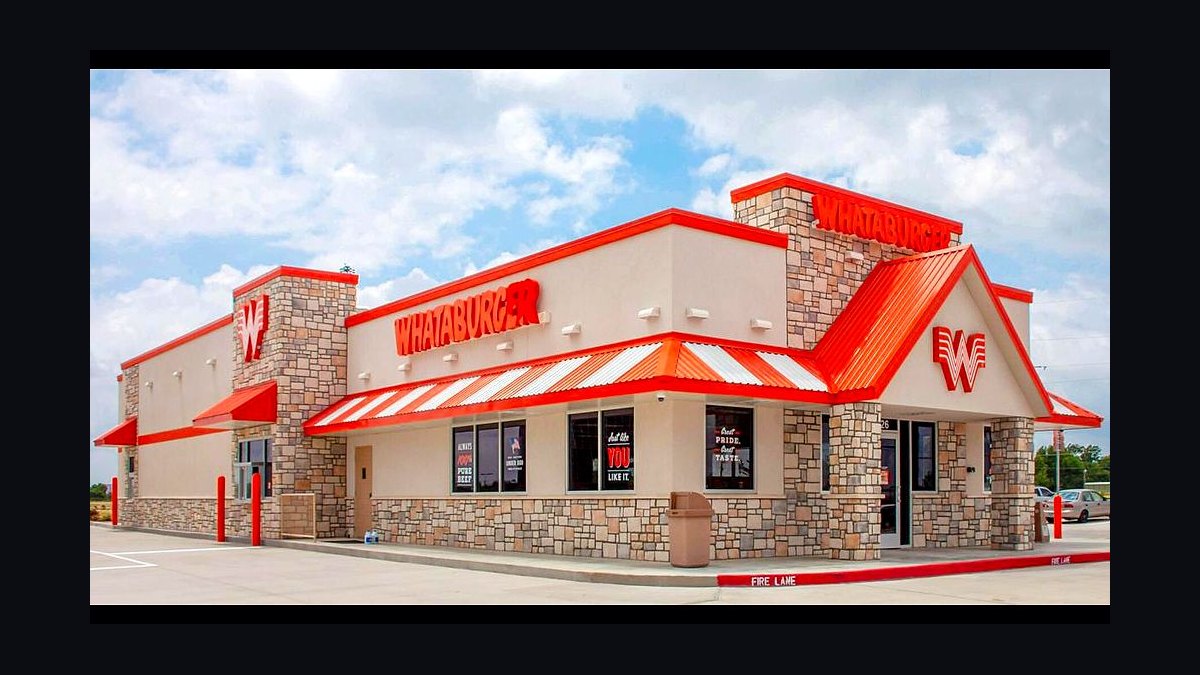
Published 2026-06-04 · Updated 2026-06-04
Probably not — unless you already operate five or more quick-service restaurants, control $1.5M+ in net worth with $500K+ liquid, and can commit to a 5-store / 5-year development schedule. Whataburger is not a single-unit franchise: the brand only accepts multi-unit area developers, and the all-in build for one store runs $1.2M to $3M. Mature units do ~$3.5M AUV with 15-18% restaurant-level EBITDA (~$525K-$630K/store), which sounds great until you stack 5 stores of CapEx before unit-one breakeven at Year 3-4. Pure first-time operators should look elsewhere — Whataburger is a portfolio play for experienced QSR operators with Patrick Mahomes-tier balance sheets, not a side hustle.
The Real Numbers
Whataburger does not publish a full public FDD the way Subway or McDonald's do, and the brand only began selective franchising outside Texas after the 2019 BDT Capital Partners majority-stake acquisition (now BDT & MSD Partners post-2023 merger). The numbers below come from the Whataburger franchise inquiry packet, the 2024 FDD filed with the Minnesota and Wisconsin franchise registries, NRN's QSR 50 systemwide reporting, and Sharpsheets' 2025 FDD breakdown.
| Line item | Low | High | Source / note |
|---|---|---|---|
| Initial franchise fee | $25,000 | $50,000 | Per-restaurant; Item 5 of 2024 FDD |
| Land (typical 1-acre out-parcel) | $400,000 | $1,400,000 | Owner-procured; varies by metro |
| Building shell + drive-thru | $850,000 | $1,500,000 | 3,200-3,800 sq ft prototype |
| Equipment + smallwares | $385,000 | $475,000 | Whataburger-spec'd kitchen line |
| Signage + POS + tech | $95,000 | $145,000 | Includes drive-thru AI + digital menu |
| Training + opening team | $35,000 | $55,000 | 12-week corporate training in San Antonio |
| Working capital (3 months) | $150,000 | $250,000 | Payroll, food, utilities pre-breakeven |
| TOTAL — single store | $1,200,000 | $3,000,000 | Item 7 range |
| 5-store dev commitment (req'd) | $6,000,000 | $15,000,000 | Brand minimum is 5 units in 5 years |
| Royalty (% gross sales) | 5.0% | 5.0% | Item 6; flat across territories |
| National marketing fund | 2.0% | 2.5% | Item 6 |
| Local marketing minimum | 1.0% | 2.0% | DMA co-op spend |
| Mature AUV per store | $3,200,000 | $3,800,000 | Item 19 + NRN 2024 QSR 50 |
| Food + paper cost | 30% | 33% | Of net sales |
| Labor (with mgmt + benefits) | 26% | 30% | TX/southern wage band |
| Occupancy (rent or debt svc) | 6% | 9% | Depends on own-vs-lease |
| Restaurant-level EBITDA margin | 15% | 18% | After all line costs |
| Year-1 cash flow (per store) | -$150,000 | +$200,000 | Ramp; breakeven Month 14-22 |
| Mature annual EBITDA per store | $525,000 | $625,000 | Year 3+ steady-state |
| Payback period (per store) | 3.8 years | 5.5 years | Cash-on-cash basis |
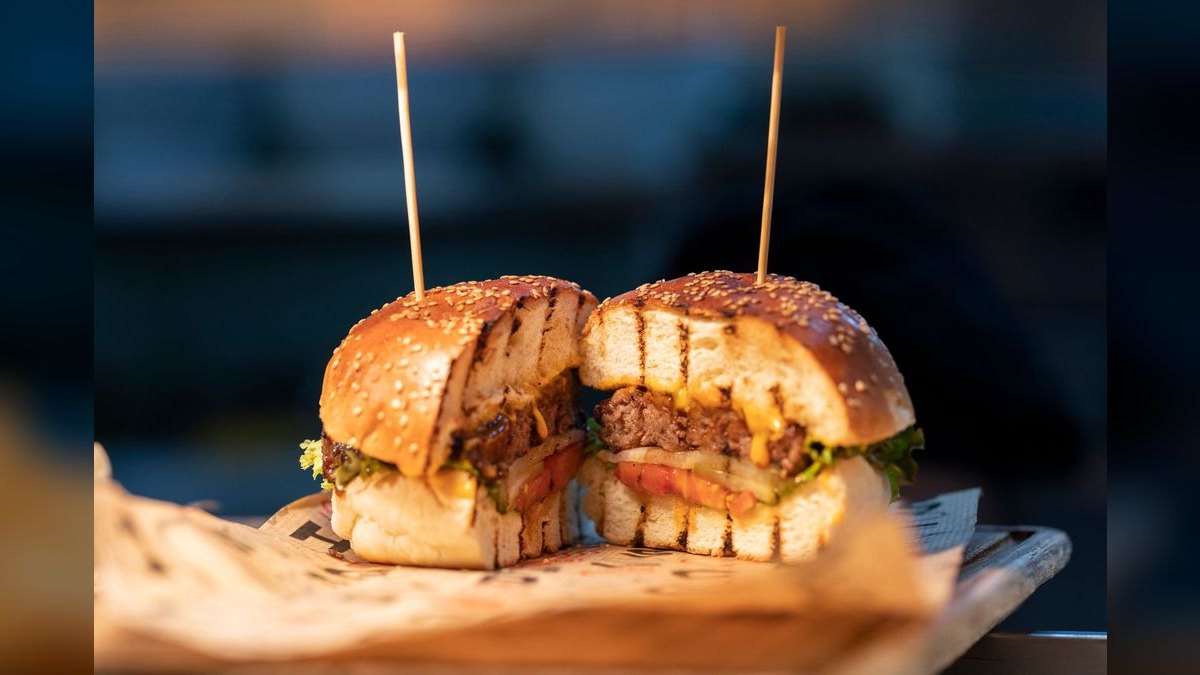
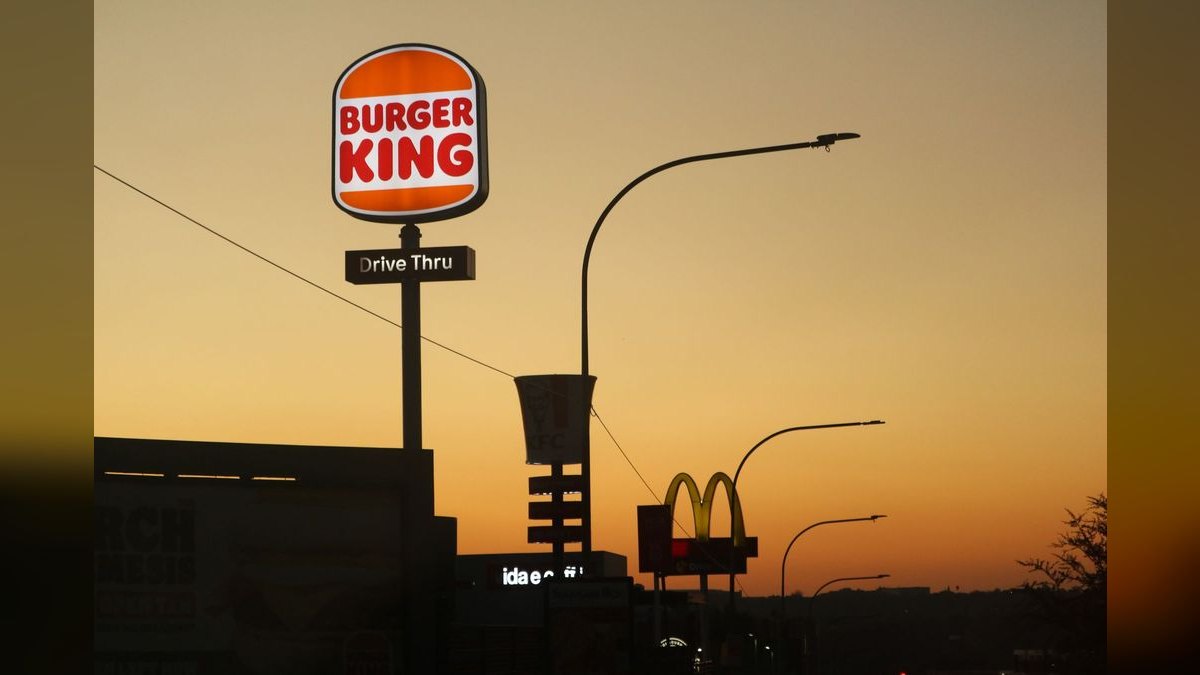
Bench reality: Whataburger's 2024 systemwide sales of ~$3.8 billion across ~1,100 units put per-store AUV near $3.5M, which is higher than Burger King ($1.4M), Wendy's ($2.0M), and Jack in the Box ($1.8M) — and roughly on par with Chick-fil-A's $6.7M only at top-decile Whataburger units. The brand's same-store sales grew ~16.5% in 2022 and ~7% in 2024 per company disclosures, outpacing the IBISWorld Fast Food benchmark of 3.2%.
Who Wins With This Business
Existing multi-unit QSR operators with 15+ stores under a competing brand (Sonic, Burger King, KFC, Jack in the Box) win biggest. They already have GM bench strength, payroll infrastructure, vendor relationships, and bank credit lines that make a 5-store rollout financeable at SBA 7(a) or commercial real estate rates of 8-9%. Patrick Mahomes' KMO Burger LLC is the archetype: a 29-store joint venture across Missouri and Kansas as of 2025, with balance sheet, brand pull, and Whataburger corporate co-investment baked in. Other winners include family offices doing operating-business roll-ups, PE-backed restaurant platforms (Sun Holdings, Flynn Restaurant Group), and legacy Whataburger Family Foods (WFF) operators in South Texas who grandfathered favorable royalty rates pre-2019. First-generation immigrant operators with cash-rich extended families willing to co-sign 5-unit notes also win — the household-equity model that powered Indian-American hotel and Vietnamese-American nail-salon wealth-building maps cleanly onto Whataburger's multi-unit-only structure.
Who Loses With This Business
Single-unit aspirants lose immediately — the brand will not even send an FDD to applicants who can't commit to 5 stores. Out-of-region operators in Pacific Northwest, New England, or Upper Midwest lose because Whataburger's supply chain still routes through Texas commissaries, adding $0.08-$0.14/lb to food cost for stores east of the Mississippi or north of Kentucky. First-time franchisees lose because Whataburger's training and operational complexity (the honey-butter chicken biscuit alone has 14 SKUs, the made-to-order build runs 40-90 seconds longer than Wendy's) punishes inexperienced GMs. Real-estate-light operators lose — Whataburger strongly prefers owned land with drive-thru frontage on a 1-acre out-parcel, which in Austin, Dallas, Phoenix, or Nashville runs $1.2M-$2.5M for land alone, before vertical construction. Cash-flow-tight operators lose because the 5-unit development schedule means CapEx outpaces EBITDA for the first 3-4 years, requiring $8M-$12M in committed financing at signing.
2027 Market Conditions
Whataburger entered 2027 with structural tailwinds and three real headwinds. Tailwinds: BDT & MSD Partners' patient capital is funding aggressive geographic expansion — new markets opened in 2025-26 include Kansas City, St. Louis, Memphis, Charlotte, and Nashville, with Indianapolis and Cincinnati scheduled for 2027. President & CEO Debbie Stroud (formerly McDonald's USA COO, took the seat January 2025) has publicly committed to franchising as the primary growth vehicle, reversing the brand's historic company-store bias. Systemwide sales hit ~$3.8B in 2023 and are tracking ~$4.4B in 2026 per industry reporting.
Headwinds: (1) Beef commodity prices are forecast 8-12% higher in 2027 vs. 2026 per USDA ERS, compressing the food-cost line. (2) Texas minimum wage pressure — while no state-level hike, Austin, Houston, and San Antonio metro wages for QSR crew cleared $15/hr in 2026 vs. $11-12/hr in 2022. (3) Drive-thru AI (Whataburger piloted Presto Voice in 47 stores in 2025) cuts labor 8-12% but costs $35K-$55K per store to install, eroding Year-1 CapEx returns. Net assessment: the brand is in expansion mode, with corporate co-investment available, but unit economics for new builds are 2-3 points tighter than the mature-store benchmarks the FDD reports.
The 90-Day Decision Tree
- Days 1-15 — Self-qualify: Confirm $1.5M net worth + $500K liquid + multi-unit QSR experience (or assemble a partnership that does). Pull personal credit, run an SBA pre-qual, and commission a CPA-prepared P&L for any existing restaurant operations. If you can't pass this gate, stop here — Whataburger's intake team will reject the application.
- Days 16-30 — Submit Request for Consideration (RFC): File at whataburger.com/franchise. Expect a 2-4 week initial response. Simultaneously request the FDD through your state's franchise registry (MN, WI, CA, NY post FDDs publicly).
- Days 31-45 — FDD deep-dive: Hire a franchise attorney ($350-$650/hr; Jeffrey Goldstein or Lewitas Hyman specialize in QSR FDDs). Stress-test Item 19 against NRN's QSR 50 and comparable operator P&Ls you can pull through Franchise Times.
- Days 46-60 — Discovery Day in San Antonio: 2-3 day on-site at HQ (300 Concord Plaza Dr). Meet CDO Ed Nelson (returned to development role after Stroud succession), CFO Michael Gibbs, and VP Franchise Sales Tony Ambroza. Visit 3-5 operating stores in the San Antonio / Corpus Christi region.
- Days 61-75 — Territory & site work: Whataburger assigns DMAs, not pin-points. Build a 5-store map with a Buxton or Placer.ai trade-area study ($25K-$45K).
- Days 76-90 — Financing close: SBA 7(a) maxes at $5M — you'll need conventional bank debt (BMO, Cadence, Frost are active in QSR) plus equipment leasing through Direct Capital or Wells Fargo. Close on Store 1 land by Day 90 to keep development schedule on track.
Alternative Plays
If you don't qualify or don't want to write the $8M check, the closest comps are: Freddy's Frozen Custard & Steakburgers (~$1.0M-$2.0M startup, $1.7M AUV, single-unit allowed, 150+ new units in 2025); Culver's (~$2.0M-$5.7M, $3.4M AUV, midwest-heavy, single-unit-friendly); Jack in the Box (~$2.3M-$3.6M, $1.8M AUV, drive-thru-only model now available); Wayback Burgers (~$345K-$680K, $900K AUV, fits a true first-timer); and Shake Shack (corporate-owned, no franchising in the US — license deals only). For operators who specifically want the BDT-portfolio exposure, consider Krispy Kreme (BDT-affiliated through prior holdings) or Panera Bread (Roark Capital, a BDT peer). For pure cash-on-cash return, vending route portfolios or car-wash multi-units routinely deliver 22-28% IRR with 1/10th the operating complexity of QSR.
FAQ
What is the minimum financial requirement to become a Whataburger franchisee? You generally need a net worth of at least $1.5 million, with $500,000 or more in liquid assets. These figures are baseline thresholds, and the brand often expects stronger balance sheets for multi-unit commitments.
Can I open just one Whataburger restaurant as a franchise? No, Whataburger only awards multi-unit development agreements, typically requiring a commitment to build five or more stores over five years. Single-unit franchises are not available, making this a large-scale investment.
How much does it cost to build a single Whataburger location? The total investment per store ranges from approximately $1.2 million to $3 million, covering construction, equipment, and initial fees. Actual costs vary by location, size, and local market conditions.
What is the average revenue and profit margin for a Whataburger franchise? Mature units average around $3.5 million in annual sales, with restaurant-level EBITDA margins of 15–18%, or roughly $525,000 to $630,000 per store. These are typical ranges, not guarantees.
How long does it take for a new Whataburger store to become profitable? Most multi-unit operators see unit-one breakeven around year three or four, given the high upfront capital and development schedule. Profitability timelines depend on site selection, operational efficiency, and market demand.
Is Whataburger a good opportunity for first-time franchisees? Generally no—it’s designed for experienced quick-service restaurant operators with substantial capital and multi-unit management experience. First-time investors are better suited to smaller, single-unit franchise systems.
Bottom Line
Whataburger in 2027 is a serious operator's franchise, not a first-timer's path. The brand economics are real: $3.5M AUV, 15-18% restaurant-level EBITDA, and BDT-funded geographic expansion make it one of the better unit-economic profiles in QSR. But the 5-unit minimum, $8M-$15M committed CapEx, Texas-routed supply chain, and 2027 wage/beef headwinds mean the only buyers who should write the check are multi-unit QSR operators with 15+ stores under another brand, family offices building restaurant platforms, or athlete/celebrity capital with operator partners (the KMO Burger / Mahomes model). For everyone else: Freddy's, Culver's, or Jack in the Box deliver 80% of the unit economics with 20% of the entry friction. The $3M Whataburger build only makes sense as the third or fourth franchise you own — not the first.
Sources
- Whataburger Franchise Disclosure Document 2024 — California Department of Financial Protection and Innovation
- Whataburger Stories — KMO Burger Joint Venture announcement (May 2025)
- Nation's Restaurant News — Whataburger Sells Majority Interest to BDT Capital Partners (June 2019)
- QSR Magazine — Top 50 Quick-Service Chains by AUV and Systemwide Sales (2024 ed.)
- Sharpsheets — Whataburger Franchise FDD, Profits & Costs (2025)
- Restaurant Business Online — Whataburger Enters a New Era (Stroud succession, 2025)
- Franchise Times — Patrick Mahomes-Backed Whataburger Franchisee Operates 29 Stores (2025)
- IBISWorld — Fast Food Restaurants in the US Industry Report (2026)
- USDA Economic Research Service — Livestock, Dairy, and Poultry Outlook (2027 forecast)
- International Franchise Association — Franchise Economic Outlook 2027
- Bureau of Labor Statistics — Occupational Employment and Wage Statistics, Food Preparation and Serving (May 2025)
- Biz2Credit — What Is the Cost to Buy a Whataburger Franchise
Whataburger franchise review · Whataburger franchise reviews · Whataburger franchise rating · Whataburger franchise review 2027 · review of Whataburger franchise opportunity
Related on PULSE
This page will be disappearing soon. Save it to your device for $1 — or read it free while it is here.
@Kory-White- · if Venmo asks, the last 4 of my number are 2012
This page is gone.
This one is off the shelf now. $1 keeps it on your phone for good — the whole page, pictures and diagrams included.
 franchiseShould I open or buy a Take 5 Oil Change franchise in 2027?
 franchiseShould I open or buy a Bruster's Real Ice Cream franchise in 2027?
 franchiseShould I open or buy a Marco's Pizza franchise in 2027?
 franchiseShould I open or buy a Supercuts franchise in 2027?
 franchiseShould I open or buy a Mac Tools franchise in 2027?
 franchiseShould I open or buy a Roto-Rooter franchise in 2027?
 franchiseShould I open or buy a Jeremiah's Italian Ice franchise in 2027?
 franchiseShould I open or buy a Jimmy John's franchise in 2027?
 franchiseShould I open or buy a Meineke franchise in 2027?
 franchiseShould I open or buy a Wingstop franchise in 2027?