


Should I open or buy a Tutti Frutti franchise in 2027?
Quality
Certified
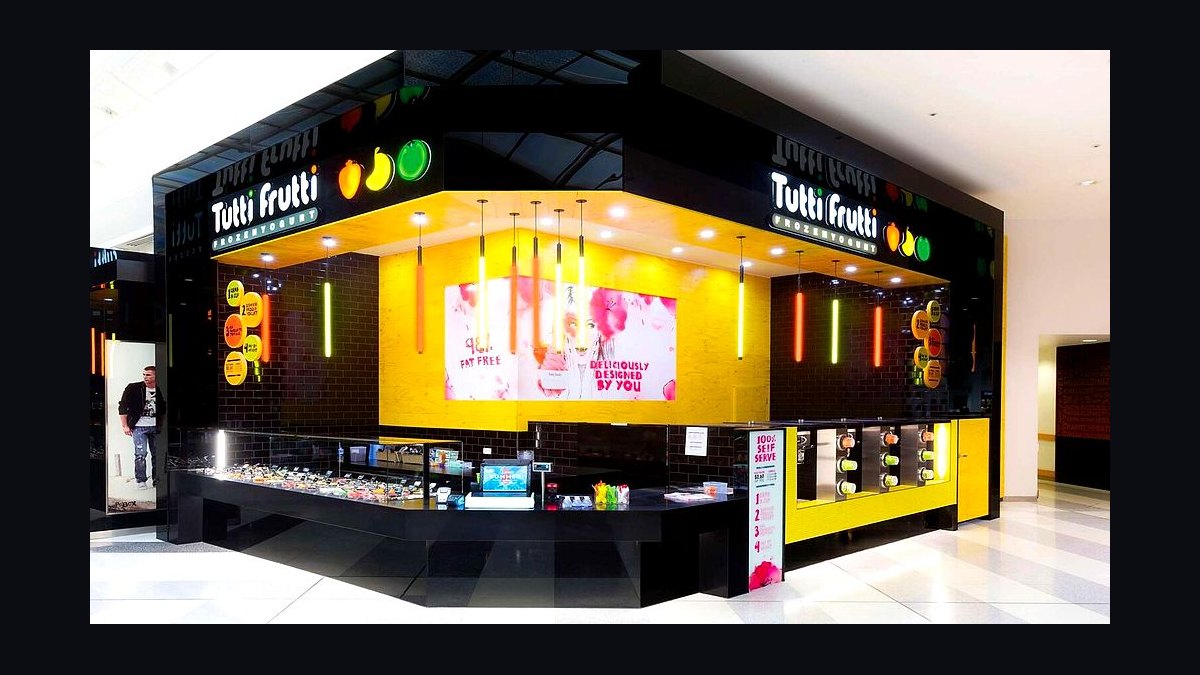
Probably not — unless you already own a high-traffic retail bay with cheap rent, have $200K+ liquid to lose, and treat Tutti Frutti as a secondary brand bolted onto an existing café or boba shop. As a standalone 2027 play, the frozen yogurt cycle is over: the category peaked around 2013, Tutti Frutti's U.S. footprint has shrunk from a 2014 peak of ~225 stores to roughly 60-70 locations by mid-2026, and self-serve froyo unit economics are squeezed by $18-22/hour labor, dairy commodity volatility, and 120-day summer-only revenue concentration. Expect $252K-$480K all-in startup, $280K-$420K AUV in a healthy store, 8-14% EBITDA margins, and a realistic 5-7 year payback if you survive Year 2. Buying an existing profitable store at 2.5-3x SDE beats opening new almost every time.
The Real Numbers
Tutti Frutti's 2024 FDD (the most recent publicly indexed filing, with rolling 2025-2026 amendments) lists two store formats: a Standard Store (1,200-1,800 sq ft) and a Kiosk (400-700 sq ft, typically mall-based). Numbers below blend Item 5 (initial fees), Item 6 (other fees), and Item 7 (estimated initial investment) from the public FDD, with Item 19 financial performance representations cross-checked against franchisee disclosures collected by Vetted Biz, Franchimp, and the FDD Exchange. Where Tutti Frutti's own Item 19 is silent or limited, I've benchmarked against the IBISWorld Frozen Yogurt Stores in the US (NAICS 72233a) report and IFA Economic Outlook 2027.
| Line item | Standard Store | Kiosk | Notes |
|---|---|---|---|
| Initial franchise fee | $25,000 | $25,000 | FDD Item 5; single-unit |
| Build-out / leasehold improvements | $80,000 - $180,000 | $40,000 - $90,000 | FDD Item 7; varies by landlord TI |
| Equipment package (16-machine yogurt line, POS, freezers) | $75,185 - $96,458 | $58,424 - $67,887 | Must be sourced through approved vendors |
| Initial inventory + supplies | $8,000 - $15,000 | $5,000 - $10,000 | 30-day starting product |
| Signage, smallwares, training travel | $14,000 - $28,000 | $9,000 - $18,000 | |
| Working capital (3 months) | $40,000 - $90,000 | $30,000 - $60,000 | FDD Item 7 floor |
| Grand opening marketing | $5,000 - $15,000 | $3,000 - $8,000 | |
| TOTAL INITIAL INVESTMENT | $252,075 - $479,550 | $213,075 - $325,360 | FDD Item 7 published range |
| Royalty | 5% of gross revenue | 5% of gross revenue | Monthly remit; FDD Item 6 |
| Brand / marketing fund | 2% of gross revenue | 2% of gross revenue | National + local pool |
| Transfer fee | $7,500 | $7,500 | |
| Renewal fee | $5,000 | $5,000 | 5-year terms |

Revenue benchmarks (2027 framing, blended from FDD Item 19, Vetted Biz franchisee reports, and IBISWorld NAICS 72233a):
| Metric | Standard Store | Kiosk | Source |
|---|---|---|---|
| Year-1 AUV (median) | $285,000 | $165,000 | Franchimp/Vetted Biz franchisee polls |
| Year-3 AUV (mature) | $360,000 | $220,000 | IFA mature-unit assumption |
| Top-quartile AUV | $480,000+ | $310,000+ | Tourist/airport/college-town locations |
| Food + paper COGS | 28% - 32% | 28% - 32% | Mordor Intelligence dairy index |
| Labor (FOH) | 24% - 30% | 22% - 28% | BLS QSR labor cost 2026 |
| Occupancy | 9% - 14% | 14% - 22% | Mall kiosks bleed on rent |
| Royalty + brand fund | 7% | 7% | Fixed |
| EBITDA margin (realistic) | 8% - 14% | 5% - 10% | After owner draw |
| Year-1 owner cash flow (median) | $22,000 - $40,000 | $8,000 - $22,000 | Conservative |
| Simple payback | 5 - 7 years | 6 - 9 years | Without re-investment |
Bold reality check: Tutti Frutti's median franchisee is not generating six-figure operator income on a single unit. The multi-unit owner-operator with 3+ stores in adjacent zip codes is the only profile that historically earns $120K+ per year from this brand.
Who Wins With This Business
The Tutti Frutti operator who actually clears $100K+ a year fits a narrow profile. First, they already own the real estate or hold a below-market lease (think family-owned strip-center anchor at $18-22/sq ft NNN, not a $55/sq ft lifestyle center). Second, they're multi-unit by Year 2 — three stores share a single area manager, a single delivery route, and one set of accounting/payroll fees, dropping G&A from ~6% of revenue to ~2.5%. Third, they sit in a tourist or college-town corridor where summer foot traffic spikes 3-4x and ticket averages run $11-14 instead of the suburban $7-9. Fourth, they co-brand — adding bubble tea, Korean shaved ice (bingsu), or specialty coffee fills the 40% revenue collapse from November to March. Operators in Florida, Southern California, Texas border towns, Hawaii, Puerto Rico, and Las Vegas tourist zones historically post the strongest Item 19 numbers. Immigrant family operators with low household burn rate, who treat the store as a family employment vehicle (two adults + two teens working unpaid or low-wage), also win because they crush the 24-30% labor line down to 12-16%.
Who Loses With This Business
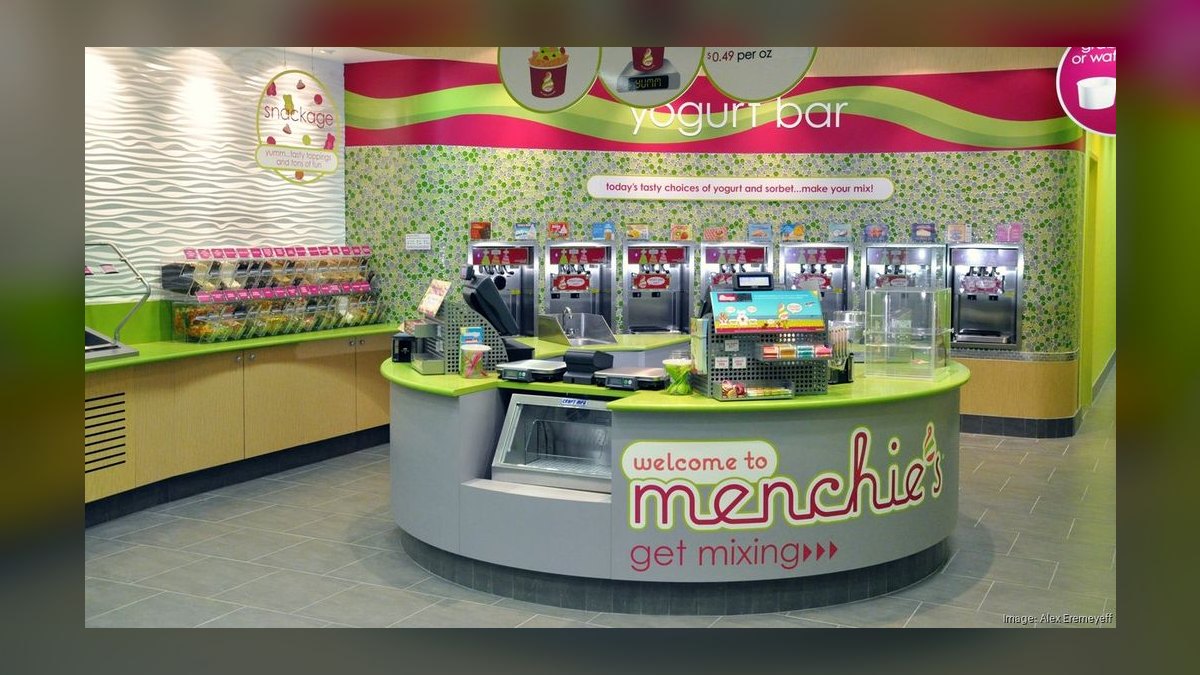
The buyer who gets crushed opens a single standalone store in a Class A lifestyle center at $48-65/sq ft during a cold-winter market (Midwest, Northeast, Mountain West). They paid the build-out at the top of the range ($180K), hit Year-1 revenue at $180-220K instead of $285K, and bleed $4,000-$8,000/month from November through March. Royalty and brand fund take 7% off the top regardless of profitability — there is no relief during slow months. Absentee owners who hire a $22/hour manager lose because single-unit froyo has no margin to absorb that role; you either work the counter yourself or you close. First-time food-service operators without QSR background underestimate health-code complexity (dairy temp logs, allergen separation, the 2025 FDA frozen-dessert recall sweep that hit multiple chains). Anyone who believes the 2013 froyo boom is coming back loses — Pinkberry has closed 60% of its U.S. footprint since 2018, Yogurtland has consolidated, and Menchie's has shifted to a multi-brand parent strategy. Buyers who can't write a personal check for $80K+ of working capital without touching retirement funds should not sign this FDD.
2027 Market Conditions
The frozen-yogurt category in 2027 is mature-declining, not growth. Global frozen-yogurt market value sits near $2.0 billion (Mordor Intelligence, 2026) with a 3.6% CAGR — slower than overall QSR (4.8%) and well below better-for-you alternatives like Greek yogurt parfaits, açaí bowls, and protein soft-serve (8-12% CAGR). U.S. dairy commodity prices rose 9.4% in 2025 and a projected 4-6% in 2027 per USDA Dairy Outlook, compressing the 32% COGS line. State minimum wage hikes in California ($20), New York ($17), Washington ($17.60), and Colorado ($14.81) push labor toward 30%+ of revenue in those states without price increases customers resist past $8.50 for an 8-oz cup. On the demand side, Gen Z prefers "treat" categories with a clearer health narrative — Reformation Tea, Erewhon smoothies, protein soft-serve from Brrr Soft Serve and So Good — and froyo has lost its "healthy dessert" halo as consumers learned about added-sugar content. Tutti Frutti's parent brand visibility is materially weaker than peak years; the chain is not on the IFA Top 200, Franchise Times Top 400, or Entrepreneur Franchise 500 for 2027, which makes bank SBA loan approval harder (lenders cross-reference these rankings). Resale market for existing units is soft: 2.5x SDE is the going multiple, down from 3.5-4.0x in 2014, so the exit math is unfavorable unless you own multiple units.
The 90-Day Decision Tree
- Days 1-7: Pull the most recent FDD directly from Tutti Frutti Franchising, Inc. Do not rely on third-party summaries. Confirm Item 7 totals, Item 19 representations (if any), Item 20 store counts and transfers/terminations table — this is where you see net unit growth or contraction. If terminations + closures exceeded openings for 2 of the last 3 years, that is a red flag worth walking away over.
- Days 8-21: Call 12+ existing franchisees from Item 20's list. Ask three questions: (a) actual Year-1 and Year-3 revenue, (b) actual owner take-home after debt service, (c) would they sign the FDD again knowing what they know now. Score the answers; if fewer than 6 say "yes I'd re-sign," walk.
- Days 22-35: Run the real estate. Get two letters of intent from landlords in your target trade area. Confirm rent at 8-12% of expected revenue, not 15%+. Validate foot traffic with Placer.ai or SafeGraph mobility data (most franchise brokers don't pull these). College-town and tourist corridors should show 8,000+ daily pedestrian counts.
- Days 36-50: Build the pro forma at three scenarios — base ($285K AUV), conservative ($220K AUV), recession ($180K AUV). If the recession case still services SBA 7(a) debt, the unit is bankable. If it doesn't, the deal is fragile.
- Days 51-65: SBA 7(a) pre-qualification. Live Oak Bank, Huntington, and Celtic Bank are the most active QSR-franchise SBA lenders. Bring $60K+ post-closing liquidity to the table. Tutti Frutti is on the SBA Franchise Directory (verify the current FRN), which speeds approval.
- Days 66-80: Evaluate the "buy vs. build" choice. Check BizBuySell, FranchiseGator-Resales, and Restaurant Brokers for existing Tutti Frutti units for sale. A profitable existing store at $250K with proven $320K revenue beats a $400K greenfield with unproven revenue every single time.
- Days 81-90: Decision. If you've collected 8+ "yes I'd re-sign" franchisee responses, secured below-market rent, pre-qualified for SBA, and can stomach 5-7 year payback — sign. Otherwise, walk to the alternative plays below.
Alternative Plays
If Tutti Frutti's math doesn't pencil for your market, four adjacent plays are stronger in 2027. First, Crumbl Cookies — single-product focus, $227K-$567K all-in (Item 7), ~$2.0M median AUV (Item 19), but the brand is closing its franchise window and resale multiples are 5-7x SDE. Second, Kung Fu Tea or Gong Cha bubble tea — $280K-$450K all-in, $420-680K AUV, growing category (12-15% CAGR), better year-round revenue, Gen Z core demographic. Third, Playa Bowls or Vitality Bowls (açaí) — $250K-$480K all-in, $420-700K AUV, captures the better-for-you halo froyo lost. Fourth, and the play most operators overlook: buy an existing distressed Tutti Frutti store at $80-150K in a market where rent is below 10% of revenue, fix operations, and either re-flag it to a stronger brand or run it as an independent froyo + boba hybrid without paying the 7% royalty + brand stack. Independent operators post 15-22% EBITDA in the same buildings where franchisees post 8-14%. The 7% royalty stack is the single biggest profit-killer in single-unit froyo.
FAQ
Is Tutti Frutti still a profitable franchise in 2027? It can be, but only in very specific scenarios. Profitability depends on high foot traffic, low rent, and strong summer sales—most standalone stores see EBITDA margins of 8–14%. If you’re buying an existing location, look for one with at least $280K in annual sales and a proven track record, as new openings carry higher risk.
How much money do I need to start a Tutti Frutti franchise? Total startup costs range from $252,000 to $480,000, including franchise fees, equipment, and build-out. You’ll also need at least $200,000 in liquid capital to cover operating losses during the first year or two, especially if you’re opening a new store rather than buying an existing one.
What’s the average revenue of a Tutti Frutti store?
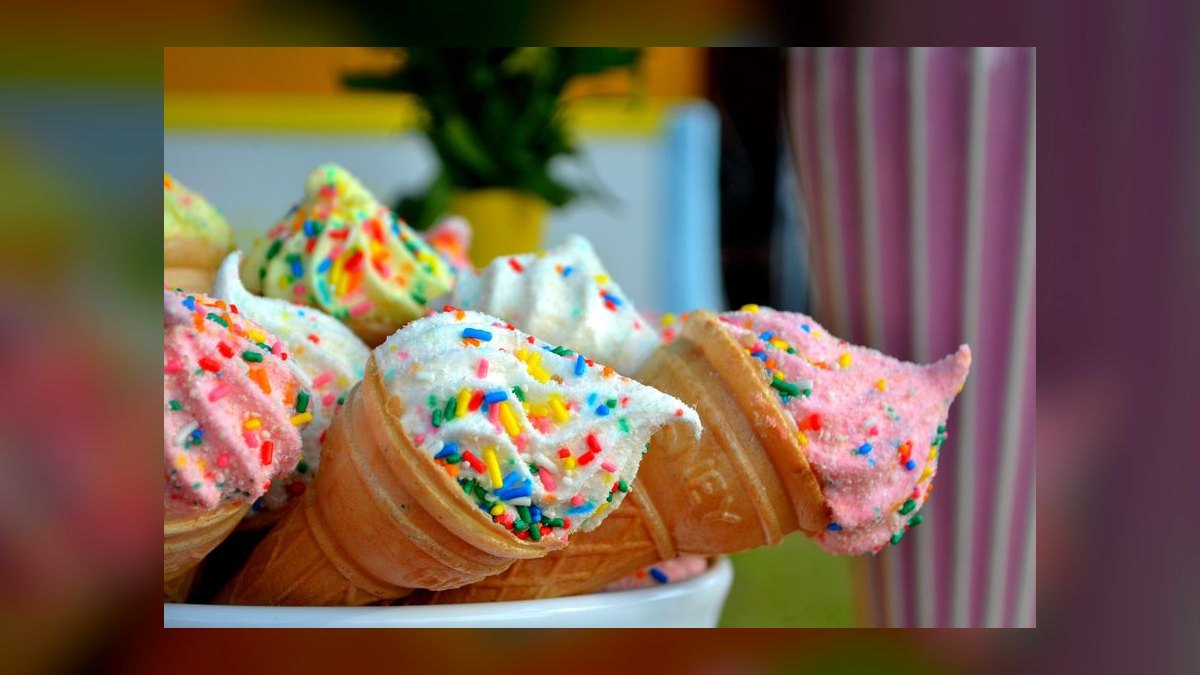
A healthy, well-located store typically generates between $280,000 and $420,000 in annual revenue. However, many locations fall below that range due to seasonal dips and competition, so it’s important to verify actual sales data from the seller or franchisor before committing.
How long does it take to break even or pay back the investment? Realistic payback periods are 5–7 years for a new store, assuming you survive the first two years. Buying an existing profitable store at 2.5–3x seller’s discretionary earnings can shorten that timeline, but you still need to account for ongoing labor and commodity costs.
What are the biggest risks of opening a Tutti Frutti franchise in 2027? The main risks include labor costs of $18–$22 per hour, dairy price volatility, and a revenue model that’s heavily concentrated in a 120-day summer window. The frozen yogurt category peaked around 2013, and the U.S. footprint has shrunk from about 225 stores to roughly 60–70 locations, so market saturation and declining consumer interest are real concerns.
Should I open a new store or buy an existing one? Buying an existing profitable store is almost always the better option. You avoid the high startup costs and early losses of a new build, and you can evaluate real financials. If you already own a high-traffic retail space with cheap rent, adding Tutti Frutti as a secondary brand to an existing café or boba shop can work, but as a standalone 2027 play, it’s a tough bet.
Bottom Line
Tutti Frutti is a declining-cycle franchise in a mature-declining category. The brand is opportunistic, not strategic: only signed if you've pre-committed to multi-unit, secured below-market rent, sit in a tourist/college trade area, and can absorb 5-7 year payback. Single-unit suburban operators in cold-winter states lose money at the published Item 7 ranges. Buy distressed existing units at $80-150K and run them debrand-independent if you love the format; sign the FDD only if multi-unit and resale-favorable math hold. For most buyers, Crumbl, Kung Fu Tea, Playa Bowls, or an independent boba+froyo hybrid delivers better risk-adjusted return on the same $250K-$450K capital pool. Always pull the most recent FDD from the franchisor directly, validate Item 20 net unit growth, and call 12+ franchisees before wiring a deposit.
Sources
- Tutti Frutti Frozen Yogurt — Franchimp FDD Profile
- Tutti Frutti 2020 FDD — The FDD Exchange
- Tutti Frutti Franchise Costs & Profit Analysis — Vetted Biz
- Tutti Frutti Franchise Opportunities — FranchiseHelp
- Tutti Frutti Franchise — Top Franchise
- Tutti Frutti Frozen Yogurt — Wikipedia (history & unit count)
- Frozen Yogurt Market Report — Mordor Intelligence 2026
- IBISWorld Frozen Yogurt Stores in the US (NAICS 72233a)
- SBA Franchise Directory — sba.gov
- IFA Franchise Economic Outlook 2027 — International Franchise Association
- USDA Dairy Outlook 2026-2027 — Economic Research Service
- BLS QSR Labor Cost & Wage Data 2026 — Bureau of Labor Statistics
Related on PULSE
This page will be disappearing soon. Save it to your device for $1 — or read it free while it is here.
@Kory-White- · if Venmo asks, the last 4 of my number are 2012
This page is gone.
This one is off the shelf now. $1 keeps it on your phone for good — the whole page, pictures and diagrams included.
 franchiseShould I open or buy a Crumbl Cookies franchise in 2027?
 franchiseShould I open or buy a Jeremiah's Italian Ice franchise in 2027?
 franchiseShould I open or buy a Cook Out franchise in 2027?
 franchiseShould I open or buy a Roto-Rooter franchise in 2027?
 franchiseShould I open or buy a Pizza Hut franchise in 2027?
 franchiseShould I open or buy a Matco Tools franchise in 2027?
 franchiseShould I open or buy a Culver's franchise in 2027?
 franchiseShould I open or buy a Papa John's franchise in 2027?
 franchiseShould I open or buy a Cinnabon franchise in 2027?
 franchiseShould I open or buy a Great Clips franchise in 2027?