


Should I open or buy a Joe's Crab Shack franchise in 2027?
Quality
Certified
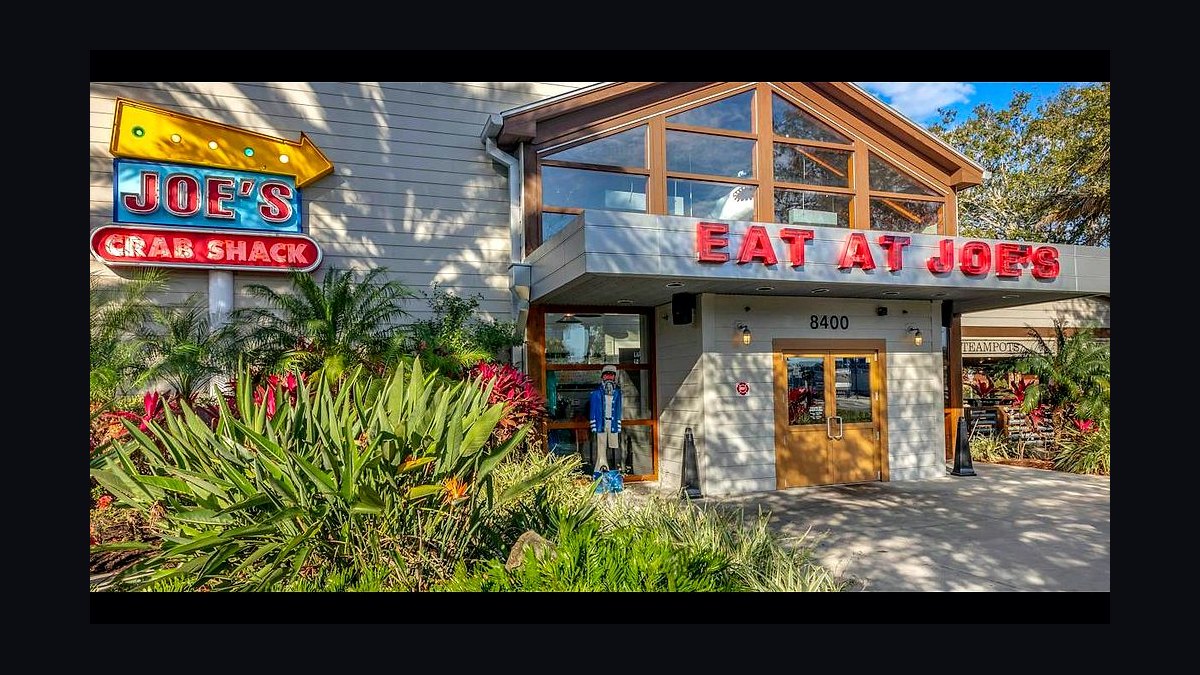
Probably not — unless you already own a Landry's-affiliated hospitality group, can close the deal on a real-estate-driven turnaround, and treat the brand as a vehicle for the location rather than the location as a vehicle for the brand. Joe's Crab Shack is a declining concept — from ~140 locations at its 2014 peak to roughly 14-18 corporate units by mid-2026, with closures still rolling. Landry's, Inc. owns the IP and is not running an active U.S. franchise expansion program; the only realistic path is an international license or a legacy corporate-to-franchisee conversion. Expect a build-out floor near $1.49M and ceiling near $4.58M, 5-7 year payback at best, and Year-1 conservative cash flow of $80K-$220K on a single converted unit. Independent seafood-shack operators typically clear comparable margins on half the capital.
The Real Numbers
Joe's Crab Shack has not published a public franchise FDD on the U.S. Federal Trade Commission's annual FDD list since 2017, when then-operator Ignite Restaurant Group filed Chapter 11 and was acquired at auction by Landry's, Inc. for $57M. Landry's still markets a franchise page at landrysinc.com/franchise/joes-crab-shack-franchise but primary expansion is international (Mexico, Dubai). The numbers below blend the last publicly filed Joe's Crab Shack FDD (Ignite, 2016, Item 7 and Item 19), Landry's franchise disclosure material, and 2027 seafood-restaurant benchmarks from IBISWorld 72211a, National Restaurant Association, and BLS QCEW 722511.
| Line Item | Low | High | Notes |
|---|---|---|---|
| Initial franchise fee | $40,000 | $50,000 | Landry's franchise page; last Ignite FDD Item 5 |
| Build-out (leasehold improvements) | $750,000 | $2,400,000 | 6,000-9,000 sq ft, waterfront premium |
| Furniture, fixtures, equipment | $325,000 | $900,000 | Walk-in coolers, fryers, raw bar, themed decor |
| Signage + theming (buoys, nets, slide) | $45,000 | $185,000 | Brand-mandated kitsch package |
| POS, security, training | $42,000 | $135,000 | Aloha or Toast, 4-week corporate training |
| Initial inventory (live tank + frozen) | $60,000 | $145,000 | Snow crab, king crab, alaskan |
| Liquor license | $5,000 | $400,000 | Varies wildly by state (FL/TX low, NJ/CA high) |
| Working capital (3 mo) | $220,000 | $369,500 | Payroll-heavy, 80-110 FTE |
| TOTAL INVESTMENT | $1,487,000 | $4,584,500 | Last publicly disclosed Item 7 band |
| Royalty | 5.0% of gross sales | 6.0% | Industry standard for Landry's brands |
| Marketing / brand fund | 2.0% | 3.0% | National + co-op |
| AUV (corporate-only, est. 2024-2026) | $3.1M | $4.6M | Last Ignite Item 19 = $3.7M average |
| Restaurant-level EBITDAR | 8% | 14% | Industry casual-seafood band |
| Conservative Year-1 owner cash flow | $80,000 | $220,000 | After debt service on 70% LTV SBA 7(a) |
| Payback period | 5.5 yrs | 8.0 yrs | Versus 3.5-5 yrs for category leaders |

The honest read: AUVs look respectable on paper because the surviving 14-18 units are trophy waterfront leases in Galveston, Destin, San Diego, and Mall of America — locations a normal franchisee will never replicate. Build-out cost per square foot ($150-$310) runs 30-50% above an independent crab shack because the theming package — buoys, nets, slide, sing-along staff routine — is brand-mandated. Royalty + marketing of 7-9% combined lands on the high end of casual-dining benchmarks; Texas Roadhouse, Outback, and Bonefish all sit at 4-6% all-in.
Who Wins With This Business
You win if you are one of four very specific buyer profiles. First, an existing Landry's licensee — somebody who already operates a Bubba Gump, Rainforest Cafe, or Saltgrass and can negotiate a multi-unit conversion of an underperforming sister-brand location. Second, an international developer in Mexico, the GCC, or Southeast Asia, where the American-seafood-theme novelty still earns a 25-40% revenue premium and Landry's actively wants signed area-development agreements. Third, an experienced waterfront-restaurant operator who can buy the lease when Landry's closes a corporate unit and convert to independent while keeping the kitchen — the build-out residual alone is worth six figures. Fourth, a financially robust hospitality group running 8-15 casual-dining units that can absorb a turnaround inside a portfolio without betting the farm. None of these are first-time-operator profiles. Common thread: deep operating muscle, real-estate sophistication, and capital that does not need this single unit to perform.
Who Loses With This Business
You lose if you are a first-time restaurant operator, a 1031-exchange real-estate investor looking for a managed turnkey, or a passive franchisee expecting Landry's marketing to drive traffic. The brand has lost roughly 87% of its footprint in a decade, national marketing spend is negligible compared to Red Lobster, Bonefish, or Bubba Gump, and the target demographic (1990s-2000s family casual-dining) is the most-shrunken segment of U.S. restaurants per NPD CREST. You also lose if you need a 4-year payback — the combined royalty/marketing burden plus mandatory theming capex push payback past 5.5 years even in a good location. You lose if you cannot personally cover a $300K-$500K liquidity reserve beyond build-out — seafood pricing volatility on king and snow crab can swing food cost by 400-700 bps in a single quarter. Finally, you lose if your market is inland, non-tourist, non-waterfront. Joe's Crab Shack is a destination concept; ordinary suburban strip-center locations have been the first to close since 2017.
2027 Market Conditions
The macro picture is brutal for a declining casual-dining seafood brand in 2027. Snow-crab landings in the Bering Sea are still recovering from the 2022-2024 NOAA closure, with 2026 wholesale crab prices 38-62% above 2019 baseline per Urner Barry. King-crab quota allocations remain 30% below 2018 norms. On the demand side, U.S. casual-dining same-store-sales traffic has been negative for 11 of the last 13 quarters per Black Box Intelligence, and seafood casual specifically is the worst-performing subsegment, behind Italian, steakhouse, and Tex-Mex. Red Lobster's 2024-2025 Chapter 11 and the Fortress Investment Group restructuring vacuumed up category attention. Joe's Crab Shack's last public AUV growth was 2014. On the upside, Gulf Coast and Florida Panhandle tourism is at all-time highs, the few remaining waterfront Joe's units consistently outperform, and Landry's bundled-brand purchasing power keeps food cost 200-400 bps below an independent shack. Net assessment: the macro headwinds outweigh the bundled tailwinds for an outside-investor entrant.
The 90-Day Decision Tree
- Days 1-7 — Verify the franchise is actually for sale. Email franchising@landrysinc.com and request the current FDD. If they respond with a generic brochure rather than a Form 1 FDD, the U.S. franchise program is effectively closed and you should pivot to an international license or an asset-purchase of a closed unit.
- Days 8-21 — Pull the last three Joe's Crab Shack FDDs from FDDExchange, FRANdata, or the Wisconsin/Minnesota state registries (free public records). Read Item 19 (financial performance) and Item 20 (outlet counts) carefully — Item 20 will show net closures every year since 2014.
- Days 22-35 — Visit three surviving units in person. Galveston Kemah Boardwalk, Destin Harbor, and San Diego Embarcadero are the healthiest comps. Spend a Friday-Sunday at each. Count covers, average ticket, beverage attach, kitchen ticket times.
- Days 36-50 — Interview two former GMs via LinkedIn outreach. Pay them $300 for an hour. Ask specifically about Landry's corporate support, supply-chain pricing on king/snow crab, mandatory remodels, and royalty audit aggressiveness.
- Days 51-65 — Model three scenarios — base case at $3.7M AUV / 11% EBITDAR, downside at $2.9M / 7%, upside at $4.5M / 14%. Stress-test crab cost at +50%.
- Days 66-80 — Negotiate a conversion of a corporate unit rather than a ground-up build. Ask Landry's for a 50% franchise-fee discount, a 24-month royalty ramp (3% Year 1, 4% Year 2, 5% Year 3+), and a $500K tenant-improvement allowance. If they will not move on any of these, walk.
- Days 81-90 — SBA 7(a) financing through a food-and-beverage-specialty lender (Live Oak, Byline, Newtek). Plan on 70% LTV, 10-year amortization, prime + 2.75%. Lock in your $400K-$500K liquidity reserve in a separate operating account. Final go / no-go meeting with your CPA and attorney.
Alternative Plays
If you have the capital and the appetite for a seafood casual-dining concept in 2027, here are five better-risk-adjusted alternatives. Bubba Gump Shrimp Co. — same Landry's parent, stronger brand equity, similar build cost, more active franchise pipeline; AUVs run $5.5M-$7M at flagship tourist locations. Bonefish Grill — Bloomin' Brands franchise program reopened in late 2025, lower theming capex, wine-and-bourbon-driven beverage attach lifts margin 300-500 bps. Cowfish (Bushi-Bushi) — niche burger-sushi concept, lower competition, single-unit cost $1.8M-$2.4M. Independent crab shack on a Landry's lease — buy the lease and FF&E when a corporate Joe's closes, run as an indie at $1.2M-$1.8M all-in, keep 100% of the brand goodwill in your market. Captain D's — fast-casual seafood franchise, all-in build $850K-$1.5M, 4-year payback, profile-flipped for a true first-time operator who wants seafood category exposure without the theming overhead and royalty drag of Joe's.
FAQ
Is Joe's Crab Shack still accepting new franchise applications in the U.S.? No, Landry's, Inc. is not actively running a U.S. franchise expansion program for Joe's Crab Shack. The only realistic paths are an international license agreement or a legacy corporate-to-franchisee conversion, and even those are rare and require direct negotiation with the company.

What is the realistic total investment to open a Joe's Crab Shack in 2027? Build-out costs for a converted unit typically range from $1.49 million on the low end to $4.58 million on the high end, depending on location size, equipment needs, and local construction costs. These figures exclude ongoing royalties and marketing fees, which are negotiated case-by-case.
How long does it typically take to break even on a Joe's Crab Shack franchise? A realistic payback period is 5 to 7 years under best-case conditions, assuming strong local traffic and no major operational setbacks. Many independent seafood-shack operators achieve similar or better returns on roughly half the capital investment.
What kind of annual cash flow can a new franchisee expect in the first year? Conservative Year-1 cash flow for a single converted unit is estimated between $80,000 and $220,000. Actual results depend heavily on location, local competition, and the franchisee's ability to control food and labor costs.
Are there any territories still available for a Joe's Crab Shack franchise? Available territories are extremely limited and largely hypothetical outside of a few international markets or legacy conversion opportunities. Landry's has not publicly listed open U.S. territories, and any serious inquiry would require direct outreach to their corporate development team.
Is Joe's Crab Shack a growing or shrinking brand as of 2027? The brand is shrinking, having declined from roughly 140 locations at its 2014 peak to an estimated 14 to 18 corporate units by mid-2026, with closures continuing. It is best viewed as a real-estate-driven turnaround vehicle rather than a growth franchise opportunity.
Bottom Line
For 95% of prospective franchisees, Joe's Crab Shack is the wrong vehicle in 2027. The brand is in secular decline, the U.S. franchise program is effectively dormant, the theming overhead and royalty/marketing burden push payback past 5.5 years, and crab-cost volatility makes margin forecasting unreliable. The 5% who should still pursue this are existing Landry's licensees, international developers in tourist-premium markets, opportunistic waterfront-lease buyers, and multi-unit hospitality groups who can absorb a turnaround inside a portfolio. Everyone else should look at Bubba Gump, Bonefish Grill, or — better still — an independent crab shack on a converted Landry's lease. The honest answer: the location is the asset, not the brand. Pay for the location, not the kitsch.
Sources
- Joe's Crab Shack Franchise Opportunities — Landry's, Inc.
- Joe's Crab Shack — Wikipedia (history, ownership, location count)
- Ignite Restaurant Group Form 8-K (Chapter 11 filing) — SEC EDGAR
- Landry's Group continues steady closures of Joe's Crab Shack — SeafoodSource
- Struggling seafood chain keeps closing restaurants, only 18 left — TheStreet
- IBISWorld Industry Report 72211a — Seafood Restaurants in the US (2025-2030)
- BLS QCEW 722511 — Full-Service Restaurants Wage and Employment Data
- National Restaurant Association — 2026 State of the Restaurant Industry Report
- Black Box Intelligence — Casual Dining Same-Store-Sales Quarterly Index
- Urner Barry — Crab Market Pricing (king and snow crab wholesale)
- FRANdata Franchise Disclosure Document Library — Joe's Crab Shack historical FDDs
- NOAA Fisheries Bering Sea Crab Stock Assessments 2024-2026
Related on PULSE
- Should I open or buy a Shake Shack franchise in 2027?
- Should I open or buy an Aroma Joe's franchise in 2027?
- Should I open or buy a Tokyo Joe's franchise in 2027?
- Should I open or buy a Happy Joe’s Pizza franchise in 2027?
- Should I open or buy an Aroma Joe's Coffee franchise in 2027?
- Should I open or buy a Mosquito Joe franchise in 2027?
This page will be disappearing soon. Save it to your device for $1 — or read it free while it is here.
@Kory-White- · if Venmo asks, the last 4 of my number are 2012
This page is gone.
This one is off the shelf now. $1 keeps it on your phone for good — the whole page, pictures and diagrams included.
 franchiseShould I open or buy a Bojangles franchise in 2027?
 frShould I open or buy a McDonald's franchise in 2027?
 franchiseShould I open or buy a KinderCare franchise in 2027?
 franchiseShould I open or buy a Firehouse Subs franchise in 2027?
 franchiseShould I open or buy a Smoothie King franchise in 2027?
 franchiseShould I open or buy a Big O Tires franchise in 2027?
 franchiseShould I open or buy a Drybar franchise in 2027?
 franchiseShould I open or buy a Chipotle franchise in 2027?
 franchiseShould I open or buy a Wendy's franchise in 2027?
 franchiseShould I open or buy a Kona Ice franchise in 2027?