


Should I open or buy a Cottman Transmission franchise in 2027?
Quality
Certified
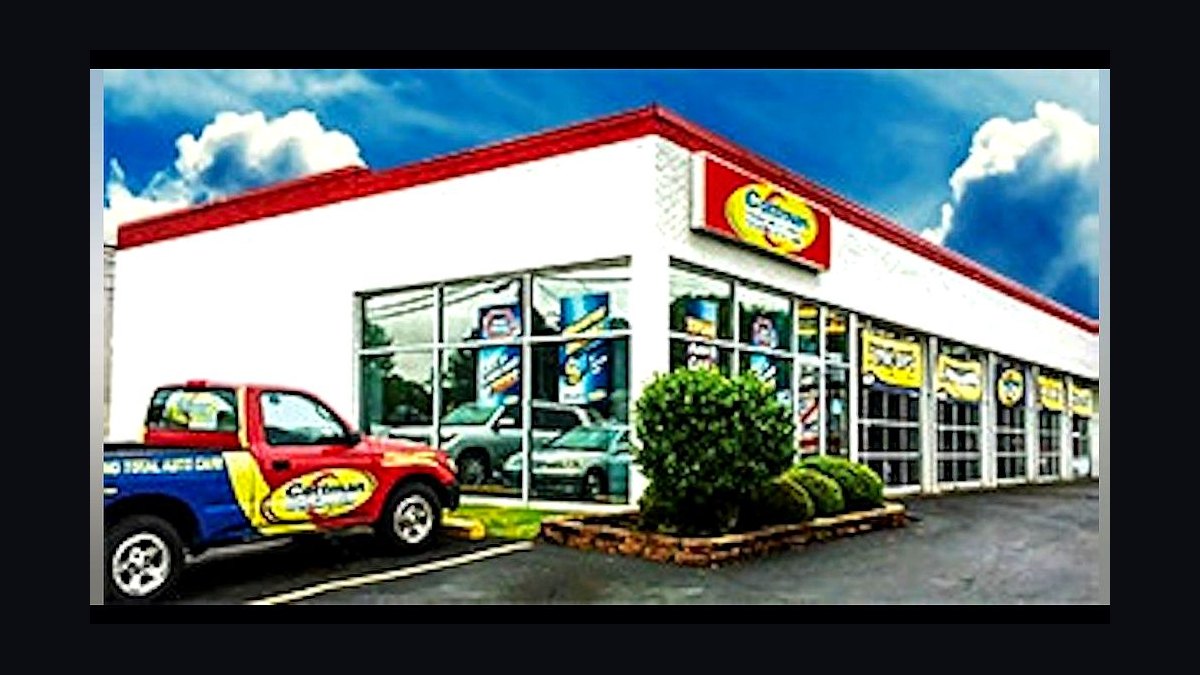
Probably not. Cottman works only for an ASE-certified transmission specialist buying an existing high-volume unit in the Northeast or Mid-Atlantic. The franchisor publishes no earnings claim, the combined royalty and ad load runs 12.5% of gross sales, and the U.S. footprint has shrunk sharply since 2008.
The outcome you should expect
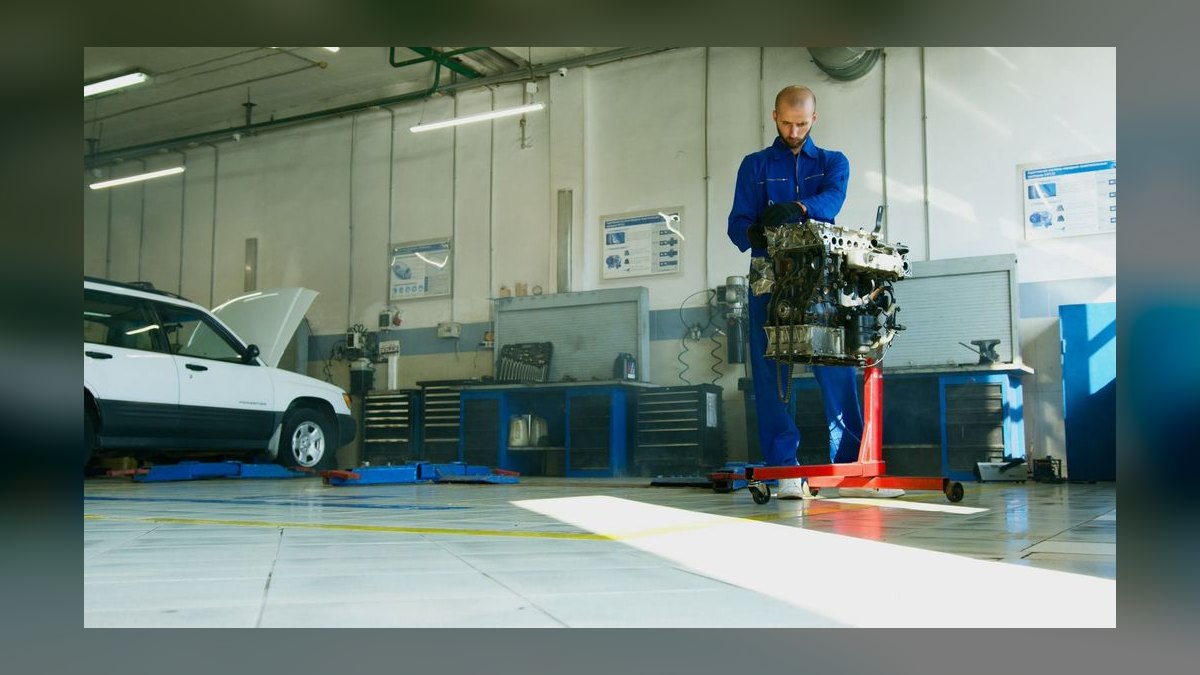
Set your expectations against the shape of the deal rather than the brochure. A single Cottman Transmission and Total Auto Care location is a four-to-six-bay, roughly 3,000–4,500 square foot service building with an all-in Item 7 investment range in the low-$190,000s to roughly $230,000, a $37,500 initial license fee with a several-thousand-dollar veteran discount, a 7.5% gross-sales royalty, and a 5% national advertising fund contribution. That combination — call it a 12.5% top-line drag before you have paid a single technician — is the single most important number in the entire analysis, because it is charged on revenue, not profit, and it is charged in month one whether or not you have customers.
The realistic outcome for a competent operator is a business that supports one owner's household and not much more. Independent transmission shops in this NAICS category commonly run somewhere in the $600,000 to $1.1 million annual revenue band depending on bay count, labor rate, and how much general repair work they take alongside rebuilds. Net margins in the healthy single-digit-to-low-teens range are typical for well-run independents. Strip 12.5% off the top for franchise fees and you should model a franchised unit landing meaningfully below the independent's net percentage on identical revenue — which means the brand affiliation has to generate materially more car count to be worth carrying.
Year one is usually not pretty. Expect a range from modestly negative to modestly positive owner cash flow before any owner wage, with breakeven landing somewhere in the second half of year one through the first half of year two for a greenfield build. That is not unusual for automotive service; ramp is slow because major-repair customers do not exist until their transmission fails, and you cannot manufacture failures. What is unusual, and what should worry you, is carrying a 12.5% fee load through that ramp while the brand you are paying for has fewer U.S. locations each year.
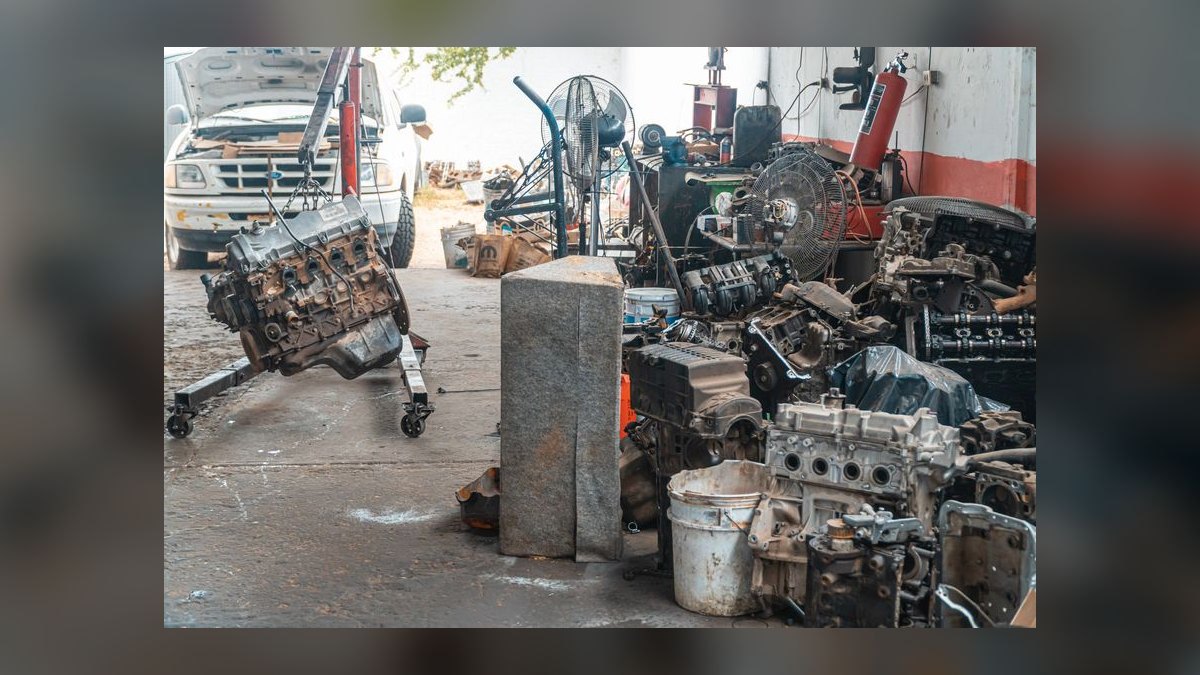
The honest framing: you are not buying a growth franchise. You are buying an operating system, a national 1-800 lead pool, and a recognizable sign, and you are paying a specialist-brand premium for all three at a moment when the brand's own unit count says the market is not rewarding it. If that trade still makes sense to you, it is almost certainly because you are buying an existing unit with proven revenue rather than opening a new one — and that distinction is the whole ballgame.
What drives that outcome
Four variables move the outcome more than everything else combined, and three of them have nothing to do with the franchisor.
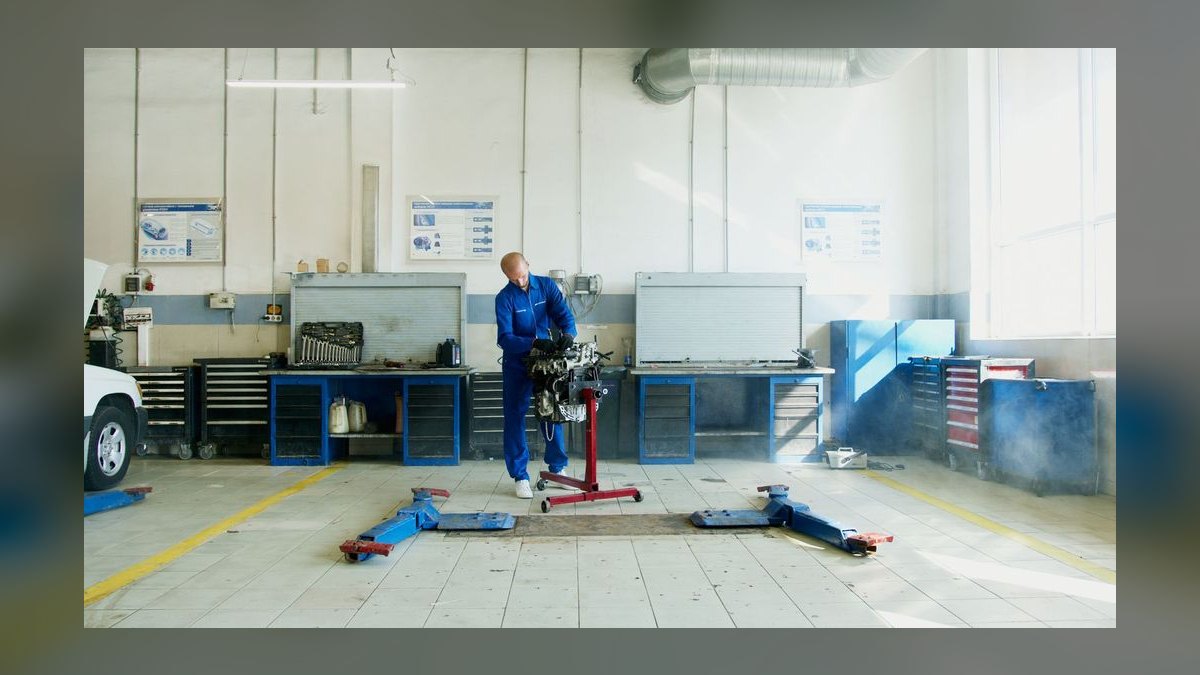
Your own technical competence. Transmission work has an enormous diagnostic spread. The difference between a valve body issue, a torque converter shudder, a solenoid pack, a wiring fault, and a genuine full rebuild can be a four-figure swing in labor and parts on the same complaint. An owner who cannot personally diagnose is at the mercy of whoever is holding the scan tool, and comebacks — the job that returns because it was misdiagnosed — destroy margin faster than any other line item in the P&L. Comebacks eat parts, labor, and bay hours simultaneously, and in a five-bay shop every bay hour you burn re-doing work is a bay hour you cannot sell. This is why the operator profile matters more here than in almost any other franchise category. In a sandwich franchise a smart non-operator can hire the skill. In transmission repair, hiring the skill without being able to audit it is how shops die.
Local vehicle demographics. Your true revenue ceiling is a function of how many older vehicles sit inside a realistic drive radius, not of how good your marketing is. Major-repair demand concentrates in vehicles well past warranty, and the U.S. light-vehicle fleet has been aging for years — average age is now beyond twelve years, which is a genuine tailwind for anyone in major mechanical repair. But that tailwind is national and your business is not. A trade area full of leased three-year-old vehicles produces almost no transmission work; a trade area full of eight-to-fifteen-year-old trucks and crossovers produces a great deal of it. This is knowable before you sign anything, and skipping the work is the most common underwriting failure in the category.
Fee load versus brand lift. The 7.5% royalty plus 5% ad fund is only rational if it buys more car count than you could generate independently. In the brand's core Northeast and Mid-Atlantic geography, where decades of advertising built genuine name recognition, that case is arguable. In a tertiary market where almost nobody has heard the name, you are paying a national fee for local anonymity — and the inbound call volume from the shared lead pool in thin DMAs is a fraction of what a development conversation will lead you to picture. Ask for actual call counts by market, in writing, and validate them against operators rather than the franchisor.
Greenfield versus resale. A new build asks you to fund the entire investment and then wait through the ramp with no revenue history. A resale of an established unit lets you buy proven revenue and an existing customer base at a multiple of seller's discretionary earnings, and small automotive service businesses generally trade in low-single-digit SDE multiples. If the resale price plus needed capital expenditure lands at or below what a greenfield would cost, the resale is strictly better: same fee load, but the revenue already exists and the ramp risk is gone. The strongest version of the Cottman case is almost always a resale.
Benchmarks and realistic ranges
Because Cottman makes no financial performance representation, you have to build the revenue case yourself. Here is how to do that without fooling yourself.
Start bottoms-up, not top-down. Buy vehicle-registration counts for your primary trade area from a commercial automotive data provider — Experian's automotive data products are the standard source — and filter to vehicles roughly eight years and older. Apply a conservative annual major-transmission-service incidence rate to that population, then multiply by a realistic average ticket. Major transmission jobs commonly land in the high-hundreds-to-low-thousands range per repair order, with full rebuilds well above that. The product of those three numbers is your theoretical trade-area demand. Now assume you capture only a modest share of it, because you are competing with dealers, independents, and general-repair chains for the same failures. That capture-adjusted figure is your realistic year-two revenue, and it is usually well below any brochure number.
Sanity-check against bay throughput. A five-bay shop with one or two capable rebuild technicians has a hard physical ceiling. Estimate billable hours per bay per day, multiply by working days, multiply by your effective labor rate, then add parts revenue at your typical parts-to-labor ratio. If your bottoms-up demand number exceeds your throughput ceiling, throughput is your constraint and more marketing spend is wasted. If throughput exceeds demand, demand is your constraint and you have a location problem, not a staffing problem. Most failing shops are demand-constrained and keep hiring anyway.
Model the fee stack explicitly. Build the P&L so royalty and ad fund appear as separate line items charged against gross sales, plus any local marketing minimum required by the agreement. Then model rent, technician wages including a market-rate service writer, parts cost, shop supplies, insurance including garage liability, utilities, software, and a real allowance for comebacks and warranty work. Franchised transmission shops carry warranty obligations on rebuilds, and the reserve for that is a genuine expense, not a rounding error.
Model debt service honestly. Cottman appears on the SBA Franchise Directory, so SBA 7(a) financing is typically available, and a substantial share of the investment is commonly debt-financed. At current 7(a) pricing — prime-based with a spread, on a ten-year amortization for a non-real-estate deal — the monthly payment on a mid-six-figure-adjacent loan is a real number that must clear before you take a dollar. Get three term sheets, from an active SBA lender in your region plus at least two national franchise lenders, and use the worst of the three in your model. Rate assumptions are where optimistic pro formas hide.
Benchmark the fee load against alternatives. An independent transmission shop pays zero royalty and zero ad fund, at the cost of building its own name. General-repair franchise concepts in the total-car-care space typically require substantially more capital than Cottman but come with broader service mix, wider brand recognition, and growing unit counts. AAMCO — same parent company, American Driveline Systems, under Icahn Enterprises ownership — carries comparable fee economics with a considerably larger U.S. footprint and correspondingly more national advertising behind the name. If you are going to pay a specialist-brand royalty anyway, comparing the two sibling brands directly is the obvious first move, and most candidates skip it.
Treat the payback period as the decision metric. Simple payback on a franchised automotive specialty unit should be measured against alternatives, not against zero. If Cottman pencils to a four-to-five-year payback while a comparable general-repair concept pencils to three-and-a-half on a growing brand, the extra capital for the alternative is buying you a shorter payback and a rising rather than falling footprint. That is usually the better trade even at a higher entry price.
Risks, edge cases, and failure modes
Shrinking footprint is the headline risk. A franchise system with more terminations, transfers, and non-renewals than new openings is contracting, and contraction is self-reinforcing: fewer units mean less ad-fund money, less ad money means less awareness, less awareness means weaker unit economics, and weaker economics mean more closures. Item 20 of the FDD gives you the actual table — outlets opened, closed, terminated, transferred, and non-renewed by fiscal year. Read it before anything else. If closures consistently exceed openings across three fiscal years, you are underwriting a declining system and every other assumption in your model should be haircut accordingly.
Build-out overrun is the most common cash-flow killer. Automotive build-outs involve lifts, ceiling clearance, floor loading, ventilation, waste-oil handling, environmental permitting, and signage compliance. Any one of those can blow a budget. Operators in this category routinely report all-in opening costs above the FDD's stated ceiling, and the FDD's working-capital line is frequently the thinnest assumption in the document. Carry substantially more working capital than the Item 7 estimate suggests — a multiple of it, not a small buffer — because the overrun and the slow ramp arrive at the same time.
Long-term EV exposure is real but geographically uneven. Battery-electric vehicles have no conventional multi-speed automatic transmission. Electric share of the operating fleet remains small nationally, so the near-term effect on major-repair demand is limited; the fleet turns over slowly and today's aging gas and hybrid vehicles will need transmission work for years. But a ten-year franchise agreement is a ten-year bet. In metros where electric adoption is running far ahead of the national rate, the back half of that term looks materially worse than the front half. If you are signing a decade-long agreement in one of those markets, you are betting the brand's total-car-care diversification arrives fast enough to matter — and diversification against established general-repair chains is a hard fight for a specialist brand with a shrinking base.
Territory and non-compete terms are where franchisees get quietly hurt. Push for the largest protected radius you can get, and resist a broad, long post-term non-compete. If you build a book of business for a decade and then cannot operate a transmission shop anywhere near your own trade area after the term ends, you have built an asset you cannot keep. Also scrutinize the renewal fee, required refresh or remodel obligations, transfer-approval conditions, and any right of first refusal on a sale — those clauses determine what your exit is worth.
Single-point-of-failure staffing. In many transmission shops, one technician does most of the rebuilds. If that person leaves, revenue drops immediately and does not recover until you replace an increasingly scarce skill set. Rebuild technicians are genuinely hard to hire. Mitigations: cross-train, pay above market for the key role, document procedures, and build a relationship with a reputable remanufactured-unit supplier so you can keep selling jobs when in-house rebuild capacity is down. An affiliation with a transmission parts and training organization — ATSG and TransTec are the well-known names in the trade — is cheap insurance for both technical support and continuing education.
Adjacent risk worth naming: customer trust in the category. Transmission repair carries a reputational overhang from decades of consumer complaints across the whole industry about bait-and-switch teardown pricing. That means your local reviews and your written estimating discipline matter more than your sign. Shops that win in this category almost always do it with transparent multi-point diagnostics, written teardown authorization, photo documentation, and a warranty they honor without argument. Check the Better Business Bureau profile for the brand and for any unit you are considering acquiring, and read the complaint narratives, not just the letter grade.
The validation shortcut. The single highest-return diligence step is calling existing franchisees — and the failure mode is calling only the three the development representative hands you. Item 20 lists every current operator. Call a dozen. Ask trailing-twelve-month revenue, owner's discretionary earnings after paying a market-rate manager, and whether they would sign again today. That last question, asked twelve times, tells you more than the entire FDD.
A practical rollout plan

If you are still interested after all of that, run a disciplined ninety-day process and be genuinely willing to walk away at any gate.
Days 1–10 — get the primary documents. Request the current FDD directly from the franchisor and read Items 5, 6, 7, 11, 12, 17, 19, and 20 in that order. Item 19's absence is itself information. Item 20's tables are the system's vital signs. Item 17 tells you what happens at renewal, transfer, and termination. Do not accept a summary or a brochure in place of the document.
Days 11–25 — validate with operators. Twelve calls minimum, from the Item 20 list, chosen across geographies rather than handed to you. Take notes on revenue, earnings after a real manager salary, build-out actual versus budget, lead-pool call volume, and franchisor responsiveness. Set a pass/fail threshold before you start calling — for example, a clear majority saying they would sign again — and honor it.
Days 26–40 — build the territory model. Buy the vehicle registration data, filter to older vehicles, apply conservative incidence and capture rates, cross-check against bay throughput, and layer in the full fee stack and debt service. Build a downside case where revenue lands twenty-five percent under your base and ramp takes six months longer. If the downside case cannot service debt, the deal is too tight regardless of how good the base case looks.
Days 41–55 — line up financing. Confirm current SBA Franchise Directory eligibility, then collect three term sheets. Compare rate, amortization, personal guarantee scope, collateral requirements, and any life-insurance or standby-creditor conditions. Underwrite to the worst offer.
Days 56–75 — site selection and lease. Tour at least four candidate buildings with a tenant representative who works for you, not for the landlord. Verify bay count, ceiling height for lifts, floor drains, environmental and zoning approvals for automotive use, signage rights, and parking for vehicles awaiting parts — a transmission shop stores cars for days, which surprises operators who modeled a quick-lube footprint. Hold a hard ceiling on rent per square foot appropriate to your market tier and walk from anything above it.

Days 76–90 — legal review and negotiation. Retain a franchise attorney who does this work full-time; a general business lawyer is not a substitute. Negotiate territory radius, renewal terms, transfer conditions, and the post-term non-compete. If the franchisor will not modify anything at all, treat that as a signal about the next decade of the relationship. Then decide — and be comfortable with a no.
In parallel, price the alternatives properly. Model the same territory as an independent transmission and drivetrain shop with a parts-and-training affiliation, and as a total-car-care franchise with a growing footprint. Run all three side by side on identical assumptions. If Cottman does not win on a like-for-like comparison, you have learned something valuable for roughly the cost of a data pull and some diligence time.
Related questions
Is AAMCO a better choice than Cottman under the same parent?
Often yes. Both sit under American Driveline Systems with broadly similar fee structures, but AAMCO's U.S. footprint is many times larger, which means far more national advertising behind the name and stronger consumer recognition outside the Northeast. Same royalty math, more brand lift.
Should I buy an existing unit instead of opening a new one?
Almost always, if one is available at a sane multiple. A resale delivers existing revenue, staff, and customer base, eliminating the twelve-to-twenty-two-month ramp. Small automotive service shops trade at low-single-digit multiples of seller's discretionary earnings — verify the earnings with tax returns, not a seller worksheet.
How much does EV adoption threaten a transmission shop?
Not much in the next five years — electrics remain a small share of vehicles actually on the road, and the aging gas fleet keeps producing work. Over a ten-year agreement in a high-adoption metro, the risk becomes material. Match term length to local adoption pace.
What if I have no automotive technical background?

Then pick a different concept. Transmission repair punishes owners who cannot audit their own technicians' diagnoses, because misdiagnosis costs are enormous and invisible to a non-technical owner. A general-repair or total-car-care franchise with stronger systems and training is a far better fit.
Can I run a Cottman as a semi-absentee investment?
Realistically, no. The economics assume the owner is on the front counter selling jobs and controlling the diagnostic process. Adding a full market-rate manager on top of a 12.5% fee load compresses owner earnings to a level that rarely justifies the capital and the personal guarantee.
FAQ
How much capital do I actually need to open a Cottman franchise?
The FDD's Item 7 total investment range runs from roughly $192,000 to $230,000, including a $37,500 initial license fee with a discount for qualified veterans. Treat that as a floor, not a plan. The working-capital line in the document is thin relative to how automotive build-outs and ramps actually behave, so hold meaningfully more liquid reserve than the estimate suggests — enough to cover both a build-out overrun and a slower-than-modeled first year without touching your household budget.
Does Cottman publish earnings or profit figures for its franchisees?
No. The franchisor makes no Item 19 financial performance representation, which means there is no franchisor-provided revenue or profit figure you can rely on. You have to underwrite from independent shop benchmarks and from franchisee validation calls. This is legal and not uncommon, but it shifts the entire analytical burden onto you — and it means anyone quoting you a Cottman revenue number is quoting something the franchisor itself declined to stand behind.
What ongoing fees will I pay?

A 7.5% royalty on gross sales plus a 5% national advertising fund contribution, with an additional local marketing requirement. That is a 12.5% combined charge against revenue before any operating expense, assessed regardless of profitability. The practical test is whether the brand generates more than 12.5% additional car count versus running the identical shop under your own name — in the brand's core Northeast and Mid-Atlantic markets that case is arguable; in unfamiliar markets it is much harder to make.
Is the Cottman system growing or shrinking?
Shrinking, and substantially so relative to its peak footprint last decade. Verify the current picture yourself in Item 20 of the latest FDD, which reports openings, closures, terminations, transfers, and non-renewals by fiscal year. A system where closures consistently outpace openings is contracting, and that contraction reduces the ad-fund pool and brand awareness you are paying for — which is precisely the thing a royalty is supposed to buy.
Who owns Cottman, and does ownership affect franchisees?
Cottman operates under American Driveline Systems, which also owns AAMCO, and the group has been under Icahn Enterprises ownership since 2017. Practically, that means a corporate parent with real balance-sheet depth and sibling-brand co-marketing opportunities, but also a portfolio owner making capital-allocation decisions across brands. Read the parent's public filings for segment-level commentary on same-store sales and unit counts before you sign.
What is the strongest version of the Cottman case?
An ASE-certified transmission specialist with real rebuild experience acquires an established, high-revenue unit in the brand's core Northeast or Mid-Atlantic geography at a reasonable multiple of verified seller's discretionary earnings, works the front counter personally, and takes the veteran discount if eligible. That profile can work well. Nearly every other configuration — non-technical owner, greenfield site, tertiary market, semi-absentee structure — underperforms the alternatives.
Sources
- SBA Franchise Directory — https://www.sba.gov/document/support-sba-franchise-directory
- FTC Franchise Rule compliance guide and consumer guidance on buying a franchise — https://www.ftc.gov/business-guidance/resources/consumers-guide-buying-franchise
- Cottman Transmission and Total Auto Care corporate site — https://www.cottman.com/
- AAMCO Transmissions and Total Car Care franchise information — https://www.aamco.com/
- Icahn Enterprises L.P. investor relations and SEC filings — https://www.ielp.com/
- S&P Global Mobility research on average age of light vehicles in operation — https://www.spglobal.com/mobility/en/
- U.S. Census Bureau NAICS 811113, Automotive Transmission Repair — https://www.census.gov/naics/
- U.S. Energy Information Administration data on electric vehicle sales and fleet share — https://www.eia.gov/
- Automatic Transmission Service Group (ATSG) technical support and training — https://www.atsg.com/
- Better Business Bureau business and franchise profiles — https://www.bbb.org/
Related on PULSE
This page will be disappearing soon. Save it to your device for $1 — or read it free while it is here.
@Kory-White- · if Venmo asks, the last 4 of my number are 2012
This page is gone.
This one is off the shelf now. $1 keeps it on your phone for good — the whole page, pictures and diagrams included.
 franchiseShould I open or buy a Dairy Queen franchise in 2027?
 franchiseShould I open or buy a Rita's Italian Ice franchise in 2027?
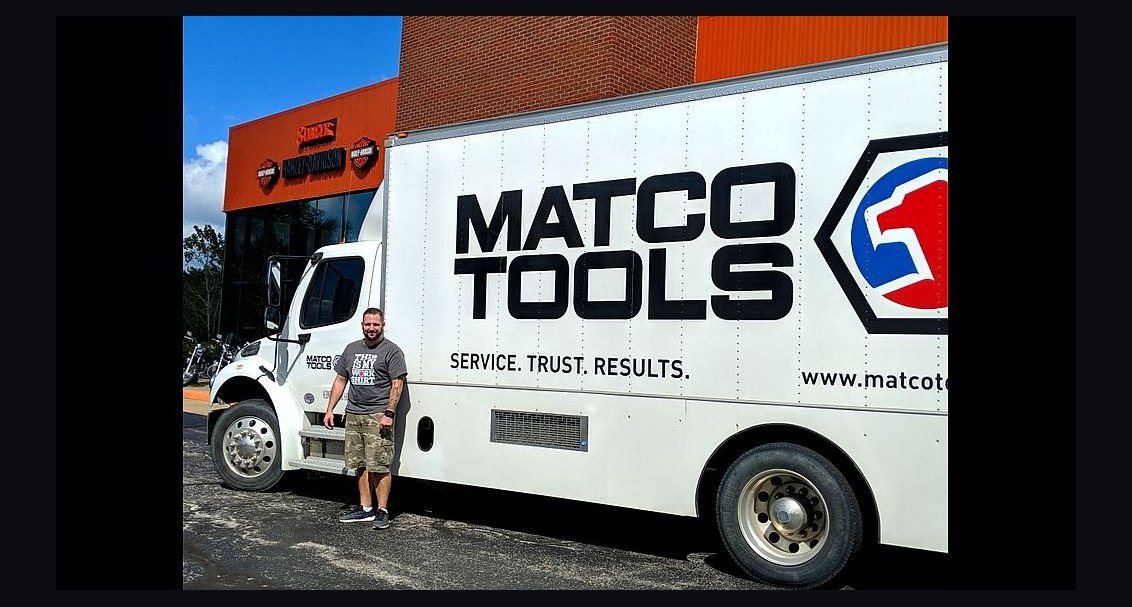 franchiseShould I open or buy a Matco Tools franchise in 2027?
 franchiseShould I open or buy a Supercuts franchise in 2027?
 franchiseShould I open or buy a Marco's Pizza franchise in 2027?
 franchiseShould I open or buy a Jimmy John's franchise in 2027?
 franchiseShould I open or buy a Servpro franchise in 2027?
 franchiseShould I open or buy a Valvoline Instant Oil Change franchise in 2027?
 franchiseShould I open or buy an Auntie Anne's franchise in 2027?
 franchiseShould I open or buy a Crumbl Cookies franchise in 2027?