
Should I open or buy a Terminix franchise in 2027?
 Curated by Kory White · Fractional CRO · Maryland
 PULSEKNOWLEDGE LIBRARY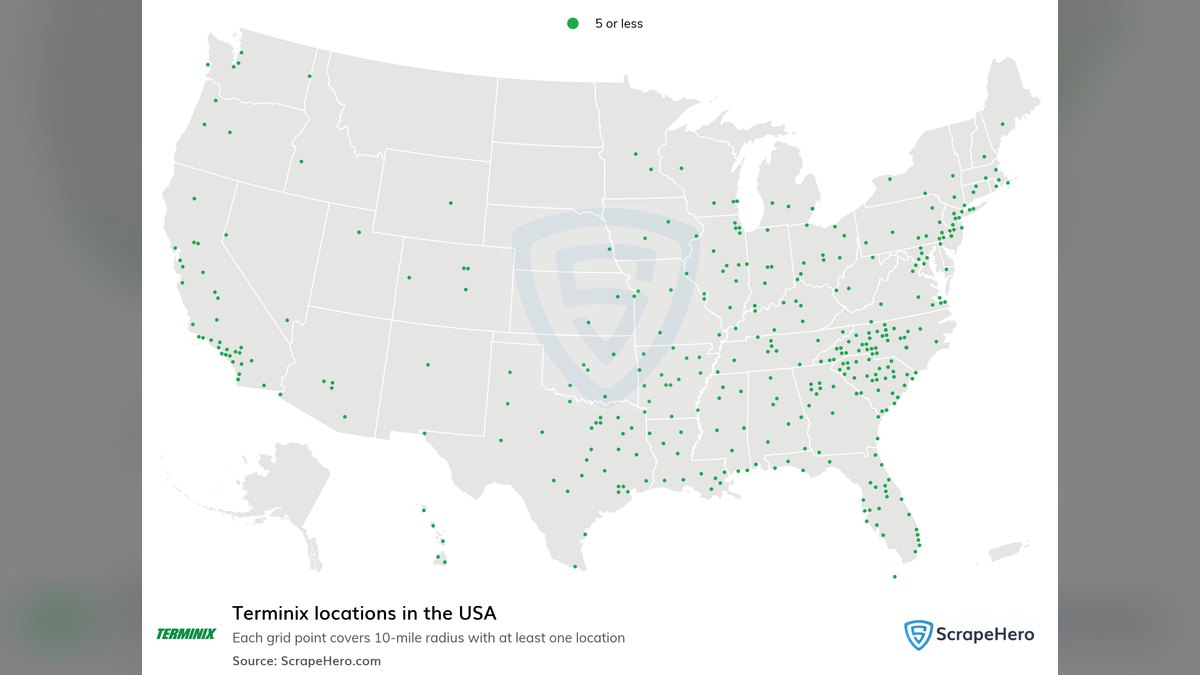
Probably not. Rentokil Initial closed the Terminix franchise pipeline after its 2022 acquisition and has been buying territories back, so new-build units are effectively unavailable in 2027. Your only realistic entry is a resale from a retiring legacy operator — and building an independent pest control company usually captures more equity for the same work.
The phone call that ends most Terminix searches
Picture the version of this that happens fifty times a year. A branch manager with eleven years on an Orkin truck decides 2027 is the year he stops building someone else's route. He has a state pesticide applicator license, a WDO inspector card, roughly $95,000 liquid after refinancing a rental property, and a shortlist of three zip-code clusters where he already knows which HOAs have termite pressure and which property managers pay in fifteen days. He wants a brand on the truck because he has watched cold-call close rates double when the customer recognizes the name. So he calls corporate franchise development and asks how to open a Terminix territory in his county.
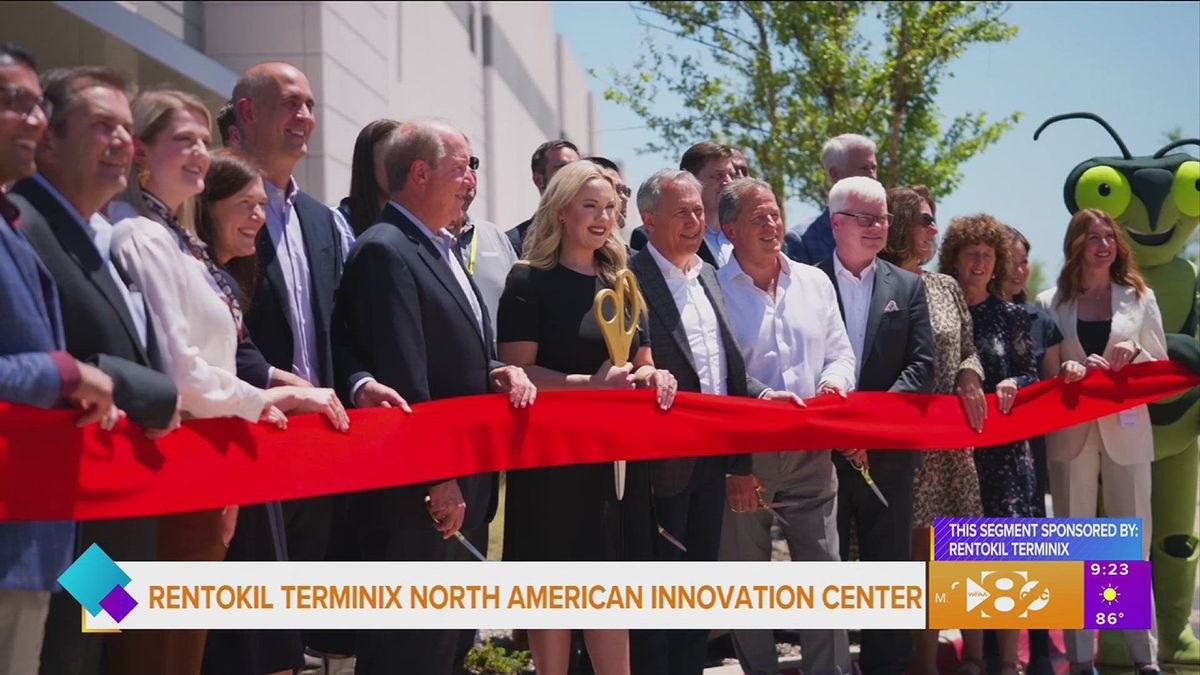
The call is short. The answer is not a price — it's that there is no product to sell him. Terminix's franchise system is a legacy network, not a growth channel. When Rentokil Initial completed the acquisition in October 2022 at roughly $6.7 billion, it inherited a set of sub-franchise territories that had been sold over decades, and the strategic logic of that deal ran the other direction from franchising: buy density, own the customer relationship, consolidate the back office. Rentokil bought the Terminix Puerto Rico franchise back in 2023 and has continued absorbing US territories since. A franchisor whose corporate plan is to reacquire its own franchisees is not writing new fifty-year agreements with strangers.
What makes this frustrating is that the underlying instinct is correct. Pest control is one of the better small-business categories in the country: contractual recurring revenue, non-discretionary demand, low customer churn once a route is established, and two deep-pocketed strategic acquirers who buy independents at real multiples. The branch manager's read on the industry is right. His read on the vehicle is wrong. And the mistake compounds, because people who fixate on a specific brand spend six to nine months chasing a closed door instead of building the asset — which is the same trap you see in other consolidating service categories, where the recognizable franchise name is the *output* of a roll-up rather than an entry point into one.
The productive move is to separate the two questions he's actually asking. Question one: should I be in pest control in 2027? Probably yes, if you have or can get licensure and you pick geography carefully. Question two: is a Terminix franchise the way in? Almost certainly not, and the specific reasons why also tell you what a good alternative looks like.
How a closed franchise system actually behaves
Franchise systems don't announce closure. There is rarely a press release saying "we are no longer selling units." Instead the system goes quiet in a set of recognizable ways, and learning to read those signals saves you a quarter of wasted diligence on any brand, not just this one.
The first signal is the disclosure document itself. Under the FTC Franchise Rule (16 CFR Part 436), a franchisor must give a prospective buyer a Franchise Disclosure Document at least 14 calendar days before signing or taking money. A franchisor that is not selling units still files and updates the FDD, because existing franchisees have renewal and transfer rights that require current disclosure. So the existence of a current FDD proves nothing about availability. What tells you the real story is Item 20 — the tables of outlet counts. A growing system shows new franchised outlets opened each year. A consolidating system shows a franchised-outlet count that declines year over year while the company-owned count rises by roughly the same amount. That transfer pattern between the two columns is the buyback program, rendered in a table.
The second signal is Item 19, the financial performance representation. It is optional under the rule. A franchisor actively recruiting almost always publishes one, because a credible average-unit-volume figure is the single most persuasive sales asset it owns. When a system stops publishing a standalone FPR, or blends the franchise figures into broader corporate numbers, the recruiting function has been de-prioritized. You are looking at a brand that no longer needs to convince anyone to buy in.
The third signal is Item 17 — renewal, transfer, and termination. In a consolidating system, watch for a franchisor right of first refusal on any transfer, approval rights over the buyer, and shortened or conditional renewal terms. Each of those is a lever that lets the franchisor route a selling franchisee's territory to corporate instead of to you. Even when a resale is technically permitted, an ROFR means you can spend $4,000 on legal and forty hours on diligence and then watch the franchisor match your offer and take the territory. That risk is not hypothetical in a system with an active buyback budget; it's the mechanism by which the buyback happens.
The practical takeaway: before you spend a dollar on a franchise attorney, get one thing in writing from franchise development — is this territory available for a new unit, available only by resale, or closed. Ask for it by email. A verbal "let me check with the team" that never converts to writing is itself the answer, and you should treat thirty days of silence as a no and move on. Then, if a resale genuinely exists, your first diligence item is not the customer book — it's Item 17 and whether the franchisor will pre-waive its right of first refusal in writing before you spend money.
What the numbers look like, and why they're the weakest part of the case
Suppose you find the unicorn: a retiring franchisee in a decent secondary market, a franchisor willing to consent, and a real renewal term. What are you buying?
On the franchise side, the initial investment for a route-based pest control unit is modest by franchise standards — the low tens of thousands into the mid-to-high tens of thousands, before the customer book. The components are unglamorous and predictable: the franchise fee, a small warehouse or office deposit rather than a retail build-out, one to two service vehicles with sprayers and baiting equipment, an opening inventory of termiticide and rodenticide and IPM materials, state licensing and insurance, a local marketing launch, and three months of working capital for payroll, fuel, and route software. That last line is where undercapitalized operators die: pest control bills in arrears on commercial and in advance on some residential plans, and your technicians get paid weekly regardless.
Ongoing, expect royalty in the high single digits to around ten percent of gross revenue, plus a national brand fund contribution of a couple of points. Call the combined drag roughly nine to thirteen percent off the top, every month, for the life of the agreement. That number is the entire argument, so sit with it. On a route doing $400,000, you are paying something in the neighborhood of $36,000 to $52,000 a year for brand, and in a category where the two largest operators already blanket the obvious zip codes with their own corporate marketing, you are frequently paying to compete against branded advertising you helped fund.
The larger check is the customer book. In pest control M&A the standard convention is a multiple of trailing revenue rather than EBITDA, because routes are comparable and the buyer is usually folding them into existing density. Small operator-to-operator deals price meaningfully below what strategic acquirers pay; strategic roll-up buyers in recent years have transacted in the low-to-high 2x trailing revenue range for quality books, and individual buyers of small routes typically pay less than that. So the honest arithmetic on a resale is: franchise transfer costs plus a book priced somewhere under strategic multiples, financed at SBA 7(a) rates that in the current cycle sit around ten to twelve percent, serviced by a business that gives away nine to thirteen points of revenue to a franchisor who is publicly trying to buy the system back.
Unit economics that matter more than any of the above:
Route density. A residential quarterly account is worth somewhere in the range of forty to sixty dollars per visit in most markets. At that ticket, drive time is the whole business. A technician who completes fourteen stops a day is profitable; a technician who completes eight because the route is scattered across two counties is not, at any revenue number. When you evaluate a territory, map the existing accounts and measure the average drive leg. If it's over fifteen to twenty minutes, you are buying a list, not a route.
Commercial mix. Commercial accounts — restaurant groups, property managers, warehouses, food processors — carry higher tickets, longer tenure, and far lower churn than residential. A book that's seventy percent commercial by revenue is worth materially more than the same revenue split the other way, and it's the mix that makes you attractive to an acquirer later. FSMA Section 204 traceability requirements are pushing food facilities toward documented, certified pest management programs, which favors operators who can produce clean IPM logs and audit-ready reporting over the cheapest truck in town.
Seasonality. Termite swarm season concentrates a large share of annual revenue into a short spring window in the Sun Belt, and mosquito service is a summer annuity. That means your Q1 marketing spend determines your entire year, and your cash trough is late fall. Anyone modeling twelve even months is modeling a business that doesn't exist.
Labor. Technician wages have risen substantially since 2024, and loaded cost with payroll taxes, workers' comp, vehicle, and fuel runs meaningfully above base hourly. Turnover is the silent margin killer: a technician who quits takes route knowledge and, often, a slice of the customer relationship with them.
Run those four together and the franchise question mostly answers itself. The brand helps with residential lead conversion, which is the lower-margin half of the business. It helps least with commercial, which is the half that determines your exit value. You are paying a percentage of all revenue for a benefit concentrated in one segment.
The alternatives, ranked by how much equity you keep
Buy an existing independent route. This is the most underrated option and the one experienced operators actually take. You get immediate density, an existing technician who knows the route, and a seller who is often willing to carry a note — which solves the financing problem that kills first-time buyers. Prices are negotiable in a way franchise resales are not, because there's no franchisor with an ROFR sitting in the middle, and there's no ongoing royalty. Deal flow comes from state pest control association member lists, licensing rosters, and simply calling every small operator in your target counties and asking about their five-year plan. Expect to make thirty calls per real conversation.
Build independent from zero. Slower, cheaper, and the highest equity capture per dollar invested. The ramp is genuinely hard — you are buying customers one at a time through Google Local Services Ads, door hangers, and referral, at a customer acquisition cost that runs from under a hundred dollars in a thin market to several hundred in a saturated metro. But you keep every point of revenue, you choose your own software and chemical suppliers, and you can build the commercial-heavy mix that maximizes exit value rather than the residential mix a franchisor's marketing pushes you toward. Both major consolidators buy independents continuously. Building a clean, documented, commercially-weighted book and selling it in year four to six is the highest-return version of this whole exercise.
Pick an open franchise brand instead. If the brand matters to you — and for some operators, particularly first-timers without industry credibility, it legitimately does — there are pest-adjacent systems actively selling territories. Mosquito-focused brands offer a simpler, more seasonal business with a lower operational surface area: fewer chemicals, fewer licenses in many states, one dominant service line. That simplicity is real value if you've never run a route. The trade-off is seasonality risk and a smaller total addressable revenue per territory. Broader pest franchises with hybrid commercial and residential models sit in between. Whatever you consider, run the same Item 19 / Item 20 / Item 17 read described above — the point of that framework is that it generalizes.
Subcontract into commercial master agreements. A ramp tactic rather than a business model, but a useful one. Large national facility-services and pest providers subcontract route work to local licensed operators to cover geographic gaps. The margins are thin and you don't own the customer, but it puts revenue on a truck that would otherwise be running half empty in year one, and it builds the commercial reference base you'll need to win direct accounts later. Treat it as bridge revenue with a hard sunset — operators who become dependent on subcontract work end up with a business that has no independent enterprise value.
The adjacent-services angle. Worth noting because it changes the math on several of the above: pest control routes cross-sell unusually well into other recurring home and facility services — lawn treatment, gutter and exterior cleaning, crawlspace moisture control, wildlife exclusion. A franchise agreement typically restricts what else you can sell under the brand and sometimes what you can sell at all within the territory. An independent has no such constraint and can layer a second service line onto the same drive time, which is the single cheapest revenue you will ever add. That optionality rarely shows up in a franchise-versus-independent comparison, and it should.
Where people lose money doing this
Buying a list and calling it a route. The most common failure. Trailing revenue looks fine, the account count looks fine, and then you discover the accounts are scattered, half are annual one-time treatments rather than contracts, and the previous owner had been running a discount that expires the month you take over. Diligence fix: pull twenty-four months of transaction-level data, not summary revenue. Classify every account as contract or one-off. Map them. Compute revenue per drive-hour, not revenue per account. Ask specifically about pricing actions in the last eighteen months.
Underestimating licensure lead time. In most states you cannot legally treat a property without a certified applicator, and becoming one requires supervised hours plus category exams under the EPA's applicator certification framework, with termite and structural categories typically requiring the most. If you are not already licensed, this gates everything, and it can take many months. The workaround — hiring a licensed certified applicator to serve as your qualifying individual — is real but creates a dependency: if that person leaves, your ability to operate leaves with them. Structure their compensation and notice period accordingly, and start your own certification track on day one regardless.
Ignoring the regulatory treadmill. Active ingredients get reregistered, restricted, and occasionally pulled. When that happens, everyone in the industry reformulates, retrains, and sometimes re-equips at the same time. Budget for it as a recurring cost rather than a surprise, and prefer suppliers and software that keep your label compliance and application records audit-ready — because the same records are what a commercial client's food-safety auditor will ask for.
Chasing saturated metros. The large metros with obvious pest pressure are exactly where the corporate branches concentrate their marketing spend, and customer acquisition cost reflects it. Secondary Sun Belt markets — the mid-size cities an hour or two off the interstate spine — combine high pest pressure, lower labor cost, and thinner corporate coverage. The whole strategy fits in one sentence: go where the termites are and the national advertising isn't.
Assuming absentee ownership. This is an owner-operated business through at least year three. You will ride routes, run payroll, handle the callback on a botched treatment personally, and work long weeks through swarm season. Anyone modeling this as a passive investment is modeling the wrong business, and the franchise brand does not change that — if anything it adds compliance obligations on top of the operating load.
Treating the franchisor as a partner in a consolidating system. Franchisor support quality is a real variable, and in a system being wound down, support engineering, marketing innovation, and field visits are not where the budget goes. Validate this the way the FTC intended: use the Item 20 franchisee list, call at least eight current operators, and ask each one whether support has improved or degraded post-acquisition and whether they'd sign again. If fewer than five say yes, you have your answer, and it cost you nothing but phone time.
Related questions
Can I buy a Terminix franchise resale directly from a retiring owner?
Only with franchisor consent. Transfers require approval under Item 17, and most agreements grant the franchisor a right of first refusal. Get a written waiver of that ROFR before spending money on legal or diligence, or you may fund a deal the franchisor simply takes.
Is pest control still a good business to enter in 2027?
Yes, on fundamentals: recurring contracts, non-discretionary demand, low churn, and two active strategic acquirers. The constraint is licensure and route density, not market demand. The vehicle you choose — franchise, independent build, or acquisition — matters more than the category decision.
How do I tell if any franchise system has stopped selling units?
Read Item 20's outlet tables across three years. Declining franchised counts with rising company-owned counts signal buyback. Then check whether Item 19 still carries a standalone financial performance representation. Finally, ask franchise development for territory availability in writing.
What's the fastest path to owning a pest control route?
Acquiring an existing independent operator, often with seller financing. You inherit density, technicians, and contracts on day one, avoid franchise consent entirely, and pay no royalty. Deal sourcing runs through state association rosters and direct outreach to small operators.
Does a national brand actually help win pest control customers?
It helps most on inbound residential leads, where recognition lifts conversion. It helps least on commercial accounts, which are won on references, response time, and documentation quality. Since commercial drives exit value, brand benefit concentrates in the lower-value half of the book.
FAQ
Can I open a new Terminix franchise territory in 2027?
Realistically, no. Rentokil Initial closed new franchise sales following completion of its Terminix acquisition in October 2022, and has been reacquiring franchised territories since — including the Terminix Puerto Rico franchise in 2023. Confirm current status in writing with franchise development for your specific market, but plan around a resale or an alternative brand.
What ongoing fees would a Terminix franchisee pay?
A royalty on gross revenue in the high-single-digit to roughly ten percent range, plus a national brand fund contribution of a couple of percentage points. Combined, expect roughly nine to thirteen percent of gross revenue off the top for the life of the agreement. Verify exact figures in the current FDD Item 6 for any specific agreement.
How much capital do I need to start a pest control operation?
Route-based pest control is capital-light relative to most franchises — vehicles, application equipment, chemical inventory, licensing, insurance, and working capital, rather than a retail build-out. Working capital for three months of payroll and fuel is the line most first-timers underfund, and it is the one that most often forces a distressed exit in year one.
Should I buy an existing route or build from scratch?
Buy, if you can find one and finance it. An existing route delivers immediate density and cash flow, and sellers frequently carry paper. Building from zero is cheaper up front but the ramp is slow and customer acquisition cost in competitive metros can exceed the first year of contract value per account.
How do pest control businesses get valued when sold?
Typically as a multiple of trailing revenue rather than EBITDA, because routes are comparable and buyers fold them into existing density. Strategic acquirers pay more than individual buyers. Commercial-weighted books with documented contracts, clean application records, and low churn command the top of the range.
What licensing do I need before treating a single property?
A state pesticide applicator certification in the relevant categories, typically including structural and, in termite states, a wood-destroying organism inspector credential, under the EPA's applicator certification framework as implemented by your state. Requirements, supervised-hour minimums, and exam categories vary by state — check with your state department of agriculture first.
Sources
- https://www.ftc.gov/business-guidance/resources/franchise-rule-compliance-guide
- https://www.ecfr.gov/current/title-16/chapter-I/subchapter-D/part-436
- https://www.epa.gov/pesticide-worker-safety/pesticide-applicator-certification-rule
- https://www.rentokil-initial.com/investors
- https://www.rollins.com/investor-relations
- https://www.sec.gov/edgar/searchedgar/companysearch
- https://www.sba.gov/funding-programs/loans/7a-loans
- https://www.bls.gov/oes/current/oes372021.htm
- https://www.fda.gov/food/food-safety-modernization-act-fsma/fsma-final-rule-requirements-additional-traceability-records-certain-foods
- https://www.pctonline.com/
Related on PULSE
- [How long does it take to open a franchise and break even in 2027?](/knowledge/fr1104)
- [Should I open or buy a Tommy Gun's Original Barbershop franchise in 2027?](/knowledge/fr1095)
- [Should I open or buy a Painting with a Twist franchise in 2027?](/knowledge/fr1058)
 pulse-toolsWhat Service Fees Should a Law Firm Charge?
 pulse-toolsHow Many Staff Should I Schedule Each Shift at My BBQ Restaurant?
 pulse-aquariumsTop 10 Canister Filters 2027
 pulse-toolsHow Many Staff Should I Schedule Each Shift at My Sushi Restaurant?
 pulse-moviesTop 10 Action Movies of All Time in 2027
 pulse-toolsHow Many Sales Reps Do I Need to Hire for My Window Replacement Company?
 pulse-toolsHow Many Employees Should I Schedule Each Shift at My Bowling Alley?
 pulse-toolsHow Many Sales Reps Do I Need to Hire for My Healthcare SaaS Company?
 pulse-moviesTop 10 Thriller Movies of All Time in 2027
 pulse-toolsHow Many Sales Reps Do I Need to Hire for My Marketing Agency?